El Salvador Continues Bitcoin Acquisition Amid Market Slump

El Salvador has made another significant acquisition of Bitcoin, despite the ongoing market volatility. The country’s Bitcoin holdings have now reached 6,068 BTC after a recent purchase of 12 BTC. This decision aligns with the nation’s unwavering commitment to embracing digital currencies, even as Bitcoin prices hover below the $100,000 mark.
This latest move is part of El Salvador’s broader strategy to integrate Bitcoin into its financial system. Despite facing ongoing pressure from international financial institutions, including the International Monetary Fund , the Central American country remains resolute in its belief in the potential of Bitcoin to transform its economy. El Salvador’s Bitcoin Office confirmed the purchase, citing favourable market conditions as the reason behind the acquisition.
The government of El Salvador, led by President Nayib Bukele, first made headlines in 2021 when it became the first country in the world to adopt Bitcoin as legal tender. At the time, the move was seen as a bold experiment, with critics questioning the wisdom of using a volatile digital asset in place of traditional currency. However, the government has continued to push forward with its plan to boost financial inclusion, foster innovation, and attract international investment through its Bitcoin-centric policies.
El Salvador’s Bitcoin purchases have often been timed when prices dip, allowing the government to accumulate more BTC at lower rates. The purchase of 12 additional Bitcoin came when the cryptocurrency’s value fell below $100,000 per coin, enabling the country to capitalise on a potential bargain. This strategic approach has raised both eyebrows and praise. Supporters argue that El Salvador is positioning itself to reap long-term benefits from Bitcoin’s volatility, while critics remain skeptical of the country’s reliance on an asset known for its price fluctuations.
The IMF has expressed concerns about the risks associated with El Salvador’s Bitcoin strategy. As part of its agreement for a $1.4 billion loan to El Salvador, the IMF requested adjustments to the country’s Bitcoin laws. While the government has complied with some of the IMF’s requirements, including regulatory changes, it has made it clear that it will not backtrack on its Bitcoin plans. The government views the digital asset as a tool for economic empowerment and financial independence, especially for the unbanked population, which constitutes a large portion of El Salvador’s citizens.
The IMF’s concerns are not without merit. Bitcoin’s extreme price volatility poses a significant risk to countries like El Salvador, whose economic stability is already precarious. Critics argue that Bitcoin’s erratic swings could undermine the country’s efforts to maintain fiscal discipline and attract foreign investment. Moreover, the Bitcoin market is still in its infancy, with questions about its scalability and long-term sustainability looming over the industry.
Despite these concerns, El Salvador has taken proactive steps to mitigate the risks associated with Bitcoin. The government has established a “Bitcoin Trust,” designed to safeguard the country’s Bitcoin holdings and prevent potential market crashes from impacting the nation’s finances. This trust acts as a financial buffer, enabling the government to liquidate some of its Bitcoin holdings if necessary, without triggering market panic. Additionally, El Salvador has launched Bitcoin-backed bonds, which aim to raise funds for infrastructure development and pay off existing debt. This innovative financial tool is expected to generate significant capital for the government, further solidifying its commitment to Bitcoin as a core component of its economic strategy.
While Bitcoin continues to be a cornerstone of El Salvador’s economic vision, the country has also sought to diversify its digital currency initiatives. In 2022, the government introduced a “Bitcoin City,” a special economic zone designed to attract global investors and foster blockchain innovation. The city will be powered by geothermal energy from nearby volcanoes, a feature that sets it apart from other cryptocurrency hubs worldwide. El Salvador’s efforts to promote Bitcoin as a central piece of its economic development have attracted attention from cryptocurrency enthusiasts and blockchain technology companies looking to establish a presence in the region.
The nation’s Bitcoin experiment has already had a significant impact on its financial system. According to the government, Bitcoin has provided millions of citizens with access to financial services for the first time. With a large percentage of the population lacking access to traditional banking services, Bitcoin’s digital nature offers an alternative to the conventional banking system. By using a mobile app, citizens can send and receive Bitcoin, facilitating faster and cheaper cross-border payments, and providing a sense of financial independence. This has proven to be especially important in a country where remittances from abroad account for a large portion of GDP.
However, despite the positive outcomes, the implementation of Bitcoin in everyday life has not been without its challenges. Volatility remains a significant obstacle, with many Salvadorans still wary of the risks associated with using Bitcoin for day-to-day transactions. The government has attempted to address these concerns by integrating Bitcoin with the country’s existing payment system, making it easier for businesses to accept the digital currency. The government also launched a Bitcoin wallet called “Chivo,” which allows citizens to convert Bitcoin into US dollars instantly, providing a safety net against price fluctuations.


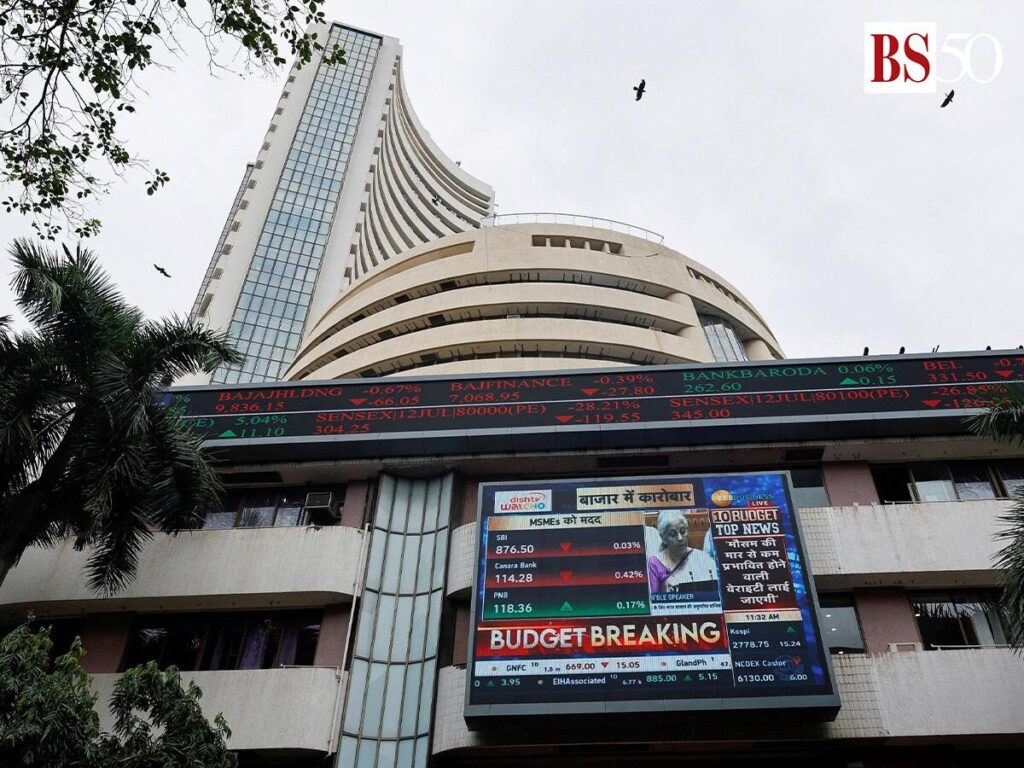 By Nantoo Banerjee It would be wrong to underplay the impact of rising foreign disinvestments from the country’s secondary market on the economy and the very stability of Indian Rupee (INR). Both the domestic economy and INR have been constantly under pressure from large deficit trade balances year after year, external borrowings, loan servicing, very […]
:max_bytes(150000):strip_icc()/GettyImages-1441467099-6fea6e81a2454f10ab5c34c9d0fe5bd9.jpg)




 By Anjan Roy The only big idea about the eighth budget of finance minister, Nirmala Sitharaman, is an announcement of an income tax exemption of upto Rs 12 lakhs. It is a big jump no doubt, from the exemption level of Rs 7 lakh earlier. There is a political catch in that though. But in […]
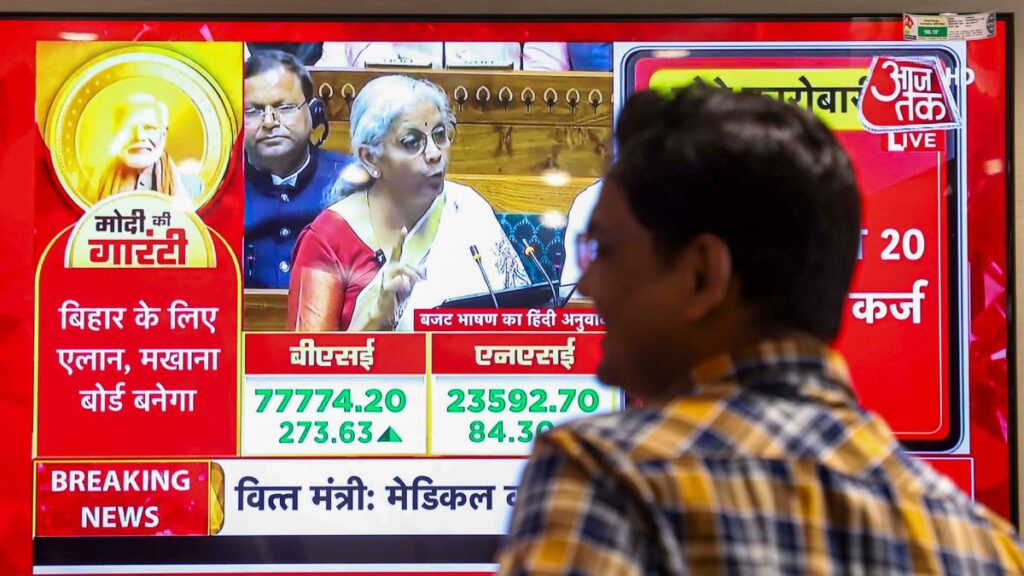 By Dr. Gyan Pathak Union Minister of Finance Nirmala Sitharaman has emphasized on 100 per cent skilled labour with meaningful employment; 100 per cent quality, good school education; and access to quality, affordable and comprehensive healthcare as part of Vikasit Bharat initiative in her speech while presenting Union Budget 2025-26 on February 1. However, the […]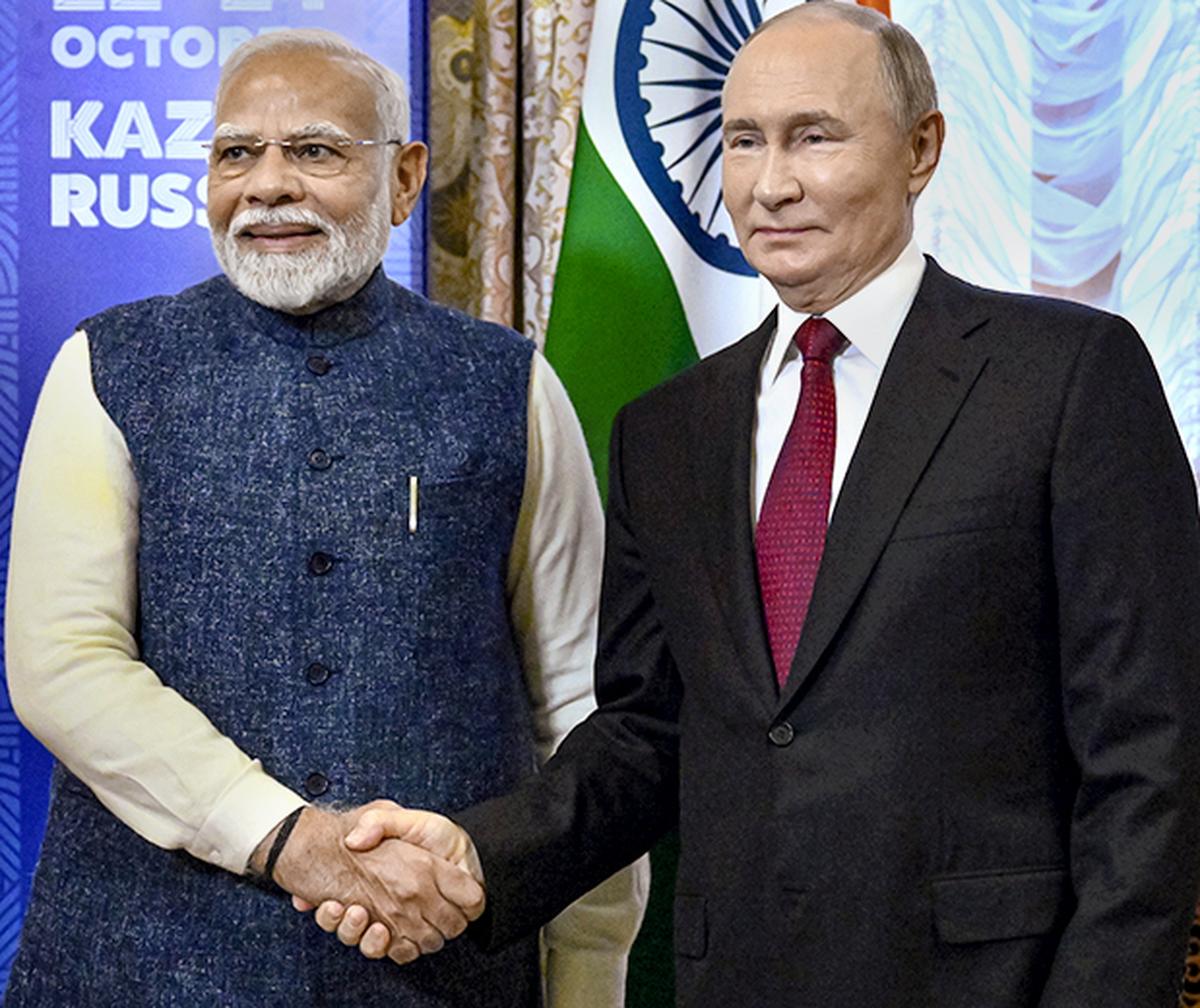
 By Nitya Chakraborty What is happening to the proposed official visit of the Russian President Vladimir Putin to India early this year? Is the Prime Minister Narendra Modi’s invitation to the Russian President to visit India given at the BRICS summit at Kazan on October 22 still valid? Doubts are being raised about the visit […]
 By Dr. Nilanjan Banik The Budget deals with allocating money towards areas where the government thinks it is essential to spend, and finding out ways such as taxes, to finance it. The government primarily requires money to spend on social infrastructure (such as schools, hospitals, water, sanitation, etc.), physical infrastructure (such as railways, roads, airports, […]
 By Dr. Gyan Pathak Is it not a joke to expect a Member of Parliament to read, understand, give a considered view with qualitative comment on 655-pages-long final draft report on an important legislative amendment bill, such as the Waqf (Amendment) Bill, 2024, within a few hours, which was circulated to members less than 24 […]
 By K Raveendran The Chinese AI startup DeepSeek has brought down the market crashing, but it has done even more damaging things to the United States. Apart from challenging Silicon Valley’s technology dominance, the Chinese have exposed the limits of Trump’s tariffs, challenging Washington’s ability to restrain China’s technological advance. The Chinese breakthrough undermines one […]