News related to
Arabian Post Special

Abu Dhabi’s Mubadala Investment Company has acquired an 80% stake in both Global Medical Supply Chain (GMSC) and Al Ittihad Drug Store (IDS) from GlobalOne Healthcare Holding (GHH), which retains a 20% share. This strategic move enhances Mubadala’s presence in healthcare logistics and pharmaceutical distribution, aligning with the UAE’s vision to establish a robust life sciences infrastructure.

Established in 2015, GMSC offers comprehensive supply chain services for medical products, including demand planning, procurement, logistics, inventory management, warehousing, and maintenance. Serving over 200 medical facilities across the UAE, GMSC sources a wide range of products from nearly 400 suppliers, ensuring a reliable supply chain for medical needs.

Founded in 1987, IDS is a leading distributor of pharmaceutical and consumer healthcare products in the UAE. With a portfolio exceeding 1,000 products from over 40 suppliers, IDS services hospitals, pharmacies, and supermarkets nationwide, covering therapeutic categories such as anti-infectives, asthma, diabetes, and oncology.

Ismail Ali Abdulla, Executive Director of UAE Clusters at Mubadala’s UAE Investments Platform, stated that the expanding pharmaceutical market drives an increasing demand for specialized and efficient drug logistics solutions. By integrating GMSC and IDS into their portfolio, Mubadala aims to create a vertically integrated life sciences sector in the UAE, encompassing the entire value chain from logistics and distribution to specialized manufacturing.

This acquisition follows Mubadala’s recent strategic growth in the healthcare sector. Its specialty pharmaceutical business, KELIX bio, acquired a 100% stake in four pharma assets from GHH, including Bioventure, Bioventure Healthcare, Gulf Inject, and Wellpharma. These efforts underscore Mubadala’s commitment to strengthening the UAE’s healthcare and pharmaceutical sectors as part of broader national ambitions for drug security and economic diversification.

ADVERTISEMENT

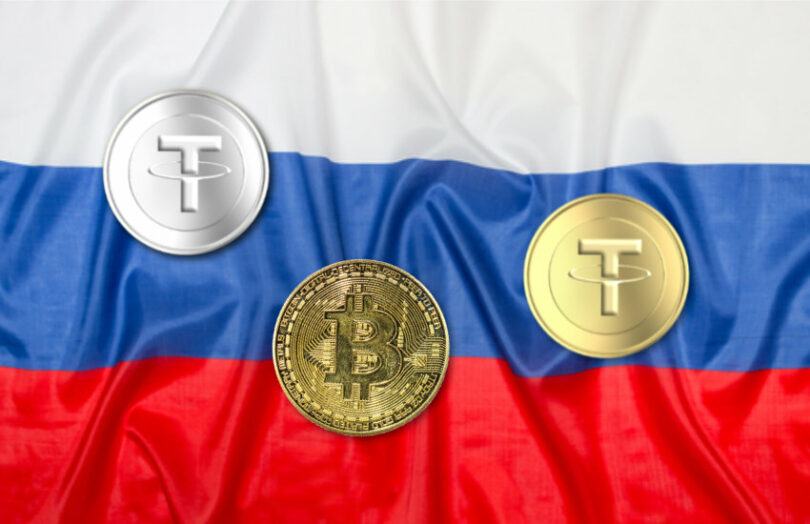
Russia has decided to suspend cryptocurrency mining operations in 10 regions, including Dagestan, Chechnya, and the Kherson regions, starting January 1, 2025. This ban will remain in effect until 2031. The move is part of the government’s broader strategy to address energy consumption issues across the country, particularly during peak usage times. Furthermore, new restrictions on mining will also be imposed in areas like Irkutsk, Buryatia, and the Trans-Baikal Territory during high energy demand periods.

This decision comes as part of a concerted effort by the Russian authorities to reduce energy consumption and manage national power grids more effectively. The increase in energy use from mining activities has been a concern for years, with crypto mining operations consuming significant amounts of electricity in some regions. By imposing the ban, the government aims to ensure that the national grid can accommodate the growing demand for energy, especially during the winter months when heating needs are at their peak.

In some areas, the restrictions will specifically target high-demand periods, such as evenings or cold spells, when power consumption spikes. The Irkutsk region, Buryatia, and Trans-Baikal Territory, which have historically been major hubs for cryptocurrency mining due to their relatively low electricity prices, will see these localized restrictions as part of an ongoing effort to stabilize the energy supply.

The ban also underscores the growing tension between the Russian government and the cryptocurrency industry. While Russia has been one of the world’s largest markets for crypto mining, it has also faced increasing criticism from environmental groups due to the high energy consumption required for mining operations. This new measure is likely to spark further debates about the environmental impact of cryptocurrencies, particularly Bitcoin, which is notorious for its energy-intensive mining process.

The Russian government has made no secret of its desire to regulate the cryptocurrency sector more strictly. A range of legislative actions, including stricter anti-money laundering measures and limitations on the use of crypto for payments, have been introduced in the past few years. By implementing these mining restrictions, the government is taking another step toward curbing the influence of the industry while reinforcing its control over the economy.

The decision to impose the mining ban for such an extended period is a significant development. It is expected to have a lasting impact on the mining sector in the country, especially in areas where cryptocurrency operations have become a substantial part of the local economy. Dagestan and Chechnya, for example, have seen a rise in mining activities due to the availability of cheap electricity. The halt in these regions could lead to significant economic disruptions for miners who rely on these locations for their operations.

Local authorities in the affected regions have expressed mixed reactions to the government’s plan. Some local leaders have welcomed the move, citing concerns about energy shortages and environmental degradation. Others, particularly those with financial interests in the mining industry, have voiced their opposition, arguing that the ban could result in job losses and economic hardship for those dependent on mining operations.

The Russian authorities have yet to provide specific details about enforcement mechanisms or the penalties for violating the ban. However, it is clear that the government intends to take a firm stance on this issue. Given the scale of the crypto mining operations in Russia, the impact of these restrictions is expected to be far-reaching, affecting thousands of miners and businesses involved in the industry.

The Russian crypto mining landscape has been shifting in recent years. As global regulatory pressures on cryptocurrencies have increased, many miners have moved operations to more crypto-friendly jurisdictions. In response, Russian authorities have taken steps to discourage mining activities within the country, seeking to ensure that the nation does not become a haven for unregulated crypto operations. The latest move to ban mining in key regions is part of a broader strategy to curb the growth of the industry, align with international regulatory trends, and preserve national energy resources.

While the ban will significantly impact mining operations in the affected regions, it is unclear whether it will lead to a broader shift in Russia’s stance on cryptocurrency regulation. Crypto miners are likely to explore alternative locations within Russia or abroad, where regulations may be less restrictive. This could result in a shift in global mining patterns, with other countries becoming more attractive destinations for mining operations.

At the same time, the Russian government’s actions could accelerate the development of other sectors related to blockchain and cryptocurrency technologies. These include blockchain-based financial services, which the government has shown an interest in fostering. However, the suspension of mining activities in key regions could undermine the overall growth of the industry within Russia.

Advertisements
ADVERTISEMENT

Arabian Post Staff -Dubai Jared Kushner’s investment firm, Affinity Partners, has secured an additional $1.5 billion in funding from the Qatar Investment Authority and Abu Dhabi-based asset manager Lunate. This significant capital infusion extends the investment period of Affinity’s debut fund to 2029, positioning the firm for sustained growth in the competitive private equity landscape. Kushner, founder of the Miami-based firm, disclosed these developments during an episode […]

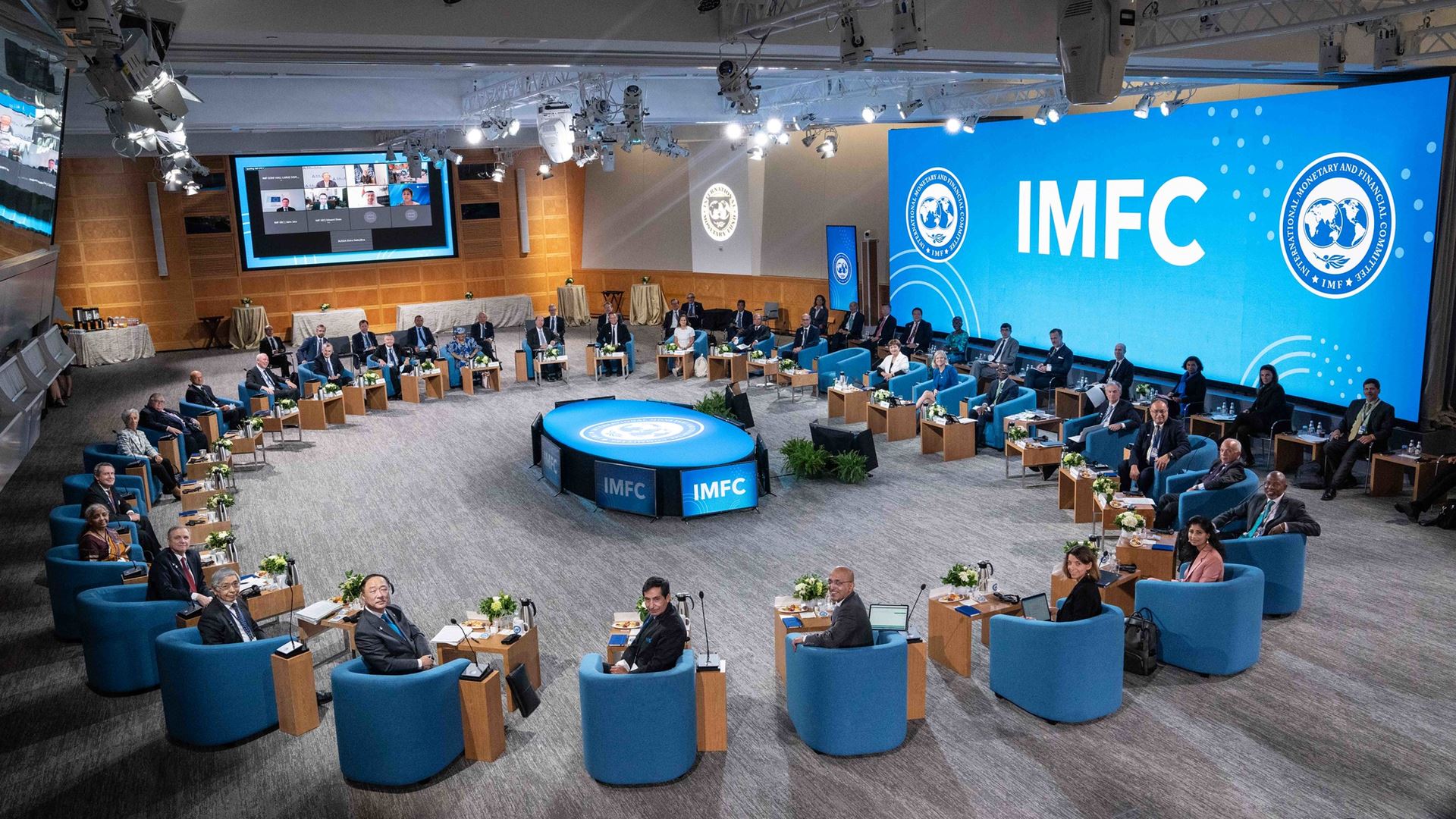
The Gulf economies are expected to continue their upward trajectory despite ongoing geopolitical tensions across the Middle East, according to the latest report from the International Monetary Fund (IMF). The region’s resilience, the IMF suggests, is driven by its diversified economic base, robust fiscal policies, and higher oil prices, which have counterbalanced the adverse effects of regional instability.

While the Middle East remains a hotspot for geopolitical risks, including tensions in Yemen, Syria, and Iran, the Gulf Cooperation Council (GCC) states—namely Saudi Arabia, the UAE, Qatar, Kuwait, Bahrain, and Oman—are poised for solid growth. The IMF’s economic outlook for the Gulf for the upcoming year signals a stable trajectory, with growth projections ranging from 3.2% to 3.5% for most of the member states. This comes on the back of strong economic fundamentals and the region’s strategic efforts to diversify away from oil dependency.

According to the IMF, the GCC’s fiscal prudence and economic diversification initiatives are vital drivers of the positive outlook. Non-oil sectors such as finance, real estate, tourism, and technology have become key contributors to economic growth. Saudi Arabia, for instance, has ramped up its Vision 2030 reform plan, focusing on broadening its economic base and reducing the country’s dependency on hydrocarbons. These efforts have led to an uptick in foreign direct investment and economic activity outside of oil.

The region’s handling of fiscal policies has played a crucial role in shielding it from the negative impacts of external shocks. Governments in the Gulf have generally maintained sound fiscal policies, with substantial fiscal surpluses bolstering state coffers, even as global oil prices fluctuate. For instance, Saudi Arabia and the UAE have used their oil revenues to fund ambitious infrastructure and diversification projects that promote long-term stability.

Saudi Arabia’s economic transformation efforts, notably under the leadership of Crown Prince Mohammed bin Salman, are already yielding results. The kingdom’s GDP has experienced robust growth, especially in non-oil sectors such as entertainment, sports, and tourism. Major projects like Neom, the futuristic city being developed in the northwest, and the Red Sea Project are expected to generate significant economic activity in the coming years. These initiatives reflect a long-term vision to create new economic hubs and reduce reliance on oil.

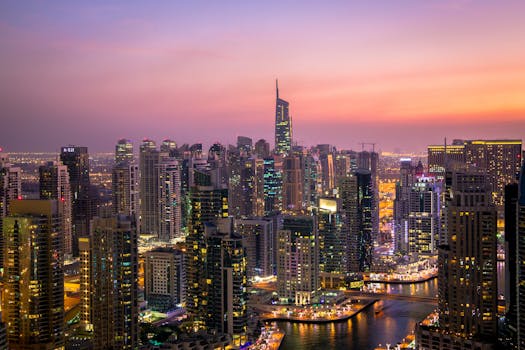
The UAE, another key player in the Gulf, has also shown a remarkable shift towards diversifying its economy. Dubai’s push to become a global center for technology and finance is starting to pay off, with the city positioning itself as a regional leader in both fintech and blockchain. Abu Dhabi’s focus on renewable energy and clean technologies is further strengthening the UAE’s long-term economic resilience. With such initiatives, the UAE is set to continue its strong performance, with growth forecasts suggesting the economy will expand by 4% over the next year.

Qatar has similarly proven its economic resilience. The country’s investment in liquefied natural gas (LNG) projects has enhanced its export capabilities, enabling it to weather external market fluctuations. Qatar has also shifted its focus to developing a more diverse economy, emphasizing finance, sports, and education, particularly through initiatives like the Qatar National Vision 2030.

The IMF also highlighted that Kuwait and Oman are expected to experience moderate growth, driven by their diversified economies and investments in non-oil sectors, including infrastructure and services. Although Oman has faced fiscal challenges in the past, its recent economic reforms and strategic investments are expected to yield positive results in the coming years. Similarly, Kuwait’s substantial sovereign wealth fund continues to provide a financial cushion, enabling the country to continue its development plans despite challenges.

Despite the ongoing tensions in neighboring countries, the Gulf states have managed to maintain political stability, a crucial element in sustaining investor confidence. The UAE’s role as a neutral hub for international trade, coupled with Qatar’s robust diplomatic efforts, has further insulated the region from potential instability. While conflicts in Yemen, Syria, and Iraq present challenges, the Gulf countries have largely shielded their economies from these disturbances through strong governance and military spending.

The Gulf’s active participation in global energy markets continues to provide it with a cushion against external shocks. Oil remains a crucial driver of revenue, but the higher global oil prices in the past year have supported economic resilience. Saudi Arabia and the UAE have also taken steps to ensure that their energy resources are used sustainably, with the UAE focusing on clean energy initiatives and Saudi Arabia looking to become a leader in green hydrogen production.

The region’s financial markets have also performed admirably in the face of geopolitical risk. Stock exchanges across the Gulf have been showing positive growth, with investors confident in the long-term prospects of the region. The UAE, in particular, has seen a surge in its financial markets, fueled by investor confidence in its economic diversification plans. Furthermore, the region’s strong banking sectors and their adaptation to digital banking and fintech have made them more attractive to foreign investors.

On the global stage, the Gulf has increasingly become a key partner in trade and investment. Its strategic location, at the crossroads of Europe, Asia, and Africa, continues to make it a central hub for international trade. In addition, initiatives such as the GCC’s Free Trade Agreement and the bloc’s involvement in the World Trade Organization (WTO) strengthen its position as a trade powerhouse.


ADVERTISEMENT
By Dr. Soma Marla The Union Ministry of Agriculture recently circulated a new draft for a policy framework concerning agricultural marketing. Faiz Ahmed Kidwai, additional secretary in the ministry, proposed the draft to revamp the existing framework. According to the government, the proposed universal tax on agricultural produce will increase farmers’ incomes. The committee has […]

Dogecoin’s 11% decline has positioned it as the leading loser among major cryptocurrencies, reflecting broader market concerns as Bitcoin also experiences notable drops. These movements have cast a shadow over the crypto sector during the holiday season, stirring unease in an industry already grappling with volatility and uncertainty.

Market experts attributed the downturn to a combination of factors, with QCP Capital, a trading firm, pointing to an overconfidence in market positioning. Their analysis, shared in a Friday report, suggests that traders had adopted overly bullish strategies, which backfired as the market sentiment shifted. This pattern is not isolated to Dogecoin alone but has been echoed across other key cryptocurrencies, with Bitcoin and Ethereum also facing downward pressure.

While Bitcoin remains the dominant player in the market, its decline has been significant, with the cryptocurrency losing ground as investor sentiment wavers. Experts have raised concerns about the future direction of the market, particularly as Bitcoin struggles to regain its footing. Dogecoin’s movement, which often follows trends set by Bitcoin, adds to the growing anxiety about the sector’s stability. The dip is widely seen as part of the broader correction phase that has affected digital currencies in the last few weeks.

The relationship between Bitcoin and altcoins like Dogecoin remains closely intertwined. Historically, shifts in Bitcoin’s price have had a ripple effect, influencing altcoin trends. As Bitcoin’s performance falters, smaller cryptocurrencies, including Dogecoin, often experience more pronounced fluctuations. This pattern appears to be playing out once again, with Dogecoin feeling the brunt of the market’s uncertainty. Traders had previously shown increasing optimism, but now face a sudden correction that has thrown off short-term projections.

Several factors have contributed to the market’s current mood. The ongoing scrutiny of crypto regulations globally has created an environment of caution among investors. As regulators consider tighter controls over digital assets, some market players are reconsidering their positions. For Dogecoin, a currency that has been driven in part by social media sentiment and celebrity endorsements, the external pressures are especially pronounced. Unlike Bitcoin, which is seen as a store of value by many, Dogecoin has struggled to maintain consistent long-term investor confidence.

Investor enthusiasm for digital currencies had been buoyed by the promise of blockchain technology and decentralized finance, but now, market corrections are bringing those expectations into sharper focus. Cryptocurrencies, once seen as the future of finance, are increasingly viewed as speculative assets vulnerable to short-term sentiment shifts. These developments come as the global economy faces uncertainty, with inflationary pressures and geopolitical tensions contributing to the overall risk appetite in the markets.

The combination of technical factors and macroeconomic concerns has created a more cautious environment for crypto trading. As a result, some investors are choosing to hold off on major positions until the market stabilizes. This cautious outlook has been exacerbated by the holiday season, traditionally a time when market activity can be less predictable due to lower trading volumes.

As the crypto industry navigates these challenges, market analysts are keeping a close eye on the broader trends. While Bitcoin and Dogecoin face immediate hurdles, many experts continue to view the long-term potential of cryptocurrencies as promising. However, in the short term, the volatility is likely to persist, leaving many traders to reassess their strategies. The ability of Dogecoin and other altcoins to recover will depend on several factors, including Bitcoin’s price trajectory and the ongoing regulatory landscape.

The ripple effect of Bitcoin’s struggles has also been felt among smaller crypto projects, with many seeing similar patterns of decline. However, some market observers are cautious about the depth of these corrections, noting that the crypto space has a history of bouncing back after sharp declines. While Dogecoin’s fall has been steep, it is far from the first time the currency has experienced significant volatility.

Cryptopia, the New Zealand-based cryptocurrency exchange that was forced into liquidation following a 2019 hack and a 2021 employee theft, has initiated the process of returning millions of dollars in cryptocurrency to its users. So far, the exchange has repaid over NZ$400 million (approximately $224.9 million) to 10,000 verified account holders, with plans to distribute further amounts in the coming year.

The exchange, once one of the largest in the country, had a tumultuous few years after the hack, which saw the loss of millions in cryptocurrency from user accounts. Despite attempts to recover from the breach, Cryptopia was unable to regain trust and was ultimately placed into liquidation in 2019.

Since the liquidation, efforts have been underway to recover and redistribute the funds owed to users, as the exchange’s liquidators worked through the complexities of returning assets from the frozen and compromised accounts.

Cryptopia’s situation has been a key example of the challenges faced by cryptocurrency exchanges when confronted with security breaches and internal fraud. The combination of the hack, followed by the theft of additional funds by a former employee, left the exchange struggling to meet its obligations to users. While liquidators have been able to recover significant portions of the stolen cryptocurrency, the process of returning funds to account holders has been slow, as the legal and financial hurdles surrounding such cases are often intricate and time-consuming.

The decision to liquidate the exchange followed an extensive investigation into the breach and the theft. Liquidators were tasked with identifying and recovering the stolen cryptocurrency, while also determining how to fairly distribute the recovered assets among the thousands of affected account holders.

Cryptopia’s repaid funds represent a significant portion of what users lost during the breaches. For many, the payout marks a long-awaited resolution to years of uncertainty. However, the process has been slow, and some users still await their full compensation.

The return of these funds is significant not only for the users who have been directly affected but also for the wider cryptocurrency community. It highlights the complexities of ensuring secure exchanges and the challenges of managing asset recovery after a breach. While no system can be completely foolproof, the incident underscores the importance of robust security measures and vigilant oversight in the cryptocurrency sector.

As the distribution continues into 2024, Cryptopia’s case will likely serve as a reference point for future regulatory and security measures in the cryptocurrency exchange industry. The liquidation process itself is also likely to be closely studied as an example of how the legal frameworks surrounding cryptocurrency asset recovery evolve.

The exchange’s repayment process has raised questions about how other crypto exchanges could better protect user assets and respond in the event of a breach. The emergence of new regulations for cryptocurrency exchanges in various countries may help prevent similar situations, although the industry remains largely unregulated in many areas.

This case also draws attention to the evolving nature of cryptocurrency regulations, particularly regarding the responsibilities of exchanges in safeguarding user funds. Regulatory bodies worldwide are working toward creating standards that would compel crypto exchanges to adopt stronger security practices, further ensuring that users’ assets are better protected.

While some have praised Cryptopia’s efforts to repay users, others remain critical of the delay in compensation, especially for those whose funds were tied up for years. The distribution process itself has been meticulous and slow, as the liquidators work to ensure that payouts are fair and based on the exact amounts owed to each individual.

Despite these challenges, the successful repayment to 10,000 account holders has offered hope that, even in cases where exchanges are compromised, users can still recover their assets, albeit after considerable time and effort. The unfolding process continues to unfold in New Zealand courts, with further payouts expected in the next year.

The Oman Investment Authority (OIA) has acquired a stake in xAI, the artificial intelligence company founded by entrepreneur Elon Musk. This strategic investment aligns with OIA’s objective to diversify its international portfolio and leverage advanced technologies across various sectors.

Established in March 2023 and officially launched in July of the same year, xAI has rapidly positioned itself among the top five companies in the AI industry. The firm specializes in developing advanced AI systems, including generative AI models designed to understand and interpret complex data.

In December 2024, xAI secured approximately $6 billion in equity financing, elevating its valuation to $50 billion. This substantial funding round attracted investments from prominent venture capital firms such as Andreessen Horowitz, Lightspeed Venture Partners, Sequoia Capital, and Tribe Capital.

The OIA’s investment in xAI is part of Oman’s broader strategy to integrate advanced AI technologies into its economy. Abdulsalam Mohammed Al Murshidi, Chairman of OIA, emphasized that this move aims to benefit from globally advanced technologies across various sectors.

xAI has recently achieved significant milestones, including the establishment of a cutting-edge data center in the United States and the launch of an enhanced version of its platform, Grok-2. These developments are expected to bolster the company’s capabilities in processing and analyzing real-time data, further solidifying its position in the AI sector.

Elon Musk’s ventures have experienced remarkable growth, with his net worth surpassing $400 billion, making him the world’s wealthiest individual. This financial ascent is largely attributed to the success of companies like Tesla, SpaceX, and xAI. Notably, SpaceX has reached a valuation of $350 billion, establishing it as the world’s most valuable startup.

ADVERTISEMENT

A new direction for digital asset regulation is taking shape as the Trump administration’s Digital Chamber’s Token Alliance discusses key priorities with pro-crypto SEC Commissioners Hester Peirce and Mark Uyeda. The priorities, set forth by the group, aim to dismantle or reconsider several regulations affecting the cryptocurrency and broader digital asset markets.

The alliance presented its day-one agenda, signaling an aggressive stance against existing regulatory frameworks that many in the crypto space consider overly broad or impractical. Central to their agenda is the overhaul of the 2019 framework for analyzing “investment contracts” in digital assets, which the alliance believes unnecessarily expanded the scope of what is considered an investment contract. Critics argue that this move left too much room for uncertainty, complicating the regulatory landscape for crypto assets.

One of the most significant shifts proposed is the reconsideration of amendments to Rule 3b-16, which had sought to expand the definition of “exchange” to include decentralized finance (DeFi) markets. The rule, if enforced, would have placed stricter regulatory requirements on decentralized exchanges, potentially curbing the growth of decentralized finance, a sector that has flourished despite regulatory challenges. The proposal to reconsider this rule reflects a growing consensus that current regulations might not adequately address the unique characteristics of decentralized platforms.

Further scrutiny will also be applied to ongoing legal actions and investigations concerning digital assets. The alliance has urged the SEC to immediately review all ongoing digital-asset-related investigations and Wells Notices. These notices, which are issued as part of enforcement actions, could lead to charges against companies or individuals violating securities laws. The call to halt and reassess these investigations is a direct challenge to the existing enforcement posture of the SEC, particularly under its previous leadership.

A critical aspect of the alliance’s agenda is the withdrawal of proposed Safeguarding Rules, which would have excluded state-chartered banks and trust companies from being considered qualified custodians for digital assets. These rules were seen by many in the industry as an unnecessary barrier, limiting the ability of traditional financial institutions to engage with digital assets. By advocating for the withdrawal of these rules, the alliance aims to ensure that more financial entities can participate in the digital asset ecosystem, helping to provide the infrastructure needed for growth.

The group seeks to rescind SAB 121, a standard that has caused significant friction within the digital asset community. The rule requires custodial entities to hold crypto assets on their balance sheets, creating potential accounting and financial reporting issues for companies holding client assets. The alliance argues that this requirement creates undue burdens on businesses, potentially discouraging them from offering custodial services for digital assets. The SEC’s rescinding of SAB 121 would be a major victory for crypto service providers, many of whom have cited it as a significant obstacle to growth.

The Trump administration’s proposed changes to these regulatory frameworks come at a time when digital assets are becoming an increasingly important part of the global financial landscape. As cryptocurrencies and blockchain technologies continue to gain mainstream acceptance, the need for clear and practical regulations has never been more pressing. However, the challenge remains for regulators to balance innovation with investor protection, ensuring that the digital asset market can thrive without opening the door to greater risks of fraud, manipulation, or financial instability.

Key figures in the industry are closely watching the evolving regulatory landscape. While the proposals to revisit the 2019 framework and rescind several key rules have been welcomed by many in the crypto space, the shift in regulatory policy is not without controversy. Some argue that loosening regulations too quickly could expose investors to greater risks. Others are concerned that too much regulation could stifle innovation and drive blockchain projects away from the U.S., especially as other countries such as the European Union are moving ahead with their own regulatory frameworks.

The debate surrounding the future of digital asset regulation highlights the growing importance of cryptocurrency in the global economy. Whether the Trump administration’s regulatory overhaul will have long-term positive effects on the industry remains to be seen, but it signals a willingness to reconsider outdated regulations that may not align with the evolving digital economy. What is clear is that the push for deregulation could reshape the way digital assets are viewed by both regulators and the broader public, offering new opportunities for growth and development in the sector.

As the regulatory environment continues to shift, stakeholders in the digital asset space are preparing for potential changes. Advocacy groups, blockchain companies, and financial institutions are aligning their strategies to take advantage of a regulatory landscape that may be more accommodating to innovation. However, this also brings a renewed focus on the need for clarity, as businesses seek to navigate the complex and often contradictory world of cryptocurrency regulation.

Patchwork, a startup founded by former Coinbase employees, has introduced ‘Create,’ a platform designed to enable users to develop blockchain applications without the need for coding expertise. This initiative aims to democratize access to blockchain technology, allowing a broader audience to participate in the decentralized application (dApp) ecosystem. No-code development platforms have been gaining traction across various sectors, and their application in blockchain technology is particularly noteworthy. […]

ADVERTISEMENT

Hundreds of eager visitors flocked to Caesars Virginia for the grand opening of the highly anticipated casino in Danville, Virginia, with a significant number traveling from nearby North Carolina. The event, which took place on Tuesday, attracted a large crowd, showcasing the appeal of the new facility to both locals and out-of-state casino-goers.

The opening of Caesars Virginia marks a pivotal moment in the region’s economic development, as the facility brings gaming, entertainment, and employment opportunities to the area. Situated just over the state line, the casino’s strategic location is expected to draw significant foot traffic from North Carolina, where gambling options are more limited.

Caesars Virginia, the state’s first casino, occupies a sprawling space that includes a casino floor, hotel accommodations, dining options, and entertainment venues. The facility is designed to offer a complete entertainment experience, catering not only to avid gamblers but also to those seeking a more comprehensive leisure experience.

The casino, located in the southern part of Danville, was built to capitalize on Virginia’s expanded gaming industry. State lawmakers legalized commercial casinos in 2020, with Caesars being the first to open its doors in this burgeoning market. The opening is part of a broader effort to stimulate economic growth and attract tourists to the region, especially in the wake of a changing landscape for gaming in the southeastern United States.

For North Carolina residents, the allure of Caesars Virginia’s grand opening was undeniable. With only a limited number of gambling options within the state’s borders, North Carolinians have frequently crossed state lines to visit casinos in nearby locations, such as those in Cherokee, North Carolina. Caesars Virginia, however, offers a new, nearby alternative that is expected to become a destination for both seasoned gamblers and newcomers alike.

Many attendees at the grand opening expressed excitement over the expanded gaming options now available in the area. “It’s great to have something this big and exciting so close to home,” said one attendee from Raleigh, North Carolina. The crowd at the event included a mix of seasoned casino visitors and newcomers eager to explore what the new venue had to offer.

The casino’s opening also highlights the growing competition among regional gaming markets. As Virginia continues to open its doors to the gaming industry, neighboring states like North Carolina are reevaluating their own stances on expanded gambling. In particular, North Carolina has been under pressure to revisit its gambling laws, as casinos like Caesars Virginia and the nearby casinos in South Carolina increasingly draw attention from potential gamblers.

Caesars Virginia offers a wide range of gaming options, from slot machines to table games, along with plans for a poker room in the future. In addition to the gambling offerings, the casino has invested in upscale dining options, entertainment venues, and luxury accommodations, positioning itself as not just a casino, but a comprehensive entertainment hub. The development is expected to create numerous jobs in the region, providing both direct employment in the casino itself and indirect job creation in sectors such as hospitality, retail, and services.

One of the key factors that helped make Caesars Virginia a reality was the financial investment from Caesars Entertainment, one of the largest casino and entertainment companies in the world. The company has deep roots in the gaming industry, and its experience and expertise were pivotal in ensuring the success of the project. The company’s long-standing reputation in the industry has been a significant draw for both gamblers and investors, further bolstering confidence in the casino’s future success.

For Danville, the opening represents a major milestone in the city’s revitalization efforts. The area has faced economic challenges in the past, including job losses due to the decline of manufacturing and tobacco industries. However, Caesars Virginia offers the potential to reverse these trends by bringing in new revenue streams, both through gambling and tourism. Local businesses stand to benefit from the influx of visitors, and the city itself could see long-term economic growth as a result of the casino’s opening.

The grand opening also signifies the growing trend of casinos being seen as economic drivers for their communities. As gambling becomes increasingly legalized across the country, more and more cities are seeking to tap into this lucrative industry. Danville’s choice to embrace the expansion of the gaming sector is a clear reflection of the city’s determination to adapt to changing economic realities.

While the grand opening was a celebration for many, there are concerns from some segments of the community about the potential social impacts of the casino. Critics have raised issues surrounding the possibility of increased gambling addiction, as well as the long-term effects of having a large casino in a community with a relatively small population. Nevertheless, the city has expressed confidence that Caesars Virginia will operate responsibly, with a focus on promoting responsible gaming practices.

Crude oil markets across the Middle East have become increasingly constrained as the United Arab Emirates (UAE) takes steps to limit its oil exports, while international sanctions continue to affect flows from Iran. These combined actions have contributed to a tightening of global oil supplies, pushing prices higher for key Middle Eastern grades.

The UAE, one of the world’s top oil producers, has recently implemented measures to limit its output, joining other OPEC+ members in their efforts to stabilize oil markets amid fluctuating demand and economic uncertainty. This move is part of a broader strategy by the UAE to control production levels more closely, ensuring that the global supply remains in balance with the demand.

Meanwhile, the ongoing sanctions on Iran have added another layer of complexity to the Middle Eastern oil landscape. Despite some efforts to revive the nuclear deal, Tehran continues to face restrictions that prevent it from fully participating in the global oil trade. As a result, Iran’s oil exports have been significantly curtailed, with the country struggling to bypass restrictions designed to limit its oil revenues. This has further squeezed the market and contributed to higher prices for several crude grades.

The tightening of the market has had a noticeable impact on prices. For example, the price of Dubai crude, a key benchmark for Middle Eastern oil, has seen a substantial increase, reflecting the reduced availability of supply. The price uptick is particularly significant for countries in Asia, where Middle Eastern crude is a primary source of oil. The sharp rise in prices has prompted concerns among buyers about the sustainability of the situation, especially as global energy demand continues to grow.

Oil prices in the Middle East have also been influenced by broader geopolitical and economic trends. As countries like China and India recover from the pandemic and resume higher levels of industrial activity, their demand for crude oil has surged. This demand has been further amplified by supply restrictions in other regions, notably from Russia and Venezuela, where political and economic challenges have hampered production. These dynamics have intensified the pressure on Middle Eastern producers to ensure they can meet the global demand while managing the ongoing challenges posed by sanctions and production cuts.

The UAE’s decision to limit its oil exports aligns with broader efforts within the Organization of the Petroleum Exporting Countries (OPEC+) to curb production in response to shifting market conditions. OPEC+ has long been at the forefront of managing global oil output to prevent significant price fluctuations that could destabilize the market. However, the ongoing cuts, which have been in place for much of 2024, are a delicate balancing act. If production levels are reduced too much, they risk pushing prices too high, which could spark inflationary pressures around the world.

This delicate balance is evident in the price movements of several key crude grades. Brent crude, the global benchmark, has risen steadily, driven by supply concerns from key oil-producing regions, including the Middle East. Similarly, West Texas Intermediate (WTI) has seen price increases, partly due to concerns about the tight supply from OPEC+ nations.

Sanctions on Iran continue to play a significant role in these price shifts. Despite some efforts by Tehran to circumvent sanctions by selling oil on the black market, international restrictions remain in place, making it difficult for the country to regain its former market share. Iran’s oil exports, which once accounted for a substantial portion of global supply, have dropped significantly since the US re-imposed sanctions after exiting the nuclear deal. While there have been sporadic efforts to negotiate a return to the deal, these have so far yielded little in terms of significant policy changes or sanctions relief.

For the oil markets, these combined challenges—UAE production cuts and Iranian sanctions—represent a dual pressure point that is expected to persist throughout 2024. Experts warn that the global oil market will continue to face volatility as geopolitical uncertainties, economic growth trajectories, and supply disruptions intertwine.

While the UAE’s actions are likely to continue to drive the market dynamics in the short term, the long-term outlook for the region’s oil supply remains uncertain. The UAE, along with other key players like Saudi Arabia, will need to carefully navigate the challenges of balancing global demand with domestic energy strategies. In particular, the UAE’s push to manage its oil output more closely may have significant implications for global oil prices, especially if other members of OPEC+ follow suit.

Arab nations have ramped up their recruitment of migrant workers, capitalizing on the global surge in demand for labour across various sectors. As economic recovery accelerates worldwide, these countries are seeing an influx of foreign workers filling key roles in industries such as construction, hospitality, healthcare, and retail. The trend has intensified due to the increasing need for skilled and semi-skilled labour, particularly in the wake of the COVID-19 pandemic, which had earlier disrupted migration flows.

This growing demand for foreign labour in the Gulf states, such as the United Arab Emirates (UAE), Saudi Arabia, Qatar, and Kuwait, reflects a broader global phenomenon where labour shortages are pushing countries to adopt more flexible immigration policies. These nations have long relied on migrant workers to fuel their economies, but the scale and scope of the current influx are higher than before, driven by ambitious infrastructure projects, the rapid expansion of new industries, and a burgeoning consumer market.

The demand for migrant workers is particularly high in the construction sector. With large-scale projects such as the World Expo 2020 in Dubai and the 2022 FIFA World Cup infrastructure projects in Qatar, Arab nations have become magnets for workers from countries like India, Bangladesh, Pakistan, and the Philippines. In these countries, millions of people are seeking better opportunities abroad, often choosing the Gulf region for its proximity, relatively higher wages, and work availability. The UAE, for instance, has seen an increase in foreign labour as it continues to diversify its economy, moving away from oil dependency and investing in tourism, real estate, and technology.

In response, governments in the Gulf have streamlined visa processes, introduced new work schemes, and made significant changes to labour laws in an attempt to better manage the growing migrant population. The Saudi government, for example, has rolled out its Vision 2030 initiative, which includes large-scale projects requiring substantial foreign manpower, while also pushing for reforms to ensure fairer treatment of migrant workers.

Despite these efforts to regulate and manage the migrant workforce, challenges remain. Migrant workers often face difficult working conditions, including long hours and low wages, especially in the construction and service industries. Human rights organizations have regularly highlighted concerns over worker exploitation, inadequate living conditions, and restrictions on freedom of movement. These concerns have prompted some governments to introduce reforms aimed at improving the welfare of migrant workers, including enhancing housing standards and addressing unpaid wages.

The COVID-19 pandemic also played a significant role in reshaping migration trends within the Arab states. During the height of the pandemic, strict lockdown measures and border closures disrupted the flow of migrant workers. However, as vaccination efforts gained ground and restrictions eased, there was a swift rebound in the demand for foreign workers. This led to a rapid recovery in the number of migrant workers coming to the Gulf region, particularly for roles in healthcare, where there has been a significant push to employ foreign doctors and nurses to cope with the demand created by the pandemic.

Qatar’s shift towards a more comprehensive legal framework for migrant workers, which includes a minimum wage law and abolishment of the kafala system, reflects a growing recognition of the need to balance economic growth with fair labour standards. However, critics argue that the changes, while significant, may not go far enough to ensure the complete protection of migrant workers’ rights. Moreover, the influx of migrant workers can sometimes put a strain on social services and infrastructure, leading to concerns over housing shortages and rising costs in certain urban areas.

While the recruitment of migrant workers is essential for the continued economic growth of the region, it has sparked debate about the long-term sustainability of such a workforce model. Some experts have pointed out that reliance on migrant labour, without sufficient investment in the local workforce or a focus on upskilling nationals, could lead to social inequalities. Additionally, the ongoing geopolitical situation and economic shifts could affect the stability of migration flows, leading to a need for more robust policies to ensure both the welfare of workers and the long-term economic health of the region.

The growing migrant workforce also reflects a significant demographic shift in these countries. The UAE, for example, has a population where expatriates outnumber nationals, with migrants forming the backbone of the economy. This demographic imbalance raises questions about the long-term social and political implications, particularly as migrant workers often face difficulties in achieving permanent residency or citizenship. Some Gulf states have introduced policies that provide greater rights to long-term residents, but these changes have been incremental.

At the same time, the rise of technology and automation in sectors such as manufacturing and logistics could alter the demand for migrant workers in the coming years. As automation takes over certain low-skilled jobs, it is likely that there will be a shift towards a more skilled migrant workforce. Countries like Saudi Arabia and the UAE are already focusing on training their workforce to meet the demands of new technologies, which could reduce their reliance on foreign workers in the long run.

While the world continues to embrace digital transformation, faxing remains a vital component in many business operations. Secure document transmission is critical, especially when sensitive information is frequently exchanged. Faxing software provides a bridge between traditional faxing methods and modern electronic communication. Understanding the benefits of such software can foster a seamless flow of information in any professional environment. Below, we delve into how faxing software is revamping office […]

Bybit, a prominent cryptocurrency exchange, has announced it will cease offering withdrawal and custody services to users in France beginning January 8, 2025. This decision follows shifting regulatory frameworks in the country, pushing Bybit to re-evaluate its operations within France. The exchange has instructed users to withdraw their assets before this deadline, as it will no longer support transactions for French accounts once the cut-off date passes.

The move comes as part of broader changes within the European Union, where regulators have heightened scrutiny of cryptocurrency platforms. France, in particular, has taken a strong stance on ensuring that cryptocurrency exchanges operate in compliance with strict financial regulations, especially concerning anti-money laundering (AML) and customer protection laws. Bybit’s decision underscores the increasing pressure on non-EU entities to adhere to local laws governing digital asset markets.

French users of Bybit will be required to withdraw all assets from their accounts by the specified date. For accounts holding a balance of 10 USDC or less, a fee of 10 USDC will be applied to cover the administrative costs of transferring these small amounts. Accounts with higher balances will be seamlessly transferred to Coinhouse, a regulated cryptocurrency platform operating within France. Coinhouse will act as the custodian for Bybit’s former French clients, allowing them to continue trading and managing their assets within a legally compliant ecosystem.

This announcement reflects Bybit’s response to the evolving regulatory environment in Europe, where several nations are enhancing regulations to address risks associated with cryptocurrency trading. While Bybit has complied with local regulations in many jurisdictions globally, this move highlights how stricter national regulations can affect the operations of international exchanges.

Coinhouse, which is well-regarded within the French cryptocurrency market, is licensed by France’s Financial Markets Authority (AMF). It provides a more secure and legally compliant platform for users, ensuring that they can continue to access their assets in a fully regulated environment. Bybit’s choice to transfer its users’ assets to Coinhouse reflects a practical approach to ensuring that customers are not left without support during the transition.

This shift follows a broader trend among cryptocurrency exchanges that are adjusting their operations to meet regional regulatory requirements. Over the past year, many exchanges have had to reassess their activities in response to regulatory pressures from governments and financial authorities worldwide. This trend has led to some exchanges scaling back their services or withdrawing entirely from certain markets.

France’s tightening regulations have been a significant factor in prompting Bybit to halt its services. The French government has been proactive in regulating the cryptocurrency sector, aiming to safeguard consumers and prevent illegal activities such as money laundering. With the implementation of the European Union’s Markets in Crypto-Assets (MiCA) regulation, which aims to create a unified regulatory framework for digital assets across the EU, exchanges like Bybit are finding it increasingly difficult to navigate the local requirements without substantial adjustments to their operations.

Bybit’s cessation of services for French users is not an isolated incident. Other major exchanges have made similar decisions in recent years, particularly as regulatory scrutiny on the cryptocurrency industry intensifies. As cryptocurrency trading becomes more mainstream, the need for a clear regulatory framework becomes more urgent. The increasing pressure from regulators highlights the balancing act exchanges must perform between complying with local laws and maintaining their global operations.

For Bybit, this decision marks a shift in its operations in France and could set a precedent for how the exchange navigates other regulatory environments in the future. The company has not made any comments about whether similar actions will be taken in other European countries. However, it is clear that the regulatory landscape in France is playing a significant role in shaping the future of the exchange’s presence in the region.

VISHNU RAJA
RYO YAMADA
HITORI GOTOH
IKUYO KITA
Social Media Auto Publish Powered By : XYZScripts.com