News related to
Oman

Gulf Cooperation Council countries are reinforcing their role as a pivotal force in the global energy system, with new data showing that the region’s strategic mix of natural resources, advanced infrastructure and expanding energy investments continues to shape international markets. Figures compiled by the GCC Statistical Centre point to sustained energy output across the six-member bloc — Saudi Arabia, the United Arab Emirates, Kuwait, Qatar, Bahrain and […]

Central Board of Secondary Education has cancelled all Class 12 board examinations scheduled between March 16 and April 10 across several Middle Eastern countries, citing security concerns linked to the widening conflict involving Iran and regional powers.

The decision affects CBSE-affiliated schools in Bahrain, Iran, Kuwait, Oman, Qatar, Saudi Arabia and the United Arab Emirates, where thousands of expatriate students were preparing for the final phase of the 2026 board examination cycle. The board said all remaining and previously postponed examinations for Class 12 in these locations stand cancelled and that an alternative evaluation method for students will be announced separately.

Officials indicated that safety considerations were the primary factor behind the move as tensions and military activity across parts of West Asia disrupted normal operations, including international travel and school schedules. Schools across the region had already reported logistical difficulties, uncertainty among students and disruptions to classroom teaching as governments issued security advisories and airlines altered flight routes.

The cancellation marks the culmination of a series of escalating measures by the board over the past weeks. Earlier in March, several examinations scheduled for overseas centres in the region were first postponed following a review of the geopolitical situation. Papers scheduled between March 9 and March 11 were delayed, with authorities saying conditions would be reassessed before deciding whether to continue with the examination calendar.

Subsequent circulars extended the postponement to additional dates as regional uncertainty deepened, affecting exam centres that serve large expatriate student communities in Gulf states. The board had already cancelled Class 10 examinations in the region earlier in the month, indicating that authorities were increasingly concerned about the ability of schools to conduct secure and orderly examinations during the conflict.

CBSE-affiliated institutions in the Gulf represent a significant segment of the overseas education network linked to the board’s curriculum. More than 150 schools operate across West Asia under CBSE affiliation, serving children of expatriate professionals working in sectors ranging from construction and healthcare to technology and finance. These schools follow the same academic calendar and examination framework as institutions in India, with board examinations playing a decisive role in university admissions.

Students and parents across the region had been closely monitoring official notifications as the situation evolved. The postponements earlier triggered confusion among candidates preparing for key subjects, particularly because board examinations typically determine eligibility for higher education programmes both in India and internationally.

Education administrators say the uncertainty surrounding examinations has added pressure on students who had spent months preparing for the crucial assessments. Community organisations representing expatriate families in Gulf countries had appealed to authorities for a decision that would prioritise student welfare and minimise academic disruption.

School leaders in the United Arab Emirates and Saudi Arabia described the board’s decision as a difficult but necessary step given the circumstances. Administrators had warned that maintaining examination schedules amid heightened security concerns could expose students, invigilators and school staff to unnecessary risks, especially in locations where travel advisories or temporary airspace restrictions complicated logistics.

Education experts note that examination cancellations in overseas centres remain rare, reflecting the exceptional circumstances affecting the region. Board examinations are normally conducted simultaneously across India and international centres to maintain standardised assessment procedures.

Authorities are now expected to announce a mechanism for evaluating the performance of affected students. Education analysts say possible options could include internal assessment scores, practical examination results or a formula combining school-based evaluations with earlier academic performance. Similar methods have been used during extraordinary disruptions in the past to ensure students are not disadvantaged in university admissions.

Universities and higher-education institutions that admit CBSE students are also monitoring developments closely. Admission timelines in many countries coincide with the board examination season, making timely declaration of results critical for students applying to degree programmes abroad.

Parents and teachers say clarity on the evaluation process will be essential in the coming days. Many schools have begun counselling sessions and online support programmes to help students manage anxiety and remain focused on academic planning despite the upheaval.

Arabian Post Staff -Dubai Firefighters and emergency teams contained a blaze in the emirate of Fujairah after debris from an intercepted drone fell in the area on Saturday, authorities said, with no injuries reported. Officials confirmed that air-defence systems intercepted the unmanned aerial vehicle before it reached its intended target, but fragments from the interception landed on the ground and ignited a fire. Civil defence crews responded […]

New Delhi has pressed Tehran to allow more India-bound vessels to cross the Strait of Hormuz after two liquefied petroleum gas carriers carrying critical fuel supplies cleared the strategic waterway, highlighting the vulnerability of energy flows through one of the world’s most important maritime chokepoints.

Officials confirmed that two Indian-flagged LPG carriers, Shivalik and Nanda Devi, passed through the strait with cargo bound for ports in Gujarat, transporting roughly 92,700 tonnes of cooking gas. The shipments represent more than a day’s requirement for household LPG consumption, providing partial relief amid tightening supplies.

Government representatives indicated that discussions with Iranian authorities are continuing to secure safe transit for additional tankers waiting in the Persian Gulf. More than twenty vessels carrying crude oil and gas destined for India have been held up near the waterway during the standoff, raising concerns over prolonged disruptions to fuel deliveries.

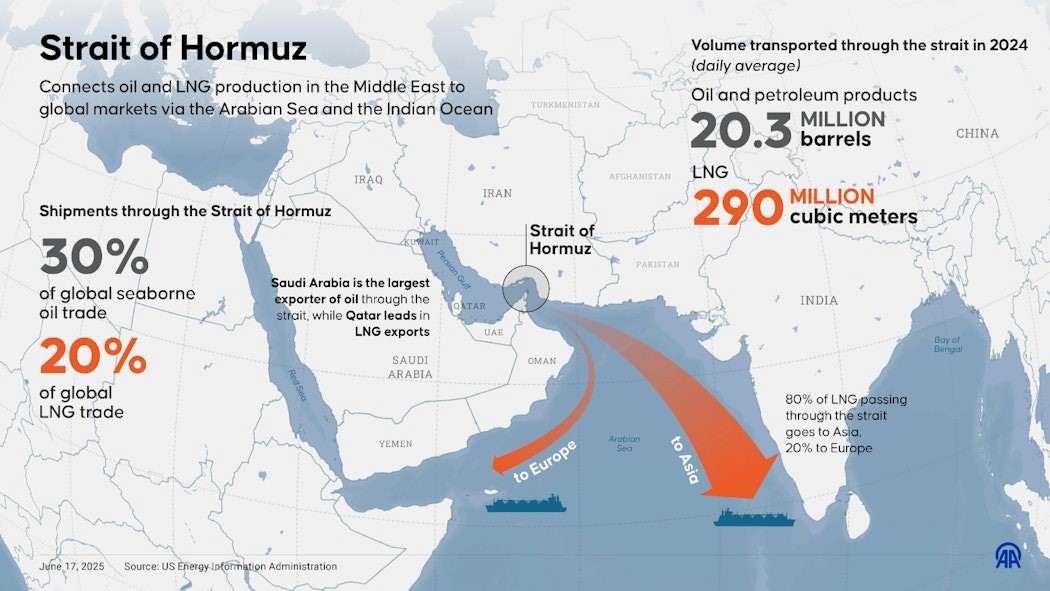
The Strait of Hormuz, situated between Iran and Oman, handles about a fifth of global oil and liquefied natural gas shipments. Any disturbance along this narrow corridor has the potential to reverberate across global energy markets and shipping routes. Escalating tensions across West Asia have already led to attacks on several vessels and heightened security risks for commercial shipping in the region.

Iran’s decision to permit the two LPG carriers to sail through the strait marked an exception to restrictions imposed after military action targeting Iranian infrastructure triggered a broader confrontation. Tehran has maintained that vessels from most countries can navigate the passage but warned that ships from states viewed as hostile could face restrictions or heightened scrutiny.

Diplomatic engagement between New Delhi and Tehran played a role in securing the initial transit. Conversations between Prime Minister Narendra Modi and Iran’s president Masoud Pezeshkian, along with discussions between foreign ministers, focused on safeguarding energy shipments and the safety of nationals in the conflict-affected region.

India depends heavily on Middle Eastern suppliers for its energy needs. About 90 per cent of the country’s imported LPG originates from the region, while a substantial share of crude oil imports also passes through the Strait of Hormuz. That reliance has made the stability of the shipping lane central to the country’s energy security strategy.

Officials from the shipping ministry confirmed that Indian authorities are coordinating with regional partners and monitoring maritime traffic closely. Naval vessels deployed in the Gulf under Operation Sankalp have been keeping watch over merchant ships heading towards the subcontinent, providing situational awareness and escort support where necessary.

Energy analysts say the partial reopening of the route for Indian cargo illustrates the delicate balance between geopolitical confrontation and commercial necessity. Countries reliant on Gulf hydrocarbons have sought diplomatic channels to keep trade flowing even as military tensions complicate navigation in the region.

Oil markets reacted sharply to the conflict surrounding the strait, with benchmark crude prices surging amid fears of prolonged disruption to supply. Traders remain wary that even isolated incidents could affect tanker movements through the corridor, where narrow shipping lanes and heavy traffic leave little room for error.

The two LPG carriers now sailing toward the western coast highlight the importance of maintaining uninterrupted access to the strait. With domestic demand for cooking gas remaining high, authorities have prioritised household supply chains while assessing contingency measures for industrial users if shipments continue to face delays.

Shipping industry figures note that vessels have increasingly adopted precautionary routes or delayed departures until security conditions improve. Insurance costs for tankers operating in the Gulf have also climbed, reflecting the heightened risk environment created by missile strikes, drone attacks and naval deployments in surrounding waters.

Strategic calculations extend beyond immediate fuel deliveries. India has been strengthening diplomatic engagement with Gulf producers and maritime partners to ensure continued energy access during periods of instability. The country has also expanded storage capacity and diversified crude sources over the past decade to mitigate supply shocks.

Even with those measures, the Strait of Hormuz remains a critical artery for trade between the Gulf and Asia. Any sustained restriction would affect not only India but also large importers such as China, Japan and South Korea, which depend on the same route for oil and gas shipments.

A coordinated international law enforcement operation has dismantled SocksEscort, a large malicious proxy service that enabled cybercriminals to hide their identities while carrying out fraud, ransomware attacks and other online crimes. The operation, codenamed Operation Lightning, targeted infrastructure spread across multiple countries and led to the seizure of dozens of domains and servers used to run the network. Authorities said the proxy service relied on malware that […]

Arabian Post Staff -Dubai Saudi Arabia has cut crude oil production by about two million barrels per day after shutting down major offshore fields as conflict around Iran disrupts shipping through the Strait of Hormuz, forcing the world’s largest exporter to scale back output and reroute supplies. Production has fallen to around eight million barrels per day, down from more than 10 million barrels per day earlier […]

Arabian Post Staff -Dubai Debt issuance across Gulf financial markets has slowed sharply as geopolitical tensions linked to the confrontation involving Iran inject volatility into global credit markets, prompting borrowers and investors to reassess financing plans. Analysts warn that the shift could ripple across emerging market borrowing trends, given the Gulf region’s growing share of international dollar-denominated debt issuance. Credit rating agency assessments indicate that bond deals […]

Advertisements
Japan will release crude from its strategic petroleum reserves in a unilateral move aimed at cushioning energy markets as the Middle East conflict disrupts global oil supplies, Prime Minister Sanae Takaichi said, signalling one of the earliest national responses to the escalating crisis.

Tokyo plans to release about 80 million barrels from its emergency stockpiles, equivalent to roughly 45 days of domestic consumption, according to government officials. The decision is designed to stabilise fuel supplies and dampen price pressures as shipping through the Strait of Hormuz — a key artery for global energy trade — has been severely disrupted by the conflict involving Iran, the United States and Israel.

Takaichi said Japan would move ahead with the release rather than wait for coordinated international action, reflecting concerns that prolonged disruption could tighten supplies for import-dependent Asian economies. Officials indicated that private-sector reserves would be drawn down first, followed by state stockpiles, allowing domestic refiners to maintain operations and ensure sufficient petroleum product supply to the market.

Energy security has become an urgent priority for Tokyo as nearly all of its crude imports originate from Middle Eastern producers such as Saudi Arabia, the United Arab Emirates, Kuwait and Qatar. Around 70 per cent of that oil typically travels through the Strait of Hormuz, a narrow waterway between Iran and Oman that normally handles roughly one-fifth of the world’s seaborne oil trade.

The ongoing conflict has sharply reduced tanker traffic through the strait after missile and drone attacks targeted vessels and infrastructure across the region. Shipping companies have diverted or halted voyages, leaving more than a hundred tankers anchored outside the corridor while insurers raised war-risk premiums. Oil prices have surged above $100 a barrel amid fears of prolonged supply disruption and escalating geopolitical tensions.

Japan’s move also comes as the International Energy Agency considers one of the largest coordinated releases of emergency oil reserves in history. Member countries of the agency have discussed releasing hundreds of millions of barrels to counter supply losses triggered by the conflict and calm volatile energy markets.

Officials in Tokyo signalled that the unilateral step could be followed by participation in a broader international release if the crisis deepens. Policymakers argue that acting quickly could prevent domestic fuel shortages and limit the economic damage of rising energy costs.

Economic pressure is mounting across Japan as oil and liquefied natural gas prices climb. The country imports the vast majority of its energy resources, leaving it highly vulnerable to geopolitical shocks. Higher fuel costs have already begun to affect industrial production, with petrochemical producers scaling back output and transport costs rising across supply chains.

The surge in energy prices poses a challenge for Takaichi’s government, which has pledged to strengthen economic growth while managing inflation and stabilising household costs. Economists warn that sustained oil prices above $140 per barrel could slow economic expansion and revive fears of stagflation in a country already grappling with a fragile recovery.

Energy analysts say the planned release from strategic reserves may provide short-term relief but will not fully offset the scale of disruption if shipping through the Strait of Hormuz remains constrained. The waterway normally carries about 20 million barrels of oil each day, linking Gulf producers to major Asian consumers including Japan, China and South Korea.

Japan maintains one of the world’s largest emergency oil stockpiles. Combined government and private reserves are estimated to cover more than 200 days of consumption, giving authorities significant flexibility during supply shocks. Such reserves are designed precisely for crises triggered by geopolitical events or natural disasters that threaten global energy flows.

Government officials say the release will be phased to ensure a stable supply chain and avoid sudden market distortions. Domestic refiners are expected to receive the first shipments from storage facilities, allowing them to continue processing crude into petrol, diesel and other fuels.

The last major release of strategic reserves by Japan occurred during the global energy turmoil following Russia’s invasion of Ukraine, when coordinated action among advanced economies sought to stabilise crude markets and ease inflationary pressure worldwide.

Current circumstances, however, present a more complex challenge because of the geographic concentration of supply risks. The Middle East remains the dominant source of Japan’s oil imports, and prolonged instability in the region could reshape energy strategies for Asia’s largest economies.

Policymakers in Tokyo have begun exploring longer-term measures to reduce exposure to supply shocks. Discussions include expanding renewable energy capacity, diversifying import sources and accelerating the restart of nuclear reactors that were shut down after the Fukushima disaster.

Supporters of nuclear power argue that restoring more reactors could lower dependence on imported fossil fuels and help shield the economy from geopolitical turbulence in global energy markets. Opponents remain cautious, citing safety concerns and public resistance in several regions.


Arabian Post Staff -Dubai Escalating conflict in the Middle East is unlikely to significantly damage the credit ratings of major Gulf companies, according to a new assessment by Fitch Ratings, which says the region’s largest state-linked energy groups possess financial resilience strong enough to absorb the shock of ongoing geopolitical disruption. The ratings agency indicated that publicly rated national oil companies across the Gulf Cooperation Council — […]

More than 10,000 citizens of the People’s Republic of China have returned safely from several West Asian countries including the United Arab Emirates, Oman and Saudi Arabia, according to a spokesperson from the Ministry of Foreign Affairs in Beijing, highlighting coordinated efforts by diplomatic missions and local authorities to assist travellers during a period of heightened regional uncertainty.

Officials stated that consular teams across multiple countries worked closely with airlines, airport authorities and host governments to organise departures and ensure that travellers were able to leave safely. The effort covered Chinese tourists, business travellers and temporary workers who had been present across several Gulf states when concerns about travel disruptions intensified.

Authorities described the return of more than 10,000 citizens as part of a broader emergency response mechanism that allows embassies and consulates to provide rapid assistance to nationals overseas. Diplomatic missions in Abu Dhabi, Riyadh, Muscat and other regional capitals coordinated with Chinese carriers and international airlines to arrange flights and secure transit permissions, ensuring orderly departures from major regional airports.

Embassy staff reportedly maintained continuous communication with travellers through consular hotlines and digital messaging platforms, offering guidance on documentation, airport procedures and available transport routes. Officials also worked with host governments to facilitate safe passage to airports and ensure travellers received assistance where needed.

Chinese diplomatic representatives emphasised that governments across the Gulf region extended cooperation during the operation, helping to maintain stability at airports and allowing evacuation plans to proceed without major disruptions. Aviation authorities in the region assisted with flight scheduling and airport logistics, enabling large numbers of travellers to depart over a relatively short period.

The spokesperson noted that consular protection remains a central responsibility of the foreign ministry and its overseas missions. Chinese embassies regularly issue safety advisories to citizens abroad and maintain contingency plans for large-scale assistance operations when circumstances require urgent coordination.

Travel between China and the Gulf has grown significantly during the past decade, driven by tourism, trade and energy cooperation. The United Arab Emirates in particular has become a major destination for Chinese tourists and business travellers, supported by visa-on-arrival policies and expanding air connectivity between Chinese cities and Gulf hubs such as Dubai and Abu Dhabi.

Tourism authorities in the Emirates have highlighted the importance of Chinese visitors to the hospitality and retail sectors. Before the global pandemic disrupted international travel, Chinese travellers represented one of the fastest-growing visitor segments to Dubai, contributing strongly to hotel occupancy and shopping activity across the city.

Saudi Arabia has also expanded tourism cooperation with China as part of broader economic diversification plans. Initiatives linked to the kingdom’s Vision 2030 programme have encouraged tourism flows, cultural exchanges and investment partnerships, drawing increasing numbers of visitors from Asia.

Oman has similarly sought to attract Chinese tourists and investors by easing visa procedures and promoting cultural heritage destinations, while maintaining strong commercial ties with Chinese energy companies involved in infrastructure and industrial development.

Consular officials said the return operation involved travellers from multiple Gulf states as well as other nearby countries where Chinese citizens had been working, studying or travelling. Embassy staff helped verify identities, issue emergency travel documents where necessary and assist those who required medical or logistical support before departure.

Airlines operating between the Gulf and East Asia played a central role in transporting travellers. Carriers from the region, alongside Chinese airlines, expanded seat capacity on several routes and adjusted flight schedules to accommodate additional passengers returning home.

Officials indicated that the successful movement of thousands of travellers reflects increasing coordination between diplomatic networks, aviation authorities and emergency management agencies. Governments have developed more structured protocols for assisting nationals overseas following earlier crises that highlighted the need for rapid response capabilities.

Chinese authorities have emphasised that citizens travelling abroad should remain attentive to official travel advisories and maintain contact with embassies and consulates when circumstances change. Digital registration systems have also been introduced to allow travellers to inform diplomatic missions of their presence in foreign countries, improving the ability of officials to provide assistance if required.

KUALA LUMPUR, MALAYSIA – Media OutReach Newswire – 11 March 2026 – Comfort is set to be a defining theme for Raya 2026, and it extends well beyond the festive outfit. XIXILI is bringing that same ease into the downtime between celebrations, with sleepwear designed for the hours when women can finally catch their breath, rest, and simply be.

XIXILI Raya Sleep Collection

The Reality of the Raya Rush

The lead-up to Raya is a whirlwind of grocery runs, deep cleaning, and late nights in the kitchen. By the time the first open house begins, most women have already put in an incredible amount of effort for their families. The quiet moments in between are not just a break. They are earned.

XIXILI’s pajamas are made for those moments. Easy to move in, soft enough to wear through the night, and the kind of pieces that make coming home feel like something to look forward to. Designed to fit a wide range of body types, every woman can find something that feels as good as it looks.

“Raya is everything. The food, the family, the laughter. And at the end of it all, she deserves to rest just as well as she celebrated,” says Tara Tan, Marketing Director at XIXILI.

Comfort That Carries Through the Season

Raya may bring the occasion, but the shift happening in Malaysian wardrobes goes further than that. Women are increasingly treating sleepwear as a considered part of their self-care, not just something to change into before bed.

“We often talk about the joy of gathering, but we rarely talk about the exhaustion that comes with it,” Tara Tan adds. “Our goal for Raya 2026 is to ensure that when the last guest leaves, every woman has a high-quality piece of loungewear to retreat into. It is about honouring the work she does by giving her the rest she deserves.”

Quality loungewear for the wind-down, the slow morning, and every quiet moment in between has become one of the most considered purchases a woman makes this season.

Made to Be Worn, Not Just Owned

Good sleepwear should not sit tucked away at the back of a drawer. It should be the first thing she reaches for at the end of a long day, worn in and looked forward to. XIXILI’s range is built for exactly that, styles that settle naturally into her routine and carry her well beyond the festive season.

The full sleepwear collection is available online and at XIXILI boutiques nationwide. To shop the range, visit www.xixili-intimates.com.Hashtag: #XIXILI


The issuer is solely responsible for the content of this announcement.

About XIXILI

A homegrown Malaysian brand, XIXILI offers beautiful fashion lingerie and shapewear in Malaysia that prioritises fit and comfort. With an extensive range of bra sizes from A to I and bands 65 to 110cm, XIXILI caters to women of all shapes and sizes. Expert fitters are dedicated to helping each customer find the perfect bra, boosting confidence and enhancing silhouettes.

XIXILI became the first Malaysian lingerie brand to introduce a Try-On in 3D avatar tool, allowing customers to virtually try on XIXILI lingerie using a 3D avatar tailored to their specific body type and measurements. Whether for everyday wear or something special, XIXILI ensures women always look and feel amazing.

Arabian Post Staff -Dubai   Rising geopolitical tensions linked to the Iran conflict could place Gulf banking systems under growing strain, with the potential to weaken asset quality and squeeze profitability if hostilities deepen, according to a fresh assessment by ratings analysts. Financial institutions across the Gulf Cooperation Council may face a deteriorating operating environment should the conflict expand or persist for a prolonged period, a development […]

  Washington — The U. S. Justice Department has released additional records linked to the Jeffrey Epstein investigation, including FBI interview summaries describing an uncorroborated allegation involving President Donald Trump, a disclosure that has intensified scrutiny over the government’s handling of files connected to the disgraced financier. The documents, made public late Thursday, contain summaries of interviews conducted by federal investigators with an unidentified woman who alleged […]

Iran’s consular representation in Washington continues to operate despite escalating hostilities involving the United States and Israel, maintaining limited diplomatic and citizen services even as relations between Tehran and Washington remain severed and tensions surrounding the conflict intensify. Though Iran has not maintained a formal embassy in the US capital since diplomatic ties were cut following the 1979 Islamic Revolution and the hostage crisis at the former […]

Commercial shipping through the Strait of Hormuz has slowed to an unprecedented crawl as hostilities linked to the war involving Iran disrupt one of the world’s most critical energy corridors, triggering alarm across global markets and raising fears of sustained supply shocks. Industry tracking data and shipping advisories show tanker traffic through the narrow passage between the Persian Gulf and the Gulf of Oman falling sharply as […]

Attacks on commercial tankers in the Gulf have intensified as hostilities between the United States and Iran expand into maritime routes, raising fears of prolonged disruption to one of the world’s most critical energy corridors. Multiple vessels have been struck by drones, missiles or explosive boats in waters surrounding the Strait of Hormuz and the Gulf of Oman, according to maritime security authorities and shipping industry data. […]

President Donald Trump has pledged that the United States will ensure safe passage for oil shipments from the Middle East, seeking to prevent a global energy shock as war between Iran and Israel expands across the region and threatens vital maritime routes. Speaking as tensions intensified around the Strait of Hormuz, Trump signalled that Washington would take steps to safeguard tanker traffic and stabilise energy markets. The […]

Escalating hostilities between the United States, Israel and Iran sent shockwaves through global energy markets and maritime trade as Tehran threatened to close the Strait of Hormuz, one of the world’s most critical oil shipping lanes, while Donald Trump vowed Washington would do “whatever it takes” to prevail in the widening confrontation. Energy prices surged and financial markets swung sharply after military strikes and retaliatory threats raised […]

Unidentified airborne objects struck an Amazon Web Services facility in the United Arab Emirates this week, igniting a fire that disrupted cloud services across parts of the Middle East and sharpened concerns over the vulnerability of digital infrastructure during periods of geopolitical strain. Amazon Web Services, the cloud division of Amazon, confirmed that an incident affected operations at one of its availability zones in the UAE, leading […]

Complete Ecosystem for Aesthetic Practice Success What sets DUBIMED apart is its holistic approach to supporting aesthetic medical practices. Beyond simply supplying equipment, the company delivers a complete ecosystem of services designed to ensure clinical success from day one. “Every practice has unique needs,” explains a senior DUBIMED representative. “Our mission is to provide not just the technology, but the knowledge, support, and infrastructure that transform equipment […]

Arabian Post Staff -Dubai Saudi Arabia’s benchmark Tadawul All Share Index suffered a sharp sell-off at the open of trading on Sunday, with equities tumbling more than 4 per cent as geopolitical conflict tied to escalating tensions involving Iran and Western forces rattled investor confidence across the Gulf. Traders dumped risk assets within the first minutes of trading, driving the benchmark down to levels not seen in […]

Fears of a widening war gripped capitals across the Middle East after United States and Israeli forces carried out coordinated strikes on Iranian military infrastructure, prompting sharp warnings from Tehran and renewed anxiety over global security and energy markets. Confusion spread further after unverified claims circulated online about the fate of Iran’s Supreme Leader, Ayatollah Ali Khamenei. Authorities in Tehran moved to dismiss speculation about his death, […]

Arabian Post Staff -Dubai President Donald Trump announced early on Saturday that the United States military had launched “major combat operations” in Iran, marking a dramatic escalation in long-running tensions between Washington and Tehran. Trump said the strikes were intended to target what he described as imminent threats posed by the Iranian regime, and declared that American forces were acting to protect the United States, its military […]

Light rainfall and a dip in temperatures are expected across parts of the UAE early next week, as forecasters point to unstable weather conditions developing over the country. Authorities have advised residents and mariners to monitor updates, with maritime activity set to be affected by rougher seas in the Arabian Gulf by nightfall. The National Center of Meteorology has indicated that cloud cover will increase over coastal […]

VISHNU RAJA
RYO YAMADA
HITORI GOTOH
IKUYO KITA