Just in:
Toward a Shared Future for Humanity: Rethinking Civilizational Exchange // Dubai Introduces SHARH, an AI-Powered Platform Helping Entrepreneurs Buy, Sell and Manage Businesses in the UAE // Phancy Announces Business Performance for the Nine Months Ended September 30, 2026 // Saudi defences destroy three Houthi missiles targeting Riyadh // Sui activates Hashi Bitcoin lending across partner network // Russia permits retail cryptocurrency purchases under regulated framework // Yeebo Announces Interim Results for FY26/27 Revenue Increases by 45.5% to HK$806.7 Million Profit Attributable to Owners Surges 87.6% to HK$2,284.7 Million // Balagopal challenges CM over tax revenue // Coinbase targets 2027 launch amid state gambling lawsuits // Padmini follows Padmaja for ‘ghar vapsi’ // Sabarimala booking discrepancies prompt sabotage angle probe // Sharjah clears Kalba free zone plan for 400MW complex // Dalilk Academy reaches 27 million, targets 100 million by 2030 // Diabetes Malaysia And Alpro Pharmacy Set National Record With 11,007 Most Blood Glucose Screenings Conducted Across Malaysia In Just 48 Hours // Anthropic shares finish above offer price after Nasdaq debut // Technology at Work, Heritage for All: The “Chinese Approach” to Safeguarding the Leshan Giant Buddha // Oil futures rebound after Riyadh strikes and tanker alerts // 2026 Tropical Rainforest Ecosystem Partners Conference Kicks off in Hainan // US military rebuts Iran’s Gulf F-16 strike allegation // European Commission takes systems offline after AI cyberattack //

News related to
Oman

TAIPEI, TAIWAN – Media OutReach Newswire – 18 June 2025 – Emerging as champions of the hit Taiwanese talent show《Atom Boyz 2》, the boy group F.F.O officially debuted at the end of 2024 during the Graduation Concert. Their debut track《腦袋漂流記》received glowing reviews from fans, and their first album, now available for pre-order, has already seen impressive sales. With strong fan support at every appearance, from pop-up events […]

Asian Cricket Council officials are accelerating preparations to shift the 2025 Asia Cup to the United Arab Emirates, prompted by escalating diplomatic tensions and logistical barriers between India and Pakistan. Originally awarded to India, the tournament, scheduled for September, will adopt a neutral venue in a bid to preserve participation from all eight qualifying teams. Sources within ACC and Pakistan Cricket Board suggest that holding the entire tournament in UAE offers the only viable path forward, ensuring both cricketing integrity and commercial viability.

Accruing nearly US$170 million in media rights, the Asia Cup commands considerable financial stakes. With India and Pakistan at the centre of its appeal, organisers are unwilling to jeopardise the competition. Forbes reports confirm that ACC officials have concluded that relocating the tournament is more feasible than attempting a hybrid model involving split venues. The UAE becomes the default choice, replicating approaches from previous tournaments when political dynamics between South Asian nations hindered full-fledged hosting arrangements.

PCB figures confirm that Pakistan will participate in the UAE-hosted event, despite its reluctance to travel to India. Pakistan also plans a preparatory tri-series in August in Dubai involving Afghanistan and the UAE team—effectively replacing previously scheduled fixtures and maintaining match readiness should the Asia Cup shift occur. With the PCB’s Mohsin Naqvi doubling as ACC president, such parallel initiatives underscore Pakistan’s active role in preserving the tournament’s continuity.

Yet India has maintained a discreet stance. The Board of Control for Cricket in India has neither confirmed nor denied its capacity to host or participate, with internal caution dominating its external posture. BCCI secretary Devajit Saikia recently refuted reports that India would withdraw from all ACC events. Still, precedent indicates India’s avoidance of Pakistan-hosted events: The team did not travel to Pakistan for the Champions Trophy in February–March, instead participating in Dubai under a hybrid format.

Recalling historical context affirms the ACC’s decision. In 2018, the tournament was relocated from India to UAE amid similar political friction. Such precedent sets a framework for crisis management within the sport, suggesting that regional hostilities do not necessarily derail cricketing schedules. Observers also note that India has consistently leveraged a hybrid model since 2022, notably playing Asia Cup matches in UAE and Sri Lanka rather than Pakistan.

Operationally, staging the Asia Cup in UAE will require careful planning, balancing weather conditions in September, broadcast scheduling for global audiences, and coordination with the tri-series. The PCB’s tri-series proposal is advancing, reflecting a proactive stance. Meanwhile, ACC is likely to convene soon, under Naqvi’s leadership, to finalise the tournament’s relocation, format adjustments, and confirmation of venues in Dubai and Abu Dhabi. No official announcement has yet been made, but reports from hindustantimes.com, ET and ProPakistani align in describing the move as imminent.

Stakeholders are weighing broader implications. Indian broadcasters and advertisers depend heavily on premium fixtures, particularly India–Pakistan matches that attract unparalleled viewership. A full UAE tournament may retain this commercial allure while circumventing diplomatic entanglements. For smaller teams such as Hong Kong, Oman and UAE—each having qualified through ACC’s Premier Cup—the neutral format ensures on-field exposure without political fallout.

However, dissenting voices warn against complacency. Some Pakistani conspirators question whether a UAE relocation diminishes Pakistan’s role as host, contrary to its status as 2025 Champions Trophy host and an ACC full member. Conversely, BCCI’s insistence on a hybrid model has previously delayed Pakistan-based hosting, but this time the initial hosting rights belong to India. Any pivot could attract scrutiny over ACC governance and fairness, adding dimension to an already complex political backdrop.

Supporters of the hybrid model note that India’s hybrid strategy for the Champions Trophy earlier this year preserved integrity but exposed limitations. Attendance at Dubai was lukewarm; Australia–India clashes lacked the vibrancy typical of full-capacity Pakistan venues. UAE’s smaller suburban stadiums and shorter pitches may limit spectator buzz, but logistical expediency and political neutrality weigh heavily.

Athletes themselves face uncertainty. India and Pakistan players have not toured regularly since 2008 in bilateral series, and momentum often arises through ICC events. The Asia Cup in UAE represents another opportunity for competitive engagement before the T20 World Cup in 2026. With eight teams and nineteen matches planned, this Asia Cup holds relevance for Qatar 2026 preparations. Still, fragmented venues and political overtones could overshadow performance, causing players and fans to question cricket’s autonomy from geopolitics.

As the ACC readies its final call, timing remains critical. A decision made before July is necessary to confirm bilateral arrangements, tickets, broadcasting contracts, and tri-series scheduling. ACC’s resolution will reverberate across regional cricket administration, testing confidence in neutral venues as a template for coping with diplomatic disruptions.


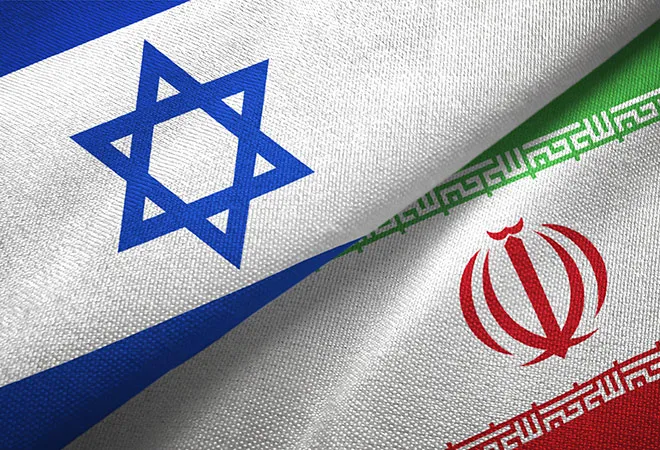
By Nitya Chakraborty Israeli missile strikes against Teheran and Iran’s counter offensive entered its fifth day on June 17 Tuesday with U.S. President Donald Trump dramatically cutting short his stay in Canada for G-7 meeting for Washington indicating that he would be busy in peace moves in the next few hours for organizing a ceasefire […]

President Donald Trump has called for the immediate evacuation of Tehran, warning that Iran “cannot have a nuclear weapon” after a series of escalating military exchanges with Israel. He issued the statement via Truth Social while attending the G7 summit in Canada, then departed early to convene his national security team. The growing hostilities, now entering a fifth day, have provoked market turbulence, prompted military deployments, and […]

Gulf states have entered a heightened state of alert amid intensifying hostilities between Israel and Iran, as regional leaders warn the confrontation risks dragging the Gulf into a wider, destabilising war.

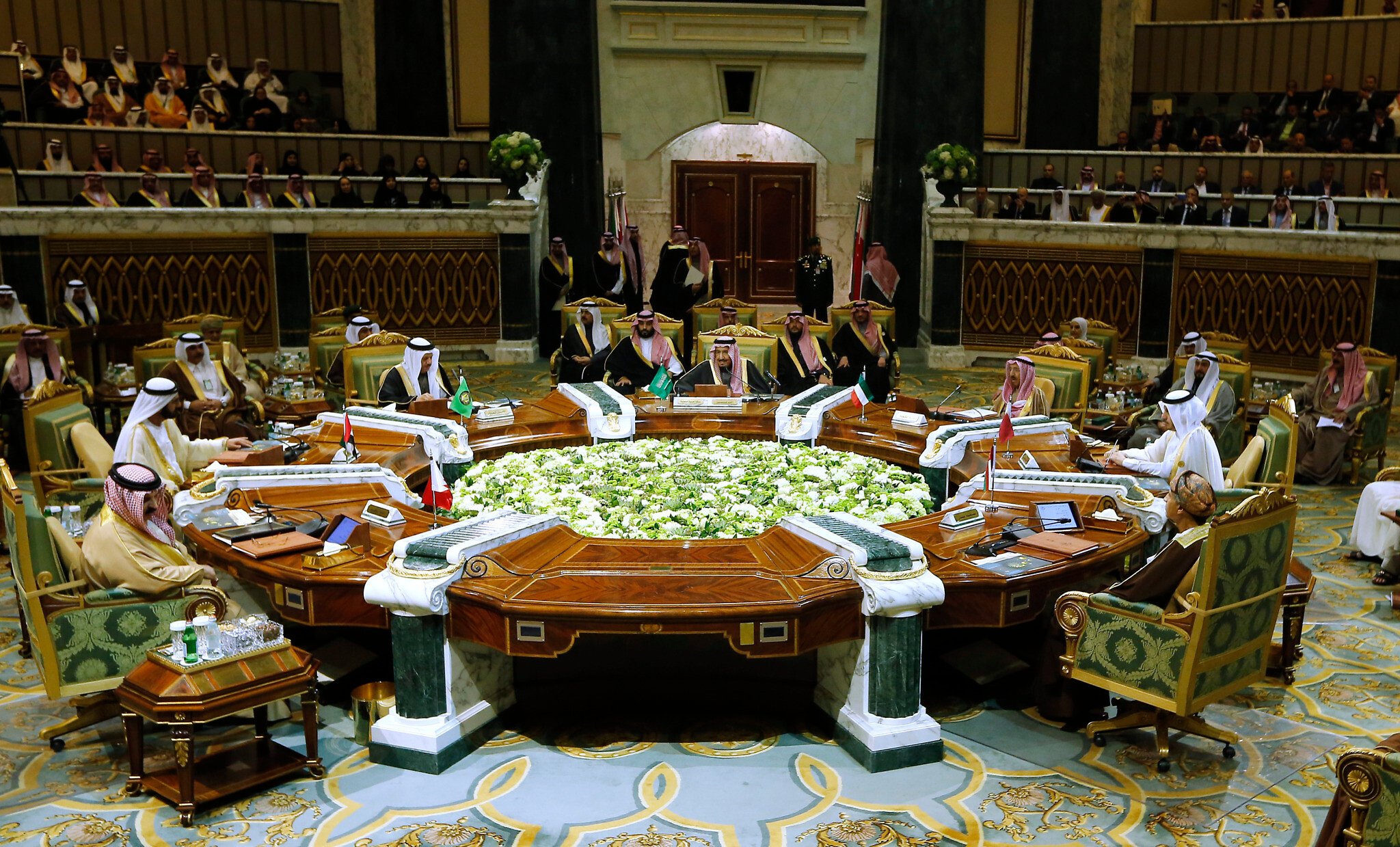
Leaders of the Gulf Cooperation Council convened an emergency ministers’ meeting chaired by Kuwaiti Foreign Minister Abdullah Al‑Yahya, with Secretary‑General Jassim Al‑Budaiwi declaring the situation had deteriorated into “extremely dangerous and unprecedented escalation,” and entering “full alert” mode to monitor environmental and radiological conditions across member states. He emphasised that continued military strikes, particularly near nuclear sites, would threaten regional infrastructure, health and economies.

Gulf diplomats have condemned the Israeli bombardment of Iranian territory and called on all parties to halt operations and return to dialogue. The council’s Emergency Management Centre is implementing precautionary measures across environmental and radiological sectors, reflecting concern over inbound radiological fallout.

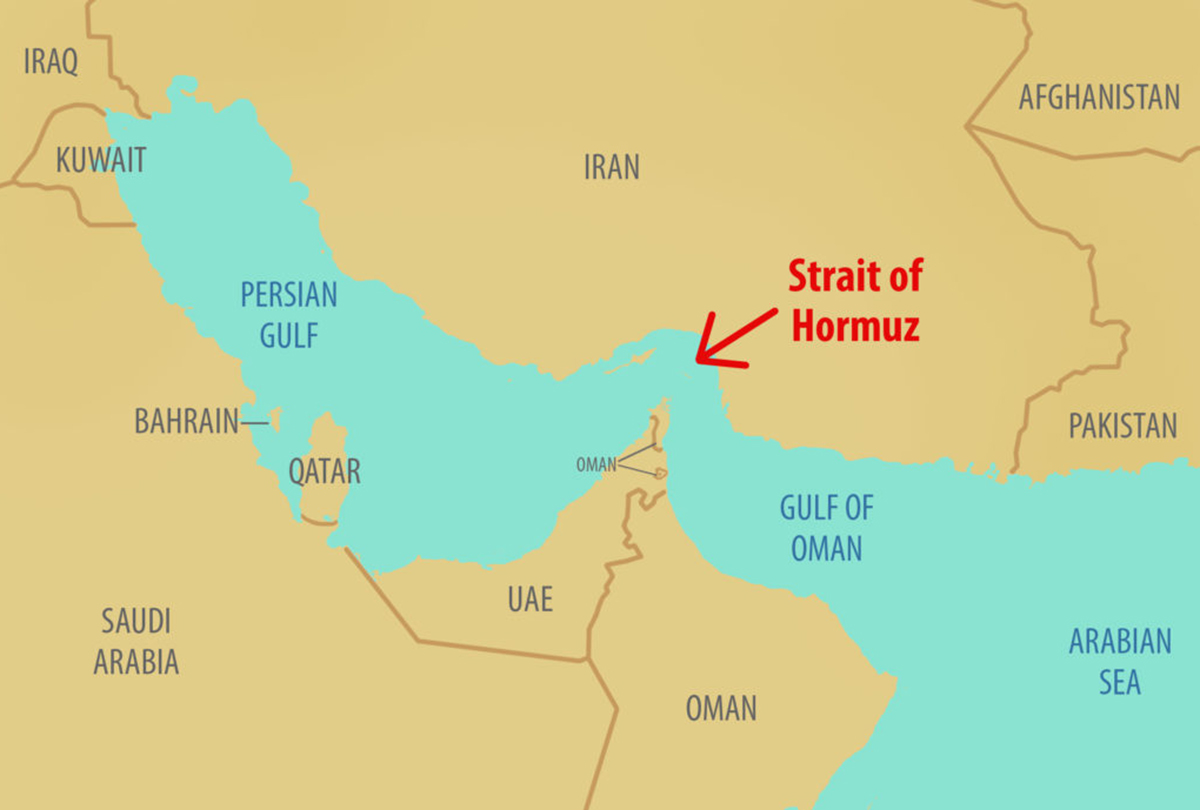
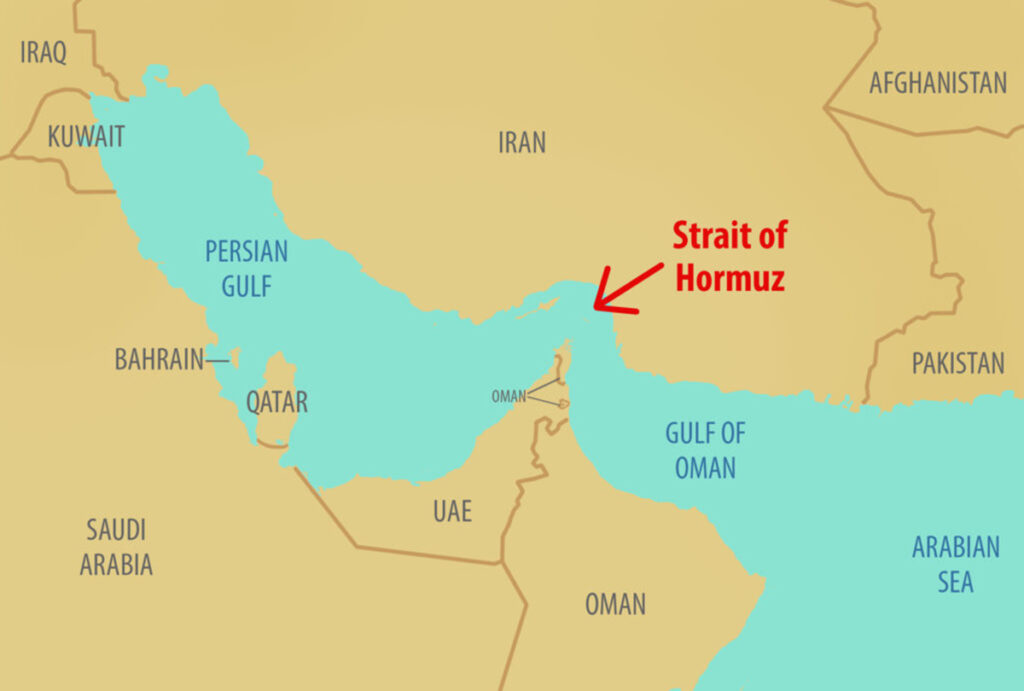
Analysts from the Gulf warn that the strategic vulnerability of Gulf waterways such as the Strait of Hormuz and Bab al‑Mandab makes the region highly exposed to spill‑over from the Iran‑Israel clash. S&P Global Ratings has revised its assessment of regional sovereign risk higher, citing threats to oil exports, transport routes, tourism, capital flows and banking sector resilience in Gulf countries.

Commentators such as Abdulaziz Sager of the Gulf Research Center caution Gulf states are risking sovereignty, infrastructure and public trust unless the conflict is diplomatically defused. He urged activation of regional mediation channels to prevent Gulf countries from being drawn into military exchanges.

Gulf economists emphasise the economic ramifications: disruptions to global supply chains, escalated insurance costs, rising oil prices and capital flight could erode financial stability. While banks have adequate buffers, prolonged conflict could dent business confidence and growth across Gulf economies.

Diplomatic efforts are also underway within the Gulf. Oman and Qatar are spearheading ceasefire talks between Tehran and Washington as a pathway to stabilisation, with Iran open to rejoining nuclear discussions should Israeli strikes cease. Gulf leaders are leveraging their neutrality and communication channels with both Israel and Iran to broker a pause in hostilities.

Within Gulf societies, governments are working to reassure citizens. Public communications in Qatar confirm that radiation levels remain within safe thresholds, while Kuwait’s military affirms that missile trajectories affecting Iran and Israel pose no risk to its airspace.

The reaction within Iran’s sphere of influence appears measured. Unlike prior incidents, allied non‑state actors such as Hezbollah and Yemen’s Houthis have yet to launch retaliatory strikes, suggesting Iran is tempering its response amid Gulf diplomatic pressure.

US diplomacy remains a complex factor. Washington has escalated military readiness by dispatching aerial refuelling assets and an aircraft carrier strike group to the region, yet has stopped short of intervening directly. President Trump has verbalised support for diplomatic channels and warned against Iran acquiring nuclear arms, while signalling that Iran had expressed willingness to end hostilities.

Gulf monarchies are striving to balance neutrality and economic stability. They maintain diplomatic ties with both Iran and Israel while amplifying calls for restraint. Experts caution that escalatory miscalculations could shatter this delicate equilibrium, potentially sparking wider engagement and drawing Gulf states into direct confrontation.

Leaders at the 51st G7 summit convening in Kananaskis, Canada, are confronting an abrupt surge in hostilities between Israel and Iran, marked by intensified airstrikes, rising civilian casualties, and mounting diplomatic tensions. With missile barrages and pre‑emptive assaults already claiming hundreds of lives, the summit agenda has shifted dramatically, prioritising strategies to contain the conflict and avert a broader regional war.

Israeli forces launched “Operation Rising Lion” on 13 June, targeting Iran’s nuclear, ballistic missile, and military infrastructure—including key command centres and Iranian Revolutionary Guard facilities around Tehran—and killed high‑ranking officials and scientists. Iran retaliated with a wave of over 270 missiles, deploying new tactics that overwhelmed Israel’s air defences and struck densely populated urban areas such as Tel Aviv and Haifa. As of 16 June, at least five Israelis were killed and more than 100 injured in the latest overnight strikes. Iranian health authorities report a death toll of at least 224, predominantly civilians, and over 1,200 wounded.

The rapid escalation has introduced fresh complexity to international diplomacy. U.S. President Donald Trump vetoed an Israeli proposal to target Iran’s Supreme Leader Ayatollah Ali Khamenei, emphasising that such action would only inflame the situation. Trump has also signalled the possibility of brokering a deal, suggesting Iran “must make a deal before there is nothing left” and voicing optimism that peace negotiations could emerge from this crisis.

European leaders are urging urgent collective action. German Chancellor Friedrich Merz asserted at the summit that unity is essential to prevent Iran’s nuclear ambitions, uphold Israel’s right to self‑defence, curb escalation, and open diplomatic channels. He indicated that measures could include sanctions, and emphasised cooperation with regional actors such as Oman to reduce tensions with Iran and Yemen’s Houthi rebels. Meanwhile, Ursula von der Leyen and Emmanuel Macron deployed diplomats to press for negotiation, although Macron’s optimism about a swift resolution contrasts with ongoing military deployment in the region.

Britain has signalled readiness to support Israel with defensive and civil aid while advocating restraint. Prime Minister Keir Starmer has reinforced diplomatic engagement with Trump, Netanyahu, and Gulf leaders, and authorised RAF Typhoon jets as a contingency against potential Iranian threats to UK bases. Nonetheless, Iran has dismissed ceasefire calls while military operations continue.

Canada, hosting the summit, has abandoned the traditional joint communiqué, opting instead for chair’s summaries to manage discord—particularly over trade and Middle East policy—between the U.S. and other participants. Canadian Prime Minister Mark Carney emphasised the summit focus on peace, security, supply chains, and jobs—prioritising a co‑ordinated response to the Israel‑Iran crisis.

G7 officials are crafting a unified statement urging Iran to halt its nuclear programme and Israel to pause expansive military action, signalling tangible diplomatic pressure backed by clear consequences for non‑compliance. However, persistent disagreements across the bloc—over trade, relations with Russia, and climate policy—complicate efforts to forge a consensus.

Regional actors are mobilising diplomatic channels. Qatar and Oman are reportedly engaged in shuttle diplomacy to de‑escalate the conflict. Simultaneously, Iran‑backed groups, including militias in Iraq and Houthis in Yemen, are extending hostilities across front lines, prompting concern that the confrontation may metastasise into a wider regional war.

The humanitarian fallout is grave. Large‑scale displacement is underway as Iranians flee Tehran after warnings issued by Israeli forces to civilians near weapons facilities. Hospitals in northern provinces are stretched, while the Iranian Red Crescent has launched mobile clinics to address urgent needs. Energy markets have also reacted sharply: Brent crude prices spiked as Gulf insecurity intensified.

Analysts warn the conflict risks triggering retaliatory terror attacks in the West and disrupting global energy security. The G7 faces a pivotal test: coordinating military readiness, civilian protection, sanctions, nuclear non‑proliferation, and active diplomacy, all while preserving internal unity amid geopolitical divisions.

By K Raveendran Israel’s strike against Iran has reignited a familiar tension in global energy markets, sending oil prices climbing into the mid-$70 per barrel range. The impact is not just visible in the numbers, but in the broader nervousness sweeping across energy trading floors and geopolitical circles alike. At the heart of this movement […]
Advertisements

The Ethereum Foundation has pledged a significant $500,000 to support the legal defence of Roman Storm, co-founder of Tornado Cash, a cryptocurrency privacy mixer under legal scrutiny. The funds are designated for Storm’s upcoming trial in the United States, where he faces charges related to facilitating money laundering.

EF maintains that Storm’s actions—creating computer code to enable financial privacy—should not be criminalised. According to their position, penalising code that protects user privacy sets a dangerous legal precedent, potentially criminalising open-source software development.

Complementing its own contribution, the Eastern blockchain non‑profit has also committed to matching up to $750,000 in community donations. This initiative highlights a growing trend among privacy advocates and open‑source groups rallying behind the principle that privacy-preserving tools like Tornado Cash are legitimate forms of expression.

Storm was sanctioned by the US Office of Foreign Assets Control in 2022 following accusations of facilitating transactions for illicit actors. Prosecutors allege that he developed and operated the protocol despite knowing it could be used for crime. EF’s funding underscores a global debate over the legality of cryptographic tools and the boundary between code development and criminal liability.

Legal scholars warn that punishing software developers for downstream misuse of their code risks criminalising a broad array of programmers. EF counsel Mark Richardson stated that the Foundation views the case as emblematic: “Drawing a line at coding privacy tools criminalises essential computer science.”

Meanwhile, Storm’s defence team asserts he has complied with all legal sanctions since 2022 and is legally entitled to defend himself. His lawyers argue that code is not money, and that the US charges threaten basic digital rights globally.

The donation has triggered mixed reactions across the crypto ecosystem. Privacy-focused developers and activists have welcomed the move, viewing it as a bulwark against overreach. Others caution that aligning with a figure sanctioned for money-laundering may tarnish the reputations of supportive institutions.

Industry analysis shows similar defence funds are emerging. After Tornado Cash co-founder Alexey Pertsev was indicted in 2023, a contingent of blockchain attorneys and developers established a legal support fund that raised over $1 million. That effort helped secure pro bono counsel and led to a plea deal later that year, avoiding jail time.

This pattern reflects an emerging ecosystem of legal defence organisations in crypto. Legal incubators like the Blockchain Advocacy Group are also gaining prominence. Their efforts underscore how the infrastructure behind open‑source development is evolving—from purely technical endeavours to encompassing legal and policy support.

Globally, courts are increasingly confronting the tension between code as speech and legal responsibility for misuse. In the US, landmark cases such as Bernstein v. US DOJ recognised source code as protected expression under the First Amendment. However, the legal landscape remains uncertain as more privacy tools face legal action.

Ethereum’s own legacy in decentralisation and censorship-resistance makes this move philosophically consistent. Other projects, including Monero and Zcash, have similarly supported neutral stances on privacy technologies while discouraging illicit misuse. Some funders in the Ethereum ecosystem have previously financed legal defences for developers under regulatory pressure.

Legal experts caution that outcomes in Storm’s trial could have far-reaching implications. If the prosecution succeeds, it may embolden regulators to pursue software developers in other jurisdictions—potentially chilling innovation in cryptography and privacy tools.

EF’s donation also coincides with debates in Europe and the US over privacy regulation. In the EU, digital privacy laws are being reformed; shielding cryptographic tools may soon gain legislative clarity. In the US, government task forces are evaluating whether sanctions should extend to software developers whose code is used unlawfully.

Public reaction has been vocal. Twitter and Telegram forums dedicated to crypto privacy have confirmed that EF’s announcement prompted a surge in community donations. Some analysts estimate over $200,000 has been raised within just 24 hours of the announcement.

Stock markets across Asia plunged as global investors rushed to safe-haven assets following a military strike by Israel on Iran’s nuclear and ballistic missile facilities, intensifying geopolitical tensions in the Middle East. U.S. equity futures dropped sharply, while commodity prices surged—fuelled by fears of supply disruption and escalating conflict.

Crude oil futures reacted violently, with Brent surging about 9 % to approximately US $75.36 per barrel and West Texas Intermediate climbing to US $74.20, both marking the largest daily gains in months. Goldman strategists and energy analysts attributed the spike to risk premiums linked to potential retaliation and threats to regional infrastructure, especially across the Strait of Hormuz.

Precious metals and defensive currencies were also swept up in the panic. Spot gold rose by around 1.5 % to trade near US $3,434 per ounce, inching closer to its April record peak of US $3,500. The Swiss franc strengthened by roughly 0.4 % to reach two‑month highs against the U.S. dollar, while the yen appreciated by about 0.3 %—classic indicators of risk-off sentiment.

Asia’s leading equity indices suffered notable losses: Tokyo’s Nikkei 225 fell between 1.2 % and 1.4 %, Seoul’s Kospi dropped about 1.1 %, and Hong Kong’s Hang Seng declined roughly 0.8 %. U.S. S&P 500 E‑mini futures and Nasdaq futures plunged between 1.7 % and 1.8 %, while Pan‑European STOXX 50 futures slid around 1.6 %.

In India, the Nifty 50 and Sensex tumbled approximately 1.2 %, with the oil and gas sector leading losses thanks to narrower refining margins and soaring crude prices. Stocks of Bharat Petroleum, Indian Oil Corporation and HPCL each shed between 3.5 % and 6 %. Airline stocks, already shaken by a recent Air India crash near Ahmedabad, declined further as travel costs and uncertainty weighed heavily.

Debt markets saw a flight to quality. U.S. Treasury bonds rallied, pushing the 10‑year yield down to around 4.31–4.35 %, its lowest in a month. Currency markets mirrored these moves: the dollar index rose around 0.5 %, while the euro and sterling retreated slightly.

Analysts suggested the next moves hinge on Iran’s response. Charu Chanana, chief strategist at Saxo, noted that if tensions ignite, safe-haven demand and commodity volatility will likely persist. Matthew Haupt from Wilson Asset Management described this as a “classical risk‑off move,” adding that duration and scale of Tehran’s likely response will shape market impact.

This episode compounds earlier market strains. The global economy already faces headwinds from volatile U.S. trade policy and high inflation, while negotiations over Iran’s nuclear programme have stalled. A planned sixth round of talks in Oman was overshadowed as military actions overshadowed diplomacy.

Market indicators suggest traders are swiftly reducing risk exposure ahead of the weekend. Tony Sycamore from IG forecast continued selling in equities, saying that prudent investors will likely trim positions until further clarity emerges.

Energy market strategists warned of wider contagion. According to Saul Kavonic of MST Marquee, unless Iran specifically targets major oil infrastructure, supply impact remains limited—but persistent unrest could be enough to constrain output and flow through the region.

Pentagon officials have trimmed the U.S. Air Force’s F-35A fighter jet order dramatically, requesting just 24 aircraft in fiscal year 2026—cutting it by half from the previously projected 48 jets. The revised procurement proposal, submitted to Congress, seeks approximately $3.5 billion for the jets and an additional $531 million set aside for advance materials procurement. This downsizing is part of a broader strategy by the Department of Defence to […]

Saudi Arabia will export about 47 million barrels of crude to China in July, marking a modest decline of one million barrels compared with June allocations. Despite the slight reduction, this remains the third consecutive month of elevated shipments to the world’s largest crude importer, underscoring Riyadh’s resurgence in securing market share. This shift follows a decision by OPEC+—a coalition of the Organisation of the Petroleum Exporting […]

Arqaam Capital is stepping up its equity capital markets, debt capital markets, and loan syndication operations in response to an upswing in transaction volume across Saudi Arabia and the UAE, positioning itself as a more prominent regional player. The Dubai‑based financial services firm, with licenced offices in the UAE, Saudi Arabia, Egypt and Lebanon, has secured permissions in the Kingdom of Saudi Arabia to advise on ECM […]

OPEC+ has escalated production quotas by roughly one million barrels per day from March to June, aiming to reactivate idled capacity, yet actual output across the group remains flat, according to data from Morgan Stanley analysts led by Martijn Rats. Saudi Arabia in particular shows no detectable uptick, underscoring a lag between policy shifts and market reality.

The decision to accelerate quota rollbacks follows sustained cuts totalling around 2.2 million b/d, initiated in early 2023 to support prices. With non‑OPEC supply growing and global demand weakening, the efficacy of supply restraint has waned, prompting OPEC+ to pivot back to restoring output gradually. Despite headline quota increases of approximately 137,000 b/d per month since April, actual deliveries appear limited.

Underlying structural factors are at play. Several members—most notably Kazakhstan and Iraq—have reportedly exceeded their quotas, diluting the announced gains. Saudi Arabia, with substantial spare capacity, stands out as the most capable contributor to any genuine rise in output. However, its contribution remains muted so far. Analysts suggest this reflects a strategic choice to reclaim market share rather than an immediate scale-up.

Analysts at Morgan Stanley project modest growth: between June and September, OPEC+ core members may add around 420,000 b/d—approximately half of which could originate from Saudi Arabia. Even then, actual production may fall well short of quotas, with implementation challenges persisting.

This gap between policy and output carries market implications. With more supply forecast, Morgan Stanley predicts a surplus of roughly 800,000 b/d in Q4 and 1.5–2.0 million b/d in early 2026, pressuring Brent crude prices down toward the mid‑$50s. Currently, Brent trades near $66 per barrel—11% below its level at the start of the year.

In parallel, geopolitical friction between Saudi Arabia and Russia surfaced during policy talks. Riyadh favoured a more aggressive quota rollback, while Moscow, alongside Oman and Algeria, urged caution amid worries about demand resilience. The compromise settled on another 411,000 b/d increase for July, a repetition of earlier monthly hikes.

Markets initially responded positively: oil prices climbed 3–4% following the July quota announcement, with Brent touching the mid‑$60s. That rebound, however, reflected relief over continuity rather than enthusiasm over fresh supply. Wildfires in Canada and refinery maintenance cycles were also cited as supporting factors.

Across OPEC+, reliability of quotas remains a concern. While some members exceed limits, others—constrained by infrastructure or investment—may struggle to ramp up. Saudi Arabia’s spare capacity remains central, but constraints on countries like Russia complicate the outlook even as OPEC+ restores cut volumes faster than planned.

Meanwhile, non‑OPEC supply continues to grow, particularly in the U.S., Canada, Guyana and Brazil—with forecast increases of about 1.1 million b/d in 2025. That expansion alone could outpace expected global demand growth of 800,000 b/d, risking oversupply irrespective of OPEC+ decisions.

With a full quota restoration now likely by September 2025—months ahead of the original schedule—and non‑OPEC volumes outweighing demand growth, the market faces a mounting supply glut heading into late 2025 and 2026. Analysts caution that idled capacity may remain untouched for months beyond official quotas, delaying meaningful production gains.

As OPEC+ enters this intensified phase of quota reopening, its central challenge remains execution rather than announcement. High-profile policy shifts are yet to translate into barrels at market, and the divergence between targets and reality could widen over the coming quarters. Market players are now watching whether Saudi Arabia leads by example or the rhetoric fades before the pumps do.

Matein Khalid I had analyzed SpaceX as a potential 10X winner in the Dubai media circa late 2020 when it traded at a mere $46 billion in the private market and even invited a number of close friends in an investor syndicate after sourcing shares from the Founders Fund in San Fran via the secondary market. Shakespear’s Henry V praised the English longbow archers who won him […]

Maein Khalid Since the pandemic, IPO activity across GCC capital markets has surged – offering a sharp contrast to the stop-start pace on New York’s Nasdaq and the near standstill on London’s LSE. Nearly 300 IPOs have raised around $50 billion across the Gulf since 2021. Below I outline six key macro themes shaping this post-Covid IPO boom in the GCC. First, contrary to expectations, the number, […]

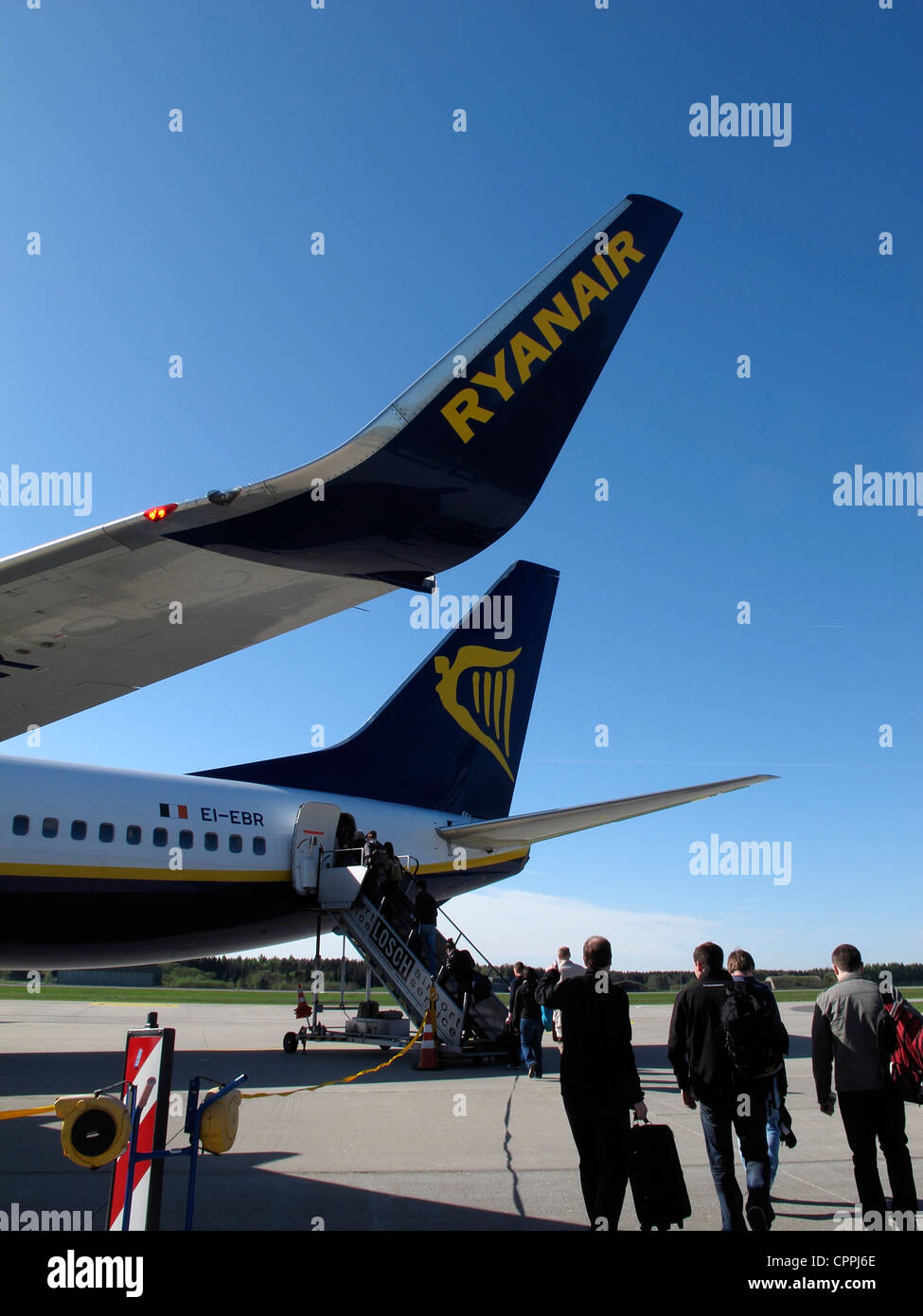
A Ryanair flight from Berlin to Milan was forced to make an emergency landing at Memmingen Airport in southern Germany on Wednesday evening after encountering severe turbulence that injured nine people on board.

The Boeing 737-800 aircraft, carrying 179 passengers and six crew members, was en route to Milan Malpensa Airport when it flew into a violent storm system over Bavaria around 8:30 p.m. local time. The turbulence was so intense that passengers were thrown against the cabin ceiling, with several sustaining injuries ranging from bruises to head trauma.

Among the injured were eight passengers and one crew member. Three individuals, including a woman with a head injury and her two-year-old child who suffered bruises, were transported to a local hospital in Memmingen for further treatment. The remaining injured received medical attention on-site and were released. Emergency services evaluated all passengers and crew as a precautionary measure.

Passengers described the ordeal as terrifying, with one individual recounting that the plane tilted sharply and people were hurled into the air without warning. The sudden onset of turbulence left many in shock, and some reported that there had been no prior announcement from the cockpit about the impending rough air.

The aircraft landed safely at Memmingen Airport at 8:44 p.m., where emergency responders were on standby. Due to the severity of the storm and the condition of the aircraft, authorities did not permit the plane to continue its journey. Ryanair arranged for alternative transportation, including buses, to carry passengers the remaining 380 kilometers to Milan.

The German Weather Service indicated that the turbulence was likely caused by a supercell storm—a powerful and rotating thunderstorm capable of producing severe weather phenomena such as tornadoes and large hail. The DWD issued warnings for further storms in the region, with expectations of hail, strong winds, and heavy rain.

In related incidents, the same storm system caused significant damage in parts of southern Germany. In the Donaustetten district of Ulm, strong winds tore roofs off multiple row houses, rendering them uninhabitable. Fire officials suspect a small tornado or waterspout caused the damage. No injuries were reported in that incident. Emergency services responded to numerous calls about fallen trees and flooded basements across the region.

BEIJING, CHINA – Media OutReach Newswire – 3 June 2025 – On May 29, the 2025 Beijing Chaoyang International Tea Culture Week officially opened. This year’s festival, with a main venue at the Junwangfu Hotel, and a satellite venue at the China Central Place, creates a tea culture feast that blends tea tasting, opera appreciation, cultural experiences, and consumption. A colorful array of theatrical performances lights up […]

Matein Khalid My macro crystal ball begins to vibrate ominously whenever a perma-bull talking head joins the Squawk Box on CNBC, my spiritual, philosophical and financial lodestar in life and La Dolce Vita of the mercati monetari globali. After all, our beautiful business began as a money lender’s bench in Renaissance Florence 600 years ago and if we ever ran out of cash, they ruptured our banco […]

By Nantoo Banerjee Gaza’s Hamas militants face an unmitigated disaster as Israel is all set to take full control over Gaza strip after a gap of almost 20 years. Simultaneously, Israel seems to be gearing up to annex a substantial portion (Area C) of West Bank ignoring protests from France, the United Kingdom and Sweden […]

U.S. prosecutors are investigating whether companies linked to Gautam Adani imported Iranian liquefied petroleum gas into India, potentially violating American sanctions. The probe focuses on shipments received at the Adani-controlled Mundra port in Gujarat, with tankers suspected of using deceptive practices to obscure their origin. This development follows a prior indictment against Adani and associates for alleged bribery and securities fraud.

The U.S. Department of Justice, through its Eastern District of New York office, is examining maritime activities involving tankers that may have transported Iranian-origin LPG to Adani Enterprises. Investigators are scrutinizing whether these vessels employed tactics such as falsified automatic identification system data and forged documentation to mask the true source of the shipments. A Wall Street Journal investigation suggests that LPG shipments imported by Adani from Oman may have actually originated from Iran, using complex third-party logistics to mask the true source.

A spokesperson for the Adani Group has denied any deliberate involvement in sanctions evasion or trade with Iranian-origin LPG, stating the company is unaware of any U.S. investigation. The group maintains that it conducts thorough due diligence on all imports and complies with applicable laws.

This inquiry adds to the legal challenges facing Adani. In November 2024, U.S. authorities indicted Gautam Adani and his nephew, Sagar Adani, alleging they paid over $250 million in bribes to Indian government officials to secure power supply contracts and misled U.S. investors during fundraising activities. The indictment also accuses other individuals, including former employees of a Canadian institutional investor, of obstructing investigations by deleting evidence and providing false information to authorities. The Adani Group has dismissed those accusations as “baseless” and committed to pursuing all legal remedies.

The Adani Group, integral to India’s economy with a valuation of around $150 billion, has faced multiple allegations, including a 2023 report from Hindenburg Research accusing it of securities violations. Despite seeking legal avenues to dismiss the charges and leveraging political support from Republican legislators amid Trump’s relaxed foreign bribery enforcement, the ongoing sanctions-related probe poses a significant risk to Adani’s efforts to clear his and his conglomerate’s name.

The investigation into potential sanctions violations underscores the complexities of international trade compliance, especially for conglomerates operating across multiple jurisdictions. As the U.S. continues to enforce sanctions on Iran, companies engaged in global trade must navigate a landscape fraught with legal and regulatory challenges.

The Gulf nations offer more than growth potential. For VinFast, it presents a well-timed opportunity to expand into a region that’s actively investing in clean transportation while remaining open to new players. HANOI, VIETNAM – Media OutReach Newswire – 29 May 2025 – Gulf countries are reinventing themselves, quickly. They are now investing in cleaner energy, modern infrastructure, and long-term economic resilience. National strategies like UAE Vision […]

ADNOC Drilling has entered into an agreement to acquire a 70% stake in SLB’s land drilling rigs business in Kuwait and Oman for $112 million. The joint venture encompasses eight fully operational land rigs—two in Kuwait and six in Oman—currently under contract with the respective national oil companies. The transaction, pending customary regulatory approvals, is anticipated to close in the first quarter of 2026. ADNOC Drilling plans […]

OPEC and its allies, collectively known as OPEC+, have reaffirmed their existing oil production targets through 2026, opting to maintain current supply restraints despite ongoing market volatility and internal disagreements over future quotas.

During a virtual ministerial meeting on Wednesday, the 22-member alliance confirmed that the group-wide production cuts, initially set in 2022, will remain in place. These cuts include a 2 million barrels per day reduction agreed upon in November 2022, along with additional voluntary cuts totaling 3.85 million bpd by eight key producers—Saudi Arabia, Russia, the United Arab Emirates, Kuwait, Iraq, Algeria, Oman, and Kazakhstan. The voluntary cuts are structured in two layers: a 1.65 million bpd reduction extended through the end of 2026 and a 2.2 million bpd cut scheduled to expire in March 2025.

The alliance’s decision to uphold these targets comes amid a backdrop of fluctuating oil prices and concerns over global demand. Brent crude futures have hovered around $65 per barrel, a significant drop from earlier highs, influenced by factors such as increased production from non-OPEC countries and economic uncertainties stemming from global trade tensions.

A more contentious discussion is set to take place on Saturday, when the eight core OPEC+ members implementing voluntary cuts will convene to decide on July production levels. These countries have been gradually unwinding the 2.2 million bpd cut since April, with increases of 411,000 bpd implemented in both May and June. The group is expected to consider a similar hike for July, potentially accelerating the rollback of cuts and impacting global oil supply dynamics.

Sebastião Salgado, the Brazilian photographer whose haunting black-and-white images chronicled the human condition and environmental fragility, died on 23 May 2025 in Paris at the age of 81. His death was attributed to leukaemia, a condition linked to malaria he contracted during a 2010 assignment in Indonesia. Born on 8 February 1944 in Aimorés, Minas Gerais, Salgado initially pursued a career in economics, earning a master’s degree […]

VISHNU RAJA
RYO YAMADA
HITORI GOTOH
IKUYO KITA