Just in:
2026 Tropical Rainforest Ecosystem Partners Conference Kicks off in Hainan // Saudi Arabia schedules multinational top-up tax for 2027 // Sui activates Hashi Bitcoin lending across partner network // Balagopal challenges CM over tax revenue // Crypto market loses $150 billion amid broad sell-off // Padmini follows Padmaja for ‘ghar vapsi’ // Toward a Shared Future for Humanity: Rethinking Civilizational Exchange // US military rebuts Iran’s Gulf F-16 strike allegation //
Rahul addresses League’s INDIA bloc grievances
// Singapore regulator cautions against AI access to bank logins // Energy Markets Find Little Substance In Shenzhen Summit Promises // Yeebo Announces Interim Results for FY26/27 Revenue Increases by 45.5% to HK$806.7 Million Profit Attributable to Owners Surges 87.6% to HK$2,284.7 Million // Sabarimala booking discrepancies prompt sabotage angle probe // Workday targets Honeydew purchase to unify AI metrics // Diabetes Malaysia And Alpro Pharmacy Set National Record With 11,007 Most Blood Glucose Screenings Conducted Across Malaysia In Just 48 Hours //
Centre grants aircraft cabin access for Sabarimala pilgrims’ irumudi
// PayerMax and ShopeePay Strengthen Strategic Partnership to Advance Digital Payment Collaboration in Southeast Asia // Dubai Introduces SHARH, an AI-Powered Platform Helping Entrepreneurs Buy, Sell and Manage Businesses in the UAE // Saudi defences destroy three Houthi missiles targeting Riyadh // Phancy Announces Business Performance for the Nine Months Ended September 30, 2026 //

News related to
Peak

Bitcoin outpaced both gold and the S&P 500 in April 2025, surging over 30% to approach $97,200 by month’s end. This performance underscores the cryptocurrency’s growing appeal among institutional investors and its increasing alignment with traditional financial markets.

The rally followed a volatile start to the month, with Bitcoin dipping below $75,000 before rebounding sharply. Analysts attribute this resilience to heightened institutional adoption, bolstered by the proliferation of spot Bitcoin exchange-traded funds and strategic government initiatives. Notably, the United States’ establishment of a Strategic Bitcoin Reserve in March 2025 signaled a significant policy shift, aiming to position Bitcoin alongside traditional reserve assets.

Institutional interest has been further evidenced by major financial entities integrating Bitcoin into their portfolios. BlackRock’s iShares Bitcoin Trust ETF, for instance, has been incorporated into its $150 billion model-portfolio universe, allocating 1% to 2% to Bitcoin. Such moves reflect a broader trend of mainstream financial institutions embracing cryptocurrency as a legitimate asset class.

The correlation between Bitcoin and the S&P 500 has intensified, with recent analyses indicating a peak correlation coefficient of 0.87 in 2024. This suggests that Bitcoin is increasingly behaving like a leveraged version of traditional equity indices, offering amplified returns during market upswings. In 2024, while the S&P 500 rose by 24%, Bitcoin surged by 135%, highlighting its potential for higher alpha in bullish markets.

However, this amplified behavior also implies greater volatility. During market downturns, Bitcoin’s losses can be more pronounced, as evidenced in 2022 when the S&P 500 declined by 19% and Bitcoin plummeted by 65%. Investors are advised to consider this dynamic when incorporating Bitcoin into diversified portfolios.

The U.S. Federal Reserve’s decision to maintain interest rates at 4.25%-4.5% amid economic uncertainties, including a 0.3% GDP contraction in the first quarter, has also influenced market dynamics. Despite these challenges, Bitcoin’s performance suggests a decoupling from traditional economic indicators, driven by its unique supply dynamics and growing institutional demand.

Looking ahead, projections for Bitcoin’s price vary. Standard Chartered anticipates Bitcoin reaching close to $200,000 by the end of 2025, citing parallels with gold’s historic ETF-driven price surge. Similarly, AllianceBernstein forecasts a rise to $200,000 by September 2025, attributing this to increased institutional adoption and the effects of the 2024 Bitcoin halving event. Conversely, analysts at Blockware Solutions present a more conservative base case of $225,000, contingent on favorable macroeconomic conditions and continued corporate adoption.

The global landscape is also shifting, with several U.S. states, including Oklahoma, Texas, Arizona, and Utah, passing laws recognizing Bitcoin as a strategic asset for their state treasuries. Internationally, countries like Japan and Argentina are exploring the integration of Bitcoin into their financial systems, further legitimizing its role on the global stage.

By Nitya Chakraborty It is now official. After waiting for a few days since Donald Trump diluted the U.S. tariff rates for China and announced his intention for talks, China confirmed on Wednesday morning that a high level Chinese negotiating team will be visiting Switzerland for four days beginning May 9 to hold talks with […]

Kenya’s private sector recorded its most substantial growth in over two years in April, bolstered by increased sales volumes and heightened business activity. The Stanbic Bank Kenya Purchasing Managers’ Index revealed that the country’s private sector growth surged to a 27-month peak, pointing to a more resilient economic outlook as businesses expanded and demand continued to rise. The PMI for April showed a notable uptick, reaching its […]

Formula E has showcased a significant advancement in electric vehicle technology by completing a full lap of the Monaco circuit using energy solely regenerated through braking. This achievement was accomplished by the GENBETA prototype, a modified version of the GEN3 race car, during a controlled descent of over 1,000 vertical metres on the Col de Braus in the French Alps. The GENBETA prototype represents a leap in […]

Dubai’s residential property market is grappling with mounting pressure as the city’s population swells, leading to an unprecedented demand for housing that outpaces current supply levels. By the end of March 2025, Dubai’s population had reached 3.92 million, with an influx of 89,695 new residents in the first quarter alone—averaging nearly 1,000 people per day. This surge follows a net population increase of 170,478 individuals in 2024, […]

HONG KONG SAR – Media OutReach Newswire – 4 May 2025 – From March to April 2025, JCI Victoria conducted an online survey to examine the current situation, barriers, and needs of people with disabilities in Hong Kong regarding sports participation. The survey received responses from 285 participants. Over half of the respondents felt that the current sports resources provided by the government or sports organizations do […]

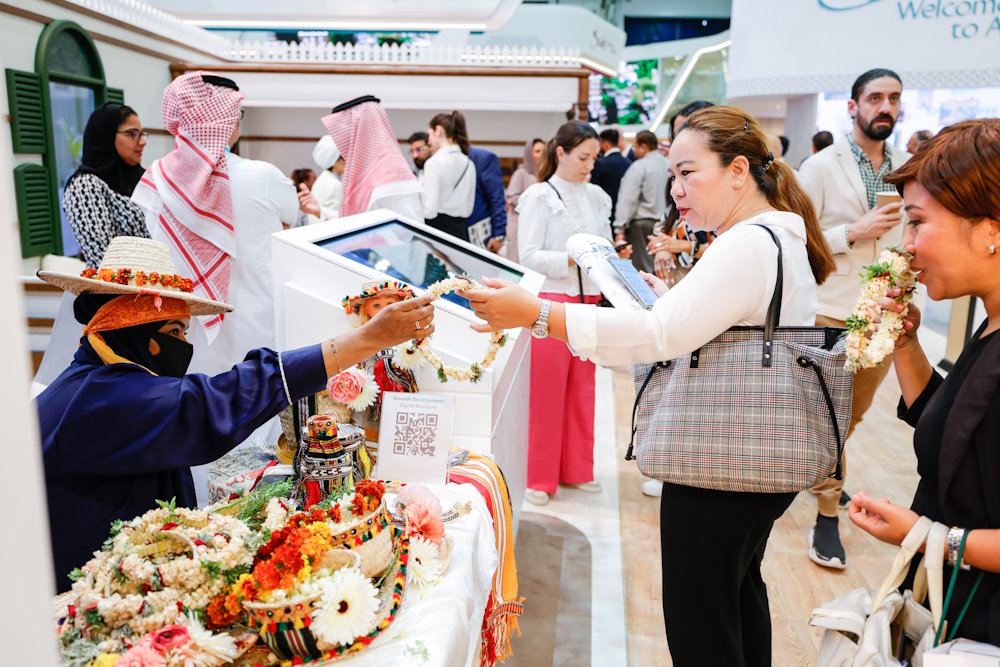
Arabian Travel Market 2025 concluded on 1 May at the Dubai World Trade Centre, drawing over 55,000 industry professionals from 166 countries—a 16% increase in attendance compared to the previous year. The event featured more than 2,600 exhibitors across 13 halls, reflecting the robust recovery and transformation of the global travel and tourism sector.

This year’s theme, “Global Travel: Developing Tomorrow’s Tourism Through Enhanced Connectivity,” underscored the pivotal role of technology and sustainability in shaping the future of travel. The Travel Tech segment experienced a 25% year-on-year growth in exhibitors, highlighting the industry’s commitment to innovation. Companies such as Amadeus, Huawei, Sabre, Expedia, Travelport, Hotelbeds, and WebBeds showcased advancements in artificial intelligence , blockchain, and augmented reality, aiming to revolutionize travel experiences.

AI’s transformative impact on aviation was a focal point, with discussions on its applications in optimizing flight routes, enhancing weather monitoring, and improving airport efficiency. Airports like London Heathrow and Gatwick have already implemented AI-powered systems for air traffic management, reducing delays and streamlining operations. Airlines such as Emirates and Etihad are leveraging AI to offer personalized services and seamless check-ins, aligning with the UAE’s commitment to integrating technology into sustainable development.

Sustainability was prominently featured, particularly the adoption of sustainable aviation fuel . The International Air Transport Association projects SAF production to reach 2.1 million tonnes by 2025, doubling from the previous year. Emirates and Etihad have begun incorporating SAF into operations on key routes, including London, Paris, and Singapore, marking significant strides toward reducing the aviation industry’s carbon footprint.

The event also highlighted the resurgence of corporate travel, with the introduction of IBTM@ATM, a specialized segment focusing on business travel. Research indicates that 40% of businesses plan to increase travel budgets in 2025, signaling a positive trend for the sector. This resurgence is expected to drive innovations in tailored travel services, expanded flight routes, and enhanced connectivity.

Asia emerged as the fastest-growing region at ATM 2025, with a projected 27% year-on-year increase in exhibitors. India’s participation surged by 41%, reflecting the country’s expanding tourism market. Countries such as Japan, Macao, the Maldives, Mauritius, South Korea, Thailand, the Philippines, China, Cambodia, Nepal, and Sri Lanka also played pivotal roles, contributing to the event’s diverse international presence.

The Middle East showcased significant growth, with a 17% increase in exhibitor participation. Saudi Arabia’s presence was notable, featuring its giga projects and prominent private sector companies. Europe maintained steady growth at 12%, while participation from Africa and the Americas remained consistent with the previous year.

ATM 2025 featured over 200 high-profile speakers across 60 conference sessions, spread across three main stages: the Global Stage, Future Stage, and the newly introduced Business Events stage. Key sessions addressed topics such as generational trends influencing hyper-personalization in luxury travel, the pervasive role of AI, and data-driven strategies for destination transformations.

Advertisements

Dubai hosted the TOKEN2049 crypto conference on Wednesday, drawing approximately 15,000 attendees, including executives from major firms like BlackRock, Goldman Sachs, and Binance. The event, featuring a scheduled appearance by Eric Trump, highlighted both the sector’s resilience and the diminishing enthusiasm surrounding President Donald Trump’s pro-crypto stance.

President Trump, once a sceptic of digital currencies, has positioned himself as a champion of the crypto industry, launching his own cryptocurrency and pledging to ease regulatory constraints. However, the anticipated surge in market performance has not materialised; Bitcoin has declined by over 10% from its peak of $109,225 since Trump’s inauguration, reflecting investor concerns over the pace of policy implementation and broader economic uncertainties.

Despite these challenges, the crypto sector has witnessed significant investment activity. In the first quarter of 2025, global venture capital funding in the industry reached $5.4 billion, marking the strongest performance since mid-2022. Notable deals include Twenty One Capital’s planned $3.6 billion SPAC merger, Ripple’s $1.25 billion acquisition of Hidden Road, and Kraken’s $1.5 billion deal with futures broker NinjaTrader. Galaxy Digital is also set for a Nasdaq listing after securing SEC approval.

Dubai’s emergence as a crypto hub is evident, with initiatives such as Binance receiving a $2 billion investment from Abu Dhabi’s MGX, developers accepting Bitcoin for real estate transactions, and Emirates NBD launching crypto services. The Dubai Multi Commodities Centre has announced plans for a new “crypto tower” by 2027, further cementing the city’s position in the global crypto landscape.

In the United States, the Trump administration has taken steps to foster a more crypto-friendly environment. Regulatory agencies, including the Federal Reserve, FDIC, and OCC, have rolled back previous guidance that urged caution for banks engaging in cryptocurrency activities. The SEC has dropped lawsuits against major crypto firms like Coinbase and Ripple, and a dedicated crypto task force has been established to address the regulatory needs of the evolving digital asset space.

President Trump’s executive order establishing the U.S. Strategic Bitcoin Reserve, holding approximately 200,000 BTC from seizures, has positioned the United States as the largest sovereign Bitcoin holder. However, the announcement initially caused Bitcoin’s price to drop by 5.7% before recovering, indicating market sensitivity to policy developments.

While the administration’s pro-crypto stance has invigorated the market, some investors remain cautious. The launch of Trump-themed cryptocurrencies, such as the $Trump coin, has faced criticism and underperformance, with the coin’s value plummeting by 50% following the debut of a similar token by First Lady Melania Trump.

Microsoft CEO Satya Nadella has confirmed that between 20% and 30% of the company’s code is now written by artificial intelligence , underlining a significant shift in how software is being developed. Speaking at Meta’s LlamaCon conference, Nadella explained that AI’s growing role in coding reflects broader trends in the tech industry, where machine learning models and advanced algorithms are streamlining development processes and augmenting human programmers’ […]

SINGAPORE – Media OutReach Newswire – 1 May 2025 – Fieldnotes, a premier online cake delivery service known for its artisanal creations, is unveiling its exclusive Mother’s Day collection titled ‘In Bloom, For Her’. The collection invites customers to show their love and appreciation for mothers with nature-inspired flavours and feature a special Mother’s Day weekend event at the brand’s Neil Road outlet, where attendees can experience […]

Gold reached an all-time high of $3,432.77 per ounce in April 2025. The climb has been steady, underpinned by sustained demand and fundamental global shifts. The next milestone, $5,000, is firmly in sight, I believe. Capital is realigning. Central banks, institutions, and private investors are adjusting their positioning in response to clear macro realities: weakening currencies, structural inflation, declining real yields, and geopolitical instability. In this environment, […]

The U.S. Securities and Exchange Commission has concluded its investigation into PayPal’s U.S. dollar-backed stablecoin, PYUSD, without pursuing any enforcement action, according to the company’s regulatory filing dated April 29. This development removes a significant regulatory hurdle for PayPal’s digital asset initiative.

The SEC’s inquiry began in November 2023 when PayPal received a subpoena from the Division of Enforcement, requesting documents related to the launch and structure of PYUSD. PayPal stated that it fully cooperated with the SEC’s requests. In February, the SEC notified PayPal that it had concluded its investigation and did not intend to recommend any enforcement action. Investigation With No Enforcement Action, The SEC drops investigation into PayPal’s stablecoin – Mitrade)

PYUSD, launched in August 2023, is designed to be fully backed by U.S. dollar deposits, including short-term Treasuries and cash equivalents, and is redeemable at a 1:1 ratio with the U.S. dollar. Despite its backing and PayPal’s prominent position in the digital payments space, PYUSD has faced challenges in gaining significant market share in a stablecoin market dominated by competitors like Tether and Circle. Investigation With No Enforcement Action, PayPal Says SEC Drops Probe Into Its Dollar-Pegged Stablecoin)

As of April 2025, PYUSD’s market capitalization stands at approximately $880 million, representing less than 1% of Tether’s $148.5 billion market cap. However, the stablecoin has experienced growth in 2025, with a 75% increase in circulating supply since the beginning of the year, although it remains 14% below its peak supply of just over $1 billion in August 2024.

PayPal has introduced initiatives aimed at bolstering PYUSD’s adoption. On April 23, the company announced a new loyalty offering that allows U.S. users to earn 3.7% annually for holding PYUSD on the platform. Additionally, on April 24, PayPal revealed a partnership with Coinbase to enhance the adoption of PYUSD, aiming to drive new and innovative use cases within the cryptocurrency community.

The SEC’s decision to close the investigation into PYUSD without enforcement action aligns with a broader trend of the agency concluding several crypto-related cases. In recent months, the SEC has ended probes into companies such as Crypto.com, Robinhood Crypto, Coinbase, and Gemini, indicating a potential shift in the regulatory approach towards the cryptocurrency industry. Investigation With No Enforcement Action)

This regulatory clarity comes as PayPal reported strong first-quarter earnings, with earnings per share surpassing Wall Street forecasts at $1.33 and revenue rising 1% year-over-year to $7.8 billion. The company also highlighted the completion of significant share repurchase activities during the quarter. Investigation With No Enforcement Action)

The South African rand edged lower on Tuesday, trading at 18.57 to the US dollar, as investors awaited clarity on the government’s revised fiscal strategy following the withdrawal of a proposed value-added tax increase. The currency’s 0.43% decline reflects market unease amid ongoing political disputes and fiscal recalibrations. Finance Minister Enoch Godongwana is expected to present a third iteration of the national budget after shelving plans to […]

HONG KONG SAR – Media OutReach Newswire – 30 April 2025 – The Chinese University of Hong Kong (CUHK) continues to attract top talent from Vietnam, as demonstrated by Ryan Le Minh Khue, a Year 3 student in the Integrated Bachelor of Business Administration (IBBAC) Programme. Coming from the prestigious Nguyen Hue High School for the Gifted in Hanoi, Ryan represents a growing trend of Vietnamese students […]

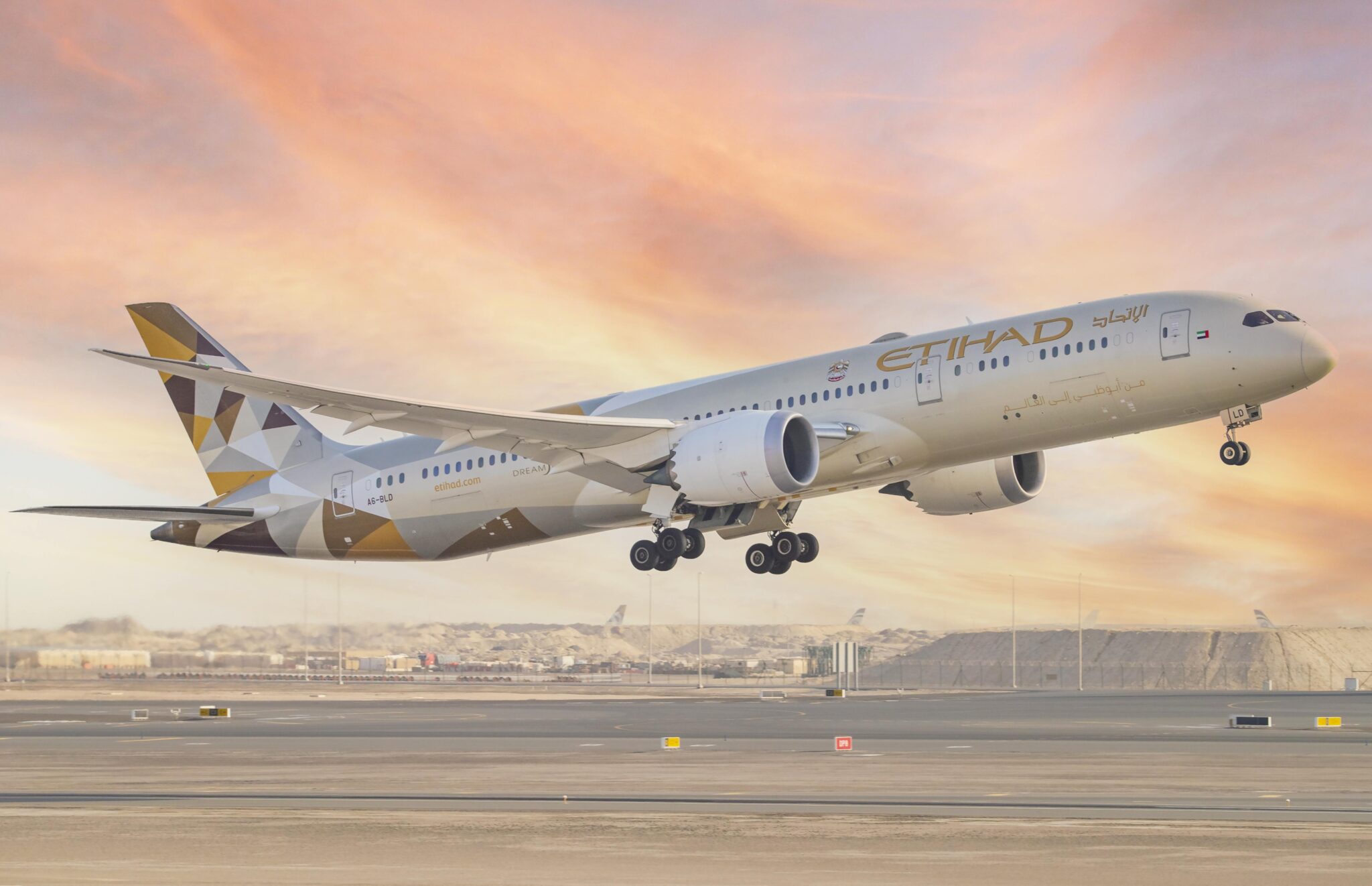
Etihad Airways is edging towards a decision on its much-anticipated initial public offering, with CEO Antonoaldo Neves indicating that the final call rests with the airline’s shareholder. Market speculation suggests that a formal announcement could arrive within this quarter, although the carrier has yet to confirm any official timeline.

Speaking during the Arabian Travel Market conference in Dubai, Neves reaffirmed Etihad’s commitment to a progressive expansion plan, despite persistent headwinds from global economic volatility, including US tariff pressures and fluctuating oil prices. He emphasised that while discussions around a potential listing are gaining momentum, the ultimate decision lies with the shareholder, Abu Dhabi’s state-backed holding company ADQ.

Market interest surrounding Etihad’s IPO ambitions has grown steadily over the past months, fuelled by the airline’s strong operational turnaround and ambitious future plans. Etihad reported a return to profitability in 2023, with a net profit of $143 million, reversing years of accumulated losses and restructuring challenges. The carrier’s sharp focus on operational efficiency, route network optimisation, and sustainability initiatives have been cited as key drivers behind its improved performance.

The $7 billion fleet investment programme, announced last year, underscores Etihad’s broader ambitions. Under the plan, the airline aims to double its fleet size to around 150 aircraft by the end of the decade. Neves reiterated at the conference that the expansion is designed to position Etihad as a leading global connector, with new long-haul routes to key growth markets across Asia, Africa, and Europe already in the pipeline.

Industry analysts suggest that the timing of a potential IPO would be critical, given the volatile backdrop of global markets. Aviation stocks have shown mixed performance this year, influenced by concerns over rising fuel costs, geopolitical tensions, and evolving travel demand patterns. Nevertheless, Abu Dhabi’s broader economic diversification strategy, coupled with increasing investor appetite for exposure to the Middle East’s aviation sector, provides a favourable context for Etihad’s market debut.

Etihad’s prospective IPO would follow the path set by other regional carriers such as Dubai’s Dnata Group-linked entities and Saudi Arabia’s flynas, which have either listed or are exploring listing options to tap into investor enthusiasm and raise growth capital. However, Neves made it clear that the airline’s current focus remains on executing its five-year strategy, which includes boosting load factors, enhancing customer service innovation, and advancing sustainability initiatives aimed at achieving net-zero emissions by 2050.

Over the past year, Etihad has embarked on a series of strategic partnerships and codeshare agreements with airlines such as Air France-KLM, offering it greater network reach without significantly adding to operational costs. The airline has also invested in next-generation fuel-efficient aircraft, such as the Boeing 787 Dreamliner and the Airbus A350, aligning with its green aviation objectives. These moves have not only improved the airline’s environmental credentials but have also enhanced its cost competitiveness in an increasingly price-sensitive market.

Neves’ leadership has been widely credited for steering the airline through a transformative phase, characterised by prudent financial management and targeted growth. Before joining Etihad, he served as CEO of TAP Air Portugal, where he oversaw a significant restructuring programme that returned the airline to profitability. His experience in navigating complex corporate environments has positioned him well to lead Etihad into its next phase of development, including the potential leap into public markets.

While Neves refrained from giving any concrete details about the potential size or structure of an IPO, market experts speculate that Etihad could aim for a multi-billion-dollar valuation, given its strategic importance to Abu Dhabi’s economy and the airline’s growing operational metrics. Any public offering is expected to attract significant regional and international investor interest, particularly among funds focused on infrastructure, aviation, and emerging markets.

Etihad’s evolution reflects broader shifts underway across the Gulf’s aviation sector, where legacy carriers are reorienting themselves to compete in a post-pandemic world marked by changing travel patterns, heightened sustainability pressures, and new technological disruptions. The Middle East remains a pivotal aviation hub, with Abu Dhabi investing heavily in airport infrastructure upgrades and tourism promotion to bolster its global standing.

Beyond its immediate IPO ambitions, Etihad continues to refine its customer experience offering, rolling out new premium cabin products and digital enhancements aimed at differentiating the brand in a crowded market. The airline’s loyalty programme, Etihad Guest, has also been expanded through a series of partnerships with financial institutions, retail brands, and travel service providers, adding new revenue streams and deepening customer engagement.

Although no definitive IPO timeline has been announced, analysts maintain that Etihad’s fundamentals, combined with the supportive regulatory and economic backdrop in the United Arab Emirates, create a strong foundation for a successful listing when the decision is ultimately made. Abu Dhabi’s increasing emphasis on privatisation and public-private partnerships signals a strategic shift aimed at unlocking value from key state-owned assets, with Etihad poised to be a potential flagship offering in this broader economic transformation.

As speculation builds, market participants are closely watching for signals from ADQ, whose growing portfolio of publicly listed companies reflects an ambitious strategy of capital market development and diversification. The shareholder’s decision on Etihad’s IPO will not only impact the airline’s future trajectory but also serve as a key indicator of Abu Dhabi’s evolving approach to strategic asset management.

Neves’ remarks at the Arabian Travel Market have reignited interest and speculation across industry circles and financial markets alike. His assurance that the airline is forging ahead with its aggressive expansion blueprint, even amid external challenges, suggests that Etihad is carefully laying the groundwork for a sustainable and prosperous future, whether as a privately held entity or as a publicly traded airline.

A widespread power outage disrupted large sections of Spain and Portugal, causing significant interruptions across both countries and prompting an urgent response from national electricity operators. E-Redes, which oversees grid monitoring in Spain, announced it was actively working to restore connections in stages as authorities grappled with the scale of the disruption. The blackout affected major cities including Madrid, Barcelona, Lisbon, and Porto, with local reports indicating […]

Driverless transport options are gaining ground in Abu Dhabi as authorities move to widen the reach of RoboTaxi services across the emirate. The Integrated Transport Centre, operating under Abu Dhabi Mobility, confirmed the expansion of autonomous taxi trials through a strategic collaboration with Autogo, an advanced autonomous mobility solutions provider, and Apollo Go, Baidu’s self-driving platform.

Abu Dhabi Mobility stated that the expansion marks a significant step towards integrating autonomous vehicles into everyday life, with an emphasis on both safety and sustainability. The project is part of the broader Smart Mobility strategy aimed at reducing carbon emissions and improving transport efficiency. This move follows initial successful trials on Yas Island, where RoboTaxis operated under controlled conditions to collect performance and safety data.

The latest phase extends the autonomous taxi service to additional urban areas within Abu Dhabi, including Saadiyat Island and parts of Al Reem Island. Passengers can now hail RoboTaxis through dedicated mobile applications, with the service designed to offer round-the-clock operations. The vehicles are equipped with Level 4 autonomy, meaning they can perform all driving tasks within defined operational areas without human intervention, although a safety operator remains onboard during trials as a precautionary measure.

Autogo and Apollo Go are deploying an updated fleet fitted with enhanced sensor arrays, including lidar, radar, and high-resolution cameras. These vehicles are capable of detecting and responding to complex traffic scenarios, such as pedestrian crossings, cyclist movements, and emergency vehicle prioritisation. Abu Dhabi authorities have indicated that full commercial operations are anticipated once regulatory frameworks are fully established and trial benchmarks are consistently met.

Demand for autonomous mobility services in the emirate has been steadily growing, driven by factors such as urbanisation, digitalisation, and a young, tech-savvy population open to adopting innovative transport modes. Global consultancy reports predict that the Middle East’s autonomous vehicle market will grow significantly over the next decade, with Abu Dhabi positioned to lead regional adoption given its early investment in smart city technologies.

Abu Dhabi’s Department of Municipalities and Transport, which oversees the Integrated Transport Centre, has reiterated its commitment to fostering a regulatory environment that prioritises safety while encouraging innovation. Current trials are being closely monitored, with data analytics playing a key role in assessing vehicle performance, user acceptance, and integration with traditional traffic systems.

Autogo’s Chief Executive Officer, Wang Yu, emphasised the importance of international collaboration in accelerating the adoption of autonomous technologies. Speaking at a media briefing, Yu said the partnership with Abu Dhabi Mobility was a model for how governments and technology firms could work together to bring transformative transport solutions to market. Baidu’s Apollo Go division echoed these sentiments, noting that Abu Dhabi offered favourable infrastructure conditions for high-level autonomous driving trials.

The RoboTaxi initiative forms part of Abu Dhabi’s larger plan to diversify its economy and reduce dependence on oil revenues by investing heavily in technology, innovation, and sustainable infrastructure. The expansion of the service is also aligned with the UAE’s Net Zero 2050 strategy, which targets a significant reduction in greenhouse gas emissions through a variety of initiatives, including sustainable transport solutions.

While the adoption of autonomous vehicles in Abu Dhabi has been largely welcomed, industry experts caution that challenges remain. Public trust in self-driving technology is still developing, and authorities are working to address concerns through extensive safety demonstrations, public education campaigns, and transparent data sharing. Insurance and liability frameworks are also under review, as current models must adapt to scenarios where vehicles, rather than drivers, are responsible for road incidents.

Meanwhile, competition in the global autonomous vehicle sector is intensifying. Companies such as Waymo, Cruise, and Motional have made substantial progress in cities across the United States, while Asian markets like China and Japan are moving rapidly towards large-scale RoboTaxi deployment. Abu Dhabi’s proactive approach is aimed at positioning the emirate as a leader not only regionally but also on the global stage of autonomous mobility.

Recent deployments by Apollo Go in other territories, including parts of China’s first-tier cities, have demonstrated the scalability of the technology, offering encouraging prospects for Abu Dhabi’s ambitions. Autogo’s track record in delivering commercial-scale deployments in international markets has further strengthened confidence in the success of the partnership.

The trial expansion also includes provisions for enhanced accessibility, with the vehicles designed to accommodate passengers with limited mobility. Special features such as lower step-in heights, automatic ramps, and voice-activated controls have been integrated to ensure inclusivity. Abu Dhabi Mobility confirmed that these considerations were central to the service’s design ethos, aiming to create a transport system that is equitable and user-friendly for all demographics.

As the service expands, Abu Dhabi Mobility is engaging with stakeholders across sectors including urban planning, energy, and telecommunications to ensure that the infrastructure needed to support mass autonomous vehicle adoption is in place. This includes the development of smart intersections, 5G communication networks, and dedicated pickup and drop-off zones optimised for autonomous vehicle operations.

Technological advancements are expected to drive further enhancements to the RoboTaxi experience, with future iterations promising even greater vehicle-to-infrastructure communication capabilities and improved AI decision-making models. Engineers working on the trials are also studying the impact of local environmental conditions, such as extreme heat and sandstorms, on the performance of autonomous systems to tailor solutions specifically for the region.

Public sentiment around the RoboTaxi service has so far been largely positive, with early users praising the convenience and novelty of the experience. Authorities have stressed, however, that safety remains the overriding priority, with rigorous checks in place at every stage of service delivery. Plans are underway to gradually transition the RoboTaxi fleet from supervised to fully driverless operations once confidence in system reliability is firmly established.

Abu Dhabi’s vision for a technology-driven future is steadily taking shape, with autonomous transport a key pillar in its broader innovation agenda. The expansion of the RoboTaxi service is being closely watched by global cities also exploring autonomous mobility solutions, underlining the emirate’s growing influence in shaping the next era of urban transportation.


SINGAPORE – Media OutReach Newswire – 28 April 2025 – On April 23, at the inaugural GITEX ASIA 2025 in Singapore, iFLYTEK made a grand entrance by unveiling its On-Prem LLM All-in-One Solution to global acclaim. This turnkey appliance is meticulously engineered for enterprises that demand robust levels of data sovereignty and bespoke AI capabilities, enabling organizations to train, fine-tune, and deploy large language models entirely within […]

Arabian Post Staff -Dubai Unveiling its latest flagship devices at a grand event in Singapore, POCO made a strong statement with the launch of the POCO F7 Ultra and POCO F7 Pro, positioning itself more firmly within the premium smartphone segment. The UAE market, where young, tech-savvy consumers are increasingly demanding top-tier performance without exorbitant pricing, is poised to become a key battleground for these new devices. […]

A major scientific breakthrough in quantum research has sparked optimism that practical quantum encryption could be realised within the next decade, while a fully developed quantum internet may become achievable within the next half-century, according to leading physicists and technology experts. Researchers at Delft University of Technology in the Netherlands confirmed they had successfully demonstrated quantum entanglement between distant nodes in a network in a stable, reliable […]

Syria’s fragile post-war recovery effort gained significant momentum after Saudi Arabia and Qatar pledged to clear the country’s outstanding World Bank debt, a critical step towards unlocking new international funding. The commitment, disclosed following the World Bank and International Monetary Fund spring meetings held last week in Washington, addresses approximately $15 million owed by Damascus, removing a key financial impediment for the new government led by President Ahmed Al-Sharaa.

High-level negotiations between Gulf officials and World Bank representatives culminated in the decision to settle Syria’s arrears, a move regarded by diplomats as essential for enabling the war-torn nation to access multilateral financial assistance. The overdue debt, though relatively modest in scale, had barred Syria from eligibility for fresh disbursements under the World Bank’s policies requiring client countries to be in good standing.

Officials familiar with the discussions indicated that Saudi Arabia and Qatar’s intervention was not merely financial but symbolised broader regional efforts to stabilise Syria’s economy and reintegrate it into international institutions. According to sources briefed on the meetings, both governments framed the payment as part of a larger initiative to support Syria’s economic reconstruction and political transition under Al-Sharaa, who assumed office earlier this year following a contested but internationally recognised electoral process.

President Al-Sharaa, whose government has pledged sweeping economic reforms, welcomed the support, calling it “a step towards restoring Syria’s rightful place in the global community.” Speaking through an official statement issued by the presidential office in Damascus, he emphasised that rebuilding national infrastructure, restoring basic services, and attracting private sector investment were now top priorities. His administration faces the immense challenge of reconstructing a country where more than a decade of conflict left nearly half the population displaced and critical industries in ruins.

Syria’s re-engagement with global financial institutions represents a delicate balancing act for regional and international actors. While Saudi Arabia and Qatar’s financial support signals renewed diplomatic engagement, it also reflects strategic calculations. Officials in Riyadh and Doha are believed to view a stabilised Syria as vital to broader Middle Eastern security and to limiting the influence of rival powers that gained ground during the conflict.

A Gulf-based diplomat with knowledge of the negotiations said that clearing Syria’s World Bank debt was seen as a “foundational gesture” aimed at laying the groundwork for deeper economic cooperation. “There is recognition that Syria’s stability benefits the entire region,” the diplomat explained. “But this assistance is not a blank cheque — it’s tied to expectations around governance, transparency, and economic reform.”

The World Bank, for its part, has been cautiously preparing for Syria’s potential re-entry into development programs. Bank officials underscored that while the clearing of arrears was a necessary procedural step, any future engagement would be closely conditioned on the government’s adherence to principles of accountability and inclusion. A spokesperson for the institution stated that assessment missions would be conducted to evaluate Syria’s institutional capacity and identify priority sectors for assistance, pending board approval.

Economic experts observing the development noted that while $15 million is a small figure compared to the scale of Syria’s reconstruction needs — estimated by some analysts to exceed $400 billion — the symbolic value of the Gulf states’ intervention is considerable. By assuming Syria’s financial obligations, Saudi Arabia and Qatar have effectively opened the door to broader international financial support, including potential aid from bilateral donors and regional development banks.

Syria’s financial rehabilitation comes amid evolving geopolitical dynamics in the Middle East, where Gulf nations have shown a willingness to recalibrate relationships and pursue pragmatic approaches to regional conflicts. Qatar, which once supported opposition groups during the Syrian civil war, has shifted its stance to focus on post-conflict recovery, while Saudi Arabia has sought to spearhead diplomatic normalisation efforts, including Syria’s readmission into the Arab League.

The economic picture within Syria remains dire. Inflation has soared, the Syrian pound continues to depreciate, and essential services such as electricity, healthcare, and education are struggling to function. The United Nations has warned of a worsening humanitarian situation unless economic conditions improve, estimating that over 14 million Syrians require some form of assistance.

President Al-Sharaa’s administration, meanwhile, has signalled a commitment to overhaul outdated regulatory frameworks, encourage foreign investment, and revive critical sectors such as agriculture, manufacturing, and tourism. In a televised address earlier this month, he pledged that Syria would embark on “an era of renewal,” focusing on job creation, infrastructure development, and restoring public trust in state institutions.

International observers caution that much will depend on the government’s ability to implement reforms credibly and transparently. Skepticism persists among some Western governments and humanitarian organisations over the prospects for genuine political and economic liberalisation. Nonetheless, the Gulf states’ financial backing and the World Bank’s procedural readiness mark a notable shift, offering Syria its first tangible pathway to re-entering the global financial system after years of isolation.

Temperatures soared close to 50°C across the United Arab Emirates today as fierce dusty winds swept through several areas, amplifying already sweltering conditions and causing widespread disruption. Authorities issued multiple weather alerts, urging residents to take precautions against heat-related illnesses and reduced visibility caused by the dust-laden atmosphere.

The National Centre of Meteorology confirmed that desert regions and inland cities recorded some of the highest temperatures, with Al Dhafra region touching 49.2°C by mid-afternoon. Urban centres such as Abu Dhabi, Dubai, and Sharjah experienced highs ranging between 45°C and 47°C, with humidity levels compounding the oppressive weather. The agency also noted that wind speeds varied between 15 to 25 kilometres per hour, occasionally surging to 45 kilometres per hour, stirring up dense dust clouds that blanketed highways and neighbourhoods.

In a parallel statement, emergency services intensified public advisories, warning of potential heat strokes and respiratory difficulties due to the airborne dust particles. Hospitals reported an uptick in patients exhibiting symptoms linked to dehydration and breathing complications, prompting health officials to reinforce messages about hydration and limited exposure during peak hours.

Traffic authorities reported several minor accidents and traffic snarls across the country, attributing them to diminished visibility caused by the dust storms. Motorists were urged to maintain safe distances and use fog lights even during daytime driving. Residents living in low-lying desert suburbs faced particularly challenging conditions, with winds strong enough to whip up sand dunes onto major roads, affecting mobility and safety.

While the UAE is no stranger to harsh summer conditions, the severity of today’s heatwave stands out, underscoring the growing frequency of extreme weather patterns in the region. Meteorologists pointed to a combination of regional atmospheric pressure systems and seasonal climatic shifts driving the sudden spike in temperatures. These changes mirror a broader trend observed across the Gulf, where weather extremes have become more pronounced over the past few years.

Labour authorities called for strict enforcement of the mandatory midday break for outdoor workers, which bars any construction or manual labour under direct sunlight between 12:30 pm and 3:00 pm. Inspectors were dispatched across industrial zones and construction sites to ensure compliance. Non-adherence carries substantial penalties under UAE labour regulations aimed at safeguarding workers’ health during summer months.

Energy consumption surged as residents and businesses ramped up air conditioning use to combat the intense heat. Officials from the Federal Electricity and Water Authority advised the public to conserve energy wherever possible to prevent grid overloads. Measures included setting thermostats to a minimum of 24°C and limiting the use of heavy appliances during peak demand hours.

Educational institutions that remained operational through the summer period either shifted classes online or modified school timings to avoid exposing students to extreme outdoor temperatures. Parents were advised to ensure children stayed indoors, wore light cotton clothing, and remained hydrated at all times.

Air quality across major emirates deteriorated markedly as a result of the dust storms. Environmental agencies recorded significant rises in particulate matter concentrations, warning that prolonged exposure could aggravate pre-existing respiratory conditions such as asthma and bronchitis. Health experts advised wearing masks outdoors and using air purifiers indoors to mitigate the health risks associated with poor air quality.

Tourist activities also took a hit, with desert safaris, outdoor markets, and public beach outings largely suspended. Many tour operators either cancelled excursions or adjusted schedules to early morning and late evening slots to avoid the worst of the heat. Shopping malls, indoor parks, and entertainment complexes saw a sharp rise in footfall as residents and visitors sought respite in air-conditioned venues.

Agricultural communities in rural parts of the Emirates voiced concern over crop damage due to the combination of excessive heat and abrasive winds. Farmers noted that young plants, particularly those without adequate shade or irrigation, showed signs of wilting and dehydration. Agriculture departments mobilised support initiatives to help farmers protect their yields, including advisories on irrigation management and shade-net installations.

Looking ahead, forecasters predict that elevated temperatures and dusty conditions are likely to persist over the coming days, though a marginal drop may occur towards the end of the week. Authorities continue to monitor the situation closely and are prepared to escalate measures if conditions worsen.

Healthcare providers across the Emirates remained on high alert. Medical professionals reiterated the importance of staying hydrated, avoiding caffeinated drinks, and recognising early signs of heat exhaustion, such as dizziness, headache, and muscle cramps. People with chronic illnesses, the elderly, and young children were especially advised to remain indoors and maintain cool environments.

The civil aviation sector reported no major flight disruptions despite the challenging weather. However, operational teams were instructed to remain vigilant, and minor adjustments were made to ground handling procedures at airports to ensure worker safety amid high temperatures and dusty winds. Pilots and crew members were also advised to factor in weather conditions during flight operations, especially during take-offs and landings.

Retailers noted a spike in sales of cooling appliances, water bottles, sunscreens, and protective wear such as hats and UV-resistant sunglasses. Pharmacies experienced heightened demand for electrolyte solutions and hydration tablets. Businesses adapted by launching promotional campaigns aimed at helping residents equip themselves against the heatwave.

Trinidad and Tobago’s political landscape intensified as the ruling People’s National Movement and the opposition United National Congress delivered final appeals to voters, promising to revitalise the economy and curb surging crime rates ahead of Monday’s election. Both parties, addressing energetic crowds across the islands, positioned economic resilience and public safety as their foremost commitments. Prime Minister Keith Rowley, leading the PNM, outlined a vision to modernise […]

Dr Imran Khalid President Donald Trump’s erratic dance with tariffs continues to confound not just global markets but even his own team. On April 22, in a move that underscored the White House’s habitual policy incoherence, Trump declared that the “very high” tariffs on Chinese goods would soon be “substantially reduced.” This comes after days of raising them dramatically at the start of the month, then selectively exempting key electronics sectors – moves that reflect both strategic […]

VISHNU RAJA
RYO YAMADA
HITORI GOTOH
IKUYO KITA