Just in:
2026 Tropical Rainforest Ecosystem Partners Conference Kicks off in Hainan // Fungal toxins detected across 212 UK plant-based products // Ex-minister named accused in Messi visit fraud case // Yeebo Announces Interim Results for FY26/27 Revenue Increases by 45.5% to HK$806.7 Million Profit Attributable to Owners Surges 87.6% to HK$2,284.7 Million // Balagopal challenges CM over tax revenue // Saudi Arabia schedules multinational top-up tax for 2027 // Saudi defences destroy three Houthi missiles targeting Riyadh //
Centre grants aircraft cabin access for Sabarimala pilgrims’ irumudi
// Singapore regulator cautions against AI access to bank logins // US military rebuts Iran’s Gulf F-16 strike allegation // Egypt’s African Union trade climbs to $8.2 billion //
Rahul addresses League’s INDIA bloc grievances
// Energy Markets Find Little Substance In Shenzhen Summit Promises // Technology at Work, Heritage for All: The “Chinese Approach” to Safeguarding the Leshan Giant Buddha // Jaiedco and Golden Bridge Announce Strategic Collaboration for a New Dubai Islands Development // Padmini follows Padmaja for ‘ghar vapsi’ // Promoting Common Human Development Through Exchanges and Mutual Learning Among Civilizations // Dalilk Academy reaches 27 million, targets 100 million by 2030 // Dubai Introduces SHARH, an AI-Powered Platform Helping Entrepreneurs Buy, Sell and Manage Businesses in the UAE // PayerMax and ShopeePay Strengthen Strategic Partnership to Advance Digital Payment Collaboration in Southeast Asia //

News related to
Peak

Iran has achieved its highest energy output in nearly half a century, as crude production and exports continue expanding despite escalating tensions and Western sanctions. In 2024, total oil output—including crude and gas liquids—reached approximately 5.1 million barrels per day, marking levels unseen since before 1978. Indicators from the first half of 2025 signal further growth, reinforcing Tehran’s stance that its energy sector remains resilient even under pressure.

China remains the principal destination for Iranian crude. According to Vortexa and Kpler data, Beijing imported an average of 1.4 million bpd of Iranian crude and condensate during the first half of 2025. In June alone, Chinese imports surged to a record 1.8 million bpd, exploiting floating storage reserves accumulated previously.

Despite U. S. legal restrictions, these volumes endure through intricate shipping methods and discounts. As of June, Iranian crude was being sold to China at discounts of $3.30–$3.50 per barrel below Brent—the widest spread since 2023—partly triggered by weak demand from independent Chinese “teapot” refineries and additional U. S. sanctions on mid-tier processing firms in Shandong province. Refineries such as these have cut utilisation rates to around 51 per cent, down from 64 per cent last year.

Iran’s export capacity has been safeguarded by infrastructural alternatives designed to bypass the Strait of Hormuz. The Goreh‑Jask pipeline and Jask terminal—capable of exporting around 300,000 bpd—offer strategic flexibility, although actual utilisation fell to under 70,000 bpd in late 2024. Elsewhere, Saudi Arabia and the UAE have also enhanced their own bypass routes through the Strait to mitigate risk.

Nonetheless, current events pose fresh challenges. Israeli strikes in June damaged parts of oil infrastructure near Tehran and affected the South Pars gas field—responsible for up to 700,000 bpd of condensate. Exports from key terminals such as Kharg Island briefly dropped below 120,000 bpd from a weekly average of 1.7 million bpd. However, Iran manages significant stockpiles—approximately 27.5 million barrels afloat—that can sustain exports for weeks.

Domestic dynamics complicate this energy story further. Iran’s gasoline consumption has outpaced refining capacity by nearly 15–20 per cent since late 2024, triggering reliance on reserves and imports to fill shortfalls. Peak summer demand reached unprecedented levels, surpassing 143 million litres in a single day. Panic-buying followed some military strikes, exposing strains in planning and supply.

Iran’s global energy standing aligns with broader market projections. The International Energy Agency forecasts that global oil supply will exceed demand in 2025 by around 1.8 million bpd, a backdrop that may soften impacts from Iranian output. At the same time, discussions in Washington about lifting U. S. sanctions have raised concerns in Beijing, particularly for its fragmented independent refining sector. Analysts warn that a sudden lifting of sanctions could flood global markets—with an additional 500,000 bpd of Iranian oil—and undercut smaller Chinese players by crushing their margins.

Iran’s energy strategy shows calculated resilience. While nuclear tensions invite military risks, the oil ministry appears intent on diversifying markets, expanding infrastructure, and leveraging geopolitical leverage. Iran Daily reported that production comprised 4.3 million bpd of crude plus around 0.7 million bpd of other liquids in 2024. Analysts advocate that increased domestic use, ageing facilities, and investment gaps could temper the pace of future gains unless Tehran secures long-term funding and technical partnerships.

Observers note the inherent paradox: Iran continues ramping production even as global energy security faces renewed uncertainty. Control over chokepoints such as the Strait of Hormuz remains central. Although no full closure has occurred—the Iranian parliament proposed closure in late June pending council approval—the symbolic threat alone underlines Tehran’s strategic positioning. Global markets, buoyed by inventories and diversified routes, have so far absorbed the shock. Yet any escalation could rapidly unsettle thresholds.

Automobili Lamborghini has launched its Temerario model and its GT3 variant as limited-edition digital collectibles, paving the way for a blend of automotive prestige and Web3 innovation. Set to debut in Wilder World, a metaverse platform, the digital Temerarious will also be available via OpenSea and Lamborghini’s proprietary Fast ForWorld ecosystem, with minting beginning on 11 July at $300 each. The Italian marque’s venture comes amidst a […]

GUIYANG, CHINA – Media OutReach Newswire – 7 July 2025 – Eco Forum Global Guiyang 2025, China’s only national-level international forum dedicated to ecological civilization, kicked off on Saturday in Guiyang, the capital of southwest China’s Guizhou Province. This photo taken on July 5, 2025 shows a sign of the Eco Forum Global Guiyang 2025 in Guiyang, southwest China’s Guizhou Province. This year’s event, themed “Harmonious coexistence […]

President Vladimir Putin has asserted that Russia provided crucial support to the American colonists during their fight against Great Britain, claiming it supplied weapons and financial assistance to back their independence struggle. Speaking in a phone conversation with former President Donald Trump, Putin described Russia’s involvement as part of an “actual” effort to help the fledgling United States. Putin’s declaration places the spotlight on historical narratives amid […]

HONG KONG SAR – Media OutReach Newswire – 5 July 2025 – The grand final of the ninth CoolThink@JC Competition, which encourages primary school students to leverage digital creativity to solve everyday problems, was held today at City University of Hong Kong. The team from King’s College Old Boys’ Association Primary School No.2 emerged as the champion in the “App Inventor” category for, while the winner of […]

Global tourism is projected to reach 30 billion trips by 2034 and contribute $16 trillion to world GDP, growing 1.5 times faster than the global economy, according to the World Economic Forum’s latest report. Amid this surge, Saudi Arabia is emerging as a pivotal force, ranking the second fastest-growing tourism destination and leading global investments in innovation, infrastructure, and sustainability The WEF report, Travel and Tourism at a Turning […]

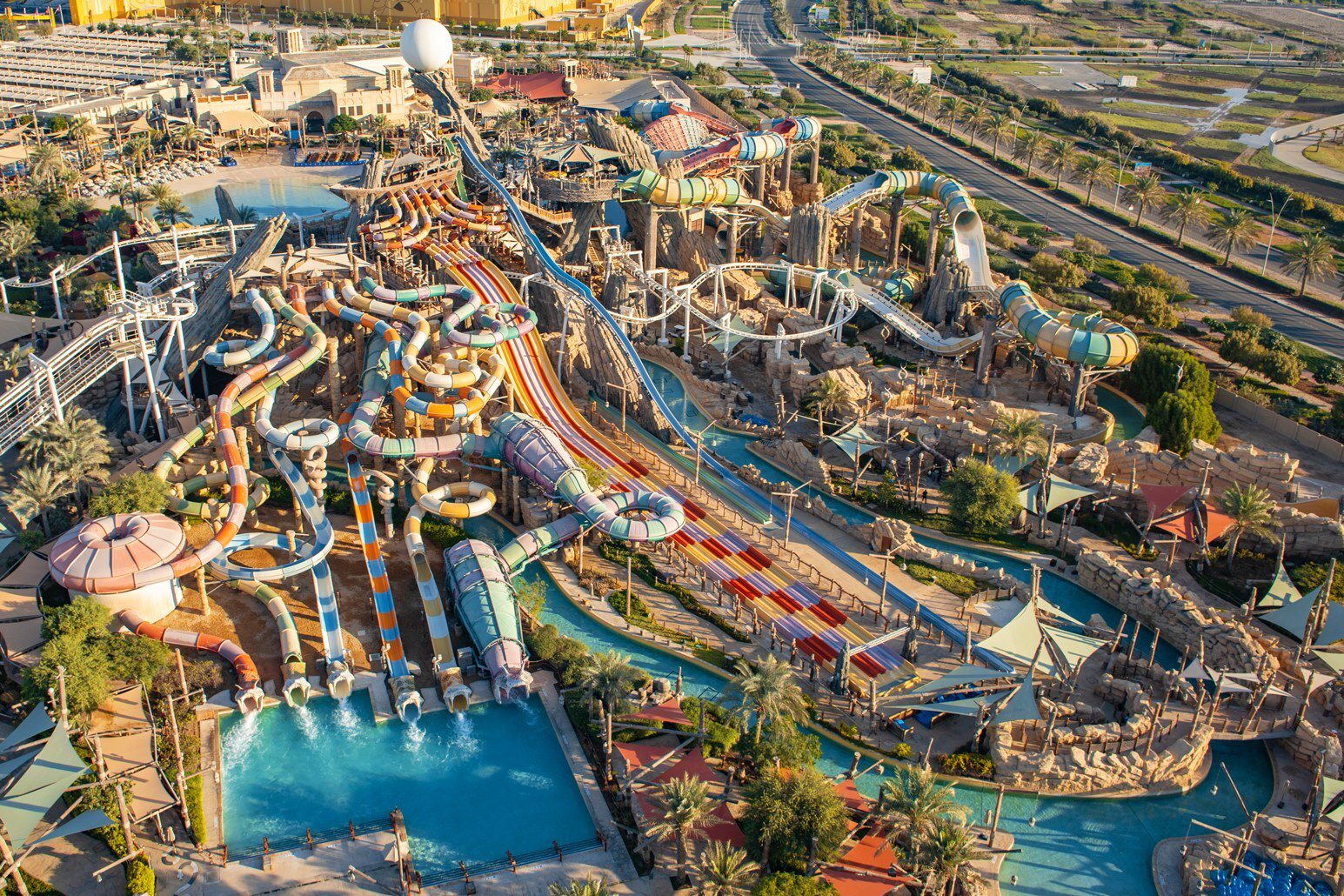
A dramatic expansion at Yas Waterworld has introduced Bandit’s Village, a new adventure zone featuring over 20 attractions, including a massive crocodile-themed slide and a reimagined storyline inspired by classic Arabian tales. The addition marks a significant enhancement to Abu Dhabi’s flagship water park, aiming to draw larger family crowds during the extended summer season.

Unveiled with theatrical flair, the centrepiece ride sends guests plunging through the jaws of a giant crocodile-like creature, a centrepiece built to evoke high drama and immersive storytelling. The new water attractions are framed within an interactive environment designed to transport visitors into the world of the Bandit, a long-standing character in the waterpark’s lore. Park officials confirmed that the development adds both visual spectacle and narrative continuity to the attraction, reinforcing the park’s position as a destination for experiential entertainment.

Spanning several zones and themed in intricate detail, Bandit’s Village includes multiple flume rides, splash pads, climbing features, and water tunnels, all constructed to appeal to children and adults alike. The area has been crafted to extend the duration of visitor engagement, providing more diverse experiences and encouraging longer dwell times. With extended operating hours throughout the peak travel months, the new zone is expected to contribute substantially to footfall and guest satisfaction.

The new expansion reflects Yas Island’s broader strategic emphasis on integrated family entertainment. With Abu Dhabi increasingly positioning itself as a regional leisure destination, the timing of the rollout aligns with efforts to boost tourism traffic, particularly among residents from the Gulf region and international travellers looking for curated family activities. This move is part of a wider pattern of competitive theming and investment by parks on Yas Island to match global leisure benchmarks.

Located within proximity to other major attractions such as Ferrari World and Warner Bros. World, Yas Waterworld has leveraged its thematic strength around Emirati culture and folklore to differentiate itself. The character of the Bandit has played a central role in the park’s storytelling framework since its inception, and the Village serves as an expanded narrative environment where guests can experience the backstory more fully through ride design, queue experiences, and environmental elements.

Guests can expect theatrical elements embedded into the ride sequences, with interactive lighting, sound effects, and character appearances throughout the zone. One of the signature features involves a multi-slide experience that mimics an escape from a bandit ambush, concluding in a dramatic plunge through the crocodilian mouth installation. Park designers have emphasised the attention given to architectural authenticity and atmosphere, using textured stonework, tribal motifs, and animated props to deepen immersion.

The opening of Bandit’s Village also responds to changing visitor expectations in the post-pandemic leisure economy. Analysts tracking theme park trends have noted a shift towards more story-driven and customisable experiences, as audiences seek environments that merge thrill with narrative depth. This aligns with Yas Waterworld’s long-term strategy of building on local cultural roots while embracing global design standards.

With Yas Waterworld already home to over 40 rides and attractions, the new zone increases its offering to more than 60, strengthening its profile as one of the Middle East’s largest water-based theme parks. Management teams behind the expansion have hinted at further phased developments within the Bandit storyline, suggesting that the current unveiling may be the first in a series of immersive expansions.

Advertisements

Brazil has enacted sweeping tax reforms, imposing a 17.5% flat levy on all cryptocurrency capital gains from 12 June 2025 under Provisional Measure 1303. This marks a stark shift from the former progressive system with a monthly exemption, now replaced by a single rate that applies to any crypto profit—trade, swap, DeFi yield, NFT sale—even via offshore exchanges or self-custody wallets.

Casual traders previously exempted on gains up to R$35,000 per month will now face taxation. A modest R$30,000 profit previously carried a zero burden; today, the same yield triggers a R$5,250 tax under the uniform rate. Medium-scale investors face a slight rise from the previous 15%, while the wealthy—who once paid up to 22.5%—now benefit from reduced liability.

The reform extends the tax net to assets held outside Brazil or in private wallets: all gains, regardless of custody location, fall under the 17.5% rule. Gains from decentralised finance activities, staking rewards, NFT transactions and token swaps are subject to the same flat regime.

Capital gains must now be reported and paid quarterly. Taxpayers may carry forward losses for up to five prior quarters—a benefit that will be curtailed in 2026 under proposed legal adjustments.

The reform’s scope is broader than crypto. Fixed‑income investments previously exempt—such as LCIs, LCAs, CRIs and CRAs—will now face a 5% tax on earnings. Meanwhile, gross revenue from online betting will be taxed at 18%, rising from 12% this coming October.

Brazil’s decision mirrors its wider fiscal strategy. With the nation’s overall tax-to-GDP ratio peaking above 32% in 2024, the government seems intent on widening the tax base and closing enforcement gaps. By bringing offshore holdings and DeFi into scope, authorities signal enhanced oversight and a tightening grip on previously opaque financial flows.

Advocates highlight the new system’s simplicity. A flat rate streamlines compliance, eliminating thresholds and multiple brackets, potentially reducing disputes and administrative complexity. Critics argue it disproportionately affects small investors and gig‑economy earners, who lose prior exemptions with little recourse.

Financial institutions and crypto‑focused service providers are preparing advisory tools to assist taxpayers with new obligations. Tax‑tracking platforms, accounting software and professional guidance are expected to surge in demand as individuals and small enterprises strive for compliance.

Looking ahead, the government plans to reduce the loss carry‑forward period in 2026 and explore pilot schemes to permit up to 50% of salaries to be paid in cryptocurrencies, particularly for remote work and contractors. Some fintech firms are already eyeing the change, examining crypto payroll and treasury integration.

Investors and citizen‑taxpayers must now track all crypto movements—onshore and offshore, centralised or decentralised. Each taxable event requires precise record‑keeping of acquisition cost, sale value, platform or exchange used, and timing. Errors or omissions could trigger penalties, including fines and interest charges.

Brazil’s audit agency intends to intensify scrutiny using on‑chain analytics, cross‑referencing declarations with blockchain records. Collaboration with international tax authorities may further bolster enforcement capacity.

The flat 17.5% tax places Brazil in a middling position globally—higher than zero‑tax jurisdictions like the UAE and Switzerland, but considerably lower than India’s 30% flat or Japan’s top marginal rates exceeding 50%.

HONG KONG SAR – Media OutReach Newswire – 4 July 2025 – AIA Hong Kong & Macau (AIA) hosted the inaugural Healthcare Financing Summit (the Summit) as an active step towards fostering cross-sector dialogue and collaboration to address the challenges facing Hong Kong’s healthcare system. Held under the theme “Sustainable Healthcare Financing through Partnership”, the Summit brought together a diverse group of stakeholders – including government officials, […]

Matein Khalid Both Israel and the US were careful not to target Iran’s oil export terminal at Kharg Island, a major reason why Brent crude trades at 68 and not 100. It is ironic that Iran’s oil output is now 5.1-MBD (this figure includes condensates and gas to liquids), its exact amount in 1978, the last year the Shah ruled from his Peacock Throne. There is no […]

The U. S. House of Representatives will convene “Crypto Week” from 14–18 July to vote on three pivotal digital asset bills: the CLARITY Act, the Anti‑CBDC Surveillance State Act, and the GENIUS Act. This coordinated effort signals a major shift in federal crypto policy as lawmakers aim to clarify regulation, protect financial privacy, and foster blockchain innovation.

The CLARITY Act seeks to establish a definitive regulatory framework by delineating the roles of the SEC and CFTC, mandating the segregation of customer funds, and requiring enhanced retail disclosures. It has already passed through both the Financial Services and Agriculture Committees by decisive margins, reflecting bipartisan support and responding directly to industry demands for legal certainty.

The GENIUS Act, recently approved by the Senate in a strong 68–30 bipartisan vote, focuses on stablecoin regulation. It mandates that stablecoin reserves be held in high‑quality, liquid assets such as U. S. Treasuries, requires annual audits for issuers with over $50 billion in market cap, and clarifies regulatory oversight while allowing banks to issue their own tokens. The bill now awaits a House vote, with hopes of reaching the president’s desk by late July.

The Anti‑CBDC Surveillance State Act takes a definitive stance against a federally issued central bank digital currency, effectively prohibiting the Federal Reserve from developing or distributing a CBDC. Proponents frame it as a necessary measure to safeguard financial privacy and prevent potential government surveillance through digital currency systems.

Deputy Speaker Mike Johnson and committee chairs, including Financial Services Chair French Hill and Agriculture Chair GT Thompson, have emphasised that this legislative package aligns with former President Trump’s digital assets agenda — aiming to position the U. S. as a leader in crypto innovation. Johnson stated that the bills would deliver the full scope of that agenda, while Hill highlighted that the initiative would finally provide clarity for innovators, protecting both consumers and the broader digital economy.

Majority Leader Steve Scalise echoed the sentiment, saying the legislation would solidify the U. S.’s global leadership in digital assets. Minority voices have also weighed in: Majority Whip Tom Emmer described the moment as a “historic opportunity” to uphold “privacy, individual sovereignty, and free‑market competitiveness.” Senator Bill Hagerty voiced Senate support, noting the urgency of enacting these measures swiftly.

While the GENIUS Act has Senate backing, the CLARITY Act has faced scrutiny from Democrats and former regulators. Experts such as ex‑CFTC Chair Timothy Massad have warned that its provisions could be overly broad or convoluted, advocating instead for a collaborative regulatory approach between the SEC and CFTC. Concerns also persist among left‑leaning lawmakers that pairing the CLARITY Act with stablecoin regulation could stall progress, despite strong crypto industry support calling for their passage in tandem.

Lawmakers like Rep. Warren Davidson have promoted consolidating stablecoin, market‑structure, and CBDC ban measures into a single legislative package to ensure comprehensive reform. However, this strategy may encounter resistance in the Senate, potentially delaying the bills past the intended timeline.

The Senate’s passage of the GENIUS Act earlier this month reflected growing bipartisan agreement on stablecoin oversight but also revealed tensions over inclusion of Trump‑era cryptocurrency interests. Indeed, some critics have raised ethical questions about exempting the president’s family from the bill’s prohibitions on member profits, and the influence of Trump‑linked ventures that reportedly earned tens of millions from crypto operations.

Despite these controversies, House Republicans are pushing ahead with “Crypto Week” as a gateway to shaping U. S. cryptocurrency policy. The CLARITY Act furthers efforts made under the FIT21 digital asset law passed in May 2024, which established initial delineation of regulatory authority.

As 14 July approaches, industry stakeholders, advocacy groups, and congressional offices are bracing for intense debates. Passing these bills could redefine market structures, unlock stablecoin innovation, and reinforce constitutional privacy rights—or it may start a protracted legislative battle over oversight, accountability, and the future role of federal oversight in digital currencies.

Ukrainian President Volodymyr Zelensky has formally stated he is prepared to meet Russian President Vladimir Putin in person to negotiate a ceasefire and work towards ending the conflict. He emphasised that a direct encounter between the two leaders is the only path to a meaningful halt in hostilities. Zelensky’s announcement follows previous calls for a 30‑day ceasefire that would hold until a summit could be arranged between him and […]

SINGAPORE – Media OutReach Newswire – 3 July 2025 – AweMed®, a skincare brand developed in collaboration with local dermatologists and paediatricians, sponsored the Eczema Family Day 2025—an annual event organised by Eczema Support Group Singapore (ESGS). The event was held on 12 April, where patients, caregivers, and healthcare professionals came together to share knowledge, foster connections, and support individuals living with eczema in Singapore. AweMed Series […]

Launches Extended Round to Accelerate Climate Tech Innovation Across Indonesia SINGAPORE – Media OutReach Newswire – 3 July 2025 – GreenTeams, a rapidly growing climate technology company advancing data-driven environmental governance in Indonesia, has announced the successful close of its Series A funding round. The round was led by Oriza Greenwillow Technology Fund. Operating at the intersection of environmental intelligence, regulatory compliance, and industrial decarbonization, GreenTeams empowers […]

President Trump has confirmed that the United States and Vietnam have reached a trade agreement, with a detailed framework now in place while formal terms await finalisation. The accord suspends the 46 per cent reciprocal tariff on Vietnamese imports, originally imposed in April, and paves the way for expanded market access and tighter controls on rerouted Chinese goods. Negotiations were fast-tracked to meet the looming July 9 deadline, when the […]

Arabian Post Staff -Dubai Nothing has launched its Phone, marking a strategic leap into the flagship smartphone market with a starting price of $799. The device is slated for pre-orders on 4 July and will ship globally on 15 July, including US, UK and European markets. Equipped with a Snapdragon 8s Gen 4 chipset paired with up to 16 GB RAM and 512 GB storage, the Phone positions itself against premium models […]

Dubai Holding has sealed a strategic agreement with Select Group and Emirates Strategic Investments Company to develop flagship residential and mixed‑use communities at Palm Jebel Ali and Dubai Design District. This marks Dubai Holding’s inaugural sale of strategic land at Palm Jebel Ali to an external developer, reflecting the emirate’s ambitious urban growth ambitions.

Select Group, in partnership with ESIC, will manage two major projects: a high‑end waterfront residential and hospitality enclave across seven islands and 16 fronds at Palm Jebel Ali, featuring over 90 km of beachfront spanning 13.4 km; and a dynamic, culture‑driven mixed‑use district in d3 designed to integrate innovation, creativity and modern urban living.

Khalid Al Malik, CEO of Dubai Holding Real Estate, emphasised that Palm Jebel Ali would “elevate Dubai’s global reputation as a premier waterfront destination,” and called the tie‑up with Select Group a critical step in aligning with the emirate’s broader vision under its 2040 Urban Master Plan and Economic Agenda D33. Rahail Aslam, Chairman of Select Group, described the deal as advancing the firm’s strategy to deliver “design‑forward, high‑impact” developments in key growth corridors.

Work on design and planning is underway for both locations, with further specifics on architecture, timelines and phasing due to be released in the coming months. Select Group brings experience from high‑end developments like Six Senses Residences at Palm and Dubai Marina, and Peninsula in Business Bay.

Palm Jebel Ali is being positioned as a new growth corridor in Jebel Ali and will combine luxury coastal living with pedestrian‑friendly, mixed‑use neighbourhoods, offering panoramic views of the Arabian Gulf. d3, recognised globally as part of Dubai’s UNESCO Creative City of Design network, will expand its creative ecosystem, offering residents skyline views including Burj Khalifa and further solidifying Dubai’s reputation as a hub for design and innovation.

The agreement reinforces Dubai Holding’s mission to unlock long‑term value from its master‑planned initiatives by collaborating with private developers and aligns with its goals of sustainable urban expansion. It also complements related infrastructure developments, such as the district cooling joint venture between Dubai Holding Investments and Tabreed at Palm Jebel Ali, initiated in March 2025, aimed at delivering efficient, sustainable cooling capacity expected to commence operations by 2027.

Select Group’s role in the development highlights a strategic evolution from project delivery to comprehensive neighbourhood creation. That approach reflects a growing trend among developers to craft holistic lifestyle destinations rather than standalone buildings. This shift speaks to evolving investor preferences for immersive, value‑oriented environments.

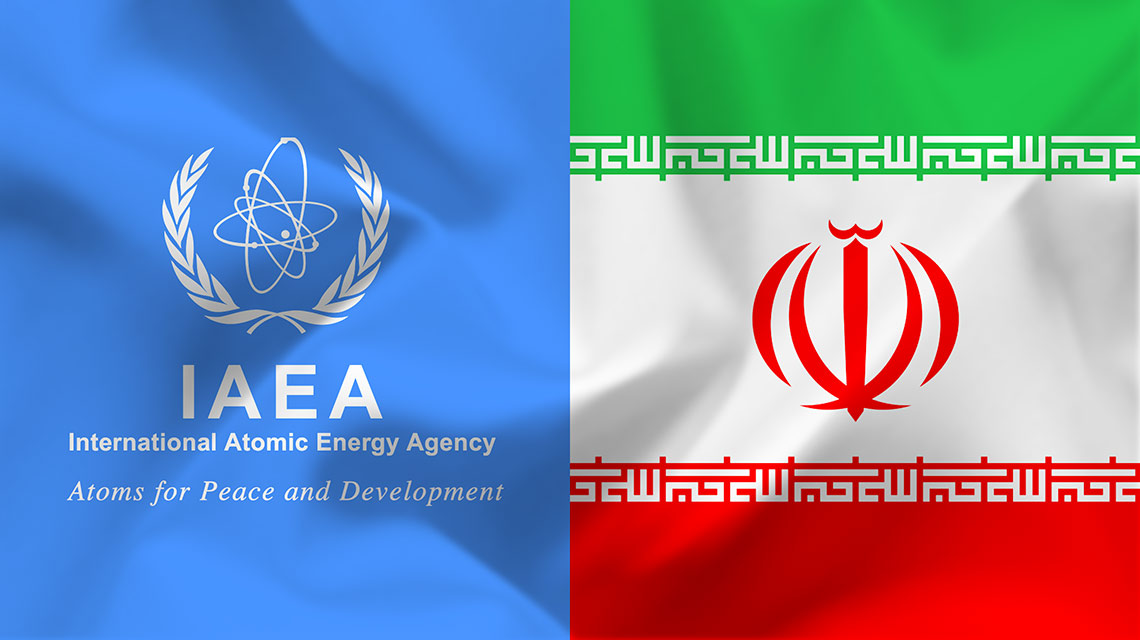
A deepening rift between Iran and international nuclear inspectors marks a turning point in Tehran’s approach to its atomic programme and signals a complex challenge for global diplomacy. Iran has formally suspended cooperation with the International Atomic Energy Agency, severing communication channels and obstructing inspections, in the wake of U.S. and Israeli military strikes on its nuclear sites.

The move was set in motion on 23 June when Iran’s parliamentary national security committee approved a framework for halting camera installation, inspections, and reporting to the IAEA unless the “security of nuclear facilities is guaranteed”. The legislation was ratified by the Guardian Council on 26 June and now awaits signature from President Masoud Pezeshkian. Parliamentary speaker Mohammad Bagher Ghalibaf justified the step, stating that cooperation should resume only when IAEA activity ceases to endanger facilities.

Iran has since implemented the decision, reportedly blocking emergency channel calls from the IAEA’s Vienna headquarters. According to a Bloomberg report, once the Incident and Emergency Centre had been in sustained dialogue since 13 June, communication has now dwindled to silence.

The suspension has intensified global worry over what happened at Fordow, Natanz and Isfahan nuclear sites that were struck in late June by U.S. and Israeli forces. Satellite imagery indicates significant damage, and the UN nuclear chief Rafael Grossi described the destruction as “enormous”, stating that centrifuges at Fordow are no longer operational. Iranian Supreme Leader Ayatollah Ali Khamenei dismissed the strikes as theatrics, displaying defiance in his first address since a ceasefire with Israel, while the IAEA has received no formal notification from Tehran about the halt.

Inspectors face a dual challenge: assessing bomb damage and reconciling it with actual uranium stockpiles. Reuters reports that uncovering whether enriched uranium was destroyed, buried in debris or clandestinely moved will be “long and arduous”. IAEA chief Grossi noted Iran informed him on 13 June it had taken measures to protect nuclear materials — raising the possibility that uranium was relocated before the bombings.

A senior diplomat cautioned that verifying the fate of enriched stocks will require extended forensic and environmental analysis. Analysts highlight that these uncertainties, coupled with Iran’s growing 60 percent enriched uranium stockpile — now surpassed 400 kg — raise proliferation concerns. Iran stands as the only non-nuclear-weapons state to produce such highly enriched material.

The crisis threatens to undermine the Nuclear Non-Proliferation Treaty. Experts warn that Iran’s rejection of oversight and potential expansion of enrichment capabilities could erode confidence in international safeguards and spark similar behaviour in other states.

Tehran counters that it remains compliant with its obligations, defending the withdrawal as a sovereignty measure and accusing the IAEA of complicity in aggression. Russian foreign minister Sergey Lavrov urged Iran to maintain IAEA cooperation. German officials echoed this sentiment, appealing for de-escalation and finer calibration.

U.S. and Israeli intelligence contend the strikes brought Iran’s enrichment efforts to a standstill, yet stop short of describing them as complete obliteration. Donald Trump claimed the attacks eliminated any need for a new nuclear deal, yet leaked U.S. intelligence suggests only a short-term delay of a few months.

Disruption of IAEA activities follows a pattern of mounting distrust. The agency censure on 12 June marked the first formal finding of non-compliance by Iran in two decades. Tehran subsequently announced expansion of enrichment infrastructure, including a third site and advanced centrifuges.

This standoff adds complexity to diplomatic efforts. Indirect U.S.–Iran negotiations held from April to June in Oman and Rome collapsed when Israel struck nuclear facilities on 13 June. Although Washington has signalled readiness to resume dialogue, Iran’s decision to suspend IAEA cooperation adds another layer of mistrust.

The prospect of tracking uranium movements amid top-secret relocation efforts, inaccessible bombed sites, and blocked communications has created a labyrinthine challenge. Inspectors and intelligence agencies alike face a “cat-and-mouse” hunt for clarity in rubble and uncertainty. Continued monitoring and a potential return to diplomatic channels will be vital in determining whether the inspection suspension is temporary or signals a more fundamental shift in Iran’s nuclear stance.

Cloud accounting is software for managing financial records that operates online. Unlike traditional on-premise solutions, you don’t need to install programs on your computer — just a browser and internet access. All data is stored on secure servers, allowing you to access your accounting anytime, from any device. In the UAE, the digital economy is rapidly growing, and the government supports businesses adopting modern technologies. Cloud accounting […]

Sharjah-based carrier Air Arabia has unveiled a limited-time mega sale, offering one-way fares starting from just Dh149. The promotion runs from June 30 to July 6, 2025, and applies to travel scheduled between July 14 and September 30, 2025.

The headline offer of Dh149 applies to flights from Sharjah to Bahrain and Muscat, spurring travel demand across the Gulf Cooperation Council. Other GCC destinations such as Dammam, Riyadh, Salalah and Kuwait begin at Dh199, while routes to Abha, Tabuk and Yanbu are priced from Dh298. More premium Gulf destinations, including Doha, Jeddah, Madinah and Taif, come in at Dh399, Dh449 and Dh574 respectively.

South Asian routes feature compelling deals. From Sharjah to Ahmedabad, Delhi and Mumbai, fares are available from Dh299, Dh317 and Dh323. Flights to Thiruvananthapuram start at Dh325, while Abu Dhabi-origin flights include Dh275 for Chennai, Dh315 for Kochi, Dh499 for Dhaka and Dh549 for Chattogram.

The sale follows Air Arabia’s strong financial performance in the first quarter of 2025. The carrier reported a net profit of Dh355 million for the quarter ending March 31, up 34 per cent from Dh266 million in the same period of 2024. Total turnover rose 14 per cent to Dh1.75 billion, with passenger numbers climbing 11 per cent to 4.9 million and an average seat load factor of 84 per cent.

Analysts suggest the promotion is designed both to capitalise on peak summer travel demand and reinforce Air Arabia’s market share. “By launching a mega sale at the start of the summer period, Air Arabia is applying strategic pricing pressure in a highly competitive GCC aviation market,” says aviation expert Sara Al-Mansoori. Her analysis indicates that budget carriers increasingly must balance promotional pricing with yield management to avoid revenue dilution.

The broader aviation context in the UAE supports such aggressive offer strategies. Competing airlines, including Etihad Airways, have launched discount initiatives that match heightened travel demand. For instance, Etihad’s summer sale offers up to 25 per cent off on round-trip economy fares until July 3, with travel valid from July 20 to September 12. This trend suggests a concerted effort by regional carriers to attract price-sensitive leisure travellers, while also filling seats during off-peak hours or on emerging routes.

Air Arabia’s capacity expansion further informs its ability to run such promotions confidently. The carrier has added new destinations—including Damascus, with flights resuming 10 July—and expanded its frequency on existing routes. Increased aircraft utilisation drives down unit costs, making low base fares viable while still yielding profitability. Load factors in Q1 support this capacity strategy, reflecting solid uptake even at promotional price points.

Public response has been visible online, with travel-focused X accounts and social media threads echoing enthusiasm. A post on travelobiz’s X account states: “Air Arabia Mega Sale! Fly from Sharjah with one‑way fares starting at just Dh149!”. While social media buzz is expected, confirmed ticket pricing on stock booking platforms like Air Arabia’s official website corroborates the offers, affirming veracity beyond promotional headlines.

Consumers stand to gain from the competitive pricing, although awareness around baggage charges, seat selection fees and fare restrictions remains crucial. Budget-friendly base fares frequently exclude extras, prompting passengers to weigh overall cost versus perceived savings. Air Arabia’s spokesperson advises: “Travellers should review booking terms carefully—specifically baggage allowances and change fees—to fully assess the total cost.” Industry analysts support this guidance, advising passengers to conduct transparent comparisons including add-on fees.

The timing of the sale aligns with school holiday patterns across the GCC and parts of South Asia. Families and leisure travellers planning summer breaks ahead of the academic year can take advantage of the fare window. However, seat availability is expected to be limited on popular routes, potentially applying pressure on consumers to book early to secure the advertised fare.

From a competitive standpoint, low pricing may pressure other Gulf-based budget carriers, including flydubai. Market observers anticipate a wave of counter-promotions in the coming days, particularly targeting overlapping city pairs such as Sharjah‑Muscat and Sharjah‑Doha. For travellers, this could spell continued availability of discounted fare options through July.

In addition to stimulating short-term travel, the sale reinforces Air Arabia’s brand as a value-focused carrier, reinforcing its positioning among price-sensitive travellers. Its Q1 financial success supports ongoing network expansion and promotional flexibility, allowing the airline to use pricing as a strategic lever while preserving profit margins.

Abu Dhabi’s population surged by 7.5 per cent in 2024, reaching 4,135,985, fresh figures from the Statistics Centre – Abu Dhabi reveal. This marks a 51 per cent increase since 2014, reinforcing the emirate’s status as a magnet for global professionals and investment, outpacing many established financial centres. That population increase was driven by a 9.1 per cent expansion in the workforce, with professional roles rising 6.4 per cent. The demographic profile shows 54 per cent of […]

In a world where careers often follow straight lines, Lea M. Jabre Fayad’s journey has been anything but conventional. What began with a love for reading and writing evolved into a lifelong mission to use words as a tool for awareness, healing, and empowerment. Lea first discovered her passion for storytelling during her academic years, which eventually led her to intern at a publication house between her […]

Microsoft has introduced the MAI Diagnostic Orchestrator, an advanced AI system that diagnoses complex medical conditions with four times the accuracy of unaided doctors. In a trial using 304 challenging case studies from the New England Journal of Medicine, the tool achieved an 85.5% success rate, compared with around 20% for physicians barred from referencing external resources. The innovation rests on a multi-agent “orchestrator” framework that mimics a […]

HONG KONG SAR – Media OutReach Newswire – 30 June 2025 – As a global trade and financial centre and a key link in the Belt and Road Initiative (B&RI), Hong Kong plays a pivotal role in connecting the Belt and Road regions, spanning some 150 countries around the world. Hong Kong’s external trade with Belt and Road economies other than Mainland China has surged by almost […]

VISHNU RAJA
RYO YAMADA
HITORI GOTOH
IKUYO KITA
Just in:
Jaiedco and Golden Bridge Announce Strategic Collaboration for a New Dubai Islands Development // Workday targets Honeydew purchase to unify AI metrics // Promoting Common Human Development Through Exchanges and Mutual Learning Among Civilizations // Fungal toxins detected across 212 UK plant-based products // Technology at Work, Heritage for All: The “Chinese Approach” to Safeguarding the Leshan Giant Buddha // Bail refused to 17-year old in Abhiram murder // Singapore regulator cautions against AI access to bank logins // Padmini follows Padmaja for ‘ghar vapsi’ // 2026 Tropical Rainforest Ecosystem Partners Conference Kicks off in Hainan // Saudi defences destroy three Houthi missiles targeting Riyadh // Phancy Announces Business Performance for the Nine Months Ended September 30, 2026 // Sabarimala booking discrepancies prompt sabotage angle probe // ED searches five districts in probe against hawala // Crypto market loses $150 billion amid broad sell-off // Saudi Arabia schedules multinational top-up tax for 2027 // Ex-minister named accused in Messi visit fraud case // Yeebo Announces Interim Results for FY26/27 Revenue Increases by 45.5% to HK$806.7 Million Profit Attributable to Owners Surges 87.6% to HK$2,284.7 Million // Toward a Shared Future for Humanity: Rethinking Civilizational Exchange // Diabetes Malaysia And Alpro Pharmacy Set National Record With 11,007 Most Blood Glucose Screenings Conducted Across Malaysia In Just 48 Hours // US military rebuts Iran’s Gulf F-16 strike allegation //