News related to
breaches

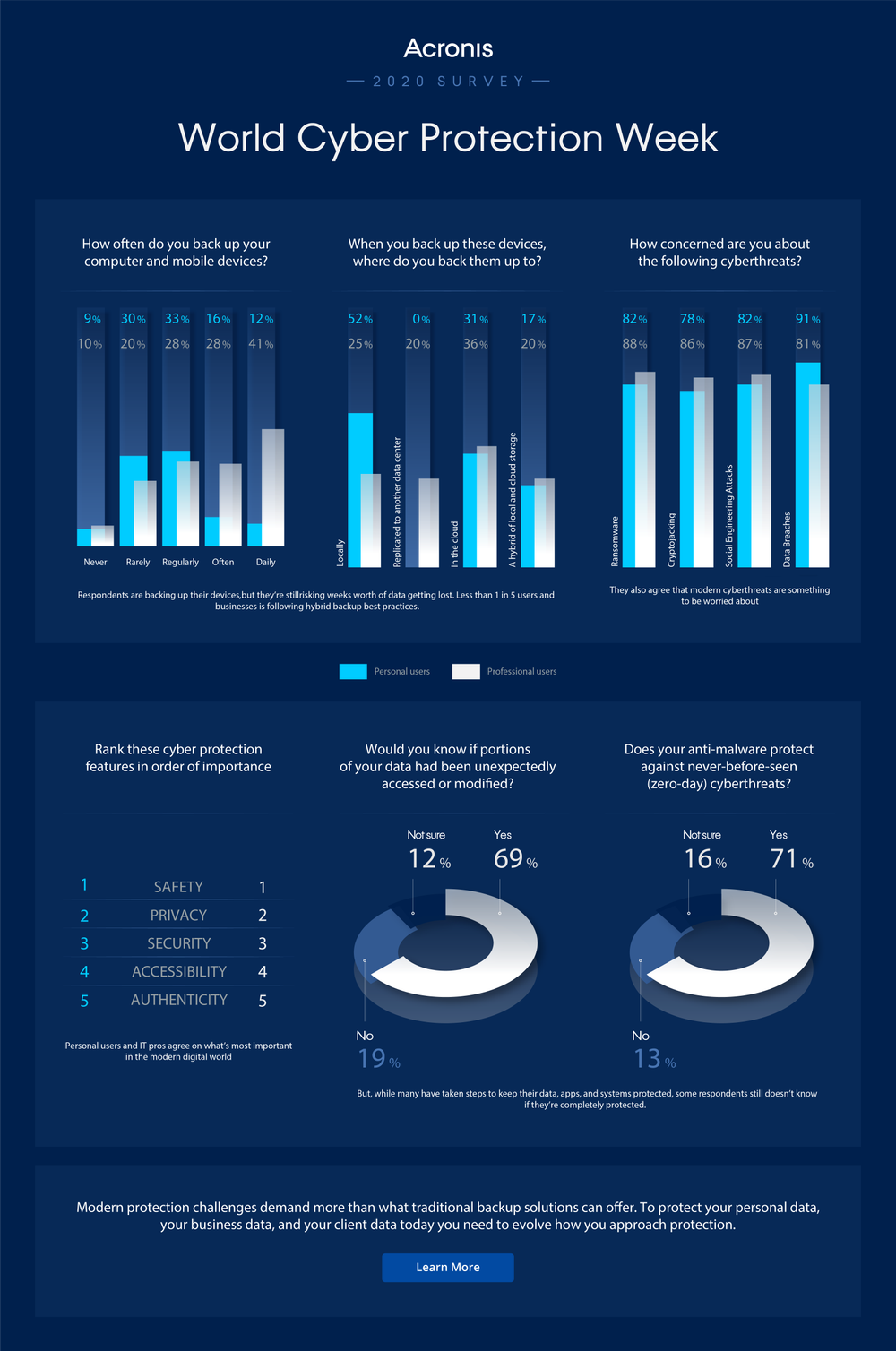
The cybersecurity sector in the UAE is experiencing unprecedented pressure, as highlighted by Acronis’ recent report indicating a staggering 68% revenue increase. This growth is attributed to the rising prevalence of cyber threats, which have intensified in 2024. Malware detections have surged by 65.3%, while URL-based threats have escalated by 36.9%, creating a pressing need for robust cybersecurity solutions across various industries.

Acronis’ findings come amid a backdrop of increased global cybercrime, with businesses in the UAE becoming prime targets. The growing digital transformation across sectors such as finance, healthcare, and government has expanded the attack surface for malicious actors. As organizations adopt cloud services and remote work policies, they inadvertently expose themselves to a myriad of vulnerabilities. The result is a burgeoning market for cybersecurity services, compelling companies like Acronis to adapt quickly to meet the evolving demands of clients.

This surge in revenue reflects not only Acronis’ successful strategic initiatives but also a broader trend within the cybersecurity industry. Organizations are increasingly prioritizing their cybersecurity frameworks, investing in comprehensive solutions to protect sensitive data and ensure business continuity. Acronis has positioned itself effectively within this landscape by offering integrated protection solutions, including data backup, disaster recovery, and cybersecurity services tailored to combat emerging threats.

Key players in the cybersecurity market are rapidly innovating to keep pace with the evolving threat landscape. The rise of sophisticated cyberattacks has prompted a shift toward proactive cybersecurity measures. Companies are now prioritizing advanced threat detection and response capabilities, leveraging artificial intelligence and machine learning to enhance their defenses. These technologies enable organizations to identify and neutralize threats before they cause significant damage, underscoring the importance of adopting a proactive rather than reactive approach to cybersecurity.

The implications of these developments are profound for businesses in the UAE. With cyber threats on the rise, organizations must reassess their cybersecurity strategies to ensure they are not only compliant with regulations but also adequately protected against potential breaches. Cybersecurity frameworks are evolving to encompass not just IT security but also physical security and personnel training, creating a comprehensive approach to risk management.

The UAE government has been proactive in addressing these challenges. Initiatives aimed at enhancing the nation’s cybersecurity posture include the establishment of the UAE Cybersecurity Council, which seeks to unify efforts across public and private sectors. This collaborative approach aims to create a resilient digital ecosystem, reinforcing the importance of cybersecurity awareness and education among employees and the wider community.

As Acronis continues to grow in this dynamic environment, its emphasis on innovation will be critical. The company has committed to enhancing its cybersecurity offerings by integrating cutting-edge technologies and expanding its global footprint. Such strategies are vital for maintaining a competitive edge and meeting the diverse needs of clients navigating this complex landscape.

The increase in cyber threats is also prompting a reevaluation of regulatory frameworks in the UAE. Businesses are now under greater scrutiny to comply with stringent cybersecurity regulations, emphasizing the need for transparency and accountability in their operations. Companies that fail to meet these requirements face not only financial penalties but also reputational damage, making cybersecurity a board-level concern.

Emerging trends indicate that small and medium-sized enterprises (SMEs) are becoming more aware of their cybersecurity needs. Historically, SMEs have been less equipped to handle cyber threats due to limited resources. However, with increased awareness and the availability of scalable cybersecurity solutions, these businesses are now taking proactive steps to safeguard their operations.

The challenge of recruiting and retaining cybersecurity talent continues to plague the industry, further complicating efforts to bolster defenses. As the demand for skilled cybersecurity professionals grows, companies face intense competition in attracting top talent. Educational institutions and training programs are responding by developing specialized curricula aimed at preparing the next generation of cybersecurity experts, a move crucial for addressing the skills gap in the sector.

Another critical aspect of the evolving cybersecurity landscape is the role of cyber insurance. As organizations recognize the potential financial impact of cyber incidents, interest in cyber insurance policies is increasing. These policies can help mitigate losses resulting from data breaches, ransomware attacks, and other cyber threats. However, the complexities involved in underwriting such policies highlight the need for comprehensive risk assessments, ensuring that organizations understand their vulnerabilities and the appropriate measures to address them.

Moro Hub, a subsidiary of Digital DEWA, has formalized a partnership with Dubai Islamic Bank (DIB) aimed at enhancing the bank’s cybersecurity capabilities. The collaboration focuses on the provision of advanced colocation services and a comprehensive cybersecurity suite, ensuring the security and resilience of DIB’s IT infrastructure. This development is expected to boost Dubai Islamic Bank’s efforts to safeguard its operations and data against an evolving threat landscape while expanding its digital footprint.

The Memorandum of Understanding (MoU) signed between Moro Hub and Dubai Islamic Bank underscores the growing need for robust digital infrastructure in the financial sector. As part of the agreement, Moro Hub will provide DIB with secure colocation services in a state-of-the-art data center, alongside a suite of cybersecurity solutions tailored to meet the specific needs of the financial institution. These services aim to mitigate the risk of cyberattacks and ensure the bank’s compliance with regulatory standards, reflecting the increasing pressures on banks globally to adopt enhanced security measures.

Colocation, a service allowing businesses to rent space for their servers and other computing hardware within a third-party data center, offers banks like DIB the advantage of enhanced physical security, disaster recovery, and operational efficiency. Moro Hub’s colocation services will enable Dubai Islamic Bank to host its critical systems in a secure environment, benefiting from the company’s advanced infrastructure, which is designed to meet the stringent security requirements of financial institutions.

This partnership comes at a time when financial institutions in the UAE and around the world are grappling with a surge in sophisticated cyber threats. With the rise of digital banking services and the increased reliance on online platforms, banks have become prime targets for cybercriminals. By leveraging Moro Hub’s expertise in cybersecurity, Dubai Islamic Bank aims to strengthen its defenses against these threats, ensuring the protection of its clients’ sensitive information.

The global banking sector has witnessed a dramatic rise in cybersecurity incidents over the past few years, prompting financial institutions to invest heavily in protective measures. From phishing attacks to sophisticated ransomware campaigns, banks are constantly under siege by attackers seeking to exploit vulnerabilities in their systems. Dubai Islamic Bank’s decision to partner with Moro Hub reflects a proactive approach to dealing with these challenges, as the bank seeks to stay ahead of the curve in an increasingly digitalized world.

Moro Hub, established as part of Dubai’s broader Smart City initiative, has positioned itself as a key player in the region’s digital transformation efforts. The company’s data centers and cybersecurity services are aligned with international standards, making it a trusted partner for businesses seeking to secure their digital operations. For Dubai Islamic Bank, this partnership offers a significant opportunity to enhance the security and efficiency of its IT operations while also reducing the operational costs associated with maintaining in-house data centers.

Cybersecurity is no longer just a technological challenge; it has become a critical component of business strategy for banks and other financial institutions. Regulatory bodies in the UAE and across the globe have tightened their requirements for data protection, mandating that banks adopt stricter security protocols to safeguard customer data and prevent breaches. Failure to comply with these regulations can result in hefty fines and damage to the institution’s reputation. By partnering with Moro Hub, Dubai Islamic Bank aims to ensure full compliance with these regulatory standards while also minimizing the risk of operational disruptions caused by cyberattacks.

Beyond the immediate security benefits, this partnership is also expected to have broader implications for Dubai Islamic Bank’s digital transformation journey. The bank has been steadily expanding its digital services, offering customers a range of online banking options, including mobile banking apps and digital payment platforms. As customer expectations continue to evolve, DIB’s ability to provide seamless and secure digital services will be crucial to maintaining its competitive edge in the market.

The digital banking landscape is undergoing rapid transformation, with customers increasingly favoring online and mobile services over traditional banking methods. This shift has forced banks to rethink their operational strategies, with a focus on enhancing the digital experience for customers while ensuring robust security measures are in place. For Dubai Islamic Bank, the partnership with Moro Hub is a strategic move to ensure that its digital infrastructure is capable of meeting these demands while also safeguarding against the growing threat of cyberattacks.

Financial institutions across the UAE have been accelerating their investments in digital infrastructure in response to changing market conditions and regulatory pressures. With initiatives such as the UAE’s National Cybersecurity Strategy and Dubai’s push towards becoming a global fintech hub, banks are under increasing pressure to enhance their cybersecurity frameworks. Dubai Islamic Bank’s collaboration with Moro Hub is in line with these national priorities, positioning the bank as a leader in digital security within the financial sector.

While the specific financial terms of the MoU were not disclosed, the partnership between Moro Hub and Dubai Islamic Bank represents a significant step forward in the bank’s efforts to strengthen its IT infrastructure. The bank’s leadership has emphasized the importance of cybersecurity as a core component of its business strategy, and this collaboration with Moro Hub is expected to play a key role in achieving those objectives.

Nintendo and Game Freak have confirmed a significant data breach affecting the Pokémon franchise. The breach, which reportedly occurred earlier this year, compromised the personal information of both current and former employees, leading to widespread concern within the gaming industry. In a formal apology published on Game Freak’s official website, the developer studio acknowledged unauthorized access to its server, stating that sensitive data had been exposed. The […]

The UAE Cabinet, led by His Highness Sheikh Mohammed bin Rashid Al Maktoum, has approved a forward-looking stance on artificial intelligence (AI) policy, positioning the nation as a central player in shaping global AI governance. This decision is part of the country’s broader strategy to navigate the challenges and opportunities presented by AI on the international stage. The AI policy, developed collaboratively by the Ministry of State […]

Dubai’s regulatory authority overseeing virtual assets has escalated its enforcement actions against several cryptocurrency firms operating in violation of local regulations. The Virtual Assets Regulatory Authority (VARA), which governs virtual asset activities in the emirate, imposed fines on seven entities, citing breaches of licensing requirements and improper marketing practices. This move is part of an ongoing effort to bolster oversight of the burgeoning crypto industry, reinforcing Dubai’s […]

Fortinet has launched its Security Awareness and Training Service to over 30,000 primary and secondary schools throughout Saudi Arabia, marking a significant advancement in the country’s cybersecurity education landscape. This initiative aligns with the Saudi government’s commitment to enhancing cybersecurity awareness among the youth and bridging the existing skills gap in the nation. The service, which is being provided at no cost, aims to equip students and […]

The Securities and Exchange Board of India (Sebi) has introduced a groundbreaking policy aimed at enhancing data sharing among stock exchanges to facilitate research and promote transparency in financial markets. This initiative seeks to democratize access to data while ensuring that privacy and accountability remain at the forefront. As part of its commitment to fostering an informed investor community, Sebi’s proposal is poised to significantly impact how financial research is conducted and utilized.

The proposed data sharing framework emphasizes the importance of making financial data more accessible to researchers, academics, and analysts. By allowing stock exchanges to share data, Sebi aims to create a more level playing field where insights derived from comprehensive analysis can benefit a wider audience. This move is seen as a step toward empowering stakeholders, enabling them to conduct more thorough investigations into market trends, investor behavior, and overall market health.

Data democratization is a central theme of Sebi’s initiative, as it recognizes that valuable insights can emerge from the collective intelligence of various stakeholders. By enhancing access to historical and real-time trading data, Sebi envisions a scenario where innovative research can lead to better regulatory practices, improved investment strategies, and enhanced market resilience. This policy aligns with global trends where regulators are increasingly recognizing the value of data-driven research in shaping effective market oversight.

Privacy considerations are paramount in Sebi’s policy, as the board emphasizes the need for responsible data handling. The proposed framework includes stringent measures to ensure that sensitive information remains protected, addressing concerns related to data misuse and potential breaches of confidentiality. Researchers will be required to adhere to specific guidelines that prioritize the ethical use of data, thereby fostering a culture of accountability in financial research.

The new policy also reflects Sebi’s commitment to enhancing its regulatory framework. By providing researchers with access to more comprehensive data sets, the regulator aims to encourage the development of robust analytical tools and methodologies. This, in turn, could lead to more accurate risk assessments and predictive modeling, benefiting not only regulatory bodies but also market participants seeking to make informed decisions.

As part of the proposal, Sebi has outlined a clear governance structure that will oversee the data sharing process. This structure is designed to facilitate collaboration between stock exchanges, researchers, and regulatory authorities, ensuring that all parties are aligned in their objectives. By fostering a collaborative environment, Sebi hopes to streamline data sharing while maintaining high standards of integrity and ethical conduct.

Industry experts have welcomed Sebi’s initiative, viewing it as a significant advancement in promoting research-driven insights within the financial sector. The move is expected to attract a wider range of participants to the market, including academic institutions and independent researchers, who can contribute diverse perspectives and innovative ideas. With increased collaboration, the financial ecosystem may see a surge in innovative solutions addressing market challenges.

However, challenges remain in the practical implementation of the policy. Some stakeholders have expressed concerns about the potential administrative burden associated with compliance and the need for robust technical infrastructure to support data sharing. To mitigate these challenges, Sebi has indicated that it will provide guidance and resources to assist stock exchanges in establishing the necessary frameworks for effective data management.

The proposal is expected to undergo a public consultation process, allowing stakeholders to voice their opinions and provide feedback. This participatory approach is indicative of Sebi’s commitment to transparency and inclusivity, ensuring that the final policy is well-informed and reflective of the diverse needs of the financial community.

Advertisements

Duos Edge AI has formed a strategic partnership with Accu-Tech to enhance the deployment of edge computing infrastructure across the United States. This collaboration aims to streamline the integration of edge solutions into various sectors, significantly improving data processing capabilities and latency for businesses relying on real-time data analytics. Edge computing has emerged as a crucial component in the digital transformation of organizations, enabling them to process […]

A significant surge in data breaches attributed to artificial intelligence has emerged as a pressing concern for cybersecurity leaders across the Asia-Pacific region, according to a comprehensive survey by Cloudflare. The study highlights that a staggering 87% of cybersecurity professionals view AI as a factor contributing to the increasing sophistication of cyberattacks, raising alarms about the evolving landscape of digital threats. The survey results underscore a growing […]

The growing demand for online privacy has fueled the popularity of privacy tools such as Orbot, a Tor-powered app designed to protect user data on Android devices. As governments and corporations continue to monitor digital communications, users increasingly turn to technologies like Orbot to safeguard their online activity. The app, maintained by the Guardian Project, leverages the Tor network to enable anonymous internet browsing and allows apps […]

Brave Software has made a significant leap by integrating local artificial intelligence into its browser, a development aimed at enhancing user privacy while improving online browsing experiences. This move positions Brave at the forefront of a growing trend that prioritizes user data protection amidst escalating privacy concerns in the digital landscape. The incorporation of local AI means that users can enjoy personalized web experiences without the need […]

The Twitter account associated with OpenAI’s news team was compromised and utilized to promote a fraudulent website claiming to distribute a fictitious cryptocurrency called $OPENAI. Messages from the hacked account falsely assured users that they could claim part of the token’s initial supply and gain access to future beta programs. Clicking on the provided link directed individuals to a malicious site that requested users to connect their […]

Data reveals 11% revenue increase in Cloud-Native Application Protection Platform market HONG KONG SAR – Media OutReach Newswire – 24 September 2024 – Trend Micro Incorporated (TYO: 4704; TSE: 4704) a global cybersecurity leader, today celebrated that it has retained its #1 ranking for worldwide cloud-native application protection platform market share in the IDC, Worldwide Cloud-Native Application Protection Platform Market Shares, 2023: A Bull Market (doc # […]

A significant data breach has come to light involving Star Health and Allied Insurance Co., one of India’s leading health insurance providers. The breach reportedly involves the unauthorized access and dissemination of sensitive customer data through Telegram chatbots, raising serious concerns about cybersecurity measures in the insurance sector. The incident was first reported by cybersecurity experts who detected unusual activity linked to the company’s data infrastructure. This […]

Granting admin rights to users on your WordPress site might seem like a benign gesture of trust, but it can significantly jeopardize your website’s security. Embracing the Principle of Least Privilege (PoLP) is essential for maintaining a secure and efficient online environment. This approach involves giving users only the permissions necessary to complete their tasks and revoking those permissions when they are no longer needed. The Principle […]

A new phishing scam is targeting personal Gmail accounts, with fraudsters impersonating corporate directors to gain trust and access to sensitive information. The scam has sparked concern among professionals, particularly in industries where data breaches and online fraud are on the rise. The emails, originating from seemingly legitimate addresses, have raised questions about how personal Gmail accounts are being accessed and exploited. The scam unfolded when multiple […]

Zoho Corporation has enhanced its analytics platform, Zoho Analytics, by integrating artificial intelligence (AI) and machine learning (ML) to provide users with advanced business intelligence capabilities. The platform, which is aimed at enterprises seeking to unlock the potential of their data, now offers tools for diagnostic insights, predictive analysis, and the automated generation of reports and dashboards. These updates mark Zoho’s continued investment in AI technologies, following […]

A new feature introduced for Chromebook devices, known as ‘Sanitize’, is drawing attention for its promise to enhance security and privacy. The ‘Sanitize’ tool offers an additional layer of protection aimed at maintaining data integrity, a growing concern in the age of cyber threats. With Chromebooks already widely recognized for their secure infrastructure, this latest enhancement seems to underscore Google’s commitment to fortifying its devices against digital […]

A foreign bank operating in the United Arab Emirates (UAE) has been fined $1.4 million (Dhs 5 million) by the UAE central bank for insufficiently addressing money laundering, financing of terrorism, and related regulatory deficiencies. The financial penalty was announced on Monday as part of the central bank’s commitment to strengthening the country’s financial system and ensuring adherence to global standards in financial transparency and integrity. The […]

In an increasingly digital world, online security and privacy have become paramount, especially in regions like the Middle East, where business, politics, and technology are booming. As more individuals and companies in the UAE and surrounding countries embrace digital tools, the demand for secure internet access has risen sharply. One solution that has gained popularity is the use of a free VPN (Virtual Private Network), offering users […]

Microsoft’s ambitious leap into the world of generative AI with its Copilot tool has garnered widespread attention. Positioned as an AI-powered assistant integrated into nearly all Microsoft 365 services, Copilot promises to revolutionize the way businesses operate. The company is marketing Copilot as a game-changer, boosting productivity and potentially transforming enterprise workflows. Its integration into Microsoft’s suite of products suggests a long-term commitment to AI-powered solutions. However, as Copilot’s adoption accelerates, security concerns are casting a shadow over its potential. Industry analysts and cybersecurity experts are sounding the alarm about the security vulnerabilities this generative AI assistant may introduce, especially when utilized alongside Microsoft 365.

For Microsoft, Copilot has already proven to be a substantial revenue driver. Reports of a 60% surge in sales within a single quarter show that enterprises are interested in leveraging its capabilities. The tool’s rapid expansion into organizations of all sizes highlights the growing demand for AI-driven solutions in enhancing productivity. According to Microsoft’s CEO, the growth of Copilot for Microsoft 365 has outpaced all other software launches for the office suite, an indication that businesses are embracing the potential efficiency gains. This uptake is not surprising, given the promise of Copilot to automate tasks, simplify workflows, and assist employees with complex processes.

Despite these impressive sales figures, the challenges ahead may undermine Copilot’s continued growth. Experts have flagged several security vulnerabilities that could derail its adoption, particularly for enterprise users handling sensitive data. The integration of AI into essential productivity tools opens up a host of security questions, and researchers are urging caution as organizations explore the use of Copilot in their operations. While the technology has significant upside, its security risks must be addressed to ensure long-term success.

One of the primary concerns surrounding Copilot is the nature of its access to corporate data. Given that Copilot functions as an AI assistant, it requires extensive access to company files, emails, documents, and other sensitive information stored within Microsoft 365. The scope of this access is where the security risks begin. By design, the AI needs to draw upon vast amounts of data to provide relevant and contextually appropriate assistance to users. However, this same feature could potentially open up new vulnerabilities.

The potential for misuse of this access is a major worry. Hackers, insiders, or even external parties could exploit security gaps, gaining unauthorized access to confidential information. The AI’s deep integration with core systems provides an appealing target for bad actors. This is compounded by the fact that AI systems like Copilot can be difficult to monitor. Their operation often involves learning and making decisions based on the data they interact with, making it challenging for organizations to fully control or predict their actions.

While Microsoft has stressed that Copilot’s design includes stringent security measures, including encryption and advanced threat detection, some experts remain skeptical. Security protocols that might be effective for conventional software may not fully protect systems that rely on generative AI. The sheer volume of data that Copilot processes raises additional concerns about how well security measures can keep pace. Analysts from cybersecurity firms are warning that traditional security strategies may need to evolve to address these unique risks.

There’s also concern about the risks posed by inadvertent misuse within companies. Employees using Copilot could unintentionally expose sensitive data or trigger breaches without realizing it. The AI’s ability to pull from a wide array of corporate resources means it could retrieve or expose information that should remain confidential, even if done unintentionally. Ensuring that Copilot’s access is limited appropriately and that users understand the security implications of their interactions with the AI is essential. Organizations must invest in rigorous training and develop protocols to prevent accidental data leaks or breaches.

Another layer of concern relates to how Copilot integrates with existing Microsoft 365 features. Many organizations have already invested heavily in Microsoft’s cloud services, and Copilot’s introduction adds another complex layer to their systems. This interconnectedness, while beneficial for workflow automation, creates a situation where vulnerabilities in one part of the system could compromise the entire infrastructure. If Copilot becomes an entry point for cyberattacks, the potential damage could extend across the entirety of an organization’s Microsoft ecosystem.

Gartner has added to the chorus of concerns, with warnings about the potential security challenges that enterprises could face when using Copilot in conjunction with Microsoft 365. Their assessment has caught the attention of IT professionals, some of whom are hesitant to fully embrace the technology. Despite Microsoft’s assurances that Copilot is secure, there’s a growing belief that the risk environment for AI-powered productivity tools is still evolving. Enterprises that operate in sectors requiring strict data protection standards, such as finance or healthcare, may find it particularly difficult to justify adopting Copilot without robust security guarantees.

Additionally, the complexity of generative AI introduces concerns about transparency. AI systems, by their nature, can be opaque. Their decision-making processes are often not fully understood, even by the engineers who design them. This creates a dilemma for organizations that need to ensure compliance with regulations and internal security policies. If Copilot makes a decision or provides an output that leads to a security issue, it may be difficult to trace the root cause or assign responsibility. This lack of transparency could make some organizations wary of trusting their most sensitive information to a generative AI system.

There are also issues of compliance and regulatory challenges. For companies that operate in highly regulated industries, the introduction of AI assistants like Copilot may require new compliance strategies. Questions surrounding data privacy, user consent, and cross-border data transfers could complicate the use of AI tools, particularly in regions with stringent privacy laws such as the European Union’s General Data Protection Regulation (GDPR). Companies will need to ensure that Copilot’s operation aligns with these legal frameworks to avoid regulatory pitfalls.

Microsoft, for its part, appears to be aware of these concerns and is likely working to address them. The company has a track record of adapting its security practices in response to emerging threats, and it’s reasonable to assume that they will continue to improve Copilot’s security as new risks emerge. However, until these improvements are fully realized, the apprehension surrounding Copilot’s security is unlikely to dissipate entirely.

Despite these warnings, it’s also possible that fears of Copilot’s security vulnerabilities are overstated. Microsoft has long been a dominant player in enterprise software, and its reputation for securing its platforms is strong. The company is no stranger to navigating security concerns, and its investment in AI safety and security research could lead to breakthroughs that mitigate the risks associated with Copilot. Furthermore, early adopters of Copilot may find that the productivity gains outweigh the security risks, particularly if their operations don’t involve handling highly sensitive data.

Yet, the caution expressed by cybersecurity experts and analysts cannot be ignored. The introduction of AI-powered tools like Copilot represents a significant shift in how businesses manage their data and productivity. The allure of AI-enhanced workflows is undeniable, but the accompanying security risks could be enough to slow Copilot’s momentum, especially among large enterprises that prioritize data security above all else.

The International Monetary Fund (IMF) has released its comprehensive research assessing the cyber resilience of the ecosystem supporting central bank digital currencies (CBDCs). The study, published at the end of August, addresses the growing need for updated payment systems and highlights both the opportunities and challenges presented by CBDCs. As central banks worldwide explore digital currencies, the IMF’s report stresses the critical importance of cybersecurity. According to […]

Pearl Petroleum has commenced arbitration proceedings against the Iraqi government concerning their joint venture on the Kurdish gas project. This legal action is a significant development in an ongoing conflict over operational and financial disputes that have persisted for several years. The dispute centers on allegations from Pearl Petroleum, a consortium led by Dana Gas and Crescent Petroleum, claiming that the Iraqi government has not adhered to […]

Oracle co-founder Larry Ellison revealed plans to bolster cloud security by integrating AI-driven autonomous systems to preempt and neutralize cyberattacks. During Oracle CloudWorld, Ellison highlighted how these systems would revolutionize the industry by preventing data breaches like ransomware and identity theft. This move aligns with Oracle’s multicloud strategy, showcased by its partnership with AWS. Ellison emphasized the critical role of AI in ensuring a seamless, secure cloud […]

VISHNU RAJA
RYO YAMADA
HITORI GOTOH
IKUYO KITA