News related to
breaches

A proposal in the House of Lords to restrict the use of virtual private networks by under-16s has reignited debate over child online safety, digital privacy and the enforceability of age-based controls. The amendment, put forward during scrutiny of the government’s online safety framework, aims to prevent children from using VPNs to bypass age checks on social media, adult content platforms and other regulated online services. Supporters […]

Australia has begun enforcing a landmark social media restriction aimed at limiting how platforms interact with users under 16, triggering debate among teenagers who question whether the policy addresses the realities of online life or simply shifts responsibility away from technology companies. The measures, introduced through updates to the Online Safety Act and reinforced by regulatory directives to major platforms, require companies such as Meta, TikTok, Snap […]

A breakthrough in neural engineering is prompting wide debate over how far humans should push the boundaries between biological thought and digital computation. The unveiling of an ultra-thin implant known as BISC, designed to stream neural activity in real time through a high-bandwidth wireless interface, offers a glimpse of a future where the movement of a limb, the perception of an object, or the intent behind a […]

The European Commission imposed a €120 million penalty on X, formerly known as Twitter, citing multiple violations of the Digital Services Act — the bloc’s landmark digital marketplace and content-governance regulation. The penalty covers three specific breaches: the platform’s so-called “blue check” verification system, insufficient transparency in advertisements, and failure to provide adequate public data access for researchers. Brussels flagged the blue-tick verification change under Elon Musk […]

Cybersecurity officials have issued a coordinated alert on a malware strain known as BRICKSTORM after identifying a wave of intrusions targeting VMware ESXi hosts and Windows environments across several sectors. The advisory, released by national defence and cyber agencies in the United States and Canada, underscores mounting concern over activity linked to operators aligned with the People’s Republic of China, whose campaigns have been tracked exploiting virtualisation […]

Geopolitical and macroeconomic uncertainty, tariffs, and cyber risks pose liability challenges for the boards of corporations of all sizes. The increasing number of insolvencies around the globe is becoming a major issue for executives. Claims severity and settlement costs are increasing, especially in the US, while the commercial financial lines insurance market remains highly dynamic. SINGAPORE – Media OutReach Newswire – 3 December 2025 – Around the […]

Organizations are deploying artificial-intelligence-driven defences to counter increasingly sophisticated cyber threats as attackers harness the same technology to mount agile attacks. Leaders at major cybersecurity firms say the conflict between defenders and adversaries has entered a new phase, where speed, adaptability and automation are critical. The security firm Palo Alto Networks announced upgraded platforms designed to protect cloud assets and AI-based applications, citing the need to monitor […]

Advertisements

AccuKnox, a prominent player in Zero Trust Cloud-Native Application Protection Platforms, has entered into a strategic partnership with Frentree, a cybersecurity solutions provider based in South Korea. This collaboration seeks to enhance the security of cloud, container, and AI workloads for businesses across the region.

The integration of AccuKnox’s innovative security technologies with Frentree’s established presence in the South Korean market will enable enterprises to better defend against emerging cyber threats, particularly those targeting cloud-native environments. As businesses increasingly rely on cloud infrastructures and AI-driven workloads, the need for robust security frameworks that can scale and adapt to new vulnerabilities has never been more critical.

AccuKnox’s Zero Trust model, which operates on the principle of verifying every request within a network, regardless of origin, is designed to provide continuous protection against both internal and external threats. By requiring strict authentication and authorisation for all access requests, this security approach eliminates traditional trust models that have proven vulnerable in today’s dynamic digital landscape. This model is particularly effective in safeguarding complex cloud-native environments, where assets may be spread across multiple platforms and locations.

Frentree, with its local expertise and established relationships in South Korea, is poised to play a pivotal role in implementing these advanced security measures within the region. Their deep understanding of local enterprise needs, regulatory frameworks, and operational challenges positions them as an ideal partner for AccuKnox. By leveraging Frentree’s on-the-ground presence, AccuKnox aims to accelerate the adoption of Zero Trust security models, providing South Korean businesses with the tools necessary to meet their cybersecurity requirements in the face of increasing cloud adoption.

The collaboration between the two companies also highlights a broader trend in the cybersecurity industry, where regional partnerships are becoming more prevalent. With cyber threats becoming more sophisticated, businesses are increasingly looking for tailored solutions that not only address global challenges but also account for specific local risks and regulations. By working with a trusted regional partner like Frentree, AccuKnox can ensure that its Zero Trust CNAPP solutions are delivered in a way that meets the unique needs of the South Korean market.

South Korea, which has seen rapid digital transformation in recent years, is a particularly fertile ground for this kind of security innovation. As industries such as finance, telecommunications, and manufacturing embrace cloud computing and AI technologies, the country has become a prime target for cyberattacks. With high-profile breaches making headlines, there is growing pressure on organisations to improve their security postures. The Frentree-AccuKnox partnership is thus timely, as it provides local enterprises with a comprehensive security solution to mitigate these risks.

The partnership is also a response to the rising complexity of cyber threats. The increasing use of cloud-native applications and AI workloads introduces new vulnerabilities, which traditional security models struggle to address. Zero Trust security frameworks, with their focus on micro-segmentation and continuous monitoring, offer a promising solution to these challenges. By focusing on verifying every access attempt rather than trusting devices or users, these systems offer a much higher level of assurance against cyber threats.

Looking ahead, both AccuKnox and Frentree are committed to expanding their reach and impact in the region. This partnership is just the beginning, as the two companies plan to work closely to refine and enhance their offerings based on the specific needs of South Korean enterprises. With the cybersecurity landscape continuing to evolve rapidly, they aim to stay ahead of emerging threats by continuously innovating their security models.

Cybersecurity breaches are becoming an increasingly costly issue for Indian enterprises, with nearly a quarter of organisations reporting losses exceeding $1 million over the past three years. This has prompted a sharp uptick in cybersecurity spending, especially in artificial intelligence and cloud security solutions, as businesses aim to protect themselves from sophisticated cyber threats. However, the sector still faces significant challenges, particularly in securing skilled talent to manage the growing complexity of cyber risks.

A recent report by PricewaterhouseCoopers highlights that 23% of Indian businesses have incurred losses of over $1 million due to cyber incidents, underscoring the severity of the issue. These breaches range from data theft and ransomware attacks to more advanced persistent threats targeting critical infrastructure. PwC’s findings suggest that the financial impact on Indian firms is only likely to rise as cybercriminals become more organised and capable, exploiting vulnerabilities in emerging technologies and systems.

The shift towards digital transformation and cloud adoption has undoubtedly exposed businesses to greater risk, with sensitive data being increasingly stored and accessed online. According to PwC, the cloud is now seen as both a critical business enabler and a potential vulnerability. As cloud infrastructures evolve, they are often targeted by cybercriminals seeking to exploit misconfigurations and inadequate security protocols.

In response, Indian businesses are ramping up their cybersecurity investments. Spending on AI-driven security solutions is one of the key focus areas. These technologies allow businesses to proactively identify and neutralise threats in real-time, enabling a faster response to evolving attack patterns. AI is particularly useful for detecting abnormal behaviour and potential risks that traditional security systems might miss. It is also being leveraged for predictive analytics to foresee potential vulnerabilities before they can be exploited by malicious actors.

However, despite the increased allocation of funds towards cybersecurity, the shortage of skilled professionals remains a significant roadblock. The demand for cybersecurity experts far outweighs the supply, with firms struggling to recruit individuals with the necessary expertise in areas such as AI, cloud security, and threat intelligence. The PwC report indicates that many organisations are forced to rely on third-party vendors to manage their cybersecurity needs, further driving up costs.

Experts suggest that to address the talent gap, Indian firms must invest in long-term solutions, such as upskilling existing employees and forging partnerships with educational institutions to nurture the next generation of cybersecurity professionals. The government has also been urged to play a more proactive role by fostering public-private collaborations to enhance the country’s overall cybersecurity ecosystem.

The rise of AI and cloud technologies has, however, brought additional complexities. While these tools can greatly improve security, they also introduce new attack vectors. Cloud environments, if not managed properly, can expose businesses to significant risks, including data breaches and unauthorised access. Moreover, the increased use of AI-driven solutions can create new challenges, such as ensuring the ethical deployment of AI and protecting against adversarial AI attacks.

Despite these hurdles, the Indian cybersecurity landscape is expected to see significant improvements over the coming years. As businesses continue to embrace AI and cloud technologies, security budgets are likely to increase, with a stronger emphasis on automated security measures and real-time threat detection. Additionally, as the global cyber threat landscape evolves, businesses are expected to collaborate more closely with government agencies and international organisations to stay ahead of cybercriminals.

India has officially enacted the Digital Personal Data Protection Rules 2025, marking a significant milestone in the country’s data privacy landscape. These rules come into full effect after years of discussions and revisions, shaping the way businesses and organizations across India manage and process personal data. The new framework introduces comprehensive rights for citizens, increased accountability for data processors, and a structured approach to compliance, with phased implementation designed to help organizations gradually adapt to the new standards.

Under the DPDP Rules 2025, organizations handling digital personal data must ensure that they meet stringent requirements regarding the collection, storage, and processing of such data. One of the primary objectives of the regulations is to give individuals more control over their personal information. Citizens are now entitled to exercise rights such as data access, correction, and deletion, enabling them to manage their digital footprints more effectively. The rules empower individuals to demand transparency from organizations about how their data is being used, stored, and shared, thereby creating a more secure and user-centric data ecosystem.

The DPDP framework also mandates that businesses establish clear and accountable procedures for data processing, including obtaining explicit consent from individuals before collecting their data. This requirement has led to the creation of a robust consent management system, where individuals can easily opt in or out of data collection practices. Moreover, companies must implement technical measures to safeguard data from breaches, ensuring that personal information is kept secure against cyber threats.

A noteworthy feature of the DPDP Rules 2025 is the introduction of a phased compliance timeline, giving businesses time to align their operations with the new regulations. The phased approach allows smaller organizations to gradually adapt their processes without facing immediate heavy penalties. It also helps avoid overwhelming businesses with abrupt changes, ensuring a smoother transition into the new privacy regime. Larger enterprises, particularly those with significant data processing activities, are required to comply more swiftly, underscoring the government’s commitment to addressing privacy concerns in the digital age.

In terms of enforcement, the rules establish a regulatory body responsible for overseeing compliance with data protection laws. This body will have the authority to issue penalties for violations, ranging from non-compliance to mishandling of personal data. The government has also proposed creating a data protection fund to support enforcement activities and facilitate the implementation of data protection measures across sectors. These efforts aim to strengthen India’s privacy protection infrastructure and ensure that businesses take their responsibilities seriously.

One of the most pivotal aspects of the DPDP Rules is the focus on cross-border data transfers. Companies that wish to transfer personal data outside of India must demonstrate that the destination country has an adequate level of data protection laws in place. This provision aims to safeguard Indian citizens’ data while promoting responsible data sharing and collaboration on the global stage. By introducing strict measures for international data exchanges, the DPDP framework places a premium on protecting the privacy of individuals both within India and abroad.

The DPDP Rules 2025 also place a strong emphasis on corporate accountability. Organizations must conduct regular audits to assess their data handling practices and identify potential vulnerabilities. Additionally, they are required to appoint Data Protection Officers responsible for overseeing data protection measures within their organizations. The accountability aspect extends to third-party vendors, as businesses must ensure that their partners and service providers adhere to the same high standards of data protection.

For the general public, the DPDP Rules provide greater visibility into how their data is being used. The introduction of a personal data breach notification system ensures that individuals are alerted if their data has been compromised. This provision is crucial in fostering trust between businesses and consumers, as it encourages transparency and swift action in case of data incidents. Companies are also required to report breaches to the regulatory body within a specified time frame, contributing to a more proactive approach to data security.

Netskope has partnered with NEVERHACK to introduce an innovative, fully managed Security Service Edge solution aimed at enhancing zero-trust cloud security. This new offering is designed to address the growing need for comprehensive protection in a rapidly evolving digital landscape, where organisations are increasingly reliant on cloud-based infrastructure. The collaboration combines Netskope’s advanced network and cloud security technology with NEVERHACK’s expertise in managed security services. The integrated […]

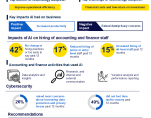
HONG KONG SAR – Media OutReach Newswire – 10 November 2025 – CPA Australia’s regional survey about business technology adoption shows that most companies in Hong Kong have used artificial intelligence (AI) tools at different levels. Though the increasing AI application helps to improve productivity, it also transforms the hiring trends in the accounting and finance industry, and increases concerns on data protection and governance, according to […]

Ente, a popular cybersecurity tool, has successfully completed a rigorous audit sponsored by CERN, the European Organization for Nuclear Research. The audit, carried out by five experts from the German cybersecurity firm Cure53, took place over the span of two weeks and focused on evaluating the platform’s security framework and vulnerability to cyber threats. CERN, one of the largest and most advanced scientific research organisations in the […]

A video-sharing platform has removed multiple tutorials showing how to install Windows 11 without using a Microsoft account or meeting certain hardware requirements, citing community-guideline violations that warn the content “encourages dangerous or illegal activities that risk serious physical harm or death.” The channel affected, known for detailed technical walkthroughs, reported that both takedown decisions were upheld despite appeals. The creator, behind the channel CyberCPU Tech, disclosed […]

A sophisticated phishing campaign has enabled attackers to compromise a maintainer account within the npm ecosystem, triggering one of the largest software-supply-chain breaches recorded. On 8 September 2025 the attacker gained access to the account of developer Josh Junon, and proceeded to publish malicious updates to widely used packages including “chalk” and “debug”. The versions laced with crypto-theft malware reached libraries that collectively recorded over 2 billion […]

Swiss privacy firm Proton AG has unveiled its new “Data Breach Observatory”, a live-monitoring platform designed to track organisations’ data leaks by scanning hacker-forums and underground marketplaces on the dark web. According to the company, the tool has already identified 794 unique breach incidents in 2025 alone, exposing over 300 million records linked to identifiable companies. If broader data-compilations are included, the number of incidents rises to […]

The latest breakthrough in smart home automation promises to revolutionise the way we interact with our living spaces. Carpet sensing technology, which adapts to individual routines and enhances automation, is becoming a significant focus for tech companies looking to improve home interactivity. This innovation is set to transform residential spaces into responsive environments that learn user behaviours, creating a level of convenience previously unseen. At its core, […]

Cybersecurity firm Sophos has unveiled its new solution, Sophos Identity Threat Detection and Response, offering organisations continuous monitoring of identity risks, dark-web credential tracking and automated response capabilities within its Sophos Central platform. The UK-headquartered company positions the product as a strategic response to the “never-ending” rise of identity-based attacks. The new ITDR module integrates with Sophos’ existing Extended Detection and Response and Managed Detection and Response […]

ONLYOFFICE Docs 9.1 has been launched, bringing with it a significant overhaul aimed at boosting both productivity and collaboration. Among its notable additions is a new set of PDF redaction tools, enabling users to efficiently remove sensitive content from documents, as well as various editor upgrades that promise to streamline workflows. The introduction of PDF redaction tools addresses growing concerns around privacy and data security, allowing users […]

GITEX GLOBAL 2025 is primed to showcase groundbreaking developments in artificial intelligence, drawing attention from industry leaders and innovators worldwide. The event is expected to play a pivotal role in shaping the future of AI, as a growing number of companies and startups highlight AI’s transformative capabilities across multiple sectors.

The spotlight will be on the innovative use-cases that AI offers, from healthcare and finance to transportation and beyond. AI’s potential to revolutionise industries is set to dominate discussions, as the event will feature a plethora of demonstrations, seminars, and cutting-edge technologies aimed at propelling AI to new heights. The highly anticipated conference will also address the challenges AI faces, particularly concerning data privacy, security, and the ethical implications of rapidly evolving technologies.

Several leading AI-driven companies are expected to debut next-generation products and services that will redefine the way businesses and consumers interact with technology. The launch of AI tools designed to optimise workflows, enhance customer experiences, and boost operational efficiency will take centre stage, underscoring AI’s growing role in the business world. Key players such as tech giants and emerging startups are preparing to demonstrate solutions that leverage AI for better decision-making, automation, and personalised services.

One of the most anticipated announcements is the unveiling of AI-powered healthcare technologies. AI’s ability to accelerate diagnostics, enhance patient care, and streamline administrative tasks is generating immense interest in the medical field. Exhibitors at GITEX GLOBAL 2025 will present AI-powered tools that use machine learning algorithms to analyse medical images, predict health risks, and support doctors in making faster and more accurate decisions. Such advancements have the potential to revolutionise healthcare delivery globally, improving outcomes and reducing costs in the process.

The financial services industry is also embracing AI, with a growing number of companies leveraging AI to enhance fraud detection, improve risk management, and optimise investment strategies. AI’s capabilities in analysing vast amounts of financial data in real-time are being used to identify patterns and trends that would be difficult for human analysts to detect. During GITEX GLOBAL 2025, financial institutions and fintech startups are set to demonstrate how AI is reshaping the way investments are managed and how consumers interact with their financial institutions.

Another key area where AI is making waves is autonomous transportation. From self-driving cars to AI-assisted logistics, the transport sector is undergoing a dramatic shift. At GITEX GLOBAL 2025, industry leaders will reveal advancements in AI-driven transportation solutions that promise to improve safety, reduce traffic congestion, and make travel more efficient. AI’s ability to process vast amounts of real-time data and make split-second decisions is crucial to the development of autonomous vehicles and their integration into the wider transportation ecosystem.

AI’s role in cybersecurity is also a hot topic at GITEX GLOBAL 2025. As cyber threats become more sophisticated, AI is increasingly being used to detect, prevent, and respond to security breaches. By analysing patterns in network traffic and identifying anomalies, AI-powered cybersecurity systems can rapidly identify and mitigate threats, offering a new level of protection for organisations and consumers alike. The growing importance of AI in safeguarding sensitive information and ensuring secure digital environments will be a central theme during the event.

Sustainability is another area where AI is being leveraged to drive change. From optimising energy usage in smart cities to improving the efficiency of manufacturing processes, AI is helping industries become more sustainable. GITEX GLOBAL 2025 will showcase AI technologies that are not only transforming industries but also contributing to global sustainability goals. These solutions promise to reduce carbon footprints, lower energy consumption, and make industries more efficient and environmentally friendly.

Cyber resilience has evolved from a mere operational necessity to a core strategic focus for businesses across the globe. As cyber threats continue to escalate in complexity and volume, companies are now recognising the importance of not just preventing cyberattacks, but also ensuring they can quickly recover and continue functioning in the face of such threats. Synology, a leader in data storage and network solutions, has taken […]

Greenlogue/AP Mubadala Energy achieved a 36.5 per cent drop in its Scope 1 and 2 greenhouse gas emissions in 2024, the company’s newly published Sustainability Report reveals, underscoring the firm’s accelerating role in the energy transition. The decline was complemented by a sharp 55 per cent fall in emissions intensity, from 15.57 to 6.95 tonnes CO₂e per kilo barrel of oil equivalent. Emissions from flared gas fell […]

Dubai has issued Law No. of 2025 to regulate the professional practice of engineering consultancy firms, forbidding unlicensed operations and introducing a tiered classification system.

Under the law, no individual or office may conduct consultancy across fields such as architectural, civil, mechanical, electrical, chemical, geological or coastal engineering in the emirate without proper authorisation. Firms must hold a valid trade licence, register with Dubai Municipality, and submit detailed disclosures regarding their licensed scope, classification, and technical staff credentials.

A unified electronic platform, to be integrated with “Invest in Dubai,” will centralise firm registration, classification, issuance of competency certificates, and updates to consultancy qualifications.

A permanent “Committee for the Regulation and Development of Engineering Consultancy Activities” will be established under the law, chaired by a Dubai Municipality representative and comprising stakeholders from relevant authorities, tasked with overseeing implementation and resolving sectoral disputes.

The legislation classifies eligible firms into several categories: local Dubai-based companies; branches of UAE-based consultancies with at least three consecutive years of experience; branches of foreign consultancies with at least ten years of global experience; joint ventures between local and foreign players with at least a decade of consultancy track record; advisory offices led by registered engineers with a decade of experience; and engineering audit offices providing third-party evaluations.

Firms are barred from operating beyond their licence scope, hiring unregistered engineers or subcontracting to unlicensed entities. Violations can attract fines up to AED 100,000, stricter penalties for repeat breaches, suspension, downgrading classification, removal from the registry, licence cancellation, or revocation of professional certificates. Affected parties may file appeals within 30 days and decisions must be issued within 30 days, communicated within five working days.

Existing regulations under Local Order No. 89 of 1994 and its amendments will remain effective until new implementing regulations are issued, provided they do not conflict with the new law.

Consultancy firms and staff will have one year from the law’s effective date to regularise their status; extensions may be granted, and expired registrations can be renewed by committing to full compliance.

Dubai’s move mirrors the emirate’s broader legal recalibration of the infrastructure sector. In July 2025, Law No. 7 of 2025 was enacted to regulate contracting activities, consolidating prior laws and mandating registration, classification, subcontracting oversight and ethics codes across construction and engineering services. The new consultancy law can be seen as a complementary measure to ensure that consultancy services feeding into contracting projects meet defined quality and governance standards.

Industry stakeholders have expressed cautious optimism about the changes. Some consultancy firms believe the law will reduce unfair competition by eliminating unlicensed operators, thus raising standards overall. Others warn of compliance costs, especially for smaller local consultancies that may struggle to meet classification thresholds or hire adequately certified staff.

Regional and international firms see opportunity in the rule clarity and the potential to compete more transparently. Observers expect the new digital registry and classification framework to influence government procurement and tenders by favouring higher-ranked consultancies.


OPEC+ delegates are weighing two divergent paths for November oil quotas: a modest lift mirroring October’s 137,000 barrels per day increase or a more aggressive jump, possibly two to three times larger. Diplomatic and market pressures appear to be pulling members in different directions.

Ahead of Sunday’s formal meeting, one source familiar with the deliberations described 137,000 bpd as the “base case,” replicating this month’s incremental pace. A second source, speaking on condition of anonymity, indicated that under more aggressive assumptions the group may opt for increases of 280,000 bpd or even 400,000 bpd. Those in favour of larger hikes argue that strengthening demand and constrained Russian output justify a bolder step.

Analysts are aligning with the moderate view. Goldman Sachs, for instance, projects a November quota increase of around 140,000 bpd, citing tight inventory levels in Asia and Europe and declining U. S. crude stockpiles. Pressure for a more substantial increase, however, is mounting given elevated oil prices and a desire among key producers to reclaim or expand market share.

During a meeting of the Joint Ministerial Monitoring Committee this week, OPEC+ emphasised full compliance with output agreements, urging shirking members to compensate for previous breaches. While the JMMC lacks decision-making power on quotas, it retains the ability to summon full OPEC+ sessions if necessary. This move underscores growing unease about cohesion ahead of the upcoming vote.

Market reaction has already shown sensitivity. Oil prices—which had climbed amid tight supply forecasts—slid more than 3 per cent early this week as traders factored in the possibility of an oversupplied market if OPEC+ moves decisively upward. Further pressure arrived as Iraq’s Kurdistan region resumed exports to Turkey, adding to short-term supply. Expectations of a November increase of at least 137,000 bpd have also fed concerns about potential gluts.

Saudi Arabia is anticipated to respond to this industrial backdrop by raising its official selling prices for November crude to Asia. Refining sources suggest increases of 20–40 cents per barrel for Arab Light, and larger bumps for heavier grades—moves intended to optimise returns amid the shifted supply landscape. Observers note, however, that these pricing adjustments may be constrained by growing global volumes and rising freight costs.

Within OPEC+ circles, some major players favour the status quo increment. They caution that a more aggressive hike could undermine prices and strain discipline among reluctant members. Others view a bold move as an opportunity to reshape global oil dynamics—forcing non-allied producers to respond and reasserting the cohesion and influence of the alliance.

Russia is under particular scrutiny. Its output has been running below forecasts, and further declines—coupled with Western sanctions and infrastructure disruptions—are cited by several sources as a justification for a larger quota increase across the group. Still, Moscow’s appetite for more substantial volume gains remains unclear, balancing revenue interests with geopolitical strategy.

VISHNU RAJA
RYO YAMADA
HITORI GOTOH
IKUYO KITA