Just in:
Jaiedco and Golden Bridge Announce Strategic Collaboration for a New Dubai Islands Development // Phancy Announces Business Performance for the Nine Months Ended September 30, 2026 // Sui activates Hashi Bitcoin lending across partner network // LittleLives, Little Lab and SEGi College Sign MOU to Explore Early Childhood Education Collaboration Across ASEAN // Padmini follows Padmaja for ‘ghar vapsi’ // Crypto market loses $150 billion amid broad sell-off // Thailand’s Most Iconic New Year’s Celebration Returns: ICONSIAM Unveils “Amazing Thailand Countdown 2027” // Promoting Common Human Development Through Exchanges and Mutual Learning Among Civilizations // Dar Global unveils $700m Trump development in Qatar // Dubai Introduces SHARH, an AI-Powered Platform Helping Entrepreneurs Buy, Sell and Manage Businesses in the UAE // Workday targets Honeydew purchase to unify AI metrics // European Commission takes systems offline after AI cyberattack // 2026 Tropical Rainforest Ecosystem Partners Conference Kicks off in Hainan // Sharjah clears Kalba free zone plan for 400MW complex // Diabetes Malaysia And Alpro Pharmacy Set National Record With 11,007 Most Blood Glucose Screenings Conducted Across Malaysia In Just 48 Hours // Technology at Work, Heritage for All: The “Chinese Approach” to Safeguarding the Leshan Giant Buddha // Toward a Shared Future for Humanity: Rethinking Civilizational Exchange // ED searches five districts in probe against hawala // Travel Insurance Was Built for the Few Who Claim. Ancileo’s Felt Coverage™ is for Everyone Else // Balagopal challenges CM over tax revenue //

News related to
least

Emirates has reinstated its complete flight schedule following brief airspace shutdowns over Gulf states on 23 June. The Dubai‑based carrier reported that all its regular services resumed within hours, with just a handful of cancellations and no forced diversions. Route adjustments took place to avoid congested airspace, as part of the airline’s emergency protocols. The carrier clarified that its contingency systems were promptly deployed. A statement published […]

Greenlogue/AP A newly released global analysis reveals that funding for climate adaptation in the world’s most hazard-prone nations has dropped sharply, leaving them dangerously exposed to floods, heatwaves and storms. The Climate Risk Index 2025, based on data spanning 1993 to 2022 from EM-DAT, the World Bank and IMF, found that more than 765,000 people died and nearly US$4.2 trillion was lost in direct economic damage due to […]

Trellix’s Advanced Research Center has documented a red team exercise named OneClik, simulated Advanced Persistent Threat tactics against entities within the energy, oil, and gas sectors. The red team employs sophisticated phishing lures and exploit Microsoft ClickOnce, a.NET deployment tool, to execute malware under the guise of trusted applications. This campaign exhibits hallmarks consistent with Chinese-affiliated threat actors, according to the researchers. Phishing emails played a central […]

Matein Khalid The past decade dramatically illustrates the peril of trusting paper money as a store of value in a political system designed to pivot recklessly towards deficit financing and deliberate debasement of the world’s reserve currency. The US national debt is now $37 trillion and the annual budget deficit is now $2 trillion or 125% of GDP. Add political gridlock in Washington, violent migrant riots in […]

Efforts to foster youth entrepreneurship in Sharjah have taken decisive shape with the launch of a new initiative by the Municipal Council and Sharjah City Municipality alongside the Family Development Department. Known as the Sustainable Future Youth Programme, the project seeks to streamline startup processes, facilitate licensing, and provide mentorship and finance support for young innovators.

The programme introduces a unified one-stop-shop for business setup, combining municipal services with regulatory and advisory support. It aims to reduce administrative delays and lower barriers to entry for promising youth-led enterprises. Stakeholders hope this will catalyse innovation and expand economic diversification within the emirate.

Under the scheme, participants benefit from facilitated licensing via the municipality’s dedicated entrepreneurship centre. Young entrepreneurs will receive support in completing documentation, securing permits, and understanding compliance requirements. Meanwhile, Family Development Department branches will offer training sessions in business planning and financial literacy targeted at individuals aged 18–35.

Sources within the Sharjah Youth Council say the programme differentiates itself through its inclusive approach to sustainability. Every startup selected must embed at least one sustainable development objective—whether in social impact, environmental protection, or economic resilience—into its business model. Mentorship and advisory services will be provided by experts from government, private sector, and academia, ensuring access to high‑value networks.

Officials emphasised that one of the programme’s early successes is its cooperation with Sharjah FDI Office’s Emerging Entrepreneurs initiative. Since its inception in early 2024, the Emerging Entrepreneurs initiative reportedly processed its first licenses within days—365 Luxury Watches being one example of a brand that expanded into the emirate swiftly. The new youth programme is designed to build upon this momentum and scale the model to a broader demographic.

The launch event featured remarks by Saif Al Suwaidi, Acting Manager of the Sharjah Investors Services Centre, who highlighted the intent to “embrace young entrepreneurs and innovators eager to launch their projects and businesses in the emirate’s vibrant markets”. Sheikha Issa Al Harmoudi of the Sharjah Youth Council stressed that aligning municipal and youth-targeted efforts is key to reduce obstacles faced by local innovators.

Ruwad, the Sharjah SME foundation, will also play a pivotal role by offering membership benefits, financing options, and virtual incubation facilities—especially targeting universities and alumni. As of early 2024, Ruwad’s network of roughly 1,500 members had already started utilising such support programmes.

Earlier in 2025, complementary youth measures were introduced in the emirate. The Sharjah Capacity Development Foundation released Masar, focused on bridging the gap between education and employment for graduates. The Sharjah Youth Council, together with the Ministry of Industry and Advanced Technology, also organised the “Industry Pioneers – Make it in the Emirates” session to orient Emirati youth towards emerging industrial opportunities under the national diversification strategy.

These activities reflect Sharjah’s broader ambition to bolster non‑oil sectors—such as manufacturing, tech, and creative industries—to contribute significantly to the UAE’s economic targets by 2031. They also coincide with the Municipality’s efforts during UAE Innovation Month in January that included youth‑centric programmes like Innovative Engineer and Innovative Farmer, aimed at nurturing a culture of creativity within municipal services.

Analysts note that the sharpening focus on youth-empowerment initiatives is timely, given the global rise of youth-led impact ventures and the UAE’s increasing competition with regional innovation hubs. According to market data, Sharjah’s share in domestic non‑oil FDI and startup investment has grown significantly, though it remains modest compared to Abu Dhabi and Dubai. The new programme aims to narrow that gap by improving regulatory efficiency and offering targeted support.

Critics, however, caution that sustainable impact depends on measurable outcomes. They argue the programme should establish clear metrics—such as business survival rates, job creation, and investment attraction—to accurately assess its effectiveness. Some have also emphasised the need to extend outreach to rural and underrepresented communities across the emirate.

Government responses indicate that a central dashboard for monitoring and reporting outcomes will be unveiled in the coming quarter. The Municipality has committed to publishing annual impact reports detailing licence issuance, active ventures, funding accessed, and employment generated. They also plan to host follow‑up workshops and bootstrap funds later this year.

As implementation proceeds, attention will turn to integration with existing initiatives. Stakeholders emphasise synergy with SAEED’s established model, Ruwad’s incubation services, and the Youth Council’s outreach. Plans to forge links with private sector incubators and international investor networks are also under exploration, signalling Sharjah’s ambition to transform municipal-level support into a globally connected entrepreneurship ecosystem.


A six-month-old San Francisco‑based venture, Thinking Machines Lab, has secured a staggering $2 billion seed round, propelling its valuation to at least $10 billion. Led by Andreessen Horowitz with participation from Conviction Partners and reportedly the government of Albania, this marks one of the largest initial funding rounds in Silicon Valley history. Founded in February 2025 by former OpenAI chief technology officer Mira Murati, the company has assembled a formidable […]

HONG KONG SAR – Media OutReach Newswire – 25 June 2025 – AIA Hong Kong announced the launch of Wealth Generation (“the Plan”), a bespoke life insurance plan designed exclusively for high-net-worth (HNW) individuals. This Plan enables customers to capitalise on wealth creation opportunities in today’s dynamic market while fostering long-term prosperity through strategic legacy planning. The Plan features multiple market-first^ legacy planning options, a rare-in-market* Flexi […]

Advertisements

Matein Khalid It is ironic that Brent crude collapsed from its $78 high on the New York Merc to as low as 66.80 in early Singapore trading even though Iran’s Revolutionary Guards launched a missile strike on America’s largest military base in the Gulf in Qatar. This retaliatory strike was polite, measured and apologetic with advance notice given to Centcom to avoid any US military casualties. Trump […]

By P. Sreekumaran THIRUVANANTHAPURAM: The result of the Nilambur by-election has thrown up an extremely dangerous trend in Kerala politics, which must cause grave concern among the secular parties. The victory of the Congress candidate Aryadan Shoukat is being widely ascribed to the solid support it has received — that too openly — from the […]

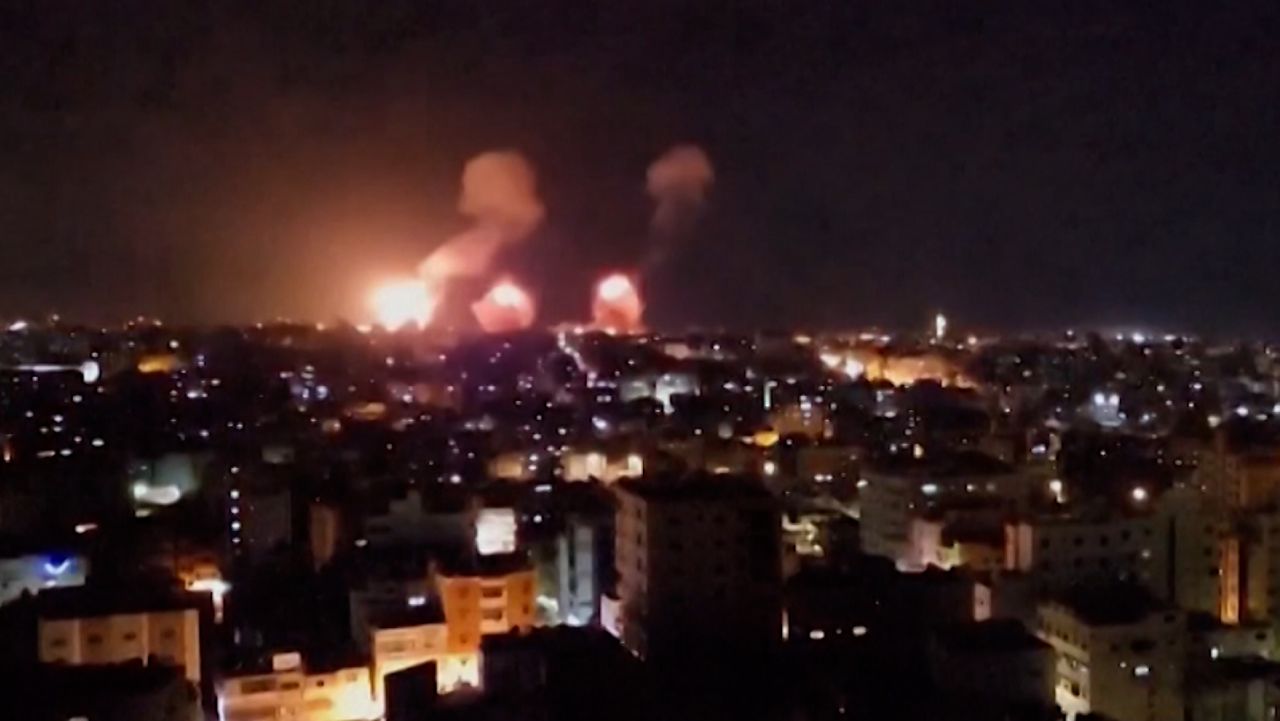
Israeli defence minister Israel Katz declared late on 24 June that he had ordered the Israel Defence Forces to resume “high‑intensity operations” against regime targets in central Tehran. The announcement followed allegations that Iran had launched missiles into Israeli territory, in what Tel Aviv described as a blatant breach of a United States‑mediated ceasefire unveiled just hours earlier by President Donald Trump.

Trump had proclaimed a “complete and total ceasefire” on Truth Social, explaining that Iran would halt strikes first, followed by Israel, in a phased arrangement ending after 24 hours. Within three hours of that declaration, Israel alleged that Iran launched missiles toward its southern regions, prompting Katz’s directive to strike key Iranian infrastructure.

Contradicting Israel’s account, Tehran’s ISNA student news agency denied firing any missiles post‑ceasefire. Iranian foreign minister Abbas Araghchi had earlier stated that Tehran would cease retaliatory actions—conditional on Israel halting operations by 04:00 Tehran time, a condition that purportedly lapsed minutes before hostilities were to pause.

President Trump, addressing the situation on social media, urged both nations to honour the agreement and warned against any violations, offering his oversight as guarantor of the pledge. His announcement followed the deployment of U.S. B‑2 bombers striking three Iranian nuclear sites, and a symbolic retaliatory missile strike from Iran against a U.S. base in Qatar—strikes reportedly calibrated to minimise escalation.

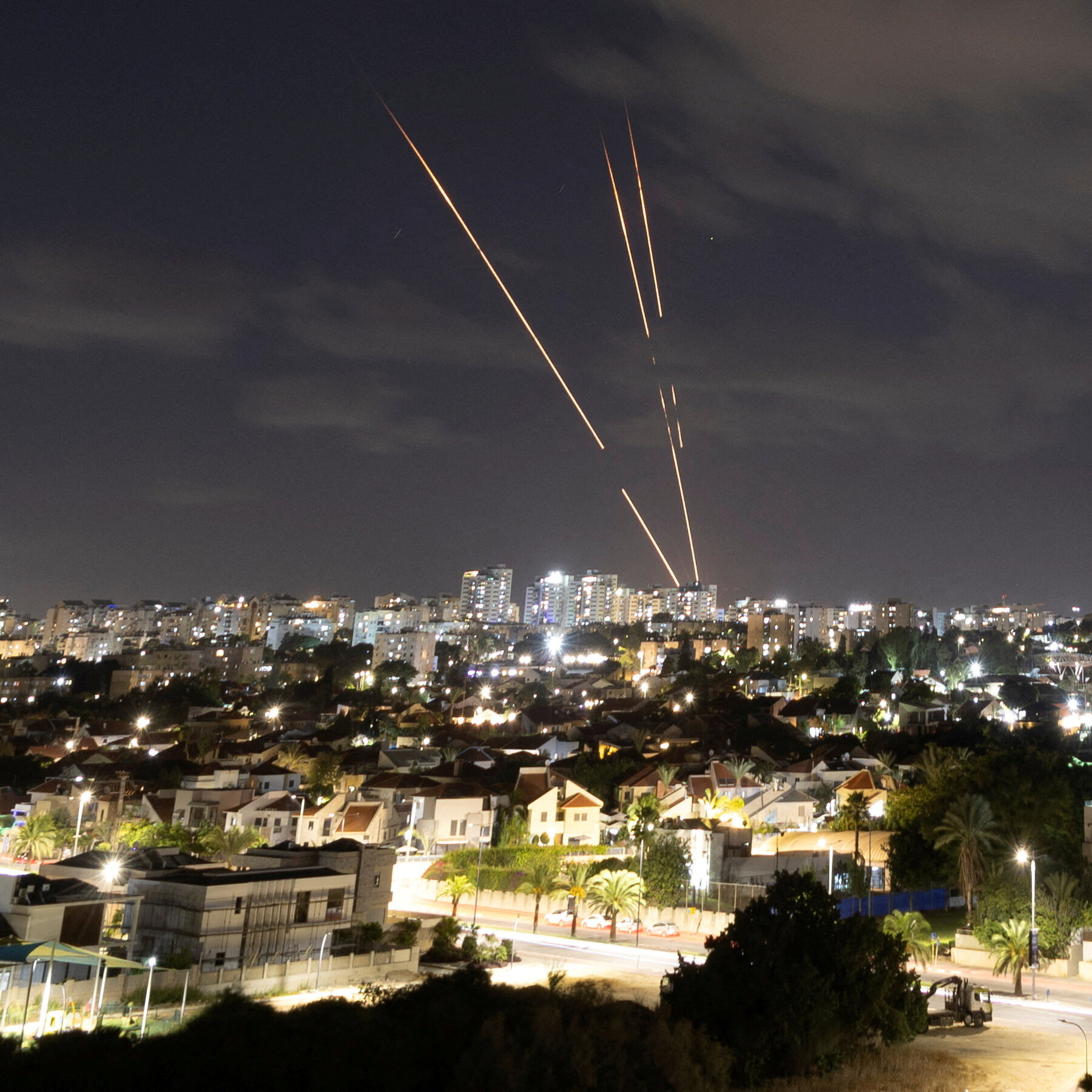
Despite conflicting claims, available evidence indicates a spike in missile exchanges. According to Reuters, Israel’s southern city of Beersheba was hit, resulting in at least four fatalities, while various townships experienced temporary power outages after sirens sounded across the region as Iranian missiles streaked overhead.

Tehran mourned significant civilian losses, with over 10 Israelis killed and more than 250 injured during Iran’s earlier onslaught, which included bombardments on central and southern Israeli regions. Meanwhile, Israel took credit for eliminating senior Iranian military personnel and striking strategic nuclear and missile infrastructure; Benjamin Netanyahu celebrated Israel’s success in degrading what he described as a dual existential threat posed by Iran’s capabilities.

Regionally, Qatar responded strongly, summoning Iran’s ambassador and condemning the attack on U.S. forces at Al Udeid Air Base as a violation of its sovereignty and international law. Saudi Arabia expressed hope that all parties would uphold the ceasefire and de‑escalate.

International markets reacted positively to the ceasefire’s initial announcement. Oil prices dropped, and equities rallied on optimism that the conflict in the Strait of Hormuz might ease—although the renewed strikes quickly revived fears of a wider conflagration.

Experts scrutinise the long‑term viability of the truce. Some analysts suggest installation damage to Iran’s nuclear programme may be reversible, with Iran’s leadership determined to rebuild. Others view the U.S. use of bunker‑buster bombs and Israel’s strategic targeting of Iranian deterrents as potential deterrents that may delay a rapid resurgence.

On the political front, Trump is leveraging the declared ceasefire as a foreign‑policy milestone ahead of an imminent NATO summit. Netanyahu affirmed Israel would respond forcefully to any violations. Tehran warned that its military exercise would persist unless the bombing ended, contending that it acted to “punish Israel for its aggression until the very last minute”.

As global attention turns to negotiations, Qatar’s mediation role and U.S. involvement loom large. The deal remains tentative, with both Israel and Iran accusing each other of breaking terms, and uncertainty surrounding whether Trump’s phased ceasefire timeline will endure.

Gulf states have reopened their airspace and resumed operations at major airports following swift precautionary closures in response to Iran’s missile assault on the US-operated Al Udeid Air Base near Doha. The suspension affected vital hubs such as Hamad International Airport, Dubai International, Bahrain and Kuwait, forcing dozens of flight reroutes and cancellations. Iran launched a barrage of short- and medium-range ballistic missiles targeting Al Udeid, home […]

A team from the Directorate General of Civil Aviation will conduct a comprehensive annual audit of Air India from 24 to 26 June, intensifying focus on the carrier’s operations and compliance following the June 12 crash of Flight AI171 in Ahmedabad, which claimed nearly 280 lives. Though scheduled independently of the crash, the audit arrives as inspectors scrutinise the airline’s operational documents, cabin safety protocols, and historical audit responses.

Leading the review will be Deputy Chief Flight Operations Inspector Adhiraj Yadav and a team of ten officials, including two cabin safety experts. The inspection will span documents on airworthiness, crew training and flight duty records, and previous non-compliance action plans. The DGCA has emphasised mandatory presence of key Air India executives during the audit.

The audit takes place against a backdrop of mounting regulatory intervention. In late May, a DGCA inspection found that three Airbus jets in Air India’s fleet flew without timely safety checks on their emergency slides—one A320 had a check more than one month overdue, and one A319 was delayed by over three months. The regulator issued formal warnings and described the delayed compliance as evidence of “weak procedural control and oversight”.

Further compounding matters, the DGCA last Saturday issued a stern warning for repeated and serious pilot duty scheduling violations, instructing the removal of three crew-scheduling executives. Air India has indicated it has acted on the directive.

These developments follow intensified inspections of all 33 Boeing 787s in Air India’s fleet. While initial findings revealed no major safety defects, 24 aircraft had already undergone enhanced inspections by mid-June, with the remainder scheduled to complete the checks shortly. The comprehensive checks contributed to delays and cancellations across wide-body operations, with a downturn in route availability pegged at around 15 percent through mid‑July.

Experts suggest that this layer of oversight reflects a strategic shift by the DGCA toward “360-degree” evaluations, broadening beyond routine audits to include airlines, airports, maintenance organisations, training institutes and ground services. Officials describe this as a coordinated effort to fortify the aviation ecosystem after safety deficiencies surfaced in recent months.

In response, Air India has emphasised that it is accelerating its internal compliance efforts, including extensive verification of maintenance records and ensuring escape-slide checks are up to date. The airline maintains that its aircraft—particularly the ill-fated Boeing 787-8—were “well maintained” and crews were suitably experienced.

The crash of Flight AI171 involved a Boeing 787-8 Dreamliner registered VT‑ANB, which lost thrust after take-off and impacted a hostel block at B.J. Medical College shortly after clearing the runway. Only one passenger survived, while at least 39 people were killed on the ground. Both UK and US authorities are supporting the investigation, which is examining technical and procedural factors such as engine performance, hydraulic systems, flap configuration and crew training.

Tata Group, which assumed ownership of Air India in 2022, has urged staff to treat the disaster as a “turning point” in rebuilding a safety-first culture. Its strategic investments have included more than US $70 billion in new aircraft orders, infrastructure upgrades and a full-scale rebranding effort. Analysts caution, however, that restoring public trust hinges on tangible improvements in operational discipline and compliance.

The DGCA audit will therefore not only evaluate existing compliance but also test if Air India’s corrective processes are thorough and permanent. Given recent warnings and the complexity of the current probe, expectations are high that the audit’s findings could shape a longer-term regulatory approach to aviation safety in India.

Iran has launched a new wave of missile and drone strikes against Israel, following U.S. airstrikes that obliterated key Iranian nuclear facilities under Operation Midnight Hammer. The ripple effects are already being felt in global oil markets, while diplomatic channels strain under mounting pressure. The bombardment hit Israeli cities including Tel Aviv and Ashdod, with satellite monitoring confirming sirens and intercepted projectiles. Iran disclosed the deployment of […]

HONG KONG SAR – Media OutReach Newswire – 23 June 2025 – The Hong Kong Institute of Certified Public Accountants (HKICPA) is delighted to announce its renewal of Mutual Recognition Agreement (MRA) with CPA Australia (CPAA). Based on the new MRA, the HKICPA will continue to join hands with peer accounting professional body to cultivate top-tier talents for the accounting profession and foster its development. The HKICPA […]

The Saudi Central Bank has introduced sweeping reforms in the rules governing credit-card issuance and operation, aiming to reduce consumer costs, bolster transparency and align with global standards. The changes include mandatory fee notifications, reduced cash withdrawal charges, capped international transaction fees and improved disclosures.

SAMA will implement these updates within 30 to 90 days. Key changes include a requirement for issuers to send SMS alerts before any fee or term modification, allowing cardholders a 14-day window to cancel agreements without penalty under the updated terms. E-wallet top-ups using credit cards will now incur no charges, a move intended to incentivise digital payments.

Cash withdrawals of SR2,500 or less will carry a maximum fee of 3% of the transaction value; those of SR2,500 or more are capped at SR75. Previously, cash advance fees applied sharply until SR5,000 with a flat SR75, and beyond that 3%, up to SR300—making the new cap notably more favourable for larger withdrawals. International purchases will now attract a clear 2% fee of the transaction amount.

A notable enhancement allows customers to deposit amounts beyond their credit limit and withdraw them at any point without additional charges, enhancing flexibility and consumer agency. Account statements must now be issued via SMS at least 25 days before payment, detailing balances, due dates and fees. Immediate notifications must follow any credit-card transaction, including details such as merchant, amount and remaining limit. Issuers are also required to provide pre‑transaction tools for estimating international charges and reward benefits.

Repayment provisions maintain consumer safeguards: a 25-day minimum grace period is mandated before term costs apply. The rules prohibit levying additional fees for full balance payments and outlining clear terms for minimum payments and their implications.

These reforms are underpinned by standardised disclosure templates for fees and benefits, inclusive of promotional terms—a step towards consistency across the market. Issuers must emphasise APR, term costs and expiration timelines for rewards or promotions, with SMS reminders 14 days in advance.

SAMA’s emphasis on mandatory due diligence and creditworthiness checks prior to card issuance is reinforced under the new framework. Criteria now include explicit customer consent via authenticated channels, formal credit record assessments and eligibility conditions aligned with industry best practices.

Procedures for supplementary cards, default reporting and dispute resolution have also been clarified. For example, the minimum repayment remains 5% of the due balance, and any default procedures must include consumer advisory services before legal or collection measures begin.

SMS has been designated the primary channel for disclosures, with issuers obliged to inform customers of account activity, fee changes and promotional developments. Financial institutions must adhere to SAMA‑specified notification templates to promote uniformity and clarity.

According to a senior official within SAMA, the goal is to “establish minimum requirements to promote disclosure, transparency and fair practices, as well as to limit credit risk.” Industry reaction has been generally positive. Analysts from regional banks suggest the rules will “enhance consumer protection while supporting digital payment growth.” Critics, however, note potential implementation challenges—particularly in updating existing systems to align with stricter notification and compliance requirements.

The timing reflects SAMA’s broader strategy to modernise the financial sector and accelerate digital payments as part of Saudi Vision 2030. A 2020 directive mandated real‑time notifications for debit card and e-wallet transactions, laying foundational infrastructure for today’s enhanced SMS regime. Collaboration with global payment networks—such as Visa, MasterCard and American Express—has helped shape caps on international and cash advance fees.

Banks and fintech firms are now preparing compliance roadmaps. One major lender has initiated system-wide updates to include the new SMS templates, fee calculators and balance‑flexibility features. Industry trade bodies are urging transparency in implementation timelines to ensure consumers are well informed ahead of the rollout.

As SAMA positions Saudi Arabia’s credit‑card framework at par with international best practice, key areas to monitor include transparency in third‑party charges, enforcement mechanisms for non-compliant issuers, and feedback from consumer‑protection advocates.

Arabian Post Staff -Dubai Major U.S. and European carriers have halted flights to key Gulf destinations amid escalating hostilities between Israel and Iran, while international regulators warn of heightened risk as far-flung air routes face rerouting challenges. American Airlines has paused its Philadelphia–Doha service until at least 22 June, citing growing security concerns, with a spokesperson affirming the decision would be reviewed “as needed”. United Airlines has similarly […]

Coinbase has received authorisation under the EU’s Markets in Crypto‑Assets regulation through Luxembourg, designating the country as its primary European hub and shifting focus away from Ireland. The approval — the first of its kind for a major U.S. exchange — grants Coinbase a passport to operate across all 27 EU member states.

Luxembourg’s growing financial stature and regulatory strength made it a logical choice, according to Coinbase, which already employs around 200 staff across Europe. The exchange plans to expand its Luxembourg team by at least 20 personnel by year-end. Luxembourg’s regulator declined to comment, but insiders say the jurisdiction sets a “high‑bar” for entry — a stance that counters concerns from other nations about lax standards in smaller markets.

This move underscores a broader shift in the EU crypto ecosystem. Gemini, founded by Tyler and Cameron Winklevoss, is expected to be granted its MiCA licence by Malta, following earlier approvals of OKX and Crypto.com. These licensing decisions highlight the increasing competition among EU member states to attract digital‑asset firms.

Meanwhile, Ireland — previously heralded as Coinbase’s launchpad with an e‑money licence and Virtual Asset Service Provider registration — has lost momentum. Its central bank governor previously warned that crypto often operates like a Ponzi scheme, reflecting a cooler official attitude toward the industry.

MiCA’s passport system allows a single licence to provide regulatory cover throughout the bloc, but some EU financial watchdogs are raising concerns. They argue that rapid approvals in smaller jurisdictions like Malta or Luxembourg could lead to uneven regulatory enforcement, undermining the very protections the framework aims to provide. The European Securities and Markets Authority is reportedly monitoring these developments amid internal discussions about its oversight role.

Luxembourg’s emerging appeal as a crypto gateway appears rooted in its established reputation as a financial centre with robust supervision. In contrast, Ireland’s more sceptical posture may have made it less attractive for firms seeking clearly defined regulatory environments under the new rules.

Market analysts say these MiCA approvals could significantly increase institutional confidence in European digital‑asset markets, offering a model for compliance and consumer protection. However, they warn that inconsistent national implementation could result in “regulatory arbitrage,” where firms exploit jurisdictional loopholes.

The global crypto market, valued at around US $3.3 trillion, is still navigating the fallout from major collapses like FTX in 2022. MiCA marks a pivotal shift toward formal oversight in the EU, aiming to safeguard investors while fostering innovation. The licensing of high‑profile U.S. exchanges such as Coinbase and Gemini represents a critical test of whether this new continental regime can deliver both growth and stability.

Tel Aviv’s Ben Gurion Airport remains closed with no clear reopening date, while Iran, Iraq and Jordan have shut their airspace and forced rerouting, cancellations and suspensions across the region. Abu Dhabi-based Etihad has cancelled its Tel Aviv flights until 30 June, with several Beirut and Amman services rerouted. Emirates has suspended routes to Tehran, Baghdad and Basra until at least 30 June, and flights to Amman and Beirut through 22 June. Flydubai has halted operations to Iran, Iraq, Israel and Syria until 30 June. Air Arabia and Wizz Air Abu Dhabi have also imposed temporary bans or schedule alterations for various Middle‑East destinations.

A UAE Ministry of Foreign Affairs advisory urges citizens and residents to closely monitor airline updates and remain in touch with Twajudi, the national consular registration system for managing potential evacuations.

Regional airports are adapting under pressure. Dubai, Abu Dhabi and Sharjah have filed emergency plans to minimise disruption, deploying field teams and enhanced passenger support to handle thousands of affected travellers. Europe-bound flights are now navigating narrow air corridors via Turkey and Egypt, adding hours to journey times, increasing fuel consumption and driving up operational costs amid rising Brent crude prices.

Why airspace closures are widening disruption

Closure of airspace over Israel, Iran, Iraq, Jordan and Syria forces airlines to detail-call costly detours. Regional carriers like Emirates, Etihad and flydubai are most affected, but even Western carriers—Lufthansa, Air France-KLM, Ryanair, Wizz Air—have suspended affected routes through summer.

The cascading effect on schedules includes over 1,800 Europe-bound flight disruptions, approximately 650 cancellations, and delays across transatlantic routes. Airlines have expanded rerouting through Central Asia and the Mediterranean — and passengers are incurring higher ticket prices and longer travel times.

Passenger assistance measures

Major UAE carriers are offering rebookings, refunds or credits. Etihad and Emirates are assisting passengers with alternate routing, and flydubai has pledged support for stranded individuals. Wizz Air Abu Dhabi has suspended flights to Tel Aviv through 15 September, offering full refunds or rebooking.

Safety remains top priority amid military skirmishes. EASA flagged high risks over conflict zones following missile exchanges between Israel and Iran, aligning with airspace closures through October in Syria and ongoing risks in Lebanon and Jordan.

Wider implications for aviation and tourism

Analysts warn disruptions may prolong as long-range military assets remain in play—fueling concerns about further airspace restrictions. Already, the Middle-East tourism boom has stalled, with summer travel projections for 2025 downgraded across the UAE, Saudi Arabia and Qatar. Airlines are adjusting summer schedules and revising revenue forecasts amid cascading delays and costlier operations.

Governments and aviation bodies are in emergency sessions. The UAE’s aviation regulator is coordinating with international counterparts, while civil aviation agencies across Europe are recalibrating route permissions and contingency plans—potentially impacting global air connectivity for weeks.

Passengers are urged to monitor developments, confirm flight statuses directly with airlines or travel agents and consider flexible booking options as markets remain volatile.

Google’s array of AI‑powered services—Search, Ads, Play, Maps, YouTube and Gemini—delivered a Dhs21.8 billion uplift to the UAE’s economy in 2024, fueling digital transformation, consumer value and job creation.

Search and Ads alone generated Dhs20.2 billion by enabling thousands of local companies to reach new customers and expand operations. Gemini, Google’s AI assistant, has seen 63 per cent of UAE adults using it, with nine in ten users reporting gains in productivity and 71 per cent praising its Arabic‑language ease of use. Other tools, including Maps, Waze and mobile wallets, further enhanced daily routines.

The Google Maharat Min Google skilling initiative has equipped more than 430,000 people in the UAE with digital and AI competencies since 2018. Meanwhile, the Android and Google Play ecosystem supported around 30,000 jobs and generated approximately Dhs455 million in revenue for UAE‑based app developers in 2024.

Survey data from March 2025, with responses from over 1,100 consumers and nearly 400 business leaders, indicates that Google’s services offer an estimated average monthly benefit of Dhs683 per user. Half of adults describe Search as essential to their routine, 89 per cent rely on Maps or Waze for navigation, and 90 per cent use mobile payment platforms like GPay or GWallet to streamline transactions.

Adoption of AI tools among UAE businesses is nearing ubiquity, with 91 per cent reporting use of at least one AI product in workflows, while 97 per cent of public‑sector respondents confirm boosted productivity from Google’s AI solutions. Consumer engagement is likewise robust: 94 per cent use Search monthly to compare prices, 86 per cent check reviews before visiting venues, 80 per cent use mapping apps to locate businesses, and 73 per cent of 18–24‑year‑olds browse or shop via Search weekly.

Google’s platforms have also strengthened the creative and developer landscape: over 600 UAE‑based YouTube channels surpassed one million subscribers—a 15 per cent annual rise—and the Google News Initiative has trained more than 20,000 journalists and journalism students across the MENA region, including the UAE.

Anthony Nakache, Google’s Managing Director for the Middle East and North Africa, emphasised that the firm’s “investment in accelerating the country’s ambitious journey towards a diversified, AI‑powered economy” is reflected in the findings. He highlighted how local partnerships, AI‑driven tools and continuous skilling programmes contribute to “substantial economic value” and empower individuals, enterprises and communities within the UAE.

Public First’s Economic Impact Report, published mid‑June, is based on econometric modelling, consumer and business polling, case studies and secondary data. Survey responses were weighted to reflect the UAE’s national demographics.

Security researchers have uncovered an enormous password cache comprising 16 billion unique login credentials spanning major platforms such as Apple, Facebook, Google, Telegram, GitHub, VPN services and even government portals—making it the largest credential leak known to date. These credentials were harvested via at least 30 substantial datasets, some containing up to 3.5 billion records, indicating multiple infostealer malware operations operating at a large scale during 2025. Researchers found […]

Twelve consolidated copyright suits filed by US authors and news outlets against OpenAI and Microsoft have landed in the Southern District of New York, elevating the question of whether the extent of human input in AI training crosses the threshold of lawful fair use. The judicial panel cited shared legal and technical claims involving unauthorised use of copyrighted material, notably books and newspapers, as justifying centralised legal […]

A ballistic missile launched by Iran struck the Tel Aviv Stock Exchange building in Ramat Gan on 19 June 2025, inflicting substantial structural damage in the heart of Israel’s financial district. This incident occurred amid a coordinated barrage that also hit key civilian infrastructure elsewhere, including Soroka Medical Centre in Be’er Sheva, intensifying already volatile regional tensions.

Sirens wailed across central and southern Israel as air defence systems engaged waves of inbound missiles. Between 20 and 30 ballistic projectiles were reported, an escalation surpassing previous exchanges earlier this monthꟷnotably those on 15 and 16 June, which injured dozens and damaged residences in Tel Aviv, Bat Yam and Haifa. This latest salvo targeted multiple urban areas, with at least 32 civilians confirmed wounded by Magen David Adom teams, some in serious condition.

The stock exchange structure, known as Birsa, sustained extensive facade damage and shattered windows, with parts of surrounding offices impacted. Video footage circulated online showing debris falling from upper floors into streets below. Emergency crews were deployed immediately to evacuate employees and assess structural integrity, though no fatalities were reported at the site.

In parallel, Soroka Medical Centre at Be’er Sheva—Israel’s principal hospital serving around one million residents with more than 1,000 beds—was also struck. Footage and eyewitness reports confirmed significant damage: roof collapse in some wards, shattered glass across corridors and injuries among both patients and medical staff. Hospital officials imposed strict access controls, advising the public to avoid the area as emergency protocols were activated.

Israel’s air-defence systems, including Iron Dome and Arrow batteries, intercepted many of the missiles but failed to prevent all impacts. Some missiles penetrated defences and struck densely populated neighbourhoods, damaging residential high-rises and injuring civilians. This pattern marks a troubling shift. Previous intercepts had been more successful, but the latest strikes have underscored vulnerabilities in urban protection.

The missile offensive came as retaliation for Israel’s strikes on Iranian nuclear facilities. Earlier on 19 June, Israeli aircraft reportedly struck the heavy-water reactor at Arak and a related plutonium-production component, in what the Israeli government called efforts to disrupt Tehran’s nuclear capabilities. Iran’s state media countered that the reactor had been evacuated in advance and there was no radiation leak.

Prime Minister Benjamin Netanyahu publicly condemned the missile strikes on Israel’s financial hub and its hospital network, accusing Iran’s leadership of targeting civilians and vowing that Tehran “will pay the full price”. Defence officials say that Iran deployed over 25 missiles targeting Israeli urban centres during this wave.

Humanitarian services are stretched thin. Magen David Adom paramedics reported at least 32 people with injuries ranging from shock and minor shrapnel wounds to serious trauma in Be’er Sheva and Tel Aviv. Hospitals near strike zones have diverted critically ill patients and limited admissions to emergencies, raising concerns over the continuity of essential health services.

Economically, the assault on the stock exchange reverberated across markets. While share trading has continued, operational disruptions occurred as staff evacuated and investigations into building safety commenced. Analysts note that the financial centre embodies Israel’s economic resilience, but warn that repeated infrastructure targeting injects uncertainty into investor sentiment.

As missiles fly in both directions, global powers are watching warily. US President Donald Trump indicated possible military support for Israel pending internal approval, while European leaders called for restraint and emphasised the potential for diplomatic channels. The International Atomic Energy Agency has voiced alarm over Iran’s uranium enrichment practices, now exacerbated by military confrontations sparked by retaliatory airstrikes.

Israeli authorities warn that this may be Iran’s most sustained attack yet, burning through long-range arsenal previously reserved for strategic military targets. Intelligence assessments suggest Iran is deploying missiles intensively—over 400 since the conflict’s escalation—though only a fraction have struck urban centres.

With civilian infrastructure clearly in the crosshairs, the stakes are escalating dangerously. Analysts warn that further strikes on hospitals, markets or cultural institutions may invite stronger Israeli countermeasures, potentially widening the conflict. For now, cities remain on high alert as missiles continue to disrupt daily life and rattle the foundations of an already tense Middle East.

Approval has arrived for the unified tourist permit spanning Qatar, Saudi Arabia, Oman, Kuwait, the UAE and Bahrain, clearing the path for cross‑border travel under a single application, akin to Europe’s Schengen system. UAE Minister of Economy Abdulla bin Touq Al Marri confirmed that the visa has moved to implementation stage, now resting with GCC interior ministries and security agencies for final coordination.

Governments in all six member states have endorsed the scheme unanimously, reflecting a strategic priority to deepen tourism cooperation through the GCC 2030 strategy. Oman’s Minister of Heritage and Tourism, Salem bin Mohammed Al Mahrouqi, disclosed that preliminary blueprinting and feedback were concluded by end‑2023, and final approval occurred at the Muscat ministerial meeting this month. The GCC Secretary‑General, Jassim Al‑Budaiwi, expressed optimism about deployment by end‑2025, with technical alignment underway.

Experts anticipate the visa will be valid for at least 30 days, potentially extendable to 90, facilitating flexible travel across the region. Applications are expected to be submitted online, with a choice between single‑state access or multi‑country entry, and accompanied by standard requirements—passport, photo, accommodation proof, insurance, and return travel documentation.

Industry stakeholders predict this measure will significantly boost “bleisure” tourism by intertwining business and leisure travel, expanding multi‑destination offerings and joint marketing opportunities. Dubai alone logged 7.15 million international visitors from January to April 2025, a 7 per cent increase year‑on‑year, with regional tourism already generating $110.4 billion in 2023 from 68.1 million arrivals.

Polls by Oxford Economics estimate the visa could draw up to 22 million extra visitors and inject an additional $26 billion of tourist spending by 2030. Roland Berger further outlines that inter‑GCC travel has significant room for growth, supported by strong transport infrastructure, cultural assets and mega‑event calendars.

National tourism strategies across the Gulf have outlined commitments to invest in hotels, cultural destinations, transport connectivity and digital innovation. Economy‑diversifying goals align with visa harmonisation, which is viewed as a lever to translate policy into visitor flows.

Key questions remain around pricing and fee structure. While details have yet to emerge, observers expect integrated visa costs to be lower than applying separately to each state, with validity spanning up to three months.

The visa is also anticipated to support lesser‑visited Gulf destinations. Oman, Bahrain and Kuwait could benefit from spill‑over tourism that pilots through Dubai before exploring quieter cultural or natural sites.

Coordination challenges remain for interior ministries around border systems and security protocols. These are now being finalised ahead of implementation, with the official rollout expected later in 2025.

As the Gulf coalition moves from theory to mechanics, attention turns to how the visa will revolutionise travel dynamics. With a single application, global tourists will be empowered to hop between hyper‑modern cityscapes, desert oases and heritage enclaves—now under one permit.

By K Raveendran With the likelihood of a diplomatic solution appearing increasingly distant, West Asia is now clearly veering toward a longer and more intense confrontation, one that may significantly reshape economic, geopolitical, and energy dynamics not only in the Middle East but globally. What was initially perceived as a retaliatory exchange following months of […]

VISHNU RAJA
RYO YAMADA
HITORI GOTOH
IKUYO KITA
Just in:
Jaiedco and Golden Bridge Announce Strategic Collaboration for a New Dubai Islands Development // Sharjah clears Kalba free zone plan for 400MW complex // Diabetes Malaysia And Alpro Pharmacy Set National Record With 11,007 Most Blood Glucose Screenings Conducted Across Malaysia In Just 48 Hours // Yeebo Announces Interim Results for FY26/27 Revenue Increases by 45.5% to HK$806.7 Million Profit Attributable to Owners Surges 87.6% to HK$2,284.7 Million // Sabarimala booking discrepancies prompt sabotage angle probe // Saudi defences destroy three Houthi missiles targeting Riyadh // PayerMax and ShopeePay Strengthen Strategic Partnership to Advance Digital Payment Collaboration in Southeast Asia // Phancy Announces Business Performance for the Nine Months Ended September 30, 2026 // Sui activates Hashi Bitcoin lending across partner network // Russia permits retail cryptocurrency purchases under regulated framework // 2026 Tropical Rainforest Ecosystem Partners Conference Kicks off in Hainan // ED searches five districts in probe against hawala // Padmini follows Padmaja for ‘ghar vapsi’ // Crypto market loses $150 billion amid broad sell-off // Coinbase targets 2027 launch amid state gambling lawsuits // Oil futures rebound after Riyadh strikes and tanker alerts // Anthropic shares finish above offer price after Nasdaq debut // Technology at Work, Heritage for All: The “Chinese Approach” to Safeguarding the Leshan Giant Buddha // Saudi Arabia schedules multinational top-up tax for 2027 // Balagopal challenges CM over tax revenue //