News related to
least

Global diesel prices have surged following the United States’ imposition of new sanctions targeting Russia’s energy sector. These sanctions aim to further constrain Russia’s oil revenues, which have been a significant source of funding for its military activities in Ukraine. On January 10, 2025, the U.S. Department of the Treasury and the Department of State announced intensified measures against Russia’s energy industry. The sanctions specifically target major […]

By Dr. Gyan Pathak January 16, 2025 was celebrated by Union Government of India as National Startup Day, which was followed by a boasting that India with more than 1.59 lakh startups has now firmly established itself as the third-largest startup ecosystem in the world. The claim was on the rise of numbers, while in […]

Hot weather makes keeping a car looking good very important. The intense sun and high temperatures create problems. These pose important challenges for vehicle owners. UV rays rapidly oxidize paint, causing colors to fade as well as surfaces to dull. Heat, furthermore, can worsen minor imperfections like swirl marks as well as scratches, thus increasing their visibility in addition to making them more difficult to fix later. […]

By Dr. Gyan Pathak The way AAP, BJP and the Congress have been trying to woo the electorates living in Delhi’s slums, unauthorized colonies, and less developed areas, it is increasingly becoming clear that the key to winning the legislative elections lies with them. Over 50 per cent of the voters live in these areas, […]

Dubai’s private education sector has achieved a notable milestone, with student enrolment increasing by 6% in the 2024-25 academic year, reaching a total of 387,441 students across 227 private schools. This growth underscores the city’s commitment to providing diverse and high-quality educational options to its expanding and diverse population. In alignment with Dubai’s Education Strategy E33, which aims to establish at least 100 new private schools by […]

HONG KONG SAR – Media OutReach Newswire – 10 January 2025 – Today, IX Asia Indexes announced the 2024 4th quarter review of ixCrypto Index Series and IX Digital Asset Industry Index Series. The constituent changes will be effective on 17th January 2025 (Friday). The results of the constituent review and exchange review are as follows: 1. Constituent Review – ixCrypto Index Series 1.1 ixCrypto Index (“IXCI”) […]

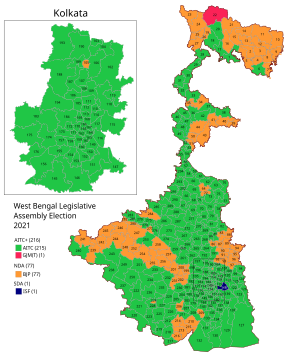
By Arun Srivastava RSS chief Mohan Bhagwat visiting Bengal for ten days is certainly not such a big news to draw attention. But his stay this time attains importance for the reason that he would discuss the state of the BJP and RSS in the state and give direction to the RSS workers to take […]
Advertisements

A first for the polytechnic, this exemption allows learners to free up and reallocate curriculum time. They can choose to use the freed-up periods to attain additional industry professional certifications. SINGAPORE – Media OutReach Newswire – 9 January 2025 – Commencing April 2025, learners who pass O-level Computing and enrol into NYP’s School of IT can apply for an exemption from the Programming Competency Unit (CmU), or […]

ADNOC Logistics & Services Plc (ADNOC L&S), a prominent player in the global energy maritime logistics sector, has secured a hybrid capital instrument valued between $1.1 billion and $2 billion. This financial move is strategically aligned with the company’s ambitious growth and investment plans. The initial drawdown from this facility amounts to $1.1 billion, with an additional $900 million available for future investments until December 31, 2026. […]

LAS VEGAS – Media OutReach Newswire – 6 January 2025 – Innolux will showcase its latest, most innovative product technologies in Las Vegas, U.S.A. from January 7 to 9 under the theme “Driving New Possibilities”. James Yang, President of Innolux, said that Innolux has added yet more value to its display field, created outstanding innovative technologies, and crafted comprehensive scenario-tailored service solutions, exporting these boons to overseas […]

Oman has launched the Oman Net Zero Centre, a strategic initiative by the Ministry of Energy and Minerals to guide the nation toward its goal of carbon neutrality by 2050. This move underscores Oman’s commitment to environmental sustainability and aligns with directives from His Majesty Sultan Haitham bin Tarik to combat climate change and promote sustainable energy innovation. The Centre’s primary mandate includes developing and updating Oman’s […]

Crude oil prices are projected to remain within the $70 per barrel range, influenced by multiple factors, including potential oversupply conditions and shifts in geopolitical dynamics. Experts suggest that while the market might stabilize around this figure, uncertainty from global demand and political maneuvers will continue to shape its trajectory in the coming months.

The crude market has entered a phase where supply and demand fundamentals are being tested against evolving global economic conditions. Several key developments, particularly around oil-producing nations, have created a delicate balance that keeps prices in a relatively stable range, yet susceptible to fluctuations driven by external factors.

For months, the oil market has been closely watching the decisions of the Organization of the Petroleum Exporting Countries (OPEC) and its partners, such as Russia, who collectively manage production quotas to balance supply. OPEC’s recent moves to curb production have been aimed at propping up prices, but an increase in U.S. oil output has led to speculation that there may be an oversupply in the market. The United States has reached record production levels, largely driven by shale oil, which could overshadow OPEC’s production cuts.

Geopolitical tensions in major oil-producing regions, such as the Middle East, remain a persistent risk to price stability. However, analysts have indicated that, at least for now, the global oil market is able to absorb disruptions without a significant impact on prices. The advent of more diverse energy sources, including natural gas and renewable energy, has also lessened oil’s price volatility compared to previous decades.

One of the most notable contributors to the ongoing price forecast is former U.S. President Donald Trump’s impact on energy policies. His administration’s push for energy independence and deregulation policies have led to a surge in domestic oil production. While Biden’s administration has implemented more stringent climate and energy policies, the effects of Trump’s legacy are still visible, with shale producers continuing to drive the U.S. oil production boom.

Despite this, global oil consumption, especially in China, has shown signs of slower growth, a factor that could weigh on oil prices. Experts note that while China remains a major driver of global energy demand, its economic slowdown could dampen the demand for crude, putting downward pressure on prices. Additionally, OPEC’s attempts to control prices by adjusting production could be more difficult to execute as non-OPEC countries, particularly the U.S., maintain higher levels of output.

Environmental pressures are also playing a role in shaping oil demand. Many nations are intensifying their efforts to transition to cleaner energy sources, potentially limiting the demand for fossil fuels in the long term. Governments worldwide are setting more ambitious renewable energy targets and offering incentives for green technologies, which could lead to a future reduction in oil dependency.

Despite these long-term trends, the immediate outlook for crude remains cautiously optimistic. The global recovery from the pandemic, especially in developed economies, is expected to continue driving demand for oil, particularly for transportation and manufacturing. Yet, the resurgence of COVID-19 in certain regions and the ongoing supply chain disruptions may have a complex impact on global economic growth, which will, in turn, influence oil demand.

In the U.S., gas prices remain a central topic as consumers face fluctuating fuel costs. While gas prices in the country have seen recent increases due to tighter refinery margins and seasonal demand spikes, there is no consensus on how long this trend will persist. Analysts believe that domestic production levels, combined with seasonal factors, could prevent prices from surging uncontrollably.

In Europe, the situation is more nuanced. Energy prices, including natural gas and oil, have been a driving force behind inflation. The war in Ukraine, ongoing for several years now, has further complicated Europe’s energy dynamics, pushing countries to reconsider their energy strategies. Despite Europe’s focus on alternative energy, oil continues to play a significant role in meeting energy demand, particularly in transportation and industry. With the cost of living rising and energy prices still high, consumers in Europe are facing additional financial strain.

At a global level, the shift toward more sustainable energy production and consumption is growing, but it is clear that oil remains a cornerstone of the global energy mix for the time being. Countries that rely heavily on oil exports, like Saudi Arabia and Russia, continue to exert influence on the market, pushing for price stabilization measures. However, the dynamics of global energy consumption are changing, and the transition to greener alternatives remains a key factor to monitor.

Dubai Taxi Company PJSC (DTC), a leading mobility solutions provider in Dubai, has unveiled an ambitious corporate strategy for 2025–2029, aiming to maintain its leadership in the taxi market while expanding into new sectors such as limousine services and delivery. The company also plans to explore untapped markets across the UAE and the broader region. The strategy targets double-digit growth across DTC’s portfolio, coupled with a high […]

By Anjan Roy Thirty-three years are half a lifetime. Thirty-three years ago, Dr Manmohan Singh stepped into a high-profile limelight, well after his formal retirement from a senior government job. When he died last Friday at the age of 92, he was considered India’s greatest finance minister and the architect of India’s modern economy. There […]

By Manish Rai While on my recent visit to Iraqi Kurdistan, I visited several frontline positions of the Peshmerga forces, where they are facing the Iraqi Army and active ISIS cells. Firstly, I visited Brigade 14 headquarters near Dibak, approximately 60 km from the Kurdistan capital, Erbil. There, I met with Brigadier General Almi Mzuri; he is a seasoned soldier who worked in the Iraqi Army for […]

By Dr. Gyan Pathak The Indian National Congress has postponed the grand convention – Jai Gandhi, Jai Bhim, Jai Samvidhan – on the second day of the Extended Congress Working Committee Meet at Belagavi in Karnataka. Instead, a condolence meeting was held to mourn the sad demise of the former Prime Minister Manmohan Singh. But […]

North Korean troops deployed in Russia’s Kursk region are experiencing significant casualties and logistical challenges due to Ukrainian military actions, according to Ukraine’s military intelligence agency, GUR. Ukrainian strikes near Novoivanovka have inflicted substantial losses on these units, which are also contending with supply shortages, including a lack of drinking water. Ukrainian President Volodymyr Zelenskyy reported that over 3,000 North Korean soldiers have been killed or wounded […]

Bitwise Asset Management has filed with the U.S. Securities and Exchange Commission (SEC) to introduce the “Bitcoin Standard Corporations ETF,” aiming to provide investors with exposure to publicly traded companies that hold substantial Bitcoin reserves.

According to the SEC filing, the ETF will focus on firms that maintain a minimum of 1,000 BTC in their corporate treasuries. Eligible companies must also meet specific financial criteria, including a market capitalization of at least $100 million, average daily trading liquidity of $1 million or more, and a public free float of less than 10%. The fund plans to invest at least 80% of its net assets in these corporations, utilizing a full replication approach to mirror the performance of the underlying index.

The index, managed by Bitwise Index Services, LLC, will be rebalanced and reconstituted quarterly, relying on quarterly and annual corporate reports to identify eligible companies. Each company’s weight in the index will be determined by the market value of its Bitcoin holdings, with a single constituent’s weight capped at 25% to ensure diversification.

This initiative reflects a growing trend among asset managers to offer investment products that provide indirect exposure to Bitcoin through equities of companies with significant cryptocurrency holdings. Notably, firms like MicroStrategy lead this space, holding substantial Bitcoin reserves.

The move comes amid increasing institutional interest in Bitcoin and related investment vehicles. Earlier this year, several hedge funds and asset managers, including Millennium Management and the Wisconsin Retirement System, acquired stakes in U.S. exchange-traded funds tied to Bitcoin, signaling a broader acceptance of cryptocurrency assets in traditional finance.

Equinix, a leading global digital infrastructure company, has announced an agreement to acquire BT Group’s data center operations in Ireland for €59 million. The transaction encompasses two carrier-neutral facilities located in Dublin’s Citywest and Ballycoolin areas, collectively covering approximately 150,000 square feet. Subject to regulatory approvals, the deal is anticipated to conclude in the first half of 2025. This strategic move aligns with BT’s ongoing shift towards […]

Ethiopia has made significant strides in transforming its energy resources into a digital economy powerhouse, with Bitcoin mining emerging as a key driver. The Grand Ethiopian Renaissance Dam (GERD), a major hydropower project, is central to this transformation, providing a green energy solution that is powering Bitcoin mining operations across the country. The utilization of this renewable energy has turned excess electricity into a lucrative asset, with Bitcoin mining accounting for a substantial portion of Ethiopia’s electric power revenue.

The country’s Bitcoin mining industry, which was virtually nonexistent just a few years ago, is now booming. By harnessing the abundant electricity from GERD, which is Africa’s largest hydropower plant, Ethiopia has been able to tap into the global cryptocurrency market. The country has rapidly become a destination for Bitcoin miners, leveraging low-cost and sustainable energy to make the industry viable on a large scale.

Bitcoin mining requires substantial electricity, as it involves solving complex mathematical problems in exchange for cryptocurrency rewards. However, one of the most significant challenges for miners worldwide is the cost of energy. In Ethiopia, this challenge is alleviated by the low-cost and sustainable electricity generated by GERD, which has become a powerful draw for Bitcoin mining firms looking to cut down on operational costs.

The financial impact of this burgeoning sector is already significant. According to Ethiopian Electric Power (EEP), Bitcoin mining now generates about 18% of its total revenue. This revenue stream has surpassed earnings from electricity exports, positioning the country’s energy sector in a stronger financial position. The influx of investment from Bitcoin mining firms has spurred the growth of related industries and job creation, as mining operations often require substantial infrastructure, technology, and skilled labor.

The country’s government has recognized the potential of Bitcoin mining as a key economic driver. Ethiopia has entered into agreements with at least 25 Bitcoin mining firms, which have established operations across the country. These deals are expected to further boost the economy, as the mining sector continues to grow. The partnerships are not only providing immediate economic benefits but also fostering long-term innovation in the energy and technology sectors.

Ethiopia’s shift toward using renewable energy for Bitcoin mining comes at a time when the global demand for sustainable energy solutions is rising. The country’s emphasis on green energy aligns with global trends toward environmentally friendly technologies. As Bitcoin mining faces growing scrutiny over its environmental impact, Ethiopia’s model could serve as a blueprint for other nations seeking to balance economic growth with sustainability.

However, the growth of the Bitcoin mining sector has raised some concerns. Despite the benefits, critics argue that Bitcoin mining could lead to excessive energy consumption, which could strain Ethiopia’s power grid. As the mining industry expands, there are concerns about the long-term sustainability of energy use. The government will need to monitor the sector closely to ensure that mining operations do not overburden the country’s power supply.

In response, the Ethiopian government has made efforts to manage the expansion of Bitcoin mining responsibly. Regulatory measures are being put in place to balance the growth of the sector with the need to protect the national energy grid. These measures include ensuring that Bitcoin miners do not consume more electricity than is sustainable, and promoting efficient energy use within the sector. The government has also been working to diversify its energy mix to ensure that the country’s energy needs are met in the long term.

One of the most important factors contributing to the success of Ethiopia’s Bitcoin mining industry is the country’s rich renewable energy resources. Ethiopia has one of the largest hydropower potentials in Africa, with the GERD alone providing a substantial portion of the country’s electricity. In addition to hydroelectric power, Ethiopia is investing in other renewable energy sources, such as wind and solar power, to further diversify its energy portfolio.

The growing importance of Bitcoin mining in Ethiopia has caught the attention of international investors, who are increasingly looking for opportunities in the country’s emerging digital economy. The cryptocurrency industry has been experiencing rapid growth, and Ethiopia’s strategic positioning as a low-cost, renewable energy hub for Bitcoin mining could attract significant foreign direct investment. As global demand for Bitcoin continues to rise, Ethiopia’s green energy Bitcoin mining model could become a key player in the international market.

Kuwait’s Council of Ministers has approved a new tax measure imposing a 15% levy on multinational corporations operating within the country, effective January 1, 2025.

The legislation targets multinational entities engaged in cross-border operations, aligning Kuwait’s tax policies with international standards aimed at curbing tax evasion and ensuring the retention of tax revenues domestically.

Deputy Prime Minister and Minister of State for Cabinet Affairs, Sherida Abdullah Al-Muasherji, confirmed the cabinet’s endorsement of the “Multinational Entities Group Tax Law,” emphasizing its role in preventing the diversion of tax revenues to other jurisdictions.

This initiative is part of a broader global movement toward implementing a minimum corporate tax rate, following agreements facilitated by the Organisation for Economic Co-operation and Development (OECD). The OECD’s Inclusive Framework on Base Erosion and Profit Shifting (BEPS) introduced a two-pillar solution to address tax challenges arising from the digitalization of the economy. Pillar Two establishes a global minimum corporate tax rate of 15%, applicable to multinational groups with revenues exceeding €750 million.

Kuwait’s decision mirrors similar actions by neighboring Gulf Cooperation Council (GCC) countries. The United Arab Emirates (UAE) announced an increase in corporate tax to 15% for large multinational enterprises, effective January 1, 2025. This domestic minimum top-up tax applies to multinational enterprises with consolidated global revenues of €750 million or more in at least two of the four financial years immediately preceding the financial year in which the tax applies.

Bahrain has also indicated plans to introduce a domestic minimum top-up tax starting January 1, 2025, targeting large multinational enterprises.

These measures reflect a regional commitment to adhering to international tax reforms designed to promote fairness and transparency in the global financial system. By implementing the 15% tax on multinational corporations, Kuwait aims to enhance its fiscal framework, reduce tax base erosion, and ensure that profits generated within its borders are adequately taxed.

The new tax law is expected to impact various sectors where multinational corporations have a significant presence, including oil and gas, finance, and telecommunications. Companies operating in Kuwait will need to assess their tax strategies and compliance mechanisms to align with the forthcoming regulations.

The Gulf Cooperation Council (GCC) debt capital market has reached a significant milestone, with outstanding debt surpassing $1 trillion by the end of November 2024. This achievement marks an 11% year-on-year growth, with approximately 40% of the total debt comprising sukuk, or Islamic bonds. Saudi Arabia leads the region’s debt capital market, followed by the United Arab Emirates and Qatar. In September, Fitch projected that Saudi Arabia’s […]

The Indian Institute of Technology Delhi (IIT Delhi) has launched a six-month Certificate Programme in Generative AI, commencing on February 15, 2025. This initiative aims to equip professionals with advanced skills in artificial intelligence, focusing on Large Language Models (LLMs) such as GPT, BERT, and T5.

The program is structured to provide a comprehensive understanding of both foundational and advanced AI concepts. It begins with mathematical foundations, including linear algebra and probability theory, and progresses to machine learning techniques like linear regression, logistic regression, and unsupervised learning methods. Participants will delve into artificial neural networks, covering perceptrons, multilayer networks, and backpropagation.

A significant portion of the curriculum is dedicated to Natural Language Processing (NLP). Topics include basic text processing, language modeling, part-of-speech tagging, parsing, and text classification. The program emphasizes practical applications, offering hands-on experience with tools such as Python, NumPy, Pandas, PyTorch, TensorFlow, NLTK, and spaCy.

One of the program’s highlights is its focus on Generative AI for text. Participants will explore neural language models, including Convolutional Neural Networks (CNN), Recurrent Neural Networks (RNN), Long Short-Term Memory (LSTM), Gated Recurrent Units (GRU), and the Sequence-to-Sequence (Seq2Seq) model. The curriculum also covers the attention mechanism, self-attention, and transformer architecture, providing insights into pre-trained models like BERT, GPT, and T5.

The program addresses advanced topics such as Reinforcement Learning with Human Feedback (RLHF) and Vision-Language Models (VLMs). It also emphasizes responsible AI, covering ethical considerations, bias mitigation, and fairness in AI applications.

Delivered in a direct-to-device format, the program offers flexibility for working professionals. Live online sessions are scheduled every Sunday from 9:00 AM to 12:00 PM IST, totaling 60 hours of instruction. The faculty comprises esteemed professors from IIT Delhi and industry experts, ensuring a blend of academic rigor and practical insights.

Eligibility criteria include a graduate or postgraduate degree in Science, Technology, Engineering, or Mathematical Sciences. While prior coding experience is not mandatory, a background in programming is advantageous. The program fee is ₹1,69,000 plus applicable taxes, with installment options available. The application deadline is December 24, 2024.

Upon successful completion, participants will receive a certificate from the Continuing Education Programme (CEP) at IIT Delhi. To qualify, candidates must maintain a minimum attendance of 70% and achieve at least 50% overall marks. Those scoring below 40% with a minimum of 60% attendance will receive a Certificate of Participation.

The program is designed for a diverse audience, including AI/ML professionals seeking to enhance their expertise in Generative AI and LLMs, data scientists and engineers interested in NLP and deep learning frameworks, tech leaders aiming to integrate AI-driven innovations, product managers focusing on AI-powered solutions, academics exploring advanced AI techniques, software developers keen on AI optimization, and AI enthusiasts aspiring to transition into the AI/ML domain.

IIT Delhi’s initiative comes at a time when Generative AI is reshaping various industries, including art, media, technology, healthcare, finance, and autonomous systems. The program aims to bridge the AI talent gap in India, preparing professionals to leverage AI’s creative potential and lead innovation in the field.

Professor Tanmoy Chakraborty of IIT Delhi emphasized the transformative potential of Generative AI, stating that it will redefine the future of work. He highlighted the program’s role in empowering professionals to not just adapt to this change but to lead it.


KUALA LUMPUR, MALAYSIA – Media OutReach Newswire – 19 December 2024 – With Bitcoin going through the roof in 2024 and the entire crypto market showing substantial growth, retail investors’ interest in this asset class also peaked. But how best to profit from the changes occurring in the crypto market and what avenues of investment to choose? The experts at Octa, a broker with globally recognised licences, […]

VISHNU RAJA
RYO YAMADA
HITORI GOTOH
IKUYO KITA