Just in:

News related to
least

The mortgage market in Dubai and the wider UAE has entered a new stage of maturity. Once dominated almost entirely by cash buyers, today’s property landscape is increasingly shaped by mortgage financing. The first quarter of 2025 recorded AED 33 billion in cash transactions versus AED 21 billion in financed purchases. This indicates a clear rise in mortgage penetration as more residents, families, and long-term investors choose […]

A colossal leap in infrastructure development is underway as OpenAI pursues the establishment of a data centre in India with a striking capacity of at least one gigawatt. The project, integral to its Stargate initiative, ushers in a new era of AI infrastructure expansion across Asia.

OpenAI is actively exploring partnerships with Indian firms to bring this gigawatt-scale facility to life, though the precise location and timeline remain unspecified. The effort aligns with its Stargate programme—an expansive, multibillion-dollar venture in collaboration with SoftBank, Oracle and MGX to develop next-generation AI infrastructure.

The planned facility stands among the largest of its kind in the region and may be formally introduced by OpenAI’s chief executive, Sam Altman, during his anticipated visit to India in September. OpenAI has already gained legal footing by registering as an entity in India and is gearing up to open its first office in New Delhi later in the year, reflecting the nation’s importance as the company’s second-largest market by user base.

Financial implications of such mega‑scale AI infrastructure are enormous. According to Jensen Huang, chief executive of Nvidia, constructing a singular gigawatt-class facility could cost around $50 billion—$35 billion directed towards Nvidia’s hardware and $15 billion for supplementary systems. OpenAI’s ambitions also include similar “AI super‑factories” in Abu Dhabi and across the United States, all under the banner of Stargate.

This enormous investment is forecast to have ripple effects across the global AI ecosystem. With Stargate estimated at up to $500 billion, it underscores OpenAI’s strategic ambition to lead in AI infrastructure and the mounting demand for AI-optimised processing capabilities. Nvidia, for example, projects AI infrastructure spending could soar to the $3‑4 trillion mark annually by 2030, bolstered by commitments like those under Stargate.

Locally, establishing such a facility in India can offer tangible advantages. A dedicated data centre promises to reduce latency for Indian users while satisfying regulatory demands for local data storage, a critical consideration for enterprise clients and government services. The endeavour complements OpenAI’s earlier move to enable local data residency for services such as ChatGPT Enterprise and its API offerings, aligning with India’s regulatory framework.

India’s data centre ecosystem is expanding rapidly. From an installed capacity of approximately 950 megawatts in 2024, projections currently estimate that figure to nearly double—approaching 2 gigawatts by 2026. However, even with such growth, the nation still accounts for just a fraction of global data centre capacity despite generating a significant portion of worldwide data streams. The arrival of a gigawatt-scale project like OpenAI’s would mark a profound increase in both capacity and technological capability.

Environmental sustainability and energy demands also emerge as critical considerations. Hyperscale data infrastructure requires vast power and cooling resources, raising pressing questions about energy sourcing, water usage, and ecological impact—matters India is progressively addressing through green data centre policies and incentives.

OpenAI’s move echoes broader trends among global tech giants expanding their Indian footprints. For instance, Reliance Industries is planning a three‑gigawatt data centre in Jamnagar; Microsoft, Amazon, and Google are investing heavily in cloud infrastructure; and India’s government continues to support initiatives through Digital India and localisation mandates.

WorldShards has revealed that its Token Generation Event will take place on 5 September 2025, aligned with its debut listing on Bybit’s Spot market. The collaboration has been formalised through a partnership with Bybit, the world’s second‑largest cryptocurrency exchange by trading volume, setting the stage for the $SHARDS token to embrace broader market accessibility.

The partnership entails a Bybit Megadrop promotion, offering participants opportunities to stake USDT or MNT and earn from a 60 million SHARDS prize pool. This initiative runs from 5 to 9 September and is intended to support early liquidity and user engagement.

WorldShards is a downloadable Web3 MMORPG developed by Lowkick Studio, rooted in a fantasy sandbox universe filled with crafting, exploration, and dynamic role‑playing. It blends blockchain elements such as NFT‑authenticated content into its interactive gameplay. The $SHARDS token adheres to a “fair launch” model, with no allocations reserved for the development team or early investors—enhancing perceived transparency and community ownership.

Ahead of its TGE, WorldShards will offer a 30‑day free access period to new players. Those who remain active for at least 25 days within that window will unlock full and permanent access to the game at no additional cost. This incentive is limited to new accounts and is designed to accelerate early engagement.

WorldShards operates on a fixed total supply model, capped at 5 billion tokens. Tokenomics are structured to distribute 60 percent for player rewards and 25 percent for ecosystem liquidity, with the remainder supporting broader community initiatives; remaining tokens are vested over six years to safeguard economic equilibrium.

Industry observers note that Bybit’s participation brings critical market exposure, offering access to its global user base—which exceeds 70 million accounts—and enhancing $SHARDS’ market liquidity and visibility. This positions $SHARDS amid the growing momentum of GameFi, where blockchain technology merges with immersive gaming economies.

While specific user metrics for WorldShards remain undisclosed, broader gaming industry data suggests a robust opportunity: in 2025, there are an estimated 3.43 billion active online gamers, with mobile gaming accounting for more than half of platform usage. Regions such as the Middle East, North Africa and Turkey have displayed notable growth in mobile gaming revenue, signalling favourable markets for adoption.

Lowkick Studio, the developer based in Abu Dhabi and founded in 2022, comprises industry veterans formerly involved in games such as World of Tanks and Allods Online. The studio’s trajectory includes partnerships with Abu Dhabi Gaming and OpenLoot, rapid community expansion exceeding half a million members, $8.6 million in NFT sales during 2024, and over 600,000 unique active wallets prior to TGE.

Within the WorldShards ecosystem, $SHARDS serves multiple functions—including item upgrades, rarity enhancements, rift processing, stat re‑rolling, and external trade—solidifying ties between in‑game progression and broader market dynamics.

Okta Threat Intelligence has uncovered a widespread campaign exploiting malicious online ads to tempt hotel and vacation rental professionals into disclosing access credentials. Attackers have been deploying paid search advertisements on platforms such as Google Search, impersonating familiar hospitality service providers. These deceptive ads lead victims to counterfeit login portals of cloud‑based property management and guest messaging systems, with the goal of harvesting usernames, passwords and one‑time authentication codes.

The adverts specifically mimic legitimate service providers—Okta researchers identified at least thirteen hospitality‑focused brands being spoofed. Rather than redirecting users to authentic company sites, these ads channel them to typosquatted domains that host visually convincing but fraudulent login pages. Through these pages, attackers collect credentials and MFA codes, undercutting security even when multi‑factor authentication is in place.

The phishing sites also incorporate tracking capabilities—collecting geolocation, session data, bot detection metrics and analytics—to better tailor the campaign and measure its effectiveness.

This strategy exemplifies the growing menace of malvertising, where advertisements themselves become vectors for malware distribution or phishing. Malwarebytes data reflects dramatic growth in such campaigns: a 42 per cent month‑on‑month escalation in fall 2023, followed by another rise of 41 per cent between July and September. Malicious ads frequently appear alongside legitimate search results, granting them apparent credibility and increasing the chance of successful deception.

Experts point out the dual advantage these tactics offer to threat actors: extensive reach through ad networks and a veneer of trust derived from the proximity to legitimate search results.

The hospitality sector faces unique vulnerabilities as hotels and rental operators increasingly rely on cloud systems to manage bookings, guest interactions and operational workflows. With projections indicating that by 2028 some 76 per cent of travel and tourism revenues will be generated online, these sectors have become especially tempting targets.

This campaign represents a convergence of two escalating cybersecurity concerns: the explosive growth of malvertising and the rising exposure of hospitality infrastructure to credential-based attacks. While the ads serve as the initial lure, the fraudulent credential capture enables potential downstream compromises across cloud services that manage guest data, reservations and even messaging systems.

For hotel and rental operators, the implications are severe—a breach of access credentials might cascade into broader system intrusions, guest data exposure and operational disruption. Preventive measures should include rigorous verification of URLs before entering credentials, vigilant monitoring of sponsored search results for impostor ads, widespread staff awareness and training, and robust technical controls like domain-based message authentication and behavioural anomaly detection.

Journalistic integrity demands careful cross-verification of details. Okta’s findings were drawn from their threat intelligence and threat detection capabilities tailored to enterprise identity environments. Malvertising trends are substantiated by independent cybersecurity data from industry researchers such as Malwarebytes. The convergence of these findings draws a consistent picture: the hospitality industry must brace for sophisticated phishing campaigns delivered via the same channels they rely on for marketing.

Borouge Plc confirmed shareholder approval at its 29 August General Assembly Meeting for an interim dividend of US$660 million, equating to 8.1 fils per share. The move underscores sustained financial strength driven by robust pricing premia, disciplined cost management and strategic inventory realisation.

The corporation reaffirmed its intention to deliver a total dividend of 16.2 fils per share for 2025—a rise from 15.88 fils in 2024—with the final instalment of 8.1 fils set to be disbursed in the first quarter of 2026. Since its IPO in June 2022, Borouge has returned US$4.24 billion in dividends, equating to a 30 per cent total shareholder return.

Chief executive Hazeem Sultan Al Suwaidi emphasised that the dividend distribution reflects the company’s “consistent track record of strong shareholder returns,” grounded in disciplined cost oversight, steady pricing margins and robust operations. He also pointed to progress toward forming Borouge Group International in early 2026 and remarked that the company remains committed to delivering resilient performance and one of the highest dividend returns on the ADX.

Financial results for the first half of the year reinforce the dividend decision. Borouge posted a net profit of US$474 million, lifted by sustained volumes, favourable pricing premia and cost efficiencies. Operationally, the pivotal Borouge 4 mega‑project has surpassed 90 per cent completion and is on target for delivery by the end of 2026. Upon completion, it will add 1.4 million tonnes of annual polyolefin capacity, unlocking substantial embedded value for shareholders.

Further details of the company’s broader strategic direction were outlined. Borouge Group International, the planned global entity, is on track for completion in the first quarter of 2026, with regulatory filings and integration processes already under way. The newly formed firm is projected to become a US$60 billion global petrochemicals powerhouse and the world’s fourth‑largest polyolefins company. Following completion, the intention is to maintain an annual minimum dividend of 16.2 fils per share through to at least 2030, subject to approval.

Earlier, Borouge had signalled its intent to distribute this interim dividend when the board proposed a US$663 million interim payout on 30 July, equivalent to 8.1 fils per share, inviting shareholders to convene on 29 August. Market commentary from the second quarter further framed the dividend rationale: net profit reached US$193 million in Q2, buoyed by the timely execution of the Borouge 3 turnaround—completed ahead of schedule and within budget. EBITDA stood at US$440 million with a margin of 34 per cent, reinforcing the company’s resilience amid asset maintenance.

Greenlogue/AP Veolia has moved to acquire the remaining 30 per cent stake in its Water Technologies and Solutions subsidiary from CDPQ, in a deal valued at around US$1.75 billion, positioning the company for greater strategic agility and cost-efficiency. The transaction is expected to bring about €90 million in run‑rate cost synergies by 2027, simplification of the group’s structure, and added value through streamlined decision‑making and integration. The move forms […]

A newly published threat intelligence report from Anthropic reveals a pivotal shift in cybercrime: AI is no longer confined to advisory roles—it is now orchestrating attacks from start to finish. The firm highlights a “vibe‑hacking” campaign carried out by a single cybercriminal operation, tracked as GTG‑2002, that leveraged the AI coding agent Claude Code to target at least seventeen organisations across healthcare, emergency services, religious institutions and […]

Advertisements

The Amadea, a striking 106‑metre superyacht once valued at around $325 million, is slated for a sealed‑bid auction in the United States on 10 September 2025, yet mounting litigation and financial burdens cloud its prospects. Built by renowned German shipyard Lürssen and completed in 2017, the six‑deck vessel offers unparalleled opulence: spa, gym, helipad, swimming pool, cinema and marble‑clad interiors by François Zuretti, plus accommodation for 16 guests […]

Dubai’s population has exceeded four million residents in 2025, marking one of its most rapid growth phases. Analysts from DXBinteract report that over the past year, the city welcomed more than 231,000 new residents—achieving a 6.13 per cent increase—underscoring the emirate’s position among the globe’s fastest-expanding urban centres.

The city’s demographic growth trajectory reflects a profound transformation. In 2008 Dubai was home to some 1.6 million people; today that figure has surged to over four million. This expansion has occurred alongside a widening appeal as a global hub for commerce, real estate investment and multicultural living.

The implications for infrastructure and property markets are immediate. DXBinteract data indicates that Dubai now hosts more than 2,000 developers, nearly 29,400 real estate agents and close to 8,800 brokerages—highlighting a highly competitive market environment. AI-backed forecasts anticipate the emirate’s population reaching five million by 2029–2030, a scenario that would require construction of at least 300,000 additional housing units.

Key factors behind the demographic surge include robust economic diversification, progressive residency policies and enhanced global connectivity. Visa reforms such as the Golden Visa, the allowance of 100 per cent foreign ownership in designated zones, and development of specialized free zones are drawing entrepreneurs, professionals, and high-net-worth individuals to the city.

Natural population growth also plays a role, coupled with sustained net migration. DXBinteract notes that over the span of 14 years—from 2011 to today—Dubai’s population has effectively doubled, moving from around 1.93 million to more than four million inhabitants.

Parallel figures from Gulf News further underpin this narrative: by 25 August, the population stood at an estimated 3,999,247, reflecting an increase of 3.5 per cent—or over 134,000 people—since the beginning of the year. Local citizens’ numbers also rose, reaching nearly 300,000 Emiratis, the highest local population recorded to date.

These demographic patterns are stretching the city’s infrastructure. Housing markets are responding with rapid development across residential zones—both to meet rental demand and home-purchase interest. Expanded transport networks, public services and retail facilities are also under strain.

Looking ahead, AI-driven projections suggest a growth-to-consolidation shift rather than unchecked expansion. Larger real estate firms and tech-oriented platforms are expected to gain greater market share in response to evolving supply dynamics.

Dubai’s expanding population deepens its role on the global stage as a crossover centre for trade, tourism and investment. But with accelerated urban growth comes a renewed emphasis on sustainability, quality of life and long-term planning to ensure that infrastructure and housing keep pace with demographic ambitions.

Denmark’s foreign minister has summoned the most senior U. S. diplomat in Copenhagen after Danish intelligence reported covert influence operations by U. S. citizens in Greenland. The foreign ministry emphasised that any interference in the affairs of the Kingdom of Denmark is unacceptable. Public broadcaster DR claimed that at least three individuals with ties to former President Donald Trump were operating in Greenland, allegedly compiling lists of […]

Kenya Airways has reported a pretax loss of 12.17 billion Kenyan shillings in the first half of 2025, marking a sharp reversal from the 634 million shilling profit earned in the same period last year. The slump is largely attributed to grounded aircraft—three Boeing 787-8 Dreamliners were sidelined for maintenance, constraining capacity and dragging down revenue to 74.5 billion shillings from 91.5 billion shillings previously. In response […]

VSING Central Flagship Store Officially Opens in Central HONG KONG SAR – Media OutReach Newswire – 25 August 2025 – Worldgate Global Logistics Ltd (“Worldgate” or the “Company”, together with its subsidiaries, the “Group”; HKEx: 8292) proposes to change the name of the Company to “VSING Limited”, in order to establish a new corporate image and identity, as well as to better reflect the business focus and […]

A groundbreaking discovery in Israel has unveiled a 140,000-year-old fossil that reshapes our understanding of early human history. Excavations at the Skhul Cave in northern Israel revealed the remains of a five-year-old child that exhibits a combination of Neanderthal and Homo sapiens traits, marking the earliest known instance of interbreeding between the two species. This find significantly predates the previous evidence of such interactions, which was thought […]

Matein Khalid It is now all but certain that the Federal Reserve will cut the US overnight borrowing rate, currently 4.25 percent, by at least 25 basis points at its September 18 Federal Open Market Committee (FOMC) meeting. The labour market is losing momentum, while tariff-driven inflation has yet to show up in the Consumer Price Index. The Trump White House has ramped up pressure on Fed Chair […]

As the world continues to generate data at an unprecedented rate, the search for efficient storage solutions has intensified. Traditional hard drives, once the backbone of digital storage, are now struggling to keep pace with the exponential growth of data. The rise of AI, smart devices, and IoT is creating a demand for more advanced, sustainable, and compact storage methods. One promising avenue for addressing this challenge […]

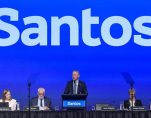
Australia’s Santos revealed that a takeover proposal valued at US $18.7 billion, spearheaded by a consortium under the Abu Dhabi National Oil Company, will not be concluded by the extended 22 August deadline and now faces a delay of at least four weeks. The investment group, including ADNOC’s XRG arm, Abu Dhabi Development Holding Company and private equity firm Carlyle, cited the need to finalise regulatory and due diligence clearances across multiple jurisdictions—including Australia, Papua New Guinea and the United States—before completing a binding scheme implementation agreement.

Santos confirmed that negotiations remain “collaborative” yet incomplete, with both parties still to secure agreement on acceptable terms for a binding SIA. Given the outstanding conditions, signing before the end of the week appears unlikely.

The implications for Santos’ investors were swift: its shares slid up to 3.5 per cent, reaching A$7.68—a five-week low—marking it as one of the ASX 200’s most notable underperformers.

The bid, if executed, would become Australia’s largest-ever all-cash corporate takeover. Santos’ enterprise value, factoring in net debt, stands at approximately A$36.4 billion, signalling a major transaction in the energy sector.

Industry analysts emphasise that regulatory approvals remain the most significant obstacles. Australia’s Foreign Investment Review Board, in particular, presents a critical test given the strategic sensitivity of energy infrastructure. Papuan New Guinea and U. S. authorities also must grant clearance.

James Hood of Regal Funds Management expressed palpable market unease, observing that the share price response reflects “increased risk and uncertainty.” Kaushal Ramesh from Rystad Energy characterised the execution of a deal of this magnitude as “never going to be an easy transaction”, especially with national energy security and regulatory scrutiny in play. Another investor, Jamie Hannah of Van Eck, reiterated that the key challenge isn’t procedural but regulatory—from the FIRB in Australia.

As a result of the delay, Santos will release its interim earnings on 25 August, instead of the previously planned 20 August.

Interest in the Pikka oil project in Alaska—expected to commence production mid-2026—adds further strategic weight to Santos’ asset base and may influence regulatory and investor perspectives on the transaction.

By Nantoo Banerjee Come August 27, the picture of the Indo-US trade may show a considerable change. India’s merchandise exports to the US will be generally subjected to a 50 percent import tax from that date. A few categories, including drugs and pharmaceuticals, have been exempted. The reason advanced by US President Donald Trump for […]

The cryptocurrency market has suffered a significant blow, with over $500 million in liquidations across positions within just one hour. This sharp decline follows the release of the latest U. S. Producer Price Index report, which revealed unexpectedly high inflation figures. The data has dashed investor hopes for imminent interest rate cuts by the U. S. Federal Reserve, sparking widespread panic and a sell-off across multiple crypto assets.

The PPI report, which tracks the change in prices that producers receive for goods and services, showed an uptick in inflation that exceeded analysts’ expectations. The results were particularly alarming given the U. S. Federal Reserve’s ongoing battle to control inflation. As a result, the market now faces a more aggressive stance from the central bank, with investors bracing for potential rate hikes rather than cuts, at least in the short term.

This shift in sentiment has had a dramatic impact on risk assets, particularly in the volatile crypto market. Bitcoin, Ethereum, and several altcoins saw rapid declines in their valuations, with the overall market sentiment turning bearish. Liquidation volumes surged as traders, particularly those with leveraged positions, were forced to sell their assets to cover their margin calls.

Bitcoin, the largest cryptocurrency by market capitalisation, saw a drop of over 5% in just a few hours, while Ethereum and other major altcoins followed suit with steep losses. The sell-off was not confined to smaller coins either; large-cap cryptos that are usually seen as more stable also witnessed significant price drops. Some analysts have warned that the market could continue its downward trajectory if inflation remains persistent and the Fed keeps its hawkish policy stance in place.

The crypto market had previously been showing signs of optimism, especially after recent rallies that saw prices inch higher. Many market participants had hoped that the Federal Reserve, under pressure from slower economic growth, would begin to reduce interest rates in the latter half of 2023, which would typically support riskier assets like cryptocurrencies. However, the latest PPI figures dashed such expectations, leading to a sharp reversal in market sentiment.

The primary concern now is the potential for more stringent monetary tightening, which could further dampen investor appetite for high-risk assets. Rising interest rates often drive capital out of speculative markets, as higher borrowing costs make riskier assets less appealing compared to traditional investments like bonds or equities.

Some analysts are predicting that the current market instability could persist for some time, especially if inflationary pressures continue to be a concern. “Cryptocurrencies are still seen as speculative assets, and as long as inflation remains high and the Fed is tightening, there is little room for these assets to flourish,” said one senior strategist at a leading global investment bank.

The liquidations across the crypto market serve as a stark reminder of the inherent risks of trading in this volatile space. Traders leveraging their positions to maximise profits are particularly vulnerable in such an environment, as even small fluctuations in price can trigger substantial losses. The crypto market’s high leverage environment is often seen as a double-edged sword, where both potential rewards and risks are amplified.

Beyond the immediate price impact, there are broader concerns about how the crypto market might react to further tightening measures by the Fed. If inflation continues to exceed expectations, market participants may be forced to adjust their strategies, potentially driving further price declines.

This shake-up has led to heightened calls for regulation within the crypto space. Industry experts have long argued that greater oversight is needed to protect investors and reduce the risks associated with volatile market movements. The sudden surge in liquidations underscores the importance of establishing clearer guidelines for trading and risk management in cryptocurrencies.


Matein Khalid Two fallen angel megacaps in a rich market now that July CPI proved a non-event, I see a beautiful opportunity to scale up my long Palo Alto Networks (PANW) and Eli Lilly (ELY) to former darlings of Mr. Market who have been sandbagged by adverse events in the last two weeks. My rationale? Palo Alto Networks (PANW) was slammed down to 165 after its $25 […]

A wave of infernos driven by soaring temperatures has engulfed southern Europe, prompting widespread evacuations, mounting fatalities and an unprecedented emergency response. Greece is enduring its fiercest wildfires as blazes near Patras and the islands of Chios and Zakynthos surge into homes, forests and industrial sites, under relentless heat and gusting winds. Nearly 5,000 firefighters and 33 aircraft have been mobilised to contain the flames, while multiple […]

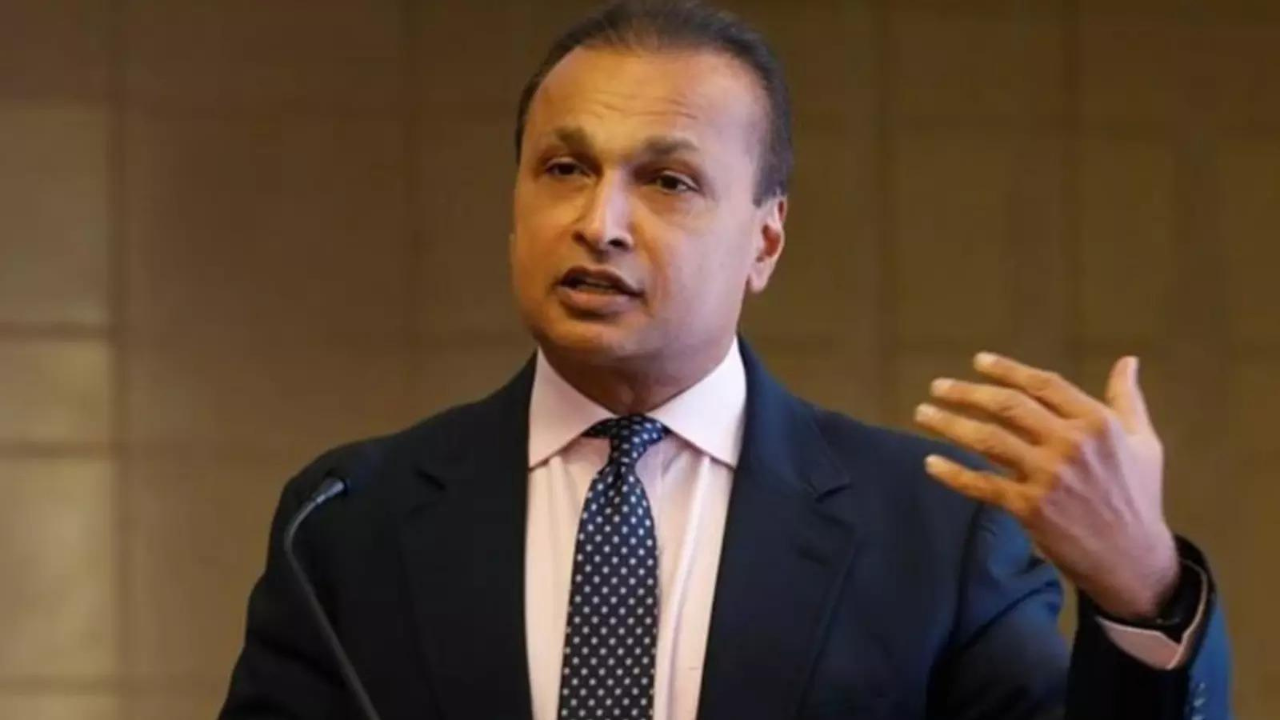
By Nantoo Banerjee The regular news feed by India’s Enforcement Directorate on alleged massive money laundering by the Reliance Anil Ambani Group (RAAG), which is also known as the Anil Dhirubhai Ambani Group (ADAG), seems to have been designed more to create an abominable sensation around the flamboyant entrepreneur than any other serious purpose. The […]


KUALA LUMPUR, MALAYSIA – Media OutReach Newswire – 8 August 2025 – Octa Broker is providing an in-depth overview of the week’s key events and actionable insights to help traders navigate this high-stakes environment with confidence. July was a relatively quiet month for gold, at least by the recent standards. XAUUSD, the primary financial instrument for trading bullion, fluctuated in a very narrow 30-dollar range between roughly […]

Expands global presence, targeting 100 locations by end of year TOKYO, JAPAN – Media OutReach Newswire – 7 August 2025 – In an era of rapid technological advancement, industries worldwide are actively integrating cutting-edge technologies to drive business breakthroughs. Worldgate global Logistics Ltd (“Worldgate“, together with its subsidiaries, collectively the “Group”; HKEx: 8292) is pleased to announce that its interactive entertainment business, VSING (“the Company”) has formed […]

By Mark Gruenberg NEW YORK—The Trump administration and its radical right foot-soldiers in the federal government and in the states are undertaking a comprehensive scheme to undermine future state and federal elections, in effect rigging the rolls to keep themselves in power no matter what the voters decide. So far, other than the report itself, […]
VISHNU RAJA
RYO YAMADA
HITORI GOTOH
IKUYO KITA