News related to
price

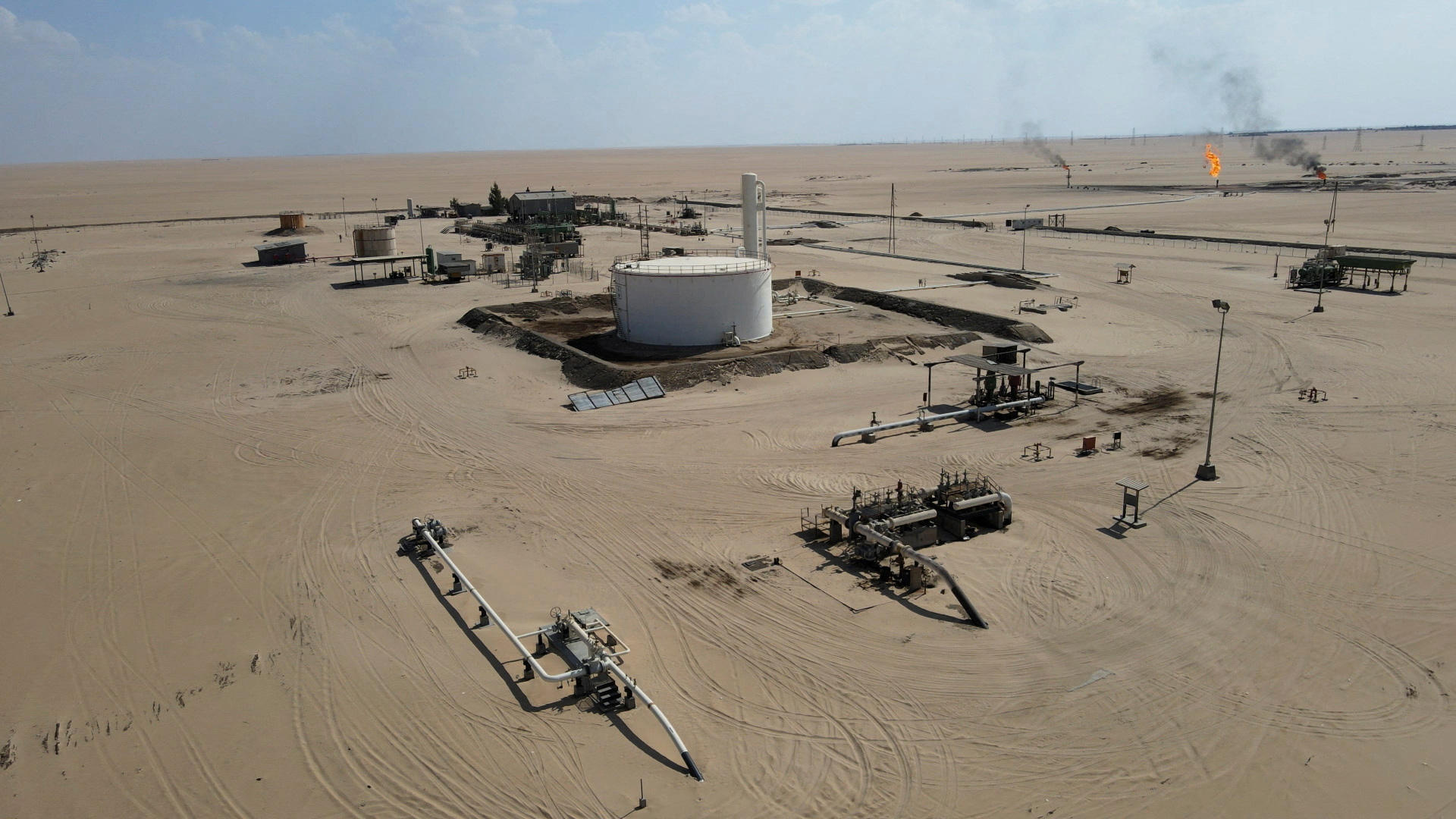
Libya’s ongoing political conflict is jeopardizing its vital oil production, potentially leading to severe disruptions in global supply chains. The strife between rival factions in the country has intensified, raising concerns about the stability of Libya’s oil sector, a crucial component of the global energy market.

The National Oil Corporation (NOC) has reported escalating security threats and operational interruptions at key oil facilities. Production at several major sites, including the Sharara and El Feel fields, has already experienced significant reductions. The disruptions are a direct result of the clashes between the Government of National Unity (GNU) and the House of Representatives (HoR), each backed by different armed groups.

The GNU, based in Tripoli, and the HoR, which controls parts of eastern Libya, have been embroiled in a protracted power struggle. This rivalry has led to a series of blockades and attacks on oil infrastructure, severely impacting the country’s output. The disruption comes at a time when global oil markets are already grappling with volatility due to various geopolitical tensions and economic uncertainties.

Libya’s oil sector, which accounts for approximately 90% of its revenue, has long been a target in the country’s broader conflict. The recent escalation has resulted in reduced exports and financial losses, exacerbating the economic strain on the nation. Analysts warn that prolonged instability could lead to a more prolonged and deep-seated disruption of Libya’s oil exports, affecting global oil prices and supply stability.

International stakeholders, including the United Nations and major oil companies, are closely monitoring the situation. The UN has called for a cessation of hostilities and a return to dialogue to mitigate the impact on oil production. However, the divided political landscape makes it challenging to achieve a consensus or enforce effective measures.

Libya’s oil industry was recovering from years of conflict and mismanagement when the current crisis hit. The industry had seen incremental improvements in production levels and infrastructure upgrades. Yet, the recent conflict threatens to reverse these gains, putting more strain on an already fragile sector.

The uncertainty surrounding Libya’s oil supply has prompted some countries and corporations to seek alternative energy sources or increase their reserves in anticipation of potential shortages. This shift could lead to changes in global energy markets, influencing everything from oil prices to energy policies worldwide.

Efforts to mediate the conflict and stabilize the oil sector have been ongoing, but the entrenched political divisions pose significant obstacles. The situation remains fluid, with potential for further escalation or, conversely, a resolution if diplomatic efforts gain traction.

As the international community watches closely, the immediate concern remains the security of Libya’s oil infrastructure and the broader implications for global energy stability.

KUALA LUMPUR, MALAYSIA – Media OutReach Newswire – 29 August 2024 – As the U.S. presidential elections approach, global financial markets brace for potential turbulence. Global broker Octa looks at the historical correlation between U.S. elections and stocks, gold, and the U.S. dollar. Economy The relationship between the party affiliations of the U.S. presidents and economic growth has been a topic of extensive research and debate. Historically, […]

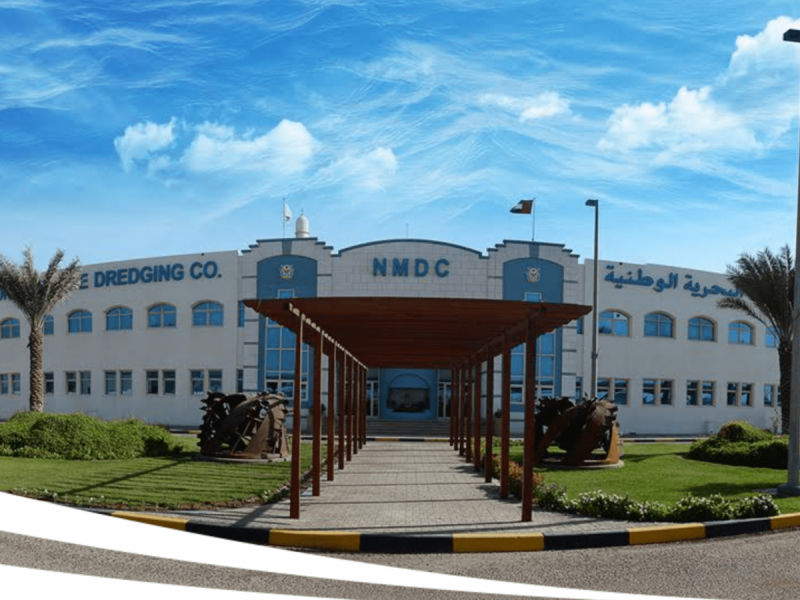
The UAE-based NMDC Group is preparing for what is set to be the country’s largest initial public offering (IPO) of the year. The firm, which was established as a subsidiary of the Abu Dhabi National Oil Company (ADNOC), aims to raise up to $2 billion through the listing. The company is now majority-owned by Alpha Dhabi Holding.

NMDC provides integrated drilling services across the Middle East, has announced plans to float around 7.5% of its shares on the Abu Dhabi Securities Exchange (ADX). The IPO will offer approximately 1.5 billion shares to institutional and retail investors, marking a significant milestone in the UAE’s financial markets.

The NMDC IPO comes at a time of fluctuating oil prices and global economic uncertainties. NMDC has reported substantial revenue growth over the past few years, driven by increasing demand for its drilling services and an expanding portfolio of projects across the region.

Latest All-in-One laundry solution by Samsung integrates a washer, dryer and various AI features that make it the brand’s most intelligent, efficient and environmentally conscious laundry combo to date. SINGAPORE – Media OutReach Newswire – 29 August 2024 – Samsung Electronics Singapore expanded their range of laundry solutions with the new Bespoke AI Laundry Combo™, its first All-in-One laundry solution that integrates a large capacity washer, a […]

Oil prices held steady after a period of volatility driven by escalating tensions in the Middle East and disruptions in Libyan production. Brent crude futures hovered around $78.25 per barrel, while U.S. West Texas Intermediate (WTI) maintained a price near $75.25. The market had reacted sharply to a significant drop in U.S. crude inventories, coupled with geopolitical concerns following the killing of key militant leaders and a […]

The International Falcon Breeders Auction 2024, organized by the Saudi Falcons Club, concluded with record-breaking sales surpassing $2.7 million. This annual event, held in Riyadh, is recognized as the largest of its kind globally and has attracted significant attention from falconers, breeders, and enthusiasts worldwide.

During the auction, which ran for several weeks, rare and elite falcon breeds were showcased, drawing participants from 16 countries. The auction featured twelve nights of intense bidding, with some falcons fetching prices never before seen in the auction’s history. The highest sale recorded was for two exceptional falcons, which sold for over $1 million collectively, setting new benchmarks in the global falconry market.

The event not only served as a commercial hub but also as a cultural exchange platform, where breeders and investors from various regions converged to share knowledge and foster collaborations. The Saudi Falcons Club emphasized its commitment to preserving the rich heritage of falconry while promoting environmental awareness and supporting scientific research related to falcon breeding.

This year’s auction witnessed an increase in both the number of participating farms and the quality of falcons presented, reflecting the auction’s growing prestige and the successful outcomes of its previous editions. The success of the auction further solidifies Saudi Arabia’s position as a leading global destination for falconry.

As the auction wraps up, the anticipation for next year’s event is already building, with breeders and falconers eager to see what new records will be set and what innovative developments will emerge in the world of falconry. The International Falcon Breeders Auction continues to play a pivotal role in shaping the future of this ancient practice, blending tradition with modern commerce.

Wall Street’s outlook on crude oil for the coming year is growing increasingly cautious, as two major financial institutions, Goldman Sachs Group Inc. and Morgan Stanley, have downgraded their price forecasts. Both banks are now predicting lower average prices for Brent crude, reflecting concerns about rising global supplies, including potential increases from the OPEC+ alliance. Goldman Sachs has adjusted its forecast for Brent crude, predicting it will […]

Advertisements

Nasdaq is making strides toward expanding its financial offerings by seeking approval from the U.S. Securities and Exchange Commission (SEC) for a new set of bitcoin index options. This move, if sanctioned, would mark a significant step forward in the integration of digital assets into mainstream financial markets.

Nasdaq’s proposal is focused on introducing options tied to a bitcoin index, which would offer investors a new way to gain exposure to the cryptocurrency market. The exchange’s submission to the SEC underscores the growing interest in bitcoin-related financial products, especially as institutional and retail demand for cryptocurrency exposure continues to rise.

The proposed bitcoin index options would operate similarly to other index options, allowing investors to speculate on the future price of bitcoin without needing to hold the underlying asset. This would provide a level of risk management and flexibility that could appeal to a broader range of investors. The timing of this move coincides with a period of heightened interest in digital assets, driven by bitcoin’s increased adoption and the introduction of various bitcoin exchange-traded funds (ETFs).

Currently, the SEC has not yet approved options based on any individual exchange-traded funds tied to spot bitcoin prices. The regulatory body has been cautious in its approach to cryptocurrency-related products, citing concerns about market manipulation, investor protection, and the overall stability of the financial system. Despite this, there has been a gradual shift in the SEC’s stance, with more openness to considering such products, particularly as the market matures and safeguards are implemented.

Nasdaq’s initiative reflects a broader trend within the financial industry, where traditional exchanges and financial institutions are increasingly exploring the integration of digital assets. This is part of a larger effort to bridge the gap between traditional finance and the rapidly evolving cryptocurrency sector. By offering bitcoin index options, Nasdaq aims to provide a regulated and transparent environment for investors to participate in the cryptocurrency market, potentially paving the way for other exchanges to follow suit.

The introduction of bitcoin index options would also have significant implications for market dynamics. It could lead to increased liquidity in the bitcoin market, as more participants enter through these new financial instruments. Additionally, it could influence bitcoin’s price stability, as options trading can impact the supply and demand balance of the underlying asset.

However, the SEC’s decision will likely hinge on several factors, including the overall security of the proposed product, the measures in place to prevent market manipulation, and the potential impact on investors. The regulatory body has been under pressure to strike a balance between fostering innovation in the financial markets and ensuring the protection of investors. The outcome of Nasdaq’s application could set a precedent for future cryptocurrency-related financial products in the United States.

If approved, Nasdaq’s bitcoin index options could significantly enhance the accessibility and appeal of cryptocurrency investments, particularly for institutional investors who may have been hesitant to enter the market due to regulatory uncertainties. This development would also signal a further legitimization of bitcoin as a financial asset, potentially driving broader acceptance and adoption.

Nasdaq’s pursuit of SEC approval for bitcoin index options represents a pivotal moment in the ongoing evolution of the financial markets. As the intersection of traditional finance and digital assets continues to develop, the decisions made by regulatory bodies like the SEC will play a crucial role in shaping the future of the industry.

BANGKOK, THAILAND/STUTTGART, GERMANY – Media OutReach Newswire – 27 August 2024 – Porsche Design has announced a collaboration with Thai real estate developer Ananda Development to create the Porsche Design Tower Bangkok. The ultra-luxury residence, located on Sukhumvit 38, is aimed at ultra-high net-worth individuals and will be the first of its kind in Asia and the third globally. The project features 22 exclusive duplex and quadplex […]

Proposed an interim dividend of HK11.0 cents per share Highlights: Revenue increased by approximately 10.6% to approximately HK$1,393.7 million as compared with the Corresponding Period Last Year. Gross profit increased by approximately 11.6% to approximately HK$507.9 million as compared with the Corresponding Period Last Year, gross profit margin increased to approximately 36.4%. Profit attributable to owners of the Company increased by approximately 6.2% to approximately HK$122.6 million […]

Investors are often spooked by market volatility, with recent events like the 1,000-point drop in the Dow Jones Industrial Average on August 5, serving as a stark reminder of the stock market’s inherent unpredictability. When headlines are filled with dramatic losses and tales of impending market crashes, it’s easy to see why some investors might feel the urge to flee to safer ground. But savvy investors, especially […]

Isbank CEO, Hakan Aran, acknowledged significant hurdles for the bank as it navigates the complex economic landscape of Turkey. The country’s soaring inflation and fluctuating interest rates have cast a long shadow over the financial sector. In a notable development, Aran outlined plans for a strategic rate cut in November, a move anticipated to affect both the bank’s operations and the broader Turkish economy.

Aran’s statement came on the heels of Isbank’s centennial celebrations, marking 100 years of operation. This milestone underscores the institution’s long-standing presence in the Turkish financial market, which is currently under intense scrutiny due to the nation’s economic volatility. Despite Isbank’s historic achievements, the challenges posed by Turkey’s economic conditions are expected to shape its future strategies.

Inflation in Turkey has surged to unprecedented levels, driven by a combination of global economic pressures and domestic factors. The Central Bank of Turkey has responded with high interest rates, aiming to curb inflation and stabilize the currency. However, this policy has led to a constrained lending environment, impacting banks’ profitability and operational flexibility.

Isbank’s upcoming rate cut is a strategic response to these economic pressures. By lowering its rates, Isbank aims to stimulate lending and support economic growth amidst a challenging environment. The decision aligns with broader efforts by Turkish authorities to balance inflation control with economic growth stimulation. Aran emphasized that the rate cut is designed to enhance the bank’s competitiveness and support its clients during these turbulent times.

As Isbank celebrates its 100th anniversary, the institution reflects on a century of navigating Turkey’s economic ups and downs. The anniversary provides an opportunity for introspection and reassessment of the bank’s strategies in the face of evolving economic conditions. Aran highlighted that while the historical legacy of Isbank is a source of pride, the focus must remain on adapting to contemporary challenges.

The Turkish financial sector, including Isbank, is grappling with a tight economic environment marked by high inflation rates and fluctuating currency values. The Central Bank’s high interest rate policy, while aimed at stabilizing the economy, has created a complex landscape for financial institutions. Banks are required to balance the need for competitive interest rates with the necessity of maintaining financial stability and profitability.

Aran’s approach involves a nuanced understanding of these economic dynamics. The planned rate cut is seen as a proactive measure to mitigate some of the adverse effects of the high-interest environment. By adjusting its rates, Isbank aims to enhance its lending capabilities and provide better support to its clients, particularly businesses and individuals affected by the current economic pressures.

The broader context of Turkey’s economic challenges includes global factors such as energy price fluctuations and supply chain disruptions, which have exacerbated inflationary pressures. Domestic economic policies and geopolitical factors also play a crucial role in shaping the financial environment.

Isbank’s response to these challenges reflects a broader trend among Turkish banks to adapt their strategies in response to changing economic conditions. As the financial sector continues to evolve, the ability to navigate these challenges effectively will be crucial for maintaining stability and fostering growth.

The strategic decisions made by Isbank, including the anticipated rate cut, will be closely watched by analysts and stakeholders within the financial sector. These decisions will not only impact the bank’s operations but also have broader implications for Turkey’s economic landscape.

BANGKOK, THAILAND – Media Outreach Newswire – 27 August 2024 – For travellers seeking the perfect stopover in Bangkok, Amari Don Muang Airport Bangkok offers an unmatched blend of convenience, comfort, and connectivity, located a short stroll from Don Mueang International Airport, accessible via an overhead walkway. Part of ONYX Hospitality Group‘s Amari collection of hotels and resorts, the property is ideal for those catching an early […]

    By Sushil Kutty   So India is a “big country” with a “big influence” on the Russian economy and Ukrainian President Volodymyr Zelenskiy wants India and Indians to “change their attitude” towards Russia. For then, there will be peace as Russian President Vladimir Putin will then end the war. Apparently, Zelenskiy doesn’t like Modi’s […]
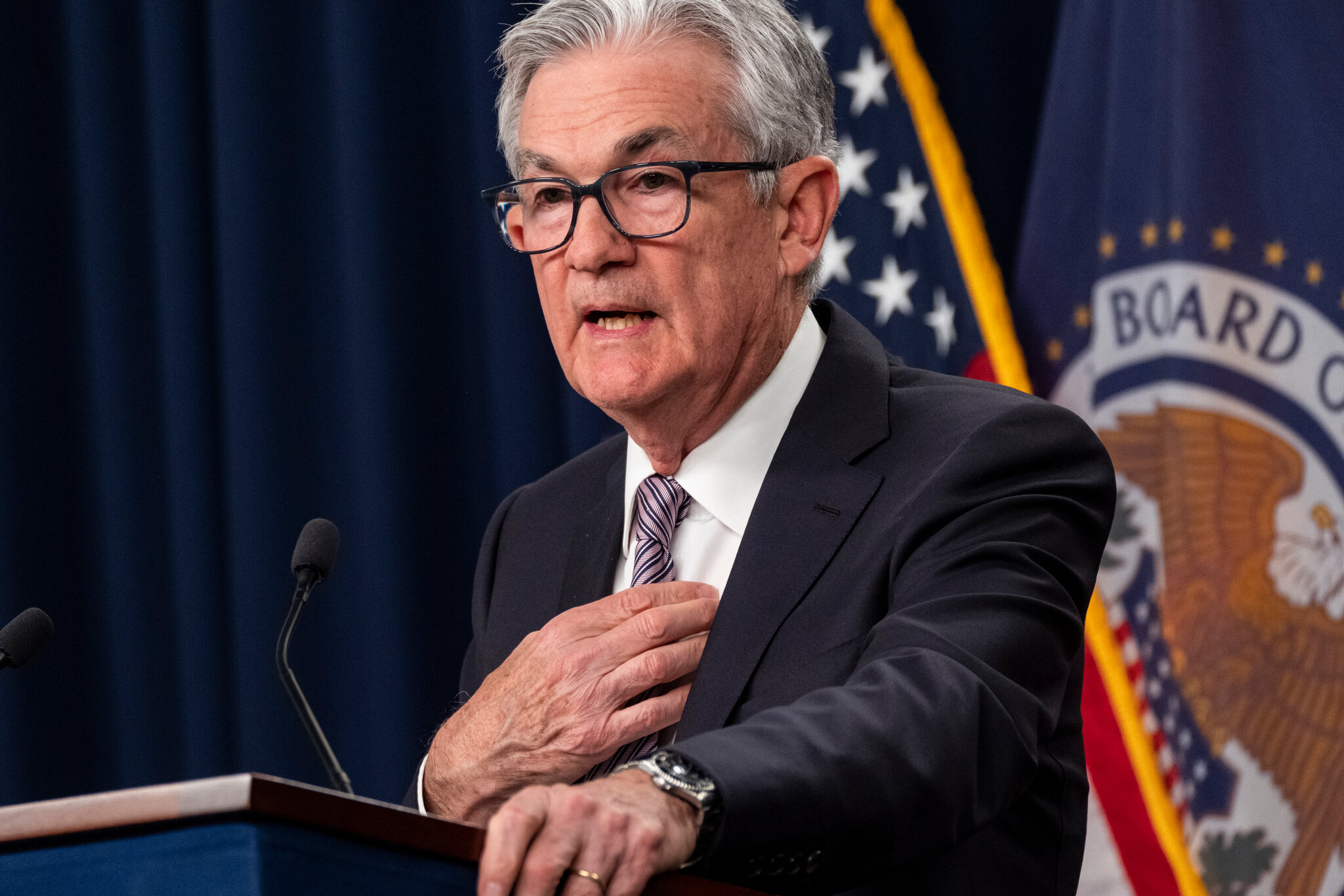
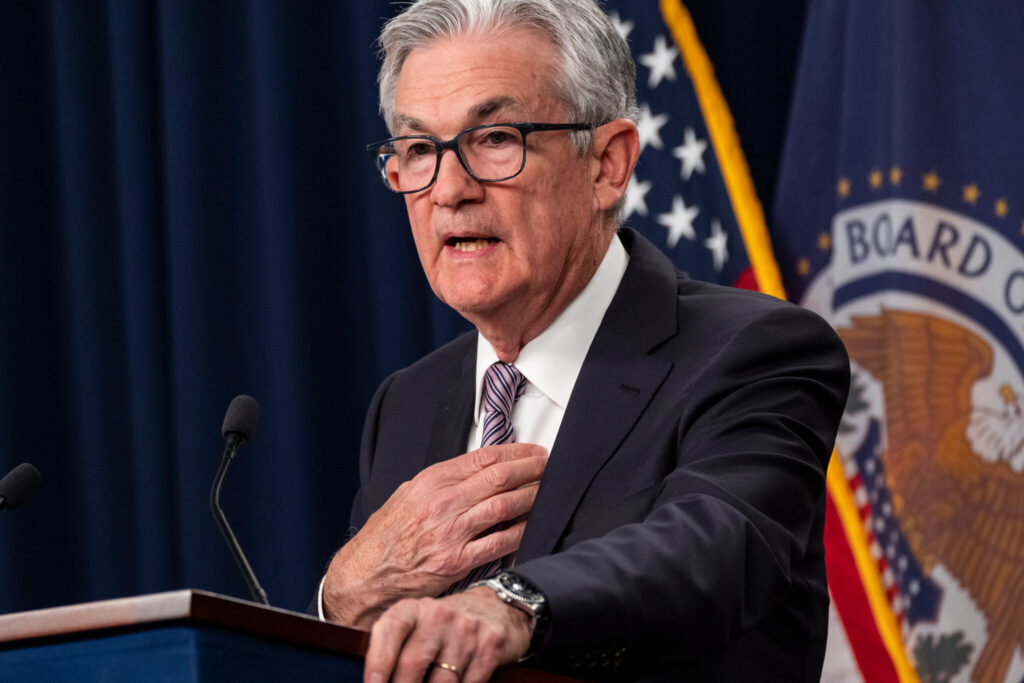
  By Anjan Roy   The US Federal Reserve chairman, Jerome Powell, has given a clear message from Jackson Hole, Wyoming, that the American central bank is all set to enter a rate reversal cycle. The Federal Reserve at long last would usher in a regime of lower policy rates.   This was picked up […]

Saudi Arabia’s sovereign USD bonds have underperformed this year, with a modest year-to-date return of 2.7%, trailing the broader emerging markets investment-grade (EM IG) index, which posted a 4.0% gain. Analysts attribute this lag to ongoing global economic uncertainties and fluctuating oil prices. Despite this, experts maintain an optimistic outlook on the kingdom’s bonds, particularly at the long end of the yield curve. Saudi Arabia’s fiscal health […]

The Central Bank of Nigeria’s (CBN) latest Business Expectations Survey (BES) unveils an optimistic outlook for Nigeria’s economic landscape, projecting a significant increase in job creation across diverse sectors. This forward-looking analysis reflects a notable shift in the country’s economic trajectory, driven by an enhanced business environment and strategic investments.

The CBN’s survey highlights a robust confidence among Nigerian businesses regarding their capacity to expand and generate employment opportunities. A substantial number of businesses across various industries anticipate scaling up operations in the coming months, driven by favorable economic conditions and supportive government policies.

The survey data suggests that sectors such as manufacturing, technology, and services are at the forefront of this job creation wave. Businesses within the manufacturing sector are particularly optimistic, attributing their positive outlook to increased domestic demand and improvements in infrastructure. This sector, traditionally a cornerstone of Nigeria’s economy, is expected to leverage these advancements to boost production and employment.

Technology firms, riding the wave of digital transformation, are also poised to contribute significantly to job growth. The expansion of tech startups and the increased adoption of digital solutions are expected to create numerous opportunities in IT and related fields. This sector’s growth is further supported by investments in innovation and the burgeoning tech ecosystem in Nigeria.

The services sector, encompassing a wide range of industries from financial services to hospitality, is also anticipating a surge in job creation. The sector’s growth is driven by rising consumer demand, economic diversification, and infrastructural developments. This trend is indicative of a broader economic shift towards a service-oriented economy, reflective of global patterns.

Key to this positive outlook is the role of government policies and economic reforms. Recent initiatives aimed at improving the ease of doing business, such as streamlined regulatory processes and incentives for small and medium-sized enterprises (SMEs), are likely to have a significant impact. These measures are designed to create a more favorable business environment, encouraging investment and entrepreneurial activity.

Moreover, the CBN’s survey underscores the impact of macroeconomic stability on business confidence. Efforts to stabilize inflation, manage exchange rates, and address fiscal challenges are contributing to a more predictable economic environment, fostering greater investment and growth prospects.

The anticipated job growth is expected to have ripple effects throughout the economy. As businesses expand, there will be increased demand for skilled labor, which could drive improvements in educational and training programs. Additionally, the rise in employment opportunities is likely to stimulate consumer spending, further fueling economic growth.

Challenges remain, however. Businesses will need to navigate potential obstacles such as global economic uncertainties, supply chain disruptions, and fluctuations in commodity prices. Effective management of these challenges will be crucial in sustaining the positive trajectory projected by the CBN’s survey.

The CBN’s Business Expectations Survey paints an encouraging picture for Nigeria’s job market, with various sectors poised to drive significant employment growth. This optimistic forecast reflects broader economic improvements and the positive impact of supportive policies and reforms. As businesses prepare to expand and create new job opportunities, the Nigerian economy stands to benefit from a more dynamic and resilient labor market.

Kenya’s recent decision to impose new levies on cereals, legumes, herbs, and tubers has triggered widespread protests from traders, who argue that the move breaches regional trade agreements. The new tax regime, effective immediately, aims to boost government revenue but has faced backlash from within the East African Community (EAC), where economic integration and free trade are cornerstones.

Traders and industry experts have voiced concerns that the additional levies could destabilize regional trade networks. They argue that such measures undermine the EAC’s commitment to facilitating trade and reducing barriers within the region. The EAC, comprising Kenya, Uganda, Tanzania, Rwanda, Burundi, and South Sudan, has worked to establish a common market to enhance economic cooperation and reduce trade friction among member states.

Kenyan officials, however, maintain that the new levies are necessary to address local market imbalances and promote the growth of domestic agricultural sectors. The government argues that these taxes will support local farmers by reducing the influx of imported goods that they claim undercut local prices.

Economic analysts warn that these levies could lead to retaliatory measures from neighboring countries, potentially escalating into a broader trade dispute within the EAC. Such conflicts could disrupt supply chains and increase costs for consumers, particularly in countries dependent on cross-border trade.

The East African Business Council (EABC) has expressed strong disapproval of Kenya’s policy shift. The council’s representatives argue that the new levies could create significant hurdles for regional trade, particularly for small and medium-sized enterprises that lack the resources to absorb additional costs. They call for urgent dialogue between the Kenyan government and EAC trade officials to resolve the issue without further escalating tensions.

Farmers in Kenya are also divided on the impact of the new levies. While some support the policy as a way to protect local agriculture, others fear that the increased costs will lead to higher prices for consumers and reduced competitiveness of Kenyan products in the regional market. This internal division reflects broader concerns about how best to balance national interests with regional cooperation.

The controversy has also drawn attention from international trade observers, who highlight the potential implications for the EAC’s broader economic goals. The community’s vision includes the creation of a single market and a customs union, which are at risk if member states impose unilateral trade barriers.

As the debate continues, the Kenyan government has pledged to review the impact of the new levies and engage in discussions with regional trade partners. However, the situation remains fluid, with stakeholders closely monitoring developments and preparing for possible adjustments in trade policies.

The unfolding dispute underscores the challenges facing regional integration efforts in East Africa, where balancing national policy objectives with the commitment to free trade and economic cooperation is increasingly complex.

OPEC+ faces a critical decision in the coming weeks as it evaluates whether to move forward with its planned oil production increases scheduled to begin in October. The decision is fraught with complexity, driven by a mix of economic, political, and market factors that could significantly influence global oil prices and economic stability. The planned increases stem from a decision made in June 2024, where OPEC+ members […]

Nigeria is banking on the operational launch of the Dangote Petroleum Refinery to address ongoing fuel shortages and alleviate the burden of lengthy queues at petrol stations. As the country grapples with an energy crisis exacerbated by its reliance on imported refined petroleum, the new refinery promises to be a game-changer in the nation’s energy landscape. This refinery, situated in the Lekki Free Zone near Lagos, is […]

Qatar’s economic trajectory is set for a dramatic transformation, with projections indicating the country’s economy could double by 2031. This ambitious plan is propelled by a series of strategic initiatives and investments aimed at diversifying and expanding Qatar’s economic base. At the core of this growth is Qatar’s National Vision 2030, which serves as a blueprint for its economic and social development. This plan focuses on reducing […]

TJX Companies, the parent company of retail chains like TJ Maxx and Marshalls, has solidified its footprint in the Middle East through a strategic investment in the retail group Brands for Less (BFL). This move marks a significant expansion into a lucrative market and underscores TJX’s commitment to global growth. BFL, a prominent player in the Middle Eastern off-price retail sector, operates across several countries including the […]

VILNIUS, LITUANIA – Media OutReach Newswire – 22 August 2024 – VILNIUS, Lithuania, — BingX, a leading cryptocurrency exchange, is excited to announce the launch of its groundbreaking BingX Pre-Market Trading feature. This innovative offering provides BingX users with early access to cryptocurrencies, enabling more effective price discovery and improving market liquidity. The Pre-Market Trading feature also sparks community trading interest, establishing BingX as a key platform […]

Police in Ras Al Khaimah have uncovered a significant cache of counterfeit products valued at Dh23 million during a coordinated raid that resulted in the arrest of three individuals. The operation, which targeted a warehouse in an industrial area of the emirate, exposed a vast array of fake goods, including make-up, toiletries, and cleaning products, all of which were intended for sale within the region. The seized […]

VISHNU RAJA
RYO YAMADA
HITORI GOTOH
IKUYO KITA