Just in:
Saudi defences destroy three Houthi missiles targeting Riyadh // Jaiedco and Golden Bridge Announce Strategic Collaboration for a New Dubai Islands Development // Yeebo Announces Interim Results for FY26/27 Revenue Increases by 45.5% to HK$806.7 Million Profit Attributable to Owners Surges 87.6% to HK$2,284.7 Million // Fungal toxins detected across 212 UK plant-based products // PayerMax and ShopeePay Strengthen Strategic Partnership to Advance Digital Payment Collaboration in Southeast Asia // Technology at Work, Heritage for All: The “Chinese Approach” to Safeguarding the Leshan Giant Buddha // Egypt’s African Union trade climbs to $8.2 billion // Toward a Shared Future for Humanity: Rethinking Civilizational Exchange // Diabetes Malaysia And Alpro Pharmacy Set National Record With 11,007 Most Blood Glucose Screenings Conducted Across Malaysia In Just 48 Hours // 2026 Tropical Rainforest Ecosystem Partners Conference Kicks off in Hainan // Sui activates Hashi Bitcoin lending across partner network //
Centre grants aircraft cabin access for Sabarimala pilgrims’ irumudi
// Ex-minister named accused in Messi visit fraud case // Bail refused to 17-year old in Abhiram murder //
Rahul addresses League’s INDIA bloc grievances
// Promoting Common Human Development Through Exchanges and Mutual Learning Among Civilizations // Workday targets Honeydew purchase to unify AI metrics // Singapore regulator cautions against AI access to bank logins // Phancy Announces Business Performance for the Nine Months Ended September 30, 2026 // Dubai Introduces SHARH, an AI-Powered Platform Helping Entrepreneurs Buy, Sell and Manage Businesses in the UAE //

News related to
price

PHU QUOC, VIETNAM – Media OutReach Newswire – 19 December 2024 – Phu Quoc is rapidly solidifying its position as a new luxury resort paradise in the world, with the arrival of renowned hospitality brands, including Rixos, Ritz-Carlton Reserve and The Luxury Collection in the near future. This December represents a pivotal moment for Phu Quoc and Vietnam, with two events being hailed as ‘historic milestones’ for […]

Video-sharing platform Rumble has announced a $775 million strategic investment from cryptocurrency firm Tether, marking a significant collaboration between the digital content and crypto sectors.

Tether has agreed to purchase approximately 103.3 million shares of Rumble at $7.50 per share, totaling $775 million. Rumble plans to allocate $250 million of this investment to support growth initiatives, with the remaining funds designated for a self-tender offer to repurchase up to 70 million shares of its Class A common stock at the same price.

Following the transaction, CEO Chris Pavlovski will retain his controlling stake in Rumble. Pavlovski has committed to tendering shares but does not intend to sell more than 10 million. The investment and tender offer are expected to close in the first quarter of 2025.

Rumble’s shares responded positively to the announcement, rising 41% to $10.17 in after-hours trading.

Tether, known for issuing the world’s largest stablecoin by market capitalization, has faced regulatory scrutiny in the past. Despite this, the company continues to expand its influence in the digital finance sector.

Rumble, positioning itself as a free-speech alternative to platforms like YouTube, has experienced growth in user engagement and revenue. In the third quarter, the company reported a 39% year-over-year increase in revenue, reaching $25.1 million, alongside a rise in monthly active users and narrowed losses.

This investment aligns with Rumble’s recent strategic decisions, including plans to add Bitcoin to its balance sheet, reflecting a deeper integration with the cryptocurrency ecosystem.

By K Raveendran While Prime Minister Narendra Modi’s ‘friend’, the US President-elect Donald J Trump, is set to move into White House, once again, it need not be particularly beneficial for India. If anything, Trump can be said to be “anti-India” even while remaining “pro-Modi”. The camaraderie contrasts starkly with the president-elect’s anti-India economic stance, […]

The all-weather indoor sportainment complex, JOYPOLIS SPORTS HONG KONG, grandly opens today. With five stories and nearly 30,000 square feet, it features dozens of sports entertainment activities. With the mission of “Sports for All Generations,” it combines sports and entertainment under the concept of Sportainment. The first SEGA-licensed SONIC Stadium and the top-floor themed restaurant “Hungry Tiger, Hidden Dragon” are also unveiled simultaneously. Mr Shuji Utsumi, SEGA […]

The Gulf Cooperation Council (GCC) debt capital market has reached a significant milestone, with outstanding debt surpassing $1 trillion by the end of November 2024. This achievement marks an 11% year-on-year growth, with approximately 40% of the total debt comprising sukuk, or Islamic bonds. Saudi Arabia leads the region’s debt capital market, followed by the United Arab Emirates and Qatar. In September, Fitch projected that Saudi Arabia’s […]

DP World, the Dubai-based global logistics leader, has issued a $100 million Blue Bond, marking the Middle East and North Africa’s inaugural corporate Blue Bond. This five-year bond, priced at a 5.25% coupon rate, aims to fund sustainable projects in marine transportation, port infrastructure, marine pollution mitigation, and water-positive initiatives. The primary investor in this groundbreaking issuance is T. Rowe Price Associates, Inc., a prominent investment management […]

Abu Dhabi-based Modon Holding has acquired 100% of La Zagaleta S.L., the owner of the exclusive La Zagaleta residential estate in Spain’s Costa del Sol. La Zagaleta, situated in the hills of Benahavís near Marbella, spans approximately 900 hectares and is renowned for its luxury villas, some priced over €30 million. The estate features two private golf courses, an equestrian center, a helipad, and extensive natural surroundings, […]

Advertisements

Oil prices have declined, with Brent crude futures dropping 41 cents to $72.47 per barrel, and U.S. West Texas Intermediate crude futures falling 39 cents to $68.99 per barrel. China’s oil demand is projected to peak by 2027, with fuel consumption slowing. The U.S. dollar has reached its highest value since November 22, making commodities more expensive for holders of other currencies. OPEC+ has reduced its 2024 […]

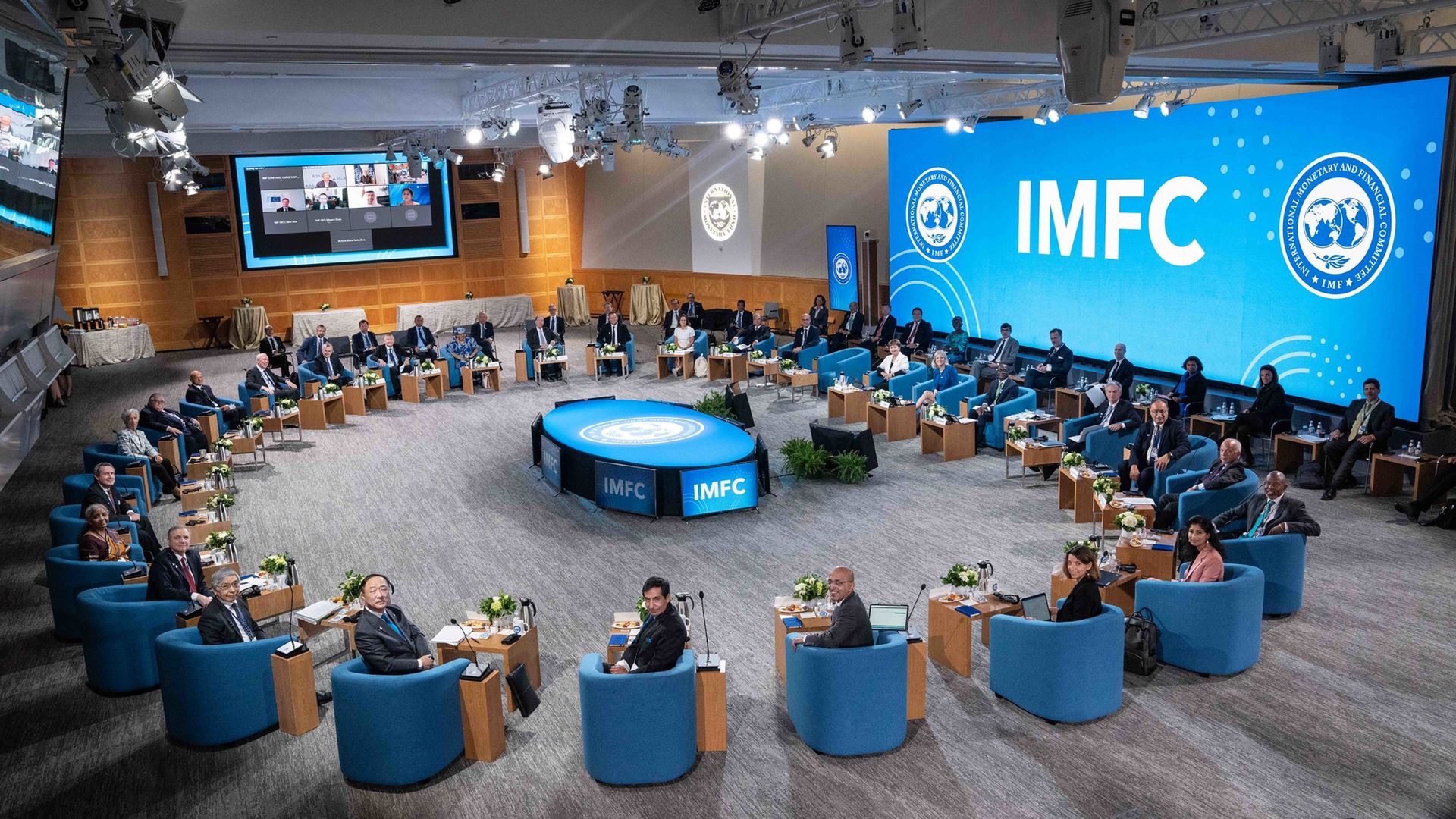
The Gulf economies are expected to continue their upward trajectory despite ongoing geopolitical tensions across the Middle East, according to the latest report from the International Monetary Fund (IMF). The region’s resilience, the IMF suggests, is driven by its diversified economic base, robust fiscal policies, and higher oil prices, which have counterbalanced the adverse effects of regional instability.

While the Middle East remains a hotspot for geopolitical risks, including tensions in Yemen, Syria, and Iran, the Gulf Cooperation Council (GCC) states—namely Saudi Arabia, the UAE, Qatar, Kuwait, Bahrain, and Oman—are poised for solid growth. The IMF’s economic outlook for the Gulf for the upcoming year signals a stable trajectory, with growth projections ranging from 3.2% to 3.5% for most of the member states. This comes on the back of strong economic fundamentals and the region’s strategic efforts to diversify away from oil dependency.

According to the IMF, the GCC’s fiscal prudence and economic diversification initiatives are vital drivers of the positive outlook. Non-oil sectors such as finance, real estate, tourism, and technology have become key contributors to economic growth. Saudi Arabia, for instance, has ramped up its Vision 2030 reform plan, focusing on broadening its economic base and reducing the country’s dependency on hydrocarbons. These efforts have led to an uptick in foreign direct investment and economic activity outside of oil.

The region’s handling of fiscal policies has played a crucial role in shielding it from the negative impacts of external shocks. Governments in the Gulf have generally maintained sound fiscal policies, with substantial fiscal surpluses bolstering state coffers, even as global oil prices fluctuate. For instance, Saudi Arabia and the UAE have used their oil revenues to fund ambitious infrastructure and diversification projects that promote long-term stability.

Saudi Arabia’s economic transformation efforts, notably under the leadership of Crown Prince Mohammed bin Salman, are already yielding results. The kingdom’s GDP has experienced robust growth, especially in non-oil sectors such as entertainment, sports, and tourism. Major projects like Neom, the futuristic city being developed in the northwest, and the Red Sea Project are expected to generate significant economic activity in the coming years. These initiatives reflect a long-term vision to create new economic hubs and reduce reliance on oil.

The UAE, another key player in the Gulf, has also shown a remarkable shift towards diversifying its economy. Dubai’s push to become a global center for technology and finance is starting to pay off, with the city positioning itself as a regional leader in both fintech and blockchain. Abu Dhabi’s focus on renewable energy and clean technologies is further strengthening the UAE’s long-term economic resilience. With such initiatives, the UAE is set to continue its strong performance, with growth forecasts suggesting the economy will expand by 4% over the next year.

Qatar has similarly proven its economic resilience. The country’s investment in liquefied natural gas (LNG) projects has enhanced its export capabilities, enabling it to weather external market fluctuations. Qatar has also shifted its focus to developing a more diverse economy, emphasizing finance, sports, and education, particularly through initiatives like the Qatar National Vision 2030.

The IMF also highlighted that Kuwait and Oman are expected to experience moderate growth, driven by their diversified economies and investments in non-oil sectors, including infrastructure and services. Although Oman has faced fiscal challenges in the past, its recent economic reforms and strategic investments are expected to yield positive results in the coming years. Similarly, Kuwait’s substantial sovereign wealth fund continues to provide a financial cushion, enabling the country to continue its development plans despite challenges.

Despite the ongoing tensions in neighboring countries, the Gulf states have managed to maintain political stability, a crucial element in sustaining investor confidence. The UAE’s role as a neutral hub for international trade, coupled with Qatar’s robust diplomatic efforts, has further insulated the region from potential instability. While conflicts in Yemen, Syria, and Iraq present challenges, the Gulf countries have largely shielded their economies from these disturbances through strong governance and military spending.

The Gulf’s active participation in global energy markets continues to provide it with a cushion against external shocks. Oil remains a crucial driver of revenue, but the higher global oil prices in the past year have supported economic resilience. Saudi Arabia and the UAE have also taken steps to ensure that their energy resources are used sustainably, with the UAE focusing on clean energy initiatives and Saudi Arabia looking to become a leader in green hydrogen production.

The region’s financial markets have also performed admirably in the face of geopolitical risk. Stock exchanges across the Gulf have been showing positive growth, with investors confident in the long-term prospects of the region. The UAE, in particular, has seen a surge in its financial markets, fueled by investor confidence in its economic diversification plans. Furthermore, the region’s strong banking sectors and their adaptation to digital banking and fintech have made them more attractive to foreign investors.

On the global stage, the Gulf has increasingly become a key partner in trade and investment. Its strategic location, at the crossroads of Europe, Asia, and Africa, continues to make it a central hub for international trade. In addition, initiatives such as the GCC’s Free Trade Agreement and the bloc’s involvement in the World Trade Organization (WTO) strengthen its position as a trade powerhouse.


By Dr. Soma Marla The Union Ministry of Agriculture recently circulated a new draft for a policy framework concerning agricultural marketing. Faiz Ahmed Kidwai, additional secretary in the ministry, proposed the draft to revamp the existing framework. According to the government, the proposed universal tax on agricultural produce will increase farmers’ incomes. The committee has […]

Dogecoin’s 11% decline has positioned it as the leading loser among major cryptocurrencies, reflecting broader market concerns as Bitcoin also experiences notable drops. These movements have cast a shadow over the crypto sector during the holiday season, stirring unease in an industry already grappling with volatility and uncertainty.

Market experts attributed the downturn to a combination of factors, with QCP Capital, a trading firm, pointing to an overconfidence in market positioning. Their analysis, shared in a Friday report, suggests that traders had adopted overly bullish strategies, which backfired as the market sentiment shifted. This pattern is not isolated to Dogecoin alone but has been echoed across other key cryptocurrencies, with Bitcoin and Ethereum also facing downward pressure.

While Bitcoin remains the dominant player in the market, its decline has been significant, with the cryptocurrency losing ground as investor sentiment wavers. Experts have raised concerns about the future direction of the market, particularly as Bitcoin struggles to regain its footing. Dogecoin’s movement, which often follows trends set by Bitcoin, adds to the growing anxiety about the sector’s stability. The dip is widely seen as part of the broader correction phase that has affected digital currencies in the last few weeks.

The relationship between Bitcoin and altcoins like Dogecoin remains closely intertwined. Historically, shifts in Bitcoin’s price have had a ripple effect, influencing altcoin trends. As Bitcoin’s performance falters, smaller cryptocurrencies, including Dogecoin, often experience more pronounced fluctuations. This pattern appears to be playing out once again, with Dogecoin feeling the brunt of the market’s uncertainty. Traders had previously shown increasing optimism, but now face a sudden correction that has thrown off short-term projections.

Several factors have contributed to the market’s current mood. The ongoing scrutiny of crypto regulations globally has created an environment of caution among investors. As regulators consider tighter controls over digital assets, some market players are reconsidering their positions. For Dogecoin, a currency that has been driven in part by social media sentiment and celebrity endorsements, the external pressures are especially pronounced. Unlike Bitcoin, which is seen as a store of value by many, Dogecoin has struggled to maintain consistent long-term investor confidence.

Investor enthusiasm for digital currencies had been buoyed by the promise of blockchain technology and decentralized finance, but now, market corrections are bringing those expectations into sharper focus. Cryptocurrencies, once seen as the future of finance, are increasingly viewed as speculative assets vulnerable to short-term sentiment shifts. These developments come as the global economy faces uncertainty, with inflationary pressures and geopolitical tensions contributing to the overall risk appetite in the markets.

The combination of technical factors and macroeconomic concerns has created a more cautious environment for crypto trading. As a result, some investors are choosing to hold off on major positions until the market stabilizes. This cautious outlook has been exacerbated by the holiday season, traditionally a time when market activity can be less predictable due to lower trading volumes.

As the crypto industry navigates these challenges, market analysts are keeping a close eye on the broader trends. While Bitcoin and Dogecoin face immediate hurdles, many experts continue to view the long-term potential of cryptocurrencies as promising. However, in the short term, the volatility is likely to persist, leaving many traders to reassess their strategies. The ability of Dogecoin and other altcoins to recover will depend on several factors, including Bitcoin’s price trajectory and the ongoing regulatory landscape.

The ripple effect of Bitcoin’s struggles has also been felt among smaller crypto projects, with many seeing similar patterns of decline. However, some market observers are cautious about the depth of these corrections, noting that the crypto space has a history of bouncing back after sharp declines. While Dogecoin’s fall has been steep, it is far from the first time the currency has experienced significant volatility.

Marathon Digital Holdings, a leading cryptocurrency mining company, has significantly increased its Bitcoin reserves through strategic financial maneuvers. In November and December 2024, the firm raised approximately $1.93 billion via zero-coupon convertible senior notes. These funds facilitated the acquisition of 15,574 Bitcoins at an average price of $98,529 per coin, totaling around $1.53 billion. Additionally, Marathon repurchased approximately $263 million of its existing convertible notes maturing in 2026. As of December 18, 2024, the company holds 44,394 Bitcoins, valued at approximately $4.45 billion, based on the spot price of $100,151 per Bitcoin.

The initial offering, completed on December 4, 2024, involved $850 million in zero-coupon convertible senior notes due 2031. Marathon granted initial purchasers an option to buy an additional $150 million in notes, potentially increasing the total to $1 billion. The net proceeds of approximately $835.1 million were designated primarily for Bitcoin acquisitions and repurchasing existing convertible notes due in 2026.

Subsequent to this offering, Marathon continued its strategy by raising additional funds through similar financial instruments. The company utilized these proceeds to purchase 11,774 Bitcoins for about $1.1 billion, averaging $96,000 per Bitcoin. This purchase increased Marathon’s total Bitcoin holdings to 40,435, valued at approximately $3.9 billion, based on a Bitcoin price of $96,500 at the time.

Marathon’s aggressive accumulation of Bitcoin aligns with a broader trend among major corporations integrating cryptocurrency into their financial strategies. Companies like MicroStrategy and Riot Platforms have similarly expanded their Bitcoin holdings, viewing the digital asset as a viable store of value and a hedge against traditional market fluctuations. This corporate adoption reflects growing confidence in Bitcoin’s long-term potential and its role in diversified investment portfolios.

The use of convertible notes has become a favored method for companies to raise capital for cryptocurrency investments. These financial instruments allow firms to secure funds at low or zero interest rates, with the option to convert debt into equity under specific conditions. This approach provides flexibility in capital management and aligns with the dynamic nature of the cryptocurrency market.

Marathon’s strategic investments have also been accompanied by efforts to enhance its mining operations. The company has entered into agreements to acquire renewable energy assets, such as a wind farm in Hansford County, Texas, with 240 MW of interconnection capacity and 114 MW of nameplate wind capacity. This initiative reflects Marathon’s commitment to integrating sustainable energy sources into its mining activities, addressing environmental concerns associated with cryptocurrency mining.

Despite these advancements, Marathon has faced challenges in the financial markets. The announcement of convertible debt offerings has led to stock price volatility, with shares experiencing declines due to potential shareholder dilution. For instance, following the announcement of a $250 million convertible debt offering in August 2024, Marathon’s stock dropped over 10%.

Nevertheless, Marathon’s leadership remains optimistic about the company’s strategic direction. By leveraging convertible notes to finance Bitcoin acquisitions and repurchase existing debt, Marathon aims to strengthen its balance sheet and enhance shareholder value. The company’s substantial Bitcoin holdings position it favorably to capitalize on potential future appreciation of the digital asset.

Central banks across the Gulf Cooperation Council (GCC) have reduced key interest rates, mirroring the U.S. Federal Reserve’s decision to lower its benchmark rate by 25 basis points (bps). This synchronized monetary policy adjustment underscores the region’s commitment to maintaining currency pegs to the U.S. dollar and supporting economic stability. The Federal Reserve decreased the federal funds target rate range to 4.25%–4.5%, signaling a cautious approach to […]

Abu Dhabi National Oil Company Logistics & Services (ADNOC L&S) has made a significant move to bolster its offshore operations, adding 20 new assets to its portfolio in 2024. This expansion underscores the company’s growing influence in the energy sector, particularly in offshore oil and gas logistics. ADNOC L&S aims to meet the increasing demand for offshore production and logistics services while reinforcing its position in the […]

As the new year approaches and the book on an eventful year in the energy world closes, 2025 looks set to bring more volatility, geopolitical tension and policy evolutions. Elections in almost all major global economies in 2024 have set the stage for a shifting policy landscape next year, most notably in the US, as President-elect Donald Trump outlines his priorities and plans for the incoming administration. […]

Bitcoin mining machine prices in Shenzhen’s Huaqiangbei electronics market have surged by 30% over the past year, driven by increased global demand and a significant rise in Bitcoin’s value. Merchants report that buyers from the United States, Canada, and Russia are leading the procurement of these high-performance devices.

A vendor in Huaqiangbei stated that the Antminer S21 335T model is now priced at $5,600 (approximately 40,700 RMB), up from 28,000 RMB last year, marking a 30% increase. Bitmain’s official website lists the 473T S21 XP water-cooled miner at 73,900 RMB; however, this model is currently sold out, reflecting the heightened demand.

The surge in Bitcoin’s value has reignited interest in cryptocurrency mining, prompting international buyers to source equipment from Shenzhen, a major hub for electronics manufacturing and distribution. This trend has been particularly noticeable in recent months, with customers from Russia, Ethiopia, the United States, and Canada purchasing hundreds to thousands of new machines, often arranging deliveries through Hong Kong.

The increased demand has led to a shortage of mining equipment, causing prices to rise. Manufacturers and suppliers are struggling to keep up with orders, and some popular models are sold out. This scarcity has intensified competition among buyers, further driving up prices.

The global interest in Bitcoin mining has also led to significant investments in infrastructure. For instance, Shenzhen-based firm BIT Mining has planned to invest $26 million to build a data center in Texas, while Beijing-based Bitmain is expanding its operations in the state.

However, the expansion of Bitcoin mining has raised environmental concerns due to the substantial energy consumption associated with the process. The International Energy Agency notes that demand for digital services is growing rapidly, leading to increased energy use by data centers and transmission networks.

Bitcoin has reached a historic milestone, surpassing 14% of the total market capitalization of gold. This new all-time high highlights the growing prominence of the cryptocurrency as an alternative asset class, even as gold continues to be viewed as a safe haven for investors. As digital assets gain more traction, Bitcoin’s increasing share of gold’s market cap reflects the shift in investor sentiment and the broader financial landscape.

The surge in Bitcoin’s market cap, which now stands at over $500 billion, represents a remarkable evolution for the cryptocurrency. When Bitcoin was first introduced in 2009, it was dismissed by many as a speculative asset with little to no tangible value. Today, however, it is a mainstream financial instrument, widely recognized and traded by institutional investors, hedge funds, and retail traders alike. The ongoing growth of Bitcoin’s value has contributed to a steady increase in its share of gold’s market capitalization, marking a significant milestone for digital currencies.

Gold, with a market cap of around $11 trillion, has long been considered a stable store of value. For centuries, investors have flocked to the precious metal as a hedge against inflation and market instability. Bitcoin, on the other hand, is still relatively young and volatile. Despite this, the cryptocurrency has earned its place in the broader financial ecosystem, with its market share increasingly viewed as a legitimate complement to traditional assets like gold.

The correlation between Bitcoin and gold has been the subject of much debate among financial experts. Some argue that Bitcoin’s rise signals a fundamental shift away from traditional assets, as digital currencies offer more flexibility, transparency, and security. Bitcoin’s decentralized nature allows it to function outside the influence of central banks and governments, which gives it a unique appeal in times of economic uncertainty. Proponents see it as a “digital gold,” offering similar benefits in terms of wealth preservation but with additional benefits such as greater divisibility and ease of transfer.

Conversely, others point out that Bitcoin’s volatility makes it a riskier asset compared to gold. While gold has a long history of stable pricing, Bitcoin has experienced significant fluctuations in value, with its price rising and falling dramatically over short periods. This volatility has raised concerns among some investors, particularly those who are risk-averse. Despite these concerns, the appeal of Bitcoin as an investment continues to grow, as evidenced by its increasingly large share of the global market.

A major factor contributing to Bitcoin’s rising market cap is the increasing adoption of the cryptocurrency by institutional investors. Hedge funds, family offices, and even publicly traded companies are now incorporating Bitcoin into their portfolios as a hedge against inflation and market volatility. The involvement of these institutional players has legitimized Bitcoin as an asset class, pushing its value higher. Large financial institutions like Fidelity, JPMorgan, and Goldman Sachs have begun offering Bitcoin-related services, providing additional legitimacy to the cryptocurrency market.

The growing interest in Bitcoin has been bolstered by regulatory developments that have provided greater clarity on its legal status in many countries. Governments and financial regulators around the world have taken steps to integrate digital currencies into the formal financial system, which has helped to build trust in Bitcoin. The approval of Bitcoin exchange-traded funds (ETFs) in various markets, along with clearer regulations regarding its taxation, have added to the cryptocurrency’s appeal.

However, Bitcoin still faces challenges in fully replacing gold as a store of value. For one, it is far less widely accepted as a medium of exchange than gold, which has been used as currency for thousands of years. While Bitcoin is increasingly accepted as a payment method by online merchants, it is not as universally accepted as gold, which is still widely recognized and used in various industries, from jewelry to electronics.

Bitcoin’s energy consumption has been a point of contention for many environmentalists and critics. The process of mining Bitcoin requires vast amounts of computational power, which in turn consumes significant amounts of electricity. This has led to concerns about the environmental impact of Bitcoin mining, with some countries and regions moving to restrict or ban mining operations. While efforts are being made to address these concerns through the use of renewable energy sources in Bitcoin mining, the issue remains a challenge for the cryptocurrency’s broader adoption.

Despite these challenges, the growing market capitalization of Bitcoin relative to gold underscores the shifting dynamics in the financial world. The cryptocurrency’s increasing prominence has led some to speculate that it could eventually rival gold as a dominant store of value. If Bitcoin continues to gain market share at its current pace, it could challenge gold’s supremacy in the long run, particularly if the global financial system moves further toward digitization.

One of the key factors driving this shift is the global macroeconomic environment. In the wake of the COVID-19 pandemic, central banks around the world have implemented unprecedented monetary policies, including low interest rates and massive fiscal stimulus measures. These policies have led to concerns about inflation and the erosion of traditional currencies. As a result, many investors have turned to Bitcoin as a hedge against the potential devaluation of fiat currencies. With its finite supply and decentralized nature, Bitcoin is seen by some as a more secure store of value in a world of increasingly unpredictable monetary policy.

KUALA LUMPUR, MALAYSIA – Media OutReach Newswire – 19 December 2024 – With Bitcoin going through the roof in 2024 and the entire crypto market showing substantial growth, retail investors’ interest in this asset class also peaked. But how best to profit from the changes occurring in the crypto market and what avenues of investment to choose? The experts at Octa, a broker with globally recognised licences, […]

HONG KONG SAR – Media OutReach Newswire – 18 December 2024 – Outback Steakhouse 25th Anniversary Grand Finale is unveiled! From now until January 31, 2025, customers will be entitled to “A Journey of Flavors” lucky draw entry for every HK$250 net spending at Outback. For every HK$500 spent, you will be entitled to two lucky draw entries, and so on. There is no upper limit on […]

Binance, the world’s largest cryptocurrency exchange, has announced plans to delist the WRX token, native to the WazirX platform, effective December 25, 2024. This decision has precipitated a significant decline in WRX’s market value, with the token’s price plummeting by approximately 60% following the announcement.

The delisting is part of Binance’s routine asset review process, aimed at ensuring all listed digital assets meet the platform’s stringent standards. Factors influencing such decisions typically include trading volume, liquidity, network stability, security, and compliance with regulatory requirements. In this instance, Binance has not provided specific reasons for the removal of WRX.

The market’s reaction to the delisting has been swift and severe. WRX’s value has dropped from an intraday high of $0.249312 to a low of $0.09656, reflecting a loss of investor confidence and a rush to liquidate holdings before the delisting takes effect. This sharp decline underscores the significant impact that delisting announcements can have on a token’s market performance.

WazirX, a prominent cryptocurrency exchange in India, launched the WRX token to facilitate transactions and offer benefits such as trading fee discounts to its users. The token has been integral to WazirX’s ecosystem, and its delisting from Binance raises concerns about its future utility and liquidity.

The relationship between Binance and WazirX has been complex. In 2019, Binance announced the acquisition of WazirX, positioning it as a strategic move to expand into the Indian market. However, in subsequent years, both parties have issued conflicting statements regarding the nature of their partnership, leading to confusion within the crypto community.

In 2022, WazirX faced regulatory scrutiny from Indian authorities over allegations of money laundering, resulting in the freezing of its bank accounts. Binance publicly distanced itself from WazirX during this period, asserting that the acquisition was limited to certain assets and intellectual property, and that Binance did not own WazirX’s operations. This stance further complicated the perceived association between the two exchanges.

The delisting of WRX from Binance is perceived by market analysts as a significant setback for WazirX. Binance’s platform offers substantial liquidity and access to a global investor base; losing this avenue could hinder WRX’s marketability and adoption. Additionally, delisting often signals to investors a lack of confidence in a token’s viability, potentially leading to further depreciation in value.

For WRX holders, the delisting presents immediate challenges. They must decide whether to liquidate their holdings on Binance before the December 25 deadline or transfer their tokens to other platforms that continue to support WRX. This situation underscores the risks associated with centralized exchanges and the importance of due diligence in cryptocurrency investments.

The broader cryptocurrency market has witnessed similar instances where tokens faced significant devaluation following delisting announcements. Such events highlight the influence major exchanges wield over the digital asset ecosystem and the volatility inherent in crypto markets.

In response to the delisting, WazirX has urged its users to utilize its platform for WRX transactions and assured them of continued support for the token. The exchange is exploring listing WRX on other platforms to mitigate the impact of Binance’s decision. However, restoring investor confidence may prove challenging in the short term.

This development also brings to light the regulatory and operational challenges faced by cryptocurrency exchanges operating in jurisdictions with evolving legal frameworks. The Indian government’s stance on cryptocurrency has been ambivalent, with ongoing debates about regulation and legality. Exchanges like WazirX must navigate this uncertain environment while maintaining compliance and ensuring user trust.

Investors are advised to monitor official communications from both Binance and WazirX for further updates on the delisting process. Staying informed about deadlines for withdrawals and exploring alternative platforms that support WRX will be crucial for those choosing to retain their holdings.

Grammarly, the AI-powered writing assistant, has acquired Coda, a productivity platform originally designed as an advanced alternative to Google Docs. Coda’s evolution into a project management tool that combines the functionalities of documents, spreadsheets, and databases aligns with Grammarly’s strategy to enhance its own suite of AI-driven tools. While the specific terms of the deal remain undisclosed, the acquisition is expected to propel Grammarly’s capabilities in integrating more sophisticated collaborative and project management features with its writing solutions.

Founded in 2014, Coda initially aimed to streamline the process of document creation by offering a more dynamic and customizable alternative to traditional word processors. However, over the years, it has morphed into a platform that allows teams to build their own tools for managing workflows, tracking projects, and creating shared documents that function like interactive applications. Coda’s shift toward AI integration, especially with the introduction of Coda Brain, appears to have been a pivotal factor in attracting Grammarly’s attention. This product, designed to leverage AI to optimize workflows and enhance productivity, aligns with Grammarly’s existing portfolio of writing aids that use machine learning and natural language processing.

The acquisition also marks a significant strategic move for Grammarly, which has primarily been known for its grammar and style-checking capabilities. With Coda’s advanced project management features, Grammarly is set to diversify its product offerings and expand into new markets, particularly in collaborative team environments. Coda’s CEO, Shishir Mehrotra, will step into the role of CEO at Grammarly, bringing his leadership experience to a broader scope of operations. Mehrotra’s leadership has been integral to Coda’s success, and his transition into Grammarly’s top spot signals a new era for both companies.

The acquisition signals growing competition in the AI-driven productivity tool market, as more companies seek to consolidate their offerings. As major players like Microsoft and Google continue to incorporate AI into their suites of tools, Grammarly’s acquisition of Coda may offer it a competitive edge in a crowded field. By blending its natural language processing strengths with Coda’s project management and workflow capabilities, Grammarly can appeal to a wider range of professionals seeking integrated AI solutions for both writing and organizational tasks.

Coda’s platform has garnered significant attention over the years due to its flexibility and user-centric design, which empowers teams to create custom workflows tailored to their specific needs. This adaptability has made it popular among startups and large organizations alike. In addition to its core document and project management functions, Coda has gained traction for its innovative use of AI, particularly in automating repetitive tasks and offering smart recommendations that improve efficiency. With the increased demand for AI solutions across industries, the integration of Coda’s capabilities into Grammarly’s platform is seen as a move to capture a larger share of the growing AI productivity tool market.

The financial details surrounding the acquisition have not been disclosed, though Coda was valued at $1.3 billion in its last funding round, which took place in 2021. Given this valuation and Coda’s established presence in the market, the purchase price is likely to be substantial. Analysts suggest that Grammarly’s decision to acquire Coda reflects a long-term investment in the development of more sophisticated AI-powered tools designed to serve a broader range of users beyond just writers.

Grammarly, which has raised over $500 million in funding to date, has seen significant growth in recent years. Its AI-powered writing assistant, which checks for grammar, spelling, and style issues, has become a staple for millions of users worldwide. The company has expanded its offerings to include tools for teams and businesses, allowing users to manage communication, collaborate on documents, and maintain consistency across written content. By acquiring Coda, Grammarly can now leverage the platform’s customizable project management tools to create a more integrated and collaborative workspace for teams, making it easier to incorporate AI-driven features directly into the collaborative process.

The acquisition also positions Grammarly to capitalize on the shift towards remote and hybrid work environments, where collaboration tools have become increasingly critical. By adding Coda’s features, Grammarly can better serve teams and businesses looking for ways to manage projects and communication in a more efficient, AI-enhanced environment. In turn, this will likely bolster Grammarly’s ability to compete against other AI-powered productivity platforms, as the company positions itself as a one-stop solution for writing, collaboration, and workflow optimization.

Grammarly’s expansion into project management and AI-driven workflows is a logical progression for the company, as it builds on its strengths in natural language processing and AI. The combination of writing tools with customizable project management capabilities enables Grammarly to offer a more comprehensive suite of tools that can appeal to a broader audience. With Coda’s advanced AI features and customizable workflows, Grammarly is well-positioned to continue expanding its offerings and meeting the needs of businesses and professionals seeking an all-in-one productivity platform.

Cango Inc., a Shanghai-based automotive transaction service platform, has entered the cryptocurrency mining sector by acquiring 32 exahashes per second (EH/s) of Bitcoin mining capacity from Bitmain Technologies Georgia Limited and Bitmain Development Limited for $256 million. This acquisition positions Cango as the third-largest publicly traded Bitcoin mining firm by deployed hashrate, just behind CleanSpark, which operates 33.7 EH/s.

The acquisition includes on-rack miners, indicating that Bitmain may continue to serve as the colocation provider. Additionally, Cango has agreed to acquire an additional 18 EH/s of mining capacity from Golden TechGen Limited and other entities for approximately $144 million, to be paid through the issuance of Cango’s common stock. This potential acquisition could bring Cango’s total mining capacity to 50 EH/s, placing it on par with Marathon Digital Holdings.

In November, Cango reported mining 363.9 BTC with the deployed 32 EH/s and did not liquidate any assets. The company did not specify the hardware models it purchased from Bitmain. However, with a unit cost of $8 per terahash per second (TH/s) and Bitmain Georgia as the counterparty, it suggests that Cango may have acquired 50 EH/s of the Antminer S19XP series that Bitmain Technologies Georgia imported since 2023.

This strategic move marks a significant shift for Cango, traditionally known for its automotive services, as it diversifies into the cryptocurrency mining industry. The company’s management has expressed confidence in the profitability of this venture, citing the increasing demand for Bitcoin and the potential for substantial returns on investment.

The cryptocurrency mining industry has seen significant growth, with companies expanding their operations to meet the rising demand for digital currencies. Cango’s entry into this market reflects a broader trend of traditional businesses exploring opportunities in the crypto space.

Investors have responded positively to Cango’s strategic pivot, with the company’s stock price experiencing a notable increase since the announcement of the acquisition. This uptick reflects market optimism regarding the potential profitability of Cango’s new venture into cryptocurrency mining.

Fartcoin, a meme cryptocurrency that initially appeared as a humorous and unorthodox creation, has stunned the digital currency market by surpassing both Dogecoin and Shiba Inu in value. This surge has raised eyebrows, leaving investors and enthusiasts questioning the true drivers behind its rapid rise despite its lack of inherent utility or purpose.

Launched as a joke, Fartcoin’s explosive growth is indicative of an unpredictable trend in the volatile world of meme cryptocurrencies. While cryptocurrencies like Bitcoin and Ethereum are traditionally backed by more tangible use cases or underlying technology, meme coins have gained attention primarily through social media-driven hype and community engagement. Dogecoin, which started as a joke itself, was one of the first meme coins to experience mainstream success. Shiba Inu followed suit, building a large following through a similar blend of humor and speculative interest.

Fartcoin, however, has defied expectations in a market that has often dismissed its creation as a fleeting trend. According to market analysts, its recent spike in value can be attributed to a combination of viral social media campaigns and backing from influential figures within the cryptocurrency ecosystem. Its rise parallels the phenomenon seen with Dogecoin during the height of its popularity in 2021, when celebrity endorsements and internet buzz pushed the token’s price to unprecedented levels.

Despite its unorthodox origins, Fartcoin has attracted a growing community of investors and traders who are taking part in the speculative fervor that has characterized the meme coin market. Its unique appeal lies in its absurdity, providing a form of digital amusement as much as it does a potential investment vehicle. For some, the allure is in participating in a meme-based financial ecosystem that feels detached from the traditional financial systems. For others, it’s the hope of riding the wave of a coin that could offer short-term profits through its unpredictable fluctuations.

However, experts are warning that Fartcoin’s rise could be emblematic of the broader risks inherent in meme coin investments. While some are reaping the rewards of buying into the cryptocurrency during its early phases, others are beginning to question the sustainability of such growth. Cryptocurrencies that lack real-world applications or a robust technical foundation are notoriously volatile and prone to sudden crashes once the speculative excitement subsides.

The market behavior surrounding meme coins has been driven largely by speculative trading, with investors often lured by the fear of missing out (FOMO) on a potential windfall. This pattern is not new, as seen with the rise and fall of other tokens within the meme coin category. As such, Fartcoin’s meteoric rise could be the latest iteration of a pattern that has seen countless cryptocurrencies rise on the back of a social media surge, only to falter once the speculative bubble bursts.

Critics of Fartcoin and similar meme cryptocurrencies argue that these coins lack any real value or utility, making them susceptible to market manipulation and investor sentiment. Unlike more established cryptocurrencies that offer underlying technology or use cases such as decentralized finance (DeFi) or non-fungible tokens (NFTs), meme coins exist primarily as digital novelty items. As such, their worth is tied to the popularity of online communities, rather than any practical application or development.

However, proponents of Fartcoin and other meme coins assert that their success is indicative of a new era in which the market is driven less by traditional economic fundamentals and more by collective sentiment. This has sparked a broader conversation about the role of social media in shaping financial markets, particularly in the realm of cryptocurrency. It underscores the growing influence of decentralized online communities that can sway the value of a digital asset, for better or worse.

The unpredictable nature of meme coins like Fartcoin is reflected in their frequent fluctuations in value. A sharp increase in price often prompts waves of buying from eager investors hoping to capitalize on the short-term rally. But as seen in the past, such spikes can also be followed by equally dramatic drops, leading to significant losses for those caught up in the fervor.

In recent weeks, cryptocurrency regulators have begun to take notice of the growing impact of meme coins on the market. While Fartcoin itself has yet to draw the attention of major regulatory bodies, the broader trend of speculative investments in meme tokens has raised concerns about market manipulation and consumer protection. Regulators are starting to consider whether new rules are necessary to safeguard investors, particularly those who may not fully understand the risks involved in trading highly volatile assets.

The rise of Fartcoin has also sparked conversations within the wider cryptocurrency community about the ethical implications of promoting and investing in meme coins. Some advocates argue that the market is simply a reflection of the internet’s cultural landscape, where humor and entertainment can intersect with finance. Others, however, view the influx of meme-based tokens as a distraction from the more serious projects within the cryptocurrency space.

Ohio Congressman Derek Merrin has introduced the Ohio Bitcoin Reserve Act, a proposal aimed at establishing a state treasury-held Bitcoin fund. The bill seeks to grant the Ohio state treasury the flexibility to invest in Bitcoin, positioning the state as a potential leader in cryptocurrency adoption among U.S. states. This initiative allows the treasury to manage Bitcoin holdings without mandating participation from state funds or requiring active involvement from residents.

The bill, which comes at a time when the cryptocurrency market has gained increased attention, offers Ohio a strategic path forward in embracing digital assets. The proposed fund would be managed by the state treasury, with the discretion to allocate resources into Bitcoin as part of its broader investment strategy. Unlike other state-level cryptocurrency initiatives, the bill does not impose any compulsory investment requirement, allowing Ohio’s officials the autonomy to determine how and when Bitcoin would be integrated into state finances.

Supporters of the bill argue that it provides an opportunity for Ohio to position itself as a leader in the expanding cryptocurrency market. By creating a legal framework for Bitcoin investment, the state could attract cryptocurrency businesses and innovation. Bitcoin’s increasing acceptance as a digital asset could offer Ohio a chance to diversify its state assets and leverage the growing popularity of decentralized finance.

Ohio has been no stranger to cryptocurrency initiatives. In 2018, the state became one of the first to allow businesses to pay taxes using Bitcoin, a move that was hailed as a groundbreaking step in bridging the gap between traditional finance and cryptocurrency. The Ohio Bitcoin Reserve Act builds on this history by exploring deeper integration of digital currencies into state financial management.

The Bitcoin market has demonstrated significant growth in recent years, making it an attractive asset for various institutional investors, including pension funds and sovereign wealth funds. The volatility of Bitcoin, however, raises questions about its suitability for long-term investment strategies, particularly for state treasuries tasked with maintaining fiscal stability. Critics of the proposal argue that the state should exercise caution before delving into an asset class known for its price fluctuations.

Despite these concerns, proponents of the bill argue that Ohio’s entry into the Bitcoin market could enhance the state’s investment portfolio and promote further innovation. They suggest that by allocating a portion of state funds into Bitcoin, Ohio could gain exposure to a rapidly evolving asset class, which could potentially yield significant returns over time.

The proposed legislation highlights a broader trend of states exploring the integration of cryptocurrencies into public finance. Some states have implemented blockchain-related laws to foster a regulatory framework conducive to cryptocurrency and digital asset businesses. Others are exploring whether Bitcoin and other cryptocurrencies can be used to offset debts or fund state projects. This reflects a growing trend of states seeking to diversify their investment strategies beyond traditional markets, particularly as the volatility of traditional assets and inflationary pressures continue to challenge state budgets.

However, the idea of holding Bitcoin in state treasuries raises several questions regarding regulation and governance. Bitcoin’s decentralized nature, coupled with its price volatility, presents challenges for public sector officials who must consider long-term fiscal sustainability. To address these concerns, advocates of the Ohio Bitcoin Reserve Act argue for a careful and measured approach, with clear guidelines on the allocation of funds and risk management strategies.

The bill also reflects broader national and global trends in the evolving cryptocurrency landscape. As digital currencies gain more mainstream attention, questions of regulation, taxation, and legal frameworks become increasingly pressing for governments around the world. The United States, in particular, has witnessed a range of approaches to cryptocurrency regulation, from stricter oversight to more open-minded exploration of how these digital assets can integrate into financial systems.

Ohio’s move is not entirely without precedent. Other states, such as Wyoming and Texas, have made significant strides in creating favorable environments for cryptocurrency innovation. Wyoming, for instance, has passed several blockchain-friendly laws aimed at attracting crypto companies, while Texas has positioned itself as a hub for Bitcoin mining. Ohio’s proposal takes a more hands-on approach by seeking to directly invest state funds into Bitcoin, which sets it apart from these other states that focus on regulatory support rather than direct financial involvement.

While Ohio’s proposal is still in its early stages, it has garnered considerable attention from both supporters and detractors. For its proponents, the potential benefits are clear: exposure to an emerging asset class, a chance to diversify the state’s investment portfolio, and an opportunity to attract cryptocurrency-driven businesses. Critics, however, question whether the state treasury should be exposed to the risks inherent in Bitcoin’s price fluctuations and whether this move could distract from other, more pressing fiscal priorities.

VISHNU RAJA
RYO YAMADA
HITORI GOTOH
IKUYO KITA