News related to
price

Matein Khalid The last time the U.S. Dollar Index plummeted 9% in the first four months of a year was way back in 1973, when Richard Nixon sat in the White House on the eve of Watergate, the October War in the Sinai/Gulan, the Arab oil boycott and a savage 40% bear market in U.S. equities. Last week provided a respite from the tsunami of greenback selling […]

Trinidad and Tobago’s political landscape intensified as the ruling People’s National Movement and the opposition United National Congress delivered final appeals to voters, promising to revitalise the economy and curb surging crime rates ahead of Monday’s election. Both parties, addressing energetic crowds across the islands, positioned economic resilience and public safety as their foremost commitments. Prime Minister Keith Rowley, leading the PNM, outlined a vision to modernise […]

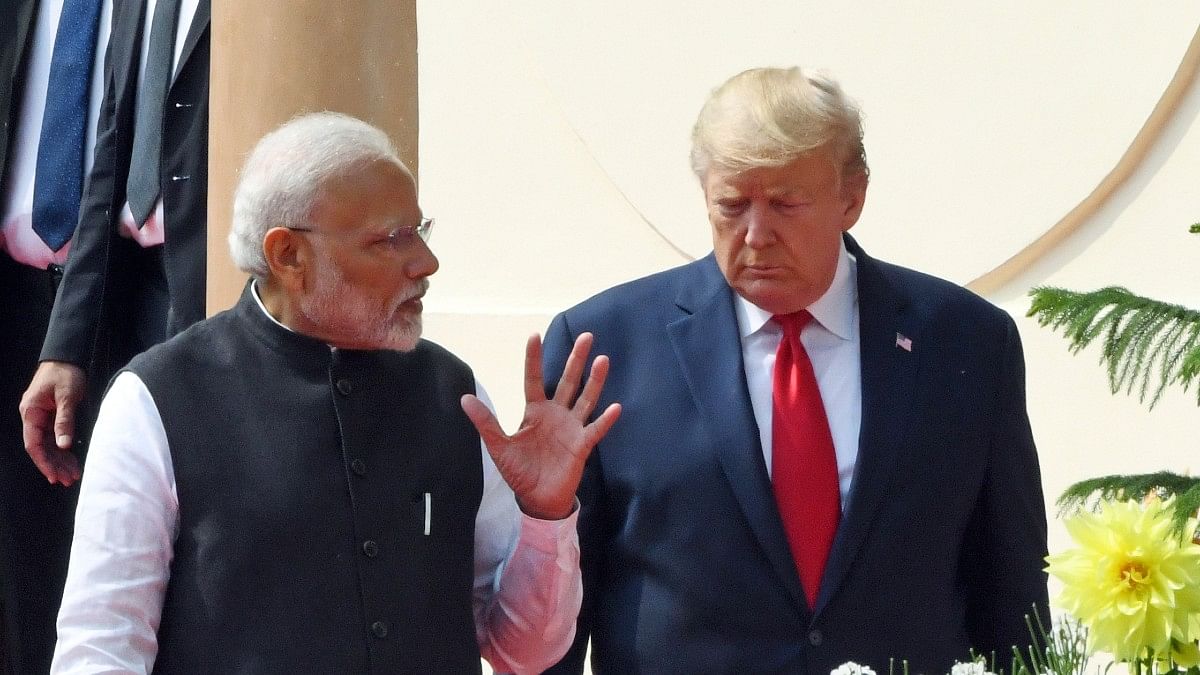
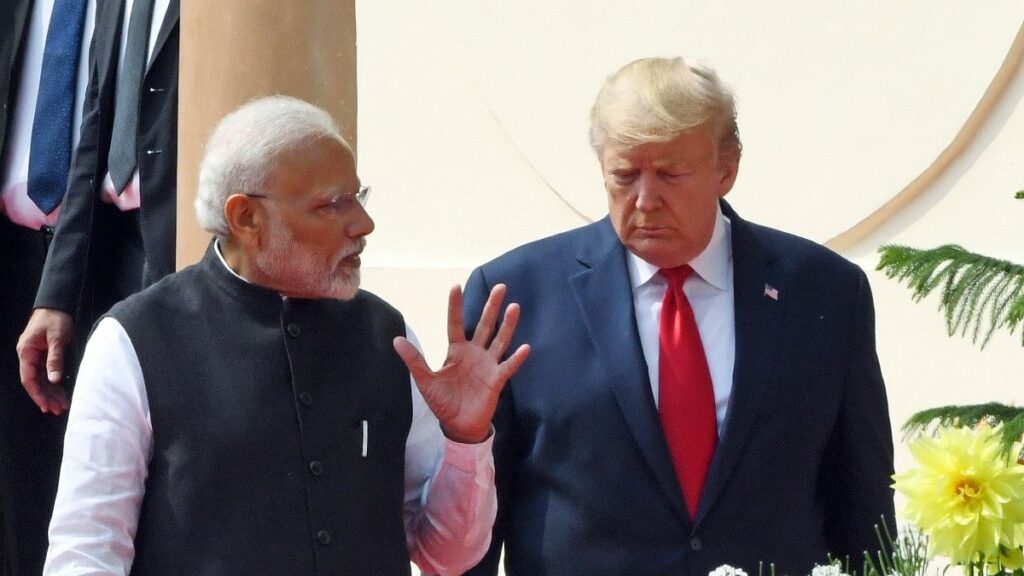
By K Raveendran U.S. Treasury Secretary Scott Bessent’s declaration that India could be the first to finalise a trade deal with the United States after President Trump embarked on his reckless trade war against the world signals a strategic point. The proposed agreement offers India an escape hatch from the looming 26 percent reciprocal tariffs […]

Dr Imran Khalid President Donald Trump’s erratic dance with tariffs continues to confound not just global markets but even his own team. On April 22, in a move that underscored the White House’s habitual policy incoherence, Trump declared that the “very high” tariffs on Chinese goods would soon be “substantially reduced.” This comes after days of raising them dramatically at the start of the month, then selectively exempting key electronics sectors – moves that reflect both strategic […]

The Open Network has announced that its Toncoin Bridge, facilitating transfers between the TON blockchain and Ethereum and BNB Smart Chain , will be permanently shut down on May 10, 2025. Post this date, users will no longer be able to bridge Toncoin from TON to these networks. However, assets already bridged will remain claimable. Bridging into TON will still be available temporarily, with a separate end date to be announced.

The Toncoin Bridge has been a pivotal component in TON’s cross-chain interoperability, enabling users to transfer assets between the TON blockchain and Ethereum and BSC. Its discontinuation marks a significant shift in TON’s approach to cross-chain interactions.

In anticipation of the bridge’s shutdown, TON has been promoting alternative bridging solutions. These include platforms like Rhino.fi, Symbiosis, Layerswap, Rubic, Meson.fi, and Retro Bridge, which offer support for a wide range of networks beyond Ethereum and BSC. These alternatives aim to provide users with continued access to cross-chain functionalities, albeit through different channels.

The decision to discontinue the Toncoin Bridge comes amid broader strategic changes within the TON ecosystem. The TON Foundation recently appointed Maximilian Crown, co-founder of MoonPay, as its new CEO. This leadership change follows a $400 million investment from global venture capital firms, signaling a renewed focus on scaling blockchain adoption and integrating with Telegram’s extensive user base.

Market reactions to these developments have been measured. As of April 25, 2025, Toncoin is trading at approximately $3.25, with a market capitalization of around $8.15 billion. While this reflects a decline from its all-time high of $8.27 in 2024, the cryptocurrency has shown resilience amid the evolving landscape. Price Prediction 2025 – 2030 – 99Bitcoins)

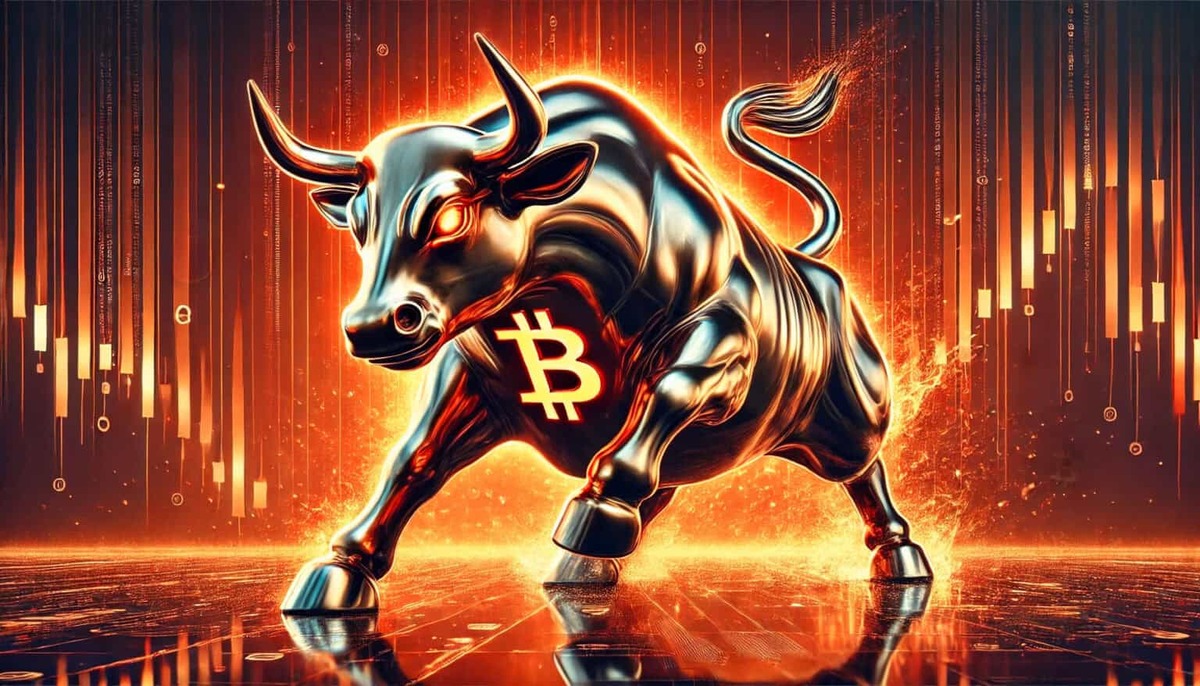
ARK Invest, a leading investment management firm, has updated its bullish price forecast for Bitcoin, now projecting that the cryptocurrency could reach up to $2.4 million by 2030 in a highly optimistic scenario. This marks a significant revision of their previous estimate, reflecting growing confidence in Bitcoin’s long-term potential amid shifting global financial landscapes and evolving market dynamics.

Bitcoin’s price has been hovering around $94,000, a notable position that has sparked renewed investor interest and optimism regarding the cryptocurrency’s future. Despite this, there are signs of a strong sentiment shift among holders, as evidenced by a decline in Bitcoin exchange balances. The reduction in available Bitcoin on exchanges is generally seen as a positive indicator for the asset’s value, suggesting that more investors are choosing to hold their assets in anticipation of future growth.

The recalibration of ARK Invest’s Bitcoin target follows a broader trend of institutional interest in digital assets, with firms increasingly viewing cryptocurrencies not just as speculative assets, but as a legitimate store of value. ARK’s forecast is built on the assumption that the financial system will continue to evolve in a way that supports decentralised finance, with Bitcoin playing a central role in this transformation.

The investment firm’s analysis underscores a vision where Bitcoin is not only a hedge against inflation but also a pivotal component of a digital financial infrastructure that could reshape global markets. The projection is part of ARK Invest’s broader investment thesis that views cryptocurrencies, particularly Bitcoin, as an increasingly integral part of the global economy.

A key factor influencing ARK’s bullish view is the growing trend of institutional adoption, where large-scale investors such as corporations and hedge funds have begun to allocate significant portions of their portfolios to Bitcoin. The institutional narrative around Bitcoin is evolving, with many seeing it as a store of value comparable to gold, particularly in times of economic uncertainty. The investment firm has also pointed out that Bitcoin’s deflationary characteristics, driven by its capped supply, enhance its appeal in an environment where traditional fiat currencies are under pressure from inflationary forces.

Bitcoin’s increasing scarcity is also a central argument in ARK’s optimistic projection. With a fixed supply of 21 million coins, Bitcoin’s scarcity model stands in stark contrast to fiat currencies, which can be printed at will by central banks. As the available supply of Bitcoin continues to decrease due to the halving events, in which the reward for mining new blocks is cut in half, demand for the cryptocurrency is expected to outstrip supply, driving its price upwards. This model has historically led to bull runs, with each halving event triggering price increases in the years that follow.

Bitcoin’s growing network effect is strengthening its role in the global financial system. The increasing number of users, merchants accepting Bitcoin as payment, and the rise of Bitcoin-based financial products, such as futures and exchange-traded funds , all signal that Bitcoin is gaining more mainstream acceptance. As more people and institutions embrace Bitcoin, the more entrenched it becomes in the global economic fabric, creating a reinforcing cycle of adoption and value appreciation.

The reduction in Bitcoin exchange balances indicates a shift in investor behaviour. Investors are increasingly inclined to hold onto their Bitcoin rather than trade it, which is traditionally seen as a bullish indicator. When Bitcoin is held in wallets, it is less likely to be sold in response to short-term price fluctuations, signalling long-term conviction. The lower volume of Bitcoin on exchanges further suggests that the current market is largely driven by strong holders, indicating less volatility and more stability in the asset’s price.

Despite these promising trends, Bitcoin remains a volatile and risky asset, with unpredictable market swings and regulatory uncertainties continuing to pose challenges. Governments around the world have yet to fully regulate the cryptocurrency market, and while some countries have embraced Bitcoin as a legal tender, others have imposed strict restrictions on its use. The future trajectory of Bitcoin will largely depend on how regulators approach digital currencies, particularly regarding concerns over their potential for money laundering, tax evasion, and financial instability.

A sharp decline in container traffic from China to the United States has emerged, as the latest round of tariffs imposed by the Trump administration triggers significant shifts in global trade flows. Shipping data and industry reports indicate a substantial drop in U.S. imports from China, with container bookings falling by approximately one-third since early April, according to Hapag-Lloyd, the world’s fifth-largest container-ship operator. The downturn follows […]

Advertisements

Investing isn’t what it used to be, and that’s a good thing. Gone are the days when access to high-value assets, such as real estate, fine art, or company shares, was reserved for the wealthy few. Tokenization is a groundbreaking concept that’s opening doors for a much wider pool of investors. At its core, tokenization means converting rights to an asset into digital tokens stored securely on […]

The SPDR Gold Shares ETF , the world’s largest gold-backed exchange-traded fund, experienced a significant outflow of $1.3 billion on April 22, 2025—the largest single-day withdrawal since 2011. This substantial movement reflects a notable shift in investor sentiment, as market participants reallocate assets in response to evolving economic indicators and geopolitical developments. Sees Largest Weekly Outflow Since 2022 on Trump Win – Bloomberg)

The outflow coincided with a decline in gold prices, which fell nearly 2% to $3,318.71 per ounce. This drop followed U.S. President Donald Trump’s decision to retract his threat to dismiss Federal Reserve Chair Jerome Powell and his expression of optimism regarding a potential trade agreement with China. These developments reduced the perceived need for safe-haven assets like gold, prompting investors to reassess their portfolios.

Simultaneously, the U.S. dollar and stock markets rebounded, further diminishing gold’s appeal. Analysts, including OANDA’s Kelvin Wong, cited these factors as triggers for the selloff, though he noted that potential upside movement in gold remains. Despite this short-term dip, gold had previously surged to a record high of $3,500 per ounce, and JP Morgan anticipates it could exceed $4,000 next year.

The broader context includes a significant surge in gold prices earlier in April, driven by investor concerns over the weakening U.S. dollar and President Trump’s economic policies. Gold reached a new peak of over $3,500 per ounce before settling at $3,426, marking a nearly 30% increase since Trump’s return to office. Analysts at JPMorgan predict gold could hit $4,000 by mid-2026, fueled by purchases from central banks and retail investors.

However, the easing of trade tensions and positive developments in U.S.-China relations have led to a reassessment of risk, with investors moving away from traditional safe havens. European gold funds, for instance, experienced significant inflows earlier in April, with approximately €1 billion poured into gold exchange-traded commodities during the week ending April 18, 2025. This marked the highest level of inflows since mid-January, reflecting rising investor demand for safe-haven assets amid escalating market volatility sparked by U.S. trade tariffs.

Despite these inflows, the subsequent outflows from GLD indicate a shift in investor strategy. The Bank of America’s April 2025 Fund Manager Survey revealed that institutional investors are adjusting their portfolios in response to global economic fears driven by U.S. tariff policies and escalating concerns of a recession. The survey indicated that investor expectations for economic growth have dropped to 30-year lows, with 82% predicting a weaker global economy this year. In response, money managers are moving away from high-risk sectors like technology and U.S. equities, instead turning to safer investments.

Gold has emerged as the top asset, with 42% of fund managers favoring it—up from 23% in March—due to its reputation as a safe haven in volatile markets and hedge against inflation. This surge in interest is mirrored by the SPDR Gold Shares ETF surpassing $100 billion in assets under management and gold prices hitting record highs above $3,300 an ounce.

Walmart China has introduced a programme aimed at assisting Chinese exporters in enhancing their domestic sales, aligning with Beijing’s efforts to mitigate the impact of escalating US tariffs. The initiative seeks to integrate these exporters into Walmart’s supply chain, simplifying the approval process and facilitating easier access to the domestic market. This move comes as Chinese exporters face challenges due to a 145% tariff hike from the US, prompting the Chinese government to encourage local businesses to pivot towards domestic sales.

Despite government encouragement, many Chinese exporters remain hesitant to redirect their goods to the domestic market. Factory owners cite lower profits, weak demand, aggressive price competition, delayed payments, and high return rates as significant deterrents. Efforts by China’s commerce ministry, including organizing local matchmaking events and issuing support through firms like JD.com and Meituan, have been met with skepticism by small and medium-sized enterprises. These businesses argue that the proposed support falls short of addressing structural challenges, emphasizing the need for fiscal stimulus, rising consumer incomes, and stronger social safety nets to boost domestic consumption.

Walmart’s initiative also includes expanding its e-commerce platform, Walmart Marketplace, within China. The company has established offices in 11 cities nationwide, including Shenzhen, Shanghai, and Hangzhou, offering support in product selection, operational guidance, and both online and offline training to help international sellers grow their businesses on the platform. Additionally, Walmart unveiled its 2025 new seller incentive programme, offering up to $75,000 in incentives, with benefits such as preferential logistics services.

However, Walmart’s efforts to mitigate the impact of US tariffs have not been without controversy. The company has faced pushback from Chinese suppliers after requesting significant price reductions to offset the cost of tariffs. Some suppliers, including producers of kitchenware and clothing, have been asked to lower their prices by as much as 10% per round of tariffs, essentially shouldering the full cost of the duties. This approach has led to tensions with Chinese authorities, who have summoned Walmart executives for discussions. State broadcaster CCTV’s official social media account criticized Walmart’s demands, stating that they “may violate commercial contracts” and warning that “the consequences for the company will go beyond just a discussion” if it continues to press for discounts.

  Dubai has become a premier destination for real estate investment, drawing attention from around the world due to its favorable regulatory environment, economic stability, and strategic location. The emirate’s real estate sector has consistently attracted international investors, and the regulatory changes implemented over the past few years have only strengthened its appeal. In this article, Elkhan Salikhov, CEO and co-founder of Elite Merit Real Estate LLC […]

President Donald Trump is set to host an exclusive dinner on May 22 at the Trump National Golf Club in Washington, D.C., inviting the top 220 holders of his $TRUMP memecoin. This announcement has led to a significant surge in the coin’s value, with prices climbing over 60% to reach $16.17, marking its highest level since early March.

The event, organized by Fight Fight Fight LLC, stipulates that eligibility is determined by average holdings between April 23 and May 12. Attendees must pass a background check and cannot be from countries on Know Your Customer watchlists. The top 25 holders will receive additional perks, including a VIP reception and a special tour with the president. However, the event terms note that Trump may not attend, in which case winners would receive a limited edition Trump NFT instead.

Launched on January 17, 2025, just days before Trump’s inauguration, the $TRUMP coin is hosted on the Solana blockchain. Initially, 200 million tokens were released, with plans to expand the total supply to 1 billion over three years. Approximately 80% of the tokens are held by CIC Digital LLC and Fight Fight Fight LLC, entities linked to the Trump Organization. The coin’s market capitalization has reached approximately $2.6 billion, ranking it as the 37th-largest cryptocurrency.

Tensions between OPEC+ members are escalating, with Kazakhstan’s defiance in adhering to production quotas leading to renewed volatility in the global oil market. This clash, stemming from the group’s efforts to enforce stricter production controls, has driven a fresh downturn in crude oil prices. Kazakhstan’s resistance to cuts is threatening to ignite a price war, undermining the coalition’s broader strategy of stabilising global oil prices. Since early […]

S&P Global has downgraded Bahrain’s economic outlook from “stable” to “negative,” citing growing concerns over the country’s financial stability. The global ratings agency’s decision reflects a combination of market volatility, higher social spending, and an increasingly strained fiscal environment. The shift in outlook suggests that Bahrain faces heightened risks that could further destabilise its economic trajectory. The decision comes at a time when Bahrain is grappling with […]

Several listed insurance companies in the UAE may require regulatory intervention after falling short of solvency requirements, raising concerns about the stability of the insurance sector. This situation, which has come under scrutiny from financial analysts, may signal broader issues that could affect market confidence and the regulatory framework governing the sector.

S&P’s Director of Financial Services and Insurance Ratings, Emir Mujkic, has highlighted the issue, emphasizing that the lack of adequate solvency buffers in some of the 21 publicly listed insurers could undermine the overall market stability. According to Mujkic, these insurers are under pressure as they struggle to restore their financial health within the timeframes mandated by regulations. He further suggested that intervention from regulatory authorities might be necessary to safeguard both the insurers and their customers.

The UAE insurance sector comprises 21 listed companies, split between the Dubai Financial Market and the Abu Dhabi Securities Exchange . Of these, 10 are listed on the DFM, while 11 are traded on the ADX. Despite the sector’s overall growth and its significant role in the economy, the solvency challenges faced by these firms could present substantial risks, particularly for those whose financial positions do not meet the required thresholds.

Solvency is a critical factor for insurance companies, as it determines their ability to meet long-term obligations to policyholders. Regulators set solvency requirements to ensure that insurers have sufficient financial buffers to withstand periods of financial stress. When these buffers fall below the prescribed levels, the insurer’s ability to pay claims or meet other liabilities could be compromised, putting the wider financial system at risk.

Mujkic’s remarks come amid a series of reports suggesting that some insurers are struggling with profitability and capital adequacy. Factors such as fluctuating investment returns, high operating costs, and increased claims have contributed to these companies’ solvency concerns. Some firms have been unable to maintain the levels of reserves that are essential to meet future obligations, putting them at risk of regulatory action if their financial positions do not improve.

The regulatory framework in the UAE, while robust, has faced growing pressure to keep pace with the rapidly evolving market dynamics. As the market for insurance continues to expand, both locally and regionally, the authorities may be called upon to tighten oversight and enforce stricter solvency requirements to protect consumers and maintain confidence in the system.

In response to these challenges, the UAE’s Insurance Authority has already taken steps to monitor the financial health of insurers more closely. However, with concerns over the solvency of a number of market participants, there may be a need for more proactive interventions. Industry experts are watching closely to see whether regulatory bodies will act to enforce stricter solvency regulations or offer support to struggling firms to help them restore their financial health.

The implications of this issue extend beyond just the companies directly involved. The solvency crisis within the UAE insurance sector could have far-reaching effects on the broader financial markets, investor confidence, and the country’s reputation as a regional financial hub. Insurers play a vital role in the UAE’s economy, providing a wide range of services to both individuals and businesses. A failure to address solvency problems promptly could lead to wider economic repercussions, including a potential loss of investor trust and the erosion of consumer confidence in insurance products.

The UAE’s financial market is known for its openness to international investors, and the performance of listed companies, including those in the insurance sector, is closely monitored by foreign and domestic investors alike. If solvency issues persist or worsen, the regulatory authorities may face increasing pressure to introduce measures that reassure investors and stakeholders in the market.

One of the key challenges for insurers in the UAE is the evolving risk environment. Factors such as climate change, shifting regulatory landscapes, and the ongoing impact of global economic uncertainties have all contributed to the increasing complexity of risk management. Insurers are finding it more difficult to accurately assess and price risk, which in turn has placed additional strain on their financial stability. This has made it harder for companies to maintain the required solvency margins while also ensuring that they remain competitive in the market.

The regulatory authorities will need to balance the need for stricter solvency requirements with the goal of fostering a competitive and attractive environment for insurers. While regulatory intervention may be necessary in some cases, the authorities must ensure that any actions taken do not stifle innovation or create an overly burdensome regulatory environment. Maintaining a delicate balance will be key to ensuring the long-term stability and growth of the UAE’s insurance sector.

Industry insiders have noted that the UAE insurance market is still in a period of transition, with some companies still adapting to new market conditions and regulatory expectations. While many firms have been able to weather financial challenges, others may find it increasingly difficult to compete as the regulatory environment tightens and market pressures intensify.


Solana has surged past the $150 mark, marking a significant milestone in its upward trajectory. This rally reflects a broader bullish sentiment in the cryptocurrency market, with Solana’s price climbing over 8% in a single day to reach $150.99. The ascent was underpinned by a robust support base near $139.67, with price action forming consistent higher highs and lows—a classic bullish indicator.

The momentum is further bolstered by a notable increase in trading volume, suggesting heightened investor interest. Technical indicators reinforce this positive outlook; the 26-day Exponential Moving Average has risen above the 50-day EMA, a crossover that often precedes strong upward trends when supported by solid price action.

Analysts are now eyeing the $180–$190 range as the next potential target, anticipating an 89% rally if SOL successfully maintains its position above the current resistance levels. However, caution is advised as the market remains volatile, and any significant downturn could challenge the sustainability of this rally.

The recent price movement also obliterated a $1 million sell wall, indicating strong buying pressure and a shift in market dynamics. This development suggests that investors are increasingly confident in Solana’s prospects, further fueling the bullish momentum.

Despite the positive indicators, some experts warn of potential pullbacks. The Relative Strength Index is approaching overbought territory, which could signal a short-term correction. Additionally, resistance levels at $148 and $152 remain critical thresholds that SOL must decisively breach to sustain its upward trajectory.

On-chain activity has also seen a significant uptick, with active addresses on the Solana network rising from 2.97 million to 4.01 million in April. This increase in user engagement may contribute to the growing demand for SOL, potentially supporting further price appreciation.

Institutional interest appears to be playing a role in Solana’s recent performance. Large-scale purchases and whale accumulation have been observed, suggesting that major players are positioning themselves for potential long-term gains. This trend could provide additional stability and support for SOL’s price in the coming weeks.

Deep research, once the domain of academics, analysts, and professionals poring over databases and archives, is rapidly being transformed by artificial intelligence. Tools like Liner, ChatGPT, and Perplexity have redefined what it means to explore a subject in depth. These platforms promise not only to automate research but to enhance it—consolidating data, extracting patterns, and offering structured, referenced summaries that would normally take hours or days to […]

By Nitya Chakraborty Chinese President Xi Jinping has won the first round in the protracted battle against Donald Trump over his declaration of tariff war against China. After waiting for long three weeks for a personal call from XI Jinping offering talks to discuss the proposed tariff hikes, Trump partially retreated on Tuesday when he […]

The Crypto Fear & Greed Index has surged 25 points to 72, marking a significant shift in market sentiment and re-entering the “Greed” zone—a level last observed on February 4, 2025.

This sharp rise from a neutral reading of 47 the previous day and a “Fear” level of 29 a week prior underscores a notable change in investor outlook. The index, ranging from 0 to 100 , is a widely used barometer for gauging emotions driving the cryptocurrency market.

Several factors contribute to this uptick in optimism. Bitcoin’s price stability, particularly its ability to maintain key support levels, has bolstered confidence among traders. Additionally, the sustained inflows into Bitcoin exchange-traded funds suggest growing institutional interest, further reinforcing bullish sentiment.

Altcoins have also played a role in this sentiment shift. Increased investor interest in Ethereum and Solana, along with heightened activity in decentralized finance and AI-powered tokens, indicates a broader enthusiasm beyond Bitcoin.

Macroeconomic elements are influencing this trend as well. Expectations surrounding Federal Reserve rate decisions have impacted risk asset investments, with traditional markets showing signs of recovery. This broader economic context has added to the confidence in the crypto sector.

The Fear & Greed Index’s methodology involves analyzing various market indicators: volatility and market momentum each account for 25% of the index, while social media sentiment and surveys contribute 15% each. Bitcoin’s market dominance and Google search trends make up the remaining 20%. The current readings across these components collectively point toward increased bullish sentiment.

WASHINGTON, DC and ULAANBAATAR, MONGOLIA – Media OutReach Newswire – 23 April 2025 – Delphos, a premier advisor in private emerging markets, proudly announces its role as the exclusive financial advisor for LendMN’s landmark $20 million USD debt financing. This strategic financial move marks the first significant milestone for a Mongolian fintech company, positioning LendMN and Mongolia on the international stage for fintech innovation and investment. Delphos […]

Matein Khalid Gold’s spectacular bull market since its mid-2022 bottom at 1600, amid the most brutal monetary tightening by the Fed since the Volcker era under JayPo (now branded as a “loco” and a “major loser” by President Trump) has climbed seminal macro walls of worry. A surge in the US Dollar Index to 110 in Jan’25 did not kill gold’s bull run nor did tough love […]

Dubai’s luxury property market has seen an impressive surge in sales, with 111 homes valued at over $10 million changing hands during the first quarter of 2025. This marks the highest number of sales for the first quarter on record, signalling a robust demand from ultra-wealthy individuals seeking to invest in the emirate’s prime real estate. The sales activity represents a 5.7 per cent increase compared to […]

Global markets have been jolted by the ongoing trade dispute between the United States and China, with far-reaching consequences on global economies. Amid this financial instability, India stands out as one of the countries managing the storm with resilience, both politically and economically. While several nations have seen their stock markets fluctuate and their economies face setbacks, India’s performance remains relatively stable, prompting analysts to look closer […]

The International Monetary Fund has sharply downgraded its global economic outlook for 2025, attributing the slowdown to U.S. President Donald Trump’s expansive tariff regime and the resulting policy uncertainty. In its latest World Economic Outlook, the IMF projects global growth at 2.8% for 2025, down from 3.3% forecasted in January, marking the slowest pace since 2020 and the second weakest since the 2009 financial crisis. The U.S. […]

VISHNU RAJA
RYO YAMADA
HITORI GOTOH
IKUYO KITA
Just in:
Uforce reaches $6 billion valuation with British backing // December Is the Last Window for $800,000 U.S. Residency Investment // Ration dealers seek GPS aided grain deliveries // L’OCCITANE Celebrates 50 Years Of Provençal Craftsmanship With Holiday 2026 Collection // From Dubai to the EU: how UAE-based crypto firms can expand under MiCA // MG Motor presents four electrified vehicles at Dubai exhibition // High Court orders scrutiny of Thachankary hospitalisation // Ajman University MBA climbs to joint 13th regionally // Wizz Air half-year earnings sink as fuel costs surge // Microsoft outage leaves Outlook and Teams users disconnected // EBANX and Eneba strengthen partnership in Latin America with 138% YoY growth in payment volume // LANDMARK Presents ‘Destination CENTRAL’: A District-Wide Celebration Inviting Global Travellers to Explore the Dynamism, Luxury, and Soul of Central // Ladakh Ban On Protests Ahead Of Election Is Uniquely Contentious // ONYX Hospitality Group Unveils Plans for Amari Samui Resort and Villas, Elevating Its Premium Resort Offering on Koh Samui // Yicura BioMed Advances Dual Capital and Industrial Strategy: Completes First Closing of Series B Financing Led by Gobi Partners // How A Newly Elected Democratic Congress Could Reshape US–India Relations? // Electric and hybrid interest rises at Sharjah car market // UAE crews sustain coastal oil removal as beaches reopen // Fujairah highway pile-up leaves 14 dead and 30 injured // DP World transports million containers through UAE corridors //