Just in:
Alibaba shares slip despite 53% cloud revenue growth // Dar Global unveils $700m Trump development in Qatar // Jaiedco and Golden Bridge Announce Strategic Collaboration for a New Dubai Islands Development // Russia permits retail cryptocurrency purchases under regulated framework // Crypto market loses $150 billion amid broad sell-off // Phancy Announces Business Performance for the Nine Months Ended September 30, 2026 // Balagopal challenges CM over tax revenue // Padmini follows Padmaja for ‘ghar vapsi’ // Promoting Common Human Development Through Exchanges and Mutual Learning Among Civilizations // Sabarimala booking discrepancies prompt sabotage angle probe // Dalilk Academy reaches 27 million, targets 100 million by 2030 // Malappuram hartal over Western Ghats // Antony’s wife called to police station with husband over complaint // LittleLives, Little Lab and SEGi College Sign MOU to Explore Early Childhood Education Collaboration Across ASEAN // PicCollage extends photo editing platform to web browsers // Yeebo Announces Interim Results for FY26/27 Revenue Increases by 45.5% to HK$806.7 Million Profit Attributable to Owners Surges 87.6% to HK$2,284.7 Million // Dubai Introduces SHARH, an AI-Powered Platform Helping Entrepreneurs Buy, Sell and Manage Businesses in the UAE // International Business Leaders Say Xi’s Speech Boosts Confidence in Asia-Pacific Cooperation // Hackers exploit public notes to distribute NodeLinkRAT malware // 2026 Tropical Rainforest Ecosystem Partners Conference Kicks off in Hainan //

News related to
price

The market capitalization of PayPal’s PYUSD stablecoin has dropped significantly, falling by 40% from over $1 billion in August to approximately $618 million in a span of just 90 days. This substantial decline appears to be largely attributed to a reduction in the circulating supply of PYUSD on the Solana blockchain, which has been a critical platform for its trading and usage.

PYUSD, introduced by PayPal in August 2023, was designed to provide users with a reliable digital currency that could facilitate transactions and offer a means of value storage within the PayPal ecosystem. Despite its initial success, this latest decline raises concerns regarding the stablecoin’s stability and acceptance in a competitive market, particularly as other cryptocurrencies and stablecoins vie for market share.

One of the main factors behind the market cap decline is the reduced circulating supply on Solana. As a blockchain that supports rapid transactions and lower fees, Solana has been integral to PYUSD’s utility. However, the supply reduction indicates a shrinking user base or decreased demand for the stablecoin within this ecosystem. Market analysts suggest that a diminished supply can lead to reduced confidence in a stablecoin’s ability to maintain its value, potentially triggering a sell-off by investors.

The broader cryptocurrency market has experienced volatility, influencing investor sentiment and trading behavior. PYUSD’s market cap reduction is reflective of the challenges faced by many digital currencies in maintaining stable values amid fluctuating demand. Competing stablecoins, particularly Tether (USDT) and USD Coin (USDC), continue to dominate the market with larger market capitalizations and established user bases. These competitors have managed to sustain trust among investors, unlike PYUSD, which is now seen as struggling to find its footing in the rapidly evolving cryptocurrency landscape.

Despite these challenges, PayPal remains committed to its digital currency initiatives. The company has reiterated its vision of integrating cryptocurrencies into its services and enhancing user experiences with digital payments. Experts believe that PayPal’s established reputation and extensive user base provide a unique advantage, which could be leveraged to revitalize the PYUSD stablecoin.

The declining market cap has led to increased scrutiny from regulatory bodies as well. Governments and financial institutions worldwide are keenly observing how companies like PayPal navigate the complex regulatory landscape surrounding digital currencies. The fallout from PYUSD’s market cap reduction may prompt additional regulatory oversight, emphasizing the importance of transparency and stability in the cryptocurrency sector.

Analysts are closely monitoring user engagement with PYUSD. As digital payments continue to evolve, the preference for cryptocurrencies as a transactional tool could reshape how users interact with stablecoins like PYUSD. PayPal’s integration of PYUSD within its platform could be pivotal in reigniting interest and expanding its user base. The company’s ability to innovate and adapt to market changes will be crucial in determining the future of its stablecoin offerings.

The decline in PYUSD’s market cap also underscores broader trends within the cryptocurrency market. The stablecoin sector has faced increased competition, with various projects emerging to meet diverse consumer needs. User preferences are shifting towards stablecoins that not only provide price stability but also facilitate seamless integration within broader financial ecosystems. This trend poses a challenge for established players like PayPal, which must continuously innovate to retain relevance in the market.

The dynamics of the cryptocurrency landscape are changing rapidly, with traditional financial institutions entering the space and offering their own digital currencies. These developments are creating a more competitive environment, which may further impact the performance of PYUSD and other stablecoins.


The World Bank forecasts a 4.1% growth for the United Arab Emirates’ GDP in 2025, supported by diversification efforts and recovery in tourism and trade. This projection comes amidst ongoing economic reforms and investments in infrastructure and technology that aim to bolster the country’s long-term economic resilience. In its latest report, the World Bank emphasizes that the UAE’s economy has shown remarkable adaptability, bouncing back from the […]

Abu Dhabi National Hotels (ADNH) Catering has set the final price for its Initial Public Offering (IPO) at AED 1.18 per share. This decision comes as the company prepares to list its shares on the Abu Dhabi Securities Exchange, with trading expected to commence on October 23. The pricing reflects a market capitalization of approximately AED 1.79 billion ($487 million) and follows a successful offering process that garnered strong interest from both institutional and retail investors.

The IPO represents a significant opportunity for ADNH Catering to enhance its capital structure and expand its operations. The company plans to utilize the proceeds from the IPO to support its growth strategy, which includes diversifying its services and improving operational efficiencies. This strategic move aligns with the broader goals of the Abu Dhabi government to bolster the local economy and increase the participation of private sector entities in the market.

ADNH Catering has been a key player in the hospitality and catering sectors in the UAE, offering a range of services including catering solutions for events, institutional catering, and food services for hotels and restaurants. The company’s strong market position is underpinned by its extensive experience and reputation for quality, making it a preferred partner for various clients in the region.

Market analysts view the IPO as a positive development for both ADNH Catering and the broader UAE market. The successful pricing indicates robust investor confidence in the company’s future prospects. The IPO follows a growing trend of public offerings in the Gulf Cooperation Council (GCC) region, which has seen increased activity in the capital markets as companies seek to capitalize on favorable economic conditions and investor appetite.

Investors’ interest in the ADNH Catering IPO has been driven by several factors, including the company’s track record of profitability and its plans for future expansion. According to reports, the IPO attracted significant attention from institutional investors, with the offering being oversubscribed multiple times. This enthusiasm reflects a broader trend of investor confidence in the UAE market, driven by various economic reforms and a commitment to diversifying the economy.

The UAE’s hospitality sector has shown resilience and adaptability in the face of global challenges, such as the COVID-19 pandemic. As travel restrictions have eased, there has been a notable resurgence in tourism, leading to increased demand for catering services. ADNH Catering aims to leverage this recovery by enhancing its service offerings and expanding its market reach both domestically and internationally.

The IPO is expected to contribute to the UAE’s goal of attracting foreign direct investment. By providing a platform for local companies to access capital, the IPO aligns with the UAE’s Vision 2030 initiative, which seeks to transform the economy by fostering innovation and increasing private sector participation. This initiative is vital for maintaining the UAE’s competitive edge in the global market.

As the date for the start of trading approaches, ADNH Catering has focused on ensuring a smooth transition to the public market. The company has engaged with stakeholders, including investors, financial advisors, and regulatory bodies, to prepare for its debut on the Abu Dhabi Securities Exchange. This proactive approach is designed to instill confidence among potential investors and promote transparency in the company’s operations.

The finalization of the IPO price marks a critical milestone for ADNH Catering, which has undergone significant transformations in recent years. The company has invested in modernizing its infrastructure and enhancing its service capabilities to meet the evolving needs of its clients. This commitment to innovation positions ADNH Catering well for future growth in a competitive market.

The success of the IPO is also likely to inspire other companies in the region to consider going public. As more firms seek to tap into the capital markets, the UAE could see a surge in IPO activity, further solidifying its status as a financial hub in the Middle East. This trend could lead to increased liquidity in the market and offer investors more opportunities to diversify their portfolios.

Analysts are closely monitoring the developments surrounding ADNH Catering’s IPO, recognizing its potential implications for the broader market. The company’s listing is expected to attract considerable attention from both domestic and international investors, adding to the vibrancy of the Abu Dhabi Securities Exchange. The interest generated by the offering underscores the confidence investors have in the company’s growth trajectory and the overall health of the UAE economy.

BYD, the Chinese electric vehicle (EV) manufacturer, is making significant strides in the global automotive market, solidifying its position as a leader in producing affordable electric cars. Recent reports indicate that the company’s strategy is not just about increasing production capacity but also focuses on innovative technologies and cost-cutting measures that make electric vehicles more accessible to a broader audience.

The global electric vehicle market has been experiencing remarkable growth, driven by rising consumer demand and regulatory pressures to reduce carbon emissions. In this evolving landscape, BYD’s production capabilities and technological advancements are enabling it to offer vehicles that cater to various segments of the market. The company’s recent launch of the BYD Dolphin, a compact electric hatchback priced competitively, showcases its commitment to making EVs attainable for everyday consumers. This model is particularly noteworthy for its range of features at an entry-level price point, setting a precedent in the budget EV segment.

One of the critical factors contributing to BYD’s success is its vertically integrated supply chain. By manufacturing essential components, such as batteries and electric motors in-house, BYD has managed to reduce costs significantly. This approach allows the company to maintain control over quality and supply, which is increasingly crucial as global supply chain disruptions have affected many automakers. Furthermore, BYD’s expertise in battery technology, particularly lithium iron phosphate (LFP) batteries, has enabled the company to produce more efficient and cost-effective energy storage solutions. These batteries are not only cheaper to produce but also provide enhanced safety and longevity, making them an attractive option for consumers.

Competition in the EV market is intensifying, with established automakers and new entrants alike vying for market share. Tesla, once the undisputed leader in the electric vehicle sector, faces increasing pressure from competitors such as BYD, which are rapidly closing the gap in technology and production capabilities. Tesla’s high-end models have carved out a niche market, but BYD’s focus on affordability targets a different demographic, particularly in emerging markets where price sensitivity is paramount.

BYD’s international expansion strategy is also noteworthy. The company has been increasing its footprint in Europe, Asia, and South America, adapting its offerings to meet the local demand for electric vehicles. For example, in Europe, BYD has introduced models designed specifically for urban environments, emphasizing compact sizes and efficient performance. This tailored approach has allowed BYD to capture the attention of consumers and local governments looking to transition to greener transportation options.

The company’s efforts to enter the U.S. market have garnered significant attention. While navigating the complexities of U.S. regulations and consumer preferences presents challenges, BYD has made strides in establishing partnerships and exploring opportunities for local production. Recently, the company announced plans to invest in manufacturing facilities in North America, a move aimed at mitigating tariffs and streamlining distribution. Such initiatives signal BYD’s commitment to becoming a major player in one of the world’s most lucrative automotive markets.

The push for sustainable manufacturing practices is increasingly shaping consumer preferences and regulatory frameworks. BYD has been proactive in addressing environmental concerns, aiming to position itself as a leader in sustainable mobility. The company has committed to utilizing renewable energy sources in its manufacturing processes, further enhancing its appeal to eco-conscious consumers. This commitment aligns with global trends emphasizing sustainability and corporate responsibility, influencing purchasing decisions across demographics.

The competitive landscape is also seeing new players entering the market, notably from traditional automotive manufacturers pivoting towards electrification. Companies like Volkswagen and Ford are investing heavily in EV development, attempting to leverage their established brand recognition and distribution networks to compete with companies like BYD. The influx of capital into EV development from established players adds another layer of complexity to the industry dynamics. However, BYD’s early investments in technology and production capabilities provide it with a competitive edge.

In addition to affordability, BYD’s focus on technological innovation is crucial in attracting consumers. Features such as advanced driver-assistance systems (ADAS) and smart connectivity options are becoming increasingly expected among consumers. BYD is actively investing in research and development to enhance these features in its vehicles, aiming to meet and exceed consumer expectations. The integration of technology not only improves user experience but also serves as a differentiator in a crowded marketplace.

Industry analysts predict that the competition among EV manufacturers will intensify in the coming years, with price wars becoming more common as companies strive to capture market share. BYD’s strategy to offer high-quality, affordable vehicles positions it well to navigate these challenges. As battery technology continues to advance and production costs decrease, the feasibility of producing lower-priced electric vehicles will only increase, benefiting companies like BYD that have already established a foothold in this arena.

BYD’s commitment to enhancing its vehicle lineup is evident in its strategic partnerships and collaborations. The company has been actively engaging with various technology firms to enhance its offerings further, particularly in software development and connectivity features. By integrating cutting-edge technologies, BYD is poised to not only meet the current demands of the market but also to shape future consumer preferences in the electric vehicle sector.

BANGKOK, THAILAND – Media OutReach Newswire – 16 October 2024 – Thailand’s real estate sector, estimated to be worth US 2 trillion, is on the brink of significant transformation, driven by three emerging megatrends: multigenerational living, semi-retirement, and hospitality-residence hybridization. These trends, identified by Proud Real Estate Plc, a leader in the SET-listed property market, are set to redefine the landscape in response to a shifting demographic […]

HONG KONG SAR – Media OutReach Newswire – 16 October 2024 – Response to the Policy Address 2024/25 by KK Chiu, International Director, Chief Executive, Greater China of Cushman & Wakefield: Farewell to subdivided units and optimize the living environment We are pleased to see that the government’s taking proactive measures in housing supply and land policy to address the housing problem. The introduction of a rental […]

The World Bank has adjusted its economic growth forecasts for the Middle East and North Africa (MENA) region, citing heightened uncertainties stemming from the ongoing Gaza conflict. This revised outlook reflects the significant impact of geopolitical tensions on the economic stability of nations within the region.

In its latest report, the World Bank projected that MENA’s economy would grow by 2.4% in 2024, a decrease from its previous estimate of 3.1%. This downgrade highlights the fragile state of the region’s recovery amid escalating conflicts and rising inflation. The report emphasizes that the disruption caused by the Gaza war could have ripple effects across the region, particularly affecting trade, investment, and tourism.

Countries in the Gulf Cooperation Council (GCC) are expected to demonstrate more resilience, with projected growth rates of around 4.1%. However, the report notes that even these nations may not be immune to the broader economic downturn. With a notable dependency on global oil prices, any fluctuations could hinder growth potential. The World Bank attributes the GCC’s relative strength to high oil revenues, which are supporting government spending and infrastructure development.

The impact of the Gaza conflict is significant for several reasons. The humanitarian crisis in Gaza has raised concerns about stability in neighboring countries, which could lead to an influx of refugees and strain public services. Additionally, the ongoing conflict has prompted discussions about energy security in the region, particularly given Europe’s efforts to reduce its reliance on Russian gas.

Analysts also point to the potential for increased military spending in response to the conflict, which could divert resources from social and economic development initiatives. Such shifts in government spending could hinder long-term growth prospects for nations striving to diversify their economies away from oil dependency.

Tourism, a critical sector for many MENA economies, particularly in the Levant and North Africa, is facing headwinds as well. The Gaza conflict has raised travel advisories from various countries, impacting visitor numbers and spending. Countries such as Egypt and Jordan, which rely heavily on tourism, are expected to see a decline in revenues. The report indicates that the tourism sector’s recovery may lag behind other industries, affecting job creation and economic stability in these nations.

The region faces persistent challenges related to inflation and food security. Rising global commodity prices, exacerbated by supply chain disruptions from the Ukraine conflict, are contributing to higher living costs. Many MENA countries are grappling with food inflation, which has emerged as a significant issue for households, particularly in countries with already high poverty rates.

The report identifies key players who are likely to shape the region’s economic landscape. Saudi Arabia, with its Vision 2030 initiative, continues to drive efforts to diversify its economy and attract foreign investment. The United Arab Emirates is also making strides in positioning itself as a global business hub, focusing on technology and innovation. However, the volatility created by geopolitical tensions could impede these efforts and delay the realization of ambitious economic goals.

Lebanon, meanwhile, remains in a precarious economic situation. The ongoing political instability and the fallout from the 2020 port explosion continue to affect economic recovery efforts. Inflation has skyrocketed, and essential services have deteriorated, leading to widespread discontent among the population. International support remains critical for Lebanon as it navigates this challenging landscape.

As the World Bank’s report underscores, addressing these challenges will require coordinated efforts among MENA nations. Investment in renewable energy, improvements in infrastructure, and enhancements in governance and institutional frameworks are essential for fostering sustainable growth. The current geopolitical landscape presents both risks and opportunities for the region, highlighting the need for adaptive policies that can respond to emerging threats.

Advertisements

World Liberty Financial has launched its WLFI token sale to the public, attracting significant attention from investors. Approximately 655 million tokens were sold at a price of $0.015 each, generating around $9.825 million in sales. Despite over 100,000 individuals signing up for the whitelist, the company has encountered hurdles, with a staggering 19.345 billion tokens still remaining available for purchase.

The WLFI token sale is part of World Liberty Financial’s strategy to raise $300 million by offering 20% of its total token supply, which is valued at $1.5 billion. However, the initial response to the token sale has highlighted challenges in reaching its ambitious financial goals. The sale’s low performance relative to its target has raised questions about investor confidence and market demand for the WLFI tokens.

Technical difficulties have also plagued the token sale. Many potential investors reported intermittent downtimes on the official sale website, which hindered access during critical moments of the launch. This limited availability could have impacted the ability of interested buyers to participate in the sale, potentially affecting the total amount raised.

World Liberty Financial, linked to former President Donald Trump, aims to position itself in the burgeoning cryptocurrency market, which has been experiencing both volatility and growth. The launch of the WLFI token is seen as a pivotal moment for the company as it attempts to carve out a space in an increasingly competitive landscape.

The WLFI token is designed to facilitate various transactions within the World Liberty Financial ecosystem, which aims to provide innovative financial solutions. The token’s intended utility includes enabling faster and cheaper transactions while offering a platform for various financial services. However, the initial market reception and the remaining token supply may pose significant challenges in achieving these objectives.

Market analysts are closely monitoring the developments surrounding the WLFI token sale, noting that the cryptocurrency market is experiencing a period of adjustment. The fluctuating prices of cryptocurrencies and the ongoing regulatory scrutiny in various jurisdictions have created an environment of uncertainty for investors. Consequently, the initial uptake of the WLFI token may reflect broader market sentiments regarding new cryptocurrency offerings.

Investor sentiment is also influenced by the broader implications of former President Trump’s involvement in the cryptocurrency space. While some investors may view this connection as a potential advantage, others may harbor skepticism based on past controversies associated with Trump’s business ventures. This complex dynamic could play a significant role in shaping the token’s perceived value and overall market performance.

The launch of the WLFI token sale comes at a time when the cryptocurrency market is witnessing a surge in initial coin offerings (ICOs) and token sales. Many projects are vying for investor attention, making it essential for new entrants like World Liberty Financial to differentiate themselves effectively. The current landscape requires not only innovative technology and robust business models but also transparent communication and trust-building with potential investors.

As the WLFI token sale progresses, the company’s ability to adapt to market challenges will be critical. Addressing technical issues, improving accessibility for investors, and fostering confidence in the WLFI token’s value will be paramount. Analysts suggest that a proactive approach in engaging with the investor community and enhancing the overall user experience on the sale platform could mitigate some of the initial setbacks.

The performance of the WLFI token in the coming weeks will likely provide crucial insights into its long-term viability and the company’s potential to achieve its financial goals. Market watchers will be keen to see whether World Liberty Financial can capitalize on the initial interest in its token and translate it into sustained investor support.

Concerns over increasing precious metal exports from the United Arab Emirates to India have sparked discussions between officials from both nations. As the UAE has emerged as a crucial hub for gold trading, India’s government is seeking measures to regulate the flow of these metals, which have seen a substantial rise in volume and value. The issue gained traction following the report that India had imposed a […]

Tesla has shifted its substantial Bitcoin holdings, totaling 11,500 BTC, valued at roughly $760 million, to new, unmarked digital addresses. This significant movement has sparked speculation regarding the company’s intentions concerning its cryptocurrency assets. As the electric vehicle manufacturer is known for its dynamic approach to digital currencies, the implications of this transfer could have noteworthy impacts on market trends and investor sentiment.

The transfer was made public through blockchain analytics platforms, which indicated that the entire Bitcoin stash was moved on October 15. The sudden shift to new addresses raises questions about Tesla’s strategy regarding Bitcoin, especially after CEO Elon Musk’s past enthusiasm for cryptocurrencies. This action comes amid a backdrop of fluctuating Bitcoin prices and a market that has shown volatility due to regulatory scrutiny and macroeconomic conditions.

Musk’s relationship with Bitcoin has been well-documented, with Tesla initially investing heavily in the cryptocurrency last year. In February 2021, Tesla disclosed that it had purchased $1.5 billion worth of Bitcoin, which contributed to a surge in its value. However, following concerns about Bitcoin’s environmental impact, Musk announced in May 2021 that Tesla would stop accepting Bitcoin as payment, a decision that sent shockwaves through the cryptocurrency market.

The latest transfer has led to widespread speculation among analysts and investors. Some believe that Tesla might be repositioning itself within the cryptocurrency market, potentially indicating a future strategy that could involve selling or reinvesting its Bitcoin holdings. The company’s previous actions, including liquidating a portion of its Bitcoin assets in 2022, have created a precedent for such speculation.

Blockchain experts have highlighted the importance of understanding the new addresses to which the Bitcoin has been transferred. Without clear indications of ownership, it remains uncertain whether these addresses are still associated with Tesla or if they represent a shift in ownership. The lack of transparency surrounding these transfers is common in the cryptocurrency space, where pseudonymity is a fundamental feature. However, this characteristic can lead to uncertainty and speculation regarding the motivations behind such significant movements.

Market analysts have observed that Tesla’s transfer of Bitcoin could also be a tactical move to shield its assets from market volatility. By moving Bitcoin to new addresses, the company might be aiming to mitigate risk and enhance security. Such actions are not uncommon among large holders of cryptocurrency, especially during periods of heightened regulatory scrutiny or market fluctuations.

The timing of the transfer coincides with a broader trend of institutional interest in Bitcoin and other cryptocurrencies. Many companies are reassessing their positions in digital assets, and Tesla’s move could be indicative of a larger shift within corporate strategies concerning cryptocurrencies. The ongoing dialogue surrounding cryptocurrency regulation, especially in the United States and Europe, continues to influence corporate decisions.

Elon Musk’s comments on Twitter have historically impacted Bitcoin prices. His influence in the cryptocurrency realm is both significant and contentious. Therefore, any indications of Tesla’s plans for its Bitcoin holdings could sway market perceptions and trading patterns. Industry observers will be closely monitoring Tesla’s next steps and any public statements from Musk regarding the company’s cryptocurrency strategy.

As the cryptocurrency landscape evolves, the actions of high-profile companies like Tesla are crucial in shaping investor sentiment and market dynamics. The movement of such a large Bitcoin holding adds an additional layer of complexity to an already intricate market. Investors are left to ponder whether this transfer is a prelude to selling, a strategy to fortify assets against volatility, or a reallocation of holdings in light of regulatory developments.

The cryptocurrency market has seen an uptick in both institutional and retail investor activity as Bitcoin and other digital assets continue to garner mainstream attention. Amid this growing interest, companies are reevaluating their positions in cryptocurrencies, and Tesla’s actions will likely serve as a case study in corporate cryptocurrency strategy. The decisions made by Tesla regarding its Bitcoin holdings could influence other corporations in the sector, shaping their future engagements with digital currencies.

KUALA LUMPUR, MALAYSIA – Media OutReach Newswire – 16 October 2024 – The U.S. dollar holds significant sway over global markets, particularly for traders in India and Southeast Asia. This release highlights the critical importance of monitoring the dollar’s value and explores how its fluctuations affect currency pairs, commodity prices, and market strategies in the region. The U.S. dollar’s dominance in global trade and finance is unparalleled. […]

Bolt, a European ride-hailing platform, has made its entry into the UAE with a strategic partnership with Dubai Taxi Corporation (DTC). The move, which has already attracted attention, aims to provide ride-hailing services across Dubai, leveraging the extensive fleet and operational expertise of DTC. The partnership is expected to strengthen Dubai’s transportation infrastructure, offering commuters more ride options, and is in line with the city’s vision for […]

KUALA LUMPUR, MALAYSIA – Media OutReach Newswire – 15 October 2024 – While gold and silver often move in tandem, their relationship can sometimes be complicated. Despite sharing similar characteristics and applications, differences in underlying demand and supply dynamics can lead to occasional divergences. Octa broker discovers the nuances behind the gold-silver correlation and explores potential trading opportunities with the gold-silver ratio. The positive correlation between gold […]

By Dr. Gyan Pathak “NPPA revises the ceiling prices of eight scheduled drugs to meet the twin objectives of availability and affordability,” reads the title of the press release published on the Press Information Bureau’s website pib.gov.in. The title reverberated the sole esoteric Modi Mantra of the ritual of the price rise, that no one […]

SINGAPORE – Media OutReach Newswire – 15 October 2024 – During China’s 2024 National Day Golden Week, celebrated fashion brand GOELIA opened nine new stores in China and overseas focusing this time on Singapore, where three flagship stores were launched consecutively at Jewel Changi Airport and Orchard Road. In contrast to the general trend of closing physical stores mainly due to the economic downturn, GOELIA, strong of […]

Qatar’s banking sector is poised for a resurgence in the global debt markets as local lenders embark on refinancing efforts and seek to diversify their funding sources. Several prominent Qatari banks, including Qatar National Bank (QNB) and Commercial Bank, are taking strategic steps to enhance their liquidity positions and broaden their investor base amidst a shifting economic landscape. The move comes in the wake of increased interest […]

China’s electric vehicle (EV) market is rapidly reshaping the automotive landscape, leaving established players like Volkswagen, BMW, and Mercedes-Benz struggling to keep pace. With substantial investments and government support, Chinese manufacturers are not only producing high-quality electric vehicles but are also innovating in technology and sales strategies, challenging the dominance of their European counterparts. Leading the charge are Chinese brands such as BYD, NIO, and Xpeng, which […]

A significant shift in global oil prices has occurred, triggered by reports that Israel will not target Iranian energy facilities during its ongoing military operations. The announcement has contributed to a notable decrease in crude oil prices, with Brent crude futures falling to approximately $83.50 per barrel, a drop of nearly 5%. West Texas Intermediate (WTI) also experienced a decline, trading around $78.50 per barrel. The news of a potential de-escalation of tensions has sparked optimism among traders and analysts, prompting discussions about the implications for oil supply and regional stability.

This development follows heightened concerns about the geopolitical landscape in the Middle East, particularly since the onset of hostilities involving Israel and Hamas. Market observers had speculated that any escalation involving Iran could disrupt oil supply chains, especially given Iran’s substantial role in the global oil market. The country, a member of the Organization of the Petroleum Exporting Countries (OPEC), has consistently been a significant player in oil production, with its output averaging around 3 million barrels per day prior to the imposition of sanctions.

Analysts have noted that the decision to refrain from targeting Iranian facilities could stabilize oil prices in the short term. Such stability is crucial, as fluctuations in oil prices often reflect broader economic sentiments and can influence inflation rates worldwide. The International Energy Agency (IEA) had previously warned that any conflict in the region could lead to a supply shock, resulting in further price surges. However, the latest assurances have alleviated some of these fears, allowing for a moment of respite in oil markets.

The interplay between Israel and Iran extends beyond military engagements, encompassing significant economic implications as well. Iran’s oil exports have faced restrictions due to sanctions imposed by Western nations, limiting its ability to engage in international trade. Despite these challenges, Iran has sought to bolster its oil exports through partnerships with countries such as China, which has emerged as a primary importer of Iranian crude.

This latest news has prompted reactions from various stakeholders in the oil market. Major oil companies are closely monitoring the situation, as any potential escalation could alter their operational strategies and long-term investment plans in the region. Executives from companies like BP and Shell have expressed cautious optimism, reiterating their commitment to maintaining stable supply chains while navigating geopolitical uncertainties.

While the immediate outlook appears more favorable for oil prices, analysts caution that the situation remains fluid. The potential for conflict in the Middle East has not dissipated, and other geopolitical factors could still influence market dynamics. For instance, the ongoing conflict in Ukraine and its ramifications for global energy supply also weigh heavily on market sentiment. European countries continue to seek alternatives to Russian gas, further complicating the energy landscape and contributing to price volatility.

Market analysts are keeping a close eye on OPEC’s strategies in response to shifting demand dynamics. The organization has historically played a critical role in managing oil supply to influence prices. The group is likely to convene in the coming weeks to assess the current situation and consider adjustments to their production quotas. OPEC’s decisions are crucial for maintaining market equilibrium, especially during times of uncertainty.

In the context of these developments, there has been a renewed focus on the importance of diversifying energy sources and enhancing energy security. Nations worldwide are increasingly exploring renewable energy options as part of their long-term strategies to reduce dependence on fossil fuels. This transition has been accelerated by rising global temperatures and the urgent need to address climate change, prompting many governments to invest in sustainable energy infrastructure.

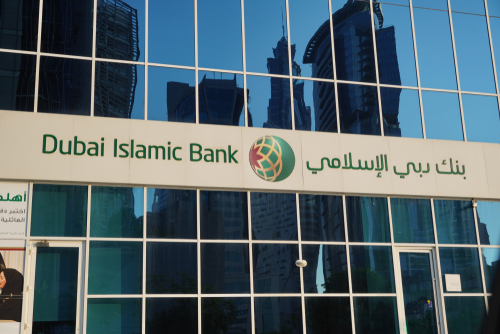
Dubai Islamic Bank (DIB) has successfully issued a $500 million Additional Tier 1 (AT1) sukuk, marking a significant milestone for the lender in the capital markets. The sukuk carries a profit rate of 5.25%, reflecting strong demand and investor confidence amid a challenging economic climate. This issuance comes as part of DIB’s strategy to bolster its capital base and enhance its financial stability.

The sukuk was priced within the bank’s existing curve, demonstrating its robust standing in the market. This issuance is particularly noteworthy given the broader context of the global financial environment, where rising interest rates have led to cautious investor sentiment. The strong demand for DIB’s sukuk highlights the bank’s solid credit profile and the appeal of Sharia-compliant financial instruments.

According to industry experts, the success of this sukuk reflects DIB’s commitment to maintaining a diversified funding base while supporting its growth strategy. The bank’s Chief Financial Officer emphasized the importance of such instruments in ensuring liquidity and financial strength. With this issuance, DIB aims to reinforce its position as a leader in Islamic banking and enhance its capital structure in alignment with regulatory requirements.

Investor appetite for AT1 sukuk has been robust, driven by the attractive profit rates compared to traditional bonds. Analysts indicate that the increasing interest in Sharia-compliant financial products among global investors has contributed to this trend. DIB’s sukuk issuance has not only attracted local investors but has also garnered significant interest from international institutions, showcasing the bank’s global reach.

Market participants have noted that the issuance comes at a time when several regional banks are exploring similar funding avenues to meet capital adequacy ratios mandated by regulators. DIB’s proactive approach in tapping into the sukuk market is seen as a strategic move to ensure compliance while capitalizing on favorable market conditions. The bank’s successful placement of the sukuk also reflects the strength of its franchise and the effectiveness of its outreach efforts to a diverse investor base.

The AT1 sukuk structure allows banks to raise capital in a manner that is compliant with Islamic law while offering investors a higher yield compared to conventional debt instruments. This structure has gained traction among financial institutions as it provides a means to enhance capital ratios without diluting existing shareholders’ equity. With the issuance, DIB has not only secured necessary capital but has also positioned itself favorably in the competitive landscape of Islamic finance.

DIB’s management expressed optimism about the future, highlighting the potential for further sukuk issuances in response to market demand. This issuance aligns with the bank’s overall growth strategy, which focuses on expanding its footprint in the Islamic finance sector while addressing the needs of its diverse customer base. The successful placement of the AT1 sukuk also underscores the importance of maintaining a strong balance sheet, especially in a period characterized by economic uncertainty.

Investor sentiment towards DIB remains positive, as evidenced by the strong subscription levels during the sukuk offering. The issuance was oversubscribed, reflecting a healthy appetite for Islamic financial instruments. This enthusiasm among investors is indicative of the broader trend within the region, where Islamic banks are increasingly recognized for their resilience and ability to navigate complex financial landscapes.

The issuance comes as the UAE continues to position itself as a global hub for Islamic finance. The government’s commitment to enhancing the Islamic financial ecosystem through regulatory frameworks and supportive policies has fostered an environment conducive to growth. DIB’s strategic initiatives align with this national agenda, reinforcing its role as a key player in promoting the Islamic finance industry.

As the global economy continues to evolve, DIB’s proactive stance in the sukuk market exemplifies its commitment to adapting to changing market dynamics. The successful issuance of the AT1 sukuk not only enhances the bank’s capital base but also reinforces its position as a preferred choice for investors seeking Sharia-compliant financial products. With a solid reputation and a strong track record, DIB is poised to continue its growth trajectory in the Islamic banking sector.

As tensions escalate between Israel and Iran, the world is watching with bated breath, and financial markets are bracing for a potential economic shock. The deployment of additional US troops and advanced anti-missile systems to Israel highlights how serious the situation has become. Recent unprecedented attacks from Iran and Israel’s potential countermeasures, particularly targeting Iran’s vital oil or nuclear facilities, could set the stage for a global […]

The cryptocurrency market has seen a surge in the meme coin sector as Bitcoin edges closer to the $65,000 mark. This bullish sentiment has reverberated through the market, driving significant interest in meme tokens. Among the key players, MOG and Cat in a Dogs World (MEW) have caught the eye of investors with their sharp price increases and growing market caps. As the meme coin market pushes toward a $53 billion valuation, the potential for these tokens to hit all-time highs has become a hot topic of debate.

Meme coins, once considered a niche within the broader cryptocurrency landscape, have matured into a formidable asset class. Dogecoin and Shiba Inu set the precedent for meme coins, creating widespread adoption and community engagement. MOG, a new entrant into this space, has already made waves with a significant 10x price increase since its launch. Similarly, MEW has capitalized on the current market momentum, drawing attention due to its unique approach and steady price growth.

MOG, which markets itself as a token for the meme-obsessed generation, has leveraged social media virality to attract new users. Its developers have implemented innovative tokenomics, including staking rewards and burning mechanisms that contribute to its deflationary supply model. This has resonated with investors looking for high-risk, high-reward opportunities in the volatile cryptocurrency sector. MOG’s sudden price surge is also driven by speculative buying, with rumors circulating about potential listings on major exchanges.

Meanwhile, MEW, a relatively new meme coin with a doge-based theme, has captured the imagination of its growing community. Built with a focus on decentralized finance (DeFi) applications, MEW offers its holders the opportunity to earn rewards through various staking programs. The project’s roadmap outlines ambitious plans for expanding its ecosystem, including collaborations with other DeFi projects and the introduction of non-fungible tokens (NFTs). With its current growth trajectory, MEW appears well-positioned to capitalize on the meme coin mania, potentially reaching new all-time highs in the coming weeks.

As Bitcoin continues to rally, the correlation between its price movements and meme coin performance has become evident. Historically, when Bitcoin experiences a significant price surge, meme coins tend to follow, driven by retail investors looking for more affordable alternatives to the blue-chip cryptocurrencies. This trend is evident in the current market as MOG and MEW show signs of breaking through their resistance levels. However, the speculative nature of meme coins also means that they are prone to sudden and dramatic price swings.

The broader meme coin market has seen several tokens enter the limelight. Coins like Shiba Shootout and Sponge V2 have also posted impressive gains, highlighting the widespread appeal of these humorous yet often lucrative digital assets. Shiba Shootout, for example, has embraced gamification by offering its holders the ability to participate in Wild West-themed battles, staking tokens to earn rewards. Sponge V2, on the other hand, has focused on play-to-earn (P2E) mechanics, allowing users to earn tokens by participating in a racing game, which has helped boost its popularity.

As the market continues to evolve, meme coins are no longer just jokes or speculative assets; they are becoming integral parts of the broader cryptocurrency ecosystem. The increasing integration of DeFi, NFTs, and play-to-earn mechanics into meme coins has given them additional utility beyond mere speculation. For example, MOG’s ability to offer staking rewards through a decentralized platform has made it more appealing to long-term investors, rather than just day traders. MEW’s upcoming NFT marketplace launch could also drive further adoption as NFTs remain a hot trend in the crypto space.

While the future of meme coins is uncertain, their impact on the market cannot be ignored. The question now is whether MOG and MEW, alongside other trending tokens, can sustain their growth and reach new all-time highs. Analysts are divided on this issue, with some pointing to the inherent volatility of meme coins as a red flag. However, others believe that the combination of community engagement, innovative use cases, and market conditions could propel these tokens to unprecedented levels.

The cryptocurrency market opened the week on a buoyant note, with Bitcoin soaring above $64,000, reflecting a robust demand from investors. This bullish sentiment extends beyond Bitcoin, with several major cryptocurrencies experiencing notable gains. In particular, memecoins captured significant attention over the weekend, driving trading volumes and investor interest.

Bitcoin’s recent ascent is attributed to various factors, including a wave of institutional investments and ongoing enthusiasm around cryptocurrency adoption. Many analysts highlight the role of exchange-traded funds (ETFs) in boosting market confidence, as institutional players increasingly seek exposure to digital assets. Bitcoin’s price spike comes amid a broader narrative of technological advancements within the blockchain ecosystem, which continues to capture the imagination of retail and institutional investors alike.

Ethereum, the second-largest cryptocurrency by market capitalization, also benefited from Bitcoin’s rally, rising over 5% in value. The upward momentum is attributed to several developments, including the upcoming Ethereum upgrade, which aims to improve network scalability and reduce gas fees. As Ethereum transitions to a proof-of-stake model, many analysts anticipate further institutional interest, given the platform’s essential role in decentralized finance (DeFi) and non-fungible tokens (NFTs).

Meanwhile, the excitement surrounding memecoins—typically inspired by internet memes and social media trends—has significantly influenced market dynamics. Tokens like Dogecoin and Shiba Inu witnessed substantial trading volumes as retail investors flocked to these assets, drawn by their perceived potential for high returns. Social media platforms played a pivotal role in amplifying this trend, with influencers and dedicated communities rallying support for these tokens. The continued engagement of these communities indicates a shift in trading patterns, where retail sentiment increasingly shapes market movements.

China’s latest stimulus announcements, while generating initial optimism, fell short of expectations, impacting broader market sentiments. The country’s efforts to stabilize its economy amid challenges posed by global supply chain disruptions and regulatory crackdowns have elicited mixed reactions from traders. Despite the lackluster stimulus measures, market participants remain hopeful, buoyed by Bitcoin’s upward trajectory and the resilience demonstrated by major cryptocurrencies.

Investors are closely monitoring regulatory developments in various jurisdictions as they navigate the evolving landscape of digital assets. The introduction of clearer regulations in regions such as Europe and the United States has fostered a more secure environment for institutional investments. However, uncertainty remains, particularly in regions where regulatory frameworks are still taking shape.

The recent performance of cryptocurrencies is also influenced by macroeconomic factors, including inflation concerns and shifts in monetary policy. Central banks’ responses to inflationary pressures may significantly impact investor sentiment, with many viewing cryptocurrencies as a hedge against traditional market volatility. As Bitcoin approaches all-time highs, discussions around its role as a digital store of value continue to gain traction among institutional investors.

Emerging trends within the cryptocurrency space, such as the growing popularity of decentralized finance applications, are further contributing to Bitcoin’s appeal. DeFi platforms have gained substantial traction, offering innovative financial services outside traditional banking systems. This trend aligns with a broader movement towards financial inclusivity, where individuals seek alternatives to conventional finance.

As Bitcoin maintains its upward momentum, analysts are keenly observing key price levels that may serve as psychological barriers. The $70,000 mark has become a focal point, with investors speculating on whether Bitcoin can sustain its rally and surpass this threshold. Historical price action suggests that breaking through significant resistance levels often leads to further price discovery, a phenomenon that many traders are keen to capitalize on.

Market sentiment remains a crucial driver of cryptocurrency prices, with investor behavior often influenced by social media trends and news cycles. The ability of key influencers to sway market dynamics underscores the importance of community engagement within the cryptocurrency ecosystem. This trend has been particularly evident with memecoins, where social media platforms act as catalysts for rapid price fluctuations.

The interplay between technological advancements and regulatory developments will continue to shape the cryptocurrency landscape as investors seek to navigate the complexities of digital assets. Institutions are increasingly recognizing the importance of blockchain technology, leading to heightened investment in research and development. This recognition of the underlying technology’s potential may spur further innovation and drive the next wave of adoption across various industries.

Tamkeen, a prominent investment firm based in Bahrain, has set the price range for its upcoming initial public offering (IPO), aiming to raise as much as $106 million. The IPO is a significant step for the company, which plans to list on the Bahrain Bourse. The announced price range is set between 0.60 and 0.70 Bahraini Dinars per share, providing an attractive entry point for both retail […]

Dubai, a thriving metropolis renowned for its opulence and multicultural environment, is experiencing a surge in its expatriate population that is exerting pressure on the city’s infrastructure. The latest figures indicate that approximately 88% of Dubai’s population comprises expatriates, with many flocking to the emirate for employment opportunities and an enviable lifestyle. As this trend continues, authorities are faced with significant challenges in managing the growing demand […]

VISHNU RAJA
RYO YAMADA
HITORI GOTOH
IKUYO KITA
Just in:
LittleLives, Little Lab and SEGi College Sign MOU to Explore Early Childhood Education Collaboration Across ASEAN // Jaiedco and Golden Bridge Announce Strategic Collaboration for a New Dubai Islands Development // Alibaba shares slip despite 53% cloud revenue growth // Sabarimala booking discrepancies prompt sabotage angle probe // Toward a Shared Future for Humanity: Rethinking Civilizational Exchange // Hackers exploit public notes to distribute NodeLinkRAT malware // Balagopal challenges CM over tax revenue // ED searches five districts in probe against hawala // Workday targets Honeydew purchase to unify AI metrics // Sharjah clears Kalba free zone plan for 400MW complex // Phancy Announces Business Performance for the Nine Months Ended September 30, 2026 // Dalilk Academy reaches 27 million, targets 100 million by 2030 // Anthropic shares finish above offer price after Nasdaq debut // Thailand’s Most Iconic New Year’s Celebration Returns: ICONSIAM Unveils “Amazing Thailand Countdown 2027” // International Business Leaders Say Xi’s Speech Boosts Confidence in Asia-Pacific Cooperation // 2026 Tropical Rainforest Ecosystem Partners Conference Kicks off in Hainan // Yeebo Announces Interim Results for FY26/27 Revenue Increases by 45.5% to HK$806.7 Million Profit Attributable to Owners Surges 87.6% to HK$2,284.7 Million // Russia permits retail cryptocurrency purchases under regulated framework // Antony’s wife called to police station with husband over complaint // Promoting Common Human Development Through Exchanges and Mutual Learning Among Civilizations //