News related to
price

Shiba Inu has gained significant momentum, surging more than 30% in value, as market attention shifts toward alternative cryptocurrencies in response to broader trends within the crypto space. As a key player in the meme coin sector, Shiba Inu has become one of the most notable performers, eclipsing several major cryptocurrencies in its percentage increase. This surge in price comes amid shifting market dynamics, with investors showing increased interest in altcoins following a broader surge in digital currencies.

The primary catalyst behind Shiba Inu’s impressive rise is tied to an overarching trend within the crypto industry. Bitcoin, which has long been the leader in the crypto market, started showing signs of growth following a shift in market sentiment. However, it is the altcoins that are now catching up. Among them, Shiba Inu has stood out, largely due to its community-driven nature, appealing to a broad base of retail investors. The token has benefited from an expanding ecosystem, including decentralized finance (DeFi) applications, and a growing presence within the Metaverse and Web3 sectors.

Shiba Inu’s latest performance can also be linked to market speculation surrounding potential regulatory changes in the crypto space. With many governments weighing stricter regulations on digital assets, investors are increasingly turning to meme coins, like Shiba Inu and Dogecoin, which are often viewed as less vulnerable to government scrutiny compared to Bitcoin and Ethereum. This shift in investor confidence has led to an influx of capital into smaller altcoins, and Shiba Inu is benefiting from this trend.

Dogecoin, often viewed as the “original” meme coin, has also seen a notable increase in value, rising by 20% to reach its highest point in three years. While Dogecoin’s price jump has been impressive, Shiba Inu’s rise is noteworthy for its dramatic scale and speed. The 30% increase signifies both growing investor interest and the increasing mainstream recognition of Shiba Inu as a legitimate digital asset.

Experts suggest that Shiba Inu’s performance is being driven not just by retail investor enthusiasm but also by growing institutional interest. As major investment firms look for opportunities in alternative assets, Shiba Inu has made its case as a viable investment in the evolving crypto ecosystem. The increasing accessibility of the Shiba Inu token, through various cryptocurrency exchanges and wallet services, has played a role in enhancing its visibility and appeal.

However, the surge in Shiba Inu’s price is not without its risks. Cryptocurrencies, by nature, are highly volatile, and Shiba Inu’s rise could be seen as a speculative bubble. While some investors have capitalized on the price increase, others remain cautious, noting that such gains could be short-lived. The challenge for Shiba Inu will be to maintain its position in the market as other cryptocurrencies adapt to changing market conditions and regulatory environments.

The rise of Shiba Inu also signals the increasing significance of meme coins in the cryptocurrency market. Once seen as a niche market for speculative investments, meme coins are now attracting the attention of more serious investors. Shiba Inu’s growth is a clear indication that these digital assets are moving from the fringes of the market into the mainstream, challenging traditional views on the value of cryptocurrencies.

Shiba Inu’s growth is also tied to its broader ecosystem, which continues to expand. The token’s developers have been actively working to enhance the utility of Shiba Inu within decentralized finance (DeFi), non-fungible tokens (NFTs), and the Metaverse. As more use cases emerge for Shiba Inu, its value proposition is likely to evolve, further fueling demand for the token.

As the crypto market continues to mature, Shiba Inu’s rise highlights the role that smaller, community-driven tokens can play in shaping the future of digital assets. While it remains to be seen whether the token can sustain its recent gains, the attention it has garnered signals that the cryptocurrency space is far from predictable. With investors increasingly diversifying their portfolios, altcoins like Shiba Inu are likely to continue playing a key role in the market’s future.
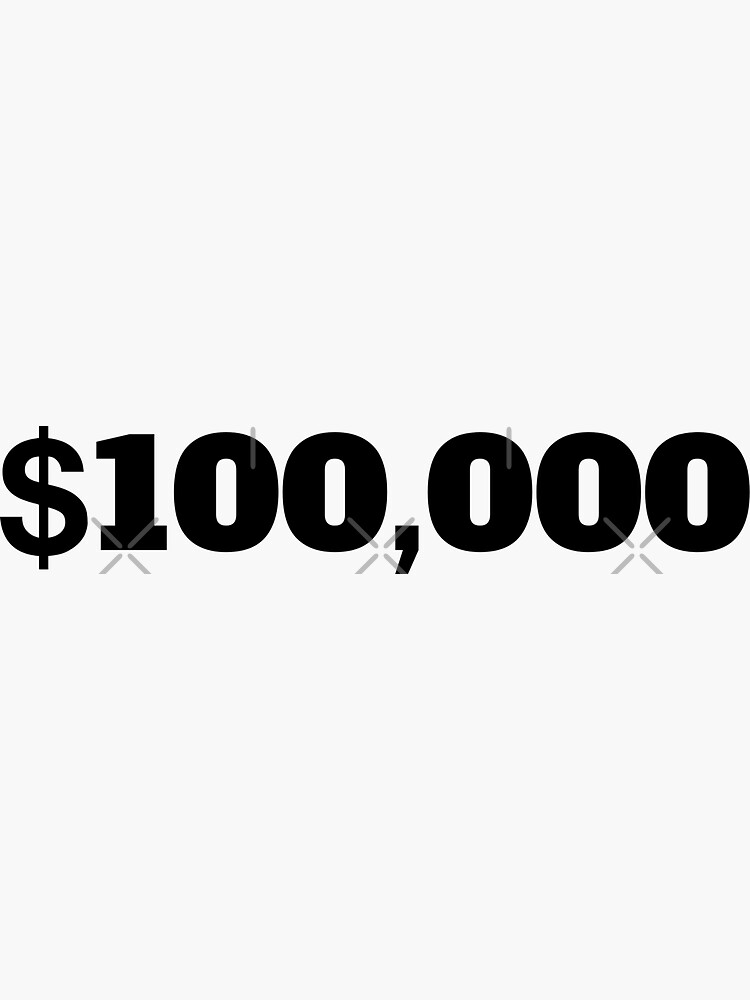
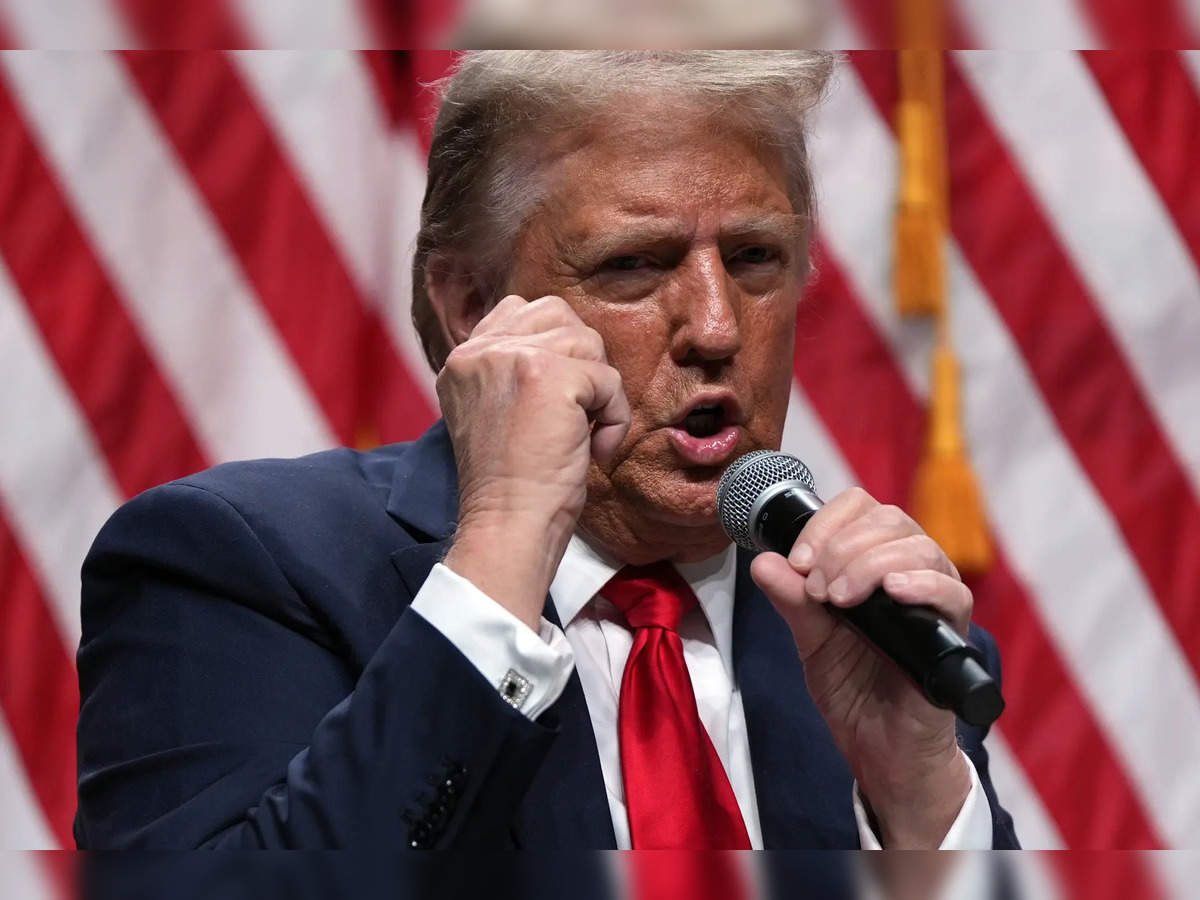
Bitcoin’s price continues to captivate investors, with projections suggesting it could reach the coveted $100,000 mark in the near future. However, experts caution that achieving this milestone will not be a straightforward journey. Volatility, regulatory hurdles, and shifting investor sentiment are just a few of the challenges that Bitcoin must navigate before it can break through this psychological barrier.

As the cryptocurrency market sees renewed interest, Bitcoin’s price has been fluctuating amid a wider crypto rally. Enthusiastic investors are closely watching Bitcoin’s performance, especially after Ethereum’s latest token, WallitlQ (WLTQ), gained significant traction. WallitlQ is expected to see a substantial rally, with some analysts forecasting up to a 300x return, driven by its innovative crypto wallet capabilities. This rising interest in altcoins could have a dual impact on Bitcoin, further intensifying competition and drawing attention away from the market leader.

The potential for Bitcoin to hit $100,000 remains within the realm of possibility, according to multiple cryptocurrency analysts. Historical trends show that Bitcoin’s price has surged by over 1,000% in the past, leading many to speculate that similar growth could unfold once again. But this time, experts stress that Bitcoin faces different macroeconomic factors, regulatory environments, and competition from emerging tokens like WallitlQ.

A key factor influencing Bitcoin’s price trajectory is the ongoing evolution of institutional investment in cryptocurrencies. Companies such as MicroStrategy and Tesla have bolstered their Bitcoin holdings, signaling a shift towards greater mainstream acceptance. These large-scale investments are often seen as a sign of confidence in Bitcoin’s long-term potential. However, Bitcoin’s price remains subject to broader market dynamics, including interest rates and inflation rates, which could hinder its ascent towards the $100,000 target.

Bitcoin’s decentralized nature allows it to bypass traditional financial institutions, but this characteristic also exposes it to heightened regulatory scrutiny. Governments around the world are beginning to take a closer look at cryptocurrency markets, particularly as Bitcoin becomes a more integral part of the global financial system. Proposals for tighter regulations, such as stricter anti-money laundering rules and tax reporting requirements, could exert downward pressure on Bitcoin’s price in the short term.

The competitive landscape for cryptocurrencies is also evolving rapidly. While Bitcoin remains the leader in market capitalization, new tokens are emerging with distinct features aimed at attracting different types of investors. WallitlQ’s unique proposition, for example, lies in its focus on providing a revolutionary crypto wallet that is expected to dramatically simplify transactions and improve user experience. As a result, WallitlQ’s potential 300x rally has sparked significant interest, particularly from investors looking for the next big opportunity in the crypto space.

Despite these competing narratives, Bitcoin’s reputation as a store of value continues to resonate with many investors. With inflation concerns and a growing sense of distrust in traditional financial systems, Bitcoin’s appeal as a hedge against economic instability has grown. Some analysts argue that Bitcoin’s fixed supply of 21 million coins makes it an attractive alternative to fiat currencies, which are susceptible to inflationary pressures. This perceived role as “digital gold” has drawn comparisons to precious metals, positioning Bitcoin as a viable asset class in a diversified portfolio.

Yet, Bitcoin’s volatility remains one of its most defining features. The cryptocurrency market is notorious for rapid price swings, and Bitcoin is no exception. At times, its price movements can be driven by sentiment, speculation, or short-term market events, making it difficult for investors to predict its long-term direction. While some market participants believe that Bitcoin’s price will stabilize as adoption grows, others caution that the cryptocurrency is still in the early stages of its development, and its true value remains uncertain.

Technical indicators, such as moving averages and support-resistance levels, are also being closely monitored by traders and analysts to gauge Bitcoin’s future trajectory. In recent months, Bitcoin has experienced periods of consolidation, which some view as a positive sign of price stability. However, others see it as a precursor to further volatility, with large price swings on the horizon. The next few months will likely be crucial in determining whether Bitcoin can continue to build momentum or face significant setbacks.

The rise of decentralized finance (DeFi) platforms and the increasing integration of blockchain technology into traditional industries are also factors influencing Bitcoin’s future. As more financial products and services are developed on blockchain networks, the demand for cryptocurrencies like Bitcoin could continue to rise. However, this growing interest in blockchain technology could also lead to a diversification of investments, with more capital flowing into altcoins like WallitlQ that offer unique use cases and functionality.

By K Raveendran Trump divides people like nobody else does. The liberal Left all over the world are united in their assessment that there would be a presidential onslaught against whatever they stand for. It is not just people who detest Trumps return; even the elements are affected. Gold is particularly allergic to Trump, as […]

The Iraq Stock Exchange (ISX) witnessed significant growth in October, with the Rabee Securities Iraq Stock Exchange Index (RSISX Index) recording an impressive 17.6% increase. This gain, underscoring renewed investor confidence, comes after months of relatively stable but modest market performance, highlighting a robust interest across Iraq’s leading financial sectors.

Driven by strong showings from major banking stocks and telecom companies, the RSISX Index’s October growth reflects increased market activity as Iraq’s economy continues to recover from pandemic-related challenges. Major players in the banking sector, such as Al-Mansour Bank, the National Bank of Iraq, and the Commercial Bank of Iraq, reported substantial gains, positioning banking stocks as the driving force behind the index’s rise. Telecommunications giant Asiacell also contributed significantly to the index’s success, underscoring the sector’s role as a stabilizing force in Iraq’s economic landscape.

Analysts attribute the market’s growth to increased trading volumes, reflecting greater domestic and foreign interest in Iraqi equities. Notably, total trading volume in September hit USD 41.8 million, with a particular increase in transactions outside cross-border trades, which surged by 24% to reach USD 31.9 million. The banking sector commanded nearly 72% of the trading volume, followed by telecoms, industry, agriculture, and hospitality, sectors which collectively contributed to this upward trend.

September’s positive momentum set the stage for October’s robust gains, as the ISX benefited from several factors boosting investor sentiment. A significant development involved a strategic partnership between the International Finance Corporation (IFC) and Iraq’s Central Bank to bolster sustainable financing and introduce a roadmap for environmental and social risk management. This initiative, combined with the announcement of an extended U.S.-led international mission in Iraq through 2025, has added a layer of economic stability that investors have been quick to capitalize on.

Rabee Securities, a leading financial services firm in Iraq, has remained optimistic about Iraq’s stock market potential, highlighting the improving fundamentals within the country’s corporate sector. Thirty-five companies saw their share prices increase in September, with 29 stocks climbing by over 5%, including standout performers like Iraqi Engineering Works, which rose by a remarkable 171.4%, and veterinary firm AL-Kindi, which posted a 50.6% increase. These gains helped propel the RSISX Index upward and fueled investor confidence in Iraq’s broader economic growth.

Iraq’s continued focus on sustainable finance and governance has further positioned its capital markets for sustainable growth. The IFC’s seven-year Sustainable Finance Roadmap, now in collaboration with Iraq’s Central Bank, is poised to set new standards in environmental, social, and governance (ESG) principles across Iraq’s banking sector, marking a significant step toward attracting long-term institutional investors focused on sustainable growth opportunities.

The Nasdaq 100 Index surged to a record high, bolstered by significant gains in megacap technology stocks following the US presidential election. This marks the index’s first new peak since July, as investor optimism around the political outcome combined with robust performances from major tech players helped fuel market momentum.

On the day following the election, the Nasdaq 100 surged by 2.7%, an impressive jump that extended its gains for the year. The rise comes on the back of a broader rally in tech stocks, a sector that has seen consistent growth in 2024. Among the leaders were companies like Apple, Microsoft, Amazon, and Alphabet, all of which have played a pivotal role in propelling the Nasdaq 100 to this milestone. The performance of these companies, coupled with a favorable market environment, suggests that the growth trend in big tech could continue into the near future.

The post-election optimism appears to have resonated across the broader tech sector, where investors are betting on the continued dominance of leading companies. With the political uncertainty following the election largely resolved, the focus has shifted back to the strong earnings reports and growth potential from these firms. These companies are not only capitalizing on existing trends like artificial intelligence and cloud computing but also making strategic investments in new technologies, which investors believe will continue to drive future growth.

While the Nasdaq 100 has experienced significant growth, its recent rally underscores the broader shift in market sentiment. The favorable political landscape, paired with a stable economic outlook, has resulted in a more risk-on environment, with tech stocks once again becoming the focal point for investors. The rally also highlights a growing divergence in the market, with big tech stocks significantly outperforming other sectors, such as energy and industrials.

As of now, the outlook for tech remains positive, with analysts noting that the fundamentals of many leading companies remain strong. The increasing adoption of AI technologies, for instance, has been a key driver of growth, with companies in the tech space expanding their product lines and services to meet the growing demand. This trend has been reflected in the strong earnings growth of companies like Nvidia, which has seen its stock price soar as a result of its leadership in AI chip development.

However, concerns about valuation levels persist. While the Nasdaq 100’s climb is impressive, some analysts caution that the continued rise of these tech stocks could signal overvaluation, particularly in a market where growth expectations are already high. Despite this, the current market conditions, including low interest rates and strong consumer demand, provide a favorable backdrop for tech stocks to continue their upward trajectory.

The performance of the Nasdaq 100 is also a reflection of broader investor sentiment toward the US economy. With consumer spending remaining resilient and inflation pressures easing, the outlook for the US economy seems more optimistic than it has been in previous years. This has provided investors with confidence that the strong performance in tech stocks will continue, despite any potential headwinds that may emerge in the broader market.

Global trends, such as the ongoing digital transformation in various industries, are also contributing to the bullish sentiment surrounding tech stocks. Companies that have successfully adapted to the evolving landscape, especially in areas like AI, 5G, and automation, are being rewarded by the market. The increasing reliance on technology in both consumer and enterprise sectors suggests that the demand for innovative solutions will remain robust, further supporting the growth trajectory of these companies.

KUALA LUMPUR, MALAYSIA – Media OutReach Newswire – 8 November 2024 – It’s that time of year again – Shopee’s 11.11 Big Sale, where everything you’ve been eyeing (and even things you didn’t know you need) is available at unbeatable prices! From cutting-edge tech gadgets and chic fashion finds to essential cookware and beauty must-haves, there’s something for everyone. The best part? You can shop with confidence, […]

Several central banks in the Gulf Cooperation Council (GCC) have moved in close alignment with the United States Federal Reserve, adjusting interest rates as a preemptive measure against inflationary trends and to stabilize financial markets. In the latest developments, central banks in the UAE, Saudi Arabia, Bahrain, and Qatar have either maintained their rates or slightly adjusted them in response to the Fed’s monetary policy shifts, which […]

Advertisements

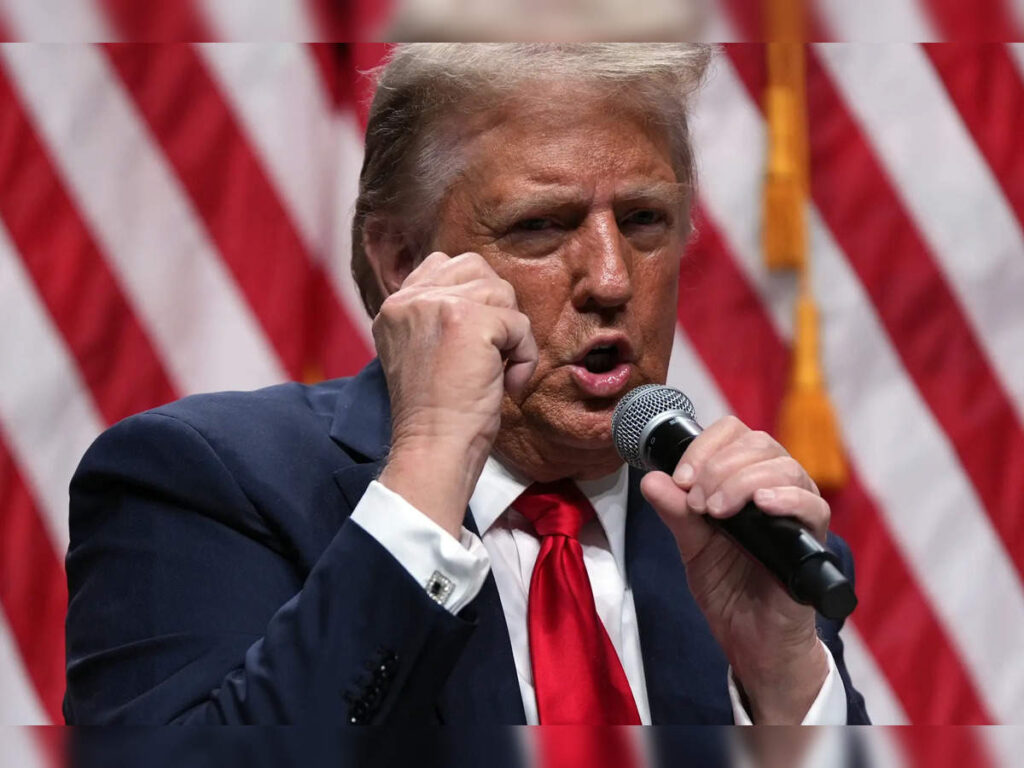
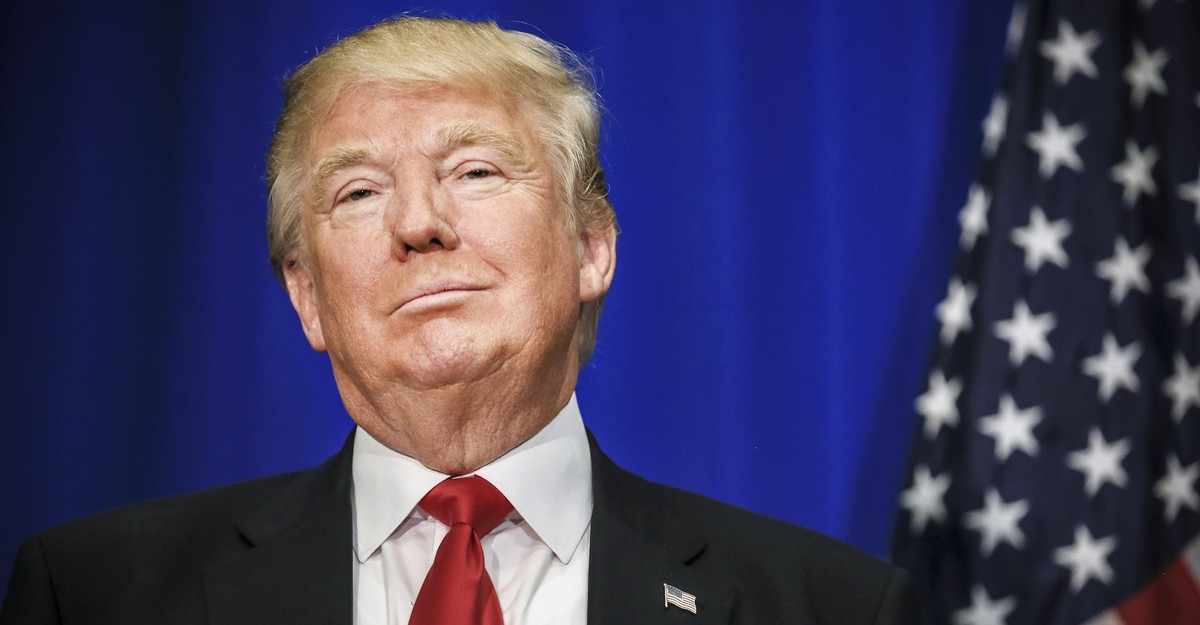
A second term for Donald Trump could usher in significant changes for investors in the Middle East, with the potential for both increased economic opportunities and geopolitical instability. Trump’s return to the presidency would likely revive his administration’s assertive economic policies, reshaping U.S. foreign relations, particularly toward China, Europe, and Middle Eastern nations, while possibly impacting global market dynamics in ways that will directly affect Gulf economies.

Trump’s “America First” approach, previously marked by attempts to realign American foreign policy priorities, could lead to heightened trade tensions with major global economies, including the European Union and China. During his previous term, the Trump administration imposed steep tariffs on Chinese goods and withdrew from the Trans-Pacific Partnership, signaling a shift from multilateral agreements to bilateral deals with clear U.S. advantages. These policies could place Middle Eastern investors in a challenging position, especially those with extensive ties to both Western and Asian markets. His re-election could rekindle these policies, affecting key industries and the economic strategies of regional stakeholders, who may need to reassess their portfolios to navigate potential trade disruptions.

One area of likely change would be Trump’s approach to the U.S.-China trade war, which saw tariffs as high as 25% imposed on hundreds of billions in imports. The escalating tariffs strained trade flows globally, and with Trump’s potential return, the continuation or expansion of such tariffs could push China to deepen its ties with Gulf nations as it seeks alternative partners. The Middle East, particularly Saudi Arabia and the UAE, has already seen increased investment from China under the Belt and Road Initiative, and a further intensification of U.S.-China rivalry could strengthen these relations. Additionally, Gulf economies that depend heavily on oil exports may find opportunities as China looks for secure energy suppliers outside of the American sphere.

Simultaneously, Trump’s proposed policies are expected to drive further U.S. disengagement from traditional allies in Europe, compelling these countries to secure alternative economic partnerships. This shift could create an environment where European countries turn to the Middle East to establish closer trade relations, viewing Gulf states as critical energy providers and investment hubs. Regional investors could benefit from an increased inflow of European capital seeking to mitigate the effects of U.S. tariffs.

In terms of defense, Trump has consistently voiced support for reducing U.S. military commitments abroad, urging allies in Europe and the Middle East to shoulder more responsibility for their own defense. This could result in reduced U.S. military presence in Gulf nations, which may encourage these states to expand defense partnerships within the region and seek additional security alliances beyond the U.S. This shift could spur an increase in local defense spending and the development of domestic defense industries, presenting investment opportunities in these sectors. However, it may also bring heightened insecurity, which could lead to market instability, especially in oil-dependent economies that rely on stable energy production and export environments.

The Middle East’s energy sector might experience new pressures and opportunities under a Trump administration focused on American energy independence. Trump has previously supported policies that increase domestic oil and gas production in the U.S., which could lead to a drop in oil prices globally, impacting the revenue of oil-exporting countries in the Gulf. To counter this, Gulf economies may be motivated to diversify and boost non-oil sectors such as technology, real estate, and tourism, creating new avenues for regional and international investors.

Trump’s stance on Iran could also lead to renewed tensions in the region. During his first term, the administration’s “maximum pressure” campaign aimed at curbing Iran’s nuclear ambitions led to economic sanctions and heightened regional conflicts. If reinstated, such policies could escalate instability in areas around the Strait of Hormuz, a key chokepoint for global oil exports. Middle Eastern markets might face disruptions if these tensions spill over, particularly for industries dependent on steady energy flows and safe trading routes. Yet, defense and energy infrastructure investments may see a boost in response to these renewed geopolitical challenges.

Trump’s previous involvement in brokering the Abraham Accords set a precedent for Arab-Israeli normalization. A return to power could see a renewed push for expanded economic ties between Israel and more Arab states, following the precedent of UAE, Bahrain, Morocco, and Sudan establishing official relations with Israel. Investors across the Gulf could benefit from these expanded commercial ties through greater market access, technology transfers, and joint ventures, particularly in high-growth sectors like technology, renewable energy, and tourism. The prospect of regional integration holds promise for attracting further foreign direct investment (FDI) and bolstering Middle Eastern economies.

Middle Eastern investors, therefore, may need to prepare for a mixed impact, balancing potential market volatility with strategic opportunities. Gulf Cooperation Council (GCC) countries, particularly the UAE and Saudi Arabia, may find themselves in a pivotal position, with increased leverage in securing favorable trade agreements as both Western and Eastern economies seek partnerships in response to Trump’s policies. Yet, they may also have to contend with the risks of being on the frontline of fluctuating U.S. policies toward the region, especially regarding defense and energy.

By Anjan Roy Never before, an American presidential election evoked such widespread interest and concern across the world. This is because the presumptive president has given rise to fears and concerns about America’s policies which do not promise to follow the scripted lines. There is a sense of uncertainty all the way in the power […]

KUALA LUMPUR, MALAYSIA – Media OutReach Newswire – 8 November 2024 – Trading offers a pathway to financial growth, yet for many beginners, fear of loss, mistakes, and market unpredictability can create mental blocks. Octa, a broker with globally recognised licences, explores common trading fears, breaks down their causes, and presents practical methods to manage them. These insights will help traders build management and confidence-boosting strategies, creating […]

The Trump administration’s latest strategy to impose stricter sanctions on Iran and Venezuela is set to have a significant impact on global oil markets. As tensions rise over geopolitical maneuvering and energy security concerns, experts predict that these measures will strain already delicate oil supplies and could lead to higher prices globally. The decision underscores the U.S.’s firm stance against two key oil producers, both of which have been facing international isolation due to their respective political landscapes.

Under the previous administration, sanctions against these nations were ramped up, but the current approach seeks to tighten those restrictions even further, with the aim of curbing oil exports from both Iran and Venezuela. Analysts believe that this intensification is intended to increase pressure on the governments in Tehran and Caracas, while also signaling the U.S.’s commitment to reducing foreign oil dependency. The new sanctions could, however, complicate matters for oil-importing nations, as they will likely face higher costs and uncertainty in accessing sufficient supply.

Iran, whose oil industry has been a target of U.S. sanctions for years, faces restrictions that limit its ability to engage in global trade. With the United States and many European countries pressuring buyers not to purchase Iranian oil, Tehran’s market share has drastically shrunk. Despite this, Iran has still managed to export oil to certain regions, including China, albeit covertly. The latest sanctions are expected to curb these exports even further, as U.S. officials vow to penalize any entities engaging in trade with Tehran’s oil sector. This will likely exacerbate Iran’s economic woes and deepen the global oil supply shortage.

Venezuela, already grappling with a humanitarian crisis and a collapsed economy, is another major target of U.S. sanctions. The Latin American nation holds some of the largest oil reserves in the world but has struggled to maintain production levels due to mismanagement, lack of investment, and the effects of sanctions imposed by Washington. As production continues to decline, Venezuela’s role as a key oil exporter diminishes. With further sanctions on the horizon, experts anticipate a further decline in Venezuelan oil output, further straining the global oil market.

These sanctions could have widespread ramifications beyond Iran and Venezuela. Global oil prices, already volatile in recent months due to the ongoing war in Ukraine and other supply disruptions, are expected to rise as oil becomes scarcer. Some analysts are predicting that a more severe reduction in output from these two countries could push oil prices well above current levels, forcing governments and companies worldwide to adjust their energy strategies.

The administration’s move to implement stricter sanctions on these oil-rich countries aligns with broader U.S. goals of reducing global reliance on unstable regimes. By limiting Iran and Venezuela’s capacity to export oil, Washington is seeking to restrict revenue streams that could fund political instability or hostile actions. However, experts warn that these policies may not be fully effective in the long term and could further alienate both countries, making future diplomatic engagement more difficult.

For international oil markets, these measures represent a critical crossroads. A reduced supply of oil from Iran and Venezuela may benefit other oil-producing countries like Saudi Arabia, Russia, and the United States, which are all positioned to fill the gap. However, these nations are already producing at near maximum capacity, and additional pressure on these producers could create upward price pressures. Furthermore, non-compliance with the sanctions by other nations, especially China, could result in a fractured global response, leading to even more volatility in the markets.

The oil markets’ response to these sanctions will likely hinge on the willingness of major players to support U.S. policies. If countries such as China and India, two of the largest oil consumers, continue to trade with Iran and Venezuela despite U.S. warnings, the impact of these sanctions could be muted. On the other hand, if these nations adhere to the U.S.-led restrictions, the oil supply could shrink significantly, which would lead to higher costs for energy consumers worldwide.

One of the more significant ramifications of these sanctions is the effect on U.S. allies. Countries that are heavily dependent on Venezuelan or Iranian oil, such as certain European nations, may face challenges in meeting their energy needs. This could prompt some to seek alternative sources of oil, such as those from the U.S. itself, which has ramped up production in recent years. While U.S. shale production has boomed, it is unclear if it will be able to absorb the loss of oil exports from these countries and meet global demand.

The sanctions’ broader economic impact cannot be ignored. Countries around the world are grappling with inflation and supply chain disruptions, which are already driving up energy costs. The additional strain on oil markets caused by these new sanctions could further exacerbate economic instability, especially in developing nations that are highly reliant on affordable energy.

Dubai’s office market has experienced a significant surge in rental prices during the third quarter of 2024, with prime office locations recording the steepest increases. This upward trend is reflective of the city’s growing appeal as a global business hub, particularly for multinational companies across sectors such as finance, technology, and consulting. Notably, areas like Dubai International Financial Centre (DIFC) and Downtown Dubai have seen substantial rent hikes, driven by an influx of businesses looking to capitalize on the city’s business-friendly environment and strategic location.

A combination of factors has fueled this rapid growth. The city’s favorable tax environment, ease of business setup, and top-tier infrastructure continue to attract international firms seeking stable, high-quality office space. Experts have noted that hybrid working models, a post-pandemic trend, have also contributed to the growing demand for flexible office spaces. Companies are increasingly prioritizing flexible, open-plan layouts and co-working spaces that allow them to adjust their office footprint based on operational needs. This shift has further amplified the demand in both premium and emerging commercial districts.

While top-tier locations continue to see the highest rental growth, more affordable options in areas such as Dubai Science Park and Dubai Investments Park are also experiencing robust demand. In these locations, rents have jumped by as much as 37% year-on-year, reflecting broader market expansion. Moreover, Expo City, once seen as a secondary option, is now emerging as a competitive contender in the office space market, offering quality facilities with better price points and strong transport connectivity compared to central business areas.

The expansion is not just limited to office space demand; Dubai’s infrastructure projects and strategic vision, which emphasize connectivity and business continuity, have also played a role in reinforcing the city’s position as a leading global business destination. Experts forecast that this demand will likely sustain through the remainder of the year, supported by Dubai’s continued role as a bridge between East and West.

Motorcycling offers an exhilarating blend of adventure, freedom, and community. This blog post provides essential guidance for beginners, covering the benefits of motorcycling, necessary gear, tips for choosing your first bike, and safety measures. It also includes advice on basic maintenance and accident preparedness, helping you start your motorcycling journey with confidence and excitement. Why Motorcycling is the Perfect Hobby Motorcycling is more than just a mode […]

KUALA LUMPUR, MALAYSIA – Media OutReach Newswire – 6 November 2024 – Asian financial markets are experiencing increased interest from novice traders. In Southeast Asia, online trading has expanded rapidly, driven by growing internet access and an increasingly digital-savvy population. In Indonesia, active online traders grew by 18%, supported by a thriving e-commerce sector and rising financial literacy. Across Southeast Asia, the digital economy is projected to […]

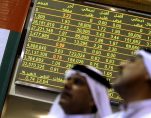
Gulf markets experienced an upward swing today as oil prices rebounded and optimism surfaced across key regional sectors. The market’s movement also responded to global cues, with investors eyeing gains in the energy sector after oil prices recovered from a recent dip, fueled by U.S. plans to replenish strategic reserves. The rally comes at a time when former U.S. President Donald Trump claimed victory in the ongoing U.S. election campaigns, drawing attention to potential shifts in international relations and economic policies.

Saudi Arabia’s Tadawul All Share Index (TASI) edged up 0.1%, bolstered by gains across the financial and utility sectors. Zain KSA, one of the kingdom’s major telecom firms, reported a slight rise following a positive quarterly performance, indicating a robust demand for telecom services within the region. Investment flows also gained momentum as Saudi Arabia continues to position itself as a leading regional hub, with over 540 multinational companies having established regional headquarters in the kingdom, surpassing the nation’s ambitious 2030 target.

The Abu Dhabi Securities Exchange (ADX) rose by 0.1%, supported by the solid performance of Borouge, an energy giant and diversified holdings firm. This positive development in the UAE capital aligns with a broader trend of stable gains across the GCC, where Dubai’s DFM General Index gained 1%. Notable contributions came from Emirates Central Cooling Systems Corp and Salik Co., which posted gains of 1.8% and 1.3% respectively, underlining investor confidence in infrastructure and cooling solutions as demand spikes amid steady urban growth.

In Qatar, the Qatari index rose 0.8% as Qatar National Bank, the Gulf’s largest lender, saw its shares climb 1.1%. The bank’s upward trajectory helped support broader market sentiment, with investors anticipating further gains from upcoming earnings announcements, particularly in the petrochemical sector where Industries Qatar saw a 0.7% rise. Qatar’s stock performance also mirrors the cautiously optimistic outlook seen across the region, where energy investments and government spending continue to drive economic activity.

Meanwhile, Bahrain’s index increased by 0.3%, supported by financial sector stability, while Kuwait’s stock market remained flat. Oman’s MSM 30 index, however, slipped by 0.6%, marking a modest decline amid mixed sentiments on oil output and demand.

Oil prices, an essential driver for Gulf economies, climbed by over 1% following a steep drop in previous sessions. This gain was attributed to the U.S. government’s plans to boost the Strategic Petroleum Reserve, a move anticipated to buoy oil demand in the near term, while supply outlook remains restrained due to geopolitical factors. This resurgence in oil prices provided a welcome reprieve for GCC markets, which had felt pressure from international oil price volatility.

Saudi Aramco has seen significant financial performance in recent quarters, but its aggressive expansion and capital expenditure strategy are drawing attention amid broader concerns about the oil market. Despite strong earnings and robust cash flow, the company’s large-scale investments in both traditional energy and new technologies have raised questions about its ability to sustain these levels of expenditure while delivering consistent returns. In its latest financial results, […]

Bitcoin has surged to an all-time high as traders factor in the possibility of a Donald Trump victory in the upcoming U.S. presidential election. The cryptocurrency reached new heights, surpassing the $40,000 mark for the first time, driven by a combination of factors, including growing political uncertainty, the appeal of Trump’s economic policies, and an increasing demand for decentralized assets as hedges against inflation.

As the election race intensifies, market analysts are closely monitoring how Trump’s political resurgence could impact traditional markets and the broader economy. Traders seem to be betting that a second Trump presidency would lead to favorable conditions for Bitcoin, particularly given his past rhetoric on the benefits of digital currencies and his critical stance toward centralized financial systems.

Bitcoin’s rapid rise comes at a time when the broader global economy is grappling with uncertainty. The U.S. economy, though resilient in many ways, faces challenges such as inflation, supply chain disruptions, and a fluctuating stock market. With the Federal Reserve’s interest rate hikes and the push for tightening monetary policy, many investors are looking for assets that provide an alternative to traditional banking systems. Bitcoin, often viewed as a store of value similar to gold, fits the bill.

Trump’s influence on Bitcoin’s price movement is not entirely new. In 2017, during his first presidential campaign, Bitcoin saw significant price appreciation, as his anti-establishment rhetoric resonated with many investors seeking refuge from a perceived unstable traditional financial system. His leadership style, coupled with calls to deregulate the financial sector, has always aligned with the ideals of the crypto community, which champions decentralization and reduced government oversight.

The current market sentiment surrounding Bitcoin reflects growing confidence in the cryptocurrency’s long-term potential, especially among traders who perceive Trump’s economic policies as supportive of asset appreciation. Trump’s stance on cryptocurrencies has evolved over time. Initially dismissive, his recent statements have indicated a more favorable approach, particularly with the rise of Bitcoin’s mainstream appeal.

While Bitcoin’s value continues to climb, it has also drawn attention from traditional financial institutions, who are taking a closer look at the asset class. Major financial firms are increasingly open to the idea of incorporating Bitcoin into their portfolios, with some even offering products that allow clients to invest directly in the cryptocurrency. This shift represents a growing mainstream acceptance of Bitcoin, which was once viewed as a speculative and volatile asset.

The surge in Bitcoin’s price is not solely attributable to political factors. The rise of institutional investment, the increasing adoption of blockchain technology, and regulatory clarity are all contributing to the cryptocurrency’s appeal. In countries like El Salvador, where Bitcoin has been adopted as legal tender, the digital currency’s role as a financial tool has become more apparent. The growing use of blockchain technology in industries ranging from supply chain management to healthcare also bodes well for Bitcoin’s future, as it becomes increasingly intertwined with global economic systems.

In the U.S., Bitcoin’s role in the political sphere is also gaining attention. Some political figures, particularly those aligned with the Republican Party, have expressed support for digital currencies, viewing them as a way to counterbalance the influence of the Federal Reserve and the U.S. dollar. Trump, despite his criticisms of the current administration, has been vocal in supporting policies that could benefit the cryptocurrency market. His stance on cryptocurrency has been a mixture of endorsement and skepticism, but his broader economic agenda, which favors lower taxes, deregulation, and less government intervention, aligns with the pro-crypto sentiment prevalent in the market.

Despite Bitcoin’s bullish momentum, there are concerns about the potential risks associated with such rapid price increases. Critics warn that Bitcoin’s volatility could result in a market correction, particularly if traders begin to overextend their positions. Additionally, global regulatory pressures could affect the asset’s price trajectory. Some governments, including China and the European Union, have signaled that they may take a more stringent approach to cryptocurrency regulation, which could influence market sentiment and investor behavior.

SINGAPORE – Media OutReach Newswire – 6 November 2024 – Artistic Biomedical Limited Company took home two awards at this year’s Asia Pacific Enterprise Awards (APEA) 2024 Taiwan Chapter, held at the Grand Hyatt Taipei on 13 September. The APEA is Asia’s leading awards ceremony recognizing outstanding entrepreneurship, innovation, and sustainable leadership in business. Since its founding in 2012, Artistic Biomedical has transformed the Taiwanese dental market. […]

Lulu Retail Holdings, the prominent Middle Eastern retail chain, expanded its IPO on the Abu Dhabi Securities Exchange (ADX) from 25% to 30% due to substantial investor interest. This adjustment potentially positions Lulu to raise AED 6.32 billion (approximately $1.72 billion) based on the revised stake size, highlighting the Gulf region’s ongoing appeal for significant IPO activity and interest in consumer-driven sectors.

Setting an initial price range between AED 1.94 and AED 2.04 per share, Lulu’s IPO reflects an alignment with regional valuation norms, expected to yield a market capitalization between AED 20.04 billion and AED 21.07 billion. The subscription window, open until November 5, 2024, aims to attract a diverse mix of retail and institutional investors, both regional and international. With these developments, Lulu’s expected proceeds could make this one of the most notable IPOs in Abu Dhabi this year.

This expansion in IPO size reflects broader Gulf trends, where IPOs in sectors ranging from energy to retail have gained traction, driven by favorable macroeconomic conditions and rising consumer spending across GCC countries. Lulu, which operates over 240 stores across the region and holds a dominant market share in countries such as Qatar and Oman, is well-positioned to capitalize on these trends. In the UAE, the retail chain ranks as the second-largest grocery retailer by market share, supporting its robust financial standing and growth potential.

The regional economic environment, marked by population growth and increasing consumer demand, has fortified Lulu’s market footprint, with a 5.6% rise in revenue reported for the first half of 2024, reaching $3.9 billion. Earnings before interest, taxes, depreciation, and amortization (EBITDA) also rose to $391 million, reflecting Lulu’s steady revenue trajectory and focus on operational efficiencies, especially in logistics and e-commerce channels.

The UAE’s non-oil sector marked a robust expansion in October, driven by strong demand and increasing business confidence, a development that reaffirms the resilience of the country’s economy. According to data from S&P Global’s UAE Purchasing Managers’ Index (PMI), the index rose to 57.7 in October, up from 56.7 in September, reaching its highest level since June 2019. This boost is attributed to a surge in new business orders, buoyed by demand from both domestic and foreign markets, as businesses scale up activity despite global economic headwinds.

This latest rise in PMI, an indicator of economic health in the private sector, highlights the sustained momentum in the UAE’s diversification strategy away from oil dependency. Businesses across sectors report strong gains, especially in areas like construction, tourism, and logistics, where increased investments and government support have led to substantial growth. The index reveals that new order volumes increased at one of the highest rates in the year, with companies scaling up hiring efforts to meet rising demand.

The expansion of non-oil business activities aligns with the UAE government’s focus on economic diversification. Policies that encourage foreign investment and enhance business-friendly regulatory frameworks continue to bolster private sector confidence, despite a challenging global landscape marked by inflation and supply chain issues. Price pressures, however, remain an area of concern, with input costs for businesses rising, especially in raw materials and logistics. Companies, in turn, have passed on some of these costs to consumers, leading to moderate inflation in service and goods prices.

Saudi Aramco reported a notable 15% decline in its third-quarter profit, dropping to $30.6 billion from $35.5 billion in the same period last year. This dip primarily reflects a challenging energy market characterized by lower crude oil prices and weaker refining margins, marking a sharp shift from the high revenue periods driven by last year’s energy crisis.

The oil giant’s revenues reached approximately $110 billion, down from $113 billion, a decrease in line with broader market conditions as Brent crude prices moderated. This price shift has dampened Aramco’s earnings compared to 2022, when energy markets saw historic highs amid global supply disruptions. Although this downturn is partly attributed to the natural easing of prices, the effects have been compounded by Aramco’s reduced sales volumes.

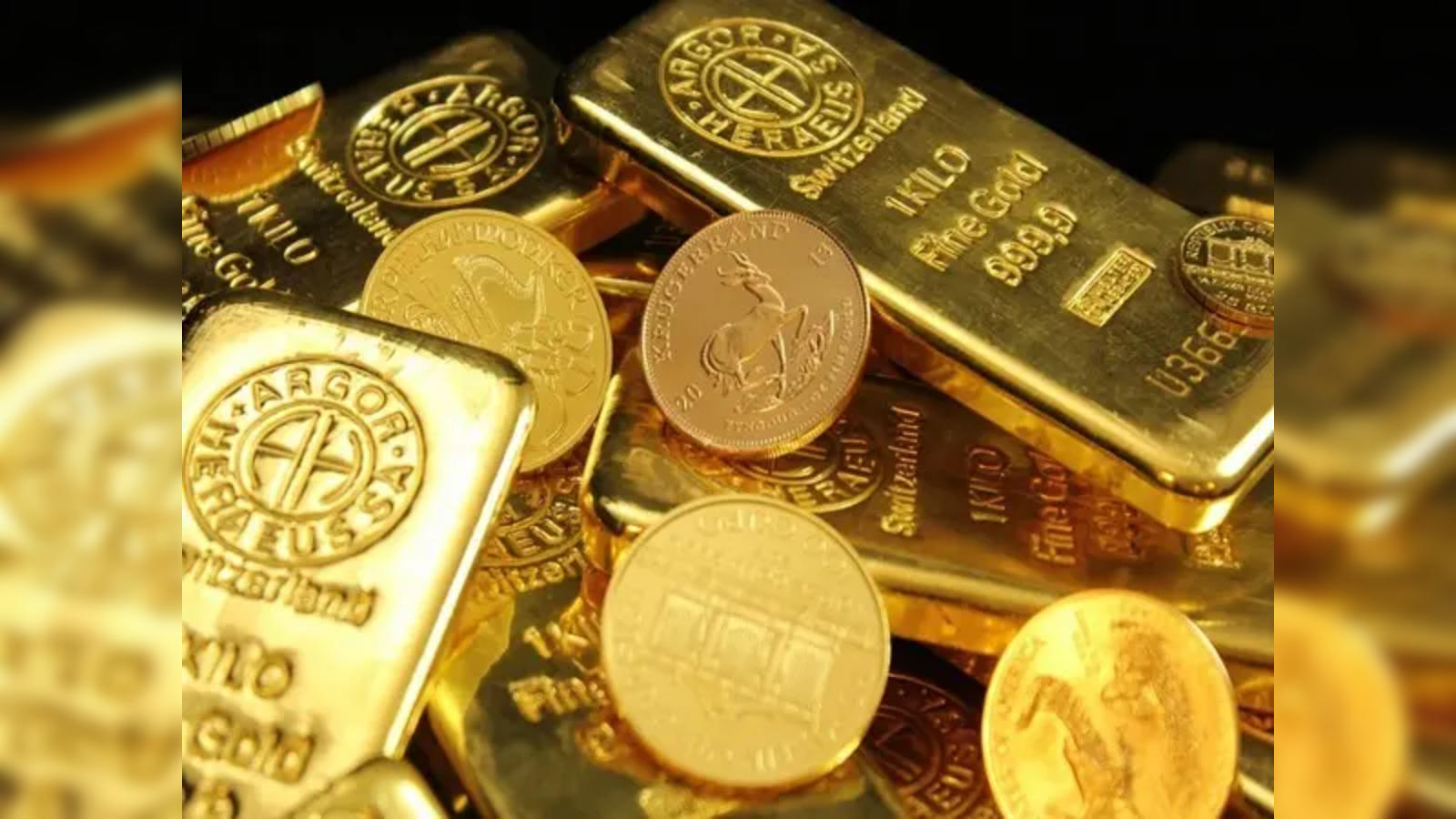
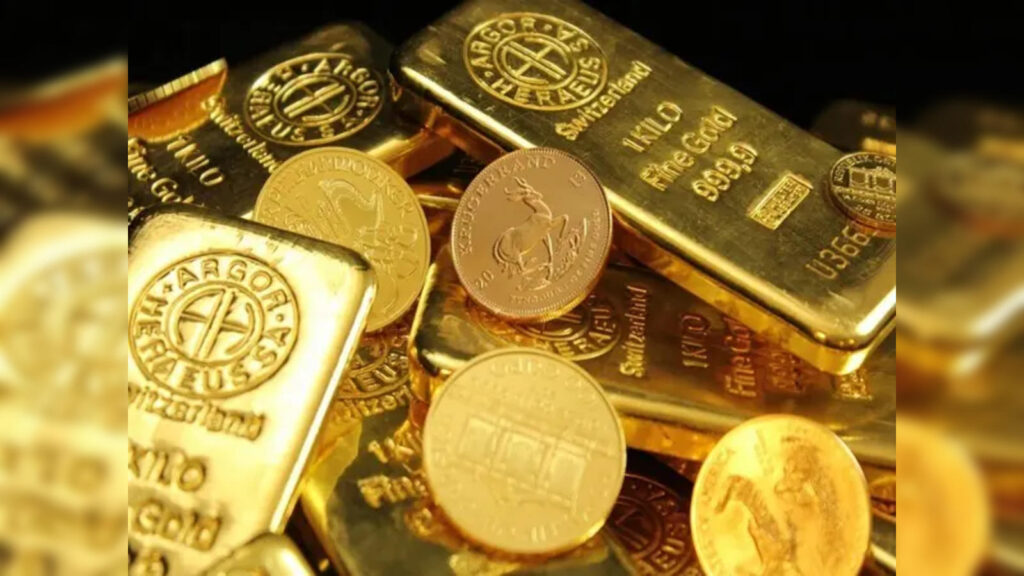
By Nantoo Banerjee With geopolitical tensions rising in Europe and Asia and central banks across the world buying gold like never before are mainly behind the near continuous rise in gold prices since last year. The surging gold price trend may continue through the coming months unless peace and economic stability soon return to the […]
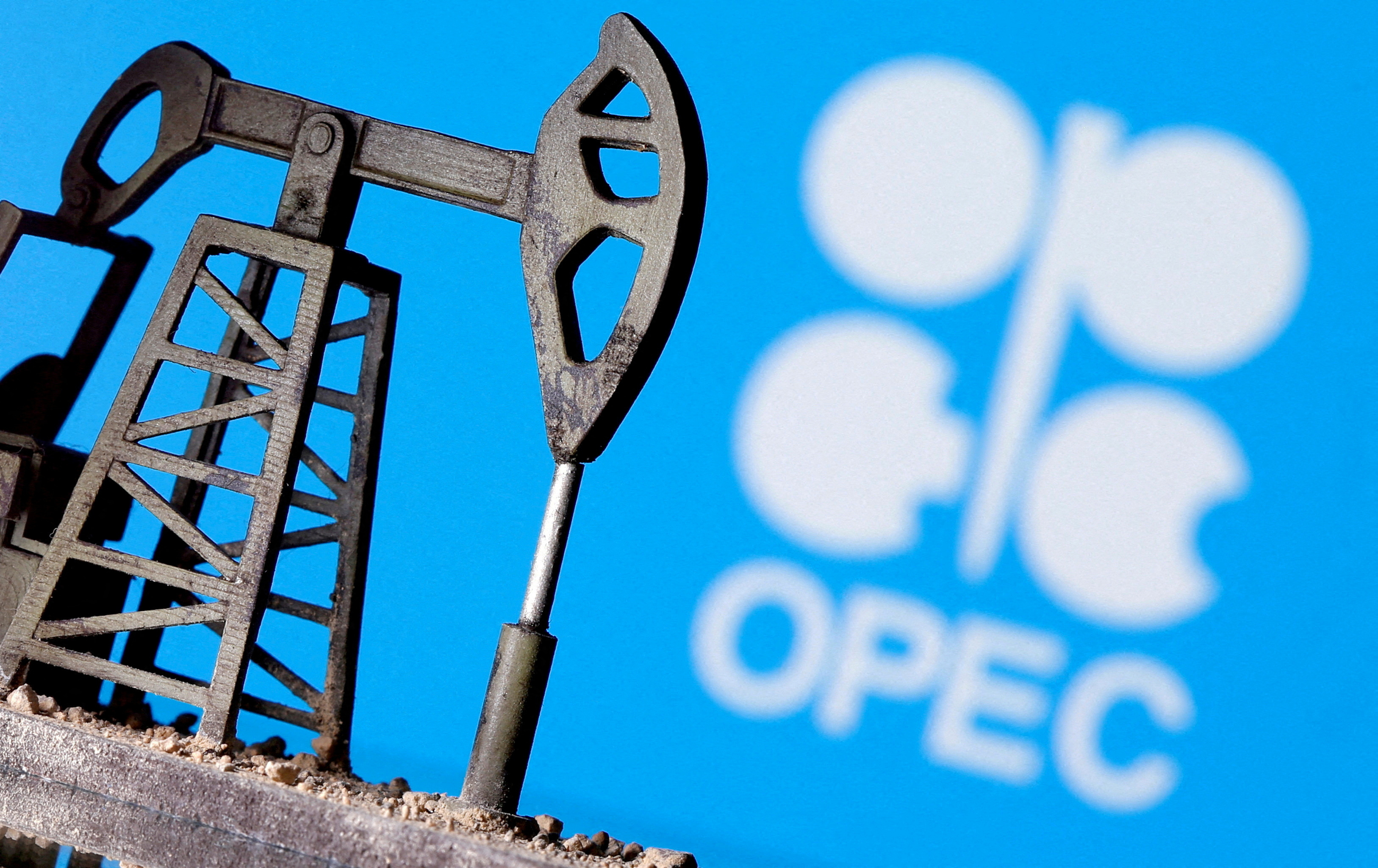
Energy policy has emerged as a crucial issue in the final stretch of the election, with candidates Donald Trump and Kamala Harris presenting starkly contrasting visions for the future of energy in the United States. As voters prepare to head to the polls, both candidates are intensifying their efforts to sway public opinion on how best to address the pressing challenges of climate change, energy independence, and […]

OPEC+ has announced a delay in the anticipated resumption of oil supply cuts, reflecting the ongoing challenges within the global crude market as prices continue to struggle. This decision follows a meeting of the coalition’s Joint Ministerial Monitoring Committee, where key players voiced concerns over persistent low oil prices and their impact on market stability.

In its recent deliberations, OPEC+ leaders emphasized the need for a strategic approach to support oil prices, which have seen significant fluctuations in the past year. Current benchmarks for crude oil have hovered around $80 per barrel, well below the levels needed for many member countries to balance their budgets. The ongoing geopolitical tensions and the potential economic fallout from inflationary pressures have further complicated the landscape, prompting OPEC+ to reconsider its production strategy.

The decision to delay the resumption of supply cuts is particularly notable given that earlier predictions had pointed towards an increase in production levels by the end of the year. Several member states, particularly those reliant on oil revenue, had anticipated a gradual easing of the cuts implemented to stabilize the market amid the COVID-19 pandemic. Instead, the coalition now appears to be adopting a more cautious stance, prioritizing price recovery over volume increase.

Saudi Arabia, the de facto leader of OPEC, has been vocal in advocating for measures to sustain oil prices. The Kingdom’s Energy Minister, Prince Abdulaziz bin Salman, reiterated the importance of market stability, emphasizing that the organization must remain vigilant in its assessment of global demand and supply dynamics. His remarks highlight the broader sentiment among OPEC+ members regarding the delicate balance required to navigate current market conditions.

Market analysts have pointed to several factors contributing to the ongoing volatility in oil prices. Demand forecasts have been revised downward, largely influenced by slowing economic growth in major economies such as China and Europe. Additionally, concerns regarding a potential resurgence of COVID-19 variants and their impact on global mobility have added to the uncertainty. As a result, some analysts project that oil demand may not rebound to pre-pandemic levels for some time.

Iran’s position within OPEC+ has also added complexity to the group’s dynamics. With ongoing negotiations surrounding the Joint Comprehensive Plan of Action, there is speculation about Iran’s potential return to the market. Should sanctions be lifted, the influx of Iranian oil could further exacerbate supply challenges, undermining efforts to stabilize prices. The coalition remains divided over how to handle Iran’s situation, as some members fear that increased production from Iran could lead to an oversupply, thereby pushing prices lower.

U.S. shale production continues to be a significant player in the global oil market. The American shale industry has proven to be remarkably resilient, adapting quickly to changing price environments. As crude prices struggle, shale producers have ramped up production, providing a counterbalance to OPEC+’s efforts to restrict supply. This dynamic has led to a tug-of-war in the market, with OPEC+ trying to manage its output while the U.S. shale industry responds to price signals by increasing production.

As OPEC+ deliberates its next steps, the energy market is also keeping a close eye on the potential impacts of environmental policies and the transition towards renewable energy sources. The global shift towards sustainability and decarbonization is expected to influence long-term oil demand. Many analysts predict that the transition could accelerate, particularly as countries commit to more aggressive climate goals. This has raised questions about the future role of oil in the global energy mix and how OPEC+ will adapt to these changes.

Looking ahead, OPEC+ faces the challenge of balancing its traditional role as a stabilizer in the oil market with the evolving landscape of energy consumption and production. The coalition’s next meeting, scheduled for December, will be crucial in shaping its strategy. Participants will likely focus on assessing both the short-term market outlook and the long-term implications of the ongoing transition towards alternative energy sources.

VISHNU RAJA
RYO YAMADA
HITORI GOTOH
IKUYO KITA