Just in:
Diabetes Malaysia And Alpro Pharmacy Set National Record With 11,007 Most Blood Glucose Screenings Conducted Across Malaysia In Just 48 Hours // Dalilk Academy reaches 27 million, targets 100 million by 2030 // Dubai Introduces SHARH, an AI-Powered Platform Helping Entrepreneurs Buy, Sell and Manage Businesses in the UAE // Oil futures rebound after Riyadh strikes and tanker alerts // PayerMax and ShopeePay Strengthen Strategic Partnership to Advance Digital Payment Collaboration in Southeast Asia // Technology at Work, Heritage for All: The “Chinese Approach” to Safeguarding the Leshan Giant Buddha // Coinbase targets 2027 launch amid state gambling lawsuits // ED searches five districts in probe against hawala // Promoting Common Human Development Through Exchanges and Mutual Learning Among Civilizations // Crypto market loses $150 billion amid broad sell-off // Workday targets Honeydew purchase to unify AI metrics // US military rebuts Iran’s Gulf F-16 strike allegation // Yeebo Announces Interim Results for FY26/27 Revenue Increases by 45.5% to HK$806.7 Million Profit Attributable to Owners Surges 87.6% to HK$2,284.7 Million // Jaiedco and Golden Bridge Announce Strategic Collaboration for a New Dubai Islands Development // Padmini follows Padmaja for ‘ghar vapsi’ // European Commission takes systems offline after AI cyberattack // Sui activates Hashi Bitcoin lending across partner network // Balagopal challenges CM over tax revenue // Toward a Shared Future for Humanity: Rethinking Civilizational Exchange // 2026 Tropical Rainforest Ecosystem Partners Conference Kicks off in Hainan //

News related to
widen

Crowds and cameras gathered at the Delhi airport as Vladimir Putin stepped off his aircraft and was received by Narendra Modi with a firm embrace that signalled the weight both leaders attach to a relationship tested by shifting global alignments. The state visit, framed by Moscow and New Delhi as an effort to reinforce political and economic cooperation, comes at a moment when both sides are seeking predictable partners amid geopolitical uncertainty.

Putin’s arrival on Thursday marked his first trip to the country in more than a year, timed to draw attention to long-standing strategic ties that have endured pressure from global sanctions on Russia and growing competition among major powers for influence in Asia. Modi’s greeting, captured widely by broadcasters, highlighted the government’s intention to maintain a working partnership with Moscow even as it deepens cooperation with Western governments on defence, technology and energy.

The two leaders are expected to focus on trade flows, defence equipment support, energy security arrangements and joint manufacturing proposals that have gained momentum since early 2024. Officials familiar with the agenda have pointed to Moscow’s push for expanded settlements in national currencies, aiming to mitigate complications arising from sanctions that have disrupted traditional payment channels. New Delhi has been looking for greater clarity on oil supply commitments, pricing transparency and long-term contracts, following fluctuations in global markets that prompted domestic refiners to diversify purchases.

Defence cooperation remains central to the partnership, though the balance has shifted over the past decade as New Delhi has widened procurement from the United States, France and other suppliers. Russia continues to service and upgrade a significant share of the armed forces’ equipment, and ongoing discussions cover spare-parts support, maintenance of legacy systems and joint development pathways that may offer greater flexibility than standalone purchases. Analysts tracking the talks say Moscow is keen to retain its foothold in the defence market while showcasing its willingness to adapt to collaborative production models.

Energy will feature prominently during the discussions as Russia seeks greater investment in its upstream projects and hopes to secure broader participation from New Delhi in pipeline and liquefied natural gas initiatives. Indian refiners have emerged as important buyers of Russian crude despite logistical and payment challenges, and both sides are expected to address delivery mechanisms that would reduce delays and improve predictability. Officials have also been reviewing possibilities for expanding cooperation in nuclear energy, where previous agreements have laid the groundwork for additional reactor units at existing sites.

Bilateral trade has risen sharply over the past two years, driven largely by energy imports, but New Delhi has expressed concerns about the wide imbalance, with exports to Russia trailing significantly. Commerce officials have been pushing for easier access for pharmaceuticals, agricultural goods and engineering products, arguing that a more balanced structure would strengthen the sustainability of the economic relationship. Russian representatives arriving with the delegation have proposed expanded use of logistics corridors passing through Central Asia, which they say would ease transport costs for exporters on both sides.

Regional security dynamics form another layer of the discussions, particularly Moscow’s role in Eurasia and its ties with Beijing. Diplomats note that New Delhi continues to walk a delicate line, maintaining cooperation with Russia while strengthening its partnerships across the Indo-Pacific. Strategic analysts caution that both sides must navigate sensitive points, including Moscow’s position on territorial disputes and broader alignments that could shape regional balances over the coming decade.

Putin’s schedule includes a ceremonial welcome, delegation-level talks and a review of key agreements under negotiation. Officials have indicated that deliverables may include frameworks on energy cooperation, updated defence industrial collaboration and initiatives supporting educational exchanges and technological research. Cultural diplomacy also features prominently, with both governments emphasising people-to-people connections that have historically underpinned the relationship.

The optics of the visit carry domestic significance for both leaders. Modi’s government seeks to project continuity in foreign policy through engagement with all major powers, underscoring its commitment to strategic autonomy. For Putin, the reception in New Delhi offers an opportunity to demonstrate that Russia retains influential partners beyond Europe and North America, reinforcing narratives about its engagement with Asia’s leading economies.

Analysts observing the visit note that the personal rapport between the two leaders has helped maintain channels of communication through periods of global stress. Their discussions routinely touch on multi-year strategic frameworks covering defence, energy, industrial cooperation and regional diplomacy, areas where incremental progress continues despite broader geopolitical complications.
Ika’s latest mainnet upgrade has widened its native cross-chain capabilities to cover Solana, Zcash, Cardano, Stellar, Near and several other ecosystems that depend on EdDSA signatures, marking a significant step in efforts to streamline secure multi-chain interoperability. The network, which positions itself as a high-performance parallel MPC infrastructure, said the development enables decentralised wallets on its platform to generate EdDSA signatures directly, removing a key barrier for users aiming to execute transactions across diverse blockchain environments without intermediaries.

Executives described the rollout as a fulfilment of a core commitment to allow seamless control of digital assets across multiple chains through native authentication mechanisms. Analysts tracking the sector noted that Ika’s move arrives at a moment when blockchain networks are intensifying competition to offer deeper interoperability, improved security guarantees and lower latency for institutional and retail users transacting across a dispersed ecosystem. The company’s upgrade introduces direct support for chains with distinct cryptographic architectures, giving developers a more unified environment for building decentralised applications that interact across networks with minimal friction.

EdDSA, a signature scheme valued for speed and resistance to certain attack vectors, has become a standard across several major chains. By integrating native support for it, Ika has aligned itself with a widening group of protocols that rely on this cryptographic approach. Engineers familiar with cross-chain bridging mechanisms said the enhancement reduces the need for external validators or proprietary signing modules, both of which have historically created vulnerabilities that attackers have exploited. The company’s emphasis on decentralised key generation and distributed signing is aimed at addressing those concerns, with the upgrade designed to ensure that no single node gains access to full private key material during any point of the transaction process.

Developers working on multi-chain tools have highlighted that Solana and Zcash pose demanding requirements given their divergent architectures, throughput characteristics and privacy frameworks. Solana’s focus on parallel transaction processing and Zcash’s shielded transaction system require precise signature handling. Ika’s engineers said the upgrade underwent extensive compatibility tests to ensure that signature validity, network confirmation times and verification methods aligned with native standards on each chain. Market observers added that Cardano’s adoption of Ed25519, Stellar’s reliance on simple yet robust distributed consensus, and Near’s sharded architecture also required tailored integration approaches that maintain performance targets while preserving decentralisation.

The extended coverage is expected to attract developers seeking infrastructure capable of delivering verifiable computations and secure multi-party controls without depending on centralised custodial layers. Industry analysts have reported a growing appetite for MPC-based solutions as institutional participants demand cryptographic guarantees that reduce counterparty risk and strengthen operational security. Ika’s parallel design allows multiple signing operations and computations to run simultaneously, a feature the company argues positions it for high-volume environments such as decentralised exchanges, cross-chain liquidity networks and tokenisation platforms.

Executives said the upgrade also lays groundwork for supporting additional ecosystems that may adopt or transition to EdDSA-based cryptography. While the company has not disclosed timelines for further integrations, the MPC network’s architecture is designed to accommodate expanded signature schemes without major reconfiguration. That adaptability has become an important differentiator for infrastructure providers aiming to keep pace with evolving cryptographic standards and the emergence of new blockchain protocols built around enhanced privacy or throughput.

Blockchain security specialists noted that the industry continues to grapple with vulnerabilities in cross-chain bridges, some of which have seen major exploits over the past two years due to weaknesses in multi-signature setups and validator coordination. Ika’s MPC-driven approach seeks to mitigate these risks by distributing trust and eliminating single-point signing authority. By enabling native EdDSA signatures within its distributed wallet environment, the company aims to reduce exposure to the types of exploits linked to compromised custodial keys or flawed verification mechanisms.

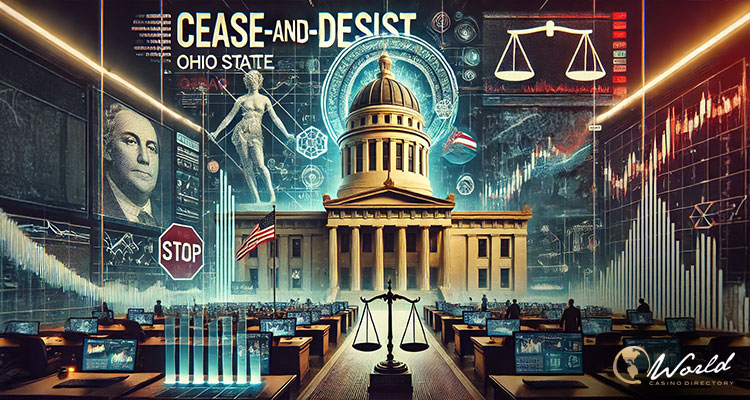
The Connecticut Department of Consumer Protection has ordered Kalshi, Robinhood and Crypto. com to stop offering sports-event contracts to state residents and to allow withdrawal of all funds held on their platforms. The move puts Connecticut among a growing number of states rejecting the argument that such contracts constitute federally regulated derivatives rather than gambling.

The cease-and-desist letters cite multiple violations: the trio lacked a Connecticut sports betting licence, were offering wagers to individuals under the state’s minimum age of 21, and were targeting individuals on the state’s self-exclusion list and college campuses. Regulators flagged these practices as unfair and potentially open to insider trading, given the platforms’ broader access to events with widely known outcomes. The state warned of civil or criminal action if platforms did not comply.

The action in Connecticut comes after a series of legal defeats for Kalshi in several states. In Nevada, a federal judge ruled that Kalshi is subject to state gaming laws, rejecting its claim that only the federal Commodity Futures Trading Commission has jurisdiction over its contracts. That decision freed state regulators to enforce gaming rules against the firm. Previously, regulators in Arizona, Maryland, Illinois, Montana, Ohio and New Jersey had also issued similar orders, some of which led to ongoing litigation.

In Nevada, following the judge’s ruling, Robinhood suspended new sports-event contracts effective December 1, with Crypto. com taking a similar step. Kalshi, however, opted to appeal rather than shut down — underscoring a broader conflict over whether state gambling laws or federal derivatives regulation should govern this space.

Concerns over Oracle Corporation’s massive borrowing to fund its artificial-intelligence ambitions have pushed its debt instruments into territory unseen since the 2008 financial crisis. The company’s bonds have sold off, yields on maturing notes have climbed, and its credit default swap spreads have surged — signalling growing investor anxiety about the sustainability of its heavy spending on cloud and AI infrastructure. The sell-off follows disclosure that Oracle […]

By Nitya Chakraborty What is happening to the INDIA Bloc which gave just a big jolt to the Prime Minister Narendra Modi and his NDA in 2024 Lok Sabha elections? The BJP for the first time since the taking over of Narendra Modi as PM failed to get majority and was forced to form a […]

The article Next Round Of Elections Are Just Five Months Away – Where Is The INDIA Bloc Doing? appeared first on Latest India news, analysis and reports on Newspack by India Press Agency).

The Arab Investment & Export Credit Guarantee Corporation reported that the collective gross domestic product of Arab countries rose by 1.7 percent to about US$3.8 trillion in 2025, even as the region grappled with significant geopolitical tensions. The bulk of the growth remained concentrated in a handful of large economies — Saudi Arabia, United Arab Emirates, Egypt, Algeria and Iraq — which together account for nearly 73 […]

Russian President Vladimir Putin arrived in New Delhi for a two-day visit aimed at reviving and expanding energy and defence cooperation with India. His agenda includes proposals for increased Russian oil exports alongside renewed offers of missile systems and fighter jets, as part of efforts to restore ties challenged by global pressure on Moscow.

The visit coincides with heightened scrutiny of India’s oil and weapon imports from Russia, but also signals Moscow’s determination to deepen the “special and privileged strategic partnership” with New Delhi. Kremlin officials, including Russia’s deputy prime minister overseeing trade, emphasised that the India-Russia forum planned around the summit would explore ways to diversify bilateral trade, extend industrial cooperation and foster joint investments across high-technology and raw-material sectors.

On offer are new arms deals including advanced air-defence platforms and additional batches of combat aircraft. Negotiations are expected to cover the procurement of more units of the S-400 missile system and potential acquisition of fifth-generation Su-57 jets and the next-generation S-500 air-defence shield. Although India has widened its defence procurement sources over recent years, Moscow remains one of its leading suppliers, bolstered by long-standing familiarity and legacy hardware in the armed forces. Analysts note that these proposed arms deals would reaffirm Russia’s influence in India’s defence posture, even as New Delhi attempts to balance Western and Russian dependencies.

Energy cooperation is another key pillar. Russia is offering discounted crude oil supplies under new trade arrangements, including through intermediaries and possibly via joint ventures or extraction projects in Russia’s Far East and Arctic regions. This appears geared toward circumventing Western sanctions on Russian energy exports, while ensuring that India retains access to competitively priced hydrocarbons. At the same time, Indian officials are conscious of growing trade imbalances caused by large-scale Russian imports and have flagged the need to augment Indian exports to Russia, particularly in equipment, raw materials and food products.

Efforts to revive large-scale trade go beyond energy and defence. The India-Russia forum accompanying the summit is expected to chart cooperation in civil nuclear projects, space technology, and high-tech industrial ventures. Signals from the Russian side underscore a long-term vision of a resilient, multifaceted partnership rooted in historical ties. While geopolitical pressures from Western capitals and tariffs on Indian goods pose real challenges, both Moscow and New Delhi appear keen to insulate their bilateral engagement from external strains.

Advertisements

New York City agencies are mobilising emergency flood response as a coastal storm is expected to bring a brief snow-to-rain transition early Tuesday, likely creating slick roads and risks of localised flooding. The forecast from the National Weather Service shows any snow in the city at sunrise will quickly turn to rain, with the bulk of snowfall shifting to inland regions such as the Hudson Valley, northern […]

Mounting evidence from across the technology sector shows that some of the world’s largest platforms continue to struggle with code quality, raising questions about long-term sustainability as companies balance rapid feature deployment with structural reliability. The growing reliance on AI-assisted development tools and accelerated shipping cycles is fuelling technical debt across major firms, prompting calls from engineers, analysts, and former executives for a recalibration of priorities. The […]

By K Raveendran An evolving convergence of political intent and economic pragmatism is giving fresh momentum to the India–Russia relationship, placing the forthcoming summit in New Delhi as a significant moment in a partnership that has already weathered decades of geopolitical shifts. The visit of President Vladimir Putin, framed within the terminology of a ‘Special […]


The article Delhi Summit To See A New Strategic Reset In India-Russia Partnership appeared first on Latest India news, analysis and reports on Newspack by India Press Agency).

Kenya’s total exports during the second quarter of 2025 rose by 1.7 per cent to reach KSh 280.0 billion, while imports grew more sharply, pushing up the overall merchandise trade deficit. That dynamic contributed to a wider current account shortfall and signalled that economic headwinds could complicate the country’s external balance even as growth picks up. Export strength this quarter was driven largely by gains in coffee, […]

Organisers DMCC and Bybit have selected five winning projects from their global Web3 Unleashed #3 hackathon, granting a total prize pool of US$140,000 to the top teams. The live finale took place at S/O Uptown Dubai where finalists pitched across six tracks — DeFi, Web3 Gaming, SocialFi, Infrastructure, Tokenisation, as well as two new areas, DeFAI and DeSci.

More than 90 teams applied from around the world and ten were chosen to present before a panel of industry experts and investors. Judges assessed the entries on technical execution, innovation, business potential and real-world impact. The five winners were Yumi Finance, Glint Analytics, Sorachain AI, Aurayale and Spout Finance.

Ahmed Bin Sulayem, Executive Chairman and CEO of DMCC, said the Web3 Unleashed programme has evolved from a regional initiative into a global benchmark for Web3 innovation, and adding new tracks this year reflects organisers’ commitment to technological evolution and decentralised transformation.

Helen Liu, Co-CEO of Bybit, noted the growing technical depth and global calibre of hackers joining the competition. She underscored that despite volatility in crypto markets — with major tokens facing pullbacks — the exchange remains committed to backing builders working on utility-driven Web3 solutions.

Support for the hackathon came from partners including DWF Labs, Hacken, CV Labs, Blockchain for Good Alliance, Verse8, CROSS and Cointelegraph, which contributed mentorship, technical guidance and exposure to participating teams.

The hackathon’s broadened scope this year, especially with DeFAI and DeSci categories, highlights widening interest in merging blockchain with artificial intelligence and decentralised scientific research — areas gaining traction among developers worldwide. The winners’ projects are expected to benefit from access to mentors, potential backing from investors and integration into DMCC’s expanding Web3 ecosystem.

Stakeholders consider the outcome indicative of a maturing Web3 landscape in Dubai and beyond, where decentralised technologies are increasingly judged on real-world utility, technical robustness, and cross-sector applicability.

AI’s most celebrated breakthroughs have lived almost entirely behind glass. Models generate words, sketches and synthetic universes, but the physical world remains stubbornly uninterpreted and largely untouched by this computational flourish. As companies push toward systems that move, react and collaborate like autonomous agents, a quieter truth is settling in across California’s innovation core: intelligence can no longer remain suspended inside screens. The next era is about […]

Market attention turned sharply towards World Liberty Financial as its WLFI token climbed more than 7% on the daily chart, supported by renewed momentum in a buyback programme that has drawn heightened interest from traders. The jump in value, which pushed volumes higher across multiple exchanges, underscored a shift in sentiment around the project after a period of steady consolidation in its price trajectory.

Traders noted that the upswing aligned with the recommencement of the token buyback scheme, which had been announced earlier in the year as part of the platform’s strategy to stabilise circulating supply and incentivise long-term holding. The renewed activity around the programme appeared to signal confidence within the project’s core team, with market participants interpreting the move as an effort to strengthen liquidity and reinforce the token’s market position during a phase of broader volatility in digital assets.

The project, positioned as a decentralised finance ecosystem offering yield products and cross-border payment tools, has been attempting to carve out a more distinct space in the congested DeFi landscape. Its token performance has shown periods of sharp movement in line with broader market swings, but the latest rise stood out due to the targeted intervention through the buyback initiative. Analysts tracking on-chain data confirmed a noticeable reduction in WLFI circulating supply over the past 48 hours, indicating execution of the buyback in measurable volumes.

A senior market analyst at a Dubai-based digital asset fund said the token’s rebound reflected “a coordinated liquidity strategy combined with renewed user engagement,” adding that sustained price support would depend on whether the buybacks continue at a stable pace. The analyst also pointed to the rising interest in tokens backed by structured DeFi models, noting that these projects have gained traction as traders search for instruments offering more predictable mechanics compared with purely speculative assets.

WLFI’s latest surge coincided with a broad improvement in sentiment across mid-cap digital tokens, though its gain exceeded the general market trend. Data aggregators showed that while major assets such as Bitcoin and Ether recorded modest upward moves, WLFI’s performance outpaced most alternative tokens in its category. The increase was accompanied by a measurable uptick in wallet activity, with new holders entering the market as trading forums circulated speculation about further buyback rounds.

Company representatives had earlier disclosed that the buyback programme was designed to respond dynamically to market conditions, enabling the project to reinforce token value during periods of instability. Blockchain analysts have noted that such mechanisms, if implemented with transparency and predictable parameters, can help sustain community confidence and mitigate sharp sell-offs. The WLFI team’s renewed engagement, including technical updates and communication around upcoming ecosystem features, also contributed to the current sentiment shift.

Industry observers said market participants were also watching regulatory signals closely, as global jurisdictions continue to refine frameworks for digital assets. A clearer regulatory environment, particularly in markets influential to token liquidity, has historically contributed to greater investor participation. WLFI’s activity in markets such as the UAE and Southeast Asia has expanded over the past year, aided by partnerships with payment service providers and liquidity networks aiming to widen adoption.

Developments in DeFi have shown that buyback-driven appreciation, while effective in the short term, typically requires sustained platform growth to maintain momentum. This has put attention on WLFI’s roadmap, which outlines the rollout of additional financial tools and integrations aimed at strengthening ecosystem utility. Market analysts said user adoption metrics over the next quarter would be critical in determining whether the token can retain the gains recorded following the buyback revival.

The broader digital asset market has been characterised by alternating periods of risk appetite and caution, shaped by shifting macroeconomic indicators and geopolitical developments. WLFI’s rise occurred during a phase where traders were displaying a stronger preference for tokens linked to structured platforms with defined use cases. This positioned WLFI favourably as its developers highlighted enhancements to yield mechanisms and expansion into multi-chain support, which could increase platform accessibility.

Trading desks reported that the token’s order books reflected thicker buy-side interest as the session progressed, suggesting that momentum-driven traders were reinforcing the upward movement. Price analysts, however, cautioned that tokens experiencing sudden appreciation following buybacks may face corrections if broader market sentiment turns or if programme intensity decreases. Despite this, WLFI’s advocates argue that the project’s tokenomics structure is engineered to provide periodic support without distorting long-term market behaviour.

As billion dollar private companies OpenAI and Stripe rapidly rise in prominence, venture capital has once again become a central topic of discussion in business and finance. That is why thought it would be timely to have a conversation with Alessio Vinassa, an entrepreneur, venture builder, thought leader, and philanthropist firmly entrenched in the venture capital space. Alessio speaks like a builder who has seen ideas become […]

Moscow has moved to ease restrictions on investments tied to digital assets by announcing that major fund managers will be permitted to purchase derivatives linked to cryptocurrencies from early next year. Under this policy shift, the Bank of Russia plans to amend regulations in the first quarter of the upcoming year to allow capital-management firms, previously barred, to engage in futures and options referencing digital currencies.

The initiative marks a departure from earlier policy built around tightly defined access for “specially qualified” investors under a three-year pilot programme unveiled in March, which required individuals to hold over 100 million rubles in securities or earn above 50 million rubles annually. Deputy Finance Minister Ivan Chebeskov confirmed the government is also considering scrapping the “superqual” status entirely, a label proposed for crypto-investors under previous drafts.

The timing aligns with a broader regulatory realignment in which Moscow is both cautioning on crypto risks and expanding permissible use-cases. Earlier this year the central bank issued guidance emphasising that direct cryptocurrency holdings carry significant risk even as it proposed a stepped investment regime for qualified entities. Meanwhile legislators had sanctioned the use of crypto-assets for certain cross-border payments and legalised mining operations in July of last year.

Significant players in the Russian financial sector are already positioning themselves for the shift. Sberbank, the country’s largest lender by assets, reported it had raised 1.3 billion rubles through crypto derivative offerings in recent months and signalled plans to expand the business line further.

Market watchers interpret the regulatory loosening as part of a dual strategy: fostering new sources of capital amid constraints from sanctions, while maintaining supervisory controls on the evolving digital-asset ecosystem. “Allowing derivatives tied to cryptocurrencies is a big step—Russian funds were previously excluded,” said one analyst at a Moscow-based brokerage. At the same time, the analyst warned that “the oversight framework remains immature and the risks of liquidity, valuation and sanctions remain.”

Critics caution that letting traditional investment firms access crypto-linked instruments could raise systemic vulnerabilities. The European Union has recently targeted stablecoin-linked Russian entities under sanctions, and anti-money-laundering regulators flagged the region as high-risk, particularly in flows tied to offshore crypto trading.

Regulators in Moscow underline that the institutional gateway is intended to provide a controlled environment. The Bank of Russia’s earlier proposal for an experimental legal regime limited participation to investors meeting strict asset or income thresholds and required intermediaries to ensure transparency of transactions. It did not allow cryptocurrencies to be used as payment for goods and services.

As the investment window broadens, industry participants expect asset management firms to bring structured products to market, linking outcomes to benchmark crypto indices rather than direct holdings of tokens. “Derivatives give firms a means to hedge and gain exposure without custody of coins,” noted a fund-manager in Moscow. However, he added that regulatory clarity on taxation, disclosure, and cross-border transfers is still lacking.

The government’s removal of the “superqual” status could widen the investor base further, allowing mid-sized firms and high-net-worth individuals access to asset classes previously off-limits. This move may increase competition, as offshore platforms draw new Russian clients frustrated by domestic restrictions.

At the same time, the expanded framework raises questions about how Russia’s risk-management infrastructure will evolve. The central bank has repeatedly warned that cryptocurrencies remain speculative and not backed by the state; ongoing amendments to legislation will need to address issues of market integrity, investor protection and sanctions compliance.

Cyber-security firms Kaspersky and VDC Research have estimated that global manufacturing organisations could incur losses exceeding US$18 billion in the first three quarters of 2025 due to ransomware attacks disabling production-line operations. According to their joint analysis, based on data from the Kaspersky Security Network, the average incident leads to around 13 days of operational disruption, with labour costs alone accounting for billions of dollars. The losses […]

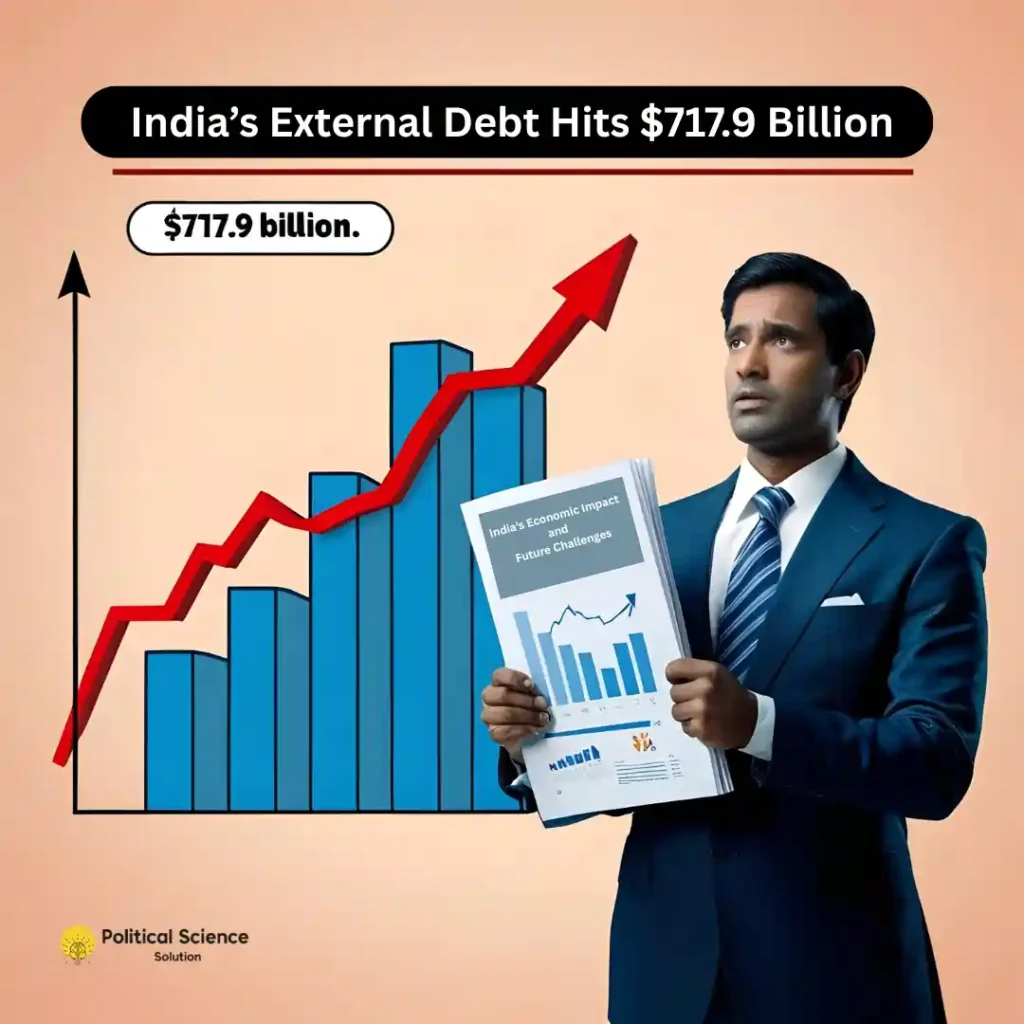
By Nantoo Banerjee The government may disagree but India’s persistent trade deficit is ruining the country’s economy despite its impressive growth. Last month, import-happy India’s trade deficit reached a record high level of US$41 billion as exports witnessed the sharpest monthly decline over a year. Unfortunately, a big surge in gold imports during October by […]

The article Behind India’s Rising Foreign Debt Is Growing Trade Deficit appeared first on Latest India news, analysis and reports on Newspack by India Press Agency).

Organizations are deploying artificial-intelligence-driven defences to counter increasingly sophisticated cyber threats as attackers harness the same technology to mount agile attacks. Leaders at major cybersecurity firms say the conflict between defenders and adversaries has entered a new phase, where speed, adaptability and automation are critical. The security firm Palo Alto Networks announced upgraded platforms designed to protect cloud assets and AI-based applications, citing the need to monitor […]

Bitcoin climbed to just below $88,000, with fresh momentum in the market fuelling optimism among traders and analysts. The broad crypto ecosystem responded in kind, bringing the total market capitalisation close to the $3 trillion mark — a figure emblematic of expanding institutional interest and regulatory shifts. A growing number of market participants now expect the flagship crypto-asset to press higher, although analysts caution that volatility remains elevated and support levels are becoming increasingly critical.

The asset’s ascent has been driven by multiple factors. Anticipation of potential interest-rate easing by the Federal Reserve, combined with favourable regulatory developments in the US, has bolstered investor confidence. Support from institutional flows appears meaningful: large asset-managers and first-time institutional entrants are moving into crypto-related products. Some technical analysts highlight that the jump above $86,000 marks a breakout from prior resistance, reinforcing bullish narratives.

Key support is identified in the $84,000–$86,000 zone. One analyst from block-chain data firm Glassnode warns that a slip below $88,000 could set up a descent back toward that lower band, which would challenge bullish momentum. The same company points out that trading volumes are lighter than during major rallies of the past, suggesting caution until stronger confirmation arrives.

Looking ahead, technical-chart readings suggest a potential push toward $90,000-plus levels, possibly reaching into the $92,000–$100,000 range if momentum holds and major resistance is overcome. Several analysts highlight the $92,000-$93,000 region as a key hurdle, with failure to clear it likely to trigger a thinned advance. Others remain more cautious, pointing to broader macro and regulatory risks.

From a structural standpoint, one scenario treats the move as part of a wave-four corrective bounce, implying that a wave-five surge could follow. Under that model the next leg upward might push toward $100,000+. On the flip side, critics note that weekend trading volumes typically shrink, making such breakouts less reliable and opening the possibility of false moves.

Altcoins are broadly echoing the trend. Ethereum and major tokens have posted gains, though their trajectories remain more muted compared with Bitcoin’s. The dominance of Bitcoin in the crypto-market cap has widened slightly, underlining that many investors remain focused on the primary asset while altcoin sentiment remains cautious.

Regulatory dynamics are playing a significant role. The US Congress and regulators have advanced legislation and guidance that facilitate crypto-asset integration into mainstream financial systems, including retirement-account access and clearer tax/data rules. Such changes are interpreted by institutional investors as de-risking signals that could unlock further flows.

Abu Dhabi based investment firm Lunate has escalated its global ambitions after deploying roughly US$13.5 billion and signalling plans to raise even larger funds for 2026 launches. Founded in 2023 and backed by the emirate’s investment ecosystem, Lunate raised about US$17 billion in 2024 for its flagship funds and has invested around 80 per cent of that amount, according to individuals familiar with its operations. The firm […]

Dubai’s property market is grappling with a widening supply-demand gap, as the number of completed units lags behind the increasing volume of new project announcements. While developers continue to launch projects at an accelerated pace, experts warn that this could lead to a critical imbalance in the coming years. According to real estate agency Allsopp & Allsopp, a significant discrepancy is emerging between the number of new […]

Business conditions across the United Arab Emirates’ non-oil private sector eased with the headline S&P Global UAE Purchasing Managers’ Index slipping from 54.2 in September to 53.8 in October. Growth remained above the mid-year trend but the moderation highlights emerging caution amid new challenges. The decline in the PMI reflects a tempering of momentum, notably in hiring and new business orders. While the headline index still signals […]

By Salah Uddin Shoaib Choudhury For decades a shadow economy of drugs, counterfeit currency and illicit cash flows has threaded its way across South Asia, North Africa and beyond. What makes this underground economy especially dangerous is not only its scale but the way statecraft, organized crime and violent Islamist militancy appear to intersect – creating a self-reinforcing funding loop for groups that seek to destabilize societies […]

VISHNU RAJA
RYO YAMADA
HITORI GOTOH
IKUYO KITA