Just in:
US military rebuts Iran’s Gulf F-16 strike allegation // Dalilk Academy reaches 27 million, targets 100 million by 2030 // Saudi defences destroy three Houthi missiles targeting Riyadh // Technology at Work, Heritage for All: The “Chinese Approach” to Safeguarding the Leshan Giant Buddha // Singapore regulator cautions against AI access to bank logins // Sabarimala booking discrepancies prompt sabotage angle probe // Diabetes Malaysia And Alpro Pharmacy Set National Record With 11,007 Most Blood Glucose Screenings Conducted Across Malaysia In Just 48 Hours // Crypto market loses $150 billion amid broad sell-off // Coinbase targets 2027 launch amid state gambling lawsuits // Dubai Introduces SHARH, an AI-Powered Platform Helping Entrepreneurs Buy, Sell and Manage Businesses in the UAE // Sui activates Hashi Bitcoin lending across partner network // 2026 Tropical Rainforest Ecosystem Partners Conference Kicks off in Hainan // Toward a Shared Future for Humanity: Rethinking Civilizational Exchange // Sharjah clears Kalba free zone plan for 400MW complex // PayerMax and ShopeePay Strengthen Strategic Partnership to Advance Digital Payment Collaboration in Southeast Asia // Padmini follows Padmaja for ‘ghar vapsi’ // Jaiedco and Golden Bridge Announce Strategic Collaboration for a New Dubai Islands Development // European Commission takes systems offline after AI cyberattack // Oil futures rebound after Riyadh strikes and tanker alerts // Yeebo Announces Interim Results for FY26/27 Revenue Increases by 45.5% to HK$806.7 Million Profit Attributable to Owners Surges 87.6% to HK$2,284.7 Million //

News related to
widen

Arabian Post Staff -Dubai Riyadh’s property landscape is being re-engineered at pace as public investment, private capital and planning reforms converge, with a multi-year pipeline spanning transport, data infrastructure and construction altering how the city builds, works and lives. The shift is being underpinned by the acceleration of Vision 2030, which is redirecting demand across offices, homes, retail and hospitality while seeding new growth in AI infrastructure […]

The United Arab Emirates is on course to generate more than one million additional jobs by 2030, placing it among the world’s fastest-expanding labour markets as economic diversification, technology adoption and population growth intensify demand for skilled workers, according to a workforce outlook released by ServiceNow.

The projection underscores the scale of change under way in the UAE’s employment landscape, where public and private sector investment is being channelled into advanced industries, digital services, clean energy, logistics and financial technology. Policymakers have positioned job creation as a central pillar of national economic strategy, linking employment growth to productivity gains, innovation and long-term competitiveness.

ServiceNow’s analysis indicates that the strongest employment momentum is emerging in technology-led roles, particularly in cloud computing, artificial intelligence operations, cybersecurity, data analytics and enterprise software services. Demand is also rising for professionals who can combine technical skills with business process expertise, reflecting the increasing automation of workflows across government entities, banks, energy companies and logistics firms.

This expansion is unfolding alongside steady population growth driven by immigration, as professionals from Asia, Europe and Africa relocate to the UAE for work opportunities. Labour market specialists say the inflow of skilled workers has become an economic asset, helping employers fill gaps in high-value roles while supporting consumption and domestic demand.

Beyond technology, job creation is expected to be broad-based. Construction and real estate continue to absorb labour as infrastructure spending remains strong, while tourism, hospitality and aviation are benefitting from sustained visitor growth and expanding airline capacity. Healthcare and education are also projected to add sizeable numbers of jobs as authorities invest in social infrastructure to support a larger and more diverse population.

The digital transformation of government services has emerged as a significant employment driver. Federal and emirate-level entities are accelerating the shift towards paperless operations, data-driven decision-making and AI-enabled public services. This has increased demand for systems architects, digital policy specialists and programme managers who can oversee complex technology deployments while ensuring regulatory compliance and data security.

Employers are also rethinking workforce structures as automation changes how tasks are performed. Routine administrative roles are increasingly being replaced or augmented by software platforms, while new positions are emerging in system oversight, process design and user experience management. Analysts say this transition is not eliminating jobs at scale but reshaping them, with a premium placed on adaptability and continuous learning.

Education and training institutions are responding by expanding programmes focused on digital skills, coding, data science and cyber resilience. Partnerships between universities, vocational institutes and multinational firms are becoming more common, aimed at aligning curricula with labour market needs. Corporate upskilling initiatives are also gaining traction as employers seek to retrain existing staff rather than rely solely on external hiring.

Wage dynamics are expected to reflect these shifts. Salaries in high-demand technology and specialist roles have been rising faster than the broader market, while competition for experienced professionals has intensified. Human resources consultants note that non-salary benefits, including flexible working arrangements, career progression pathways and residency incentives, are increasingly important in attracting and retaining talent.

The ServiceNow report places the UAE’s projected job growth ahead of many mature economies, where ageing populations and slower productivity gains are constraining employment expansion. By contrast, the UAE’s relatively young workforce, openness to foreign talent and willingness to adopt new technologies are seen as structural advantages.

Challenges remain, particularly around ensuring that job creation keeps pace with population growth and that skills mismatches do not widen. Economists warn that without sustained investment in education and training, shortages could emerge in critical areas, potentially pushing up labour costs and slowing project delivery. There is also a need to integrate more nationals into private-sector roles, a long-standing policy objective supported by wage subsidies, training schemes and regulatory measures.

  Bitcoin could set a fresh all-time high in the first half of 2026, according to forward-looking projections outlined by digital asset manager Grayscale, which argues that a maturing market structure, institutional demand and macroeconomic tailwinds are aligning for another leg higher after the current cycle plays out. The outlook, published as part of Grayscale’s industry expectations for 2026, places Bitcoin’s next peak within the opening six […]

Stricter municipal requirements for private schools and learning facilities across Saudi Arabia have been issued by the Ministry of Municipalities and Housing, widening oversight of environmental quality, safety standards and urban planning as the kingdom continues to reshape its education landscape.

The updated framework applies to nurseries, kindergartens, schools and large educational complexes, covering private educational buildings established on land zoned for education as well as facilities built on government land leased to the private sector. It also extends to education facilities developed on plots allocated for commercial use, bringing a broader range of premises under a single municipal rulebook.

These revised rules aim to raise school standards, officials familiar with the changes say, by aligning environmental and safety benchmarks with national urban development goals. Municipal authorities will now assess new and existing private education facilities against clearer criteria for site suitability, building design, infrastructure access and community impact, with the stated objective of improving learning environments while reducing planning conflicts in fast-growing urban areas.

Environmental quality features prominently in the requirements. Schools and learning centres must meet stricter controls on waste management, ventilation, natural lighting and noise mitigation, particularly in densely populated districts. Municipal inspectors are expected to pay closer attention to how campuses manage traffic flow during peak hours and how outdoor spaces are designed to minimise heat exposure, reflecting broader sustainability priorities embedded in local planning codes.

Safety standards have also been expanded, with new specifications for emergency exits, fire prevention systems, accessibility for students with disabilities and safe pedestrian access. Facilities operating on leased government land will be subject to the same technical checks as those on privately owned plots, removing earlier ambiguities over compliance responsibilities between landlords and operators.

Urban planning considerations mark a significant shift in how private education projects are approved. The requirements link school licensing more tightly to neighbourhood zoning plans, population density and existing public services. Education facilities built on commercially zoned land must now demonstrate compatibility with surrounding uses, including retail and office developments, and show how student movement will be separated from heavy traffic and delivery routes.

Education sector specialists note that the changes reflect a growing emphasis on coordinated urban growth rather than piecemeal approvals. Private schooling has expanded rapidly over the past decade, particularly in major cities such as Riyadh and Jeddah, driven by demographic growth and rising demand for international curricula. Municipal authorities have faced mounting pressure to ensure that this expansion does not strain infrastructure or compromise safety.

Operators are being given clearer guidance on minimum plot sizes, building heights and setbacks, as well as requirements for green spaces and recreational areas. While the rules do not prescribe specific architectural styles, they emphasise functional design and durability, encouraging materials and layouts that support long-term use and lower maintenance costs.

For existing schools, the requirements introduce a phased compliance approach. Facilities already in operation will be required to align with the new standards within defined timeframes, with municipalities expected to prioritise critical safety and environmental upgrades. Education providers that fail to meet key benchmarks could face restrictions on licence renewals or limits on student capacity until deficiencies are addressed.

Private education investors and school operators are assessing the commercial implications. Some developers see higher upfront costs, particularly for projects planned on commercial land where redesigns may be needed to meet zoning compatibility rules. Others argue that clearer standards reduce regulatory uncertainty and improve asset quality over time, making compliant schools more attractive to parents and financiers.

The rules also intersect with broader national reforms aimed at improving quality of life and diversifying the economy under long-term development strategies. By tightening oversight of private education facilities, authorities are signalling that growth in the sector must be matched by higher standards of safety, sustainability and urban integration.

Municipal officials say enforcement will rely on closer coordination with education regulators to avoid duplication and ensure consistent interpretation of requirements. Digital permitting systems are expected to play a larger role in tracking compliance and scheduling inspections, although detailed implementation guidance is still being rolled out at the local level.

Arabian Post Staff -Dubai Qatar Investment Authority has joined a consortium of global investors backing a move to take Janus Henderson Group private, marking one of the largest asset-management buyouts announced this year and underlining sovereign interest in long-term financial services platforms. The all-cash transaction values the New York-listed firm at about USD 7.4 billion and is being led by Trian Fund Management alongside General Catalyst. Qatar’s […]

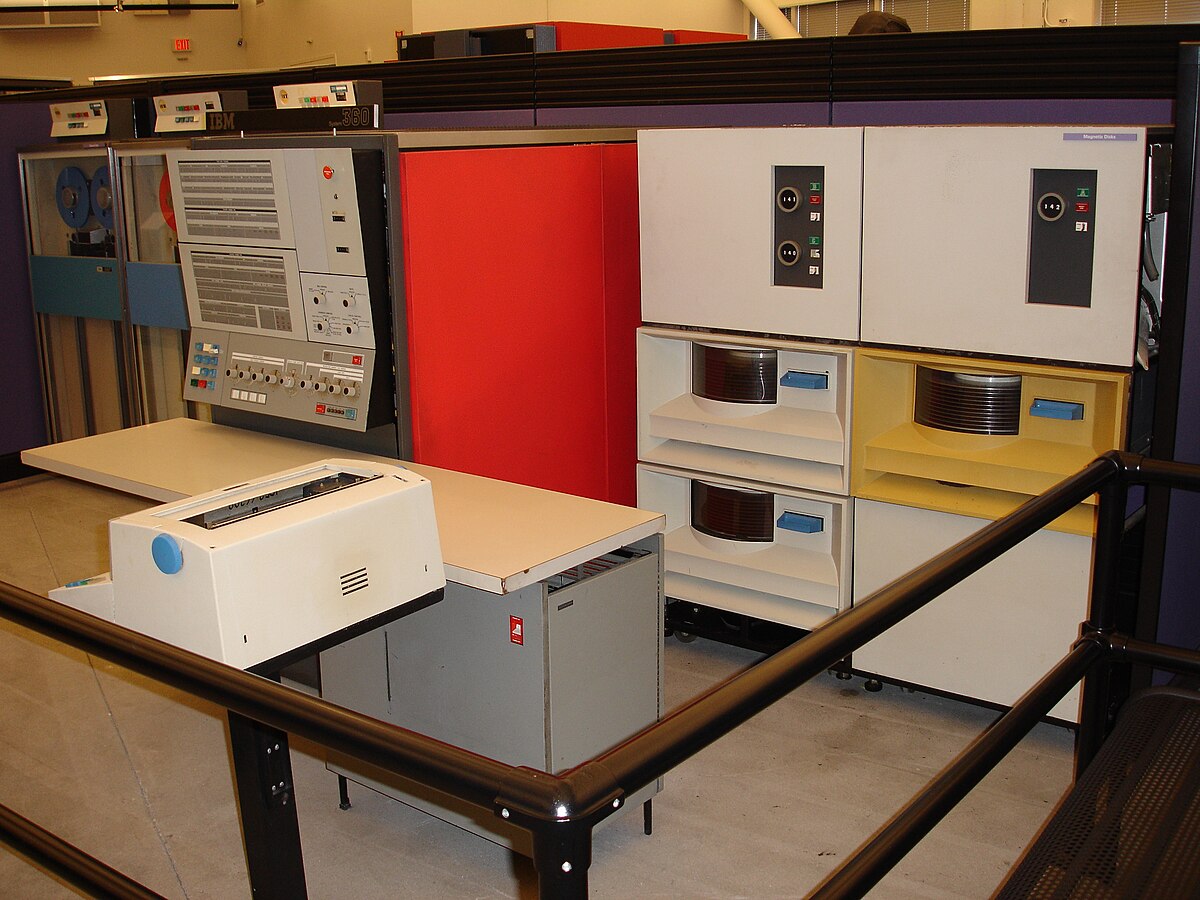
IBM has set out an ambitious plan to equip five million people across India with skills in artificial intelligence, cybersecurity and quantum computing by 2030, deepening its long-running SkillsBuild programme and expanding partnerships with governments, universities and employers to address widening technology talent gaps.

The initiative, led by IBM, centres on scaling IBM SkillsBuild, a free digital learning platform that blends online courses, project-based learning and industry-recognised credentials. The company said the expansion will prioritise job-ready capabilities aligned with fast-evolving enterprise demand, including generative AI applications, cloud security and the foundations of quantum information science.

IBM executives framed the move as a response to structural shifts in the labour market, where automation and AI adoption are reshaping roles faster than traditional education systems can adapt. India’s large and youthful workforce, combined with rapid digitalisation across banking, healthcare, manufacturing and public services, has made skills development a policy and business imperative. Government estimates show millions of new digital roles emerging this decade even as legacy jobs are redefined.

The company plans to deepen curriculum integration with higher education institutions, vocational colleges and secondary schools, embedding SkillsBuild content into coursework while expanding teacher training so faculty can deliver updated material. IBM also intends to widen collaborations with state governments and industry bodies to tailor programmes for local employment needs, particularly in tier-two and tier-three cities where access to advanced training has lagged.

SkillsBuild offers modular pathways that range from introductory digital literacy to advanced certifications, with content developed by IBM practitioners and academic partners. Learners can earn digital badges in areas such as data analysis, AI ethics, cybersecurity fundamentals and cloud computing, alongside exposure to quantum concepts through simulations and guided labs. IBM said it will add more experiential components, including hackathons, internships and employer-linked projects, to strengthen transitions from learning to work.

Cybersecurity has been highlighted as a priority track, reflecting persistent shortages of security professionals and rising risks to critical infrastructure and enterprises. Courses will cover threat analysis, incident response and secure system design, with an emphasis on practical skills that align with global frameworks. In AI, the focus extends beyond coding to include responsible deployment, model governance and sector-specific use cases, areas that employers increasingly cite as gaps among graduates.

Quantum computing, still an emerging field, forms the third pillar of the programme. IBM operates one of the world’s largest fleets of quantum systems accessible via the cloud, and the curriculum introduces learners to quantum mechanics, algorithms and programming tools. While near-term job creation in quantum remains limited, IBM argues that early exposure will build a pipeline of talent capable of supporting research, hardware development and future commercial applications.

The scale of the target reflects IBM’s broader workforce strategy, which has shifted towards skills-based hiring and continuous learning. The company has previously said that formal degrees are no longer the sole proxy for capability, particularly in fast-moving technology domains. By expanding free access to training and credentials, IBM aims to widen participation among women, underrepresented communities and learners from non-traditional backgrounds.

Industry analysts view the plan as part of a competitive race among global technology firms to cultivate ecosystems of skilled users and developers. Cloud providers, software companies and chipmakers have all launched large-scale training commitments, seeking both social impact and long-term commercial benefits as trained professionals tend to adopt familiar platforms. For India, such programmes complement national efforts to boost digital skills and attract high-value investment, though experts caution that quality, relevance and job linkage will determine outcomes.

Washington has approved an arms package for Taiwan valued at about $11.1 billion, a move described by officials as the largest single tranche of US military support for the island and one that has prompted a sharp diplomatic response from Beijing. The decision underscores a widening security rift across the Taiwan Strait as pressure on Taipei intensifies through military drills, air patrols and naval manoeuvres. The package, […]

Advertisements

A rare exhibition tracing an eight-year cross-cultural art journey between rural Yunnan and Singapore, showing how long-term youth art education can transform confidence, community and connection.

SINGAPORE – Media OutReach Newswire – 18 December 2025 – MOCA Singapore presents 3001 KM: Eight Years Between Us, in partnership with PureView Art Foundation, one of the region’s few long-term cross-cultural youth art practices. The exhibition brings together drawings, letters, photographs and archival materials documenting an eight-year journey between rural Yunnan and Singapore, showing how sustained art education can transform confidence, community and connection.

The title references the straight-line distance between Dagaji Village in Yunnan, China, and Singapore. It also reflects the time, trust and relationships nurtured through PureView’s long-term engagement with children in rural and underserved communities.

“PureView does not aim to change every child’s destiny. Instead, we hope to open a small but real window at a moment in their growth so they know that someone in the world sees them, listens to them and believes in them,” said Dr. Jie Li-Elbrächter, Founder and Curator of PureView Art Foundation.

Long-term engagement across five rural regions

The project began in 2018 when PureView volunteers first arrived in Dagaji Village, a rural community where children shyly offered their earliest drawings. This moment shaped the initiative’s commitment to long-term engagement rather than short-term projects.

Over eight years, PureView’s team worked with approximately 15 to 20 children each year through a one-to-one exchange model with youth volunteers. To date, the initiative has involved around 400 youth and adult volunteers across five rural regions, adapting formats including online exchanges during the pandemic to maintain continuity.

The exhibition features hundreds of artworks and archival materials, including artworks created by participating children.

It also documents visible change within Dagaji Village, where water systems have been installed, new shops have opened and children from the earliest years of the project have reached new milestones, including university enrollment. Younger siblings now continue their journey with the project, taking up the brush in the same classrooms where their older siblings once began.

A timely exhibition for Singapore

This exhibition arrives at a moment when Singapore is placing greater focus on youth development, community arts and cross-cultural understanding. As regional inequalities widen and post-pandemic recovery continues, initiatives like PureView highlight the role of long-term arts engagement in building empathy, resilience and connection across diverse communities.

A social practice shaped by continuity, not funding cycles

While often compared to art NGOs, PureView operates as a long-term cultural and educational practice rooted in field research and repeat return visits. PureView is grounded in Dr. Jie Li-Elbrächter’s long-term research in art anthropology and rural development. The work prioritises children’s agency, ethical observation and relationships built over many years rather than seasonal programming.

PureView was co-initiated by Dr. Jie Li, an art anthropologist specialising in rural development, together with three children from the project, Letian, Luan and Luna. The children have grown alongside the initiative and now take on significant roles, helping shape the project’s direction and ensuring that the stories of participating communities remain their own.

Opening programme and community collaboration

The exhibition opening featured guided tours led by youth volunteers in both Chinese and English, reflecting the project’s practice of “children drawing children”. A Peking Opera presentation introduced by volunteers in earlier field visits was also part of the programme, demonstrating how cultural traditions travel and evolve through education.

ANTA Group supported the initiative by providing apparel for volunteers and children over two consecutive years. Through repeated workshops and field visits, the apparel brand supported a sense of equality and belonging for children.

This support fosters a shared identity and stable experience during workshops and field activities. ANTA’s involvement reflects its belief that physical education and aesthetic education work together to strengthen confidence, resilience and self-expression.

Introducing the International Youth Art Biennale

At the opening, PureView announced the launch of the International Youth Art Biennale in 2026. The biennale will begin with participation from China, Southeast Asia and selected international partners, focusing on children and youth aged 8 to 18.

The biennale will emphasise long-term engagement, care and continuity rather than competition. Schools and youth groups will be able to join through open calls, curated partnerships and online collaborative programmes designed for accessibility to underserved communities.

Scaling impact while maintaining depth

From 2026 onward, PureView will adopt a dual-track model that continues in-depth field visits while offering expanded online courses. This model is expected to reach approximately 3000 to 5000 rural children each year while preserving the ethics and depth of the project’s long-term practice.

The exhibition is a quiet reminder that when time, care and creativity travel together, even the smallest gestures can illuminate an entire community.

Exhibition and programme details

3001 KM: Eight Years Between Us
Location: MOCA Singapore
14 December 2025 to 11 January 2026
Daily 10:00 to 18:30
Admission ticketed
Venue: 39 Keppel Road, #01-01, Singapore 089065

Extended Programme: Art as Care | Panel Discussion
Location: XMuseum
12 January to 31 January 2026
Daily 11:00 to 20:00
Free admission
Includes a panel discussion on arts support for vulnerable communities
Venue: Kitchener Complex Level 3, French Road 200809

For more information, visit www.pureviewartfoundation.org
Hashtag: #MOCASingapore #PureViewArtFoundation #YouthArt #3001KM #ArtExhibition #ArtAsCare

The issuer is solely responsible for the content of this announcement.

About PureView Art Foundation

PureView Art Foundation is a long-term cultural and educational initiative focused on youth art practice, rural development and cross-cultural exchange across Asia. Founded by art anthropologist Dr. Jie Li-Elbrächter together with three children who grew up with the project, PureView operates as a sustained social practice rather than a traditional NGO.

Its work centres on continuity, ethical observation and repeated return visits to rural communities, allowing children to retain ownership of their stories while building confidence through artistic expression. Over the past eight years, PureView has worked with hundreds of volunteers and children across multiple regions, combining field research, community engagement and arts-based education to support both individual growth and broader social connection.


The United Arab Emirates has consolidated its standing in 2025 as one of the world’s fastest-growing economies, underpinned by a surge in non-oil activity, sustained investment inflows and a regulatory framework designed to attract capital and talent. Data released through the year point to broad-based expansion across trade, manufacturing, logistics, tourism, finance and technology, reinforcing a shift away from hydrocarbons as the primary engine of growth.

Non-oil foreign trade climbed 24.5 per cent in the first half of 2025 to AED1.7 trillion, a pace that far exceeds the prevailing global trade growth rate. The increase reflects rising re-exports, stronger demand from Asia, Europe and Africa, and the UAE’s role as a commercial bridge linking major markets. Officials have highlighted gains in machinery, electronics, precious metals, food products and pharmaceuticals, supported by expanded port capacity, faster customs procedures and new trade agreements.

Investment indicators have moved in tandem with trade. The UN Conference on Trade and Development’s World Investment Report 2025 ranked the UAE 10th globally for inbound foreign direct investment in 2024, with inflows of AED167.6 billion. That placing keeps the country among the world’s most attractive destinations for capital, alongside much larger economies, and underscores confidence in the policy environment, infrastructure and legal protections available to investors.

Economic planners attribute the momentum to a combination of structural reforms and targeted incentives. Liberalised ownership rules, long-term residency options for professionals and entrepreneurs, and streamlined licensing have lowered barriers for international firms. Specialised free zones continue to draw companies in logistics, clean energy, advanced manufacturing, fintech and digital services, while onshore jurisdictions have simplified company formation and compliance.

Non-oil GDP growth has been supported by strong domestic demand and an expanding population of skilled workers. Tourism has posted record levels of hotel occupancy and visitor spending, aided by expanded air connectivity and major events that have kept demand resilient across seasons. Retail and hospitality have benefited from rising consumer confidence, while real estate transactions have remained active across residential, commercial and industrial segments.

Manufacturing has emerged as a key contributor, with investments flowing into metals, food processing, pharmaceuticals and building materials. The push to localise supply chains and boost exports has been reinforced by incentives for advanced manufacturing and the adoption of automation and artificial intelligence. Renewable energy and clean technology projects have also attracted capital, aligning economic growth with climate commitments.

The financial sector has played a central role in channelling investment. Banks have reported healthy credit growth to businesses, while capital markets have seen new listings and debt issuance that broaden funding options. Asset managers and private equity firms have expanded regional operations, using the UAE as a base for Middle East, Africa and South Asia strategies. Regulatory clarity in digital assets and fintech has further widened the investor base.

Trade policy has complemented domestic reforms. Comprehensive economic partnership agreements have reduced tariffs and opened access to fast-growing markets, supporting exporters and logistics providers. Improved customs digitisation has shortened clearance times, enhancing the country’s competitiveness as a trans-shipment hub. The scale of non-oil trade growth indicates that these measures are translating into higher volumes rather than merely price effects.

Arabian Post Staff -Dubai Hotel occupancy across the UAE climbed to 79.3 per cent during the first ten months of 2025, underlining the sector’s sustained momentum as visitor flows, air connectivity and investment continue to reinforce the country’s position as a global tourism hub. The figure marks an increase from 78 per cent a year earlier and places the UAE among the strongest performers both regionally and […]

Apple is evaluating the assembly and packaging of iPhone chips in India as part of a broader effort to rebalance its global supply chain, with CG Semi emerging as a potential partner, according to people familiar with the matter and public disclosures by companies involved in India’s semiconductor push. The move would mark a deeper localisation step beyond final device assembly and signal confidence in India’s ability to host advanced backend semiconductor operations.

The discussions centre on outsourced semiconductor assembly and test, a critical stage that follows wafer fabrication and precedes integration into devices. Apple’s A-series and M-series chips are designed in California and fabricated by Taiwan Semiconductor Manufacturing Company. Packaging and testing have largely been concentrated in East Asia, with China playing a central role through specialised facilities. Shifting part of this work to India would reduce geographic concentration risk while aligning with policy incentives offered by New Delhi to attract high-value electronics manufacturing.

CG Semi, the semiconductor arm of CG Power and Industrial Solutions, has been positioning itself as a contender in this space through a joint venture with Japan’s Renesas Electronics and Thailand’s Stars Microelectronics. The consortium has outlined plans for an OSAT facility in Gujarat, supported by central and state incentives under the Semiconductor Mission. While timelines and customer commitments have not been formally disclosed, the venture has been presented by partners as targeting advanced packaging for automotive and consumer electronics chips, an overlap that fits Apple’s requirements.

People tracking the talks caution that Apple’s evaluation remains exploratory. The company typically subjects suppliers to multi-year qualification processes covering yield, reliability, intellectual-property safeguards and environmental standards. Any decision would depend on CG Semi’s ability to meet Apple’s exacting specifications at scale and to integrate with the existing manufacturing ecosystem that includes contract assemblers such as Foxconn and Tata Group entities already producing iPhones in India.

India’s pitch rests on a combination of incentives and momentum. Production-linked incentive schemes have helped lift smartphone assembly volumes, with Apple accounting for a growing share of exports. The government has since widened support to semiconductors, offering capital subsidies, infrastructure backing and fast-tracked approvals. Backend operations are viewed as a pragmatic entry point, requiring lower capital expenditure and shorter build times than wafer fabs, while still delivering skilled jobs and technology transfer.

Industry analysts say Apple’s interest reflects a global trend among chip designers to diversify OSAT footprints amid geopolitical tensions and supply disruptions. Packaging has become more complex as chips move to advanced nodes and heterogeneous integration, raising the strategic value of reliable partners. “Advanced packaging is no longer a commodity step; it’s a differentiator,” said one semiconductor consultant who advises multinational clients on Asia manufacturing strategies. “Design houses want redundancy without sacrificing quality.”

For CG Semi, an Apple engagement would be transformative. CG Power, part of the Murugappa Group, has roots in electrical equipment rather than semiconductors. Its partnership with Renesas brings process know-how and credibility, while Stars Microelectronics contributes OSAT experience from Thailand. Securing a marquee customer would accelerate learning curves and help anchor a local supplier network for substrates, testing equipment and specialised chemicals.

There are constraints. India’s semiconductor ecosystem remains nascent, with gaps in materials, talent depth and logistics that could challenge tight production schedules. Power reliability, water availability and customs efficiency are under scrutiny by global manufacturers. Apple has previously paused or redirected supplier plans when execution risks appeared elevated, underscoring the need for consistent policy implementation at the state level.

Apple has not commented publicly on specific supplier discussions. CG Power has also refrained from naming potential customers, reiterating in filings that its semiconductor venture is at a development stage. Officials involved in the Semiconductor Mission have said backend projects are progressing and that customer announcements will follow commissioning milestones.

President Donald Trump’s administration has broadened the scope of U. S. travel restrictions by adding seven countries and Palestinian Authority travel documents to a full-entry ban that will take effect on January 1, 2026, tightening immigration and border policies that have been a cornerstone of his presidency. The expanded restrictions come as part of a wider strategy the administration says is aimed at bolstering national security and […]

Greenlogue/AP Saudi Arabia’s ACWA Power has entered into a cooperation framework with the African Development Bank aimed at mobilising as much as $5 billion for sustainable energy and water projects across Africa, signalling an expansion of private capital participation in the continent’s infrastructure financing landscape. The agreement sets out a pathway to identify, develop and finance projects focused on electricity access, water security and low-carbon investment, with […]

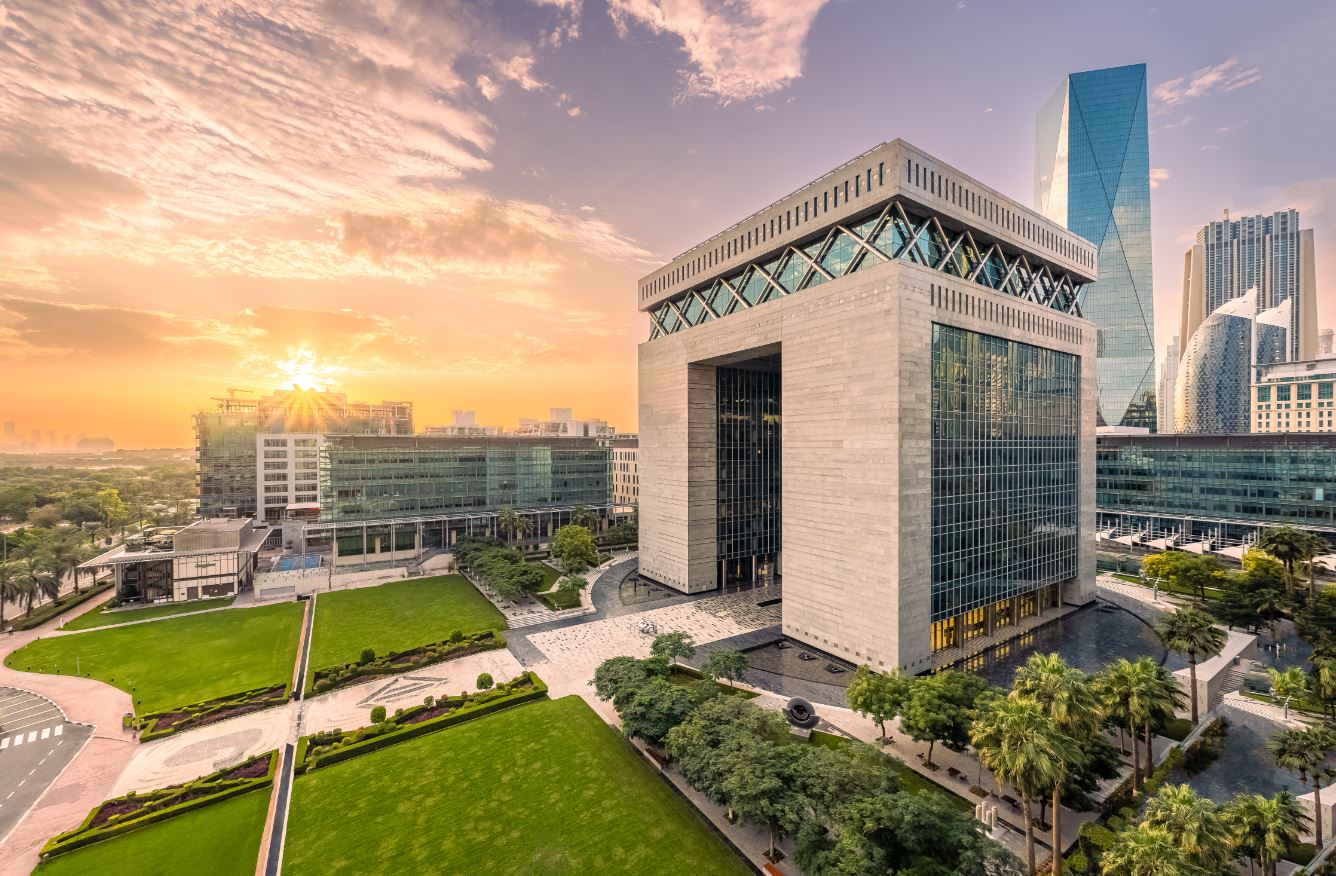
Dubai International Financial Centre has taken a further step in positioning Dubai as a key node in the global digital economy by strengthening its privacy governance framework and widening its engagement in cross-border trade initiatives, underscored by its admission as a Member of the Global Forum Assembly. The move signals growing international recognition of the DIFC’s data protection regime and its ambition to shape global standards at a time when data flows, digital services and regulatory trust have become central to economic competitiveness.

The DIFC confirmed its membership of the Global Forum Assembly, a multilateral platform that brings together governments, regulators, international organisations and private-sector stakeholders to advance cooperation on privacy, data protection and digital trust. Membership is extended to jurisdictions that demonstrate mature, enforceable frameworks aligned with international norms, placing the DIFC alongside established financial and digital centres that have made privacy governance a core component of their economic strategy.

Officials at the DIFC said the step reflects the centre’s long-term investment in building a regulatory environment that balances innovation with strong safeguards for personal data. The DIFC’s Data Protection Law, which operates independently from federal frameworks, is designed to mirror global best practices, including principles found in European and other advanced privacy regimes, while remaining tailored to the needs of financial services, technology firms and multinational businesses operating across borders.

The timing is notable as digital trade accelerates across financial services, fintech, artificial intelligence, cloud computing and professional services. Businesses increasingly assess jurisdictions not only on tax efficiency or infrastructure but also on the credibility of their data governance. For Dubai, positioning the DIFC as a trusted hub for data-driven commerce supports broader economic diversification goals and aligns with national ambitions to expand digital exports and attract high-value investment.

Participation in the Global Forum Assembly gives the DIFC a seat in discussions shaping the future of cross-border data flows, adequacy frameworks and interoperability between privacy regimes. These debates have intensified as countries seek to protect citizens’ data while avoiding regulatory fragmentation that can raise costs and deter innovation. By contributing to policy dialogue, the DIFC aims to influence standards that enable data to move securely between markets without undermining individual rights.

Regulatory specialists note that the DIFC’s framework has evolved steadily, with enforcement powers, clear obligations for data controllers and processors, and mechanisms for redress. This institutional depth has been a key factor in gaining international credibility. Businesses operating in the centre are required to comply with detailed rules on consent, lawful processing, breach notification and cross-border transfers, creating a predictable environment for global firms managing complex data operations.

The emphasis on inclusive cross-border trade also reflects a shift in how digital economy hubs define competitiveness. Rather than focusing solely on domestic regulation, leading centres are investing in compatibility with other regimes to ensure that companies can scale across regions. The DIFC has positioned its privacy framework as an enabler of such compatibility, supporting firms that serve clients in multiple jurisdictions while maintaining high standards of protection.

Technology policy analysts point out that privacy governance is increasingly intertwined with trust in emerging technologies such as artificial intelligence. Robust data protection regimes are seen as foundational to responsible AI development, particularly in financial services where algorithmic decision-making relies heavily on personal and transactional data. By reinforcing its privacy credentials, the DIFC strengthens its appeal to AI-driven firms seeking a stable regulatory base.

The move also has implications for regional competition. Financial centres across the Middle East and beyond are racing to attract digital businesses, often through regulatory innovation. The DIFC’s membership of the Global Forum Assembly distinguishes it within this landscape, signalling alignment with international norms rather than regulatory isolation. This approach may resonate with multinational firms that prioritise consistency across markets.

For policymakers, the development illustrates how sub-national jurisdictions can play an outsized role in global digital governance. Although operating within a broader national framework, the DIFC’s independent legal system and regulator allow it to engage directly with international bodies and contribute expertise drawn from its experience overseeing a diverse ecosystem of banks, asset managers, fintechs and technology companies.

IHBMSU and The Digital School have formalised a memorandum of understanding aimed at accelerating digital education initiatives, widening access to cross-border learning programmes and building structured pathways that connect education to employment, according to statements issued by the two institutions.

The agreement outlines cooperation across curriculum design, online delivery platforms and faculty collaboration, with a stated focus on making accredited learning more accessible to learners who face economic or geographic barriers. Officials involved in the partnership said the MoU is intended to combine IHBMSU’s academic framework with The Digital School’s digital infrastructure to support scalable, internationally oriented education models.

Under the terms of the arrangement, the two entities will jointly develop online and blended courses aligned with industry demand, covering areas such as business management, technology, data literacy and applied digital skills. Programmes are expected to be structured to allow flexible pacing and modular certification, enabling learners to accumulate credentials that can be stacked towards full degrees or professional qualifications.

Representatives from both sides said a core pillar of the collaboration is the creation of “learning-to-earning” pathways, particularly for underserved communities. This includes aligning course content with employer needs, embedding practical projects into curricula and facilitating links with industry partners for internships, apprenticeships and job placements. The aim is to reduce the gap between academic training and labour-market outcomes, an issue that has drawn growing attention from policymakers and education providers worldwide.

The MoU also commits the partners to mobilising technical and financial resources to ensure the long-term sustainability of joint initiatives. This may involve co-investment in digital platforms, outreach programmes and learner support systems, as well as engagement with philanthropic organisations, development agencies and corporate sponsors interested in workforce development and social impact education.

IHBMSU officials said the partnership reflects a broader shift within higher education towards digitally enabled delivery and international collaboration. Universities across regions have been under pressure to modernise teaching methods, expand access beyond traditional campuses and respond more quickly to evolving skill requirements. By working with a digital-first education provider, IHBMSU aims to extend its reach to learners outside its conventional geographic footprint while maintaining academic standards.

The Digital School, for its part, said the collaboration strengthens its mission to provide affordable, technology-driven education at scale. The organisation has positioned itself as a platform that blends online instruction, adaptive learning tools and partnerships with accredited institutions. Executives involved in the MoU said working with IHBMSU would allow it to offer learners recognised qualifications alongside practical, employment-focused training.

Education analysts note that such partnerships have become more common as institutions seek to balance quality assurance with the need for speed and flexibility. Digital platforms can lower delivery costs and reach large audiences, but questions around accreditation, assessment integrity and learner outcomes remain central. Collaborations with established universities are often seen as a way to address these concerns while retaining the benefits of digital scale.

The agreement also places emphasis on global learning opportunities, including cross-border classrooms, virtual exchange programmes and collaborative projects involving students from multiple countries. Advocates argue that exposure to international peers and perspectives can enhance employability and cultural competence, particularly in sectors where remote and distributed work has become standard.

While financial terms of the MoU were not disclosed, both parties indicated that pilot programmes would be rolled out in phases, with feedback from learners and employers used to refine course offerings. Metrics such as completion rates, job placement outcomes and learner satisfaction are expected to play a role in evaluating the partnership’s impact.

The move comes against a backdrop of heightened demand for reskilling and upskilling, driven by technological change and shifting labour markets. Employers in fields ranging from information technology to digital marketing and business analytics have reported difficulties finding candidates with job-ready skills, even as large numbers of graduates struggle to secure suitable employment. Education providers have been under pressure to demonstrate that qualifications translate into tangible economic opportunities.

ChatGPT has emerged as the most downloaded application on Apple’s App Store in the United States during 2025, marking the first time an artificial intelligence platform has topped the annual download charts and signalling a decisive shift in how mainstream consumers engage with AI-powered tools. Data compiled from Apple’s App Store rankings and corroborated by mobile analytics firms shows OpenAI’s ChatGPT overtaking long-established social media, gaming and […]

Dubai Chamber of Commerce has launched the Bulgarian Business Council, marking a new institutional step aimed at expanding bilateral trade, strengthening commercial partnerships and encouraging mutual investment between Dubai and Bulgaria.

The council has been established under the umbrella of Dubai Chambers and is intended to serve as a structured platform for companies from both markets to collaborate, exchange market intelligence and identify joint opportunities. Officials involved in the initiative said the move reflects growing interest among Bulgarian firms in using Dubai as a regional base, while Dubai-based businesses increasingly view Bulgaria as a gateway to the European Union and South-Eastern Europe.

The new body brings together representatives from key sectors including manufacturing, logistics, food and agriculture, information technology, tourism, construction and renewable energy. Its mandate includes organising business delegations, facilitating B2B meetings, supporting regulatory understanding and helping members navigate investment frameworks in both jurisdictions. Dubai Chamber of Commerce indicated that the council will also work closely with public institutions and trade promotion agencies in Bulgaria to ensure alignment with national economic priorities.

Speaking at the launch, Dubai Chambers officials said the council was designed to “build stronger partnerships between business communities and unlock new opportunities for joint investment”, highlighting a shared interest in diversifying trade flows and deepening private-sector engagement. Bulgarian representatives echoed that view, noting that Dubai’s position as a global trade and logistics hub offers Bulgarian exporters and investors access to markets across the Middle East, Africa and Asia.

Trade ties between Dubai and Bulgaria have been expanding steadily, supported by improved logistics links and a broader push by Dubai to strengthen economic relations with European economies. Non-oil trade between the UAE and Bulgaria has grown over the past decade, driven by machinery, metals, chemicals, food products and pharmaceuticals, according to publicly available trade data. Dubai’s role as a re-export centre has also helped Bulgarian firms reach third markets more efficiently.

The launch of the Bulgarian Business Council fits into Dubai Chamber of Commerce’s wider strategy of establishing country-specific business councils to institutionalise trade relations and provide structured support to foreign investors. Dubai Chambers now hosts dozens of such councils, covering markets across Europe, Asia, Africa and the Americas. These councils have become a central tool in Dubai’s efforts to attract foreign direct investment, promote cross-border partnerships and reinforce the emirate’s status as a preferred base for international companies.

Analysts note that Bulgaria’s competitive advantages include its EU membership, relatively low operating costs, skilled workforce and strategic location linking Europe, the Balkans and the Black Sea region. For Dubai-based companies, these factors make Bulgaria an attractive destination for manufacturing, near-shoring, logistics and technology development. At the same time, Bulgarian companies see Dubai as a stable business environment with advanced infrastructure, business-friendly regulations and strong connectivity.

Investment interest between the two sides has been widening beyond traditional trade. Sectors such as renewable energy, agri-tech, fintech, health care and tourism development have emerged as areas of mutual focus. Bulgarian technology firms have shown growing interest in Dubai’s innovation ecosystem, while companies from Dubai are exploring opportunities in Bulgaria’s industrial zones, real estate and tourism assets.

The Bulgarian Business Council is expected to play a coordinating role in these areas by aligning private-sector initiatives with broader economic strategies. Its agenda includes promoting joint ventures, supporting start-ups seeking cross-border expansion and encouraging knowledge exchange in areas such as digitalisation and sustainability. Council members will also work to address practical barriers faced by businesses, including regulatory clarity, market entry requirements and partner identification.

Diplomatic and business officials involved in the initiative stressed that the council is intended to complement, rather than replace, existing government-to-government frameworks. By focusing on commercial engagement, it aims to translate high-level economic cooperation into tangible outcomes for companies operating on the ground. Similar councils under Dubai Chambers have previously been credited with accelerating deal-making and improving investor confidence by providing direct access to market insights and decision-makers.

Global development officials are assessing faltering progress on sustainable development targets as the United Nations Development Programme warns that economies and communities face mounting pressures from climate shocks, widening inequality, and geopolitical instability. The review comes at a time when the Global Environment Outlook 7 underscores the scale of environmental disruption, projecting that unchecked climate change could shave about 4 per cent off annual global GDP by […]

The investment landscape of 2026 is being shaped by a set of forces that are measurable, global, and impossible for any serious investor to overlook. The noise around short-term market swings has masked the reality that structural trends—not sentiment—are driving the next decade of value creation. Investors focused on what actually moves markets should concentrate on seven megatrends that are now setting the pace. The first is […]

Botim Money and Binance have moved to broaden digital asset access for users across the UAE after signing a memorandum of understanding during Binance Blockchain Week in Dubai, signalling a push to integrate regulated crypto services into one of the region’s most widely used digital platforms. The agreement reflects a growing alignment between established fintech operators and global exchanges seeking to deepen their presence in a market that has positioned itself as a leader in digital-asset regulation and innovation.

Botim Money, the financial services arm of the UAE-based communications platform Botim, aims to use the partnership to explore compliant pathways for users to buy, sell and manage crypto assets from within its ecosystem. The platform, owned by Astra Tech, has expanded from a calling and messaging service into a broader super-app model, adding payments, remittance and e-commerce tools. Executives have argued that embedding secure crypto access is a natural progression as users increasingly seek unified financial services in trusted digital environments. The collaboration with Binance, one of the world’s largest crypto exchanges by trading volume, is expected to focus first on regulatory frameworks, technical integration and user-protection standards.

The signing of the agreement at Binance Blockchain Week placed the partnership in the spotlight as global industry participants gathered in Dubai. Officials from Binance highlighted that the UAE’s licensing landscape and digital economy strategy have created conditions where exchanges can build long-term infrastructure. Richard Teng, who heads Binance globally, has repeatedly emphasised that the Gulf region’s regulatory clarity has allowed the company to stabilise operations after addressing compliance concerns elsewhere. The MoU with Botim Money follows earlier moves by Binance to secure approvals through Dubai’s Virtual Assets Regulatory Authority, enabling it to develop a locally compliant exchange environment.

Senior figures at Botim Money pointed to the super-app’s large user base as a strategic advantage. With millions of active customers across the Middle East and South Asia, Botim has become a central payments and communications tool for expatriate workers. Astra Tech’s leadership said the partnership could help bridge the gap between conventional financial users and digital-asset platforms, allowing remittance senders, online shoppers and small businesses to access crypto payments or investment tools without transitioning to unfamiliar applications. Industry analysts noted that such integrations could accelerate mainstream adoption, provided that strong risk controls are embedded from the outset.

Dubai’s position as a global blockchain hub formed a central backdrop to the announcement. The emirate has attracted exchanges, tokenisation projects and Web3 developers with its tiered licensing system and emphasis on consumer safeguards. Officials have pitched Dubai as a base for companies seeking regulatory stability after volatility in global crypto markets. Binance Blockchain Week itself drew developers, institutional investors, compliance specialists and start-ups exploring tokenised assets, AI-driven trading tools and cross-border payment systems. The Botim Money–Binance collaboration stood out among the event’s business announcements for its potential to link a mass-market communications app with a globally recognised exchange.

The partnership arrives at a time when the UAE continues to refine rules governing custodial services, stablecoins and digital-asset marketing. Market participants say these developments have strengthened confidence among fintech companies looking to integrate virtual assets without jeopardising compliance obligations. Botim Money’s leadership has indicated that any crypto services made available through the platform would adhere to regulatory requirements on customer verification, anti-money laundering controls and risk disclosures. Binance has similarly stressed that its growth strategy in the UAE is tied to full regulatory alignment, following heightened scrutiny by authorities in Europe and North America earlier this year.

Observers viewed the agreement as part of a broader trend in which everyday digital platforms embed financial products to enhance user engagement. For Binance, the arrangement offers an opportunity to reach a large demographic that predominately uses mobile channels for financial activities. For Botim Money, it presents a pathway to diversify revenue streams and retain users within a single app environment, especially as competition intensifies among regional fintech operators seeking to offer remittances, payment processing, microfinance and merchant tools.

Japan is intensifying its economic engagement with Gulf partners as policymakers and corporate leaders seek to counter global uncertainty and reduce exposure to shifting geopolitical priorities under evolving US policy. The recalibration marks a notable acceleration in Tokyo’s outreach to the Middle East’s major sovereign investors, energy exporters, and technology funds, reflecting a sense within government and industry that the country must widen access to capital and secure strategic partnerships as global supply chains face persistent strain.

A growing number of senior officials and executives have argued that Japan’s longstanding reliance on the US as an anchor for both economic and security stability now requires broader support. Their stance reflects concerns generated by the more transactional orientation of the US under the America First framework, which has amplified debates in Tokyo on the need for diversified alliances. That reassessment has coincided with unprecedented liquidity flows across the Gulf, where sovereign wealth funds are expanding global portfolios in sectors ranging from clean energy and advanced manufacturing to semiconductors, logistics and emerging technologies.

Prime Minister Fumio Kishida’s government has moved to strengthen ties with the region’s largest investment authorities, including Abu Dhabi’s Mubadala Investment Company and Saudi Arabia’s Public Investment Fund. Japanese ministries have encouraged joint projects that align with national priorities such as chip resilience, hydrogen supply chains, carbon management, and infrastructure modernisation. Officials familiar with the discussions say the focus extends beyond energy security to long-term industrial cooperation, with Tokyo exploring ways to integrate Middle Eastern capital into Japan’s domestic renewal.

Several major companies have already positioned themselves to capture the shift. Trading houses such as Mitsui & Co. and Mitsubishi Corp. have expanded partnerships in clean fuels and petrochemicals, while Japan’s leading automakers are examining opportunities linked to Gulf diversification strategies, particularly in battery supply, autonomous mobility, and advanced materials. Banks including MUFG and SMBC are increasing their presence in the region to support outbound investment, project finance, and corporate advisory mandates requested by Gulf entities looking to deploy capital in Asia.

Analysts observe that the evolving dynamic is not one-sided. Middle Eastern investors have signalled interest in stable, technologically advanced economies as part of their long-term diversification plans. Japan’s strong intellectual property base, advanced industrial ecosystem, and predictable regulatory environment have become increasingly attractive to funds seeking alternatives to higher-risk markets. Executives have also pointed to the convergence of strategic priorities, including shared urgency around food security, energy transition, and digital infrastructure development.

The country’s semiconductor revival has emerged as a key area of alignment. As Japan attempts to rebuild its chip manufacturing footprint with government-backed projects involving firms such as Rapidus and partnerships with global foundries, Gulf investors have explored opportunities to participate in upstream and downstream components of the supply chain. Officials tracking the conversations describe growing interest from Middle Eastern funds in Japan’s materials science know-how and next-generation fabrication technologies, which they view as long-term assets capable of supporting their broader industrial programmes.

Energy cooperation remains central to the relationship. Japan continues to depend heavily on the Gulf for crude oil and liquefied natural gas, but the nature of that relationship is shifting toward co-investment in renewable energy, hydrogen production, and carbon capture projects. Tokyo’s efforts to secure stable supplies of blue and green hydrogen align closely with the decarbonisation roadmaps of Saudi Arabia and the United Arab Emirates, which are positioning themselves as future exporters of low-carbon fuels. Japanese companies have signed multiple memoranda with Gulf partners to test supply chains that could support both nations’ energy transition targets.

Technology collaboration is also gathering momentum. Gulf sovereign funds have expanded their allocations to late-stage venture investments and tech infrastructure, creating new openings for Japanese firms in fields such as robotics, clean-tech, mobility software, and advanced manufacturing systems. Executives from several technology conglomerates have confirmed that discussions are under way to establish joint R&D facilities, venture co-investment platforms, and industrial clusters that could operate across Asia and the Middle East.

Diplomatic signalling has reinforced the economic shift. Visits by senior Japanese officials to Riyadh, Abu Dhabi, Doha and Manama have highlighted Tokyo’s intent to deepen ties not only through energy partnerships but also through digital transformation initiatives, defence industrial cooperation, and food-supply agreements. These engagements complement Japan’s broader Indo-Pacific strategy, which emphasises stability, open trade routes, and resilience in critical sectors.

India stands out among emerging economies for its high adoption of generative artificial intelligence, according to a new report by Organisation for Economic Co-operation and Development together with Cisco. The study shows that India, along with a few other emerging markets, leads global usage and trust metrics — even as sharp generational and geographical divides become evident.

Under-35s represent the bulk of this surge, with more than half of that demographic reporting active use of generative AI tools. Over 75 percent of young adults across the studied countries say they find AI useful. In India specifically, the share of adults actively using generative AI has been estimated at 66.4 percent, making the country the top performer among the 14 surveyed nations.

The appeal of AI appears to be shaped not only by age, but also by regional context. Emerging economies — India, Brazil, Mexico and South Africa — feature among the highest users globally, showing not only strong AI uptake but also greater eagerness to undertake AI-related training. In these countries, engagement with AI training programmes is broad, and a substantial number of respondents have expressed plans to deepen their familiarity with AI tools over the coming year.

However, this fast-paced adoption brings warnings of uneven benefits and rising risks. Populations in these emerging economies report significantly higher levels of recreational screen time and digital-only social interaction — patterns correlated with lower life satisfaction and well-being. The OECD-Cisco report warns that over five hours of daily screen time for leisure is linked to deteriorating well-being.

The divides cut deep: while younger adults readily embrace AI, older age groups remain largely disengaged. Among those over 45, many say they either do not use AI or are uncertain about trusting it. This uncertainty, according to the study, may stem more from unfamiliarity than explicit distrust. Expectations about AI’s impact on work also diverge sharply — under-35s in emerging economies overwhelmingly anticipate that AI will reshape job roles, while older respondents are more sceptical.

The findings challenge assumptions that advanced economies would lead in AI adoption, reflecting instead a reversal where developing nations leapfrog into new technologies. The data underscores how infrastructural improvements, rising digital literacy among younger generations, and perhaps lower legacy technology constraints are accelerating AI uptake in countries such as India.

A dramatic shift in digital asset markets unfolded as one of the year’s fastest-rising crypto trades, which surged more than 2,600% at its peak, unravelled with an 86% wipeout, shaking confidence across a sector already grappling with volatility, liquidity strains, and shifting regulatory expectations. The abrupt reversal, mirrored in the steep fall of smaller token clusters linked to speculative momentum strategies, highlighted how rapidly sentiment can turn in an ecosystem vulnerable to leverage-driven cycles.

Market data from major exchanges showed that the trade, centred on a group of micro-capitalisation tokens propelled by algorithmic buying, began losing momentum after a wave of profit-taking by early entrants. Traders close to proprietary desks reported that liquidation cascades—triggered as automated systems unwound positions—accelerated the decline. The severe downturn echoed patterns seen during previous speculative surges, where liquidity gaps magnified losses within hours.

Analysts tracking blockchain activity noted that the rally’s ascent had attracted retail inflows, partly due to social-media-driven narratives framing the tokens as high-growth opportunities. As prices climbed, leverage amplified exposure, drawing in traders seeking outsized returns. Once selling pressure gained traction, that leverage turned into a critical vulnerability, forcing positions to unwind just as liquidity thinned. Several independent market researchers observed that the velocity of the downturn suggested a structural fragility, rather than a simple correction.

The collapse also revived discussion about the role of automated strategies in amplifying market instability. Many of the instruments involved were linked to quant-driven flows, where bots responded to volatility triggers rather than underlying fundamentals. As one portfolio strategist explained, these systems can cause price swings that move far beyond what traditional finance would consider tolerable, adding that crypto lacks the circuit-breaker mechanisms that help stabilise other asset classes. This dynamic, according to several fund managers, remains one of the most persistent challenges for institutions considering deeper exposure to decentralised markets.

Regulatory uncertainty added to the unease. Authorities in key jurisdictions have been scrutinising high-risk digital asset structures, and policymakers have signalled the possibility of tighter oversight for tokens driven by momentum rather than intrinsic value. Market observers said that while there is no direct link between regulatory commentary and the downturn, the broader environment has weighed on risk appetite. Investor caution intensified as questions resurfaced about transparency in the trading strategies behind the surge.

The downturn also exposed liquidity fragmentation across exchanges. Some platforms reported delays in order execution as volumes spiked, and spreads widened sharply during peak selling. Professional traders said this fragmentation remains a major impediment to maturing the sector, as it complicates price discovery and heightens vulnerability to abrupt swings. Several firms specialising in market-making suggested that the episode would likely prompt renewed calls for better liquidity management frameworks within decentralised ecosystems.

Amid the turmoil, major digital assets such as Bitcoin and Ether showed relative resilience, though both experienced elevated intraday volatility. Their ability to avoid the extreme swings seen in smaller tokens prompted commentary that the market may be entering a phase where speculative micro-caps detach from more established assets. Still, derivatives positions linked to broader sentiment recorded notable adjustments, indicating that traders remain sensitive to signs of systemic stress.

Industry insiders highlighted that the steep crash follows a pattern of momentum-driven phases that have punctuated crypto cycles since the first wave of retail adoption. A veteran analyst noted that while earlier episodes centred on initial coin offerings or meme-driven tokens, the current one underscores how algorithmic and social-media amplification have merged, producing sharper and faster boom-and-bust phases. The analyst added that such swings complicate long-term valuation models, as fundamental metrics often become secondary to speculative flows.

Venture-backed projects tied to the affected tokens faced heightened scrutiny as investors assessed whether the price collapse would impair broader ecosystem development. Some founders sought to reassure stakeholders by highlighting active user bases and ongoing technical upgrades, although several funds acknowledged that valuation resets were unavoidable. Market participants stressed that while token prices do not always reflect underlying project viability, extreme volatility can hinder funding conversations and stall adoption.

By Nitya Chakraborty The India-Russia joint statement issued on December 5 after two days of talks between President Vladimir Putin and the Indian Prime Minister Narendra Modi is more a vindication of India’s renewed exercise of its geopolitical status defying the pressure from the USA and the other western powers rather than a document on […]

The article Modi-Putin Summit Reinforces India’s Geopolitical Identity Amidst Headwinds appeared first on Latest India news, analysis and reports on Newspack by India Press Agency).

VISHNU RAJA
RYO YAMADA
HITORI GOTOH
IKUYO KITA