News related to
widen

Malé’s foreign exchange reserves have surged by more than $400 million, marking a notable strengthening of the nation’s external liquidity following a currency swap arrangement with the Reserve Bank of India. The Maldives Monetary Authority drew down the entire $400 million facility in October 2024, with the impact reflecting sharply in the country’s gross reserves, which rose to approximately $856 million by April 2025 from a low of $371 million earlier in the year.

Fitch Ratings has affirmed the Maldives’ Long‑Term Foreign‑Currency Issuer Default Rating at ‘CC’, citing the infusion from the RBI swap as a key factor in easing the country’s liquidity pressures. The agency also credited sustained tourism receipts and the implementation of the Foreign Currency Act, which compels tourism‑related businesses to convert a mandated portion of their monthly foreign‑currency revenues, for boosting reserves.

Despite the uplift in reserves, Fitch emphasised that gross holdings now cover just 1.5 months of external payments—well below the three‑and‑a‑half‑month median for comparable peers. Net reserves, after subtracting short‑term liabilities, remain critically thin at around $28 million. In its rating statement dated 12 June 2025, Fitch maintained the view that a sovereign default “remains a likely scenario within the foreseeable future” absent significant further support or reform.

The agency highlighted looming debt repayments of $688 million in the second half of 2025, rising to $1.1 billion in 2026, including bonds and sukuk. Policymakers in Malé are negotiating with external partners—including India, China, multilateral lenders and possibly the IMF—to secure deferments, fresh currency‑swap lines, or restructuring deals. Notwithstanding the swap, Fitch reiterated its concerns over persistent fiscal imbalance: the fiscal deficit is projected to widen to 14.5 per cent of GDP in 2025, public debt is set to reach 125 per cent of GDP by 2026, and important reforms—particularly in subsidy and healthcare spending—have been delayed on political grounds.

India formally welcomed the strengthening of Maldivian reserves, with the Indian High Commission in Malé posting on X that it “noted with satisfaction” the impact of the $400 million swap in easing external liquidity pressures. The move is part of broader bilateral economic cooperation anchored within the SAARC framework, signalling a continued role for India in supporting economic stability in Maldives.

Tourism continues to underpin the archipelago’s economy, with record visitor numbers bolstering inflows. Policymakers hope that the expansion of resort capacity and full operation of the new terminal at Velana International Airport will sustain growth and further cushion foreign currency earnings. Fitch projects GDP growth of around 4.8 per cent in 2025, increasing to 6.0 per cent in 2026 as tourism infrastructure develops.

The Foreign Currency Act, introduced last year as a fiscal measure, requires tourism businesses to sell at least 20 per cent of their monthly foreign exchange earnings to licensed banks. Separately, the MMA raised mandatory bank conversion thresholds from 60 per cent to 90 per cent, measures aimed at shoring up foreign‑exchange liquidity.

While the currency swap has delivered a temporary liquidity bridge, analysts caution that it falls short of addressing structural weaknesses. The MMA and government officials have underscored intentions to pursue fiscal consolidation and attract medium‑term financing. But Fitch has warned that absent sustained reserve accumulation, clear evidence of reform, and stronger fiscal discipline, the Maldives remains vulnerable to credit deterioration or a potential sovereign default.

India’s willingness to extend financial assistance underscores geopolitical and strategic interests. The inclusion of swap facilities, alongside ongoing debt negotiations with China and potential IMF engagement, may provide short‑term relief, but Maldives must improve its debt servicing capacity and rebuild buffers to avert future policy shocks.

Global economic momentum is set to falter, with the World Bank projecting growth of just 2.3 per cent in 2025—its weakest pace since 2008 outside explicit recessions. Elevated trade barriers, particularly rising US tariffs, and widespread policy uncertainty are identified as principal drags, causing forecast downgrades in roughly 70 per cent of the world’s economies. The Bank’s June Global Economic Prospects report indicates global trade growth will slow to 1.8 per cent in […]

Air India has partnered with blockchain-based loyalty specialist Loyyal to allow Maharaja Club members to earn points on everyday purchases across key brands in the United States and the United Kingdom. The collaboration enables members to accrue Maharaja Points on shopping at major retailers such as Walmart, Victoria’s Secret, New Balance, GAP, Victorinox and Alamo – marking a significant expansion of the airline’s loyalty programme.

Members now earn up to 99 Maharaja Points per USD 100 spent at Walmart, 310 points per GBP 100 at Victoria’s Secret, 300 points at Victorinox, 45 at New Balance, 180 at GAP and 64 points at Alamo. These offerings are accessible via the Maharaja Club Partner Offers page on Air India’s website, where members can select a brand and follow on-screen prompts to initiate their purchases.

Shailesh Kumar Singh, Head of Loyalty at Air India, commented that the alliance with Loyyal “makes it easier for our members to earn Maharaja Points on everyday essentials and shopping, without needing to fly frequently”. Meanwhile, Loyyal CEO Ashish Kumar Singh noted that the initiative “significantly boosts the earning potential for Maharaja Club’s members,” adding that it enriches daily experiences and complements travel benefits.

The partnership follows a broader revamp of the Maharaja Club, which adopted a simplified tier structure, updated identity and enhanced customer features. Air India has added more than 50 non-airline partners over the last 18 months, supporting its transformation under the Vihaan.AI strategy and leveraging its Star Alliance membership.

The move aligns with global loyalty trends, where airlines increasingly engage shoppers via retail partnerships. By enabling points accrual through non-travel spend, loyalty programmes become more relevant to everyday consumer behaviour, fostering engagement beyond flight activity. Consumers, meanwhile, gain tangible value even during non-travel periods.

Maharaja Club’s integration with Star Alliance further enhances its value proposition. As noted by Air India’s own commentary, elite-tier members benefit from worldwide priority check-in, lounge access at over 1,100 locations, extra baggage allowance, and the ability to accrue and redeem points across the alliance’s 25 carriers. These features remain central to the programme’s repositioning.

Industry analysts highlight that Loyyal’s blockchain-based platform offers secure, transparent point tracking and easier integration of diverse partners. Though Air India and Loyyal have not disclosed technical details publicly, Loyyal’s existing reputation in travel loyalty schemes supports confidence in seamless implementation.

Under the agreement, Air India continues to broaden access to Maharaja Points across shopping categories. The move targets customers traveling abroad or residing outside India, reinforcing Air India’s global outreach following its Tata Group-led transformation. In support, the programme emphasises that points can be redeemed for award flights and cabin upgrades through Air India or Star Alliance partners.

The timing of the launch coincides with Air India’s widened network with new interline agreements and route expansions, such as recent pacts with airlines like airBaltic, Cyprus Airways and Uzbekistan Airways, aimed at increasing global connectivity. As passengers gain more travel options, the value of earning and using loyalty points is projected to grow.

As more household and lifestyle brands are added to the programme, members could diversify their point accrual even further. Air India has indicated that additional partners will be announced in due course, though specifics have not yet been released.

Maharaja Club members benefit from streamlined user experience with clearly stated earning rates for each participating brand. For example, spending at Victoria’s Secret yields 310 points per GBP 100, while spending at Victorinox delivers 300 points per USD 100 – figures that are prominently showcased on the shopping portal.

Air India’s alignment with Loyyal fits within its hospitality-driven repositioning under Vihaan.AI, along with fleet modernisation, training investments, new routes, and enhanced premium services. The airline aims to appeal to international leisure and business travellers – particularly those based abroad – by offering points that can accrue through both travel and lifestyle spending.

Industry commentators suggest that Loyyal’s blockchain solution offers underlying benefits including transparent audit trails, fraud reduction and easy tracking of reward accrual from non-travel sources. This increases both partner and consumer confidence in the integrity of the loyalty ecosystem.

MediLink Therapeutics Ltd. is preparing to launch an initial public offering in Hong Kong, having secured China International Capital Corp., JPMorgan Chase & Co. and Morgan Stanley as its lead advisers, according to people with knowledge of the matter. The move comes as the clinical-stage biotech firm seeks to capitalise on growing investor interest in advanced tumour-targeting therapies and consolidate its platform of antibody‑drug conjugates.

Founded in 2020 and headquartered in Suzhou with R&D operations in Shanghai and Boston, MediLink has developed a proprietary ADC technology known as TMALIN®. The platform facilitates precise delivery of cytotoxic agents to tumour cells, with the intention of widening therapeutic windows for solid tumour treatments. Its pipeline includes programs that have advanced to clinical stages in both China and the United States, supported by a Series B financing round of approximately USD 70 million in 2022.

MediLink’s strategic engagement of three underwriters reflects heightened confidence in anchor investors and broader syndication. China International Capital Corp. brings deep roots in Chinese capital markets and extensive IPO experience in the biotech sector. JPMorgan and Morgan Stanley add global banking heft and access to international investors.

CICC itself is emerging as a top-tier sponsor for Hong Kong listings. It led or co-led 19 IPOs for Chinese corporates last year, raising USD 3.84 billion, positioning it as a dominant force amid market revival. The engagement of internationally renowned banks alongside CICC is likely aimed at boosting MediLink’s valuation and widening investor interest both locally and abroad.

While IPO details remain confidential, analysts suggest MediLink could seek a valuation in the mid‑to‑high hundreds of millions of dollars. That would reflect both the advanced stage of its pipeline and prevailing market multiples for ADC developers. Comparable biotech flotations in Hong Kong and the U.S. have reflected growing appetite for oncology-focused platforms.

Alongside listing ambitions, MediLink continues to advance its clinical and licensing goals. In March it unveiled preclinical data at the American Association for Cancer Research annual meeting; earlier in the year it received FDA clearance for its IND application for YL217, its lead candidate. YL201, another programme, received Breakthrough Therapy Designation in January for treatment of recurrent/metastatic nasopharyngeal carcinoma.

The company has also pursued strategic licensing agreements with global pharmaceutical firms to expand development and commercialisation capabilities. A licensing deal under discussion ahead of the IPO is believed aimed at enhancing distribution reach while reinforcing MediLink’s balance sheet.

The IPO effort is part of a broader resurgence in biotech listings in Hong Kong, where authorities have eased regulations to attract innovation-driven offerings. CICC and other banks have ramped up support for ADC and gene therapy companies, signalling a turning point after a lull in listings.

MediLink’s choice of banks aligns with a wider trend: CICC has co-sponsored blockbuster floats including the forthcoming mega‑IPO of CATL, while banks like Goldman Sachs and Morgan Stanley have also participated. In this context, MediLink is positioning itself to tap both deep domestic networks and international capital.

Stakeholder sentiment appears optimistic. MediLink’s management team, comprised of co‑founders Tony Xue and Jiaqiang Cai alongside C‑suite leaders experienced in drug development and financial strategy, has overseen steady progress in its ADC pipeline and established global partnerships. Jason Li’s appointment as CFO in 2023 reportedly strengthened the company’s capital market readiness.

Market observers highlight challenges ahead. ADC development remains capital-intensive, clinical risks high, and competition fierce among domestic and international peers. Success will hinge on late‑stage data and licensing traction. At the same time, geopolitical tensions and volatility in Hong Kong equity markets may affect investor sentiment.

MediLink must also navigate post‑IPO obligations, including regulatory reporting and corporate governance under Hong Kong’s Main Board requirements. Mitigating execution risk will be critical, underscoring the role of its chosen bankers in underwriting diligence and market support.

Analysts describe the listing as a pivotal moment: it offers the backing to fund Phase II/III efforts while elevating MediLink’s corporate profile. For banks, it reinforces Hong Kong’s appeal as a biotech capital market when compared with established centres like Nasdaq.

With its IPO process underway, MediLink now awaits market timing and regulatory clearances before formally filing a prospectus. The company is expected to continue advancing clinical data, strengthening licensing ties, and preparing investor materials aligned with regulatory requirements.

Ethiopia’s finance minister has announced that the economy is projected to expand by 8.9 % in the fiscal year beginning 8 July 2025, alongside a modest increase in the budget deficit amid structural reforms. Finance Minister Ahmed Shide addressed parliament on Tuesday, outlining the forecast for the next fiscal year, citing an acceleration in real GDP growth from an estimated 8.4 % this year to 8.9 % next year. The state […]

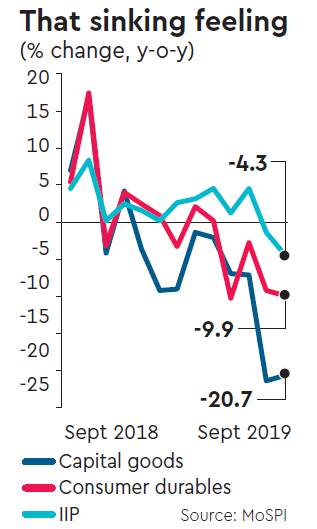
By Nantoo Banerjee India’s economic growth figures seem to be getting increasingly delinked with domestic manufacturing, industrial output, and job generation. The manufacturing sector had a very little contribution to the country’s 6.5 percent GDP growth during the last financial year, the slowest in four years. Despite a good monsoon last year, the country’s agriculture […]

OPEC+ has escalated production quotas by roughly one million barrels per day from March to June, aiming to reactivate idled capacity, yet actual output across the group remains flat, according to data from Morgan Stanley analysts led by Martijn Rats. Saudi Arabia in particular shows no detectable uptick, underscoring a lag between policy shifts and market reality.

The decision to accelerate quota rollbacks follows sustained cuts totalling around 2.2 million b/d, initiated in early 2023 to support prices. With non‑OPEC supply growing and global demand weakening, the efficacy of supply restraint has waned, prompting OPEC+ to pivot back to restoring output gradually. Despite headline quota increases of approximately 137,000 b/d per month since April, actual deliveries appear limited.

Underlying structural factors are at play. Several members—most notably Kazakhstan and Iraq—have reportedly exceeded their quotas, diluting the announced gains. Saudi Arabia, with substantial spare capacity, stands out as the most capable contributor to any genuine rise in output. However, its contribution remains muted so far. Analysts suggest this reflects a strategic choice to reclaim market share rather than an immediate scale-up.

Analysts at Morgan Stanley project modest growth: between June and September, OPEC+ core members may add around 420,000 b/d—approximately half of which could originate from Saudi Arabia. Even then, actual production may fall well short of quotas, with implementation challenges persisting.

This gap between policy and output carries market implications. With more supply forecast, Morgan Stanley predicts a surplus of roughly 800,000 b/d in Q4 and 1.5–2.0 million b/d in early 2026, pressuring Brent crude prices down toward the mid‑$50s. Currently, Brent trades near $66 per barrel—11% below its level at the start of the year.

In parallel, geopolitical friction between Saudi Arabia and Russia surfaced during policy talks. Riyadh favoured a more aggressive quota rollback, while Moscow, alongside Oman and Algeria, urged caution amid worries about demand resilience. The compromise settled on another 411,000 b/d increase for July, a repetition of earlier monthly hikes.

Markets initially responded positively: oil prices climbed 3–4% following the July quota announcement, with Brent touching the mid‑$60s. That rebound, however, reflected relief over continuity rather than enthusiasm over fresh supply. Wildfires in Canada and refinery maintenance cycles were also cited as supporting factors.

Across OPEC+, reliability of quotas remains a concern. While some members exceed limits, others—constrained by infrastructure or investment—may struggle to ramp up. Saudi Arabia’s spare capacity remains central, but constraints on countries like Russia complicate the outlook even as OPEC+ restores cut volumes faster than planned.

Meanwhile, non‑OPEC supply continues to grow, particularly in the U.S., Canada, Guyana and Brazil—with forecast increases of about 1.1 million b/d in 2025. That expansion alone could outpace expected global demand growth of 800,000 b/d, risking oversupply irrespective of OPEC+ decisions.

With a full quota restoration now likely by September 2025—months ahead of the original schedule—and non‑OPEC volumes outweighing demand growth, the market faces a mounting supply glut heading into late 2025 and 2026. Analysts caution that idled capacity may remain untouched for months beyond official quotas, delaying meaningful production gains.

As OPEC+ enters this intensified phase of quota reopening, its central challenge remains execution rather than announcement. High-profile policy shifts are yet to translate into barrels at market, and the divergence between targets and reality could widen over the coming quarters. Market players are now watching whether Saudi Arabia leads by example or the rhetoric fades before the pumps do.

Advertisements

The debt burden across the Middle East and North Africa has escalated markedly over the last decade, with many governments relying heavily on borrowing to sustain public spending amid economic challenges. This growing fiscal strain, combined with an increasing dependence on external donor funding, has amplified the influence of foreign actors on both domestic policies and regional geopolitics, raising concerns about the long-term economic sovereignty of these […]

Delhi’s government is set to introduce an updated Electric Vehicle Policy next month, aiming to enhance sustainable transport options and aggressively combat the city’s longstanding pollution challenges. The forthcoming policy update builds on the foundation laid by the original EV Policy, which has been instrumental in accelerating the adoption of electric vehicles across the capital. This next iteration emerges following a comprehensive review by an expert committee tasked with assessing the policy’s effectiveness and identifying areas for refinement.

The city’s persistent struggle with hazardous air quality has propelled the administration to double down on measures that reduce emissions, with electric vehicles representing a critical component of the broader environmental strategy. The new policy framework is expected to focus on improving public and private transport through increased incentives, infrastructure development, and regulatory support. The objective is to not only facilitate the switch from conventional fossil fuel vehicles to EVs but also to ensure a seamless ecosystem that supports electric mobility for consumers and manufacturers alike.

One of the central features under consideration is the expansion of subsidies and financial incentives for buyers of electric two-wheelers, three-wheelers, and cars. Since the initial policy launch, Delhi has witnessed a steady rise in EV sales, spurred by subsidies, easier registration processes, and preferential parking privileges. The new policy aims to amplify these benefits, possibly increasing the subsidy amounts to align with technological advancements and market trends. The government is also exploring differentiated incentives to encourage the uptake of electric commercial vehicles and public transport fleets, recognising their substantial contribution to urban emissions.

Charging infrastructure remains a pivotal challenge in the EV transition. To address this, the updated policy will emphasise the accelerated deployment of charging stations across the city, including residential complexes, commercial hubs, and public spaces. The government plans to partner with private players and utility providers to establish a robust network, minimising range anxiety among potential EV users. Additionally, the policy will advocate for streamlined permitting processes to facilitate rapid infrastructure rollout. These measures aim to create a user-friendly environment that supports daily electric vehicle operations without hindrance.

Delhi’s EV Policy 2.0 is also expected to incorporate measures aimed at fostering local manufacturing and innovation. The capital’s position as a key market and production hub in India for electric vehicles offers significant economic potential. The government is likely to introduce incentives for companies investing in research and development, battery manufacturing, and vehicle assembly within the city. This approach is designed to generate employment, encourage technological advancement, and reduce dependency on imports, especially in critical components such as lithium-ion batteries.

Environmental experts have welcomed the policy update, highlighting its potential to drastically reduce the city’s vehicular pollution, which accounts for a significant share of Delhi’s air quality problems. Dr. Anita Sharma, an environmental scientist based in Delhi, notes that “an effective EV policy not only addresses tailpipe emissions but also signals a shift towards sustainable urban planning and cleaner energy use.” She points out that integrating renewable energy sources into the charging infrastructure could further enhance the policy’s impact by ensuring that electric vehicles operate on green electricity rather than fossil-fuel-based power.

However, some challenges remain. The affordability of electric vehicles, despite subsidies, continues to be a barrier for many consumers. While the policy aims to widen access, the upfront cost of EVs compared to traditional petrol or diesel vehicles can deter lower-income buyers. Analysts suggest that targeted financing options and longer-term incentives could help bridge this gap. Moreover, the sustainability of the electric vehicle supply chain, including the ethical sourcing of battery materials, is gaining attention among policymakers and activists alike.

Delhi’s transport department has reiterated its commitment to transparency and public consultation throughout the policy finalisation process. Public workshops and stakeholder meetings have been conducted to gather feedback from industry experts, civil society groups, and consumer representatives. This collaborative approach aims to ensure that the policy is balanced, practical, and aligned with the city’s unique mobility landscape.

The new policy comes amid increasing competition among Indian cities to become leaders in electric mobility. Metropolitan areas like Mumbai, Bengaluru, and Hyderabad have also been rolling out ambitious EV incentives and infrastructure projects. Delhi’s updated framework is expected to set a benchmark in terms of scale and ambition, potentially serving as a model for other regions seeking to tackle urban pollution through cleaner transportation alternatives.

Dubai’s Roads and Transport Authority has initiated a comprehensive upgrade of Umm Suqeim Street, aiming to significantly enhance traffic flow and urban connectivity across the city. The project, stretching from the intersection with Jumeirah Street to Al Khail Road, is a pivotal component of a broader strategy to modernise the city’s infrastructure and accommodate its rapid urban expansion.

The upgrade is designed to increase the road’s capacity to 16,000 vehicles per hour in both directions, effectively reducing travel time between Jumeirah Street and Al Khail Road from 20 minutes to just six. This enhancement is expected to alleviate congestion and improve accessibility for key residential and commercial areas, including Jumeirah, Umm Suqeim, Al Manara, Al Sufouh, Umm Al Sheif, Al Barsha, and Al Quoz.

Integral to the project are the redevelopment of six major intersections along Umm Suqeim Street. These include the construction of four bridges and three tunnels, collectively spanning 4.1 kilometres. Notably, a two-lane tunnel in each direction will be constructed at the intersection with Jumeirah Street, complemented by a signalised surface-level junction. Another two-lane tunnel is planned at the intersection with Al Wasl Street to facilitate traffic flow from Sheikh Zayed Road towards Jumeirah Street, while maintaining uninterrupted surface traffic in the direction of Sheikh Zayed Road.

At the intersection with Sheikh Zayed Road, two bridges will be constructed to eliminate traffic overlap and enhance movement efficiency. Additionally, a tunnel will be developed at the intersection with First Al Khail Street to accommodate traffic from Al Barsha towards Sheikh Zayed Road, along with associated surface-level improvements. The stretch between First Al Khail Street and Al Asayel Street will be widened by adding one lane in each direction, increasing capacity to four lanes per direction. At Al Khail Road, the works involve the construction and widening of two flyovers—one connecting Al Khail Road with Al Quoz Industrial Area, and the other facilitating traffic from Umm Suqeim Street to Al Khail Road heading towards Deira.

Beyond vehicular traffic improvements, the project places a strong emphasis on enhancing pedestrian and cyclist infrastructure. Upgrades include the development of pedestrian walkways, dedicated cycling tracks, landscaped boulevards, and vibrant public spaces designed to foster community interaction and promote sustainable urban living. A direct link will also be established between the Mall of the Emirates Metro Station and nearby residential communities, enhancing last-mile connectivity and encouraging the use of public transportation.

This initiative is part of RTA’s master plan to overhaul the surrounding road network, which includes planned upgrades to Jumeirah Street, Al Wasl Street, and Al Safa Street. The overarching goal is to enable uninterrupted traffic flow from Jumeirah to Al Qudra Road over a distance of 20 kilometres, thereby improving connectivity across four major transport corridors: Sheikh Zayed Road, Al Khail Road, Sheikh Mohammed bin Zayed Road, and Emirates Road.

Mattar Al Tayer, Director General and Chairman of the Board of Executive Directors at RTA, stated that the upgraded corridor will directly serve vital residential and development areas with a combined population exceeding two million. He emphasised that the project is designed to accommodate Dubai’s rapid population growth and urban expansion while improving the overall quality of life for residents and visitors.

Construction is already 70% complete on a 4.6-kilometre segment of Umm Suqeim Street from Al Khail Road to Sheikh Mohammed bin Zayed Road. This phase includes an 800-metre tunnel near Kings’ School in Al Barsha South and a surface-level junction, scheduled to open in the third quarter of the year. The completion of this segment is expected to reduce travel time between Sheikh Mohammed bin Zayed Road and Al Khail Road by 61%, from 9.7 minutes to just 3.8 minutes.

The RTA is also leveraging advanced technologies to monitor and manage the project’s progress. Drones are being utilised to capture and analyse project data, while artificial intelligence is employed to track construction milestones and performance indicators. This integrated approach has enhanced operational efficiency on-site, accelerated decision-making processes, and enabled the provision of real-time, high-precision data. The adoption of these technologies has resulted in a 100% increase in field presence and a 60% reduction in the time required for site surveys. Time-lapse imaging systems are also being used to continuously monitor construction activities, contributing to a 40% improvement in overall project monitoring efficiency.

Kuwait’s fiscal deficit is projected to average 8.9% of GDP between 2025 and 2028, a significant increase from the estimated 2% in 2024, according to S&P Global Ratings. This deterioration is attributed to subdued oil prices and persistently high government expenditures, particularly on wages and subsidies, which together account for approximately 70% of total spending. S&P anticipates Brent crude oil prices to average $65 per barrel in […]

The Walvis Bay municipal council has approved a N$1.3 billion budget for the 2025/2026 financial year, focusing on infrastructure development, housing, and service delivery improvements. Management committee chairperson Richard Hoaeb presented the budget during a special council meeting, outlining allocations aimed at addressing the town’s pressing needs. A significant portion of the budget, N$887 million, is earmarked for capital projects extending beyond a single financial year. For […]

The altcoin market is under intense scrutiny as a leading blockchain analyst warns of a potential collapse nearing 99% by 2026. This stark projection has intensified debate among investors and industry observers about the sustainability and risks within the broader cryptocurrency ecosystem beyond Bitcoin and Ethereum.

A seasoned on-chain analyst, known for precise timing and market predictions, has publicly announced plans to exit all altcoin holdings by August 2025. The analyst’s outlook is grounded in an examination of historical price trends, network activity, and macroeconomic factors affecting digital assets. Despite periodic rallies often dubbed “altcoin seasons,” the warning signals suggest that many alternative tokens could face dramatic value erosion over the coming years.

Altcoins, which include thousands of cryptocurrencies other than Bitcoin, have historically exhibited higher volatility and speculative characteristics. Periods of rapid price appreciation have often been followed by steep declines. The analyst’s research highlights patterns from past cycles indicating that altcoin prices tend to surge in mid-year months before collapsing sharply over subsequent periods. While these cyclical phenomena have produced short-term gains for some investors, the risk of a severe market downturn remains elevated.

Underlying this bearish view is a cluster of challenges. Regulatory uncertainty looms large across major jurisdictions, with authorities in the United States, Europe, and Asia intensifying scrutiny of cryptocurrency projects. Increased enforcement actions against fraudulent or non-compliant tokens have undermined investor confidence. Furthermore, rising interest rates globally have driven capital away from high-risk assets such as altcoins toward safer instruments, shrinking liquidity in the crypto markets.

Technological factors also contribute to the forecast. Many altcoins suffer from lack of developer engagement, insufficient user adoption, and unclear utility beyond speculative trading. Network activity data reveals a trend of declining transaction volumes and wallet addresses interacting with a majority of smaller projects. This erosion in on-chain activity signals fading real-world relevance, which historically correlates with falling valuations.

Institutional interest has increasingly concentrated on established digital assets with clearer use cases, such as Bitcoin and Ethereum, leaving lesser-known altcoins vulnerable. Large investment funds and hedge managers are selectively reallocating portfolios, favouring assets perceived as more resilient amid tightening monetary conditions. This shift contributes to widening disparities in market capitalisation within the cryptocurrency sector.

The analyst’s planned exit timing in August 2025 aligns with predictive models that identify peak speculative behaviour preceding significant corrections. By exiting well ahead of anticipated declines, the strategy aims to mitigate losses linked to the expected altcoin slump. This contrarian stance challenges narratives promoting imminent altcoin booms and “100x” token gains, cautioning investors against excessive optimism.

Market sentiment remains divided. Proponents of altcoins argue that innovation in decentralized finance , non-fungible tokens , and layer-two scaling solutions could catalyse renewed interest and price recovery. Projects with strong developer communities and proven protocols may weather the storm better than most. However, even promising initiatives must navigate tightening regulations, evolving market dynamics, and competition from traditional financial platforms integrating blockchain technology.

The macroeconomic environment adds complexity. Inflation pressures and geopolitical uncertainties are influencing global investment flows. Crypto markets have shown sensitivity to monetary policy shifts, and tighter credit conditions may limit speculative capital entering altcoins. This contrasts with prior years when expansive liquidity fueled exuberant asset price increases, including in crypto.

Investor behaviour during prior altcoin cycles provides instructive context. The pattern of exuberance followed by capitulation remains a recurring theme. For example, the 2017 bull run ended with widespread losses during the 2018 crash, while subsequent cycles showed similar boom-and-bust dynamics. The warning of a 99% decline aligns with extreme downside scenarios that, while dramatic, are not unprecedented in highly speculative markets.

Surveillance of on-chain metrics and market data continues to be crucial for participants. Indicators such as active addresses, transaction counts, token issuance rates, and exchange flows offer insights into momentum and sustainability. The analytical focus is increasingly on distinguishing quality projects from those vulnerable to failure or manipulation.

This forecast challenges investors and stakeholders to reconsider risk exposure and due diligence processes. Portfolio diversification, rigorous project evaluation, and cautious entry timing emerge as essential strategies. The prospect of a severe altcoin downturn underscores the need for heightened awareness of structural vulnerabilities in the crypto market landscape.

Shares of BYD Co. Ltd. listed in Hong Kong have reached unprecedented levels, widening the valuation gap with their mainland counterparts to a historic high. This divergence underscores the growing investor confidence in the electric vehicle giant’s international expansion and strategic initiatives.

The Hong Kong-listed H-shares of BYD have been trading at a significant premium compared to its Shenzhen-listed A-shares. This premium reflects heightened investor enthusiasm driven by BYD’s aggressive global growth strategies and robust financial performance.

In a landmark move, BYD raised approximately $5.6 billion through a share placement in Hong Kong, marking the largest equity follow-on offering in the global automotive sector over the past decade. The company issued 129.8 million H-shares at HK$335.20 each, representing a 7.8% discount to the previous closing price. Despite the discount, the offering attracted substantial interest from institutional investors, including sovereign wealth funds from Europe and the Middle East.

The proceeds from the share sale are earmarked for research and development, overseas business expansion, and general corporate purposes. BYD’s strategic focus includes establishing production facilities in countries such as Brazil, Hungary, and Turkey, aiming to mitigate geopolitical risks and tap into emerging markets.

The company’s international ambitions are further evidenced by its recent ventures, including the construction of a $680 million manufacturing plant in Brazil with an annual capacity of 150,000 units. Additionally, BYD has launched new EV models in various markets, including the Seal sedan in India, priced competitively to capture market share.

BYD’s financial health remains robust, with a reported revenue of 502.25 billion yuan and a net profit of 25.24 billion yuan in the first three quarters of 2024, reflecting year-on-year growth of 18.94% and 18.12%, respectively. The company’s rapid production acceleration is notable, achieving the manufacture of 5 million new-energy vehicles within just 15 months, a feat that previously took nearly 15 years.

The Philippine peso has continued its downward trajectory against the US dollar, closing at 58.655 per dollar last week. This marks its lowest level in over a year, providing a financial boon to overseas Filipino workers who remit earnings back home. The depreciation enhances the value of remittances when converted to pesos, offering increased purchasing power for recipients.

Analysts attribute the peso’s decline to a combination of domestic and international factors. Domestically, the Bangko Sentral ng Pilipinas implemented a series of interest rate cuts in 2024, totaling 75 basis points, bringing the policy rate to 5.75%. These cuts aimed to stimulate economic growth but also widened the interest rate differential with the US, exerting downward pressure on the peso. BSP Governor Eli Remolona Jr. indicated that the central bank has been more active in the foreign exchange market, intervening modestly to manage volatility.

Internationally, the US dollar has exhibited strength due to cautious monetary policy by the Federal Reserve. While the Fed is expected to commence rate cuts by mid-2025, the timing and magnitude remain uncertain. This uncertainty contributes to the peso’s volatility. Jonathan Ravelas, a senior adviser at Reyes Tacandong & Co., noted that the peso’s weakness could persist amid global economic uncertainties and domestic policy challenges.

The Philippine government’s economic outlook reflects these challenges. The growth target for 2024 has been adjusted to a range of 6.0% to 6.5%, down from a previous upper limit of 7%. For 2025-2028, the growth target has been revised to 6.0% to 8.0%. The peso is expected to average between 57 to 57.50 per dollar in 2024, with projections of 56 to 58 per dollar for 2025. Inflation assumptions have also been adjusted, with a range of 3.1% to 3.3% for 2024 and 2.0% to 4.0% for … -202 … .

Despite the peso’s depreciation, investor sentiment towards the currency has shown signs of improvement. A Reuters poll indicates that long positions on the Philippine peso have reached their highest levels since mid-September. Analysts suggest that the peso is relatively insulated from global tariff threats compared to other Southeast Asian currencies. However, the currency’s performance remains sensitive to global risk sentiment and trade policy developments.

For OFWs, the weaker peso translates to increased value for remittances. This development is particularly beneficial for families in the Philippines who rely on these funds for daily expenses, education, and healthcare. The enhanced purchasing power can alleviate financial pressures amid rising costs of living.

BC.GAME, a prominent global Web3 iGaming platform, has unveiled a redesigned logo and a bold new slogan, “Stay Untamed,” signalling a strategic shift to deepen its presence in the cryptocurrency gaming space. This rebranding effort aligns with the platform’s ambition to enhance user experience and solidify its position at the forefront of the blockchain-powered gambling industry.

The refreshed logo presents a sleek and modern aesthetic that encapsulates the brand’s ethos of freedom and innovation within the digital gaming realm. The slogan embodies BC.GAME’s commitment to providing players with unrestricted, decentralised entertainment options, emphasising autonomy and a break from traditional gambling constraints. These changes come amid the platform’s accelerated integration of various cryptocurrencies and Web3 technologies, which have been reshaping the iGaming landscape.

Founded in 2017, BC.GAME has steadily grown into a global player in the crypto gambling market, offering a wide array of games including slots, dice, and live casino options that operate on blockchain technology. The platform supports numerous cryptocurrencies such as Bitcoin, Ethereum, and a native BC token, which is designed to incentivise loyalty and enhance transactional efficiency. Its use of blockchain ensures transparency, provable fairness, and instant payouts, addressing common concerns in online gambling.

BC.GAME’s latest developments highlight the industry’s broader trend towards the fusion of gaming and decentralised finance . By integrating non-fungible tokens , smart contracts, and decentralized autonomous organisation governance models, BC.GAME aims to offer players more control and novel ways to engage with the ecosystem. These features are increasingly demanded by users seeking more than just conventional betting experiences.

The iGaming sector has witnessed a marked increase in blockchain adoption as players gravitate towards platforms that offer enhanced privacy, security, and verifiability of game outcomes. BC.GAME’s refreshed identity underscores its intention to tap into this growing market while addressing regulatory and operational challenges through technology. With the gaming industry under increasing scrutiny worldwide, platforms utilising blockchain offer an appealing alternative by enhancing transparency and reducing fraud risk.

Analysts note that BC.GAME’s strategic emphasis on Web3 adoption could redefine competitive dynamics within iGaming. The platform’s approach integrates decentralisation principles with user-centric design, potentially attracting a new demographic of tech-savvy players who prioritise autonomy and digital asset ownership. This movement reflects a shift from traditional operators towards ecosystems where players have a tangible stake and governance input.

The platform’s token economy is a cornerstone of this transformation. BC.GAME’s native BC token functions as both a utility and governance token, allowing holders to participate in decision-making and gain rewards through staking mechanisms. This token-driven engagement creates a community-focused environment, fostering loyalty and sustained participation. Such models are increasingly prevalent across Web3 projects aiming to decentralise control and enhance user value.

BC.GAME has also partnered with various blockchain protocols and payment gateways to widen access and improve the usability of cryptocurrencies on its platform. These collaborations facilitate smoother deposits and withdrawals, supporting a seamless experience across devices and geographies. Additionally, the platform emphasises responsible gaming measures integrated with blockchain transparency, seeking to balance innovation with player protection.

Industry observers highlight BC.GAME’s focus on live dealer games powered by blockchain as a significant innovation. These games combine real-time interaction with provably fair outcomes verified on the blockchain, offering a hybrid model that addresses the trust deficit often associated with live online casinos. This hybrid approach enhances authenticity and could set new standards for live iGaming offerings.

While BC.GAME’s growth and technological advancements reflect promising trends, the platform faces challenges inherent to the cryptocurrency gambling niche. Regulatory uncertainties remain a critical factor, as governments worldwide grapple with how to oversee blockchain-based betting. Compliance with anti-money laundering and know-your-customer protocols is essential, and BC.GAME’s ability to navigate these regulations will influence its global expansion.

The platform also competes in a crowded market where innovation cycles are rapid, and user expectations evolve swiftly. Maintaining security against cyber threats and ensuring scalability of blockchain infrastructure are ongoing priorities. BC.GAME’s recent rebranding and tech integrations indicate proactive efforts to stay ahead, yet the volatile nature of crypto markets presents inherent risks to revenue stability.

Nigeria’s economy expanded by 4.6% year-on-year in the fourth quarter of 2024, marking its fastest growth in a decade, according to the World Bank. This surge was propelled by fiscal reforms and a rebound in the oil and services sectors. However, the growth coincided with a sharp rise in inflation and a significant increase in poverty levels, underscoring the complex challenges facing Africa’s largest economy. The World […]

The United Arab Emirates is set to launch artificial intelligence as a core element of its public school curriculum later this year, marking a significant step towards integrating cutting-edge technologies into education. This move comes as part of the nation’s ambitious strategy to position itself as a regional leader in AI development, aligning with its broader vision of fostering a future-ready workforce. AI will not only be […]

Driverless transport options are gaining ground in Abu Dhabi as authorities move to widen the reach of RoboTaxi services across the emirate. The Integrated Transport Centre, operating under Abu Dhabi Mobility, confirmed the expansion of autonomous taxi trials through a strategic collaboration with Autogo, an advanced autonomous mobility solutions provider, and Apollo Go, Baidu’s self-driving platform.

Abu Dhabi Mobility stated that the expansion marks a significant step towards integrating autonomous vehicles into everyday life, with an emphasis on both safety and sustainability. The project is part of the broader Smart Mobility strategy aimed at reducing carbon emissions and improving transport efficiency. This move follows initial successful trials on Yas Island, where RoboTaxis operated under controlled conditions to collect performance and safety data.

The latest phase extends the autonomous taxi service to additional urban areas within Abu Dhabi, including Saadiyat Island and parts of Al Reem Island. Passengers can now hail RoboTaxis through dedicated mobile applications, with the service designed to offer round-the-clock operations. The vehicles are equipped with Level 4 autonomy, meaning they can perform all driving tasks within defined operational areas without human intervention, although a safety operator remains onboard during trials as a precautionary measure.

Autogo and Apollo Go are deploying an updated fleet fitted with enhanced sensor arrays, including lidar, radar, and high-resolution cameras. These vehicles are capable of detecting and responding to complex traffic scenarios, such as pedestrian crossings, cyclist movements, and emergency vehicle prioritisation. Abu Dhabi authorities have indicated that full commercial operations are anticipated once regulatory frameworks are fully established and trial benchmarks are consistently met.

Demand for autonomous mobility services in the emirate has been steadily growing, driven by factors such as urbanisation, digitalisation, and a young, tech-savvy population open to adopting innovative transport modes. Global consultancy reports predict that the Middle East’s autonomous vehicle market will grow significantly over the next decade, with Abu Dhabi positioned to lead regional adoption given its early investment in smart city technologies.

Abu Dhabi’s Department of Municipalities and Transport, which oversees the Integrated Transport Centre, has reiterated its commitment to fostering a regulatory environment that prioritises safety while encouraging innovation. Current trials are being closely monitored, with data analytics playing a key role in assessing vehicle performance, user acceptance, and integration with traditional traffic systems.

Autogo’s Chief Executive Officer, Wang Yu, emphasised the importance of international collaboration in accelerating the adoption of autonomous technologies. Speaking at a media briefing, Yu said the partnership with Abu Dhabi Mobility was a model for how governments and technology firms could work together to bring transformative transport solutions to market. Baidu’s Apollo Go division echoed these sentiments, noting that Abu Dhabi offered favourable infrastructure conditions for high-level autonomous driving trials.

The RoboTaxi initiative forms part of Abu Dhabi’s larger plan to diversify its economy and reduce dependence on oil revenues by investing heavily in technology, innovation, and sustainable infrastructure. The expansion of the service is also aligned with the UAE’s Net Zero 2050 strategy, which targets a significant reduction in greenhouse gas emissions through a variety of initiatives, including sustainable transport solutions.

While the adoption of autonomous vehicles in Abu Dhabi has been largely welcomed, industry experts caution that challenges remain. Public trust in self-driving technology is still developing, and authorities are working to address concerns through extensive safety demonstrations, public education campaigns, and transparent data sharing. Insurance and liability frameworks are also under review, as current models must adapt to scenarios where vehicles, rather than drivers, are responsible for road incidents.

Meanwhile, competition in the global autonomous vehicle sector is intensifying. Companies such as Waymo, Cruise, and Motional have made substantial progress in cities across the United States, while Asian markets like China and Japan are moving rapidly towards large-scale RoboTaxi deployment. Abu Dhabi’s proactive approach is aimed at positioning the emirate as a leader not only regionally but also on the global stage of autonomous mobility.

Recent deployments by Apollo Go in other territories, including parts of China’s first-tier cities, have demonstrated the scalability of the technology, offering encouraging prospects for Abu Dhabi’s ambitions. Autogo’s track record in delivering commercial-scale deployments in international markets has further strengthened confidence in the success of the partnership.

The trial expansion also includes provisions for enhanced accessibility, with the vehicles designed to accommodate passengers with limited mobility. Special features such as lower step-in heights, automatic ramps, and voice-activated controls have been integrated to ensure inclusivity. Abu Dhabi Mobility confirmed that these considerations were central to the service’s design ethos, aiming to create a transport system that is equitable and user-friendly for all demographics.

As the service expands, Abu Dhabi Mobility is engaging with stakeholders across sectors including urban planning, energy, and telecommunications to ensure that the infrastructure needed to support mass autonomous vehicle adoption is in place. This includes the development of smart intersections, 5G communication networks, and dedicated pickup and drop-off zones optimised for autonomous vehicle operations.

Technological advancements are expected to drive further enhancements to the RoboTaxi experience, with future iterations promising even greater vehicle-to-infrastructure communication capabilities and improved AI decision-making models. Engineers working on the trials are also studying the impact of local environmental conditions, such as extreme heat and sandstorms, on the performance of autonomous systems to tailor solutions specifically for the region.

Public sentiment around the RoboTaxi service has so far been largely positive, with early users praising the convenience and novelty of the experience. Authorities have stressed, however, that safety remains the overriding priority, with rigorous checks in place at every stage of service delivery. Plans are underway to gradually transition the RoboTaxi fleet from supervised to fully driverless operations once confidence in system reliability is firmly established.

Abu Dhabi’s vision for a technology-driven future is steadily taking shape, with autonomous transport a key pillar in its broader innovation agenda. The expansion of the RoboTaxi service is being closely watched by global cities also exploring autonomous mobility solutions, underlining the emirate’s growing influence in shaping the next era of urban transportation.

Libya’s Central Bank has enacted a 13.3% devaluation of the national currency, setting the official exchange rate at 5.5677 dinars per US dollar. This marks the first such adjustment since 2020, as the country grapples with escalating economic instability and a widening gap between official and black-market rates, which have reached 7.20 dinars per dollar. The devaluation underscores the deepening fiscal crisis in Libya, where rival administrations […]

Arabian Post Staff -Dubai Majid Al Futtaim, the Emirati retail conglomerate, has unveiled a substantial AED 5 billion expansion plan for Dubai’s Mall of the Emirates, aiming to enhance its status as a premier shopping and entertainment destination in the Middle East. The project will introduce an additional 20,000 square metres of retail space and accommodate 100 new stores, reinforcing the mall’s position in the region’s competitive […]

Matein Khalid We are now living “ten days that shook the world” in real life, as John Reed did that fateful autumn long ago in Lenin’s shadow as the Bolshies stormed the Winter Palace in October 1917 before he was resurrected to begin his next life as the chairman/CEO of Citicorp in 1984. Is this just a magic realism joke? No. The fall of Tsar Nicki and […]

Matein Khalid In a financial panic, investors sell what they can and not what they must. So the most ominous data points for me is the dramatic widening in US corporate credit/high yield spreads, which means Mr. Market is now certain that default risk will strangle capital markets as varied as auto finance, subprime mortgages, student loan and credit card receivables. The widening of Asian sovereign credit […]

Gears up to launch Aspire Yield SINGAPORE – Media OutReach Neswire – 3 April 2025 – ASG2 Pte Ltd, a subsidiary of Aspire, a Singapore-headquartered all-in-one finance platform for modern businesses, today announced that it has secured the Capital Markets Services Licence (CMS) from the Monetary Authority of Singapore (MAS). The licence will enable Aspire to better serve businesses in Singapore by widening its offering to include […]

VISHNU RAJA
RYO YAMADA
HITORI GOTOH
IKUYO KITA