

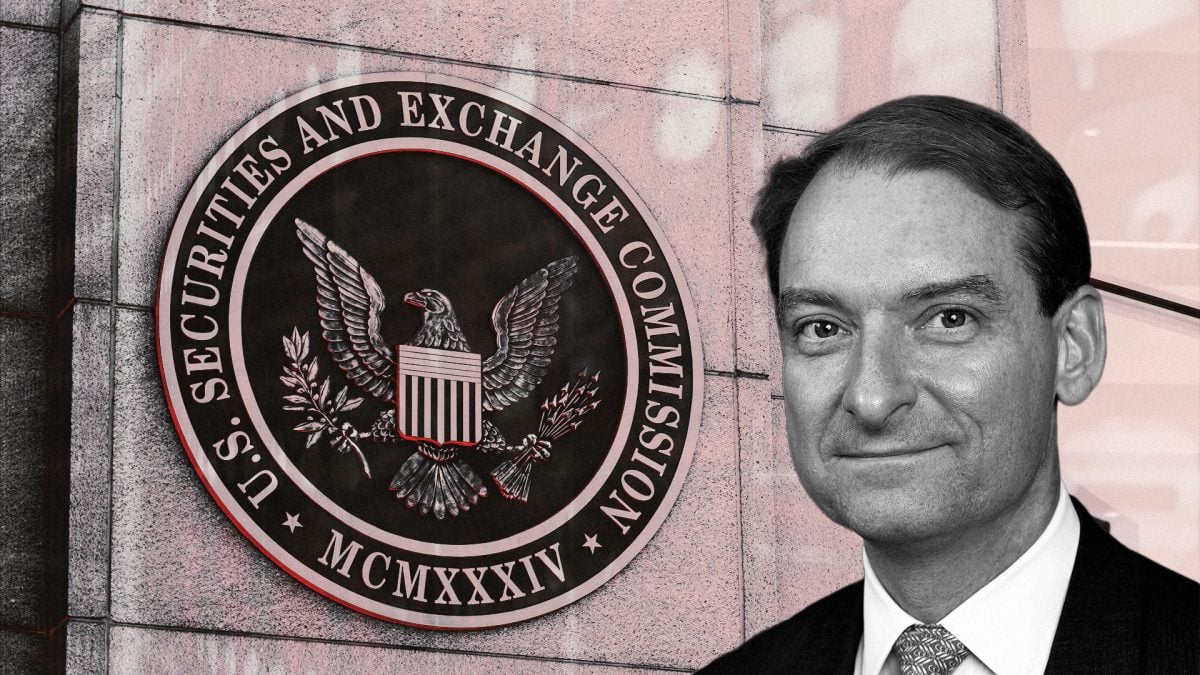
The U. S. Securities and Exchange Commission is set to modernize the landscape of cryptocurrency regulation through a groundbreaking initiative dubbed the “token taxonomy” plan. Unveiled by SEC Chair Paul Atkins, the plan aims to provide a clear framework for distinguishing between different types of digital assets, helping to clarify regulatory responsibilities and set a more structured path forward for the cryptocurrency industry. This initiative comes amid growing concerns over the lack of clarity in existing regulations and the potential for the sector to fall prey to abuses and fraud.
Atkins, who has been at the helm of the SEC since 2021, has emphasized the need for a comprehensive overhaul of the regulatory environment, particularly as the cryptocurrency market continues to evolve at a rapid pace. Under his leadership, the SEC has adopted a more proactive stance on enforcement, including cracking down on unregistered digital asset offerings and investigating prominent crypto firms. The new proposal seeks to address key issues surrounding token classification, governance, and investor protection, marking a significant step towards establishing a more predictable and transparent regulatory regime.
One of the central features of the token taxonomy plan is its attempt to clearly differentiate between utility tokens, security tokens, and commodities. Security tokens, which represent ownership in a company or project, would continue to fall under the purview of the SEC, while utility tokens, often used within decentralized networks to access specific services, may be treated differently. This distinction is crucial as it will help determine the specific regulations that apply to each category and streamline the processes for businesses looking to launch tokens in the market.
The plan proposes the creation of a digital asset registration framework that would allow crypto companies to register their tokens with the SEC, providing more transparency and accountability in the industry. By providing clear guidelines on what constitutes a security versus a non-security token, the SEC hopes to reduce confusion among developers, investors, and regulators alike, while also offering a clearer path for compliance.
The proposal also outlines provisions for enhancing consumer protection, an area of concern for both lawmakers and market participants. By ensuring that tokens classified as securities are subject to the same protections as traditional financial products, the SEC aims to reduce the risk of market manipulation and fraud that has plagued some sectors of the crypto market. The plan also calls for increased transparency regarding token offerings, including detailed disclosures about the underlying technology, token economics, and the potential risks for investors.
The unveiling of the token taxonomy plan comes at a time when the U. S. government is under increasing pressure to take action on crypto regulation. Cryptocurrencies have been at the forefront of debates over financial innovation, with proponents arguing that they could revolutionise sectors like finance and supply chain management, while critics warn of their potential to facilitate illicit activities, tax evasion, and investor exploitation. The SEC’s new proposal aims to strike a balance between fostering innovation and ensuring that the sector remains accountable and transparent.
While the announcement has been met with a generally positive response from the cryptocurrency community, some industry leaders have raised concerns over the complexity of the new framework and the potential for overregulation. There are worries that stringent rules could stifle innovation and drive crypto businesses away from U. S. markets, opting for jurisdictions with more lenient regulatory environments. On the other hand, advocates of the proposal argue that clear regulations are needed to create a safer, more stable market, which will ultimately benefit both consumers and businesses in the long run.
The token taxonomy plan is set to undergo a period of public consultation, during which industry stakeholders, legal experts, and members of the public will have the opportunity to provide feedback. This collaborative process will be crucial in refining the proposal and ensuring that it is both effective and adaptable to the rapidly changing crypto landscape.
Arabian Post – Crypto News Network
Follow Arabian Post
Select Arabian Post as your preferred source on Google and MSN News for trusted business news and Arab politics and updates.




