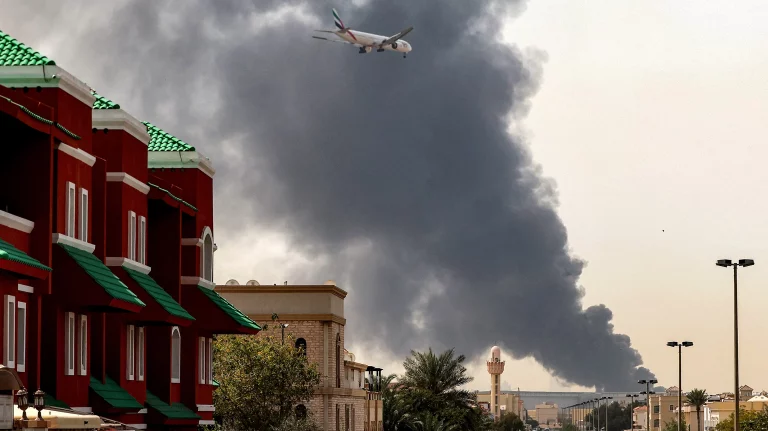
Gulf states reportedly struck Iranian military sites

Arabian Post Staff -Dubai

Bahrain and Kuwait carried out covert airstrikes against military facilities inside Iran in early July, marking their first known direct offensive action against Tehran during the widening regional war.

The operation targeted storage sites holding missiles and attack drones, along with other military installations linked to Iran’s capacity to strike Gulf countries. The United Arab Emirates supplied intelligence on potential targets and provided defensive air support during the mission, people familiar with the operation said.

None of the three Gulf governments has publicly confirmed its role. Bahrain and Kuwait have continued to describe their military posture as defensive, while emphasising their right to protect their territory and critical infrastructure. Kuwait’s ambassador to the United States has denied that his country participated in attacks against Iran.

ADVERTISEMENT

The reported strikes nevertheless signal a major shift in the Gulf’s response to Tehran. Bahrain and Kuwait had previously relied on air-defence systems, US military support and diplomatic pressure while avoiding acknowledged offensive operations against Iranian territory.

Their decision followed repeated Iranian missile and drone attacks on both countries. Iran has said its operations were directed at US military installations and facilities supporting American attacks, but projectiles have also hit or threatened civilian infrastructure, energy assets and populated areas.

Kuwait has reported attacks on border posts, an offshore oil installation and electricity and water-production facilities. Several members of its armed forces have been injured during the fighting. The government has accused Tehran of pursuing a systematic campaign against essential infrastructure and has invoked its right to self-defence under Article 51 of the United Nations Charter.

Bahrain, which hosts the US Navy’s Fifth Fleet, has faced successive waves of Iranian missiles and drones since the conflict expanded in February. Its defence forces have intercepted large numbers of incoming weapons, although falling debris and successful strikes have caused damage to buildings, vehicles and other facilities.

Iran has treated US bases across the Gulf as legitimate targets because they support American military operations. Tehran has repeatedly warned that countries allowing their territory or airspace to be used against Iran could face retaliation, even when those governments say they were not involved in offensive missions.

ADVERTISEMENT

The apparent participation of Bahrain and Kuwait shows how that strategy may be producing the opposite result. Gulf governments that spent years seeking to limit confrontation with Tehran are now considering direct military action necessary to deter attacks and protect strategically important infrastructure.

The UAE’s reported supporting role also points to deeper operational coordination among Gulf states. Abu Dhabi has sophisticated surveillance, missile-defence and air-combat capabilities, giving it a central position in any joint regional response. It has publicly condemned Iranian attacks on Bahrain, Kuwait, Qatar, Jordan and Oman while calling for respect for sovereignty and international law.

The operation appears to have been conducted discreetly to preserve diplomatic flexibility and limit the risk of further escalation. Public acknowledgment could expose Bahrain and Kuwait to heavier Iranian retaliation while complicating relations with other Gulf Cooperation Council members that remain focused on mediation.

Saudi Arabia, Qatar and Oman have pursued differing approaches to the conflict. Oman has retained its traditional role as a diplomatic intermediary, while Qatar has attempted to protect its security partnership with Washington without closing channels to Tehran. Saudi Arabia has strengthened defensive preparations while weighing the economic and security costs of broader involvement.

The reported airstrikes also highlight the pressure on the Gulf’s image as a stable centre for trade, finance and investment. Missile alerts, disrupted flights, threats to desalination plants and attacks on energy infrastructure have increased insurance and security costs across the region.

Shipping through the Strait of Hormuz has faced severe disruption as Iran has targeted vessels and threatened navigation. The waterway has long carried about a fifth of global petroleum consumption, making any extended interruption a danger to oil markets, Asian importers and Gulf export revenues.

US forces have expanded their attacks against Iranian missile factories, command centres, coastal defences, surveillance systems and drone facilities. Iran has responded by attacking American military positions in Bahrain, Kuwait, Jordan and Iraq, while also targeting ships and infrastructure linked to Washington’s regional partners.

Bahrain and Kuwait maintain close defence relationships with the United States. Kuwait hosts thousands of US personnel at several military installations, while Bahrain serves as the headquarters of American naval operations covering the Gulf, Arabian Sea and adjoining waterways.


Notice an issue?

Arabian Post strives to deliver the most accurate and reliable information to its readers. If you believe you have identified an error or inconsistency in this article, please don't hesitate to contact our editorial team at editor[at]thearabianpost[dot]com. We are committed to promptly addressing any concerns and ensuring the highest level of journalistic integrity.


ADVERTISEMENT

Gulf states reportedly struck Iranian military sites

Arabian Post Staff -Dubai

Bahrain and Kuwait carried out covert airstrikes against military facilities inside Iran in early July, marking their first known direct offensive action against Tehran during the widening regional war.

The operation targeted storage sites holding missiles and attack drones, along with other military installations linked to Iran’s capacity to strike Gulf countries. The United Arab Emirates supplied intelligence on potential targets and provided defensive air support during the mission, people familiar with the operation said.

None of the three Gulf governments has publicly confirmed its role. Bahrain and Kuwait have continued to describe their military posture as defensive, while emphasising their right to protect their territory and critical infrastructure. Kuwait’s ambassador to the United States has denied that his country participated in attacks against Iran.

ADVERTISEMENT

The reported strikes nevertheless signal a major shift in the Gulf’s response to Tehran. Bahrain and Kuwait had previously relied on air-defence systems, US military support and diplomatic pressure while avoiding acknowledged offensive operations against Iranian territory.

Their decision followed repeated Iranian missile and drone attacks on both countries. Iran has said its operations were directed at US military installations and facilities supporting American attacks, but projectiles have also hit or threatened civilian infrastructure, energy assets and populated areas.

Kuwait has reported attacks on border posts, an offshore oil installation and electricity and water-production facilities. Several members of its armed forces have been injured during the fighting. The government has accused Tehran of pursuing a systematic campaign against essential infrastructure and has invoked its right to self-defence under Article 51 of the United Nations Charter.

Bahrain, which hosts the US Navy’s Fifth Fleet, has faced successive waves of Iranian missiles and drones since the conflict expanded in February. Its defence forces have intercepted large numbers of incoming weapons, although falling debris and successful strikes have caused damage to buildings, vehicles and other facilities.

Iran has treated US bases across the Gulf as legitimate targets because they support American military operations. Tehran has repeatedly warned that countries allowing their territory or airspace to be used against Iran could face retaliation, even when those governments say they were not involved in offensive missions.

ADVERTISEMENT

The apparent participation of Bahrain and Kuwait shows how that strategy may be producing the opposite result. Gulf governments that spent years seeking to limit confrontation with Tehran are now considering direct military action necessary to deter attacks and protect strategically important infrastructure.

The UAE’s reported supporting role also points to deeper operational coordination among Gulf states. Abu Dhabi has sophisticated surveillance, missile-defence and air-combat capabilities, giving it a central position in any joint regional response. It has publicly condemned Iranian attacks on Bahrain, Kuwait, Qatar, Jordan and Oman while calling for respect for sovereignty and international law.

The operation appears to have been conducted discreetly to preserve diplomatic flexibility and limit the risk of further escalation. Public acknowledgment could expose Bahrain and Kuwait to heavier Iranian retaliation while complicating relations with other Gulf Cooperation Council members that remain focused on mediation.

Saudi Arabia, Qatar and Oman have pursued differing approaches to the conflict. Oman has retained its traditional role as a diplomatic intermediary, while Qatar has attempted to protect its security partnership with Washington without closing channels to Tehran. Saudi Arabia has strengthened defensive preparations while weighing the economic and security costs of broader involvement.

The reported airstrikes also highlight the pressure on the Gulf’s image as a stable centre for trade, finance and investment. Missile alerts, disrupted flights, threats to desalination plants and attacks on energy infrastructure have increased insurance and security costs across the region.

Shipping through the Strait of Hormuz has faced severe disruption as Iran has targeted vessels and threatened navigation. The waterway has long carried about a fifth of global petroleum consumption, making any extended interruption a danger to oil markets, Asian importers and Gulf export revenues.

US forces have expanded their attacks against Iranian missile factories, command centres, coastal defences, surveillance systems and drone facilities. Iran has responded by attacking American military positions in Bahrain, Kuwait, Jordan and Iraq, while also targeting ships and infrastructure linked to Washington’s regional partners.

Bahrain and Kuwait maintain close defence relationships with the United States. Kuwait hosts thousands of US personnel at several military installations, while Bahrain serves as the headquarters of American naval operations covering the Gulf, Arabian Sea and adjoining waterways.


Notice an issue?

Arabian Post strives to deliver the most accurate and reliable information to its readers. If you believe you have identified an error or inconsistency in this article, please don't hesitate to contact our editorial team at editor[at]thearabianpost[dot]com. We are committed to promptly addressing any concerns and ensuring the highest level of journalistic integrity.


ADVERTISEMENT
Social Media Auto Publish Powered By : XYZScripts.com