

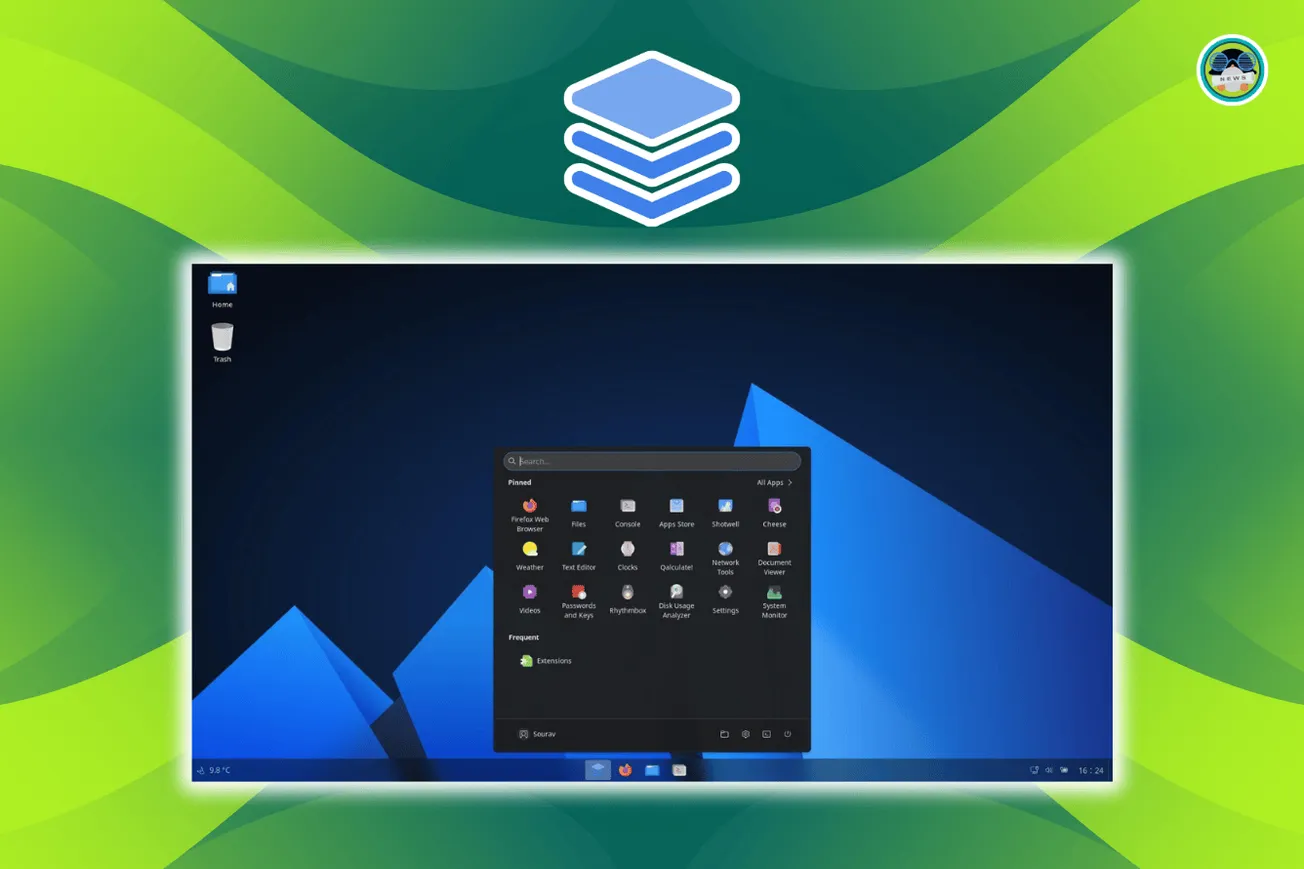
A new Linux distribution called AnduinOS has emerged, designed with a user interface aimed at mimicking the aesthetics and functionality of Windows 11. Developed by an independent team, AnduinOS seeks to offer the familiar experience of Microsoft’s latest operating system while maintaining the flexibility and open-source advantages that Linux provides.
At first glance, AnduinOS might easily be mistaken for a variant of Windows 11. The user interface features a centered taskbar, smooth animations, and rounded window corners, all hallmarks of Windows 11’s modern design language. However, unlike Windows 11, which requires a specific hardware setup, AnduinOS is intended to run on a wider range of devices, including older machines that may not meet Microsoft’s system requirements.
The developers of AnduinOS claim their goal is not just cosmetic, but also to provide an efficient and user-friendly experience. Linux distributions are often lauded for their flexibility and speed, but they can also pose a challenge to new users who are accustomed to mainstream operating systems. By borrowing design cues from Windows 11, AnduinOS aims to offer a bridge for those transitioning from Microsoft’s ecosystem to Linux.
One of the standout features of AnduinOS is its attention to detail in replicating the Windows 11 user interface. The taskbar is centrally aligned, just like in Windows 11, with app icons grouped together in a way that mimics the default Windows setup. Additionally, the system uses a similar Start menu that blends the classic Windows design with Linux’s extensive customizability. But unlike Windows 11, which relies heavily on proprietary software, AnduinOS is built on open-source tools and programs, giving users a greater level of control and transparency over their system.
Despite its Windows 11-inspired aesthetic, AnduinOS retains the power and flexibility of Linux. This means that users can enjoy the usual benefits of a Linux distribution, such as access to a vast library of open-source software, strong security features, and the ability to customize the system to their liking. However, while the user interface might appeal to Windows users, AnduinOS doesn’t stray far from Linux’s more technical underpinnings, which could still pose a challenge for those who have never used Linux-based operating systems.
The desktop environment of AnduinOS is built around a customized version of the GNOME desktop, one of the most popular Linux desktop environments. GNOME is known for its simplicity and clean interface, and AnduinOS has made modifications to this environment to closely align it with the visual style of Windows 11. The combination of GNOME’s intuitive workflow with the Windows-inspired design aims to appeal to users who want a modern, minimalist desktop without sacrificing functionality.
One aspect that has received attention from early users of AnduinOS is the performance. While Linux distributions are generally known for being faster and less resource-intensive than Windows, AnduinOS’s efforts to replicate the Windows 11 aesthetic through features like transparency effects and animations could put a strain on systems with lower specs. However, most modern devices should be able to run the system smoothly, and the ability to customize the level of graphical effects allows users to adjust the system’s performance according to their hardware capabilities.
In terms of application compatibility, AnduinOS takes full advantage of Linux’s ability to run a variety of open-source applications. This makes it easier for users to access a broad range of software without the need for complex installations or compatibility issues. Additionally, AnduinOS also supports running Windows applications through compatibility layers like Wine, providing further flexibility for those transitioning from Windows. While this setup isn’t perfect, it is a step towards bridging the gap between Linux and Windows in terms of software availability.
The security features of AnduinOS are also noteworthy. As a Linux-based operating system, AnduinOS benefits from the robust security architecture inherent to Linux distributions. Unlike Windows, which is often targeted by malicious software and viruses, Linux’s permission system and the open-source nature of its code provide greater transparency and a reduced risk of security breaches. For users who prioritize privacy and security, AnduinOS offers a compelling option, especially in comparison to Windows, which collects a significant amount of user data.
AnduinOS also includes a suite of built-in tools to make it easier for users to manage and customize their system. These tools allow users to adjust system settings, install new software, and even tweak the system’s visual style, further increasing the level of customization available. This is a distinct advantage over Windows 11, which offers some level of customization but tends to be more rigid in comparison to the flexibility that Linux offers.
However, AnduinOS is not without its challenges. While the interface is visually appealing and familiar, it remains to be seen how many users will adopt the system, especially those who are already comfortable with other Linux distributions or those who are reluctant to switch from Windows entirely. AnduinOS is still a relatively new project, and its community and support structures are in the early stages of development. While the operating system’s design may draw users in, its long-term success will depend on how well it can build a user base and offer ongoing support and updates.
Follow Arabian Post
Select Arabian Post as your preferred source on Google and MSN News for trusted business news and Arab politics and updates.




