

Arabian Post Staff -Dubai
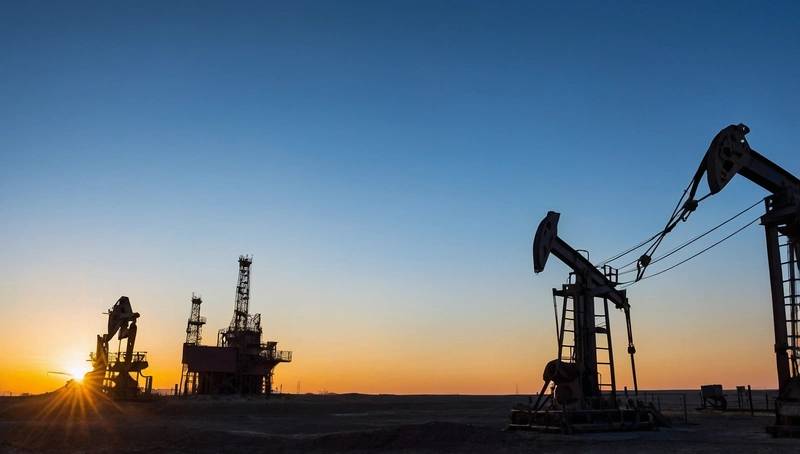
Dubai shares posted their strongest one-day rise in more than a decade on Wednesday after a two-week ceasefire between the United States and Iran eased fears over a wider regional conflict, soothed concern over energy shipping routes and triggered a broad relief rally across Gulf markets. Dubai’s benchmark index jumped as much as 8.5% intraday, while Abu Dhabi’s main market also recorded its biggest gain in years as investors moved back into banks, property developers and other cyclical stocks.
The market rebound followed an announcement late on April 7 that Washington and Tehran had agreed to a temporary pause in hostilities, with the arrangement tied to the reopening of the Strait of Hormuz, one of the world’s most important oil and gas chokepoints. The conflict had rattled investors across the Gulf, pushed crude prices sharply higher and revived concern that trade and investment flows in the region could face a more prolonged shock. Wednesday’s move suggested traders were betting that even a fragile pause could reduce the immediate risk premium hanging over regional assets.
Dubai’s rally was led by heavyweight financial and property names, including Emaar Properties and Emirates NBD, as investors rotated back into sectors seen as most exposed to local growth, consumer confidence and cross-border capital flows. In Abu Dhabi, First Abu Dhabi Bank and energy-linked stocks helped drive gains. Markets in Saudi Arabia, Qatar, Kuwait and Bahrain also advanced, reflecting a region-wide shift in sentiment after days of anxiety over supply disruptions and military escalation.
The ceasefire had an equally sharp effect on energy markets. Brent crude fell by roughly 13% on Wednesday to below $95 a barrel after having traded above $100 during the crisis, as traders priced in the possibility that shipping through Hormuz could resume with fewer immediate threats. Because around a fifth of global oil and gas transport passes through the strait, any sign of restored access carries outsized significance for Gulf economies, many of which are deeply tied to hydrocarbons, logistics and trade. Lower oil prices can reduce windfall expectations for producers, but in this case the drop appeared to be welcomed by equity investors as a sign that the danger of a deeper economic shock had receded.
That distinction matters for Dubai in particular. Unlike some of its neighbours, the emirate’s stock market has a large weighting in banks, developers, transport and consumer-linked firms, making it especially sensitive to shifts in business confidence, tourism, property activity and regional risk appetite. A de-escalation in the Gulf tends to support the case for capital inflows, renewed dealmaking and steadier operating conditions for companies whose fortunes depend less on oil extraction than on the wider services economy.
Still, the scale of the rally also reflected how sharply Gulf assets had been marked down as the conflict intensified. The war, which began on February 28 according to Reuters and other major outlets, disrupted energy infrastructure, jolted global markets and raised fears of a prolonged interruption to the flow of crude, refined products and liquefied natural gas through the region. By Wednesday, investors were responding not to a full peace settlement but to a temporary halt that remains conditional and politically fragile.
That caution was visible in broader global trading. European shares recorded their best session in about a year, Asian equities rose strongly and US futures also climbed, yet analysts warned that the durability of the ceasefire was far from certain. The truce depends on continued restraint by both sides and on the practical reopening of Hormuz, while underlying disputes remain unresolved. Some strategists have also noted that even if tanker traffic resumes, shipping costs, insurance premiums and security concerns may remain elevated for some time.
Follow Arabian Post
Select Arabian Post as your preferred source on Google and MSN News for trusted business news and Arab politics and updates.




