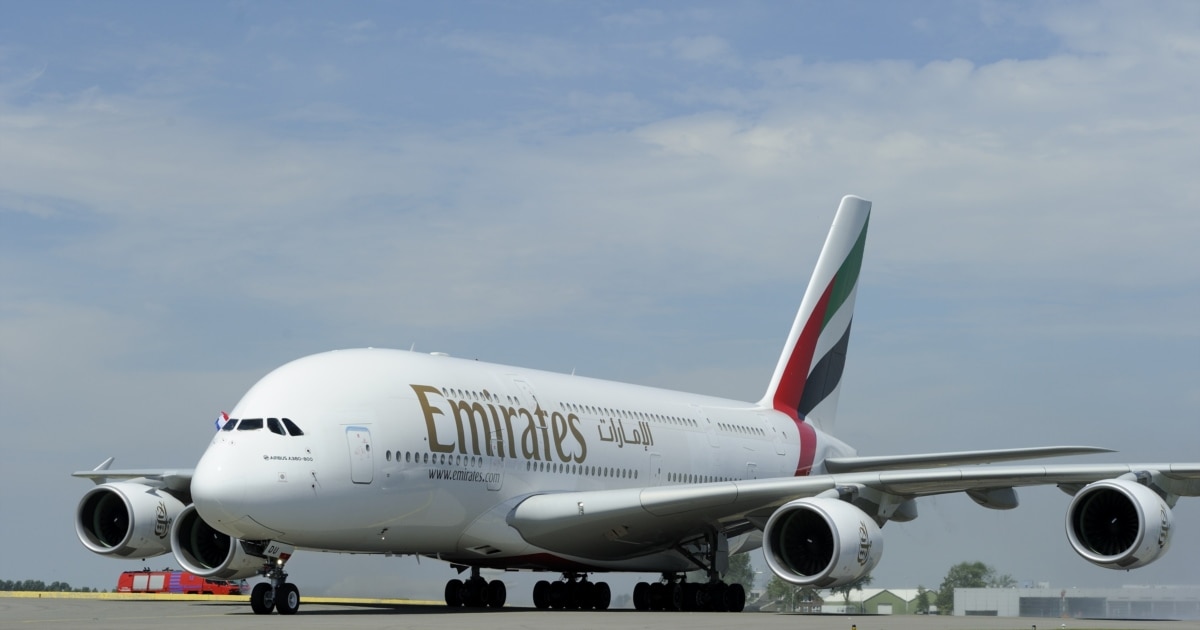
A dramatic concept video portraying a proposed “Dubai Air Hotel” by Emirates has ignited global attention, depicting a full-scale Airbus A380 mounted atop a 580-metre, 125-storey tower in Dubai. The vision, priced at an estimated $3 billion, imagines an aviation-themed landmark that would combine ultra-luxury hospitality with a striking architectural statement, reinforcing the city’s reputation for headline-grabbing development.
The footage shows the double-deck superjumbo positioned like a crown at the summit of a needle-slim skyscraper, its fuselage transformed into suites, lounges and dining spaces overlooking the Gulf. Interior renderings suggest panoramic windows, private terraces and aviation-inspired décor, with the tower below housing a high-end hotel, observation decks and retail areas. While Emirates has not announced a construction timetable, the concept has been presented as an exploratory design aligned with Dubai’s long-term tourism and branding ambitions rather than a confirmed build.
Aviation analysts note that the A380 remains central to Emirates’ identity, even as other carriers retire the type. The airline operates the world’s largest A380 fleet and has invested heavily in refurbishing cabins to extend the aircraft’s service life. By placing the jet at the heart of a hospitality concept, the carrier is signalling confidence in the aircraft’s symbolic value as much as its operational role. Bolded within this narrative, the idea of a sky-piercing A380 hotel reflects a bid to fuse aviation heritage with luxury tourism in a way few cities could attempt.
Developers familiar with supertall projects caution that the engineering challenges would be formidable. Mounting a 73-metre-long aircraft, weighing well over 250 tonnes when stripped and reinforced for static display, would require bespoke structural solutions, wind-load modelling and seismic considerations. Specialists say the aircraft would need extensive modification, with engines removed and the airframe integrated into the tower’s core to meet safety codes. Such complexity helps explain the multibillion-dollar price tag and the absence of a firm construction schedule.
From a tourism perspective, the proposal arrives as Dubai continues to chase higher-spending visitors and experiential travel. The city has set successive records for international arrivals and hotel performance, driven by luxury retail, major events and a pipeline of attractions. Hospitality executives argue that distinctive concepts, rather than sheer room count, are increasingly important in a competitive global market. An A380-topped tower would sit alongside existing icons such as observation decks and themed resorts, adding another visual anchor to the skyline.
There are, however, questions about commercial viability. Industry consultants point out that novelty projects must sustain long-term occupancy and revenue beyond an initial surge of interest. Operating costs for a supertall structure, combined with the maintenance of a static aircraft exposed to heat, sand and humidity, could be significant. Balancing exclusivity with accessibility will also matter; if positioned solely at the ultra-luxury end, the hotel would need consistent demand from high-net-worth travellers to justify its scale.
Environmental considerations form another layer of scrutiny. Dubai has pledged progress on sustainability across aviation and construction, and critics argue that high-profile developments should reflect those goals. Proponents counter that adaptive reuse of an aircraft nearing retirement, coupled with energy-efficient building systems, could mitigate concerns. The concept video highlights green terraces and smart-building technologies, though detailed specifications have not been released.
Follow Arabian Post
Select Arabian Post as your preferred source on Google and MSN News for trusted business news and Arab politics and updates.