News related to
Arabian Post Special

A growing number of startup founders are using AI-driven red‑teaming methods to rigorously probe their business concepts, exposing weak spots before costly launches. This combative approach adapts cybersecurity tactics for entrepreneurial due diligence, helping entrepreneurs pre‑empt real‑world failures. AI red‑teaming involves prompting ChatGPT with roles such as “penetration tester”, “ruthless competitor” or “regulatory enforcer”, each tasked with systematically dismantling a business idea. The AI critiques everything from […]

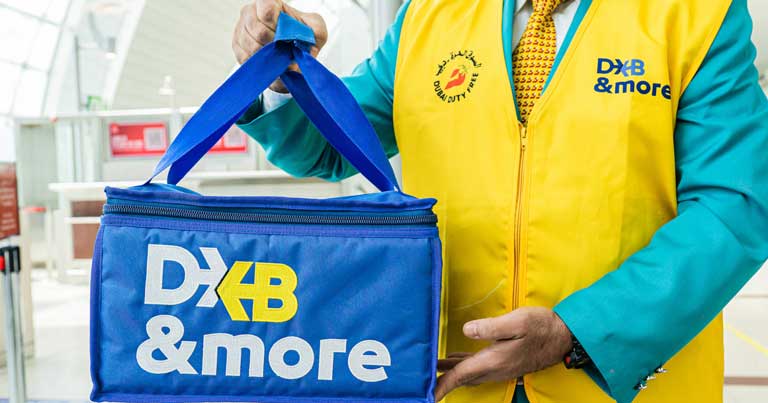
Dubai International Airport has introduced DXB Greet & Go in Terminal 3, revolutionising the way arrivals are greeted. Licensed hotels, tour operators and transport providers can now tap QR codes—replacing traditional placards—to meet guests efficiently in a dedicated arrivals area.

The initiative, officially live since early July, provides an authorised meeting zone designed to improve passenger flow and elevate hospitality standards. Dubai Airports has established this as part of its strategy to ease congestion and reduce stress at peak arrival times.

This digital-first service streamlines the reception experience: instead of waiting among crowds, drivers and host staff now scan pre-shared QR codes, guiding travellers directly to designated areas where they are met by clear signage. The system aligns with security protocols while offering better clarity and comfort.

Industry observers describe DXB Greet & Go as another milestone in Dubai’s automation and smart-performance ambitions. It complements prior enhancements—like biometric Smart Tunnels and QR-code navigation tools—designed to process high passenger volumes more swiftly while preserving a premium touchpoint.

Key regional operators have already registered. A senior operations manager at one of Dubai’s leading hospitality chains noted guest satisfaction has improved, citing fewer missed connections and faster handovers. Dubai Airports spokesperson emphasised that launch partners are primarily “licensed entities” committed to seamless, branded guest engagement.

Compliance and coordination with security teams were paramount in crafting the scheme. The dedicated meeting point follows stringent screening criteria and maintains oversight from airport operations, ensuring guest meets do not impinge on wider terminal safety. It also alleviates footfall in busy corridors, especially during peak periods.

Analysts see branding and service quality benefits. Sharply reducing wait times at arrivals enhances early impressions for high‑value guests, business travellers and VIPs—key revenues for both hotels and airport retail operators. And as QR-based systems gain traction worldwide, DXB’s approach may offer a replicable benchmark for other global gateways.

Passengers have already reported smoother arrivals. A recent poll by a GCC‑based travel blog found that 87 percent of users appreciated the clarity of designated zones and reduced crowding. Several said using the service felt more “personalised and modern”, aligning with expectations for a luxury travel experience.

Onboarding requires minimal effort: partners register via Dubai Airports’ platform, receive official QR codes linked to flight details, and station meeting personnel accordingly. QR scanning synchronises with flight schedules, activating the service only once the flight has landed and passengers have disembarked.

Dubai Airports reports the system has quickly gained traction among boutique hotels and VIP ground handlers, with expansion plans underway. Terminal 3—the main hub for Emirates—is expected to expand the service across other terminals if demand continues.

The move also integrates with existing smart journeys like DXB Express Maps, enabling visitors to navigate lounges, shops and gates by QR scanning digital kiosks. The combined effect is a frictionless experience from landing to departure, supporting ambitions to top 100 million annual passengers.

ADVERTISEMENT

Birthdays are one of life’s most special moments, and there’s no better way to express your love and best wishes than with a beautiful bouquet of flowers. Flowers carry deep meanings, and they instantly brighten up any occasion, especially birthdays. However, when you’re on a budget, it can be tricky to find the perfect bouquet that looks beautiful without draining your wallet. Luckily, you don’t have to […]

String.com, launched this week by the Pipedream team, allows users to describe in plain English the AI agent they want, and the platform instantly crafts, tests and deploys fully functional agents without the need for manual coding. This marks a milestone in automation and agentic AI, combining natural language input with backend integration to accelerate deployment of intelligent workflows. The platform’s creator, Tod Sacerdoti, explained that String […]

Advertisements
ADVERTISEMENT

Sterling’s recent rally has little to do with the UK economy suddenly outperforming expectations. It has everything to do with the dollar falling out of favour. When the pound hit $1.365 this week—its strongest level since early 2022—it was a flashing red signal that international investors are losing faith in the greenback. Let’s not pretend this is about interest rates. The Federal Reserve is still holding firm, […]

Bitcoin Core developer Jon Atack was briefly arrested in El Salvador this weekend after his neighbour lodged a complaint stemming from a heated dispute over property boundaries. Police detained Atack under a statute protecting women from violence, but released him about an hour later, returning his phone and passport. He described the officers as “professional and friendly”, emphasising the incident was unrelated to his work in cryptocurrency.

Atack, a long‑time contributor to Bitcoin Core and a United States citizen, said the altercation began when he and a neighbour argued over perceived encroachment on property lines. During the exchange, he allegedly used insulting language, prompting the neighbour to report him for “violence against women”—an offence under El Salvador’s Special Comprehensive Law for a Life Free of Violence for Women, introduced in 2012.

Law enforcement briefly held Atack. He posted on X that officers confiscated his phone and passport, which he said cut him off from communication. The neighbour’s allegation triggered the arrest, which could have led to imprisonment according to the law invoked. However, no charges were formally pressed, and he was released within the hour.

Atack explained the conversation escalated when he referred to the neighbour as “stupid”, a comment she perceived as aggressive. Under local defamation statutes, such insults can carry severe legal consequences, including up to eight years in prison.

Communication from the Bitcoin community amplified concern over Atack’s detainment. Prominent developers expressed support on social media, viewing the suspension of his civil liberties—even temporarily—as disproportionate to the circumstances. One post highlighted that the law in question is often criticised for its broad and punitive scope.

The incident has reignited debate in the crypto ecosystem regarding legal vulnerability when community figures travel abroad. Advocates argue that Atack’s detainment underscores the importance of cultural and legal awareness for global actors, particularly in jurisdictions known for rigorous enforcement of social protection measures.

El Salvador’s government has actively positioned the country as a beacon for Bitcoin regulation since adopting the cryptocurrency as legal tender in 2021. Yet critics have argued that reliance on strict social legislation could introduce uncertainty for international visitors, investors and developers. Atack’s predicament brought this into stark focus, especially as he noted the incident was rooted in personal disagreement rather than political or financial motivations.

During the brief detention, Atack described the authorities as courteous, with one officer telling him he “might have to stay in jail”, but ultimately releasing him after confirmation that no threats had been made. He said he was relieved and treated fairly, though the experience left him shaken.

Atack is now back with his belongings and resuming his work, having reaffirmed his gratitude online. He wrote: “This was the first time I’ve been in cuffs and God willing also the last time.”

Legal experts in El Salvador note that the LEIV law was intended to address a persistent issue of gender‑based violence. However, its application to verbal altercations—including insults—has drawn criticism as overly broad. The law’s defenders argue that it safeguards women’s dignity, while detractors claim it grants excessive prosecutorial discretion over matters that could be resolved civilly.

The crypto community is watching closely as this story unfolds. For developers and investors engaged in global travel, Atack’s experience serves as a cautionary tale about how social and legal norms interact with professional mobility. While El Salvador markets itself as a forward‑looking nation for digital assets, Atack’s case suggests that everyday disputes can escalate swiftly under local statutes.

Atack has no ongoing legal proceeding and intends to remain in the country. He said his focus remains on his Bitcoin Core contributions, and he expressed hope that the episode would spur discussion over legal clarity for international tech practitioners operating under unfamiliar jurisdictions.

Observers stress that Atack’s swift release and the respectful treatment he received may reflect positively on the impartiality of Salvadoran law enforcement. Yet, they also warn that the preventive seizure of personal documents and potential for detention highlight essential areas for legal and diplomatic safeguards to protect visiting professionals.

By Nantoo Banerjee It is difficult to believe that India, the world’s fourth largest economy by gross domestic product (GDP) and a major military power, ranks below even the tiny states of Kuwait and Greece when it comes to defence spending as a percentage of GDP. Considering the tricky geo-political situation in the south Asian […]
ADVERTISEMENT

UAE authorities have categorically dismissed claims that cryptocurrency investors can secure a 10‑year golden residency visa, stating that such privileges are reserved for specific sectors such as real-estate investors, entrepreneurs, top-tier talents, scientists, specialists, leading students and graduates, humanitarian pioneers and frontline workers.

In a joint statement, the Federal Authority for Identity, Citizenship, Customs and Port Security, the Securities and Commodities Authority and the Virtual Assets Regulatory Authority made clear that no visa pathway exists based solely on digital asset investment. The clarification, issued in response to social media promotions tied to TON coin staking, noted that licensed companies dealing in virtual assets must follow standard visa procedures set by Dubai authorities—contradicting any assertion of automatic long-term residency for such investors.

The declaration emphasised that golden residencies, formally known as “golden visas,” are awarded selectively. Eligible recipients include individuals contributing significantly through real-estate acquisition, entrepreneurship, exceptional professional or academic achievements, humanitarian efforts, scientific innovation and frontline services. Digital asset holders, including those with TON coin, are not part of this framework.

VARA underscored that any licensed firm engaged in virtual assets must adhere strictly to visa regulations approved by Dubai’s government. The authority explicitly stated that TON is not among the licensed virtual asset service providers regulated by VARA—which serves as a reminder that third-party programme claims cannot confer regulatory endorsement or visa rights.

Market reactions were swift. TON’s market value dropped roughly 6% after the regulators’ denial, reversing an earlier 10% rally sparked by reports suggesting that staking over $100,000 of the cryptocurrency for three years would qualify investors for golden residency. The dip reflects investor recalibration, as participants digest the official position.

Crypto-focused platforms including Cointelegraph and CryptoBriefing reported that the golden visa narrative around TON did not originate from UAE government entities, but from promotional efforts tied to TON itself or affiliates. Such promotions framed virtual-asset investments as viable residency routes, a stance regulators assert is misleading.

Historically, the UAE has granted golden visas to boost innovation and long-term commitment within its economic ecosystem. Introduced in 2019, the visa allows extended residency ranging from five to ten years for designated groups, including investors, researchers, medical professionals, outstanding students, frontline responders and humanitarian workers. The UAE’s focus has been on attracting tangible economic and social capital—not speculative virtual-asset portfolios.

The political economy of the golden visa scheme underscores the government’s desire to diversify its talent pool while retaining high-calibre individuals. Notably, real-estate investors must typically commit AED 2 million or more, and entrepreneurs require projects valued at least AED 500,000, alongside approved incubator backing. There is no parallel threshold for cryptocurrency holdings.

VARA’s clarification additionally served as a broader caution to the public, urging consumers to engage only with fully licensed and regulated entities in the virtual-asset space. This aligns with the authority’s ongoing efforts to mitigate risk, prevent fraud, and ensure compliance within the rapidly evolving crypto sector.

Legal analysts note that agencies like ICP, SCA and VARA carry statutory authority over immigration, securities and virtual asset regulation, respectively—a strong indicator that their joint statement holds legal weight. Any company or platform claiming otherwise could face regulatory investigation for misleading representations.

Industry experts praised the clarity of the communication, saying it helps dispel misconceptions among investors attracted by sensational claims. “Regulation must keep pace with innovation,” commented one Dubai-based compliance specialist. “But investors also bear responsibility to verify claims, particularly when residency and investment are involved.”

Within the wider crypto ecosystem, this development is neither isolated nor unexpected. Regulators across jurisdictions have increasingly emphasised that digital-asset holdings alone rarely guarantee immigration benefits. The UAE’s decisive response may serve as a model for governments balancing openness to innovation with prudence in immigration policy.

Moving forward, observers will watch closely whether the UAE institutes any formal framework for crypto-linked residency benefits. VARA and SCA have previously launched licensing regimes for exchanges and service providers, hinting at a broader regulatory ecosystem under development. However, until there is explicit policy inclusion, golden visa eligibility remains restricted to well-defined categories.

Legal scholars suggest that should UAE authorities wish to incorporate virtual-asset investment into residency policy, formal amendments would need to be tabled via corporate regulations and immigration law. Meanwhile, the current guidelines offer clear instruction: digital asset investment, regardless of size, is not sufficient to obtain a golden residency in the UAE.


Dubai’s Knowledge and Human Development Authority has confirmed that three esteemed international institutions—the Indian Institute of Management Ahmedabad, the American University of Beirut, and Saudi Arabia’s Fakeeh College for Medical Sciences—will launch branch campuses in the emirate for the 2025–26 academic year. This move aligns with Dubai’s strategic Education 33 and broader Dubai Economic Agenda D33, designed to enhance its status as a global education hub.

The Indian Institute of Management Ahmedabad is renowned for its Business and Management programme, currently ranked 27th globally by the QS World University Rankings by subject. The American University of Beirut holds a position of 237th in the overall QS World University Rankings. Fakeeh College for Medical Sciences brings specialised strength in health and medical education to Dubai’s portfolio.

Dr Wafi Dawood, CEO of KHDA’s Strategic Development Sector, emphasised that the initiative “reflects the emirate’s international stature” and aligns with goals to enhance graduate competitiveness, boost educational tourism ten-fold by 2033, broaden Emirati workforce integration, and bolster economic diversification. The strategy also aims to see international students making up 50 per cent of Dubai’s higher education population by 2033, contributing an estimated AED 5.6 billion to the sector’s GDP.

Dubai’s higher education ecosystem already includes 41 private international providers—37 of which are branch campuses—including the University of Manchester Dubai and University of Birmingham Dubai, whose home institutions rank 35th and 76th respectively in QS 2026. Curtin University Dubai and University of Wollongong in Dubai also feature within the top 200 global rankings.

The emirate recorded a 20 per cent rise in total private university enrolment for 2024–25, with international students growing by 29 per cent to reach over 42,000 across more than 700 programmes. This marks the highest student population to date in Dubai’s sector.

A broader pipeline is in place, with several other globally ranked institutions currently in advanced discussions with KHDA to establish Dubai campuses. The initiative supports Dubai’s ambition to position itself among the world’s top ten cities for university education by 2033.

Dubai International Academic City, the emirate’s dedicated higher education zone, accommodates around 27,500 students across 27 colleges and three innovation centres, offering over 500 programmes. Many of the new branch campuses are expected to be located within DIAC or Dubai Knowledge Park, reinforcing the emirate’s capacity for transnational education.

Amid growing demand, student housing projects have expanded to meet the needs of a diverse population representing more than 150 nationalities. Dubai’s education authorities have also prioritised research collaboration and academic innovation through cross-border partnerships, consistent with KHDA’s quality framework.

Amazon has unveiled a new mobile‑only shopping section called Bazaar within its Amazon. ae app in the UAE, delivering value‑focused products across fashion, home and lifestyle categories. Launching initially in beta for select users, the platform offers items priced mostly under AED 25, with some starting at just AED 4, alongside tiered savings, fast delivery, and a 15‑day returns policy.

Stefano Martinelli, Vice‑President of Amazon MENA, said Bazaar is meant to be “fun and effortless to browse”, offering the trusted reliability of Amazon combined with surprising value. A launch‑month promotion grants shoppers a 25 per cent discount across all Bazaar purchases in July.

Accessible via the “Bazaar” icon in the Amazon. ae app or by searching “Bazaar”, the platform also supports browsing on mobile web at amazon. ae/bazaar. Desktop users must scan a QR code in the browser to open the feature within the app.

Bazaar has its own search, cart and checkout system, distinct from the main Amazon experience. The interface is vibrant and purpose‑built for quick deal discovery. The platform integrates reviews and star ratings to aid user decisions.

Delivery is standard across Amazon Bazaar accounts: orders above AED 90 qualify for free shipping and typically arrive within 6–12 days. Returns are free within 15 days for most products.

Beyond initial price advantage, Bazaar encourages bulk purchases with automatic discounts: 5 per cent off orders over AED 150, and 10 per cent off for orders over AED 300. Combined with the launch‑month 25 per cent promotion, savings can accumulate significantly.

In the UAE’s booming e‑commerce environment—forecast to exceed US$ 13.8 billion by 2029—Bazaar positions Amazon to capture more bargain‑seeking consumers, complementing existing daily‑need offerings.

Dharmesh Mehta, Vice‑President at Amazon, referred to the local variant as Amazon Bazaa r or “Amazon Haul” as in other markets, noting its alignment with prior launches in the US, UK, Germany and Saudi Arabia. Gulf Business, Khaleej Times, What’s On, Times of India and Arabian Business all report that Bazaar has launched in the UAE over the past week, emphasising its mobile‑first approach and bargain pricing.

Analysts say the platform could strengthen Amazon’s value proposition in the region and give competitors like Noon, Carrefour, and Mumzworld a run for their money in the low‑cost segment. Bazaar’s playful app interface—especially its “crazy‑low” deals and under‑AED 25 “super savers” sections—appeals to price‑sensitive shoppers.

ADVERTISEMENT

Dubai’s real estate market achieved its most robust performance on record during the second quarter of 2025, with property transactions climbing to unprecedented levels in both volume and value. A total of 53,252 property deals were registered during the three-month period, amounting to a combined value of AED184.3 billion, underscoring the emirate’s sustained appeal as a global investment magnet amid broader geopolitical and economic volatility.

The volume of transactions surged 22 per cent compared to the same quarter last year, while the overall value leapt by 49 per cent, further consolidating Dubai’s position as one of the world’s fastest-growing and most resilient real estate hubs. The latest performance builds on the momentum seen in the first quarter and is reflective of continued interest from both regional and international buyers, particularly in high-end and luxury segments.

Analysts attribute the strong results to a convergence of factors including the emirate’s investor-friendly policies, rapid population growth, strong infrastructure pipeline, and the appeal of Dubai’s tax-free environment. Real estate consultancies tracking market data also note a significant uptick in off-plan sales, accounting for nearly 44 per cent of all transactions in Q2 2025, driven largely by launches from developers targeting the mid-to-premium housing segments.

Demand for ready properties remained equally robust, particularly in waterfront and master-planned communities, as buyers sought out completed units for either immediate occupancy or long-term leasing opportunities. Popular districts such as Dubai Marina, Business Bay, Jumeirah Village Circle, and Downtown Dubai saw double-digit transaction growth, with villa communities in areas like Dubai Hills Estate and Palm Jumeirah also attracting high-net-worth investors.

Developers responded to surging demand by accelerating project launches, with a slew of new developments unveiled during the quarter, many of which sold out within days of announcement. The off-plan boom has been accompanied by heightened investor interest in fractional ownership models and branded residences, trends that have increasingly defined Dubai’s luxury property narrative over the past year.

The secondary market saw sustained activity as well, with resale prices across several prime areas recording upward adjustments due to tight supply and ongoing demand. Apartments recorded a strong increase in both number of units sold and price per square foot, while the villa segment continued to outperform due to limited new supply and a growing preference for larger living spaces, especially among end-users from Europe and Asia.

Several macroeconomic tailwinds continue to support the market’s resilience, including Dubai’s population growth — which is projected to exceed 3.8 million by the end of 2025 — as well as low interest rates, rising foreign direct investment, and policy reforms that promote long-term residency for investors and skilled professionals. The emirate’s status as a financial and logistical hub has also been instrumental in driving sustained inflows of capital into the property market.

Institutional investors and real estate investment trusts have increased their presence across the commercial and mixed-use segments, acquiring assets across hospitality, logistics, and retail sectors. Office leasing volumes also posted notable gains, with Grade A space witnessing reduced vacancy rates in business districts such as DIFC, Dubai Design District, and Sheikh Zayed Road.

Developers are simultaneously placing a stronger focus on sustainability and smart technology integration, with many new launches boasting green building certifications and digital infrastructure enhancements. These features have grown in appeal among environmentally conscious buyers and tech-savvy investors who see long-term value in smart homes and ESG-compliant assets.

The government’s proactive regulatory framework, aimed at improving transparency, investor protection, and market efficiency, has further bolstered sentiment. Initiatives such as unified transaction platforms and digital documentation processes have reduced red tape and enhanced buyer confidence, particularly among first-time investors and international participants unfamiliar with the region’s legal landscape.

Tourism-driven demand has also played a critical role in buoying the short-term rental market, with areas close to entertainment, beach, and retail zones witnessing increased activity. The integration of lifestyle amenities within mixed-use developments has enhanced their attractiveness for both short-stay visitors and long-term residents, contributing to the rising absorption rates across the emirate.

A coalition of eight OPEC+ nations is preparing to approve another increase in oil production for August, locking in a 411,000 barrels‑per‑day boost during their meeting on Saturday. The group—comprising Saudi Arabia, Russia, the UAE, Kuwait, Oman, Iraq, Kazakhstan and Algeria—has steadily wound back earlier cuts, reversing a 2.2 million bpd reduction begun in April.

Market analysts note that this would mark the fourth straight monthly escalation, totaling around 1.78 million bpd so far this year—equivalent to more than 1.5 per cent of global oil consumption. While the group has repeatedly implemented these increases, actual output has varied, as some members still clamp down to make up for past quota overshoots.

A shift ahead of schedule

OPEC+ fast‑tracked this weekend’s gathering by one day, underscoring its urgency to reclaim market share amid rising competition, particularly from U. S. shale producers. This realignment follows a strategy change observed across May, June and July, a pivot away from enforced cuts towards restoration of production volumes.

Internal friction persists

Tensions within the group continue, especially with Kazakhstan. The country’s June output reached record levels—1.88 million bpd—far exceeding its quota, as Chevron’s expansion at the Tengiz field ramped up operations. Other members, observing tighter compliance, have expressed frustration over these deviations. Observers suggest the bulk output increases serve multiple purposes: penalising over‑producers and deterring further deviations by rewarding compliant members.

Price and market reception

Brent crude recently edged lower, trading in the mid‑$60s per barrel, partly due to assurances that supply will remain ample, and also on uncertainties around U. S. tariff policy. Analysts at ING and Morgan Stanley expect prices to hover near $60‑$67, citing well‑supplied markets. Goldman Sachs forecasts a similar output increase at 0.41 mbpd and anticipates stable production after August, projecting average Brent prices around $60 in 2025.

HSBC, meanwhile, warned that ongoing supply hikes could push Brent below $65 in the fourth quarter, predicting mounting market surplus through 2026 and into 2027.

Strategic trade‑offs

OPEC+ appears to be walking a tightrope between market share expansion and price support. The rollout of successive supply increases challenges the group’s previous aim of bolstering prices. Analysts from Energy Aspects and RBC’s Helima Croft view this as a deliberate shift: smoothing out supply reductions to prevent erosion of influence, while retaining flexibility to respond to demand surprises.

Geopolitical context also features in the calculus. The group continues to factor in global uncertainties—such as U. S. tariff threats and geopolitical strains in the Middle East—into its supply decisions. Saudi Arabia is expected to raise its official selling prices to Asia in August, even amid the production uptick, reflecting efforts to defend revenue amid market volatility.

Looking ahead, market watchers will scrutinise whether all eight members will fully support the proposed increase—or whether some seek a more aggressive supply push above the already ambitious 411,000 bpd figure.

ADVERTISEMENT

The Securities and Exchange Commission has placed a hold on Grayscale’s bid to convert its Digital Large Cap Fund into a spot exchange‑traded fund, pending review by the full Commission. The stoppage comes despite staff-level approval and a delegated‑authority green light issued on 1 July for the fund’s listing on NYSE Arca.

With around $755 million in assets, GDLC is heavily weighted towards Bitcoin, with additional holdings in Ethereum, Solana, Ripple, and Cardano. The proposed spot ETF would have been the first U.S. regulated multi‑crypto fund, broadening exposure beyond single‑asset offerings approved earlier.

The SEC’s Acting Division of Trading and Markets approved the listing via delegated authority under Rule 19b‑4. However, under Rule 431, any commissioner can request review—and at least one did on 2 July, triggering an automatic stay of the approval. The Commission has not stated which member requested the review nor provided a timeline for resolving it.

Market analysts suggest the pause may reflect the SEC’s intent to finalise a regulatory framework for spot crypto ETFs—especially products holding assets under unresolved legal status like Solana, XRP, and Cardano—prior to the launch of diversified digital‑asset vehicles. Bloomberg ETF specialist James Seyffart opined that the Commission may be preparing formal listing standards under the 19b‑4 rule before further layered launches.

Grayscale has been converting several trusts into ETFs to close price inefficiencies and align fund prices with net asset value. GDLC tracks CoinDesk’s CoinDesk 5 Index and was trading over-the-counter since 2019. The product had been expected to bring greater liquidity and lower premiums typical of Grayscale trusts.

Financial observers warn that the hold introduces uncertainty for Grayscale, NYSE Arca and other issuers—including Bitwise and Franklin Templeton—who have filed for multi‑asset crypto ETFs and await regulatory clarity. The SEC’s prior approvals for Bitcoin and Ethereum‑only spot ETFs in January and July 2024, respectively, signal cautious acceptance for those assets—but the inclusion of altcoins poses new legal and risk considerations.

Key regulatory questions remain unresolved: the treatment of tokens with ongoing litigation, safeguards against market manipulation, valuation transparency, and asset custody protocols. Rule 431 empowers commissioners to review staff‑level delegations and, once invoked, mandates a suspension of the approval—until the Commission issues a resolution.

Archer Aviation completed a successful test flight of its Midnight electric vertical take-off and landing aircraft at Al Bateen Executive Airport in Abu Dhabi, advancing its push to establish commercial air taxi operations in the UAE. The trial flight marked the first time the company has operated the Midnight aircraft under Middle Eastern environmental conditions, demonstrating its airworthiness and operational viability in one of the world’s most challenging climates.

The test flight was designed to evaluate the aircraft’s vertical lift and descent capabilities while enduring extreme heat, high humidity levels, and airborne dust — factors that are critical to address for obtaining certification in the UAE. The company said these environmental stressors, particularly in the summer season, present unique challenges not faced in temperate regions, and their successful navigation is essential for regional rollout.

With support from the UAE’s Smart and Autonomous Systems Council, Archer Aviation conducted the operation in the presence of officials from the General Civil Aviation Authority, the Abu Dhabi Investment Office, the Integrated Transport Centre, Abu Dhabi Airports, and Abu Dhabi Aviation. Several of Archer’s regional partners also attended, underscoring the strategic significance of the flight for the broader effort to integrate urban air mobility into the UAE’s transportation ecosystem.

This development is part of a broader expansion plan by Archer Aviation, which aims to commence commercial operations in the UAE within the next year. The company confirmed that more flight tests will follow in the coming months as it works toward regulatory approval. These tests will build on data gathered during the Al Bateen flight and are aimed at fine-tuning the aircraft’s performance and ensuring compliance with the UAE’s civil aviation standards.

Archer’s Midnight aircraft is a four-passenger, one-pilot eVTOL designed to reduce urban congestion by providing an environmentally sustainable alternative to short-haul ground transport. It operates entirely on electric power and has a claimed range of around 100 miles, though it is optimised for rapid trips of around 20 miles, enabling multiple short urban hops on a single charge. The company has highlighted its low noise profile and rapid recharge time as key advantages for integration into densely populated cities.

The Abu Dhabi test forms part of a larger strategic partnership between Archer and Abu Dhabi authorities, with the emirate positioning itself as a pioneer in urban air mobility. The Abu Dhabi Investment Office has previously announced financial and regulatory backing for companies involved in the advanced air mobility sector, aiming to transform the capital into a hub for emerging aerospace technologies. Archer’s work is also aligned with the UAE’s long-term vision to build a diversified, innovation-driven economy, especially in sectors like aerospace and smart mobility.

The involvement of multiple UAE transport and aviation stakeholders in the test flight indicates strong institutional interest in accelerating the commercialisation of eVTOL technologies. Abu Dhabi has been actively working to establish the regulatory, financial, and operational groundwork required to deploy air taxis, including digital airspace management systems and vertiport infrastructure. The city’s integrated approach, bringing together regulatory bodies, investors, and transport operators, is viewed by industry experts as a model for emerging air mobility ecosystems globally.

This milestone for Archer also arrives amid growing international competition in the eVTOL space. Companies such as Joby Aviation, Vertical Aerospace, and Lilium are developing similar platforms, with plans to launch air taxi services in urban centres worldwide. However, the harsh environmental conditions in the Gulf region offer a unique proving ground for aircraft performance, and successful operations in Abu Dhabi may serve as a powerful validation for the Midnight platform in other markets with extreme climates.

Archer has previously announced its intention to base a portion of its operations in the UAE, including flight testing, pilot training, and maintenance services. The company is also working on joint ventures and local partnerships to support these initiatives, suggesting a long-term commercial and logistical commitment to the region. Discussions are underway to align with regional airports and private operators to facilitate a network of air taxi routes, which could link major business hubs, residential zones, and tourist attractions across the UAE.

BlackRock’s iShares Bitcoin Trust has overtaken its flagship S&P 500 ETF, IVV, in annual fee revenue, marking a significant shift in investor interest. IBIT now generates approximately $187.2 million a year, edging ahead of IVV’s $187.1 million—remarkable given IBIT’s substantially smaller asset base and higher fees.

Since launching in January 2024, IBIT has attracted roughly $52 billion in net inflows—nearly 96% of all capital entering U.S. spot Bitcoin ETFs—and now accounts for more than 55% of the category’s assets. Its success has propelled assets under management to around $72–75 billion, with the fund achieving the fastest-ever climb to $70 billion in just 341 trading days.

The rapid accumulation reflects shifting institutional sentiment. Analysts note that investors are increasingly willing to pay premium fees—IBIT charges 0.25% versus IVV’s mere 0.03%—for access to Bitcoin exposure within trusted regulated vehicles. Nate Geraci, president of the ETF Store, said the milestone “reflects both surging investor demand for Bitcoin and significant fee compression in core equity exposure”.

While fee revenue for IBIT now tops IVV, critics caution that underlying volatility in Bitcoin has diminished, bringing it closer to traditional equity benchmarks. ETF analyst Eric Balchunas noted that IBIT’s volatility—once over five times that of equities—has softened significantly, attributing this partly to institutional scale and maturing market dynamics.

IBIT is also directing the vast majority of new capital entering spot Bitcoin ETFs. Over the past 15 trading days, U.S. spot Bitcoin ETFs have drawn nearly $5 billion in inflows; IBIT alone captured more than 80% of this flow, including $112 million on the final trading day of June. Its individual inflow streak totalled $3.8 billion before plateauing.

Despite its dominance, IBIT has not been immune to market fluctuations. Bitcoin-related ETFs experienced a $342 million outflow in a single day, ending a 15-day positive run. That pause included IBIT seeing no inflows that day, although analysts like Valentin Fournier at BRN Lead Research cautioned it may reflect a temporary cooldown rather than a shift in sentiment.

BlackRock’s success with IBIT is emblematic of broader trends identified by financial research. According to S&P Global, appetite for digitally‑focused funds remains robust, particularly where institutional frameworks offer clarity and accessibility. The Financial Times highlighted that active ETFs—especially crypto and options‑focused products—are capturing disproportionate fee income relative to passive counterparts, driven by higher demand and pricing flexibility.

Regulatory stability since January 2024 has facilitated IBIT’s ascent, making it easier for large-scale investors to allocate to cryptocurrency via mainstream platforms. This institutional flow has, in turn, helped reduce price volatility in Bitcoin itself, narrowing the gap with traditional ETFs.

Yet questions persist about longevity. IBIT’s future depends on sustaining investor interest amid macroeconomic shifts and evolving competition. Emerging Bitcoin ETFs from competitors like Fidelity’s FBTC and Ark Invest’s ARKB are gaining attention, though they trail IBIT significantly. Institutional scrutiny also remains vigilant, focused on fund liquidity, asset custody, and regulatory compliance.

BlackRock is expanding its digital asset strategy beyond the U.S., with plans to introduce a bitcoin ETF in Europe, potentially domiciled in Switzerland, contingent on MiCA framework compliance.

BlackRock’s benchmark S&P 500 ETF, IVV, retains its massive $600+ billion in assets. Though still the industry cornerstone, its fee income has been outstripped for the first time—by a product founded on the dynamic, historically volatile Bitcoin market. The shift underscores a pivotal moment in ETF evolution, as Bitcoin transitions from niche digital asset to mainstream portfolio inclusion.

Arabian Post Staff Amazon UAE has introduced Amazon Bazaar, a budget‑friendly shopping hub embedded within the Amazon.ae mobile app, offering users a curated selection of fashion, lifestyle and homeware products—most priced at AED 25 or less, with some deals dropping to AED 4. The new Bazaar section operates independently within the app, featuring its own search, cart and checkout systems. Launched in beta for select UAE customers, it is […]

VISHNU RAJA
RYO YAMADA
HITORI GOTOH
IKUYO KITA
Social Media Auto Publish Powered By : XYZScripts.com