News related to
Arabian Post Special

Global technology provider Gcore and Saudi-based Ezditek have forged a partnership to establish a state-of-the-art AI factory in Saudi Arabia. This collaboration underscores the country’s ambitions to position itself as a key player in the artificial intelligence (AI) industry, accelerating its technological development while reinforcing its global presence in the digital sphere.

The AI factory will serve as a major hub for the research, development, and deployment of advanced AI solutions tailored to diverse sectors, including healthcare, energy, and finance. By leveraging cutting-edge technologies and expertise from both companies, the initiative is set to drive innovation in Saudi Arabia’s rapidly evolving tech landscape.

The venture is poised to create a ripple effect across the region, contributing to Saudi Arabia’s Vision 2030, a broad initiative aimed at diversifying its economy away from oil dependency and establishing the Kingdom as a leader in various sectors, including technology. With the establishment of this AI factory, the nation seeks to solidify its role in the growing global AI market, estimated to be worth over $1 trillion by 2030.

Gcore’s reputation as a global technology provider specializing in cloud infrastructure and AI services positions the company as a pivotal force in shaping the digital future of Saudi Arabia. Its partnership with Ezditek, a prominent player in Saudi Arabia’s digital transformation sector, ensures the successful integration of world-class AI tools and platforms into the local market.

This collaboration marks a significant step in Saudi Arabia’s efforts to become a hub for innovation, not just regionally, but on the global stage. The AI factory is expected to foster partnerships with both regional and international firms, allowing for the exchange of knowledge, research, and technological advancements. By collaborating with local businesses and academic institutions, Gcore and Ezditek aim to cultivate a robust ecosystem that supports both local talent and global experts.

The project has already begun to attract attention from international investors and technology giants looking to tap into the rapidly expanding AI sector in Saudi Arabia. The Kingdom’s strategic location, combined with its vision for the future, has made it an attractive destination for technology companies looking to establish a foothold in the Middle East. The factory will serve as an incubator for AI startups and entrepreneurs, providing them with the tools and resources needed to innovate and thrive in a competitive global marketplace.

Local authorities have hailed the partnership as a crucial milestone in Saudi Arabia’s quest to become a global tech powerhouse. With a growing demand for AI-driven solutions across industries, the Kingdom’s investment in such infrastructure will likely spur further growth in the technology sector, creating new opportunities for skilled professionals and fostering the development of homegrown AI solutions.

The AI factory will not only focus on developing AI technology but will also play a key role in addressing the growing need for AI talent in Saudi Arabia and the wider Middle East. The project will prioritize the training and development of a new generation of AI experts, offering specialized educational programs and internships designed to equip the region’s workforce with the necessary skills to succeed in the digital economy. This talent development initiative is in line with Saudi Arabia’s broader goal of creating a knowledge-based economy that can compete on the global stage.

The collaboration between Gcore and Ezditek comes at a time when Saudi Arabia is expanding its digital infrastructure and investing heavily in emerging technologies. The government has made significant strides in digitalization, evidenced by the establishment of the National Data Management Office and the Digital Government Authority, both of which are tasked with driving the Kingdom’s digital transformation agenda.

The AI factory is expected to complement these efforts by introducing advanced AI systems capable of optimizing processes across various industries, including logistics, manufacturing, and telecommunications. By incorporating AI into these sectors, Saudi Arabia aims to improve efficiency, reduce costs, and enhance the overall productivity of its economy.

This venture also reflects the increasing role of artificial intelligence in shaping the future of global economies. With its vast potential to drive economic growth, AI is increasingly being seen as a critical component of national strategies for innovation and competitiveness. Saudi Arabia’s investment in AI infrastructure signals the Kingdom’s intent to be at the forefront of this technological revolution, positioning itself as a leader in the AI space in the Middle East and beyond.

As part of the collaboration, Gcore and Ezditek will focus on delivering AI-driven solutions that can tackle some of the region’s most pressing challenges, such as energy optimization, water management, and smart city development. These solutions align with the Kingdom’s commitment to sustainability, as AI technologies can significantly enhance the efficiency of resource usage, helping Saudi Arabia achieve its environmental goals while supporting economic growth.

While the AI factory is still in the early stages of development, the partnership between Gcore and Ezditek has generated significant excitement among tech industry leaders and analysts. The venture is seen as a game-changer for Saudi Arabia’s AI capabilities, potentially setting the stage for the Kingdom to become a global leader in AI innovation and application.
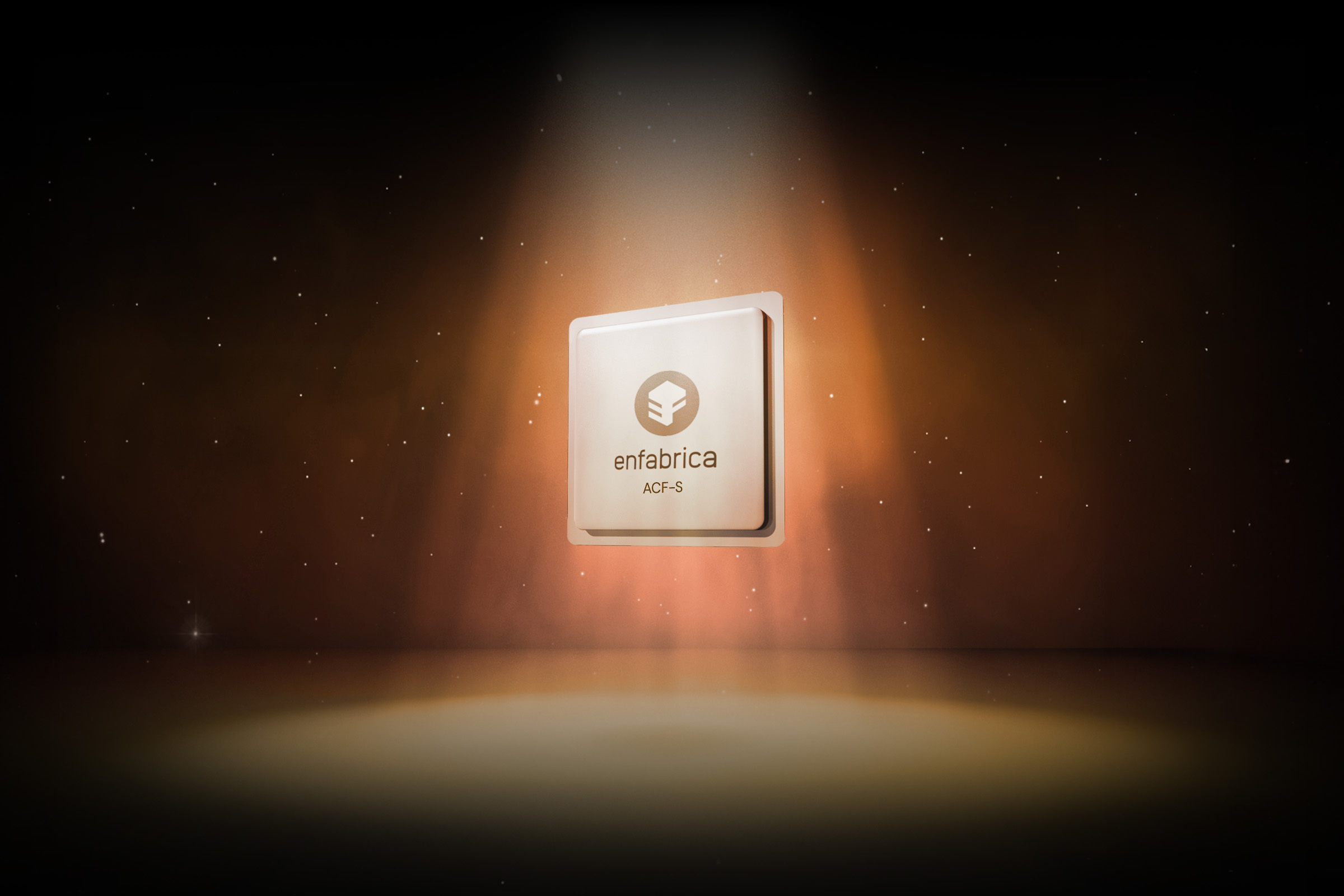

Enfabrica, a leading provider of high-performance networking silicon for accelerated computing and artificial intelligence (AI), has secured $115 million in a Series C funding round. The announcement was made at Supercomputing 2024 (SC24), a key event for the global high-performance computing (HPC) community. The oversubscribed round was led by prominent investors, underscoring growing confidence in Enfabrica’s solutions aimed at transforming AI workloads through specialized networking technologies.

This funding marks a significant milestone for the company, which focuses on delivering innovations in data center infrastructure designed to optimize network performance for compute-intensive AI applications. The company’s solutions address key challenges in AI, including bottlenecks caused by traditional networking methods, by providing high-speed, low-latency connections tailored for the demands of modern AI and machine learning (ML) workloads.

The funds will be used to further enhance Enfabrica’s product portfolio and expand its market presence. CEO and co-founder Dr. Ramin Moghaddam highlighted that the new capital will support the company’s efforts in accelerating the development of next-generation networking technologies and increasing its customer base. Enfabrica’s products have already attracted significant interest from leaders in the tech and AI sectors, with major cloud providers and enterprise customers looking to deploy its silicon to improve their AI capabilities.

According to Enfabrica, its networking solutions are designed to integrate seamlessly with the latest advancements in semiconductor and cloud technologies, offering customers the ability to scale AI workloads more efficiently and at lower cost. These capabilities are crucial as enterprises and research institutions push the boundaries of AI models that require more data processing and faster communication between computing resources.

The need for specialized networking solutions has never been more apparent. AI workloads, especially those in training large-scale models, demand ultra-fast data transfers, precision, and reliability. Traditional networking infrastructure, often based on general-purpose designs, struggles to meet these requirements, leading to inefficiencies that hinder performance. Enfabrica’s networking silicon aims to bridge this gap by offering purpose-built solutions optimized for the specific needs of AI, deep learning, and other advanced computational applications.

Enfabrica’s network solutions are built around a custom silicon architecture designed to handle the large volumes of data generated by AI models. With increasing demand for computational power in AI research, the company’s innovations are timely, aligning with the broader industry trend towards purpose-built hardware that enables breakthroughs in AI performance.

The funding round has drawn attention to the growing importance of specialized hardware in driving AI and machine learning breakthroughs. Companies across the semiconductor, AI, and cloud sectors are racing to develop more efficient and scalable technologies to support the exponential growth in AI use cases, ranging from generative models to autonomous systems. Enfabrica’s contributions to this ecosystem are poised to play a central role in the next phase of AI innovation.

In a statement, Dr. Moghaddam expressed enthusiasm about the funding’s potential to help Enfabrica meet the growing demand for advanced networking infrastructure. He emphasized that AI’s rapid evolution presents an opportunity for companies like Enfabrica to address the scalability and performance challenges faced by AI practitioners.

“We are excited to partner with our investors to drive forward the next generation of networking technologies for AI,” said Moghaddam. “Our focus is to deliver infrastructure that supports the exponential growth of AI workloads, providing our customers with the speed, efficiency, and scalability they need to remain competitive in this rapidly changing market.”

The funding round also highlights the investor community’s increasing interest in infrastructure startups that are positioning themselves as essential players in the AI ecosystem. With the influx of capital, Enfabrica will be able to scale its operations to meet the growing demand for AI-focused network technologies, which are becoming integral to the success of AI applications across industries, including finance, healthcare, and autonomous driving.

As AI and machine learning continue to evolve, Enfabrica’s innovations could help alleviate the data transfer bottlenecks and processing delays that hamper the performance of modern AI systems. The company’s solutions promise to enhance the efficiency of training deep learning models and optimize the interaction between compute nodes in large-scale AI deployments, which could have far-reaching implications for industries that rely on AI-driven solutions.

With the market for AI networking solutions expanding rapidly, Enfabrica is well-positioned to capitalize on the demand for specialized hardware. The company’s Series C funding provides a strong foundation for further advancements in AI networking and positions Enfabrica as a key player in the evolving AI infrastructure landscape.

Artificial intelligence (AI) is advancing rapidly, and its potential integration into cryptocurrencies is growing. According to Jesus Rodriguez, the CEO of IntoTheBlock, AI agents could revolutionize how digital currencies are used in the AI ecosystem. However, challenges remain that could delay the full realization of this vision.

Rodriguez highlighted the possibility of a future where AI agents and cryptocurrencies converge to reshape financial systems. He noted that cryptocurrencies could play a crucial role as the financial backbone of AI networks, enabling seamless, efficient transactions for AI-powered applications. Yet, he stressed that this transformation requires overcoming significant hurdles, such as scalability, regulatory clarity, and interoperability between various blockchain systems.

As AI continues to disrupt multiple industries, from healthcare to finance, its integration with blockchain and cryptocurrencies seems like a logical step. AI agents, capable of autonomously conducting transactions and executing decisions, could enhance the functionality of digital currencies by enabling AI to manage crypto portfolios, optimize investments, and facilitate payments in decentralized ecosystems. The rapid rise of decentralized finance (DeFi) platforms already illustrates the growing role of blockchain in the digital economy, but AI’s potential to manage and interact with these platforms in real-time is what could drive the next phase of crypto’s growth.

However, while the promise is clear, the reality is complex. One of the major challenges lies in improving the scalability of blockchain networks. Rodriguez explained that current blockchain technologies are struggling to handle the massive transaction volumes required by AI-driven applications, which often involve complex computations and large datasets. Blockchain platforms, including Ethereum and Bitcoin, face limitations in transaction speed and costs, making them impractical for real-time AI-driven applications that demand high throughput and low latency.

Regulatory issues continue to pose a significant barrier to the widespread adoption of AI and cryptocurrencies. Governments around the world are grappling with how to regulate digital currencies and ensure their security and stability. The regulatory landscape for crypto is still fragmented, with some regions adopting stringent laws while others are taking a more relaxed approach. For AI-driven cryptocurrencies to become mainstream, there needs to be a cohesive, global regulatory framework that provides both innovation and investor protection.

Rodriguez also pointed to interoperability as another crucial factor in realizing the potential of AI and crypto. Different blockchains operate with varying consensus mechanisms, protocols, and features, which makes it difficult for them to interact seamlessly. To enable AI to work efficiently across blockchain networks, developers need to create solutions that allow different blockchain platforms to communicate and work together without friction. This is especially important for AI agents that may need to access and operate across multiple decentralized platforms in order to execute transactions or access data.

Despite these challenges, there are promising developments on the horizon. Blockchain projects that aim to solve scalability issues, such as Ethereum’s transition to Ethereum 2.0 and the rise of Layer 2 solutions like Polygon, are providing a glimpse into the future of faster, more efficient blockchain networks. Additionally, advancements in AI technology are opening up new possibilities for how AI could operate on decentralized platforms. For example, AI models could be trained on blockchain-based datasets and then used to optimize blockchain transactions or identify patterns in the cryptocurrency market that human traders might miss.

One of the most exciting prospects is the possibility of creating AI agents that can autonomously participate in the crypto market. These AI agents would not only manage investments but could also interact with decentralized applications (dApps), participate in governance decisions, and execute smart contracts without human intervention. As AI systems continue to become more sophisticated, the idea of autonomous crypto agents could significantly reduce the friction and inefficiency in the current market, offering benefits such as improved liquidity, faster transaction times, and more accurate price predictions.

However, Rodriguez cautioned that the integration of AI into the crypto ecosystem requires more than just technical advancements. “The underlying infrastructure needs to be robust enough to handle the new demands of AI and crypto integration. It’s not just about faster blockchains; it’s about creating a whole new ecosystem that can support both AI and crypto at scale,” he said. This includes creating user-friendly tools for developers, as well as ensuring that AI-powered systems are transparent and accountable, which will be crucial for building trust among users and investors.

Looking forward, the role of AI in cryptocurrency could become even more prominent as both technologies evolve. AI’s ability to process vast amounts of data and make autonomous decisions is ideally suited for the highly dynamic and data-driven world of cryptocurrency. Whether it’s helping users optimize their portfolios or powering decentralized finance applications, AI could help crypto achieve greater utility in everyday transactions and financial services.

Singapore’s Gambling Regulatory Authority (GRA) has reduced the renewal period for the casino license of Resorts World Sentosa (RWS) to two years, citing underperformance in tourism contributions as the reason. This marks a significant shift in regulatory measures for one of the city-state’s two integrated casino resorts. Traditionally granted a three-year license, the shortened renewal highlights growing concerns over the resort’s ability to meet strategic objectives in boosting Singapore’s tourism sector.

The GRA’s decision comes amidst its increasing oversight of the gaming industry, which has seen heightened regulatory scrutiny since the authority’s establishment in 2022. Resorts World Sentosa, operated by Genting Singapore, was evaluated on its operational performance, social responsibility standards, and contributions to Singapore’s reputation as a global destination. Officials noted that RWS failed to meet expectations in attracting foreign visitors and delivering robust tourist performance, a key benchmark for its license renewal.

Industry observers have connected the GRA’s stricter stance to broader challenges faced by RWS, including a decline in international patronage. Despite its prime waterfront location and the allure of attractions like Universal Studios Singapore and the S.E.A. Aquarium, RWS has reportedly struggled to recover fully from the impact of travel restrictions over the past few years. Additionally, Singapore’s casino entry levies for citizens and permanent residents, doubled in 2019, may have influenced visitation dynamics.

RWS’s operational challenges are compounded by regulatory enforcement actions against the casino. Over the past year, the GRA has penalized the establishment twice for failing to perform customer due diligence, resulting in fines totaling SG$95,000. These infractions point to lapses in compliance with Singapore’s stringent Casino Control Regulations. The penalties, alongside the shortened license period, reflect the regulator’s focus on enforcing standards to ensure accountability within the gaming sector.

To address the issues raised, Genting Singapore has announced plans for a substantial reinvestment into the resort. A US$5 billion expansion project aims to revitalize Resorts World Sentosa, with promises of enhanced attractions, upgraded accommodations, and advanced gaming technology. The redevelopment is part of a broader strategy to align the resort with Singapore’s ambitions to remain competitive as a global tourism hub. Analysts suggest that the expansion could provide a much-needed boost to the resort’s appeal, especially to international visitors.

The GRA’s decision underscores the shifting dynamics in Singapore’s gaming landscape. While the casino industry has been a lucrative pillar of Singapore’s economy, contributing significantly to tax revenues and employment, the emphasis on aligning gaming operations with broader tourism goals has become more pronounced. The reduced license duration sends a clear message to operators about the government’s expectations for maintaining high standards of performance and responsibility.

Despite the setback, RWS remains one of the cornerstones of Singapore’s integrated resort strategy, which pairs casino gaming with non-gaming attractions to enhance visitor experience. Its counterpart, Marina Bay Sands, continues to set benchmarks for integrated resorts globally, and is in the midst of its own multibillion-dollar expansion.

ADVERTISEMENT

Rothschild & Co. has appointed a seasoned Swiss banker to head its newly established wealth management office in Dubai, marking a significant expansion in the Middle East’s rapidly growing wealth management sector. The move reflects the firm’s strategic intent to strengthen its presence in a region that has seen an increasing concentration of affluent individuals and families.

The new office, located in Dubai International Financial Centre (DIFC), aims to provide tailored wealth management services to high-net-worth individuals (HNWIs) and ultra-high-net-worth individuals (UHNWIs) across the Gulf region. With an eye on the UAE’s growing market, Rothschild & Co. is poised to leverage its global expertise to cater to the unique needs of wealthy clients in the Middle East.

The Swiss banker, whose identity remains undisclosed, brings over two decades of experience in wealth management, having previously worked with top-tier financial institutions in Switzerland and other global financial hubs. His appointment underscores Rothschild’s commitment to ensuring that its Middle Eastern clients receive personalized, high-quality advisory services, particularly in managing cross-border wealth, succession planning, and complex family office structures.

Rothschild & Co.’s decision to set up a dedicated office in Dubai is an indication of the firm’s optimism regarding the region’s increasing appeal to investors. Over the past decade, the UAE has become a leading global financial center, attracting not just affluent individuals from across the globe but also major financial institutions seeking to tap into the region’s burgeoning wealth. The region has consistently witnessed growth in the number of high-net-worth individuals, driven by the country’s successful diversification of its economy, rapid urbanization, and its position as a key financial hub for businesses and wealthy families from Europe, Asia, and Africa.

The Dubai office will be pivotal in further extending Rothschild & Co.’s network, which already has a strong presence in key global cities. Rothschild’s wealth management business has long been focused on providing a highly personalized approach to managing wealth, with expertise in both traditional and alternative asset classes. The move into Dubai comes at a time when family offices and private wealth management services are gaining increased importance in the region, particularly among younger generations of wealthy individuals seeking to preserve and grow their wealth for future generations.

Rothschild & Co. is not the only global financial institution eyeing Dubai’s growing wealth management market. Several other international banks have expanded their operations in the region, with private banking and wealth management services seeing strong demand. The city has become a magnet for both business executives and wealthy investors, many of whom are seeking a base in Dubai due to its tax advantages, business-friendly regulations, and cosmopolitan lifestyle.

One of the key factors behind this shift is the increased number of high-net-worth individuals from Asia and Europe who are seeking to establish a presence in Dubai, either for business, lifestyle, or financial reasons. The UAE’s wealth management market has grown alongside its economic diversification and its expanding role as a hub for international investment, especially in sectors such as technology, real estate, and infrastructure.

This influx of capital is being supported by Dubai’s increasing attractiveness as a safe haven for wealth amid global economic uncertainties. In addition to its stable regulatory environment, Dubai’s tax-friendly policies, such as the absence of income tax and its favorable business laws, are a draw for investors looking for more favorable conditions to manage their wealth. Moreover, with Dubai’s strategic geographical location between Europe, Asia, and Africa, it serves as a natural gateway for investors looking to access emerging markets.

Rothschild’s wealth management office is also set to benefit from the growing importance of ESG (environmental, social, and governance) investing in the Middle East. The firm is already a recognized player in sustainable investment management, and its Dubai office will focus on guiding clients toward investments that align with their values, particularly in green energy, real estate, and sustainable technologies.

Rothschild & Co.’s expansion into Dubai also ties in with its broader strategy of enhancing its global wealth management capabilities. The firm has consistently sought to expand its client base in emerging markets while strengthening relationships with existing clients in mature markets. This approach is designed to cater to the growing demand for wealth management services that combine personalized advice with a global perspective, ensuring clients can navigate the complexities of international markets and investments.

Dubai’s status as an economic powerhouse in the Middle East makes it a critical component of Rothschild & Co.’s long-term growth strategy. The city’s status as a luxury destination and its role in the development of major infrastructure projects across the region further solidify its appeal as a wealth management hub. As the city continues to grow in prominence as a business and financial center, it is likely that more global wealth managers will follow Rothschild’s lead in establishing a presence in the UAE.

Blockchain networks continue to evolve at a rapid pace, with a select group of platforms dominating global traffic. The latest data reveals Solana leading the charge with a significant share, followed by Base and Ethereum in a competitive race for blockchain adoption. These platforms, along with others like TON and Sui, are becoming central to the growing decentralized economy, each catering to different user needs and technological strengths.

Solana, known for its speed and scalability, has secured the top position with 38.79% of global blockchain traffic. This marks a notable achievement for the network, which has faced both technological hurdles and competition from other chains. Its ability to process thousands of transactions per second with low fees has made it a preferred choice for developers and users looking for efficient blockchain solutions. The network’s rise to dominance highlights its growing adoption, particularly in decentralized finance (DeFi) and non-fungible token (NFT) markets.

Base, developed by Coinbase, has emerged as a strong contender in the blockchain space, capturing 16.81% of global traffic. With its integration into Coinbase’s ecosystem, Base has been able to attract a large number of users, making it an appealing option for those already engaged with the exchange. The platform’s focus on scalability and developer-friendly tools has made it a popular choice among those building decentralized applications (dApps). It’s also seen as a bridge for users to connect with Ethereum-based assets while benefiting from the enhanced performance Base offers.

Ethereum, long considered the leading blockchain for smart contracts and decentralized applications, holds 10.76% of the traffic share. While it has been a dominant force in blockchain development, Ethereum faces challenges in maintaining its lead due to scalability issues and high transaction fees. However, Ethereum’s ongoing upgrades, including the transition to a proof-of-stake consensus mechanism with Ethereum 2.0, are designed to address these concerns. Despite its challenges, Ethereum remains a cornerstone for blockchain developers, particularly those in the DeFi and NFT sectors.

TON, or The Open Network, has gained traction, especially after its revival under the guidance of the Telegram team. With 6.20% of the global traffic share, TON is carving out a niche for itself, primarily in messaging apps and other decentralized use cases. Its integration with Telegram has helped it build a solid user base, though it still has a long way to go to rival the bigger players in the space. The focus on speed and user experience makes it a formidable challenger to more established networks.

Sui, a newer player in the blockchain world, accounts for 4.83% of the global traffic. Built to handle high throughput and low latency, Sui aims to address the scalability issues faced by older blockchains like Ethereum. Its novel consensus mechanism, which combines proof-of-stake and proof-of-history, positions Sui as an intriguing choice for developers looking for performance without sacrificing decentralization. As the network continues to grow, its traffic share is expected to increase as more applications are built on its platform.

The rise of these blockchains points to an ongoing shift in the blockchain ecosystem, where scalability, speed, and cost efficiency are becoming key factors in driving adoption. Solana’s dominance, in particular, is a sign that users and developers are gravitating toward platforms that can provide real-world solutions to the limitations faced by older chains like Ethereum. With each blockchain having its unique strengths and weaknesses, the future of blockchain networks will likely be defined by how these platforms evolve to meet the demands of an expanding user base.

The competition among these platforms is not only about attracting traffic but also about building sustainable ecosystems that foster long-term growth. The ability to scale without compromising decentralization remains one of the key challenges facing all blockchain projects. While Ethereum’s upgrade to proof-of-stake is expected to reduce its energy consumption and improve scalability, networks like Solana and Base, with their focus on performance, have already captured significant portions of the market.

Advertisements
ADVERTISEMENT
By Nantoo Banerjee from Manila The US-backed new Philippine Maritime Zones Act and Archipelagic Sea Lanes Act clearly defining the extent and boundaries of the country’s maritime zones and nullifying China’s sweeping claims in the South China Sea promises to raise fresh tensions in the region threatening to affect the estimated global maritime trade of […]
ADVERTISEMENT

BMW M GmbH’s latest innovation, the iX M60, is set to redefine the boundaries of electric mobility, blending high-performance dynamics with cutting-edge technology. As the first all-electric Sports Activity Vehicle (SAV) from the M division, the iX M60 delivers thrilling performance, sophisticated luxury, and a forward-looking vision for sustainable driving. With its powerful motor, refined suspension system, and robust technological features, this electric vehicle marks a significant […]

The Russian Ministry of Finance has introduced new tax policies for digital currencies, signaling a shift toward a more regulated and structured financial ecosystem. Key elements of this overhaul include exemptions from Value Added Tax (VAT) on digital currency transactions and modifications to income tax structures for digital currency earnings. These changes are expected to affect a wide array of individuals and businesses engaged in the cryptocurrency sector, both within Russia and internationally.

The newly announced tax regime establishes that transactions involving digital currencies, such as Bitcoin and Ethereum, will no longer be subject to VAT. This exemption aligns digital currencies with other financial assets like securities, simplifying the tax process for traders, investors, and institutions engaging in crypto operations. For the cryptocurrency sector, this marks a significant regulatory shift aimed at promoting transparency and growth.

Along with VAT exemption, the Ministry of Finance has outlined a framework for taxing income generated from digital currency operations. Income derived from cryptocurrencies will be taxed similarly to income from securities transactions. Under this new tax structure, individuals will be taxed on their cryptocurrency earnings at a Personal Income Tax (PIT) rate capped at 15%. This represents a favorable move for Russian crypto investors, particularly when compared to global norms, where many countries impose significantly higher tax rates on digital assets.

However, there are notable differences for foreign investors or non-residents. For non-residents of Russia, the tax rate is considerably higher at 30%. The definition of a tax resident remains unchanged, with individuals who spend at least 183 days within a 12-month period in Russia qualifying as tax residents. This distinction is expected to have a direct impact on non-resident cryptocurrency traders and investors operating in or with Russian entities, as it could increase the tax burden for foreign entities in the Russian digital economy.

The financial authorities in Russia have emphasized that this overhaul is part of a broader initiative to bring greater clarity and regulation to the growing cryptocurrency market. The Russian government has expressed its intention to enhance the country’s appeal as a destination for crypto-related business and investment. This includes efforts to attract global crypto businesses and individual investors who may have been hesitant due to regulatory uncertainty.

Experts suggest that the VAT exemption is a positive step for the industry, particularly for businesses that are involved in digital asset trading, mining, or related services. Without VAT on transactions, the tax landscape becomes more predictable and streamlined, allowing businesses to focus on expansion rather than complex compliance measures. For individual investors, the introduction of a 15% PIT rate is seen as a relatively low barrier for cryptocurrency returns, which could make Russia a more attractive market for crypto investors, especially those from countries with higher tax rates.

However, the tax rate for non-residents has sparked mixed reactions. While the 30% rate may reflect Russia’s stance on limiting tax evasion and ensuring a fair contribution from foreign entities, it could also dissuade international players from fully engaging with the Russian crypto market. Non-resident traders and firms may reconsider their involvement in the country, particularly if the tax burden proves to be prohibitive compared to other jurisdictions with more favorable tax treatments for international investors.

This tax policy change comes at a time when global cryptocurrency regulation is undergoing significant shifts. Many countries are grappling with how to integrate digital currencies into their financial systems while addressing concerns about financial stability, taxation, and fraud. Russia’s tax changes signal a more definitive stance, potentially positioning the country as a major player in the evolving global cryptocurrency landscape.

The Ministry of Finance has also indicated that the changes will not just affect taxation but will likely be part of a broader set of measures aimed at establishing a clear legal framework for digital currencies. There are reports that Russia may soon introduce additional regulatory measures for cryptocurrency exchanges, initial coin offerings (ICOs), and other digital currency-related activities, aligning these entities with traditional financial regulations.

While these developments are a significant step forward, they also raise questions about the long-term impact of such changes on Russia’s digital currency ecosystem. Some industry observers suggest that while these tax incentives could attract crypto investors, they may not be sufficient to build a robust, innovative crypto ecosystem. The success of this tax overhaul will depend on Russia’s ability to integrate it with broader financial infrastructure reforms, ensuring that the country’s digital currency sector remains competitive on the global stage.

Air travel demand is steadily recovering, as evidenced by the latest traffic reports from the International Air Transport Association (IATA). Despite global economic uncertainties, IATA’s January 2024 statistics indicate that passenger demand continued to grow, signaling robust recovery in the aviation sector.

Global passenger traffic surged by 40% year-on-year in January 2024, compared to the same month in 2023. This was primarily driven by increased international travel, especially in the Asia-Pacific region, where long-haul flights experienced a significant uptick. The strong rebound is also attributed to consumers’ willingness to travel, driven by pent-up demand following the pandemic.

As nations lifted COVID-related restrictions over the past year, airlines began ramping up their services to meet the growing demand. A report from IATA shows that international traffic has exceeded pre-pandemic levels, a milestone that was expected but achieved sooner than anticipated. The domestic travel sector also saw impressive results, with traffic in major markets such as the U.S., China, and India continuing to grow steadily.

IATA’s Director General, Willie Walsh, highlighted that this growth trend is consistent with the association’s forecast, which predicted a return to near-full recovery in 2024. Walsh pointed out that while inflation and high fuel prices are still challenges for the industry, the demand for travel is resilient enough to offset these pressures, marking a strong recovery trajectory.

One of the key drivers of this rebound is the resurgence in business travel, which had initially lagged in the wake of the pandemic. With many companies now adopting hybrid work models, corporate travel has rebounded sharply, especially to destinations in Europe and North America. Walsh indicated that while some business travel remains subdued, demand for international meetings, conventions, and events continues to rise, further stimulating air travel.

China, in particular, has been a standout performer, with the lifting of strict travel restrictions boosting both international and domestic flights. According to IATA, China’s air traffic levels have surpassed 2019 figures, supported by increased demand from tourists and business travelers alike. As China regains its position as a dominant player in global aviation, the country’s airlines have seen their flight frequencies and routes expand significantly.

In Europe, the trend has also been positive, with the European Union and the U.K. reporting a consistent recovery in flight bookings. Particularly notable is the increase in travel from European countries to Asia-Pacific, with long-haul flights seeing particularly strong performance. Both business and leisure travelers are driving demand, underscoring how global tourism is once again a major contributor to economic recovery.

Another important factor contributing to the ongoing recovery is the ability of airlines to adapt to new market conditions. Airlines have modernized their fleets and implemented new service offerings, such as flexible booking options, which have enhanced customer confidence. These changes have been pivotal in retaining and attracting travelers who may have been hesitant to fly just a few years ago.

However, IATA’s reports also note that the aviation industry faces several challenges moving forward. While air travel demand is recovering, issues such as rising fuel costs, inflationary pressures, and labor shortages remain. In addition, environmental sustainability concerns continue to be at the forefront of the industry, with many airlines setting ambitious carbon neutrality targets for the coming decades.

Despite these obstacles, Walsh remains optimistic. He emphasized the importance of policy support and investment in infrastructure to ensure that the industry continues to grow at a sustainable pace. Governments have been encouraged to continue their support for the aviation sector, recognizing it as a critical part of the global economy. Walsh also underlined the necessity for a coordinated approach to address sustainability goals, which will require the cooperation of airlines, manufacturers, and governments.

In terms of passenger sentiment, there is clear evidence that travelers are returning to the skies in full force. According to surveys conducted by IATA, over 70% of passengers reported feeling confident about flying, citing the enhanced safety and hygiene measures implemented by airlines in response to the pandemic. Moreover, travelers are increasingly prioritizing travel experiences, such as unique leisure and business trips, further driving the demand for air services.

Pure Harvest Smart Farms, a controlled environment agriculture (CEA) pioneer based in the UAE, is setting the stage for rapid expansion beyond the Middle East. The company, which specializes in growing crops in climates that are inhospitable to traditional agriculture, is attracting significant investment to fuel its growth. With a focus on expanding into new markets, Pure Harvest aims to take advantage of the increasing global demand for sustainable food production solutions.

In a recent round of funding, Pure Harvest secured $180.5 million from international investors, including a mix of private equity firms and corporate partners. These funds are intended to help the company scale its operations, introduce new technologies, and explore product extensions. The investors are betting on Pure Harvest’s ability to expand into new geographic areas, particularly in Asia, where controlled-environment agriculture is seen as a solution to food security challenges caused by climate change. With the support of these investors, the company is poised to grow significantly over the next few yearsarvest’s investment in technology and innovation is at the heart of its strategy. The company’s cutting-edge CEA systems allow it to grow produce with less water and land compared to traditional farming methods. This technology has proven especially important in regions with extreme weather conditions, like the UAE, where water scarcity and high temperatures make farming a challenge. By using hydroponics, aeroponics, and other advanced techniques, Pure Harvest can produce crops year-round, making it a reliable food source even in harsh climates .

The ceadership has been crucial to its growth. Pure Harvest’s co-founders, who include former executives with backgrounds in agriculture, technology, and sustainability, have worked to create a business model that is both scalable and environmentally responsible. Their vision for a sustainable future has resonated with investors, as evidenced by the backing from firms like IMM Investment Corp and the Olayan Financing Company. The conancial backers believe that Pure Harvest is well-positioned to thrive in a market that is becoming increasingly concerned with food security and sustainability.

Beyond expanding its technology and operations, Pure Harvest is also exploring new product lines. The company is investigating ways to use its expertise in water-efficient systems to produce fodder, a key ingredient for animal feed, in areas where water is scarce. This initiative could not only provide a new revenue stream but also contribute to global efforts to improve food security.

ADVERTISEMENT

Researchers at MIT’s Computer Science and Artificial Intelligence Laboratory (CSAIL) have unveiled a novel wearable robotic technology leveraging soft actuators with integrated sensing capabilities. These devices, designed for potential applications in rehabilitation and assistive technologies, feature a unique aesthetic and functional resemblance to banana-shaped appendages.

The development, achieved through an innovative system termed “PneuAct,” combines machine knitting techniques with pneumatic actuation. This process enables rapid, scalable production of soft robotic components, integrating conductive yarn for tactile feedback. These actuators, capable of perceiving pressure and touch, aim to enhance the responsiveness and versatility of wearable devices. The design method requires minimal manual intervention, as patterns and movements are pre-programmed and fabricated autonomously using a specialized knitting machine.

With their inherent flexibility and compliance, the actuators have been integrated into gloves and other wearable systems. These could significantly improve mobility for individuals with disabilities or aid in physical therapy. The yellow fabric used in the prototypes adds a whimsical yet functional touch, contributing to their banana-like appearance while maintaining high mechanical performance.

ADVERTISEMENT

As the cryptocurrency market experiences continued volatility, a new wave of digital assets has caught the attention of investors looking for potential winners in the next bull run. Among the notable projects gaining traction are AurealOne (DLUME), DexBoss (DEBO), 5thScape (5SCAPE), Arbitrum (ARB), Immutable X (IMX), Chainlink (LINK), and VeChain (VET). These tokens are not only driving innovation in blockchain and decentralized finance (DeFi) but also positioning themselves at the forefront of the expanding digital economy.

AurealOne (DLUME) has rapidly emerged as a promising contender within the decentralized finance space. Built on the Ethereum blockchain, AurealOne’s primary focus is to create a seamless integration between traditional finance and blockchain technologies. Its utility token, DLUME, facilitates fast, low-cost transactions and offers liquidity options that appeal to investors seeking a robust alternative to traditional financial systems. This combination of ease-of-use, scalability, and long-term sustainability has made AurealOne a standout project in the DeFi ecosystem. Experts predict that AurealOne will play a key role in bridging the gap between institutional investors and the growing crypto market.

Similarly, DexBoss (DEBO) is aiming to make a significant impact within the decentralized exchange (DEX) market. The platform focuses on offering innovative solutions for decentralized trading, providing liquidity to users through automated market-making (AMM) protocols. DexBoss stands out due to its emphasis on user experience and security. The platform leverages advanced encryption protocols, ensuring that user funds and transactions are safeguarded from potential vulnerabilities. As the decentralized finance landscape continues to evolve, DexBoss is positioned to become a major player due to its commitment to offering efficient and secure trading solutions.

5thScape (5SCAPE) represents another important project within the DeFi sphere. 5thScape focuses on the development of decentralized applications (dApps) and its potential to power a new generation of blockchain-based platforms. The platform aims to increase interoperability between various blockchains, offering a solution to one of the key limitations faced by many decentralized applications today: the lack of cross-chain compatibility. With a focus on scalability and decentralized governance, 5thScape’s token 5SCAPE is gaining attention as a long-term investment. Industry experts predict significant growth for 5thScape as it continues to enhance its technology and attract developers to build on its ecosystem.

On the layer-2 scaling front, Arbitrum (ARB) has emerged as a leading contender in the race to enhance Ethereum’s scalability. Arbitrum leverages an optimistic rollup technology that significantly increases transaction throughput while reducing gas fees. By optimizing Ethereum’s existing infrastructure, Arbitrum has the potential to make decentralized applications more accessible and efficient. As Ethereum continues to be the dominant smart contract platform, layer-2 solutions like Arbitrum are vital for improving the network’s capacity and maintaining its competitive edge.

Immutable X (IMX) has also garnered significant attention due to its focus on the growing non-fungible token (NFT) market. Immutable X offers a layer-2 solution for NFTs, providing faster, more affordable minting and trading while maintaining the security and decentralization that Ethereum is known for. Immutable X aims to be the go-to platform for large-scale NFT applications by addressing key issues in the NFT space, such as high gas fees and slow transaction times. With the rise of NFT-based gaming and digital collectibles, Immutable X is set to be a major player in the sector, offering a scalable and eco-friendly solution for the growing demand in digital assets.

Chainlink (LINK), long regarded as one of the most reliable decentralized oracle networks, continues to solidify its position as an essential part of the blockchain infrastructure. Chainlink provides real-world data to smart contracts on any blockchain, bridging the gap between the digital and physical worlds. The network’s decentralized oracles ensure that smart contracts can operate without relying on a single source of truth, which adds a layer of trust and security to decentralized applications. As more enterprises and DeFi protocols look to integrate smart contracts into their operations, Chainlink is expected to maintain its crucial role in the ecosystem, further increasing demand for LINK tokens.

VeChain (VET) stands out in the blockchain space due to its focus on supply chain management and enterprise solutions. By leveraging blockchain technology, VeChain enables businesses to track products through their entire lifecycle, from production to delivery. The platform provides an immutable, transparent record of transactions that can be used to verify the authenticity and quality of products. As supply chain issues continue to be a global challenge, VeChain’s innovative approach to enhancing efficiency, transparency, and accountability in logistics has earned it recognition across various industries. VeChain’s growing partnerships with major corporations suggest that it has the potential to become a leading force in enterprise blockchain applications.

What makes these projects especially attractive is their ability to innovate beyond the basic principles of cryptocurrency. They are not merely digital assets; each project represents a unique contribution to the blockchain ecosystem, whether through scaling solutions, NFTs, or enterprise applications. Their development is centered around providing tangible solutions to real-world problems, such as high transaction fees, slow processing times, and lack of interoperability between blockchains.

Global oil markets are headed toward a significant surplus in 2025, according to the International Energy Agency (IEA). The forecast, which emerged as part of the IEA’s latest oil market report, highlights the combination of weak demand growth and ample supply as key factors shaping the oil landscape in the coming year.

Oil demand growth is expected to slow considerably in 2025, with global consumption rising by only about 1 million barrels per day (mb/d), compared to nearly double that in 2023. This is mainly due to lackluster demand from major consumers like China, where oil consumption has been declining, adding pressure to an already softening market. The IEA’s predictions also reflect the subdued expectations for demand in the aviation sector, despite signs of recovery in some parts of the world.

Meanwhile, oil supply is on course to exceed demand growth, with non-OPEC countries, particularly in the Americas, poised to make substantial gains. The United States, Brazil, and Canada are expected to be key drivers of supply, contributing over 1 mb/d each in 2024 and 2025. This surge in output, coupled with spare capacity in OPEC+ countries, including major producers like Saudi Arabia and Russia, further amplifies the outlook for surplus production.

The IEA also flagged concerns over global refining margins, which have been under pressure due to weaker demand for refined products such as gasoline and diesel. This trend has led to a reduction in crude oil processing rates, adding to the surplus in the market. Refining activity could continue to struggle unless global demand rebounds, a scenario that seems unlikely under current economic conditions.

As the surplus looms, global oil inventories are being closely monitored. Although crude stock levels have dropped recently, they remain at relatively high levels compared to historical averages. Refined product stocks, on the other hand, have increased, further tightening margins for refineries globally. This situation points to an oversupplied market, especially if demand growth fails to meet expectations.

Despite these market dynamics, geopolitical tensions in oil-producing regions like the Middle East have continued to influence market volatility. However, unless significant disruptions occur, such as a major escalation of conflicts or natural disasters, the IEA anticipates that oil prices will remain under pressure in 2025. Although prices briefly spiked earlier in the year due to fears of supply disruptions, these fears have subsided, leaving the market in a precarious position.

Viu, the pan-regional OTT video streaming service operated by PCCW, has expanded its offerings in the UAE by introducing a new benefit for its Viu Premium subscribers. As part of this initiative, new subscribers to the Viu Premium service will receive a complimentary Careem Plus subscription, enhancing their streaming experience with added value.

The partnership between Viu and Careem, the popular ride-hailing and services platform, brings together two prominent players in the region’s digital landscape. Careem Plus offers a variety of perks, including discounts on rides, food delivery, and more. This collaboration aims to not only strengthen Viu’s position in the competitive streaming market but also provide a broader suite of benefits for consumers.

This move follows a series of efforts by Viu to maintain its relevance in the increasingly crowded OTT sector. Viu has been expanding its content library and services across the Middle East and North Africa (MENA) region, targeting a growing base of digital-first consumers who are looking for diverse entertainment options. By offering added value through the Careem Plus subscription, Viu seeks to differentiate itself from other streaming platforms operating in the UAE and the larger Gulf region.

The strategy also aligns with broader regional trends, where OTT platforms are increasingly bundling services to offer more comprehensive packages. The integration of third-party services, such as ride-hailing or food delivery, has become a key strategy for service providers to boost customer loyalty and enhance user experience. This type of cross-sector partnership is growing in popularity, as it creates a more holistic ecosystem for consumers, blending entertainment with convenience.

For Careem, the collaboration with Viu allows the company to tap into the expanding base of Viu subscribers, potentially increasing its reach in the UAE. Careem’s move to offer exclusive perks to Viu Premium subscribers further underscores the platform’s efforts to enhance its value proposition, especially as it continues to evolve beyond its original ride-hailing model. The company, which has expanded into services like food delivery and digital payment solutions, has long been striving to position itself as an all-in-one lifestyle app in the region.

Viu’s premium service offers a wide range of on-demand content, including popular Arabic, Asian, and international shows, as well as movies and exclusive originals. With the addition of the Careem Plus subscription, Viu is aiming to elevate its value offering and cater to a broader audience who may be interested in both entertainment and lifestyle services. The initiative also highlights a broader trend in the OTT space, where platforms are looking for innovative ways to keep their customers engaged and retain their subscriptions in an environment where consumer loyalty is hard to maintain.

The UAE market, known for its high smartphone penetration and advanced digital infrastructure, has seen a rapid increase in the adoption of OTT services over the past few years. The shift toward on-demand entertainment, accelerated by the global pandemic, has contributed to the growth of digital streaming platforms. However, the competition remains fierce, with global players like Netflix, Amazon Prime, and regional services such as OSN and Shahid vying for consumer attention.

Viu, which operates in 16 markets across the Asia-Pacific and MENA regions, faces increasing competition in the UAE and wider MENA market, where local and international content providers are aggressively pursuing market share. By introducing perks such as the Careem Plus subscription, Viu hopes to add a layer of convenience that appeals to the diverse and digitally savvy consumers of the UAE, who are accustomed to seamless, multifaceted services.

The Viu-Careem collaboration also highlights a shift in the region’s approach to digital services, with companies moving toward integrated digital ecosystems. By bundling various services under one umbrella, companies are encouraging consumer stickiness. For instance, Viu subscribers can now enjoy discounts on Careem rides or deliveries, while Careem users can benefit from entertainment options from Viu. This model may set a new precedent for future partnerships in the region, where the boundary between entertainment, travel, and lifestyle services continues to blur.

The promotion is available to new Viu Premium subscribers in the UAE, with terms and conditions applicable to the complimentary Careem Plus subscription. The launch comes at a time when many OTT platforms are re-evaluating their strategies to stay competitive. As subscription fatigue sets in among users who are overwhelmed by an abundance of platforms, value-added features like the Careem Plus subscription can help sway potential customers toward Viu’s premium offering.

South Korea’s leading cryptocurrency exchange, Upbit, has come under intense scrutiny from the Financial Intelligence Unit (FIU) for allegedly failing to comply with key regulatory requirements related to Know Your Customer (KYC) processes. The FIU’s investigation uncovered a substantial number of potential KYC violations — estimated to involve up to 600,000 accounts. This review emerged as Upbit sought to renew its operational license, underscoring the growing regulatory pressures on South Korea’s crypto sector, especially as authorities tighten measures to combat money laundering and financial misconduct.

Regulatory authorities cited Upbit for allegedly neglecting to fully verify user identities, a fundamental requirement under South Korea’s Anti-Money Laundering (AML) regulations. Financial authorities in the country mandate that crypto exchanges like Upbit maintain strict KYC protocols to ensure that only legitimate transactions are processed, preventing criminal activities such as money laundering and fraud. This emphasis on KYC compliance follows a broader trend across South Korea’s financial ecosystem, where regulators increasingly demand transparency and rigorous operational standards in the virtual asset industry.

Upbit’s case highlights a significant challenge in balancing rapid growth in digital asset trading with compliance requirements. Industry analysts suggest that the reported KYC gaps could subject the exchange to hefty fines, potentially reaching millions of dollars if the FIU determines Upbit to be in severe violation. Legal experts in South Korea have indicated that the FIU may not only impose financial penalties but could also consider suspending Upbit’s operational license, depending on the severity and scale of the regulatory breach. This uncertainty could undermine investor confidence, as Upbit remains one of the most widely used cryptocurrency platforms in South Korea, holding significant sway in the country’s burgeoning crypto market.

While Upbit is not the only exchange in the regulatory spotlight, its high user volume and dominant market share make it a focal point for South Korea’s crypto regulations. In response to the FIU’s findings, Upbit has reportedly initiated efforts to improve its KYC protocols, though details on specific changes remain scarce. Observers believe that if Upbit fails to align its practices with the FIU’s expectations, it could face not only fines but also tighter regulatory controls that may restrict its operational flexibility.

The broader regulatory context in South Korea has grown notably stringent, particularly since the implementation of the Special Financial Transactions Information Act, which mandates full customer verification and reporting by virtual asset service providers (VASPs). This legislative framework, revised in 2021, was designed to safeguard the financial market from illicit activities. Exchanges now face a dual mandate: complying with both domestic laws and international standards set by bodies such as the Financial Action Task Force (FATF). Compliance has thus become a critical factor for the survival of crypto exchanges, as non-compliance risks both financial penalties and operational restrictions.

South Korea’s Financial Services Commission (FSC) has recently rolled out additional reforms aimed at curbing speculative trading and protecting users. In parallel, exchanges are required to notify users about upcoming verification mandates and transaction limits, effectively mandating them to educate users on compliance-related matters. The FSC’s initiatives underscore an intensifying crackdown on crypto firms that fail to abide by the stringent regulations, with an emphasis on maintaining robust security, transparency, and accountability within the industry.

Analysts contend that Upbit’s case could serve as a precedent for how South Korea’s FIU and FSC handle compliance violations in the crypto sector. Should the FIU penalize Upbit, other exchanges may face similar actions, potentially resulting in a ripple effect across the industry. Smaller platforms, in particular, might struggle to meet the financial and operational demands of these regulations, potentially leading to market consolidation where only the most compliant firms thrive. This increased regulatory pressure could ultimately reduce the number of exchanges in the market, affecting competitive dynamics and user access.

As the FIU’s review progresses, experts anticipate potential repercussions for the domestic crypto ecosystem. The growing regulatory focus on KYC compliance may compel exchanges to invest heavily in identity verification technologies and adopt advanced monitoring systems. In this climate, adherence to compliance standards will likely determine the longevity and credibility of cryptocurrency exchanges operating within South Korea.

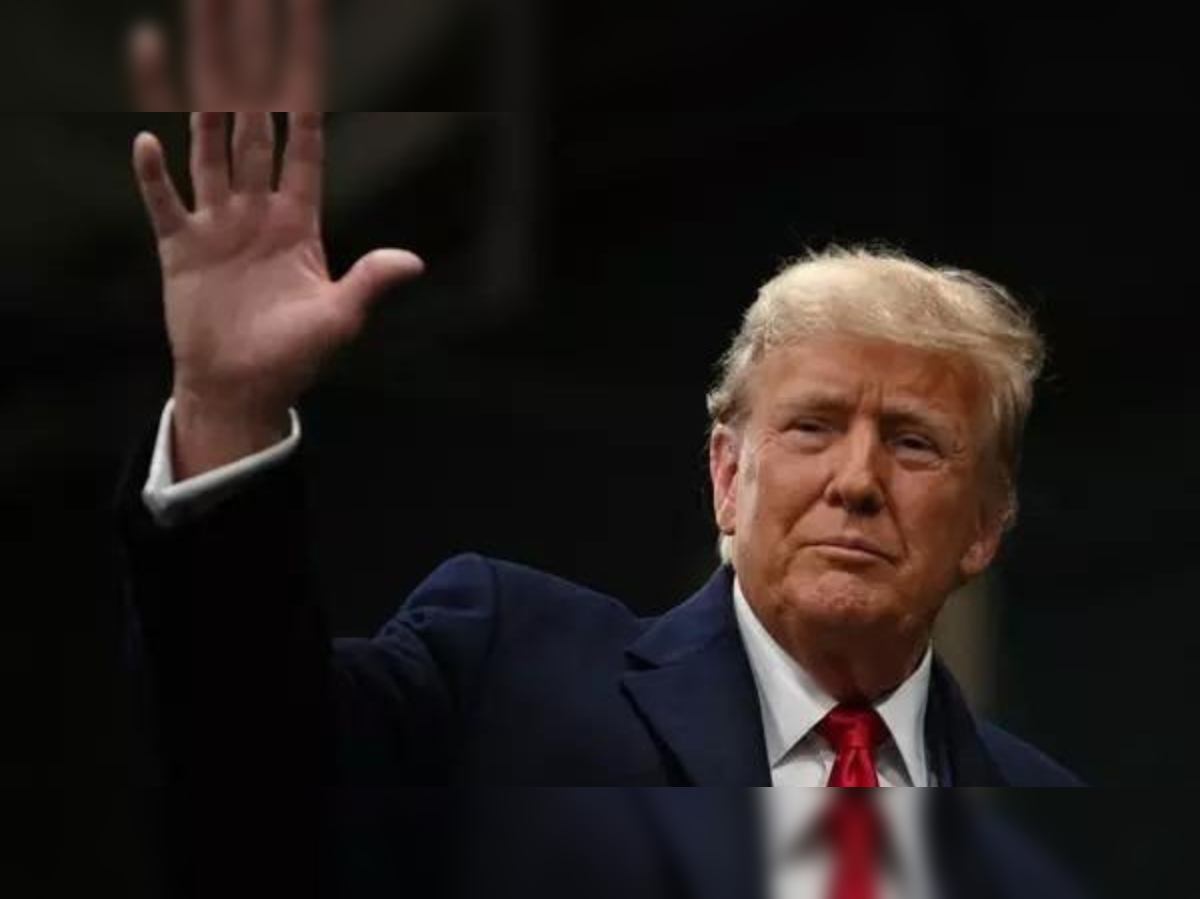
Following the victory of Donald Trump in the 2024 U.S. presidential elections, the UAE has experienced a significant surge in remittance flows, with major beneficiaries being India and the Philippines. This spike is attributed to a combination of factors, including a shift in economic dynamics, increasing confidence in the stability of the global economy, and adjustments in the exchange rates. With these countries historically being some of the largest recipients of remittances from the UAE, the recent growth reflects deeper patterns in the region’s labor markets, trade relations, and the broader economic impact of political developments in the United States.

The rise in remittances highlights an enduring trend of expatriates from South Asia and Southeast Asia sending money home, especially in the face of shifting geopolitical and economic landscapes. While the UAE has long been a hub for foreign workers, the current influx of financial support underscores both the strength of these diasporas and their economic significance to the countries of origin. India and the Philippines, two of the top remittance-receiving nations globally, have seen increases that could have significant effects on their local economies, particularly in terms of poverty reduction, infrastructure development, and consumption spending.

For India, which is consistently one of the largest recipients of remittances globally, the increase reflects ongoing economic stability. Many Indian workers in the UAE are employed in sectors such as construction, hospitality, and services, industries that have been impacted by fluctuating global demand. However, with Trump’s victory, there has been a renewed optimism about the UAE’s economic outlook, boosting confidence among remitters. Additionally, the Indian Rupee’s performance against the UAE Dirham has also played a crucial role in making remittance transfers more lucrative for Indian workers, with an improved exchange rate encouraging them to send more money home.

Philippine remittance volumes have mirrored this surge, driven by the large number of Filipino workers across various sectors in the UAE. The increase in remittances to the Philippines is tied to both economic and political factors. With Trump’s win, many Filipino workers have reported feeling more confident in their job security within the UAE, leading to higher disposable incomes and an increased desire to support their families back home. The Duterte administration’s improved diplomatic relations with the UAE, as well as the UAE’s robust labor laws, have also contributed to a more secure working environment for Filipino expatriates. Furthermore, the Philippine government has actively encouraged remittances as a key element in sustaining the country’s economic growth, which is evident in the increased financial flows back home.

One of the key drivers behind the rising remittance numbers is the favorable exchange rate that has emerged following Trump’s victory. The UAE Dirham is pegged to the U.S. Dollar, and with Trump’s anticipated pro-business policies, many economists predict continued economic growth in the region, leading to stronger currencies like the Dirham. As a result, workers from India and the Philippines are able to send larger amounts of money home for each unit of foreign currency they earn.

This surge also aligns with broader trends in global migration patterns, where many labor-exporting countries have seen their nationals continue to seek employment in the UAE despite challenges posed by the global economy. With job opportunities available in sectors like construction, health care, and information technology, both India and the Philippines remain major exporters of labor to the UAE, a relationship that continues to be a vital component of both nations’ economic strategies.

Another factor influencing the rise in remittances is the UAE’s active role in international trade. Trump’s foreign policy outlook, which tends to favor global markets and open trade policies, has reinforced investor confidence in the UAE, positioning it as a leading financial center in the region. This has had a trickle-down effect on remittances, as expatriates feel more secure in sending money back home, knowing that the overall economic stability of the UAE is likely to hold steady.

For both India and the Philippines, remittances are a critical pillar of economic support. The funds sent by workers abroad contribute significantly to the countries’ GDP, provide direct financial assistance to households, and bolster government revenues. In India, remittances have been linked to the reduction of poverty, greater access to education and healthcare, and even the growth of small businesses. Similarly, in the Philippines, remittances support everything from consumer spending to investments in rural development and infrastructure projects.

Despite the positive impact of these remittance flows, challenges persist. The COVID-19 pandemic had a brief dampening effect on global remittances due to economic uncertainties and travel restrictions, but the post-pandemic recovery has led to a strong rebound in money transfers, especially from the UAE. Many of the expatriate workers in the UAE rely heavily on their income to support families in their home countries, making the rise in remittances particularly crucial for those living in more economically vulnerable regions.

VISHNU RAJA
RYO YAMADA
HITORI GOTOH
IKUYO KITA
Social Media Auto Publish Powered By : XYZScripts.com