News related to
Arabian Post Special

ACWA Power, a leading player in global energy and water desalination, is set to develop a new independent water plant in Sharjah, UAE, with an investment totaling $680 million. This major initiative marks a significant expansion of the company’s operations in the Middle East and aims to bolster the region’s water security and infrastructure.

The new facility will be located in the Al Hamriya area of Sharjah and is expected to substantially increase the Emirate’s water production capacity. ACWA Power has secured a 35-year concession for the project, which aligns with its broader strategy to enhance its footprint in the region’s water and energy sectors.

The plant, named the Sharjah Independent Water Plant (SIWP), is slated to have a production capacity of 600,000 cubic meters per day. It will utilize advanced reverse osmosis technology, which is both energy-efficient and environmentally friendly. This technology will help reduce the carbon footprint associated with water desalination, addressing sustainability concerns while meeting growing water demands.

The Sharjah Independent Water Plant is part of the broader UAE Water Security Strategy 2036, which aims to secure sustainable water sources and enhance the efficiency of the water sector. By investing in cutting-edge technology and infrastructure, ACWA Power is contributing to the UAE’s goal of ensuring a reliable and sustainable water supply for its population.

In addition to bolstering water security, the project is expected to create numerous job opportunities and stimulate local economic growth. Construction of the plant will involve a range of activities, from civil engineering to specialized technology installation, providing a boost to local businesses and workforce.

The financing for the project includes a combination of equity and debt, with significant contributions from international and local financial institutions. This financial backing reflects the confidence in the project’s viability and its alignment with regional development goals. The plant’s construction is anticipated to create a substantial number of jobs, both directly and indirectly, benefiting the local community.

The announcement comes as part of a series of strategic moves by ACWA Power to enhance its portfolio and reinforce its position as a leader in the water and energy sectors. The company’s commitment to innovation and sustainability is evident in its choice of technology and its adherence to international standards for environmental protection and operational efficiency.

ACWA Power’s CEO, Paddy Padmanathan, emphasized the strategic importance of the SIWP in meeting the growing demand for water in the UAE and supporting the country’s environmental objectives. He noted that the project represents a significant step forward in advancing the company’s mission to provide reliable and sustainable solutions for critical infrastructure.

This development follows a trend of increased investment in water infrastructure across the Middle East. The region, characterized by its arid climate and growing population, faces ongoing challenges related to water scarcity and the need for efficient resource management. The Sharjah Independent Water Plant is expected to play a key role in addressing these challenges by improving water supply reliability and contributing to the overall resilience of the regional water network.

The plant’s design incorporates state-of-the-art technology to ensure high efficiency and minimal environmental impact. The use of reverse osmosis technology is particularly notable for its lower energy consumption compared to traditional desalination methods. This choice aligns with global trends toward more sustainable and eco-friendly practices in water treatment.

Construction is projected to commence shortly, with completion anticipated within a few years. The timeline reflects the complexity of the project and the commitment to ensuring that the plant meets the highest standards of performance and reliability.

The SIWP will also contribute to the UAE’s broader goals of economic diversification and sustainability. By investing in advanced water infrastructure, ACWA Power supports the country’s efforts to reduce its dependence on traditional water sources and enhance its resilience against potential water shortages.


OneDegree, a pioneering force in digital asset insurance across Asia, has forged a strategic partnership with Walaa Cooperative Insurance Company, a prominent player in Saudi Arabia’s insurance and reinsurance sector. This collaboration aims to address the burgeoning needs of digital asset security, merging OneDegree’s innovative approach with Walaa’s established market presence.

The alliance between OneDegree and Walaa Cooperative Insurance Company marks a significant step in the evolution of insurance solutions tailored for digital assets. As digital currencies and blockchain technologies gain traction globally, the necessity for specialized insurance products to safeguard these assets has become increasingly apparent. This partnership leverages OneDegree’s expertise in the digital insurance space with Walaa’s robust infrastructure and regional market insights.

OneDegree has established itself as a leader in providing insurance solutions for digital assets, having received regulatory approval as Asia’s first licensed insurer for such assets. Their offerings cover a range of digital assets, including cryptocurrencies and blockchain-based investments, which are often vulnerable to cybersecurity threats and market volatility. By collaborating with Walaa, OneDegree aims to expand its reach and offer its innovative insurance solutions to a broader audience, particularly in the Middle East.

Walaa Cooperative Insurance Company, known for its comprehensive insurance and reinsurance services across various sectors, brings a wealth of experience to this partnership. The company’s established market presence in Saudi Arabia provides a solid foundation for the integration of digital asset insurance into its existing portfolio. This move is expected to enhance Walaa’s service offerings, addressing the growing demand for secure and reliable insurance solutions for digital assets in the region.

This partnership is timely, given the rapid growth in the adoption of digital assets and the corresponding need for protection against potential risks. The digital asset market has seen substantial growth over the past few years, with increasing interest from both individual and institutional investors. As this market continues to expand, the risks associated with digital assets, such as cyber attacks and regulatory changes, become more pronounced. Insurance products designed to mitigate these risks are crucial for fostering confidence and stability in the digital asset ecosystem.

The collaboration between OneDegree and Walaa Cooperative Insurance Company represents a forward-thinking approach to addressing these emerging risks. By combining OneDegree’s specialized expertise with Walaa’s extensive experience and regional knowledge, the partnership is poised to set a new standard in the insurance industry for digital assets. This integration not only broadens the availability of digital asset insurance but also enhances the overall security and reliability of the market.

As digital assets continue to gain prominence, insurance solutions tailored to this sector will play a pivotal role in mitigating associated risks. The partnership between OneDegree and Walaa Cooperative Insurance Company highlights the increasing recognition of the importance of specialized insurance products in the digital age. With their combined strengths, the two companies are well-positioned to meet the evolving needs of investors and stakeholders in the digital asset space.

ADVERTISEMENT

IIT Delhi has inaugurated its first international campus in Abu Dhabi, marking a significant milestone in the institution’s expansion strategy. The new facility, situated in the UAE capital, represents IIT Delhi’s commitment to globalizing its world-renowned STEM education and research programs. This move is part of a broader initiative to enhance international collaboration and extend the institution’s educational reach beyond India’s borders.

The campus, located within the Abu Dhabi University district, is equipped with state-of-the-art facilities designed to foster advanced research and innovation. This expansion aims to build on IIT Delhi’s established reputation for excellence in engineering and technology, bringing its expertise to a new geographical region. The initiative aligns with the UAE’s strategic goals of enhancing educational offerings and fostering innovation-driven growth.

IIT Delhi’s new international campus will offer a range of undergraduate and postgraduate programs tailored to local and regional needs, including specialized courses in artificial intelligence, data science, and sustainable engineering. The institution has emphasized that the Abu Dhabi facility will serve as a hub for collaborative research, drawing on the UAE’s growing emphasis on technological advancement and smart city development.

The decision to establish a campus in Abu Dhabi reflects both IIT Delhi’s strategic vision and the UAE’s broader educational objectives. The UAE has been making substantial investments in higher education and research, aiming to position itself as a global leader in innovation. The partnership between IIT Delhi and UAE institutions is expected to strengthen the region’s academic and technological landscape.

This expansion is also seen as a response to the increasing global demand for high-quality STEM education and research opportunities. By leveraging its established reputation and expertise, IIT Delhi seeks to attract students and researchers from around the world, thereby enhancing its global footprint and influence.

The launch of the Abu Dhabi campus comes amid growing interest in international education partnerships, with many institutions seeking to broaden their global reach. For IIT Delhi, this venture not only represents an opportunity to extend its impact but also to contribute to the UAE’s educational and technological ambitions. The partnership is expected to yield mutual benefits, including collaborative research projects, student exchange programs, and joint ventures with local industries.

The new facility has been designed with a focus on cutting-edge technology and sustainability. It includes advanced laboratories, collaborative workspaces, and high-tech classrooms, all intended to support a dynamic learning and research environment. The campus is set to become a key player in the region’s academic and technological advancements, reinforcing IIT Delhi’s role as a leading global institution.

IIT Delhi’s international campus in Abu Dhabi is poised to attract students and researchers from across the globe, positioning itself as a significant educational hub in the Middle East. This move is expected to enhance the institution’s global network and influence, while contributing to the development of the UAE’s educational infrastructure and research capabilities.

The Singapore dollar has reached its strongest level against the US dollar in over ten years, reshaping economic dynamics and influencing various sectors from tourism to trade. This notable appreciation of the Singapore dollar, driven by a mix of global economic factors and local financial policies, has brought both opportunities and challenges to different stakeholders.

The current strength of the Singapore dollar, surpassing 1.35 against the US dollar, marks a significant shift in the currency’s performance. This upsurge is attributed to Singapore’s robust economic fundamentals, strategic monetary policies by the Monetary Authority of Singapore (MAS), and a relatively stable political environment compared to other global economies. Investors and analysts have observed that this strength reflects broader trends of a resilient Singaporean economy amidst global uncertainties.

For tourists, this stronger Singapore dollar translates to enhanced purchasing power. Visitors from countries with weaker currencies find their travel budgets stretching further, resulting in increased spending on luxury goods, dining, and entertainment. This shift has been beneficial for Singapore’s retail and hospitality sectors, with luxury boutiques and high-end restaurants reporting a boost in sales from foreign tourists. The tourism sector, a significant contributor to Singapore’s economy, is experiencing a revival as a result of this currency trend.

On the flip side, Singapore’s strong dollar poses challenges for local exporters. Companies exporting goods and services may face reduced competitiveness in international markets due to the higher cost of Singaporean products. This could impact profit margins and market share, particularly in sectors where price sensitivity is crucial. Exporters, especially those dealing with bulk commodities and price-competitive goods, are likely to experience squeezed margins unless they can offset the higher costs through operational efficiencies or increased value addition.

Importers, however, benefit from a stronger Singapore dollar. Lower costs for imported goods can lead to reduced expenses for businesses reliant on foreign products and raw materials. This could translate to lower prices for consumers, especially for imported electronics, vehicles, and other high-value items. The increased purchasing power of the dollar enables businesses to negotiate better terms with international suppliers and capitalize on favorable exchange rates.

The appreciation of the Singapore dollar has also influenced financial markets, with increased capital inflows observed as investors seek stable and profitable opportunities in Singapore. The local stock market has witnessed heightened activity, with foreign investors showing greater interest in Singaporean equities. This influx of investment is bolstering market liquidity and providing additional capital for domestic companies.

Moreover, the currency strength has implications for Singapore’s monetary policy. The MAS, which has a mandate to ensure price stability and economic growth, is closely monitoring the impact of the currency’s appreciation on inflation and economic activity. While a stronger dollar can help in containing import-driven inflation, it also requires careful management to ensure that the broader economic growth is not adversely affected.

The currency’s rise is also intertwined with global financial trends. Investors are increasingly turning to safe-haven assets and stable currencies amid economic uncertainties and geopolitical tensions. The Singapore dollar, often seen as a stable and secure currency, has attracted significant interest from global investors looking to hedge against risks. This trend is reflective of a broader shift towards currencies and assets perceived as safe havens in volatile times.

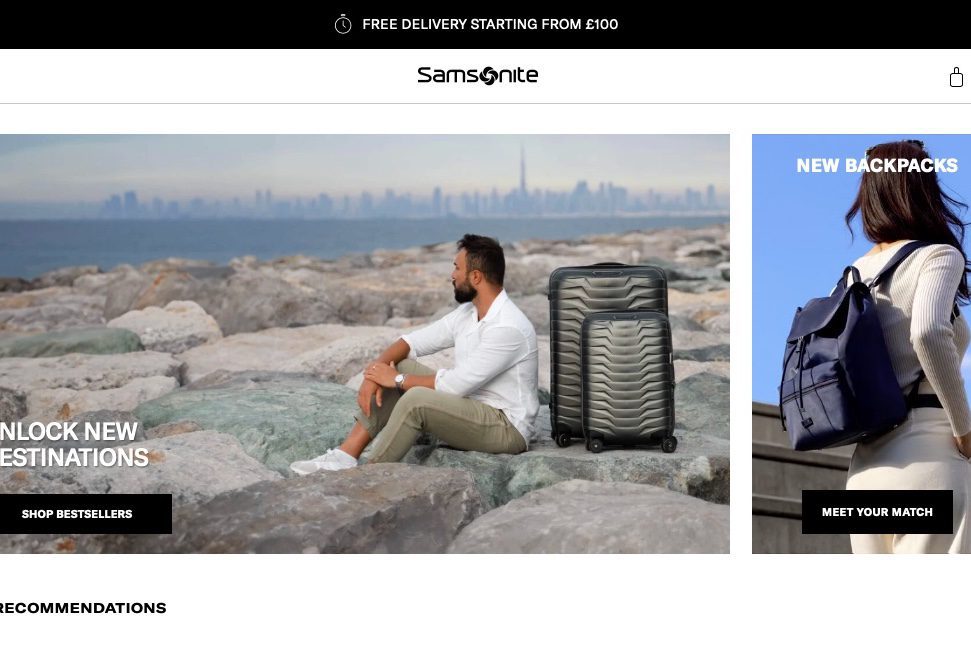
Samsonite International SA, the world’s largest travel luggage company, is preparing for a significant move to enhance its market position by pursuing a dual listing in the United States. According to sources familiar with the matter, Samsonite has selected JPMorgan Chase & Co. and Morgan Stanley to lead the process, signaling its intent to improve liquidity and widen its shareholder base. The decision comes as the company seeks to bolster its global presence and capitalize on the strong recovery of the travel industry.

The dual listing will allow Samsonite to attract a broader range of investors, particularly from the US, where its brands, including American Tourister and Tumi, are already well known. A listing on a US exchange, such as the New York Stock Exchange or Nasdaq, would increase the company’s visibility and provide easier access to the capital markets. This is seen as part of a strategic initiative by the company to diversify its funding sources and offer shareholders the option to trade more easily in a larger and more liquid market.

Samsonite, headquartered in Luxembourg, has been listed on the Hong Kong Stock Exchange since 2011. The company has been looking to expand its investor base, particularly in the wake of a strong recovery in travel demand. The resurgence in global travel after years of pandemic-related disruptions has given the company renewed confidence to explore growth avenues, including a possible US dual listing. The decision is seen as a way to solidify its foothold in a market that has seen increased demand for premium luggage and travel-related goods.

As discussions on the dual listing progress, it is expected that Samsonite will file the necessary paperwork for an initial public offering (IPO) in the US in the coming months. The timeline for the listing remains flexible, but sources suggest the company could be ready to go public in 2024. The dual listing would allow shares to be traded both in Hong Kong and the US, giving Samsonite a strategic edge in navigating international capital markets.

The company’s board is reportedly optimistic about the move, believing that a US listing could bring in significant capital that could be reinvested in expanding Samsonite’s retail footprint, enhancing its digital presence, and accelerating product development. Analysts view the listing as a smart move that would enable the firm to tap into the resurgence of travel demand and capture the attention of a larger pool of investors, especially those focused on the luxury goods and travel sectors.

Samsonite has seen substantial growth since its founding in 1910. The company, initially based in Denver, Colorado, has transformed itself into a global giant in the luggage industry. With operations in over 100 countries and a broad portfolio of brands catering to various market segments, Samsonite is uniquely positioned to take advantage of the recovery in global travel. Its product offerings, which range from budget-friendly to high-end luxury, have made it a household name in both business and leisure travel circles.

While the company faced significant challenges during the COVID-19 pandemic, with travel restrictions severely curtailing demand for its products, the easing of lockdowns and a rebound in international tourism have provided a much-needed boost. The firm reported a strong performance in its most recent earnings, with revenues climbing back to pre-pandemic levels. This recovery has been driven by a surge in demand for luggage and travel accessories as consumers resume international vacations and business trips.

In addition to its traditional luggage products, Samsonite has been investing heavily in expanding its range of travel-related goods, such as backpacks, business bags, and travel accessories. The company has also focused on sustainability initiatives, launching eco-friendly product lines made from recycled materials. These efforts are part of a broader strategy to appeal to environmentally conscious consumers, who are increasingly driving purchasing decisions in the travel goods market.

Samsonite’s leadership has remained focused on maintaining the company’s competitive edge in a rapidly evolving industry. CEO Kyle Gendreau has been vocal about the company’s ambitions to grow its presence in key markets, particularly in North America, Europe, and Asia. The potential US dual listing is seen as a critical part of this strategy, allowing the company to raise additional capital that could be used to fuel its expansion plans.

Market analysts have speculated that Samsonite’s choice of JPMorgan and Morgan Stanley reflects the company’s intent to make a strong debut in the US market. Both banks have extensive experience in handling high-profile IPOs and dual listings, making them ideal partners for a company of Samsonite’s scale and ambitions. Their involvement is expected to instill confidence in prospective investors, many of whom are eager to capitalize on the company’s strong market position and its growth potential.

The dual listing comes at a time when Samsonite is benefiting from favorable market conditions. Travel demand has rebounded sharply, and consumer spending on luggage and travel accessories is expected to grow steadily over the next several years. Industry forecasts indicate that the global luggage market could reach $23.6 billion by 2026, driven by increased travel, rising disposable incomes, and greater demand for premium travel products.

Advertisements
ADVERTISEMENT

The Centre for Social Development (CSD) has launched an innovative workshop aimed at improving community skills in psychological first aid. The initiative, spearheaded by Dr. Bana Bouzaboon, seeks to empower individuals with the tools necessary to offer initial psychological support in various crises.

The workshop is designed to equip participants with practical skills to recognize and address mental health issues in emergency situations. This approach aligns with a broader movement within the mental health community towards integrating psychological support into everyday community interactions, particularly during crises or traumatic events. By training community members to provide immediate, empathetic support, the program aims to bridge the gap between professional mental health services and community-based interventions.

Dr. Bouzaboon emphasized the importance of community involvement in mental health support. According to her, the program’s goal is to create a network of trained individuals who can offer initial psychological assistance, thereby fostering a supportive environment for those in distress. This community-centered approach is intended to make psychological first aid more accessible and immediate, potentially alleviating the burden on mental health professionals and services.

The workshop covers various aspects of psychological first aid, including recognizing signs of mental distress, effective communication strategies, and basic intervention techniques. Participants learn to address common psychological reactions to trauma, such as shock, anxiety, and confusion, and are trained to provide practical support while ensuring their own well-being. The training also includes role-playing scenarios to help participants practice their skills in a controlled environment.

The focus on community involvement reflects a growing recognition of the role that ordinary individuals can play in mental health care. In many regions, especially those with limited access to mental health services, community members often become the first line of support for individuals in distress. By empowering these individuals with the skills and confidence to provide psychological first aid, the workshop aims to enhance the overall resilience and support network within communities.

Several case studies and pilot programs have demonstrated the effectiveness of community-based psychological first aid initiatives. These programs have shown that when trained individuals are present during crises, they can significantly reduce the impact of traumatic events on affected individuals and facilitate quicker recovery. The success of these programs has prompted similar initiatives in other regions, highlighting the growing recognition of the value of community involvement in mental health support.

Dr. Bouzaboon’s workshop is part of a larger effort to integrate mental health training into community-based programs. By focusing on practical skills and real-world applications, the program seeks to make psychological first aid more relevant and accessible. This approach not only addresses immediate needs but also contributes to long-term mental health resilience within communities.

The initiative has garnered support from various mental health organizations and community leaders, who see it as a vital step towards improving mental health care accessibility. The workshop is expected to attract a diverse group of participants, including community leaders, educators, and volunteers, all of whom play a crucial role in supporting individuals in their communities.

As the workshop progresses, it will be evaluated for its impact on participants and the communities they serve. Feedback from these evaluations will be used to refine the program and ensure its continued relevance and effectiveness. The goal is to create a sustainable model for community-based psychological first aid that can be replicated in other regions and adapted to different cultural contexts.

ADVERTISEMENT

An artificial intelligence model is transforming diabetic macular edema (DME) screening, offering significant potential for enhancing care in low-resource environments. Researchers have developed a technique focusing on privacy preservation, generalizability, and the ability to account for uncertainty, which are crucial in improving the accuracy and accessibility of DME screening.

Diabetic macular edema, a leading cause of vision impairment among diabetic patients, has been a significant challenge in many parts of the world, particularly in regions with limited healthcare resources. The AI-based screening model addresses these challenges by providing a scalable and cost-effective solution that can be deployed in areas where specialized medical professionals and advanced diagnostic tools are scarce.

This AI model is designed to detect diabetic macular edema through retinal images, analyzing them with high precision. By ensuring the model’s generalizability, the developers have made it adaptable to various populations, regardless of differences in demographics or healthcare infrastructure. This adaptability is critical for its application in diverse settings, from rural clinics to urban hospitals.

One of the key features of the model is its ability to preserve patient privacy. In the age of big data and increasing concerns about personal data security, the model employs techniques that minimize the risk of sensitive information being exposed. This approach not only aligns with ethical standards but also encourages the adoption of AI technologies in healthcare by addressing one of the major concerns of patients and providers alike.

Moreover, the model incorporates a provision for uncertainty, a crucial aspect that enhances the reliability of the screening process. By quantifying the level of confidence in its predictions, the AI system allows healthcare providers to make more informed decisions, potentially reducing the risk of false positives and negatives. This feature is particularly beneficial in low-resource settings, where the consequences of diagnostic errors can be more severe due to the lack of immediate access to secondary or confirmatory testing.

The innovative model has already shown promising results in clinical trials, where it has been able to match or even surpass the performance of human specialists in detecting DME. Its deployment could lead to earlier and more accurate diagnoses, enabling timely interventions that could prevent vision loss in many patients.

As the technology continues to evolve, experts suggest that future developments should focus on incorporating multimodal imaging inputs. This could include combining data from various imaging techniques, such as optical coherence tomography (OCT) and fundus photography, to provide a more comprehensive analysis of the retinal condition. Additionally, further enhancements could aim at detecting center-involved diabetic macular edema, a specific type of DME that is directly associated with severe vision loss.

The application of AI in diabetic macular edema screening marks a significant step forward in the fight against diabetes-related blindness, particularly in underserved regions. By leveraging advanced algorithms and ensuring the ethical use of patient data, this model could pave the way for more accessible and effective eye care globally.

Yakuza Kiwami, the beloved action-adventure game from Ryu Ga Gotoku Studio, is set to remain a digital-only release on the Nintendo Switch, with no plans for a physical edition. This decision, confirmed by the studio through social media, aligns with the growing trend in the gaming industry where digital downloads are increasingly favored over physical copies. Despite some disappointment among collectors, the move reflects the evolving landscape […]

ADVERTISEMENT

Armacell, a leading player in the flexible foam and engineered foams sector, has fully acquired JIOS Aerogel shares from its joint venture partner JIOS. This move marks a significant shift as JIOS refocuses on the electric vehicle market, while Armacell aims to enhance its aerogel production capabilities.

The acquisition of JIOS’s stake in Armacell JIOS Aerogels Limited (AJA) follows the joint venture’s notable success since its establishment in 2016. Initially set up to leverage JIOS’s patented silica aerogel technology, AJA has thrived under Armacell’s global sales and marketing network. The joint venture has become renowned for its ArmaGel® product line, which serves high-temperature and cryogenic insulation needs in the energy industry.

Armacell’s move to acquire full ownership of AJA aligns with its strategy to expand its presence in the aerogel market. The company’s investment aims to boost its production capabilities at AJA’s facility in Cheonan, South Korea. This plant is currently capable of producing over 700 tonnes of aerogel powder annually, with immediate plans for expansion to meet growing market demands.

The acquisition underscores a broader trend of specialized material companies realigning their business strategies. As JIOS channels its resources toward the burgeoning electric vehicle sector, Armacell is reinforcing its position in the aerogel segment, known for its unparalleled insulation properties. Aerogel, recognized as the world’s lightest solid material, offers superior thermal insulation, making it a valuable asset in various industrial applications.

Armacell’s expansion into a fully integrated aerogel producer highlights the company’s commitment to innovation and market growth. The full acquisition of AJA will enable Armacell to consolidate its position as a leading manufacturer of advanced insulation materials, leveraging the synergies of its established global network and JIOS’s technological expertise.

The move also reflects an increasing focus on strategic partnerships and acquisitions within the industrial materials sector. Companies are adapting to evolving market demands by reconfiguring their portfolios and capabilities to maintain competitive advantage.

The evolution of Armacell’s involvement in the aerogel market signifies a pivotal moment in its growth strategy, setting the stage for new developments in the field of high-performance insulation materials.

Abu Dhabi’s Mohamed bin Zayed University of Artificial Intelligence (MBZUAI) has inaugurated its largest-ever cohort, welcoming over 200 graduate students from around the world. This milestone marks a significant expansion of the university’s role in shaping the future of artificial intelligence.

The new class comprises a diverse group of scholars from more than 50 countries, reflecting MBZUAI’s commitment to global collaboration and innovation in AI. This substantial increase in student enrollment underscores the university’s growing influence in the field and its pivotal role in advancing AI research and applications.

MBZUAI, established as a leading institution for AI education and research, offers specialized programs in machine learning, computer vision, and natural language processing. The influx of students aligns with the university’s vision to foster international talent and address complex challenges in artificial intelligence.

The university’s rigorous selection process ensures that students possess exceptional academic backgrounds and research potential. The new cohort will engage in cutting-edge projects and collaborate with industry leaders to drive technological advancements. This growth in student numbers is expected to further enhance MBZUAI’s reputation as a premier hub for AI research and innovation.

The expansion comes at a time when artificial intelligence is becoming increasingly central to technological advancements and industry developments globally. By attracting a large, diverse student body, MBZUAI aims to contribute significantly to the global AI landscape, addressing key issues and pushing the boundaries of technology.

This development highlights Abu Dhabi’s strategic focus on becoming a global leader in technology and innovation. The UAE has been investing heavily in AI and related technologies, recognizing their potential to transform various sectors including healthcare, finance, and transportation.

As MBZUAI continues to grow, it will play a crucial role in shaping the future of AI through its academic programs and research initiatives. The university’s efforts are anticipated to have a lasting impact on the field, contributing to the development of new technologies and methodologies.

With this record-setting cohort, MBZUAI reaffirms its position as a critical player in the global AI ecosystem, offering students unparalleled opportunities to advance their knowledge and make significant contributions to the field.

ADVERTISEMENT

Saudi Arabia’s pharmaceutical and medical device manufacturing sectors have witnessed a significant surge, with the total number of factories reaching 206 and investments exceeding SR10 billion ($2.6 billion). This rapid growth underscores the Kingdom’s commitment to expanding its healthcare infrastructure and supporting domestic production.

The Ministry of Industry and Mineral Resources revealed that out of the 206 factories, 56 are dedicated to pharmaceutical production. These pharmaceutical factories, licensed by the Saudi Food and Drug Authority (SFDA), represent investments of over SR7 billion. This expansion aligns with the Kingdom’s Vision 2030, which aims to reduce dependency on imports by bolstering local manufacturing capabilities.

The remaining 150 factories focus on the production of medical devices and equipment. These facilities have been instrumental in meeting the country’s growing healthcare needs, especially as global supply chains faced disruptions over the past few years. The investments in medical devices alone account for SR3 billion, reflecting the strategic importance of this sector in Saudi Arabia’s broader industrial diversification efforts.

A key factor driving this growth is the government’s active support for the private sector through favorable policies and incentives. These include tax exemptions, financial grants, and streamlined licensing processes. The Kingdom has also invested in infrastructure development, creating industrial zones dedicated to pharmaceutical and medical device manufacturing, which provide companies with the necessary resources to scale their operations efficiently.

The rise in local manufacturing is also attributed to the increasing demand for healthcare services in Saudi Arabia, fueled by a growing population and the government’s focus on improving public health. The healthcare sector is one of the fastest-growing segments in the Kingdom, with the government allocating substantial funds in its budget to enhance healthcare facilities, promote research and development, and attract foreign investment.

In addition to meeting domestic demand, Saudi Arabia is positioning itself as a regional hub for pharmaceutical and medical device production. The Kingdom’s strategic location and well-developed logistics network make it an ideal base for exporting products to neighboring countries and beyond. This has attracted interest from international pharmaceutical giants looking to establish a presence in the Middle East.

The local pharmaceutical industry has also benefited from partnerships with global companies, which bring in advanced technologies and expertise. These collaborations have led to the development of new products and the transfer of knowledge, further strengthening the capabilities of Saudi manufacturers. The SFDA has played a crucial role in this regard, ensuring that locally produced pharmaceuticals and medical devices meet international standards, thus enhancing their competitiveness in the global market.

Moreover, the Saudi government has launched several initiatives to support innovation and research in the pharmaceutical and medical device sectors. These include funding programs for startups and small and medium-sized enterprises (SMEs), as well as partnerships with academic institutions to foster research and development. These efforts are aimed at creating a sustainable ecosystem that encourages continuous innovation and contributes to the long-term growth of the industry.

The ongoing expansion in the pharmaceutical and medical device manufacturing sectors is expected to continue, with the government outlining ambitious plans for the coming years. These plans include increasing the number of factories, boosting production capacity, and enhancing the quality of locally produced products. The government’s emphasis on developing these sectors is seen as a crucial step towards achieving self-sufficiency in healthcare and reducing the reliance on imports, thereby ensuring the country’s resilience in the face of global challenges.

Saudi Arabia’s strides in the pharmaceutical and medical device industries reflect its broader economic transformation under Vision 2030. By fostering local manufacturing, the Kingdom is not only enhancing its healthcare capabilities but also contributing to the diversification of its economy, creating jobs, and positioning itself as a key player in the global healthcare market.

A remarkable surge in smartphone sales has propelled London-based technology firm Nothing to the forefront of the global market, according to Canalys research. With an impressive 246% year-over-year growth during the first half of 2024, Nothing has positioned itself as the fastest-growing smartphone vendor across multiple key markets, including Saudi Arabia, the United Kingdom, Japan, India, Spain, and Italy.

The company’s expansion strategy has been bolstered by the launch of several new products. Nothing introduced the Phone (2a) and a Special Edition variant, alongside its flagship Phone (2), which debuted in July 2023. These offerings have been instrumental in driving the company’s significant market share increase, particularly in regions like the UAE, where the Phone (2) ranked third in its price category during Q2 2024.

Beyond smartphones, Nothing has also made notable strides in the True Wireless Stereo (TWS) segment. The company recorded an exceptional 313% growth in TWS sales during H1 2024 compared to the previous year. This momentum continued into Q2 2024, where Nothing became the fastest-growing TWS vendor in countries such as France, the USA, Spain, Italy, and the Netherlands.

This rapid growth reflects Nothing’s strategic focus on innovation and market expansion. The company’s ability to swiftly scale its operations and adapt to varying consumer demands across different regions has set a new benchmark in the competitive tech landscape. As Nothing continues to expand its product lineup and geographical presence, the company’s upward trajectory is expected to persist in the coming months.

The Canalys report underscores Nothing’s growing influence in the global technology sector, with its market performance in H1 2024 signaling a significant shift in the competitive dynamics of the smartphone and TWS markets.

Dubai’s financial sector continues to show robust growth, with the Dubai Financial Services Authority (DFSA) approving 61 new firms for operation in the first half of the year. This development highlights the city’s increasing appeal as a global financial hub, drawing companies from diverse sectors including fintech, asset management, and financial advisory.

The DFSA, the independent regulator for the Dubai International Financial Centre (DIFC), has been pivotal in maintaining the integrity and transparency of Dubai’s financial markets. The 61 new firms represent a wide spectrum of financial services, reflecting the city’s strategic position as a bridge between the East and West for financial institutions. This surge in approvals is seen as a testament to the confidence international businesses have in Dubai’s regulatory environment and its potential as a center for innovation and financial technology.

Among the new entrants, several prominent names in fintech and asset management have established their presence in the DIFC, aiming to capitalize on the region’s burgeoning demand for digital financial services. The DFSA’s rigorous standards and the DIFC’s world-class infrastructure continue to attract global firms looking to expand their operations in the Middle East, Africa, and South Asia (MEASA) region.

The DFSA’s focus on fostering innovation has also led to the approval of several fintech companies. These firms are set to introduce cutting-edge financial technologies, from blockchain to AI-driven financial services, further enhancing Dubai’s reputation as a leader in financial innovation. This aligns with Dubai’s broader strategic vision of becoming a global center for digital economy and financial technology, a vision supported by significant investments in infrastructure and regulatory frameworks that encourage innovation while ensuring financial stability.

Furthermore, the influx of new firms is expected to have a positive impact on the DIFC’s ecosystem, creating more job opportunities and contributing to the overall economic growth of Dubai. The new firms bring with them a wealth of expertise and innovation, which is likely to spur further development in the region’s financial services sector. The DFSA’s commitment to upholding the highest regulatory standards ensures that these firms operate within a secure and transparent environment, fostering trust and confidence among investors and clients.

The diversity of the new firms also indicates a growing trend towards specialization within Dubai’s financial sector. Companies focusing on niche areas such as sustainable finance, Sharia-compliant financial products, and wealth management have been particularly prominent among the new approvals. This trend reflects the broader global shift towards specialized financial services, catering to increasingly sophisticated client demands.

The first half of the year has also seen significant interest from firms based in Asia and Europe, looking to leverage Dubai’s strategic location and business-friendly environment. The DIFC’s comprehensive legal and regulatory framework, based on international best practices, provides these firms with a secure and efficient platform for their operations. The DFSA’s proactive approach in engaging with potential market entrants and its efforts to streamline the approval process have been key factors in attracting such a diverse array of companies.

As Dubai continues to solidify its position as a leading financial center, the DFSA’s role in ensuring the city remains an attractive destination for global financial institutions is more crucial than ever. The steady influx of new firms, especially those bringing innovative financial solutions, is likely to bolster Dubai’s competitiveness on the global stage. The city’s ability to attract and retain such a wide variety of financial service providers is a clear indication of the confidence that the international financial community has in Dubai’s regulatory environment and its long-term economic prospects.

Looking ahead, the DFSA is expected to continue its efforts to support the growth of the DIFC, with a focus on maintaining a balance between innovation and regulation. This will be essential in ensuring that Dubai remains a dynamic and secure environment for financial firms to thrive, contributing to the city’s ongoing success as a global financial powerhouse.

SpiceJet’s stock has fallen sharply by over 6% following a directive from the Directorate General of Civil Aviation (DGCA) placing the airline under intensified scrutiny. The DGCA’s decision comes after identifying significant safety and financial issues during a recent inspection.

The aviation regulator’s enhanced oversight is a response to concerns about SpiceJet’s operational practices and financial stability. The DGCA’s inspection revealed numerous deficiencies, particularly in the airline’s adherence to safety protocols and maintenance procedures. These findings have prompted the regulator to impose stricter monitoring measures to ensure compliance with aviation safety standards.

SpiceJet, which has faced financial turmoil in recent years, has been struggling with mounting debts and operational challenges. The airline’s financial stress has been exacerbated by rising operational costs and a shrinking market share. The DGCA’s move reflects growing unease about the airline’s ability to address these issues effectively while maintaining safety standards.

The special audit conducted by the DGCA also highlighted concerns about SpiceJet’s fleet management and crew training. These issues, combined with the airline’s ongoing financial difficulties, have raised questions about its long-term viability and its capacity to sustain operations safely.

In response to the DGCA’s findings, SpiceJet has committed to implementing corrective measures to address the identified deficiencies. The airline has stated that it is working closely with the regulator to ensure all safety and operational standards are met. SpiceJet’s management has also pledged to improve its financial health through various restructuring efforts and cost-cutting measures.

Investors have reacted negatively to the news, leading to a significant drop in SpiceJet’s share price. The decline reflects market concerns about the airline’s ability to overcome its current challenges and restore investor confidence. Analysts have warned that continued regulatory scrutiny and financial instability could further impact the airline’s stock performance in the near term.

The DGCA’s decision underscores the critical importance of regulatory oversight in maintaining safety standards within the aviation industry. It also highlights the broader challenges faced by airlines in managing financial pressures while ensuring compliance with stringent safety regulations.

As SpiceJet navigates this turbulent period, the airline’s ability to address the DGCA’s concerns and stabilize its financial situation will be crucial in determining its future prospects. The outcome of this heightened surveillance will likely influence both the airline’s operational strategies and investor sentiment in the coming months.

Insurance premiums for electric vehicles (EVs) in the United Arab Emirates (UAE) have sharply increased following the heavy rains experienced in April. The severe weather conditions, which led to widespread flooding and property damage, have prompted insurers to reassess their coverage policies for EVs.

The flooding caused extensive damage to infrastructure and homes across the UAE, intensifying concerns about the vulnerability of electric vehicles to water-related damages. As a result, many insurance providers have adjusted their pricing models to reflect the increased risk. Insurers are now imposing higher premiums and more restrictive coverage terms for EVs, reflecting the perceived higher risk of water damage and related issues.

Industry experts attribute this spike in premiums to several factors. Firstly, the cost of repairs for EVs damaged by flooding is often higher compared to conventional vehicles. This is due to the specialized components and advanced technology in electric vehicles, which require more costly repairs or replacements when damaged. Additionally, the increased risk of battery-related issues in flooded conditions has led to greater caution among insurers.

Several insurance companies have become more selective in providing coverage for EVs, with some firms opting to limit their exposure by reducing their coverage options or even discontinuing insurance for certain models. This has led to a challenging environment for EV owners seeking comprehensive insurance coverage.

In response to the rise in premiums and the tightening of coverage options, many EV owners are now exploring alternative insurance providers and considering additional protective measures for their vehicles. Some are opting for specialized flood protection add-ons or investing in aftermarket modifications to enhance their vehicles’ resilience to water damage.

The impact of these changes on the broader EV market in the UAE is yet to be fully determined. However, the increased cost of insurance and limited coverage options are likely to affect consumer confidence and adoption rates for electric vehicles in the region. As the UAE continues to push for greater adoption of electric vehicles as part of its sustainability goals, addressing the insurance challenges will be crucial to maintaining momentum in the EV sector.

Insurance providers are expected to continue evaluating their policies and pricing strategies in light of the evolving risk landscape. The UAE government and industry stakeholders may need to collaborate on developing guidelines and support mechanisms to mitigate the impact of such extreme weather events on both insurance costs and the broader EV market.

VISHNU RAJA
RYO YAMADA
HITORI GOTOH
IKUYO KITA
Social Media Auto Publish Powered By : XYZScripts.com