Just in:
Travel Insurance Was Built for the Few Who Claim. Ancileo’s Felt Coverage™ is for Everyone Else // Toward a Shared Future for Humanity: Rethinking Civilizational Exchange // Sabarimala booking discrepancies prompt sabotage angle probe // Thailand’s Most Iconic New Year’s Celebration Returns: ICONSIAM Unveils “Amazing Thailand Countdown 2027” // Promoting Common Human Development Through Exchanges and Mutual Learning Among Civilizations // Jaiedco and Golden Bridge Announce Strategic Collaboration for a New Dubai Islands Development // Russia permits retail cryptocurrency purchases under regulated framework // Sui activates Hashi Bitcoin lending across partner network // Saudi Arabia schedules multinational top-up tax for 2027 // European Commission takes systems offline after AI cyberattack // Balagopal challenges CM over tax revenue // Diabetes Malaysia And Alpro Pharmacy Set National Record With 11,007 Most Blood Glucose Screenings Conducted Across Malaysia In Just 48 Hours // Technology at Work, Heritage for All: The “Chinese Approach” to Safeguarding the Leshan Giant Buddha // Dalilk Academy reaches 27 million, targets 100 million by 2030 // 2026 Tropical Rainforest Ecosystem Partners Conference Kicks off in Hainan // Oil futures rebound after Riyadh strikes and tanker alerts // Coinbase targets 2027 launch amid state gambling lawsuits // Saudi defences destroy three Houthi missiles targeting Riyadh // Dubai Introduces SHARH, an AI-Powered Platform Helping Entrepreneurs Buy, Sell and Manage Businesses in the UAE // PayerMax and ShopeePay Strengthen Strategic Partnership to Advance Digital Payment Collaboration in Southeast Asia //

News related to
Delhi

An Air India flight bound for Delhi had to abort its scheduled takeoff from Kochi International Airport due to a technical malfunction. The incident occurred shortly before the aircraft was set to depart, prompting immediate action from the airline’s ground crew and safety personnel. Passengers were instructed to disembark and wait for further updates as the airline made arrangements for an alternative flight.

The flight, designated AI 185, had boarded a full complement of passengers before the issue arose. According to sources, the aircraft was preparing for departure when a technical issue, identified as an onboard system malfunction, was flagged by the crew. This led to the decision to abort the takeoff to ensure the safety of everyone on board.

While the specific nature of the malfunction has not been disclosed, experts in aviation safety suggest that such incidents are not uncommon. Modern aircraft are equipped with numerous systems that constantly monitor internal functions. If any abnormality is detected, pilots are trained to prioritise safety, often opting to delay or cancel the flight as a precautionary measure.

Air India confirmed that all passengers were safely evacuated from the aircraft, which remained at the airport while engineers and technicians assessed the issue. The airline assured passengers that the malfunction would be thoroughly investigated to determine its cause. The passengers were later provided with options to board alternative flights or request full refunds.

The airline’s response was swift, with a spokesperson emphasising that the decision was in line with Air India’s safety protocols. “The safety and well-being of our passengers is our top priority,” said the spokesperson. “We apologise for any inconvenience caused and are working diligently to ensure that affected passengers are accommodated.”

At the airport, many passengers expressed frustration over the delay but understood the airline’s commitment to safety. “It’s frustrating, especially when you’ve made plans, but I appreciate that they made the right decision. We all want to get to our destination safely,” one passenger commented.

Kochi International Airport, a major hub for both domestic and international flights, operates flights to several destinations across India and abroad. The airport’s ground services are well-regarded, and incidents such as these are handled efficiently. However, the disruption of scheduled flights can cause significant delays, affecting not only the affected passengers but also those awaiting flights at the airport.

For Air India, which has been working on improving its operational standards, this incident underscores the challenges it continues to face in maintaining flight schedules while ensuring the highest safety standards. The airline has been in the spotlight for several operational challenges in the past, but with a renewed focus on safety and customer service, it remains one of the prominent carriers in the region.

Kochi International Airport has also been praised for its quick response to such incidents, with the airport staff assisting passengers in finding alternate arrangements and providing necessary information. As the flight was rescheduled, affected passengers were offered accommodations or other transportation options to minimise their inconvenience.

The incident serves as a reminder of the complex nature of air travel, where safety measures often necessitate last-minute changes to schedules. Airlines, despite their best efforts to maintain punctuality, must always prioritise the safety of passengers over strict adherence to flight timetables. This has been a crucial point for the aviation industry, especially in light of ongoing advancements in technology and air traffic management.
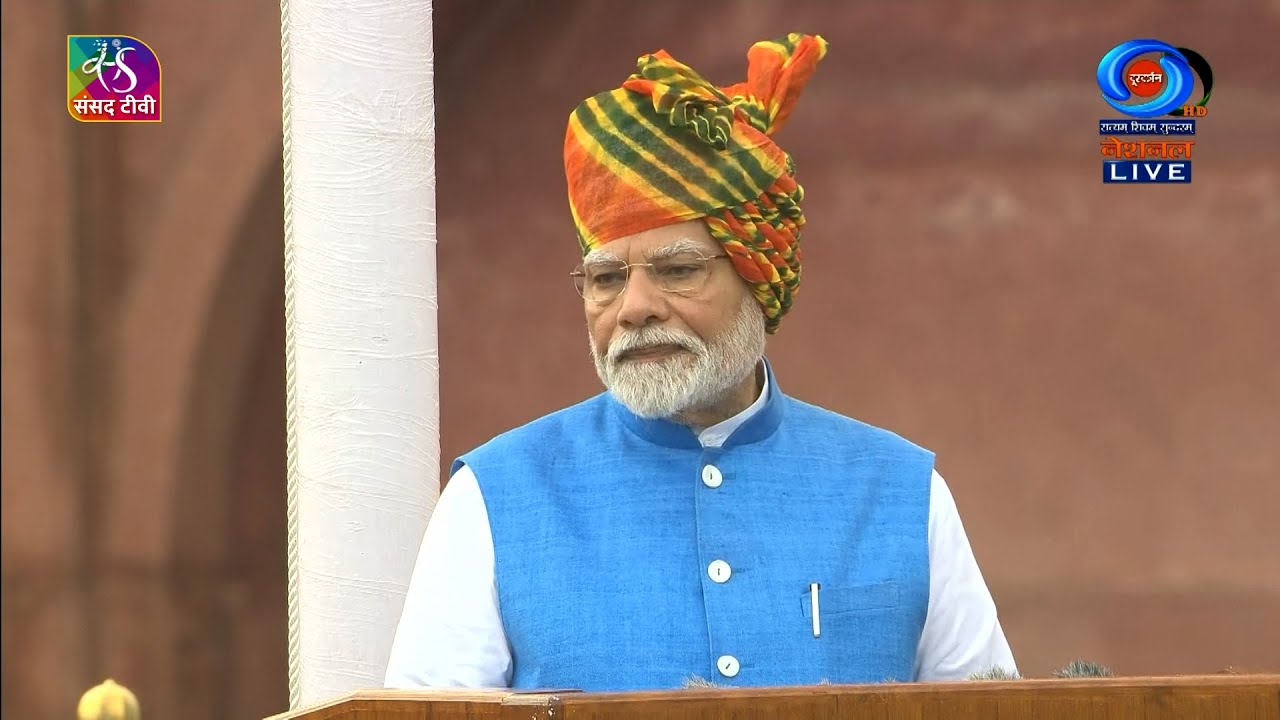
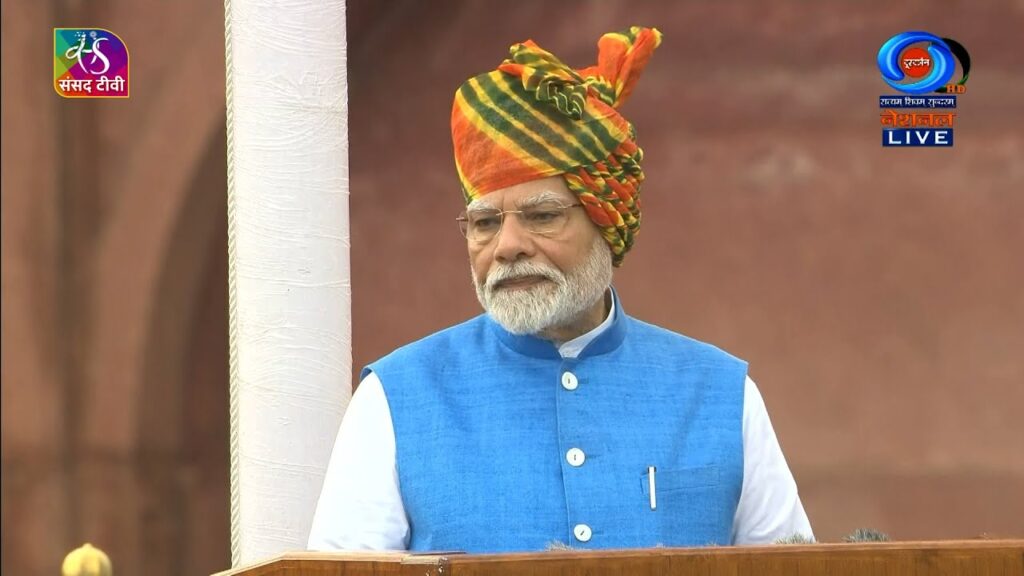
By R. Suryamurthy When Prime Minister Narendra Modi ascends the Red Fort on August 15 to deliver his Independence Day address, the nation will be listening for the usual rhetoric of progress, resilience, and pride. This year, the subtext must be different. With a possible face-off with U.S. President Donald Trump looming at next month’s […]
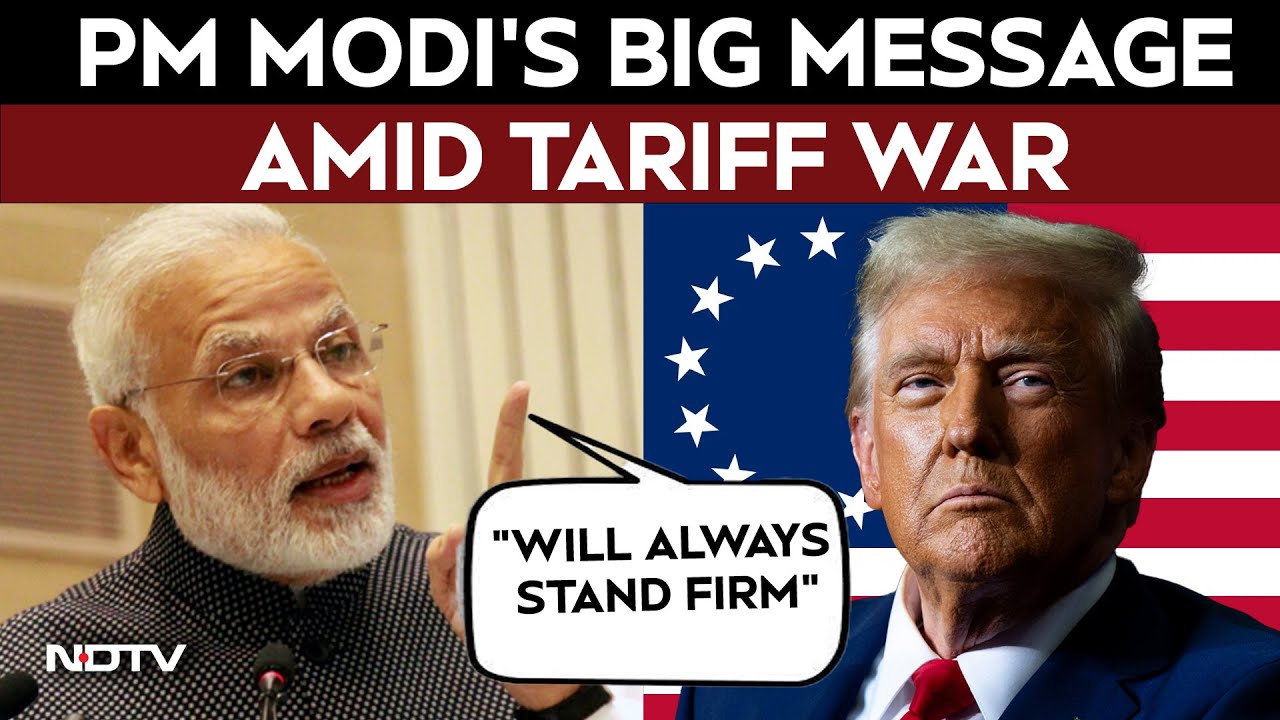
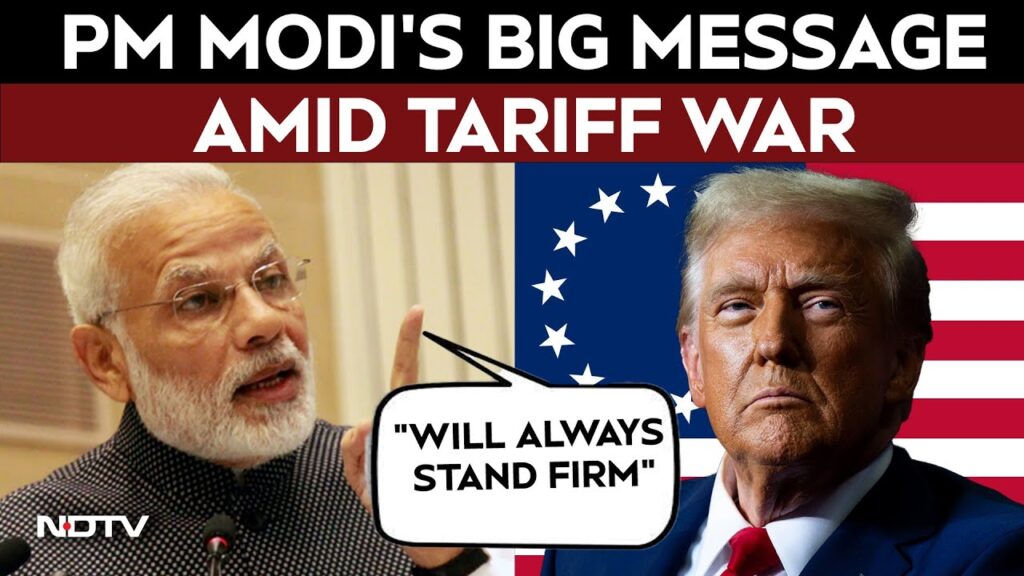
By Nitya Chakraborty The India-US trade war over Donald Trump’s 50 per cent tariff on Indian exports to the USA with effect from August 27 this year has assumed a major political dimension linking the political future of both Indian Prime Minister Narendra Modi and the United States President Donald Trump. For Narendra Modi, the […]

India’s diplomatic ties with the United States have been significantly shaped by the evolving political landscape under former President Donald Trump. According to a US academic, India has paid a steep price due to Trump’s pursuit of a Nobel Peace Prize, which may have undermined its broader geopolitical interests. The scholar argues that Trump’s overtures to India during his tenure were often overshadowed by his personal ambitions […]

By Ashok Nilakantan Ayer When the U.S. President Donald Trump slapped heavy tariffs on a range of Indian goods this month, Prime Minister Narendra Modi responded almost immediately with quiet contingency planning: supply a targeted, limited financial backstop to exporters and small manufacturers whose cash flows are being squeezed by sudden loss of competitiveness in […]
By Nitya Chakraborty The additional 25 per cent tariff on Indian exports to the USA announced by President Donald Trump to be effective from August 27, has led to an intense ideological and political battle within RSS, the BJP as also among the industrialist friends of Prime Minister Narendra Modi who are active members of […]
By R. Suryamurthy Prime Minister Narendra Modi’s declaration that he is willing to “pay a heavy price” to stand by Indian farmers in the face of escalating U.S. trade tariffs has captured headlines—but not necessarily for the right reasons. It is a speech crafted more for the political stage than the policy war room. Beneath […]
Advertisements

Russian President Vladimir Putin will visit India in the coming weeks, with expectations that the trip will significantly bolster bilateral relations across various sectors, including trade, defence, and energy. The visit, anticipated to be a key moment in Russia-India relations, will occur amid shifting geopolitical dynamics, particularly following the global attention on the ongoing war in Ukraine and its implications for international alliances.

The timing of the visit is critical, as both Russia and India seek to expand their strategic cooperation. Over the past few years, both nations have deepened their partnership through numerous agreements aimed at enhancing their economic and military ties. As global power dynamics continue to shift, the Russia-India alliance has become increasingly important, not just for the two countries but also within the broader context of the BRICS grouping, of which both nations are founding members.

One of the central themes of the visit will be the strengthening of economic ties, especially in the energy sector. With the ongoing energy crisis exacerbated by sanctions on Russia, India has emerged as one of the key buyers of Russian oil. The visit is expected to solidify agreements surrounding the energy trade, including the potential for India to increase its imports of Russian crude oil at discounted rates. This move is likely to provide India with a cost-effective energy source while helping Russia circumvent Western sanctions.

Discussions are expected to focus on further cooperation in defence, where Russia has long been a major supplier of military hardware to India. The two nations are expected to advance negotiations on new defence contracts, including the potential for joint production and technology sharing. The defence ties between Russia and India date back decades, and the visit will likely see the formalisation of further agreements that could further align their military interests.

The visit will also involve talks on expanding technological collaboration, particularly in the areas of space and nuclear energy. Both countries have made significant strides in these fields, and there is potential for further joint ventures, which could bring both economic and technological benefits to each nation. Putin’s presence in India is expected to reinforce Moscow’s commitment to its relationship with New Delhi, signalling Russia’s ongoing support for India’s strategic ambitions in the global arena.

Putin’s upcoming visit also comes at a time of heightened global tension. As the war in Ukraine continues to dominate headlines, Russia has increasingly sought to deepen ties with countries that have been less critical of its actions, including India. New Delhi has maintained a relatively neutral stance in the conflict, focusing instead on its national interests and calling for peace talks. This approach has allowed India to strengthen its ties with Russia without facing the same level of international scrutiny as some of the West.

The visit is likely to be significant for the future of BRICS, a bloc of emerging economies that includes Brazil, Russia, India, China, and South Africa. The group has been exploring the possibility of expanding its membership, and Putin’s visit could serve as a platform for discussing further collaboration within this framework. As BRICS nations continue to challenge the traditional Western-dominated global order, Russia and India are likely to explore ways to enhance their collective influence in international forums.

While both nations have shared interests, their relationship has not been without challenges. India’s growing economic ties with the West, especially in the technology and trade sectors, have sometimes created friction in its ties with Russia. However, the long-standing nature of their partnership, especially in defence, has ensured that these tensions have remained manageable. Putin’s visit is expected to reinforce the idea that despite external pressures, Russia and India will continue to prioritise their strategic interests.

India’s efforts to strengthen ties with the United States are facing significant hurdles due to key staffing gaps within President Donald Trump’s administration. Diplomatic engagement between the two countries has been hindered as vital foreign policy roles in Washington remain vacant, impacting India’s ability to effectively navigate the US political landscape.

Over the past few months, Indian officials have expressed concerns regarding the lack of permanent appointments in crucial diplomatic positions, including roles at the Department of State and the National Security Council. The vacancies have caused delays in ongoing discussions on key issues such as trade, defence cooperation, and counterterrorism. Despite a shared interest in expanding bilateral relations, the absence of key decision-makers has created a diplomatic impasse, making it increasingly difficult for Indian diplomats to secure face-to-face meetings with senior US officials.

The US has traditionally relied on a network of ambassadors and senior officials to manage foreign policy and maintain smooth relations with global partners. However, under the Trump administration, numerous diplomatic posts remain unfilled, including positions critical to managing India-US relations. These gaps have left many key policy decisions in limbo, complicating efforts to address pressing global challenges, including the Indo-Pacific security framework and trade negotiations.

India, in particular, has been affected by this lack of political continuity. For instance, while the US has reaffirmed its commitment to strengthening defence and economic ties with India, the absence of a US ambassador to India and a permanent Assistant Secretary of State for South and Central Asia has made it difficult to reach concrete agreements. Without these senior officials in place, policy coordination becomes more fragmented, forcing Indian officials to engage with temporary appointees who lack the authority to make significant policy changes.

Indian diplomats have found it especially challenging to build rapport with the Trump administration, which has demonstrated a preference for unconventional approaches to diplomacy. The absence of a steady stream of high-level communication has left gaps in the continuity of US policy towards India, further complicating efforts to resolve existing tensions, such as trade disputes and visa restrictions.

While India has attempted to address these challenges through alternative channels, such as the strategic dialogue and consultations with lower-ranking officials, these engagements have failed to produce the desired outcomes. For example, discussions aimed at resolving trade imbalances and the reduction of tariffs have stalled, with both sides unable to reach an agreement due to a lack of dedicated leadership on either side.

The Indian government, under Prime Minister Narendra Modi, has worked to bolster its position in the global order by forging closer ties with the US. However, without the necessary diplomatic infrastructure in place, India has been forced to wait for the completion of staffing appointments in the Trump administration before advancing critical bilateral agendas. While there has been progress in areas such as defence cooperation, the lack of substantive discussions on trade and technology has caused frustration in New Delhi.

At the heart of this diplomatic challenge is the ongoing uncertainty surrounding the US administration’s foreign policy direction. As key positions remain vacant, the White House’s ability to provide a cohesive strategy on international affairs has been compromised, particularly in its dealings with major global powers like India. This vacuum has also complicated the Trump administration’s broader efforts to pivot its foreign policy towards the Indo-Pacific region, an area of strategic interest to both the US and India.

India’s strategic priorities have been clear: maintaining a robust relationship with the US while balancing its growing ties with China and Russia. As India seeks to navigate these complex geopolitical waters, the Trump administration’s staffing issues continue to be a major stumbling block. The lack of clear leadership in critical areas of US foreign policy has left many in India questioning the future trajectory of their relationship with Washington.

The growing importance of economic and technological collaboration between the two countries has intensified the urgency for resolution. As the US and India aim to establish a more comprehensive partnership, delays in staffing appointments are causing significant setbacks in addressing mutual concerns in areas such as cybersecurity, trade, and investment.

US President Donald Trump has announced plans to significantly raise tariffs on exports from India, citing the country’s oil purchases from Russia as the primary reason for the move. The statement marks an escalation in tensions between the two countries, with both sides having clashed over trade policies and geopolitical issues in recent years.

Trump’s remarks, made on social media, have ignited a strong response from New Delhi, which views the threat as unjustified and damaging to its economic interests. The US President criticized India’s ongoing imports of Russian crude oil, calling the move a betrayal, as the West intensifies efforts to isolate Moscow over its invasion of Ukraine. He pointed out that India’s purchases were then being resold on the international market for profits, further compounding the situation.

The US government has consistently condemned the sale of Russian oil to countries that are still buying from Moscow amid global sanctions designed to cripple the Russian economy. These sanctions, which were imposed by the US and its allies in response to Russia’s aggressive actions in Ukraine, have led to a complex diplomatic web, with several nations, including India, caught in the middle.

While the US and European Union have significantly reduced their oil imports from Russia, countries like India and China have stepped in to fill the gap, buying discounted crude oil from Moscow. India, in particular, has ramped up its purchases of Russian energy, a decision that is seen by many as a strategic move to secure energy resources at lower costs. These purchases have helped India maintain its economic growth amidst the energy price crisis exacerbated by the war in Ukraine.

The announcement by Trump that tariffs on Indian goods would be substantially raised could have serious repercussions for trade between the two nations. India is one of the United States’ largest trading partners, and any significant tariffs would undoubtedly affect a range of industries, from agriculture to technology. In 2022, the bilateral trade between the two countries surpassed $150 billion, with India exporting a wide array of goods to the US, including textiles, chemicals, and pharmaceuticals.

The Indian government, however, has rejected Trump’s claims, arguing that its oil purchases from Russia are in line with its energy security needs and do not violate any international laws. New Delhi has maintained a neutral stance on the war in Ukraine, calling for dialogue and diplomacy to resolve the crisis rather than escalating sanctions and pressure on Russia.

India’s position reflects a broader strategy of balancing its foreign relations with both the West and Russia. While it maintains strong ties with the US and Europe, it also values its long-standing relationship with Russia, particularly in defense and energy sectors. Over the years, Russia has been a reliable supplier of defense equipment to India, a factor that continues to shape India’s foreign policy decisions.

The economic impact of higher tariffs could have a ripple effect on both countries’ economies. India could face higher costs for its exports to the US, which might lead to inflationary pressures within certain sectors. For the US, such tariffs could result in higher prices for American consumers on imported goods, potentially exacerbating inflation at a time when the country is already grappling with economic challenges.

The political fallout from Trump’s threat to raise tariffs could further complicate efforts to resolve trade disputes between the US and India. Both nations have been working on strengthening their strategic and economic ties, but issues like tariffs and energy trade could undermine this progress. Negotiations over trade deals, such as the proposed free trade agreement, may now face significant hurdles as both sides dig in their heels.

The decision to increase tariffs on India could also have wider implications for the global economy. It might set a precedent for other nations to retaliate against countries purchasing Russian oil, particularly those in the Global South who have not been willing to fully sever their economic ties with Moscow. This could potentially fragment the global energy market even further, making it harder for countries to secure stable and affordable energy supplies.

This development highlights the growing division between the US-led West and countries that have opted to remain neutral or continue engaging with Russia. As the war in Ukraine shows no sign of abating, the economic and diplomatic repercussions of these decisions are likely to continue shaping global relations for the foreseeable future.

By K Raveendran Donald Trump’s aggressive tariff regime, launched under the guise of bolstering American strength and reclaiming lost economic ground, has triggered a worldwide response that may ultimately defeat the very goal it seeks to achieve. Framed as a nationalist project to assert America’s economic primacy, the tariff war has turned out to be […]

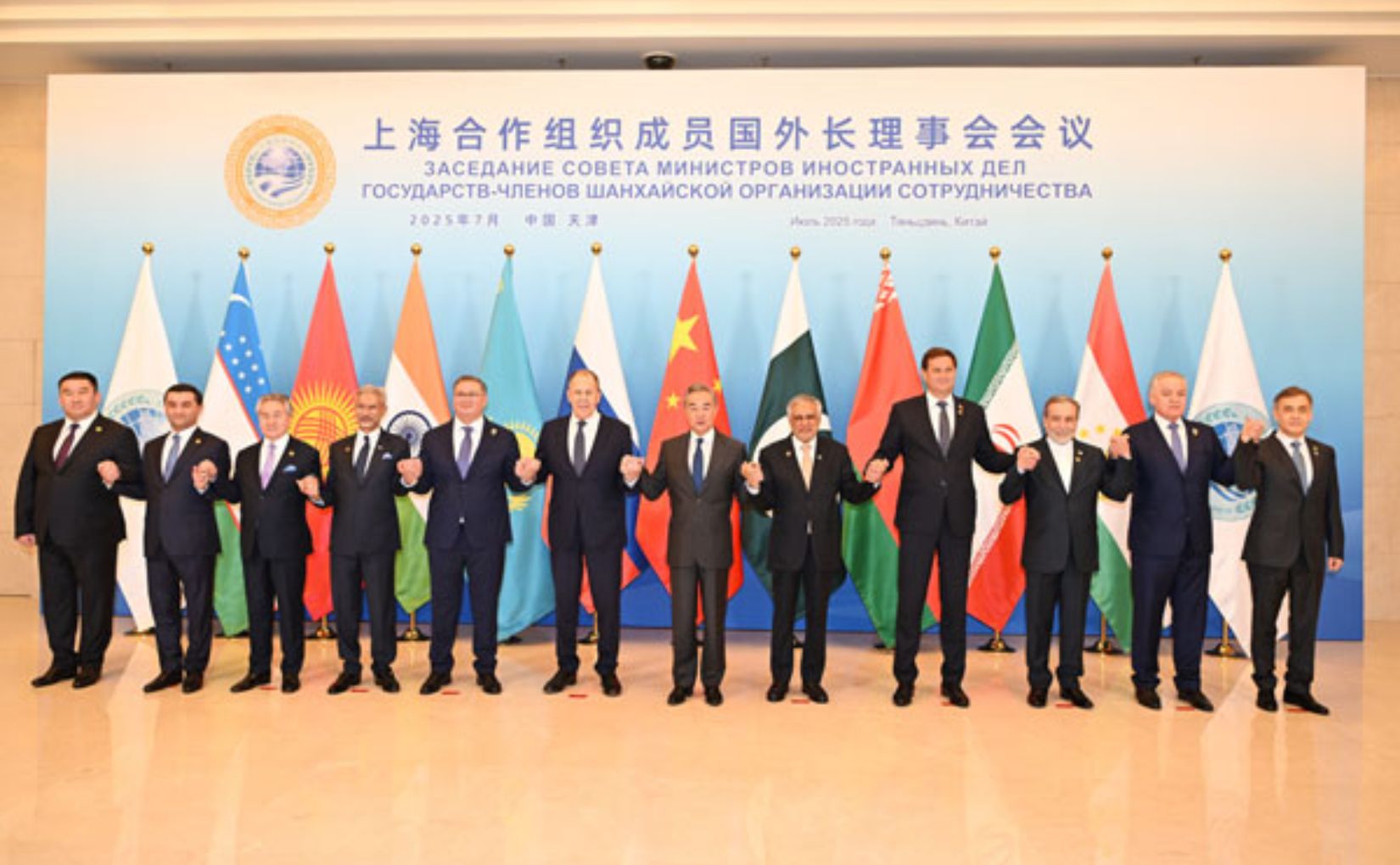
Russia has renewed efforts to revive the dormant Russia–India–China trilateral dialogue, prompting cautious signals from India and prompt endorsement from China. Moscow’s deputy foreign minister, Andrei Rudenko, has confirmed active negotiations with Beijing and New Delhi around restarting consultations among the trio, all founding members of BRICS, to address global strategic concerns. China’s foreign ministry spokesperson Lin Jian framed the initiative as beneficial not only to the […]

By Nitya Chakraborty The recent months have not been comfortable for India with its two neighbours Pakistan and India, but as regards the third most powerful neighbouring county China, th scenario has turned different. India-China ties which became bitter at the time of clashes in Galwan valley in 2020, started softening from last year and […]
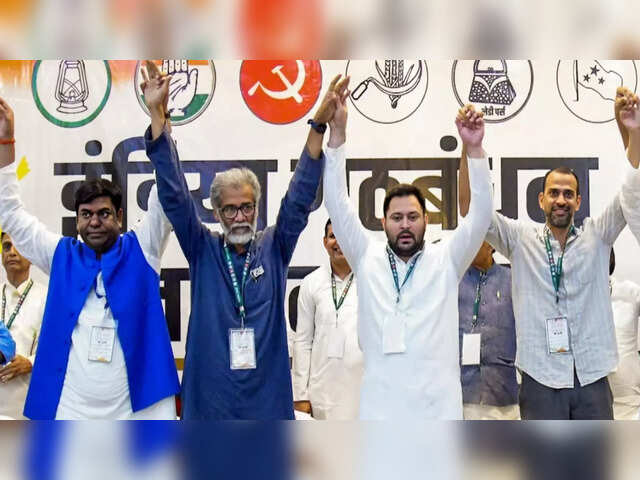
By Nitya Chakraborty After nearly a year of frosty relations between the two neighbours India and Bangladesh, signs are there of a breakthrough as India is sending a team of burn doctors and nurses to Dhaka to treat the victims of the Monday’s devastating crash of a fighter jet plane leading to the death of […]
By Dr. Gyan Pathak Health issue is the officially stated reason for the Vice President of India Jagdeep Dhankhar’s resignation, but it has a political context. It was only in December 2024, Dhankhar had rebuked its own government led by PM Narendra Modi over not talking to agitating farmers of Punjab. He had said that […]
By Nitya Chakraborty The INDIA Bloc constituents are finally meeting in New Delhi on Saturday, July 19 to discuss the strategy for the monsoon session of the Parliament beginning on July 21 as also an assessment of the developments in the country including increasing threat to the electoral democracy in the third term of Narendra […]
By Dr. Gyan Pathak One day after the “locking down” of the Chief Minister of Jammu & Kashmir Omar Abdullah, his cabinet ministers, his party National Conference legislators, along with leader from the PDP, People’s Conference, and J&K Apni Party in their homes to prevent them from paying homage to Martyrs of July 13, 1931 […]

VinFast Auto India has entered into agreements with 13 dealership groups to open 32 showrooms across 27 cities, aiming to scale up to 35 outlets by the end of 2025. This expansion aligns with the pre-booking launch of its electric SUVs, the VF 6 and VF 7, beginning on 15 July, signalling a strategic push into India’s burgeoning EV market.

Building a strong retail presence, VinFast has engaged partners such as Pasco Group in Delhi, Raja Group in Karnataka, Nanesh Automotive in Telangana and Maansarovar Group in Tamil Nadu. The network spans major urban centres including Delhi, Bengaluru, Chennai, Hyderabad, Pune, Jaipur, Ahmedabad, Kolkata and Thiruvananthapuram, chosen for their growing EV infrastructure and consumer demand.

CEO of VinFast Asia, Pham Sanh Chau, described the venture as foundational to delivering “an elevated EV experience backed by reliability, customer trust, and service excellence”. The company’s approach follows its unveiling of the VF 7 at the Bharat Mobility Global Expo earlier this year and confirms the staging of VF 7 and VF 6 pre-bookings later this month.

Complementing its showroom rollout, VinFast is forging an ecosystem of after-sales and charging infrastructure. A tie-up with myTVS aims to establish 120 service workshops across India, enhancing customer support ahead of the EV launch. Additional alliances include Global Assure for mobile servicing and roadside assistance, myTVS and RoadGrid for charging infrastructure, and BatX Energies for sustainable battery recycling.

VinFast’s manufacturing ambitions are centred on Tamil Nadu’s Thoothukudi facility, expected to commence operations by June 2025. The 400‑acre plant is projected to assemble completely knocked down units initially, with capacity for up to 150,000 EVs annually once fully ramped up. Further discussions are underway with state governments in Andhra Pradesh and Telangana for a potential second manufacturing plant, signalling long-term investment in local operations.

Despite this momentum, VinFast has revised its India sales projections. Initial targets have been reduced by one‑third to approximately 3,000 units in the first year, reflecting measured realism amid market uncertainties and distribution challenges.

VinFast has previously sought reduction of import duties on fully built EVs, aiming to sustain competitive pricing until local assembly becomes fully operational. Domestic automakers have opposed this move, citing concerns over market fairness.

The VF 7, which carries a lithium‑ion battery capacity of approximately 75 kWh and offers up to Level 2 ADAS, was designed by former General Motors designer Lee Jae Hoon. It is expected to debut ahead of India’s upcoming festival season, with the VF 6 following suit.

As VinFast prepares for pre-bookings on 15 July, its strategy integrates showroom proliferation, service infrastructure, local manufacturing and sustainable practices. The expanding dealership network and ecosystem partnerships aim to support customer confidence, while adjustments to sales forecasts and regulatory considerations underscore a pragmatic, long-term approach to entering one of the world’s fastest-growing EV markets.

By Prakash Karat The infamy that the Narendra Modi government’s foreign policy has earned in the recent period, is something that cannot be understated. On June 13, the United Nations General Assembly adopted a resolution moved by Spain calling for an immediate and unconditional ceasefire in Gaza. The resolution accused Israel of using “starvation of […]

The Indian Institute of Technology Delhi has teamed up with TeamLease EdTech to introduce a 24‑week online executive programme in artificial intelligence for healthcare professionals. With live weekend sessions, hands‑on projects and mentorship from leading faculty, the course is scheduled to begin on 1 November 2025, and admissions are open until 31 July 2025.

The programme aims to equip clinicians, engineers, data scientists and med‑tech entrepreneurs with a robust understanding of AI applications across healthcare domains including diagnostics, imaging, risk scoring, hospital operations and public health analytics. Course modules cover foundational topics such as machine learning, deep learning, big data and IoT monitoring of patient data, before progressing to advanced concepts like natural language processing for electronic health records, predictive analytics and AI‑powered dashboards.

Classes will be conducted entirely online on weekends to accommodate working professionals, and participants will work with real clinical datasets and hospital data systems. A capstone project, mentored by IIT Delhi faculty and experts from AIIMS and the med‑tech industry, will enable learners to build deployable AI tools under guidance.

Fee structure is set at ₹1.20 lakh plus 18 per cent GST, payable in two instalments. Eligibility extends to any graduate professional working in healthcare, research, industry or academia with interest in AI, and no prior coding experience is required.

Officials emphasise that AI has moved from optional to essential in modern medicine. Professor Manav Bhatnagar, Head of the Continuing Education Programme at IIT Delhi, highlighted the institute’s goal to develop “next‑gen capabilities that respond to evolving healthcare needs”, adding that the programme will empower professionals to lead this transformation. Shantanu Rooj, Founder and CEO of TeamLease EdTech, noted that the collaboration bridges clinical knowledge and data intelligence to create impactful healthcare solutions.

External analysts point to broader global trends behind the move. The World Economic Forum estimates that AI could add over US $150 billion annually to global healthcare economies through enhanced efficiency and patient outcomes. In India, NITI Aayog and EY forecast the digital healthcare market—driven by AI diagnostics and telemedicine—to exceed $37 billion by 2030.

The curriculum is divided into several thematic blocks: foundational AI methods; clinical and hospital data analytics; predictive modelling; medical imaging and automation; IoT‑based monitoring; EHR and NLP; public health analytics; and design of dashboards and decision‑support tools. Over 10 case studies and numerous hands‑on exercises will ensure participants not only learn theory but also apply skills to real‑world challenges.

On completion, alumni can explore roles such as AI/ML Engineer developing diagnostic models; Healthcare Data Scientist analysing clinical datasets; Clinical AI Researcher validating AI systems in hospital settings; Digital Health Consultant guiding AI adoption; Medical Imaging Analyst interpreting scans; AI Product Manager in health‑tech; or Regulatory/Data Governance Specialist ensuring compliance.

The weekend‑only format promises greater flexibility for busy professionals, with interactive live sessions and opportunities to network with CIOs, med‑tech founders and industry experts. TeamLease EdTech will support the programme delivery and student success, integrating technology platforms with IIT Delhi’s academic oversight.

Applications close on 31 July 2025. The programme will run from 1 November 2025 through early May 2026. Prospective applicants are directed to IIT Delhi’s Continuing Education Programme portal for registration and scholarship information.

This launch positions IIT Delhi and TeamLease at the forefront of AI‑driven healthcare education, anticipating a future where data intelligence plays a transformative role in patient care, system efficiency and population health outcomes.

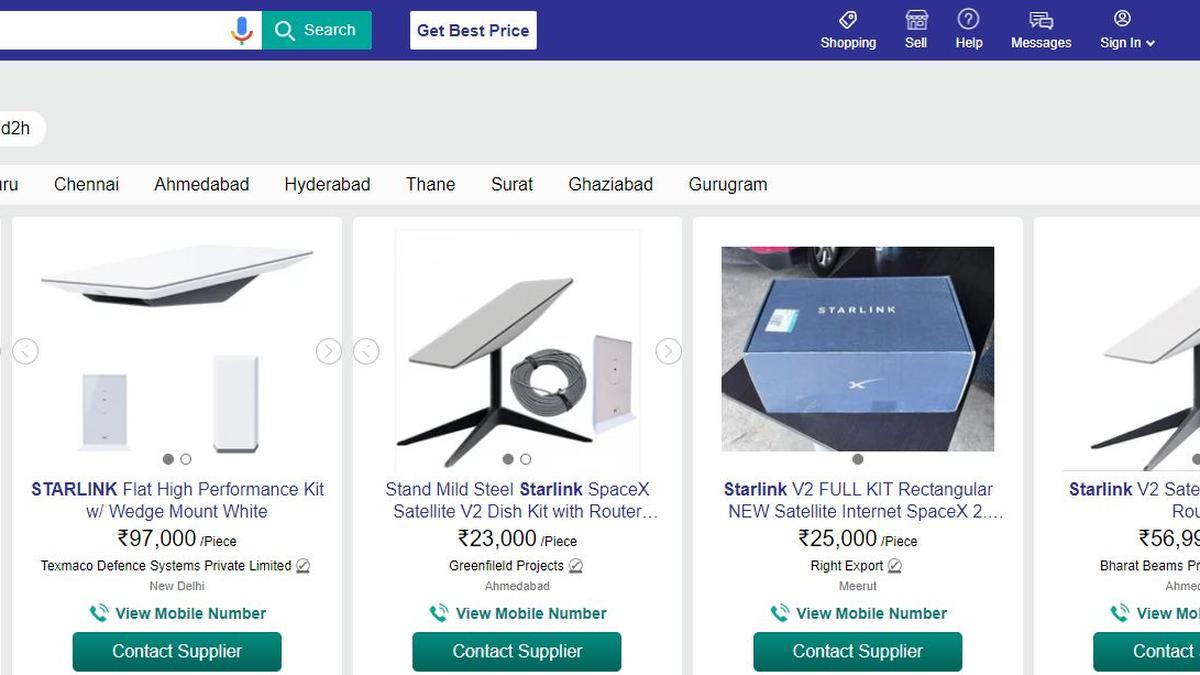
Elon Musk’s satellite‑internet venture has obtained its space regulator’s final approval to launch commercial services, removing the only remaining legal obstacle after securing a telecom licence last month. This paves the way for Starlink to become the third satellite broadband operator in India, alongside Eutelsat‑OneWeb and Reliance Jio‑SES.

The Department of Telecommunications issued Starlink the Global Mobile Personal Communication by Satellite permit in early June, marking a pivotal step towards nationwide commercial deployment. Space regulator IN‑SPACe has now finalised its authorisation—pending Starlink’s formal acceptance and countersignature—bringing the company on par with its established rivals.

Starlink must still secure dedicated spectrum, construct ground infrastructure, and complete stringent security trials before service can commence. Officials indicate the spectrum will be allocated administratively rather than via auction, aligning with Starlink’s position over competing demands that included those from Reliance Jio.

The security evaluation phase remains critical. Indian authorities have insisted that all satellite‑based traffic must transit through domestic gateways and comply with legal interception protocols. Supply chain localisation and gateway siting near international borders will also be mandated. Past concerns over unauthorised Starlink usage in border regions prompted increased scrutiny by the ministry of home affairs and Department of Telecommunications earlier this year.

Starlink joins an increasingly competitive satellite broadband landscape. Eutelsat‑OneWeb received its GMPCS licence in August 2021 and full permissions in late 2023, while Jio‑SES obtained its telecom licence in March 2022 and space clearance by mid‑2024. Meanwhile, Amazon’s Project Kuiper awaits its approvals.

Local telecom giants are now preparing partnerships with satellite providers to enhance connectivity. Bharti Airtel and Reliance Jio signed pacts with Starlink earlier this year to deliver broadband across remote regions once authorisations were finalised. These alliances reflect a broader push by India to extend digital infrastructure to underserved rural and mountainous communities, where roughly 40 percent of the population remains without reliable internet access.

Starlink’s global network now spans over 6,750 satellites and serves diverse markets from Antarctica to developing Asia. In India, the company faces challenges adapting to the country’s famously low data prices, with mobile rates among the world’s cheapest. Each operator must also comply with provisions demanding indigenisation of at least 20 percent of ground infrastructure and multilayered security approval regimes.

As New Delhi aligns satellite spectrum policy—including assigning bandwidth for five‑year terms at a fee capped at 4 percent of adjusted gross revenue—operators will negotiate additional urban or rural levies and infrastructure contributions. Communications Minister Jyotiraditya Scindia’s consultations with SpaceX executives signal sustained governmental interest in leveraging satellite technologies to bolster India’s digital ambitions.

Starlink’s entry marks a significant shift in India’s telecom ecosystem. It promises to elevate broadband penetration in neglected geographies while testing the resilience of India’s stringent regulatory and security frameworks. The speed at which Starlink secures spectrum, builds its ground presence, and satisfies national interception mandates will determine how soon millions of users beyond urban centres experience high-speed satellite internet.

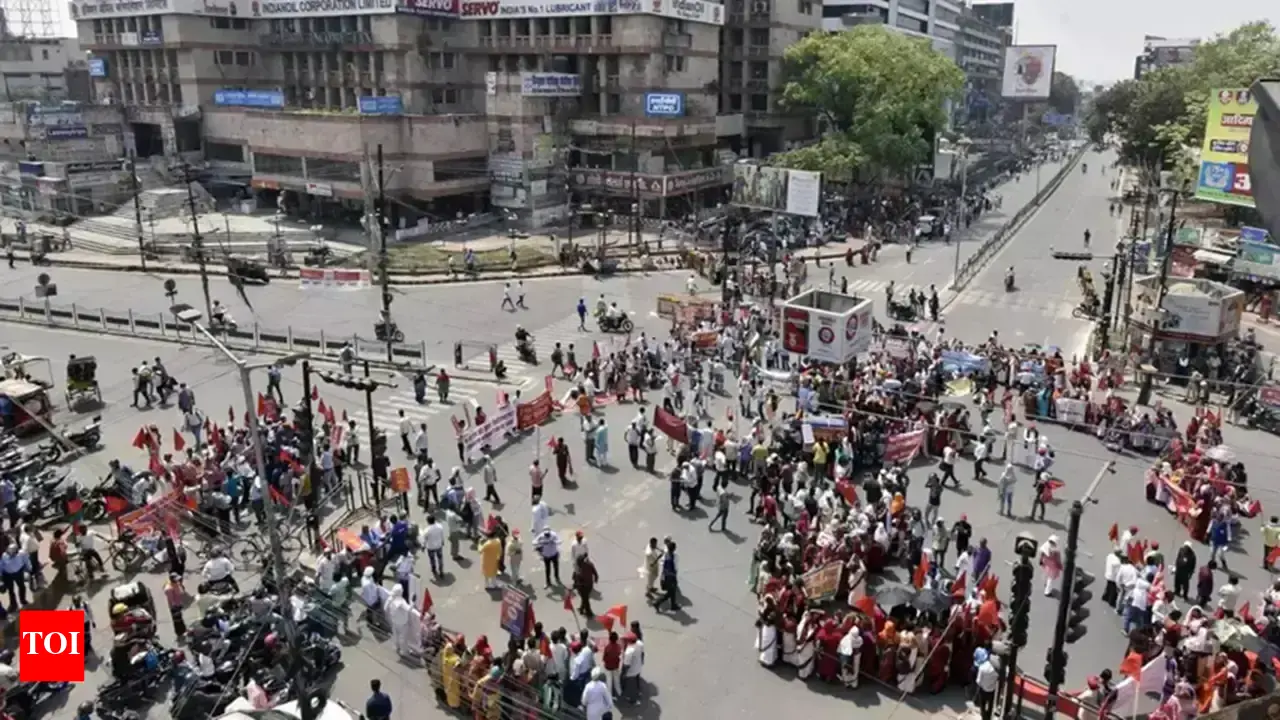
By Dr. Gyan Pathak Though on the eve of the workers’ all India general strike on July 9, 2025, Union Ministry of Labour, Government of India, tried to downplay the strike action by claiming that213 unions had informed of their staying away from the strike, India actually witnessed on Wednesday the largest ever general strike […]
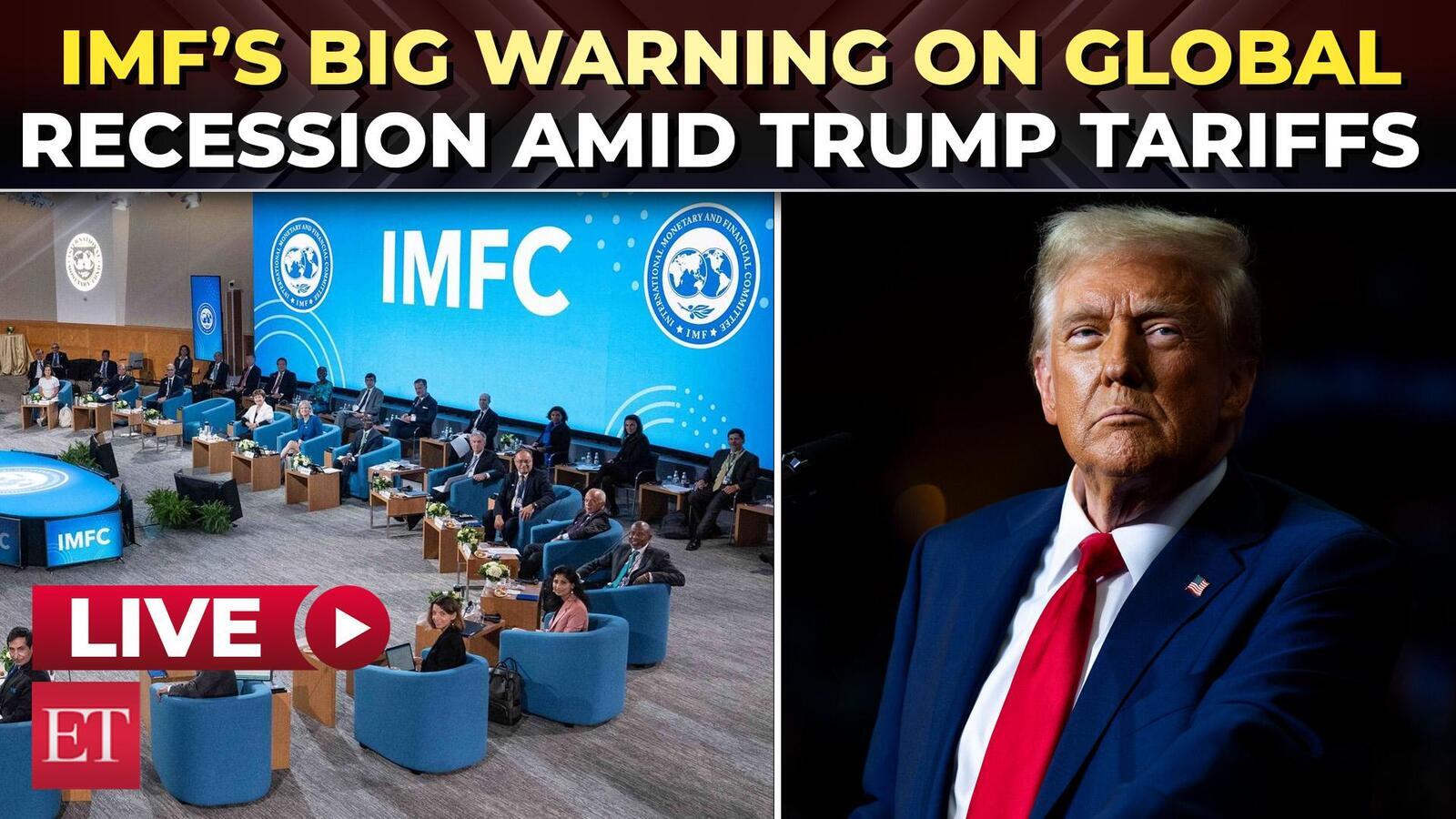
VFS Global’s Education, Trade & Migration Services has teamed up with the Rayad Group to launch specialist advisory services for UAE Golden Visa applicants in India. The new Centres of Excellence, operating in New Delhi, Mumbai, Ahmedabad, Chennai, Hyderabad and Pune, offer legal guidance and AI-enhanced support to individuals eligible for a 10‑year UAE residence visa via government nomination—no requirement to invest in property or establish a business. […]

By K Raveendran President Donald Trump’s latest volley in the global economic battleground — a proposal to impose a 500 percent tariff on countries that do business with Russia — marks the continuation of a pattern that has come to define his trade diplomacy: bold, blustering declarations followed by strategic backpedalling. The move, targeted at […]

VISHNU RAJA
RYO YAMADA
HITORI GOTOH
IKUYO KITA
Just in:
Phancy Announces Business Performance for the Nine Months Ended September 30, 2026 // Dubai Introduces SHARH, an AI-Powered Platform Helping Entrepreneurs Buy, Sell and Manage Businesses in the UAE // Yeebo Announces Interim Results for FY26/27 Revenue Increases by 45.5% to HK$806.7 Million Profit Attributable to Owners Surges 87.6% to HK$2,284.7 Million // Crypto market loses $150 billion amid broad sell-off // Dalilk Academy reaches 27 million, targets 100 million by 2030 // Saudi defences destroy three Houthi missiles targeting Riyadh // Workday targets Honeydew purchase to unify AI metrics // PayerMax and ShopeePay Strengthen Strategic Partnership to Advance Digital Payment Collaboration in Southeast Asia // Oil futures rebound after Riyadh strikes and tanker alerts // Balagopal challenges CM over tax revenue // 2026 Tropical Rainforest Ecosystem Partners Conference Kicks off in Hainan // Russia permits retail cryptocurrency purchases under regulated framework // Toward a Shared Future for Humanity: Rethinking Civilizational Exchange // European Commission takes systems offline after AI cyberattack // Sui activates Hashi Bitcoin lending across partner network // Promoting Common Human Development Through Exchanges and Mutual Learning Among Civilizations // Dar Global unveils $700m Trump development in Qatar // Sabarimala booking discrepancies prompt sabotage angle probe // US military rebuts Iran’s Gulf F-16 strike allegation // Anthropic shares finish above offer price after Nasdaq debut //