Tensions with Pakistan lead to temporary airport closures across India
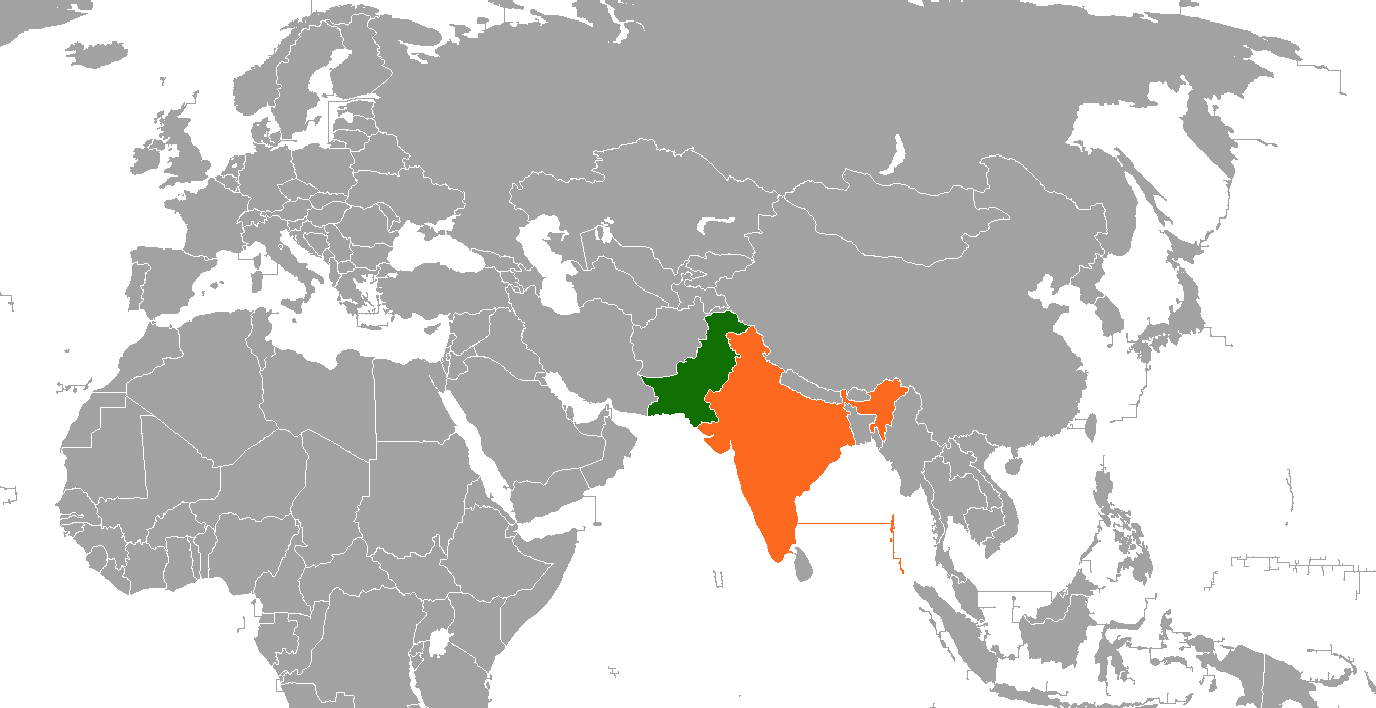
Tensions between India and Pakistan have prompted the closure of 24 airports in India, severely impacting civil aviation operations. The Ministry of Civil Aviation confirmed the development late on Thursday, citing security concerns due to the heightened situation. The airports, which include both major and smaller regional facilities, will be closed for an indefinite period, severely disrupting domestic and international flight schedules.
Airlines have also issued travel advisories, urging passengers to verify their flight status before heading to the airports. With the closures affecting airports in multiple states, airline operators have scrambled to adjust their operations. Several flights have been rerouted, while others have been delayed or cancelled entirely.
The decision to temporarily halt civil aviation activities was taken in light of the worsening security situation, as both nations engage in a war of words, following escalating border tensions and military skirmishes. Experts suggest that these disruptions could have significant economic consequences, especially for air traffic and tourism in India.
The airports affected include some of the busiest in the country, which serve as key hubs for both international and domestic flights. Among those closed are airports in major cities such as Mumbai, Delhi, and Bangalore, although smaller regional airports, especially those located closer to the western border, have also been impacted.
Authorities have not specified the exact nature of the threat leading to the closures but have made it clear that national security remains the top priority. Government sources indicate that security agencies are on high alert, monitoring the situation closely. The closure of these airports is seen as a precautionary measure to prevent any potential threats to civil aviation.
Airlines, including domestic carriers such as Air India and IndiGo, have been proactive in reaching out to passengers with updated flight details. The carriers have also advised those planning to travel to check with their respective airlines for any changes to their flight schedules. The uncertainty surrounding travel dates has caused frustration among passengers, many of whom are now scrambling to rebook their tickets.
The aviation industry, which has been recovering from the significant impacts of the COVID-19 pandemic, faces yet another setback. The temporary airport shutdowns come at a time when air travel demand has been rising in India, fuelled by a growing middle class eager to travel both domestically and internationally.
Travel experts caution that the ongoing closures could strain both the logistics and the tourism sector, which had been seeing an uptick in activity after a prolonged period of restrictions. Regional tourism hotspots, especially those relying heavily on air traffic, could feel the economic ramifications of these disruptions.
The closures are not the first instance of aviation disruptions tied to geopolitical tensions between India and Pakistan. Both nations have historically imposed airspace restrictions during periods of heightened conflict, particularly along their shared border. However, the scale of this shutdown, involving 24 airports, represents a significant disruption to India’s aviation infrastructure.
The government has yet to provide a timeline for when normal operations will resume at the affected airports. Aviation authorities have urged the public to remain patient and adhere to updated guidelines. Security forces have been deployed around the airports that remain operational, and extra measures are in place to handle the surge of passengers affected by the closures.
Meanwhile, businesses in sectors reliant on air cargo are also facing disruptions, with certain freight shipments delayed due to the grounding of flights. India’s growing logistics and e-commerce industries, which depend on efficient air freight services, could experience a ripple effect from the ongoing crisis.
As the situation continues to evolve, the Indian government has promised to keep the public informed of any further developments. The Ministry of Civil Aviation has set up a helpline for affected passengers and continues to collaborate with security agencies to monitor any emerging threats.
 By K Raveendran India is intensifying its diplomatic offensive against Pakistan, with efforts now underway to push for Islamabad’s re-listing on the Financial Action Task Force (FATF) grey list. This renewed push, backed by an unusually strong expression of support from the Trump-led U.S. administration, marks a strategic escalation by New Delhi to hold Pakistan […]
 By Nitya Chakraborty Ten days have passed since the gruesome killings of 26 people at Pahalgam on April 22. In the following days, Prime Minister Narendra Modi gave a lead to the boiling mood of the nation by announcing a number of measures, including the suspension of the 1960-signed Indus Water Treaty, followed by Pakistan’s […]

 By K Raveendran Trump’s aggressive tariff war with China – built on a throwback protectionist logic more suited to the 1800s than today’s intertwined economy – has driven Chinese firms to redeploy their strategies. Major Chinese exporters, now facing punitive U.S. tariffs as high as 145 percent, are desperately seeking other markets and partners. Chinese […]
 By K Raveendran U.S. Treasury Secretary Scott Bessent’s declaration that India could be the first to finalise a trade deal with the United States after President Trump embarked on his reckless trade war against the world signals a strategic point. The proposed agreement offers India an escape hatch from the looming 26 percent reciprocal tariffs […]
 By Nitya Chakraborty Three days have passed since the savage terrorist attack at Pahalgam resulting in the death of 26 people, mostly tourists. The communal tenor of the massacre shocked the Indian people. There was unequivocal demand from the people supported by all sections of the political parties that the Narendra Modi government must take […]





 By Nitya Chakraborty Is the Bangladesh Army going to take over control of their politically turbulent country, either from front or behind, to precipitate the holding of early elections? This question is being raised by the seasoned political observers in Dhaka, as the whole of last week was dominated by highly controversial posts on Facebook, […]



 By Deeksha Dwivedi The recent arrest of Mahmoud Khalil in the United States, an active member of Columbia University’s protests against the ongoing genocide in Gaza, takes me back to 2016 when student political leaders Umar Khalid, Kanhaiya Kumar and Anirban Bhattacharya were arrested by the Delhi Police on charges of sedition. A controversy had […]