Just in:
Centre grants aircraft cabin access for Sabarimala pilgrims’ irumudi
// Phancy Announces Business Performance for the Nine Months Ended September 30, 2026 // Dalilk Academy reaches 27 million, targets 100 million by 2030 // Promoting Common Human Development Through Exchanges and Mutual Learning Among Civilizations // Balagopal challenges CM over tax revenue // Russia permits retail cryptocurrency purchases under regulated framework // US military rebuts Iran’s Gulf F-16 strike allegation // Jaiedco and Golden Bridge Announce Strategic Collaboration for a New Dubai Islands Development // 2026 Tropical Rainforest Ecosystem Partners Conference Kicks off in Hainan // Fungal toxins detected across 212 UK plant-based products // Diabetes Malaysia And Alpro Pharmacy Set National Record With 11,007 Most Blood Glucose Screenings Conducted Across Malaysia In Just 48 Hours // Sabarimala booking discrepancies prompt sabotage angle probe // Padmini follows Padmaja for ‘ghar vapsi’ // Singapore regulator cautions against AI access to bank logins // Bail refused to 17-year old in Abhiram murder // ED searches five districts in probe against hawala // Yeebo Announces Interim Results for FY26/27 Revenue Increases by 45.5% to HK$806.7 Million Profit Attributable to Owners Surges 87.6% to HK$2,284.7 Million // Energy Markets Find Little Substance In Shenzhen Summit Promises // Sui activates Hashi Bitcoin lending across partner network // Toward a Shared Future for Humanity: Rethinking Civilizational Exchange //

News related to
Delhi

By K Raveendran President Donald Trump’s latest volley in the global economic battleground — a proposal to impose a 500 percent tariff on countries that do business with Russia — marks the continuation of a pattern that has come to define his trade diplomacy: bold, blustering declarations followed by strategic backpedalling. The move, targeted at […]

A specialised Indian geological team has been dispatched to Zambia to commence a three‑year survey of copper and cobalt within a 9,000 km² exploration zone. The initiative, authorised by the Zambian government earlier this year, aligns with New Delhi’s broader drive to shore up supplies of strategic minerals essential for its energy‑transition and technological ambitions. Zambia, a major exporter of copper—Africa’s second‑largest producer after the Democratic Republic of […]

By Nitya Chakraborty Prime Minister Narendra Modi faces a tough task in improving India’s image as defender of the interests of Global South at the coming meeting of the BRICS at Rio de Janeiro in Brazil on July 6 and 7 which he will be attending. The 17th BRICS summit will be hosted by Brazil […]

Sharjah-based carrier Air Arabia has unveiled a limited-time mega sale, offering one-way fares starting from just Dh149. The promotion runs from June 30 to July 6, 2025, and applies to travel scheduled between July 14 and September 30, 2025.

The headline offer of Dh149 applies to flights from Sharjah to Bahrain and Muscat, spurring travel demand across the Gulf Cooperation Council. Other GCC destinations such as Dammam, Riyadh, Salalah and Kuwait begin at Dh199, while routes to Abha, Tabuk and Yanbu are priced from Dh298. More premium Gulf destinations, including Doha, Jeddah, Madinah and Taif, come in at Dh399, Dh449 and Dh574 respectively.

South Asian routes feature compelling deals. From Sharjah to Ahmedabad, Delhi and Mumbai, fares are available from Dh299, Dh317 and Dh323. Flights to Thiruvananthapuram start at Dh325, while Abu Dhabi-origin flights include Dh275 for Chennai, Dh315 for Kochi, Dh499 for Dhaka and Dh549 for Chattogram.

The sale follows Air Arabia’s strong financial performance in the first quarter of 2025. The carrier reported a net profit of Dh355 million for the quarter ending March 31, up 34 per cent from Dh266 million in the same period of 2024. Total turnover rose 14 per cent to Dh1.75 billion, with passenger numbers climbing 11 per cent to 4.9 million and an average seat load factor of 84 per cent.

Analysts suggest the promotion is designed both to capitalise on peak summer travel demand and reinforce Air Arabia’s market share. “By launching a mega sale at the start of the summer period, Air Arabia is applying strategic pricing pressure in a highly competitive GCC aviation market,” says aviation expert Sara Al-Mansoori. Her analysis indicates that budget carriers increasingly must balance promotional pricing with yield management to avoid revenue dilution.

The broader aviation context in the UAE supports such aggressive offer strategies. Competing airlines, including Etihad Airways, have launched discount initiatives that match heightened travel demand. For instance, Etihad’s summer sale offers up to 25 per cent off on round-trip economy fares until July 3, with travel valid from July 20 to September 12. This trend suggests a concerted effort by regional carriers to attract price-sensitive leisure travellers, while also filling seats during off-peak hours or on emerging routes.

Air Arabia’s capacity expansion further informs its ability to run such promotions confidently. The carrier has added new destinations—including Damascus, with flights resuming 10 July—and expanded its frequency on existing routes. Increased aircraft utilisation drives down unit costs, making low base fares viable while still yielding profitability. Load factors in Q1 support this capacity strategy, reflecting solid uptake even at promotional price points.

Public response has been visible online, with travel-focused X accounts and social media threads echoing enthusiasm. A post on travelobiz’s X account states: “Air Arabia Mega Sale! Fly from Sharjah with one‑way fares starting at just Dh149!”. While social media buzz is expected, confirmed ticket pricing on stock booking platforms like Air Arabia’s official website corroborates the offers, affirming veracity beyond promotional headlines.

Consumers stand to gain from the competitive pricing, although awareness around baggage charges, seat selection fees and fare restrictions remains crucial. Budget-friendly base fares frequently exclude extras, prompting passengers to weigh overall cost versus perceived savings. Air Arabia’s spokesperson advises: “Travellers should review booking terms carefully—specifically baggage allowances and change fees—to fully assess the total cost.” Industry analysts support this guidance, advising passengers to conduct transparent comparisons including add-on fees.

The timing of the sale aligns with school holiday patterns across the GCC and parts of South Asia. Families and leisure travellers planning summer breaks ahead of the academic year can take advantage of the fare window. However, seat availability is expected to be limited on popular routes, potentially applying pressure on consumers to book early to secure the advertised fare.

From a competitive standpoint, low pricing may pressure other Gulf-based budget carriers, including flydubai. Market observers anticipate a wave of counter-promotions in the coming days, particularly targeting overlapping city pairs such as Sharjah‑Muscat and Sharjah‑Doha. For travellers, this could spell continued availability of discounted fare options through July.

In addition to stimulating short-term travel, the sale reinforces Air Arabia’s brand as a value-focused carrier, reinforcing its positioning among price-sensitive travellers. Its Q1 financial success supports ongoing network expansion and promotional flexibility, allowing the airline to use pricing as a strategic lever while preserving profit margins.


Over ninety per cent of employees in India use generative artificial intelligence tools at work, with 92 per cent logging daily use, according to a recent report by the Boston Consulting Group. This figure places India well above the global average of about 72 per cent.

The BCG study, based on a survey of 10,600 workers across 11 countries, highlights India’s prominence in integrating generative AI. Alongside this, some 17 per cent of workers report that their organisations have embedded AI agents into daily workflows, ranking India among the top three nations globally for such integration.

High adoption has come with heightened concern. Nearly half of Indian employees—48 per cent—believe their roles are at risk of disappearing within the next decade due to AI, outpacing global levels at 41 per cent. Anxiety is compounded by low levels of understanding and guidance: only 33 per cent say they comprehend how AI agents function, while just 36 per cent feel they have received adequate training.

Despite these concerns, AI is delivering tangible productivity benefits. Almost half of Indian users report saving more than an hour per day through AI assistance, yet only one‑third receive support in leveraging that time for strategic tasks. Workflow redesign is emergent as a key differentiator: companies that pivot beyond tool deployment to reengineer tasks, offer structured training, and secure leadership backing are achieving stronger outcomes.

Experts cite several critical enablers for successful AI adoption. In‑person upskilling, access to approved AI platforms, and visible executive endorsement dramatically enhance uptake. In fact, where frontline workers report robust leadership support, regular usage jumps from 41 per cent to 82 per cent.

Security and governance issues remain pressing. About 46 per cent of workers worry that AI decisions lack sufficient human oversight, 35 per cent fear bias or unfairness, and 32 per cent question accountability for errors. Parallel research highlights that 92 per cent of executives flag security vulnerabilities—ranging from cyber‑attacks to data privacy—as major hurdles in AI implementation.

India’s trajectory is supported by robust public and private investment. The UN Trade and Development’s 2025 Technology and Innovation Report names India tenth globally in private‑sector AI investment. Infrastructure initiatives, such as the IndiaAI Mission’s goal to build one of the world’s largest AI compute networks by 2027, are bolstered by efforts from academia and industry. Centres of excellence at institutions like IIT Delhi and IIIT Hyderabad, alongside corporate alliances, are driving innovation and applied AI solutions.

AI’s impact is felt across sectors. In public services, digital infrastructure and chatbots are enhancing citizen access. In agriculture, finance and healthcare, predictive analytics and generative AI are reshaping service delivery. Private‑sector growth projections suggest India’s AI services market could reach up to US $17 billion by 2027.

Nonetheless, workforce readiness remains uneven. While 74 per cent of participants in a Microsoft‑sponsored skills programme hailed from smaller towns—and 65 per cent were women—skilling delivery is uneven, with many employees still left to self‑learn or rely on unauthorised tools.

For companies seeking competitive edge, the insight is clear: widespread tool usage alone does not guarantee impact. Only by pairing AI with thoughtful workflow redesign, ethical governance and targeted training can businesses capture the full value of generative intelligence.

Air India and IndiGo have recommenced services to the UAE after a suspension triggered by airspace closures amid the Israel–Iran conflict. Airlines halted operations on Monday following triggered restrictions from missile strikes on the U.S. Al Udeid Air Base in Qatar. With Gulf skies now reopening, the carriers have initiated phased resumption of flights, prioritising passenger safety and adjusted routing measures.

Reinstatement efforts began on Tuesday, with most Air India flights to and from the Middle East set to resume by 25 June. The airline confirmed European routes would also come back online, and services to the U.S. East Coast and Canada are slated to recommence “at the earliest opportunity”. IndiGo echoed this approach, stating operations through Gulf countries had “stabilised”, albeit with some flights rerouting around closed Iranian airspace, which may cause extended journey times. Air India Express has similarly resumed select West Asian routes, including those from Delhi and Mumbai to Muscat, Riyadh, Jeddah and key UAE destinations.

The sudden airspace closure followed Iran’s missile assault on Qatar’s Al Udeid base in retaliation to U.S. bombings of Iranian nuclear sites. Multiple states, including the UAE, Kuwait, Bahrain, Iraq and Qatar, sealed their skies, incurring over 160 flight diversions. Airlines including Air India, IndiGo, Gulf carriers, and major European operators were forced into rerouting, cancellations and prolonged airborne holds.

In Bengaluru, Kempegowda International Airport experienced significant disruption on Monday, as 21 international flights were either cancelled or diverted. Six incoming flights and ten departures were scrapped, while five services arriving from the Middle East were rerouted to Bengaluru. The affected flights included services from IndiGo, Air India, Akasa Air, Kuwait Airways and Gulf Air, connecting destinations such as Doha, Abu Dhabi, Jeddah, Kuwait, London, Dubai, Dammam and Bahrain. IndiGo has since issued advisories encouraging passengers to verify their itineraries via the airline’s app or website.

Airspace closures prompted widespread disruptions across India. At Delhi’s Indira Gandhi International Airport, 48 flights were cancelled. The closures also affected routes beyond the Gulf, with Air India suspending services to Europe, the East Coast of North America and Canada. Such decisions followed safety concerns reminiscent of past incidents involving civilian aircraft in conflict zones.

Air India’s messaging emphasised the phased nature of the restoration plan. The airline noted that most flights to the Middle East would resume by 25 June and affirmed regular updates to passengers via official channels. Delays and reroutings may continue temporarily as the network stabilises. The airline pledged to avoid airspace deemed unsafe by international aviation authorities. IndiGo’s CEO framed the resumption as “prudent and progressive”, committed to using the safest routes amid ongoing monitoring.

Industry experts highlight the additional burden on airlines due to these disruptions. Longer flight paths translate to higher fuel consumption and operational costs. Rival carriers in Europe and the Middle East have already adopted detours to bypass Israeli, Iraqi and Jordanian airspace, citing financial impacts and tighter margins. Brent crude oil briefly climbed to around $70.80 per barrel following the regional skirmishes, adding strain on airline fuel budgets.

Passenger advocacy groups have urged transparency from carriers during this phase. With unforeseen diversions and cancellations, travellers seek clarity on compensation, rerouting options and timely notifications. Airline platforms are now investing in real-time advisory systems to minimise frustration and smooth operational turbulence.

The current easing of tensions appears tied to a ceasefire agreement brokered by the United States, accepted by both Israel and Iran. Although hostilities continue in limited form, the reopening of Gulf airspace indicates improved conditions for aviation. Travel experts caution, however, that volatility may persist if diplomatic progress stalls or military exchanges recur.

For Indian travellers, the resumption of Middle East routes is particularly timely. The Gulf region is a major employment and transit hub, hosting millions of Indian nationals. Restored connectivity affects not only personal travel but also supply chains, cargo links and business routes vital to India’s economic relations with Gulf partners.

Looking ahead, most Indian airlines face a dual challenge: restoring pre-conflict schedules while preparing contingency plans for renewed tensions. Many are exploring additional over-water routes, flexible flight planning and enhanced coordination with aviation regulators. These efforts aim to ensure that in the event of future disruptions, passenger inconvenience is minimised and safety remains paramount.

Gulf states have reopened their airspace and resumed operations at major airports following swift precautionary closures in response to Iran’s missile assault on the US-operated Al Udeid Air Base near Doha. The suspension affected vital hubs such as Hamad International Airport, Dubai International, Bahrain and Kuwait, forcing dozens of flight reroutes and cancellations. Iran launched a barrage of short- and medium-range ballistic missiles targeting Al Udeid, home […]

Advertisements
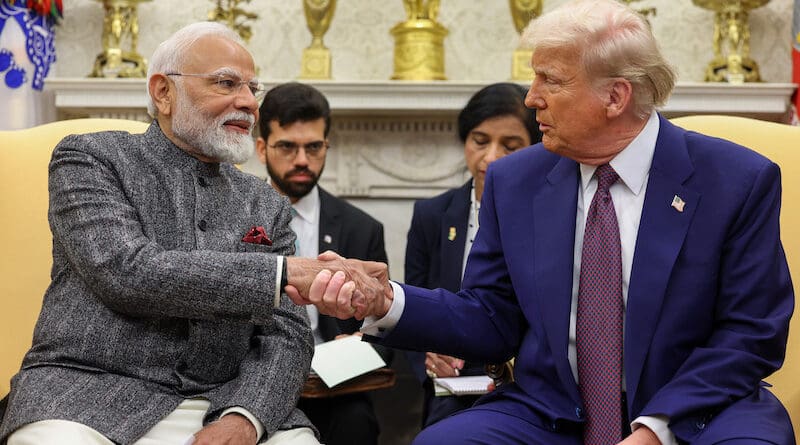
By K Raveendran Last week shattered any lingering illusions about the supposedly robust camaraderie between Prime Minister Narendra Modi and former U.S. President Donald Trump—a relationship that had been paraded for years as emblematic of India’s rise on the global stage. The myth of a strategic friendship, carefully choreographed across Howdy Modi rallies and effusive […]

Twelve consolidated copyright suits filed by US authors and news outlets against OpenAI and Microsoft have landed in the Southern District of New York, elevating the question of whether the extent of human input in AI training crosses the threshold of lawful fair use. The judicial panel cited shared legal and technical claims involving unauthorised use of copyrighted material, notably books and newspapers, as justifying centralised legal […]

An early-model BOAC Comet jet disintegrated in mid‑air after encountering severe turbulence shortly after departure from Dum Dum Airport near Calcutta on 2 May 1953. All 43 passengers and crew perished as the aircraft burst apart at approximately 7,500 ft and plummeted into a paddy field about 25 miles north‑west of the city.

The de Havilland DH.106 Comet 1, operated by British Overseas Airways Corporation, had originated from Singapore and was en route to London, with stops scheduled in Calcutta and Delhi. Witnesses reported the plane climbing before suddenly breaking up and falling in flames—described as “a huge boulder of fire”—as it plunged amid dense thunderstorm conditions.

Investigation reports later determined that structural failure triggered the disaster. The aircraft was overstressed by severe gusts within the thunderstorm, or possibly by pilot over-control while attempting to stabilise the plane amid violent turbulence.

Debris was scattered over a five‑mile radius, with wings and tail sections strewn across villages surrounding the crash zone. Recovery teams reported finding charred fuselage fragments and wing parts up to eight square miles away. Communications were severely disrupted by the storm, delaying rescue operations until the following morning.

The loss prompted an immediate grounding of all Comet aircraft worldwide. Subsequent analysis traced design vulnerabilities—specifically fuselage fatigue exacerbated by pressurisation cycles—as contributing to the structural failure. Long‑term remedies included reinforcing cabin frames and modifying hatch and window designs. These measures led to the Comet 2 variant, re‑entering service later in the decade.

That afternoon’s monsoon squall had been forecasted. Weather advisories issued by Dum Dum airport warned of a powerful north‑wester moving across Bengal, Bihar, Uttar Pradesh and Orissa. The alert reached Calcutta and nearby airfields before departure, but the flight was allowed to proceed, possibly underestimating the severity of the impending storm.

The magnitude of the crash and its implications for aviation safety were profound. As the world’s first jet airliner disaster, it exposed critical design flaws in high-altitude metal fatigue and pressurisation. Aviation experts have since credited the accident with catalysing a new era of aviation engineering standards and rigorous fatigue testing.

BOAC officials, alongside Indian Civil Aviation authorities, conducted detailed on-site investigations. Initial body recovery revealed only 21 victims near the main wreckage; many others were presumed destroyed in the fiery crash. Wreckage and mail bags were recovered over the following days with painstaking efforts hampered by torrential rain and impassable access roads.

The tragedy sparked changes beyond engineering: it prompted aviation authorities worldwide to reassess flight clearance protocols in severe weather. Airlines adopted stricter turbulence-avoidance routes, and training for storm penetration tactics was enhanced. Structural testing regimes became more comprehensive, particularly for early-generation jetliners.

More than seven decades later, the Comet’s collapse north‑west of Calcutta remains a defining moment in civil aviation history. It was a stark reminder that the jet age—so marvelled for its speed—brought with it complex challenges. Engineers and regulators responded with reforms that continue to shape aircraft design and safety standards today.

While the Comet’s legacy lives on, modern aircraft benefit from lessons learned. Advanced composites, real‑time structural monitoring, reinforced fuselage frames and weather‑avoidance flight planning are now standard features in commercial aviation worldwide—fundamental safeguards born from the tragedy in the skies near Calcutta.

Ahmedabad authorities have recovered both black boxes from the wreckage of the Boeing 787 Dreamliner that crashed shortly after departure en route to London Gatwick, killing 241 of the 242 people aboard and dozens on the ground. Emphasis now is on analysing flight data and cockpit voice recordings to establish whether engine thrust, control surfaces or pilot actions led to the fatal descent. India’s Aircraft Accident Investigation Bureau is spearheading the probe, with support from UK, US and Boeing specialists.

Rescue and forensic teams continued sifting through the charred remains of buildings and aircraft debris in Ahmedabad’s densely populated medical college area. They are gathering fragments of flaps, landing gear, engines and fuel systems to reconstruct the sequence of events. Authorities have also collected dental records and DNA samples to identify victims whose remains were severely burned.

Preliminary scrutiny points to a sudden loss of thrust or possible flap misalignment during the initial climb. Flight-tracking data indicates the aircraft briefly ascended to about 625 feet before entering a steep descent, around 475 ft per minute, video footage shows abnormal wing-flap positioning and attempts at emergency corrective actions.

India’s Directorate General of Civil Aviation has issued an immediate directive for pre-departure technical checks across Air India’s 787-8 and 787-9 fleet, including engine-system diagnostics, cabin-air compressors, hydraulics and fuel-pressure systems. These measures are mandatory before the affected aircraft can resume service. GE Aerospace has pledged full cooperation with the inspections, while Boeing and US aviation regulators have dispatched technical teams to support the investigation.

Prime Minister Narendra Modi, shortly after arriving at the site, described the event as “heartbreaking beyond words” and met with the lone survivor, British national Viswashkumar Ramesh, who recalled escaping the fuselage through an exit door and was treated for minor injuries. The survivor’s account provides a rare eyewitness perspective amid the apex of data analysis in the coming days.

Air India’s reputation and “world-class airline” ambitions under Tata Group ownership are under intense international scrutiny. Experts warn the incident—Air India’s first fatal accident in decades and the first crash of a 787 Dreamliner—could severely undermine trust in the carrier’s safety oversight. The regulator’s maintenance order seeks to allay those concerns, but aviation analysts emphasise that rebuilding credibility will require transparent investigation and disciplined operational safeguards.

Families of victims remain in anguish, many having to wait for dental and DNA verification to identify the deceased. Hospital staff and forensic teams are painstakingly processing remains amidst anxious relatives at Ahmedabad Civil Hospital. Emotional distress is intensifying calls for accountability and answers as grieving relatives await official findings.

Experts caution aviation investigations can span several months, often involving layered analysis of mechanical faults, human errors, manufacturing quality and maintenance procedures. The cooperation of international agencies—including UK’s Air Accidents Investigation Branch, the US NTSB and FAA—forms the backbone of a thorough inquiry, especially given multiple jurisdictions involved.

Next steps hinge on decoding the black boxes, which are being analysed at a specialised laboratory in New Delhi. A clearer picture is expected to emerge once flight parameters, cockpit communications and mechanical readings are correlated with crash-site reconstructions.

The urgency around maintenance audits and global oversight has intensified as aviation authorities aim to prevent similar tragedies. Meanwhile, the carrier’s elderly 787 fleet—many delivered in 2014–15—remain grounded pending conclusive safety checks.

Foxconn’s latest customs data confirms that from 1 March to 31 May 2025, an overwhelming 97 per cent of all iPhones assembled in India were destined for the United States, totalling $3.2 billion in exports—nearly double the 50 per cent average seen throughout 2024. May alone accounted for almost $1 billion, the second‑highest monthly export value ever recorded—just behind March’s $1.3 billion. This sharp shift reflects Apple’s concerted effort to navigate escalating U.S. tariffs targeting Chinese […]

NEW DELHI, INDIA – Media OutReach Newswire – 11 June 2025 – Throughout May, 1win took the roads of India with a mission: to bring IPL 2025 thrills to the cricket fans, even in the country’s distant corners. As part of a nationwide roadshow, the brand visited multiple cities and towns on the way from Mumbai to New Delhi with a fleet of branded trucks, entertaining fan […]

Dubai International Airport has introduced sharply reduced long‑stay parking rates across all terminals, aiming to ease travel costs and reduce traffic congestion as passenger volumes surge. From 10 to 30 June, motorists can park for three days at AED 100, a week at AED 200, or up to 14 days at AED 300—a significant reduction from regular tariffs. The move addresses growing demand at DXB, where the airport expects to […]

By Nitya Chakraborty The interim Chief Adviser of Bangladesh Government Dr. Muhammad Yunus has finally announced the holding of national elections in the country in the first half of April next year defying the demand of the main opposition party BNP to hold it in December this year. The final dates will be notified by […]

Delhi’s government is set to introduce an updated Electric Vehicle Policy next month, aiming to enhance sustainable transport options and aggressively combat the city’s longstanding pollution challenges. The forthcoming policy update builds on the foundation laid by the original EV Policy, which has been instrumental in accelerating the adoption of electric vehicles across the capital. This next iteration emerges following a comprehensive review by an expert committee tasked with assessing the policy’s effectiveness and identifying areas for refinement.

The city’s persistent struggle with hazardous air quality has propelled the administration to double down on measures that reduce emissions, with electric vehicles representing a critical component of the broader environmental strategy. The new policy framework is expected to focus on improving public and private transport through increased incentives, infrastructure development, and regulatory support. The objective is to not only facilitate the switch from conventional fossil fuel vehicles to EVs but also to ensure a seamless ecosystem that supports electric mobility for consumers and manufacturers alike.

One of the central features under consideration is the expansion of subsidies and financial incentives for buyers of electric two-wheelers, three-wheelers, and cars. Since the initial policy launch, Delhi has witnessed a steady rise in EV sales, spurred by subsidies, easier registration processes, and preferential parking privileges. The new policy aims to amplify these benefits, possibly increasing the subsidy amounts to align with technological advancements and market trends. The government is also exploring differentiated incentives to encourage the uptake of electric commercial vehicles and public transport fleets, recognising their substantial contribution to urban emissions.

Charging infrastructure remains a pivotal challenge in the EV transition. To address this, the updated policy will emphasise the accelerated deployment of charging stations across the city, including residential complexes, commercial hubs, and public spaces. The government plans to partner with private players and utility providers to establish a robust network, minimising range anxiety among potential EV users. Additionally, the policy will advocate for streamlined permitting processes to facilitate rapid infrastructure rollout. These measures aim to create a user-friendly environment that supports daily electric vehicle operations without hindrance.

Delhi’s EV Policy 2.0 is also expected to incorporate measures aimed at fostering local manufacturing and innovation. The capital’s position as a key market and production hub in India for electric vehicles offers significant economic potential. The government is likely to introduce incentives for companies investing in research and development, battery manufacturing, and vehicle assembly within the city. This approach is designed to generate employment, encourage technological advancement, and reduce dependency on imports, especially in critical components such as lithium-ion batteries.

Environmental experts have welcomed the policy update, highlighting its potential to drastically reduce the city’s vehicular pollution, which accounts for a significant share of Delhi’s air quality problems. Dr. Anita Sharma, an environmental scientist based in Delhi, notes that “an effective EV policy not only addresses tailpipe emissions but also signals a shift towards sustainable urban planning and cleaner energy use.” She points out that integrating renewable energy sources into the charging infrastructure could further enhance the policy’s impact by ensuring that electric vehicles operate on green electricity rather than fossil-fuel-based power.

However, some challenges remain. The affordability of electric vehicles, despite subsidies, continues to be a barrier for many consumers. While the policy aims to widen access, the upfront cost of EVs compared to traditional petrol or diesel vehicles can deter lower-income buyers. Analysts suggest that targeted financing options and longer-term incentives could help bridge this gap. Moreover, the sustainability of the electric vehicle supply chain, including the ethical sourcing of battery materials, is gaining attention among policymakers and activists alike.

Delhi’s transport department has reiterated its commitment to transparency and public consultation throughout the policy finalisation process. Public workshops and stakeholder meetings have been conducted to gather feedback from industry experts, civil society groups, and consumer representatives. This collaborative approach aims to ensure that the policy is balanced, practical, and aligned with the city’s unique mobility landscape.

The new policy comes amid increasing competition among Indian cities to become leaders in electric mobility. Metropolitan areas like Mumbai, Bengaluru, and Hyderabad have also been rolling out ambitious EV incentives and infrastructure projects. Delhi’s updated framework is expected to set a benchmark in terms of scale and ambition, potentially serving as a model for other regions seeking to tackle urban pollution through cleaner transportation alternatives.

Emirates has confirmed plans to operate its fleet of Airbus A380 double-decker aircraft until the close of the 2030s, signalling a strategic decision to extend the service life of the very planes that propelled the airline to global prominence. The Dubai-based carrier intends to introduce one final upgrade to the A380’s first-class cabins as part of its commitment to maintaining the aircraft’s appeal and competitive edge on […]

India’s Competition Commission has uncovered evidence suggesting that major global advertising agencies, including WPP-owned GroupM, Interpublic’s IPG Mediabrands, Publicis, and Dentsu, colluded to fix commission fees charged to advertisers. This revelation follows surprise raids conducted in March at the Indian offices of these agencies, as well as at the Indian Society of Advertisers , the Advertising Agencies Association of India , and the Indian Broadcasting and Digital Foundation .

A confidential CCI document dated February 7 indicates that these agencies engaged in unlawful coordination through WhatsApp groups and virtual meetings, agreeing on fee structures and pressuring non-compliant members. The investigation revealed three cartels across different industry groups, with agencies and broadcasters also accused of collectively avoiding discounts to clients. The case was initiated under a whistleblower program, with Dentsu reportedly providing internal findings of price-fixing along with a controversial 2023 IBDF-AAAI document that discouraged undercutting and required agencies to provide a “no objection” certificate if clients switched firms.

The CCI’s raids, which began early on March 18, targeted around 10 locations across Mumbai, New Delhi, and Gurugram. Officials scrutinized emails and cloned evidence from mobile phones at GroupM’s Indian office, among others. These actions come amid significant changes in India’s advertising market, following an $8.5 billion merger between Walt Disney and Reliance’s media assets, capturing a substantial market share. The investigation, which dates back to last year, focuses on alleged collusion on ad pricing and discounts. If found guilty, the agencies could face hefty penalties. The CCI does not disclose details of ongoing investigations, which could take months to resolve.

Following the raids, the AAAI issued an advisory on March 26, urging members to avoid discussions over pricing or other commercially sensitive information during meetings, and to exit existing WhatsApp groups to prevent further scrutiny. The advisory emphasized compliance with India’s competition laws to avoid further scrutiny.

The CCI’s investigation has significant implications for India’s $18.5 billion advertising market—ranked eighth globally—particularly amid ongoing consolidation such as Disney and Reliance’s $8.5 billion media merger. The outcome of the probe could redefine how advertising agencies, broadcasters, and advertisers interact in India’s rapidly evolving media landscape, at a time the industry is navigating challenges from digital disruptions and shifting consumer behavior.

By Sushil Kutty Nobody can beat the Prime Minister in breathing fire at adversaries. Especially, when his ire is directed at Pakistan. The Pakistanis, they can be irritating, damn! But Pakistani newspapers would have spent much of May 22 reworking their scripts after Prime Minister Modi went all out against the Pak Army and the […]
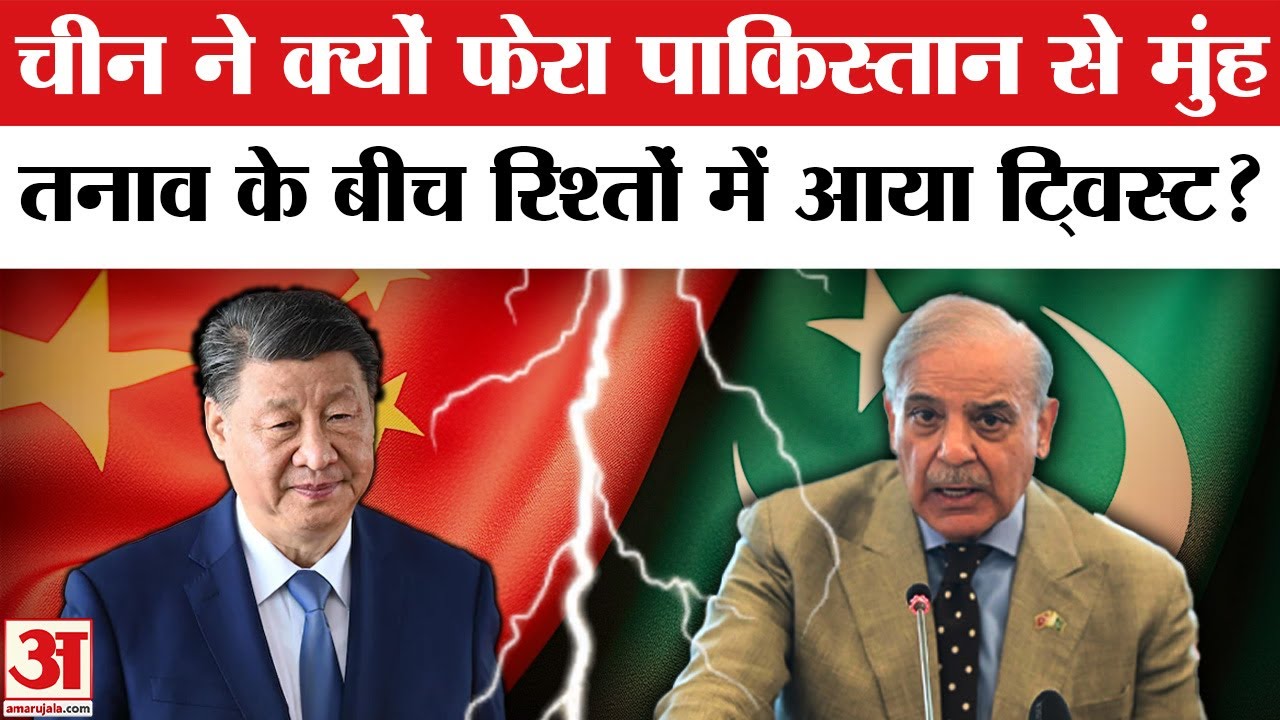
By Nitya Chakraborty The four day visit of the Pakistan Deputy Prime Minister Mohammad Ishaq Dar to China ended on Wednesday May 21 with top Chinese leaders assuring Dar that ‘as an ironclad friend, China, as always, firmly support Pakistan in safeguarding its national sovereignty and territorial integrity, support Pakistan in exploring a development path […]
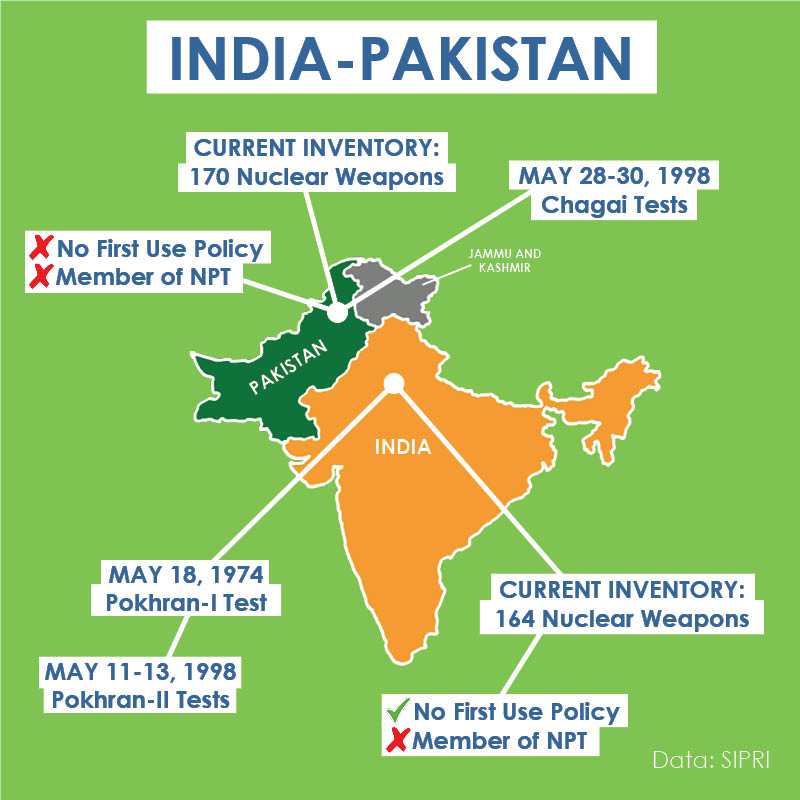
By Nantoo Banerjee It may be good that the latest armed conflict between India and Pakistan ended quickly before it could blow up into a full-scale war leading to massive destruction of life and property and economic disaster in both the countries – maybe more so in Pakistan than in India. However, the abrupt end […]
By Sushil Kutty The western Press is egging United States President Donald Trump to press India for third-party mediation in the Kashmir imbroglio roiling India-Pakistan relations, while at the same time asserting that Trump has put India, led by Prime Minister Narendra Modi, in a “tight spot”. Prime Minister Modi wasn’t asked for his opinion […]
By Nitya Chakraborty Prime Minister Narendra Modi has placed India in a very advantageous position vis a vis Pakistan in the limited war that lasted for four days beginning early hours of May 7. The ceasefire that took effect from 5 PM of May 10 was more engineered by desperate Pakistan which hoodwinked the US […]


Liberia’s Ministry of Foreign Affairs has confirmed that Liberian students residing in India are not currently facing any immediate threats to their safety, despite escalating military tensions between India and Pakistan.

This assurance follows bilateral discussions between the Liberian Ministry and the Embassy of India in Monrovia. The Indian authorities have conveyed that no Liberian nationals are located in the regions affected by the recent conflict, particularly the Kashmir area, which has been the focal point of the hostilities.

The Ministry has also been in direct contact with the President of the Association of Liberian Students in India, who corroborated the Indian Embassy’s statement, affirming that Liberian students are not in harm’s way. Nonetheless, to ensure the well-being of its citizens, the Ministry plans to dispatch a delegation to India to conduct a firsthand assessment of the security and living conditions of Liberian students.

Concerns had been mounting among the Liberian student community in India, with reports indicating that over 2,000 Liberian students are enrolled in various academic and technical programs across the country. The students had expressed apprehension over the potential spillover effects of the India-Pakistan conflict on their safety and had called for immediate intervention from the Liberian government.

In response to these concerns, the Ministry reiterated its commitment to the safety and welfare of Liberians abroad. It highlighted ongoing consultations initiated in 2024 regarding the establishment of a Liberian diplomatic mission in New Delhi, aimed at providing consular services and support to Liberian nationals in India.

VISHNU RAJA
RYO YAMADA
HITORI GOTOH
IKUYO KITA
Just in:
Saudi Arabia schedules multinational top-up tax for 2027 // Phancy Announces Business Performance for the Nine Months Ended September 30, 2026 // Padmini follows Padmaja for ‘ghar vapsi’ // Bail refused to 17-year old in Abhiram murder // Jaiedco and Golden Bridge Announce Strategic Collaboration for a New Dubai Islands Development // Ex-minister named accused in Messi visit fraud case // Toward a Shared Future for Humanity: Rethinking Civilizational Exchange // Promoting Common Human Development Through Exchanges and Mutual Learning Among Civilizations // Fungal toxins detected across 212 UK plant-based products // Yeebo Announces Interim Results for FY26/27 Revenue Increases by 45.5% to HK$806.7 Million Profit Attributable to Owners Surges 87.6% to HK$2,284.7 Million // Crypto market loses $150 billion amid broad sell-off // Dubai Introduces SHARH, an AI-Powered Platform Helping Entrepreneurs Buy, Sell and Manage Businesses in the UAE // Diabetes Malaysia And Alpro Pharmacy Set National Record With 11,007 Most Blood Glucose Screenings Conducted Across Malaysia In Just 48 Hours // US military rebuts Iran’s Gulf F-16 strike allegation //
Rahul addresses League’s INDIA bloc grievances
//
Centre grants aircraft cabin access for Sabarimala pilgrims’ irumudi
// Dalilk Academy reaches 27 million, targets 100 million by 2030 // Technology at Work, Heritage for All: The “Chinese Approach” to Safeguarding the Leshan Giant Buddha // Egypt’s African Union trade climbs to $8.2 billion // Balagopal challenges CM over tax revenue //