By Ashok Nilakantan Ayers When India’s finance minister Ms Nirmala Sitharaman rises to present the 7th Union Budget on February 1, a record of sorts, the moment will carry an uncommon weight. This is no routine fiscal exercise, no mere balancing of columns and commas. Instead, the budget is being cast — by industry leaders, […]
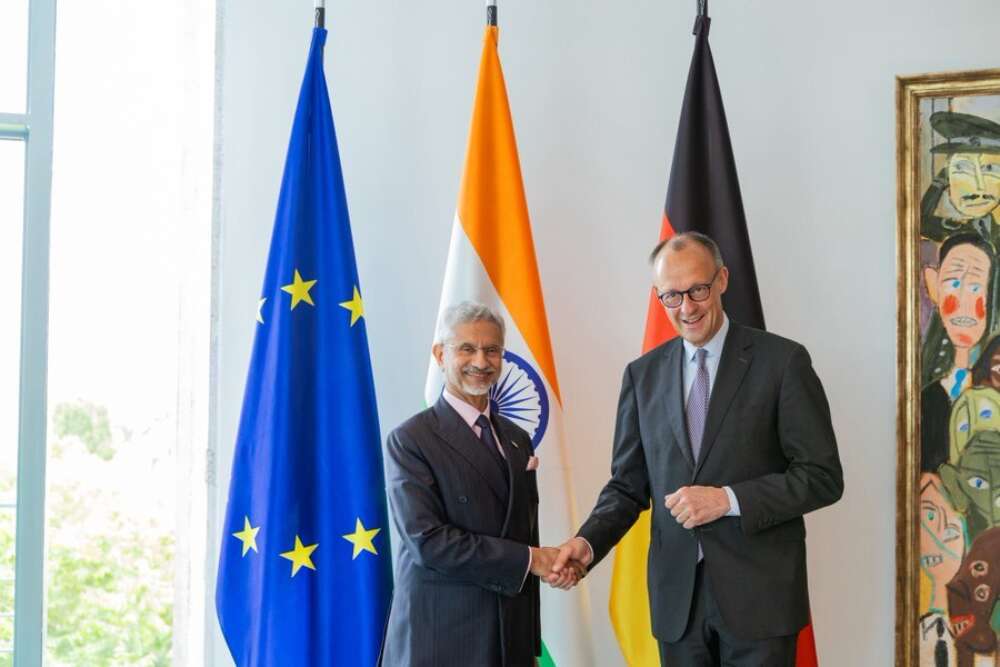
Germany’s opposition leader Friedrich Merz has suggested that a long-stalled trade agreement between the European Union and India could be clinched by the end of January, injecting momentum into negotiations that Brussels and New Delhi have struggled to close for more than a decade as global supply chains remain under strain from geopolitical frictions.
Speaking at a policy forum, Friedrich Merz said the bloc and India were “closer than many assume” to resolving key differences, adding that the economic case for a deal had sharpened after prolonged disruptions linked to strategic competition between major powers. His comments come as European manufacturers continue to grapple with uneven access to critical inputs following China’s tightening of export controls on minerals vital for electric vehicles, electronics and defence applications.
Negotiations for an EU–India free trade agreement were relaunched in 2022 after an eight-year hiatus, with both sides aiming to expand trade that exceeded €120 billion in goods and services last year. Officials involved in the talks say progress has been made on tariff reductions and rules governing digital trade, though sensitive areas such as agriculture, labour standards and intellectual property remain contentious. Merz’s remarks underscore a growing sense in Berlin and other capitals that the agreement has moved from a strategic aspiration to an economic necessity.
Germany, Europe’s largest economy, has been among the strongest advocates of diversifying trade ties beyond China, particularly after export controls imposed by Beijing on gallium, germanium and graphite created months of bottlenecks for automotive and renewable energy firms. Those controls, introduced amid the broader U. S.–China trade dispute, highlighted vulnerabilities in Europe’s dependence on a narrow set of suppliers for critical raw materials.
Executives in the auto sector say shortages of battery-grade materials last year forced production adjustments and delayed investment decisions. While some supply has since stabilised, industry groups argue that long-term resilience requires deeper partnerships with alternative producers and manufacturing hubs. India, with its expanding industrial base and policy push to attract foreign investment, has emerged as a central pillar of that strategy.
European officials note that the proposed agreement would not only cut tariffs—currently as high as 60 per cent on some vehicles entering India—but also establish clearer rules for public procurement and data flows. For India, the deal promises greater access to the European market for pharmaceuticals, textiles and IT services, while also encouraging technology transfer and skills development.
Trade analysts caution that closing the pact by late January would require political compromises on both sides. European negotiators have pressed for stronger environmental and labour commitments, while Indian counterparts have sought flexibility to protect small farmers and domestic manufacturers. Still, the geopolitical context is shifting calculations. The European Union has accelerated its “open strategic autonomy” agenda, seeking to balance openness with security of supply, and India has signalled willingness to align more closely with Western economies without abandoning its strategic independence.
Merz’s intervention also reflects domestic pressures within Germany, where exporters are seeking new growth markets as demand in China cools. German industry groups have repeatedly urged policymakers to prioritise agreements with fast-growing economies, arguing that delays risk ceding ground to competitors from East Asia and North America.
The broader backdrop includes intensifying scrutiny of China’s role in global supply chains. Beijing has defended its export controls as legitimate measures to safeguard national security and manage resources, but the ripple effects have reinforced calls in Europe for diversification. The European Commission has already launched initiatives to secure access to lithium, cobalt and rare earths through partnerships in Africa, Latin America and Asia, with India seen as both a market and a manufacturing partner.
Diplomats familiar with the EU–India talks say technical chapters are largely drafted, leaving political decisions to bridge remaining gaps. Any agreement would still need approval from member states and the European Parliament, a process that could extend beyond the negotiating deadline even if a political deal is struck.
Government authorities are moving to compel smartphone manufacturers to submit portions of their operating system source code for mandatory security audits, escalating a standoff with global technology companies that warn such a requirement could undermine intellectual property protections and user privacy. The proposal, under discussion within policy circles in New Delhi, reflects mounting concern about cyber intrusions, supply-chain vulnerabilities and the growing role of mobile devices in payments, governance and national security.
Officials familiar with the matter say the plan would require vendors selling smartphones in the country to make critical software components available for inspection by government-approved laboratories. The focus would be on core operating system layers, firmware and security modules rather than consumer-facing applications. Proponents argue that access to code is essential to verify whether hidden vulnerabilities, backdoors or insecure update mechanisms could be exploited by hostile actors.
The push has brought the government into direct tension with companies such as Apple and Samsung, whose devices dominate the premium and mass-market segments. Executives and industry representatives have privately conveyed resistance, arguing that exposing proprietary code, even to auditors bound by confidentiality, creates unacceptable risks of leaks and reverse engineering. They also contend that global platforms already undergo extensive third-party security testing and comply with international standards.
At the heart of the debate is whether national security imperatives justify a departure from prevailing global norms. Countries including China and Russia operate regimes that allow state scrutiny of technology products, though often under opaque processes that foreign firms say are difficult to reconcile with commercial safeguards. Western regulators have largely relied on certification frameworks, vulnerability disclosure programmes and cooperation with vendors rather than direct access to source code. India’s approach, if formalised, would place it closer to the former camp, potentially setting a precedent for other large emerging markets.
Government officials counter that smartphones have become gateways to sensitive data far beyond personal communications. Devices are routinely used for digital identity verification, financial transactions and access to public services. Any systemic weakness could have cascading effects. They also point to a rise in sophisticated cyber operations attributed by security researchers to state-linked groups, arguing that reliance on vendor assurances is no longer sufficient.
The proposal is understood to be steered by the Ministry of Electronics and Information Technology, which has expanded its remit in cybersecurity and digital governance. Policy discussions have examined models ranging from escrow-based code access, where source material is held by a trusted intermediary, to controlled on-site inspections without code being copied. Each option presents trade-offs between assurance and exposure.
Industry bodies warn that mandatory disclosure could chill investment and complicate product launches. Smartphone operating systems are developed on global codebases, updated frequently and protected by layers of licensing agreements with component suppliers. Altering that structure for a single market risks fragmenting development and delaying security patches. There are also concerns about reciprocity: once one jurisdiction demands code access, others may follow, multiplying compliance burdens.
Privacy advocates occupy an ambivalent position. Some support deeper scrutiny to ensure devices do not surreptitiously collect or transmit data. Others caution that state access to low-level software could itself become a vector for abuse if oversight is weak. They stress the need for transparent audit criteria, independent supervision and clear limits on how findings are used.
The commercial stakes are significant. India is one of the world’s largest smartphone markets by volume and a critical manufacturing hub under production-linked incentive schemes. Companies have invested heavily in assembly plants and local supply chains, betting on policy stability. A protracted dispute over code access could influence decisions on future capacity and research investment, even if an outright exit is unlikely.
By Nitya Chakraborty The two and half day visit by the union home minister Amit Shah to Kolkata during 2025 year end to explain to the West Bengal party leaders his new strategy to take on the ruling Trinamool Congress in the assembly elections scheduled in March-April 2026, has given a boost to the state […]
By K Raveendran The sharp criticism mounted by Opposition leaders against the Supreme Court’s refusal to grant bail to Umar Khalid and Sharjeel Imam in the 2020 Delhi riots conspiracy case has been foregrounded as a defence of constitutional liberty. Yet, when examined closely, the argument appears driven more by political optics than by a […]
HONG KONG SAR – Media OutReach Newswire – 5 January 2026 – Hong Kong is set to host the 94th INTERPOL General Assembly later this year, bringing global police chiefs from around the world to the city and highlighting Hong Kong’s strategic importance in global policing. It will be the first time for the General Assembly to be hosted in the Hong Kong Special Administrative Region (HKSAR) and the third time in China.
“We take pride in recalling that China hosted the INTERPOL General Assembly in Beijing in 1995 and 2017, and this time, Hong Kong, China will be the host city for the 94th General Assembly in 2026,” said Vice Minister of Public Security of the People’s Republic of China, Mr Xu Datong.
The Vice Minister of Public Security of the People’s Republic of China, Mr Xu Datong (second left, front row), accompanied by the Hong Kong SAR’s Commissioner of Police, Mr Chow Yat-ming (first left, front row), receives the INTERPOL flag at the closing ceremony during the 93rd INTERPOL General Assembly in Morocco last November, symbolising that the next General Assembly will be held in Hong Kong
The General Assembly is the governing body of the International Criminal Police Organization (INTERPOL), at which police chiefs and ministers of its 196 member states gather to discuss global security issues and foster collaboration.
The HKSAR’s Commissioner of Police Mr Chow Yat-ming, said the selection of Hong Kong as the host city highlights China’s trust in both the HKSAR and the Hong Kong Police Force (HKPF), and underscores Hong Kong’s strategic importance as an international “super connector” in global policing.
“Having served at INTERPOL and visited Rome, Italy; New Delhi, India; Vienna, Austria; and Glasgow, United Kingdom for various General Assemblies, I never imagined Hong Kong would have the opportunity to host this prestigious event,” Mr Chow said. “When our country proposed Hong Kong as the host, I felt deeply honoured.”
The HKSAR Government and HKPF aim to use this occasion to showcase positive stories about China, Hong Kong, and the HKPF, illustrating the success of the “One Country, Two Systems” formula for the HKSAR, Mr Chow added.
Mr Chow leads the Hong Kong delegation as part of the national delegation to attend the 93rd INTERPOL General Assembly in Morocco
Hong Kong has a long association with INTERPOL. The HKPF is a sub-bureau under China, and plays an active and prominent role within INTERPOL, contributing expertise on major crime trends, cybercrime, and financial crime.
The HKPF regularly sends officers to INTERPOL headquarters in the French city of Lyon and the Global Complex for Innovation in Singapore for secondments. Currently, three officers are serving in key roles, one in financial crime coordination in Lyon, and two in technology crime management roles in Singapore.
The HKPF is restructuring its strategy to expand ties with overseas law enforcement agencies, especially in ASEAN (Association of Southeast Asian Nations) and those under the Belt and Road Initiative, to better address emerging transnational crime.
Emphasis is placed on intercepting cross-border fraudulent funds, with the global FRONTIER+ platform (established in October 2024) now connecting 13 jurisdictions, facilitating real-time intelligence sharing and fund interception.
In this connection, on November 12, 2025, the HKPF held its inaugural Ethics Governance Roundtable in Hong Kong, with participation from INTERPOL, the Independent Commission Against Corruption (ICAC) and representatives from various countries.
INTERPOL’s delegation was led by the Director of the Office of Internal Oversight, Mr Eugênio Ricas. The Roundtable featured in-depth discussions on ethics governance including personal financial risk management strategies, achieving fruitful outcomes.
The HKPF will continue to leverage Hong Kong’s role as a “super connector” through various international policing platforms, including INTERPOL, to further strengthen collaboration with law enforcement agencies across different countries and regions, working together to safeguard global and regional security.
Mr Chow said that hosting the General Assembly is a top priority for the HKSAR Government and that preparations were already well underway.
“The HKPF is maintaining close communication with INTERPOL and China’s National Central Bureau to ensure smooth hosting of the 2026 General Assembly,” Mr Chow said, adding that he hopes that delegates attending the event will appreciate Hong Kong’s vitality, friendly spirit, and rich culinary culture during their stay.
“We are determined to ensure every delegation has an unforgettable experience from the moment they arrive at Hong Kong International Airport,” he said.
By Dr. Gyan Pathak Gig workers of India have concluded the year 2025 with an all-India strike action on the last day, December 31, 2025, demanding fair wages and working conditions, which have undergone marked deterioration in the last three months. It happened despite the Union government’s repeated claim that they have been doing everything […]
By Ashis Biswas Within the South Asian context, a noticeable coarsening of diplomatic discourse among four countries has occurred, following the violent regime change in Bangladesh, a brief encounter involving India and Pakistan and sporadic skirmishes between Pakistan and Afghanistan. A new political alignment, whose contours will be clearer after the Bangladesh general elections, is […]
By Ashis Biswas How serious is the slogan for wresting the seven sister states in India’s northeast region, raised by Islamic extremists in Bangladesh, for New Delhi? For a proper assessment of the political challenge this poses for India, a brief study of background information is necessary. Bangladesh sought to revive old links with Pakistan […]
Prime Minister Narendra Modi arrived in Muscat on December 17 for a two-day visit that places the spotlight on a partnership shaped by geography, commerce and people-to-people ties across the Arabian Sea. Sayyid Shihab bin Tarik Al Said, Deputy Prime Minister for Defence Affairs, led the welcoming party at Muscat International Airport, receiving the guest and his delegation with ceremonial honours. The visit marks a milestone year […]
Apple is evaluating the assembly and packaging of iPhone chips in India as part of a broader effort to rebalance its global supply chain, with CG Semi emerging as a potential partner, according to people familiar with the matter and public disclosures by companies involved in India’s semiconductor push. The move would mark a deeper localisation step beyond final device assembly and signal confidence in India’s ability to host advanced backend semiconductor operations.
The discussions centre on outsourced semiconductor assembly and test, a critical stage that follows wafer fabrication and precedes integration into devices. Apple’s A-series and M-series chips are designed in California and fabricated by Taiwan Semiconductor Manufacturing Company. Packaging and testing have largely been concentrated in East Asia, with China playing a central role through specialised facilities. Shifting part of this work to India would reduce geographic concentration risk while aligning with policy incentives offered by New Delhi to attract high-value electronics manufacturing.
CG Semi, the semiconductor arm of CG Power and Industrial Solutions, has been positioning itself as a contender in this space through a joint venture with Japan’s Renesas Electronics and Thailand’s Stars Microelectronics. The consortium has outlined plans for an OSAT facility in Gujarat, supported by central and state incentives under the Semiconductor Mission. While timelines and customer commitments have not been formally disclosed, the venture has been presented by partners as targeting advanced packaging for automotive and consumer electronics chips, an overlap that fits Apple’s requirements.
People tracking the talks caution that Apple’s evaluation remains exploratory. The company typically subjects suppliers to multi-year qualification processes covering yield, reliability, intellectual-property safeguards and environmental standards. Any decision would depend on CG Semi’s ability to meet Apple’s exacting specifications at scale and to integrate with the existing manufacturing ecosystem that includes contract assemblers such as Foxconn and Tata Group entities already producing iPhones in India.
India’s pitch rests on a combination of incentives and momentum. Production-linked incentive schemes have helped lift smartphone assembly volumes, with Apple accounting for a growing share of exports. The government has since widened support to semiconductors, offering capital subsidies, infrastructure backing and fast-tracked approvals. Backend operations are viewed as a pragmatic entry point, requiring lower capital expenditure and shorter build times than wafer fabs, while still delivering skilled jobs and technology transfer.
Industry analysts say Apple’s interest reflects a global trend among chip designers to diversify OSAT footprints amid geopolitical tensions and supply disruptions. Packaging has become more complex as chips move to advanced nodes and heterogeneous integration, raising the strategic value of reliable partners. “Advanced packaging is no longer a commodity step; it’s a differentiator,” said one semiconductor consultant who advises multinational clients on Asia manufacturing strategies. “Design houses want redundancy without sacrificing quality.”
For CG Semi, an Apple engagement would be transformative. CG Power, part of the Murugappa Group, has roots in electrical equipment rather than semiconductors. Its partnership with Renesas brings process know-how and credibility, while Stars Microelectronics contributes OSAT experience from Thailand. Securing a marquee customer would accelerate learning curves and help anchor a local supplier network for substrates, testing equipment and specialised chemicals.
There are constraints. India’s semiconductor ecosystem remains nascent, with gaps in materials, talent depth and logistics that could challenge tight production schedules. Power reliability, water availability and customs efficiency are under scrutiny by global manufacturers. Apple has previously paused or redirected supplier plans when execution risks appeared elevated, underscoring the need for consistent policy implementation at the state level.
Apple has not commented publicly on specific supplier discussions. CG Power has also refrained from naming potential customers, reiterating in filings that its semiconductor venture is at a development stage. Officials involved in the Semiconductor Mission have said backend projects are progressing and that customer announcements will follow commissioning milestones.
SHENZHEN, CHINA – Media OutReach Newswire – 15 December 2025 – SF has launched two new cross-border supply chain products — “SF Smartlink Vietnam”, connecting China with Mainland Southeast Asia, and “SF India Sky Prime”, linking China with South Asia. The company has also unveiled “Ylink”, an innovative end-to-end integrated supply chain solution that combines financial services, logistics and warehousing, and data-driven capabilities. SF Smartlink Vietnam: It […]
By Nitya Chakraborty The announcement by the Bangladesh Election Commission on the holding of general elections in Bangladesh on February 12 next year is a major development in the evolving politics of South Asia, especially with respect to India. The EC statement was welcomed by all the contesting political parties. The nomination process will be […]
By K Raveendran Trade negotiations between Washington and New Delhi have moved into a critical phase as senior American trade officials arrive in India with the stated intention of clearing the final hurdles to a long-discussed agreement. The presence of Deputy US Trade Representative Rick Switzer and chief India-deal negotiator Brendan Lynch underscores the renewed […]
Amazon has pledged to invest more than $35 billion in India by 2030, targeting a significant expansion of its technology, logistics, and export operations across the country. The announcement, delivered on 10 December at the Amazon Smbhav Summit in New Delhi, follows previous investments totalling about $40 billion since 2010 — including a $26 billion commitment in 2023.
The funding will be channelled along three strategic pillars identified by Amazon: AI-driven digitisation, export growth and job creation. The company intends to leverage artificial intelligence to reshape its marketplace operations and support small and medium-sized enterprises.
Amazon aims to boost cumulative exports from Indian sellers — which hit over $20 billion — to $80 billion by 2030. That step would represent a four-fold increase in volume while providing an impetus to local manufacturing, packaging, logistics and supply-chain networks.
As part of this push, the firm expects to generate at least 1 million new employment opportunities across direct, indirect and seasonal roles by the end of the decade. These would be distributed across technology, operations, logistics, fulfilment and customer support functions.
The announcement by Amazon aligns with similar large-scale commitments from other global tech players. A day earlier, Microsoft committed $17.5 billion for cloud and AI infrastructure in India, while Google has floated plans to inject about $15 billion over five years towards AI data-centre development in the country.
Amazon’s renewed commitment comes against a backdrop of intensifying competition in India’s e-commerce and delivery space. Firms such as Flipkart, along with app-based delivery services like Blinkit, Swiggy-led Instamart and Zepto, have rapidly expanded consumer-facing logistics, creating pressure on legacy players to scale up technological and operational capabilities.
According to a report by consultancy Keystone Strategy, Amazon’s past investments helped digitise over 12 million small businesses, enabled more than $20 billion in exports and supported around 2.8 million jobs as of 2024. The upcoming investment aims to deepen that impact by extending digital infrastructure, training, fulfilment and AI-powered tools to more businesses.
Microsoft has committed $17.5 billion — roughly Rs 1.5 lakh crore — to expand cloud and artificial-intelligence infrastructure in India, marking its largest investment ever in Asia. The announcement came after a meeting between Microsoft chief executive Satya Nadella and Prime Minister Narendra Modi in New Delhi. The funds will flow over the next four years, aimed at building data-centre capacity, upskilling the workforce and strengthening what the company calls “sovereign AI capabilities.”
Under the plan, Microsoft will significantly expand its cloud infrastructure footprint across several Indian states. A new hyperscale data-centre in Hyderabad is expected to go online by mid-2026, complementing existing facilities in Chennai, Pune, Mumbai, along with the company’s Jio-Azure regions in Maharashtra and Gujarat. The investment builds on a $3 billion commitment earlier this year — an amount that had already positioned India as a major node in Microsoft’s global AI ambitions.
Skill-development forms a core pillar of the strategy. The company aims to train millions of Indians in AI and related domains, equipping a growing workforce to design, manage and deploy advanced AI systems. Nadella described the investment as central to India’s “AI-first future,” emphasizing the need for both infrastructure and human capital to realise such a vision.
Industry analysts view the commitment as a signal that multinational technology firms increasingly see India not merely as a consumer market, but as a global hub for cloud and AI development. The scope and scale of Microsoft’s investment reflect a broader shift in the global tech landscape, where companies are betting on India’s large internet-user base and technical talent pool. The move could also encourage other global players to escalate investments, accelerating the pace at which India becomes a major node in the emerging AI economy.
Government officials welcomed the announcement as a boost to India’s ambition to emerge as a technology superpower. As Modi noted after the meeting, global optimism around India’s AI potential is growing — and the new investment is expected to create significant opportunities across industries, particularly for start-ups and youth seeking to build careers in cutting-edge technologies.
The size and ambition of Microsoft’s commitment also suggest that the company expects robust returns from a nation undergoing rapid digital transformation. By combining massive infrastructure build-out with aggressive talent development, Microsoft appears to be laying the groundwork for India to play a central role in shaping the next generation of global AI products and services — from cloud-native applications to enterprise-level AI deployments.
By Nitya Chakraborty The India-Russia joint statement issued on December 5 after two days of talks between President Vladimir Putin and the Indian Prime Minister Narendra Modi is more a vindication of India’s renewed exercise of its geopolitical status defying the pressure from the USA and the other western powers rather than a document on […]
By T N Ashok NEW DELHI: Russian President Vladimir Putin arrived in India Thursday evening for a two-day state visit that has become a diplomatic flashpoint, testing New Delhi’s ability to maintain strategic independence amid mounting pressure from Washington and European capitals. The arrival marks Putin’s first trip to India since the Ukraine war began […]
Crowds and cameras gathered at the Delhi airport as Vladimir Putin stepped off his aircraft and was received by Narendra Modi with a firm embrace that signalled the weight both leaders attach to a relationship tested by shifting global alignments. The state visit, framed by Moscow and New Delhi as an effort to reinforce political and economic cooperation, comes at a moment when both sides are seeking predictable partners amid geopolitical uncertainty.
Putin’s arrival on Thursday marked his first trip to the country in more than a year, timed to draw attention to long-standing strategic ties that have endured pressure from global sanctions on Russia and growing competition among major powers for influence in Asia. Modi’s greeting, captured widely by broadcasters, highlighted the government’s intention to maintain a working partnership with Moscow even as it deepens cooperation with Western governments on defence, technology and energy.
The two leaders are expected to focus on trade flows, defence equipment support, energy security arrangements and joint manufacturing proposals that have gained momentum since early 2024. Officials familiar with the agenda have pointed to Moscow’s push for expanded settlements in national currencies, aiming to mitigate complications arising from sanctions that have disrupted traditional payment channels. New Delhi has been looking for greater clarity on oil supply commitments, pricing transparency and long-term contracts, following fluctuations in global markets that prompted domestic refiners to diversify purchases.
Defence cooperation remains central to the partnership, though the balance has shifted over the past decade as New Delhi has widened procurement from the United States, France and other suppliers. Russia continues to service and upgrade a significant share of the armed forces’ equipment, and ongoing discussions cover spare-parts support, maintenance of legacy systems and joint development pathways that may offer greater flexibility than standalone purchases. Analysts tracking the talks say Moscow is keen to retain its foothold in the defence market while showcasing its willingness to adapt to collaborative production models.
Energy will feature prominently during the discussions as Russia seeks greater investment in its upstream projects and hopes to secure broader participation from New Delhi in pipeline and liquefied natural gas initiatives. Indian refiners have emerged as important buyers of Russian crude despite logistical and payment challenges, and both sides are expected to address delivery mechanisms that would reduce delays and improve predictability. Officials have also been reviewing possibilities for expanding cooperation in nuclear energy, where previous agreements have laid the groundwork for additional reactor units at existing sites.
Bilateral trade has risen sharply over the past two years, driven largely by energy imports, but New Delhi has expressed concerns about the wide imbalance, with exports to Russia trailing significantly. Commerce officials have been pushing for easier access for pharmaceuticals, agricultural goods and engineering products, arguing that a more balanced structure would strengthen the sustainability of the economic relationship. Russian representatives arriving with the delegation have proposed expanded use of logistics corridors passing through Central Asia, which they say would ease transport costs for exporters on both sides.
Regional security dynamics form another layer of the discussions, particularly Moscow’s role in Eurasia and its ties with Beijing. Diplomats note that New Delhi continues to walk a delicate line, maintaining cooperation with Russia while strengthening its partnerships across the Indo-Pacific. Strategic analysts caution that both sides must navigate sensitive points, including Moscow’s position on territorial disputes and broader alignments that could shape regional balances over the coming decade.
Putin’s schedule includes a ceremonial welcome, delegation-level talks and a review of key agreements under negotiation. Officials have indicated that deliverables may include frameworks on energy cooperation, updated defence industrial collaboration and initiatives supporting educational exchanges and technological research. Cultural diplomacy also features prominently, with both governments emphasising people-to-people connections that have historically underpinned the relationship.
The optics of the visit carry domestic significance for both leaders. Modi’s government seeks to project continuity in foreign policy through engagement with all major powers, underscoring its commitment to strategic autonomy. For Putin, the reception in New Delhi offers an opportunity to demonstrate that Russia retains influential partners beyond Europe and North America, reinforcing narratives about its engagement with Asia’s leading economies.
Analysts observing the visit note that the personal rapport between the two leaders has helped maintain channels of communication through periods of global stress. Their discussions routinely touch on multi-year strategic frameworks covering defence, energy, industrial cooperation and regional diplomacy, areas where incremental progress continues despite broader geopolitical complications.
By Nitya Chakraborty What is happening to the INDIA Bloc which gave just a big jolt to the Prime Minister Narendra Modi and his NDA in 2024 Lok Sabha elections? The BJP for the first time since the taking over of Narendra Modi as PM failed to get majority and was forced to form a […]
Russian President Vladimir Putin arrived in New Delhi for a two-day visit aimed at reviving and expanding energy and defence cooperation with India. His agenda includes proposals for increased Russian oil exports alongside renewed offers of missile systems and fighter jets, as part of efforts to restore ties challenged by global pressure on Moscow.
The visit coincides with heightened scrutiny of India’s oil and weapon imports from Russia, but also signals Moscow’s determination to deepen the “special and privileged strategic partnership” with New Delhi. Kremlin officials, including Russia’s deputy prime minister overseeing trade, emphasised that the India-Russia forum planned around the summit would explore ways to diversify bilateral trade, extend industrial cooperation and foster joint investments across high-technology and raw-material sectors.
On offer are new arms deals including advanced air-defence platforms and additional batches of combat aircraft. Negotiations are expected to cover the procurement of more units of the S-400 missile system and potential acquisition of fifth-generation Su-57 jets and the next-generation S-500 air-defence shield. Although India has widened its defence procurement sources over recent years, Moscow remains one of its leading suppliers, bolstered by long-standing familiarity and legacy hardware in the armed forces. Analysts note that these proposed arms deals would reaffirm Russia’s influence in India’s defence posture, even as New Delhi attempts to balance Western and Russian dependencies.
Energy cooperation is another key pillar. Russia is offering discounted crude oil supplies under new trade arrangements, including through intermediaries and possibly via joint ventures or extraction projects in Russia’s Far East and Arctic regions. This appears geared toward circumventing Western sanctions on Russian energy exports, while ensuring that India retains access to competitively priced hydrocarbons. At the same time, Indian officials are conscious of growing trade imbalances caused by large-scale Russian imports and have flagged the need to augment Indian exports to Russia, particularly in equipment, raw materials and food products.
Efforts to revive large-scale trade go beyond energy and defence. The India-Russia forum accompanying the summit is expected to chart cooperation in civil nuclear projects, space technology, and high-tech industrial ventures. Signals from the Russian side underscore a long-term vision of a resilient, multifaceted partnership rooted in historical ties. While geopolitical pressures from Western capitals and tariffs on Indian goods pose real challenges, both Moscow and New Delhi appear keen to insulate their bilateral engagement from external strains.
By K Raveendran An evolving convergence of political intent and economic pragmatism is giving fresh momentum to the India–Russia relationship, placing the forthcoming summit in New Delhi as a significant moment in a partnership that has already weathered decades of geopolitical shifts. The visit of President Vladimir Putin, framed within the terminology of a ‘Special […]
By K Raveendran A quieter phase has set in around discussions on a potential trade agreement between India and the United States, yet the subdued optics conceal a period of more intense negotiation. Officials on both sides describe a process that has deliberately stepped away from public signalling, opting instead for steady and less visible […]
India has initiated formal negotiations for a Free Trade Agreement with the Eurasian Economic Union, signalling a strategic shift in trade dynamics aimed at expanding commercial engagement beyond traditional markets. Commerce and Industry Minister Piyush Goyal announced in New Delhi that talks with the five-member bloc—comprising Russia, Armenia, Belarus, Kazakhstan and Kyrgyzstan—will begin with negotiations unfolding in the capital this week. The move marks the culmination of the Terms of Reference signed by India and the EAEU in Moscow on 20 August 2025, which laid out an 18-month roadmap for an agreement in goods and potentially services and investment.
Officials from India’s commerce ministry, including Commerce Secretary Rajesh Agrawal, have held preparatory talks in Moscow with EAEU trade officials and representatives of Russian industry to review the roadmap and coordinate next steps. The discussions focused on reinforcing supply-chain resilience, regulatory predictability and balanced growth, with long-term ambitions including an objective to reach USD 100 billion in bilateral trade by 2030.
India’s pivot towards the EAEU reflects a broader strategy to diversify export markets, particularly as trade relations with some Western economies become more uncertain amid shifting tariffs and sanctions regimes. The EAEU spans economies that collectively represent a significant regional market; access to these markets is expected to bolster opportunities for Indian exporters.
Key beneficiaries are expected to include micro, small and medium enterprises, agricultural producers such as farmers and fishermen, and sectors seeking broader market reach. The ToR signed in August emphasised support for these groups, intending to open new avenues for exporters who often face high barriers to entry in traditional trade corridors.
Analysts note that an India–EAEU FTA, if successfully concluded, could reshape trade flows for certain goods. Lower import duties and smoother customs regimes could make exports of textiles, agricultural produce, and processed goods more competitive. Simultaneously, Indian consumers and industries might gain access to competitively priced raw materials, machinery, and intermediate goods from EAEU nations, potentially easing input costs for domestic manufacturing.
Despite the promise, several challenges lie ahead. Disparate regulatory standards across EAEU countries, infrastructure bottlenecks, and logistical complexities could complicate the implementation of tariff liberalisation and non-tariff measures. Observers caution that negotiating consensus among five different economies will entail difficult compromises, especially on sensitive sectors such as agriculture or regulated commodities.


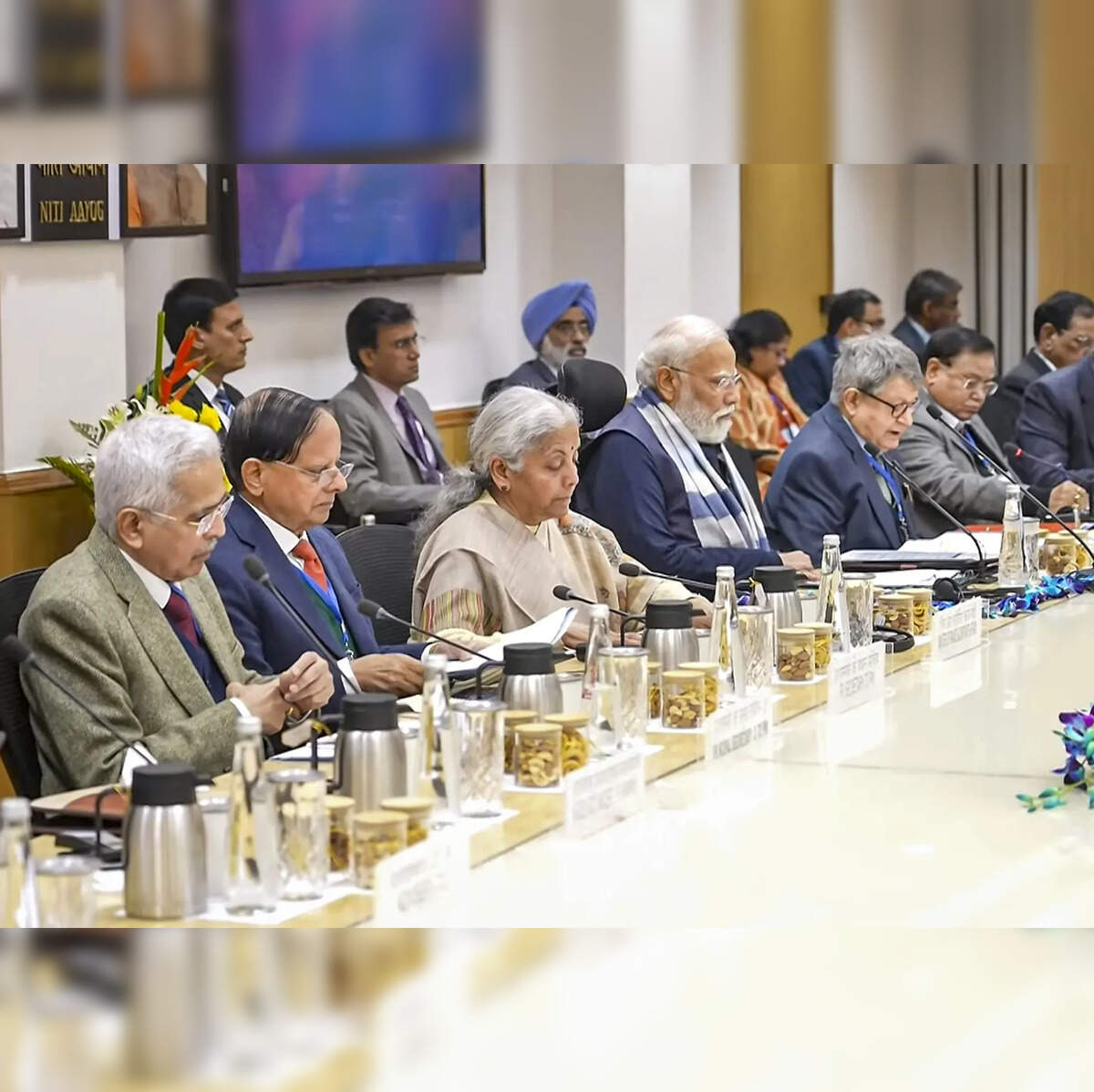
 By Ashok Nilakantan Ayers When India’s finance minister Ms Nirmala Sitharaman rises to present the 7th Union Budget on February 1, a record of sorts, the moment will carry an uncommon weight. This is no routine fiscal exercise, no mere balancing of columns and commas. Instead, the budget is being cast — by industry leaders, […]

 By Nitya Chakraborty The two and half day visit by the union home minister Amit Shah to Kolkata during 2025 year end to explain to the West Bengal party leaders his new strategy to take on the ruling Trinamool Congress in the assembly elections scheduled in March-April 2026, has given a boost to the state […]
 By K Raveendran The sharp criticism mounted by Opposition leaders against the Supreme Court’s refusal to grant bail to Umar Khalid and Sharjeel Imam in the 2020 Delhi riots conspiracy case has been foregrounded as a defence of constitutional liberty. Yet, when examined closely, the argument appears driven more by political optics than by a […]



 https://www.brandhk.gov.hk/
 https://www.linkedin.com/company/brand-hong-kong/
 https://x.com/Brand_HK/
 https://www.facebook.com/brandhk.isd
 https://www.instagram.com/brandhongkong


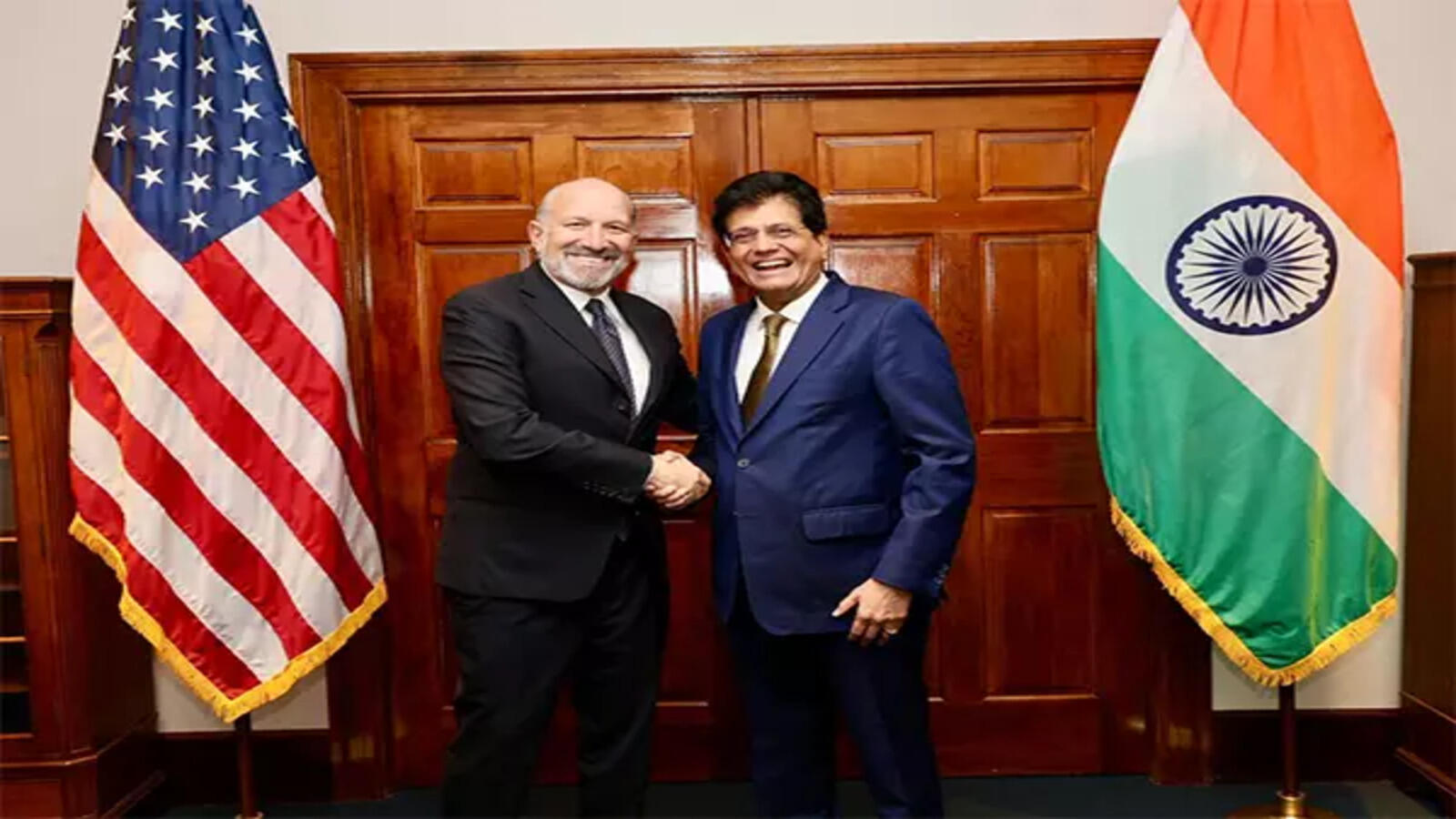
 By K Raveendran Trade negotiations between Washington and New Delhi have moved into a critical phase as senior American trade officials arrive in India with the stated intention of clearing the final hurdles to a long-discussed agreement. The presence of Deputy US Trade Representative Rick Switzer and chief India-deal negotiator Brendan Lynch underscores the renewed […]




 By K Raveendran An evolving convergence of political intent and economic pragmatism is giving fresh momentum to the India–Russia relationship, placing the forthcoming summit in New Delhi as a significant moment in a partnership that has already weathered decades of geopolitical shifts. The visit of President Vladimir Putin, framed within the terminology of a ‘Special […]




