News related to
Delhi

Reliance Industries has secured about five million barrels of crude oil from Iran in a transaction estimated at more than $350 million, signalling a calculated return to a trade corridor constrained for years by geopolitical tensions and sanctions.

The purchase, attributed to cargoes loaded through intermediaries and structured channels, underscores a shifting pattern in global oil flows as refiners seek cost advantages amid volatile benchmarks. Market participants said the acquisition reflects both commercial pragmatism and a broader recalibration of sourcing strategies by large refiners navigating supply disruptions and pricing differentials.

Reliance, which operates one of the world’s largest refining complexes at Jamnagar, has historically processed Iranian crude due to its favourable refining characteristics and pricing structure. The latest move suggests the company is again exploring opportunities linked to Iranian grades, which are often discounted relative to comparable Middle Eastern benchmarks.

Iran’s oil exports have been subject to US sanctions since Washington withdrew from the nuclear agreement in 2018. Those restrictions significantly curtailed Tehran’s ability to sell crude openly, pushing exports into opaque channels involving ship-to-ship transfers, reflagging, and complex payment mechanisms. Despite these constraints, Iran has continued to move significant volumes to Asia, particularly to buyers willing to navigate compliance risks.

Industry analysts say the renewed interest in Iranian oil stems from tightening margins and evolving global supply dynamics. Production curbs by OPEC+ members, combined with geopolitical disruptions affecting Russian and Middle Eastern supplies, have altered trade routes and pricing structures. Refiners are increasingly prioritising flexibility, often sourcing from multiple regions to optimise margins.

Reliance’s procurement strategy has expanded notably over the past two years, with the company becoming a major buyer of discounted crude, including shipments linked to Russia following Western sanctions. The latest Iranian cargoes appear to align with this broader approach, where cost competitiveness outweighs traditional sourcing patterns.

Energy traders indicate that the cargoes in question were likely acquired through intermediaries rather than direct state-to-company contracts, a common practice in sanctioned markets. Such arrangements can involve layered ownership structures, making it difficult to trace the origin of the oil definitively. Payment mechanisms also tend to bypass conventional banking channels, relying on alternative currencies or barter-like systems.

Officials in Tehran have repeatedly stated that oil exports remain a central pillar of the country’s economic resilience, even under sanctions. Output has gradually recovered, with production estimates rising above 3 million barrels per day in recent months. Much of this increase has been driven by exports to Asia, where demand remains robust despite regulatory scrutiny.

Global oil prices have remained sensitive to geopolitical developments, with Brent crude fluctuating amid concerns over supply security and demand recovery in major economies. The availability of discounted barrels from sanctioned producers has created a parallel market that exerts downward pressure on certain price segments, benefiting refiners capable of accessing such supplies.

For Reliance, the ability to process a wide range of crude grades provides a strategic advantage. Its refining configuration allows it to handle heavier and more complex crudes, including those from Iran, Venezuela, and Russia. This flexibility enables the company to capitalise on arbitrage opportunities that may not be available to less sophisticated refiners.

Policy implications remain a key consideration. While there has been no formal indication of a shift in sanctions policy by Western governments, enforcement patterns have shown variability. Analysts note that enforcement intensity often fluctuates depending on broader diplomatic priorities, creating windows of opportunity for market participants.

New Delhi has maintained a delicate balance in its energy diplomacy, emphasising the need for affordable supplies while adhering to international frameworks. Purchases of crude from sanctioned producers have typically been structured to avoid direct violations, with companies relying on legal and compliance teams to manage exposure.

Shipping data and market intelligence suggest that Iranian crude continues to reach global markets through a network of vessels operating under flags of convenience. These ships often disable tracking systems or conduct transfers in international waters, complicating monitoring efforts.
By Nitya Chakraborty It is a history of twists and turns in India-China economic relations for decades. The same is being repeated now as India after taking special measures to make Chinese direct investment easier and agreeing to start border trade from three points in this country from June this year, is faced with the […]

The article Amidst India-China Bonhomie In Bilateral Ties, Both Sides To Fight Each Other At WTO Meet appeared first on Latest India news, analysis and reports on Newspack by India Press Agency).

France’s decision to withhold access to critical source codes for Rafale fighter systems has intensified concerns within New Delhi over long-term control of its air combat capabilities, exposing tensions between strategic partnership and technological dependence.

Officials and defence analysts indicate that the refusal centres on highly sensitive software governing the aircraft’s Active Electronically Scanned Array radar, mission computer architecture and the SPECTRA electronic warfare suite. These components underpin the Rafale’s operational edge, enabling advanced targeting, threat detection and real-time combat adaptability. Without access to underlying code, local engineers face restrictions in modifying or upgrading the systems independently.

The development comes at a time when the Air Force is seeking greater flexibility to integrate indigenous weapons, sensors and software into imported platforms. The Rafale fleet, inducted under an intergovernmental agreement signed in 2016, is widely regarded as one of the most capable multirole assets in service. However, the absence of deep software access limits the scope for customisation beyond manufacturer-approved pathways.

Defence planners have long sought to reduce reliance on foreign vendors for mission-critical technologies, particularly software-defined systems that determine how aircraft perform in evolving combat scenarios. The inability to access core programming frameworks means that even incremental upgrades—such as adapting radar modes or integrating new missile systems—must be routed through the original manufacturer, potentially adding time, cost and operational constraints.

French authorities have maintained that certain technologies embedded within the Rafale are protected by stringent export controls and intellectual property safeguards. Industry sources suggest that this position reflects a broader policy followed by advanced aerospace manufacturers, who rarely transfer full software control of high-end combat platforms. Such restrictions are often justified on grounds of security, technological advantage and contractual obligations tied to proprietary systems.

For New Delhi, the issue extends beyond a single aircraft programme. It underscores a structural challenge in defence procurement, where imported platforms may offer cutting-edge capabilities but limit sovereign control over upgrades and lifecycle management. Analysts argue that the balance between immediate capability acquisition and long-term autonomy has become increasingly complex as modern warfare shifts towards software-centric systems.

The Rafale’s SPECTRA suite, in particular, has drawn attention due to its role in electronic warfare and survivability. Designed to detect, identify and counter threats ranging from radar locks to missile engagements, the system operates through highly classified algorithms. Without access to these algorithms, domestic agencies are unable to independently adapt the suite to emerging threat environments or tailor it to specific operational theatres.

Similarly, the AESA radar’s performance is closely tied to software-defined modes that govern target tracking, electronic counter-countermeasures and situational awareness. Integrating locally developed weapons or sensors requires compatibility at the software level, which becomes challenging when access is restricted. Defence experts note that while some integration is possible through interface agreements, deeper optimisation remains dependent on the original equipment manufacturer.

The issue has also revived debate over the country’s broader push for self-reliance in defence production. Programmes aimed at developing indigenous fighter aircraft, avionics and electronic warfare systems have gained momentum, yet gaps remain in high-end technologies. The Rafale case is being cited by some policymakers as evidence of the need to accelerate domestic research and reduce dependence on external suppliers for core technologies.

At the same time, others caution against overstating the dispute, noting that limitations on source code access are common in international defence deals. They argue that operational effectiveness is not necessarily compromised, as manufacturers continue to provide upgrades and support under contractual arrangements. The Rafale fleet has demonstrated strong performance in exercises and deployments, reinforcing its value as a frontline asset.

Diplomatic considerations are also at play. France has been a key defence partner, with cooperation spanning submarines, helicopters and space technologies. The Rafale agreement itself was seen as a milestone in bilateral ties, reflecting a high degree of strategic trust. Any friction over technology transfer is therefore likely to be managed within the broader framework of long-standing cooperation.

Industry observers point out that negotiations over technology access often involve trade-offs between cost, capability and control. Full access to source codes would significantly alter the commercial and strategic dynamics of defence exports, potentially affecting pricing structures and intellectual property protections. As a result, such concessions are rarely granted, even to close partners.

The episode highlights a growing reality in modern military aviation, where software defines capability as much as hardware. Control over code translates into control over upgrades, interoperability and operational doctrine. For countries seeking to maintain strategic autonomy, this raises fundamental questions about how to structure future procurement and development strategies.

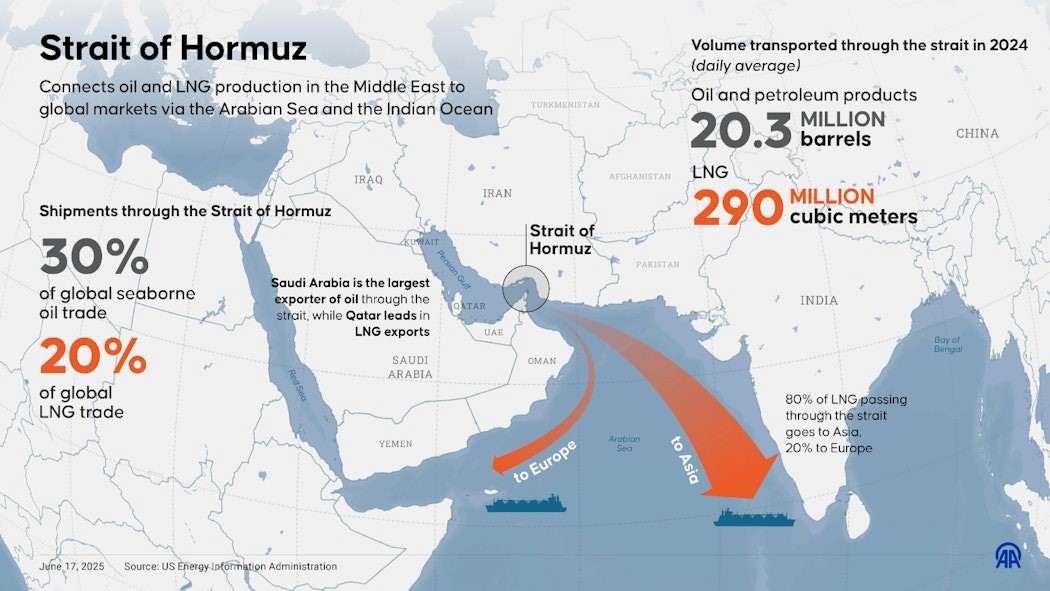
New Delhi has pressed Tehran to allow more India-bound vessels to cross the Strait of Hormuz after two liquefied petroleum gas carriers carrying critical fuel supplies cleared the strategic waterway, highlighting the vulnerability of energy flows through one of the world’s most important maritime chokepoints.

Officials confirmed that two Indian-flagged LPG carriers, Shivalik and Nanda Devi, passed through the strait with cargo bound for ports in Gujarat, transporting roughly 92,700 tonnes of cooking gas. The shipments represent more than a day’s requirement for household LPG consumption, providing partial relief amid tightening supplies.

Government representatives indicated that discussions with Iranian authorities are continuing to secure safe transit for additional tankers waiting in the Persian Gulf. More than twenty vessels carrying crude oil and gas destined for India have been held up near the waterway during the standoff, raising concerns over prolonged disruptions to fuel deliveries.

The Strait of Hormuz, situated between Iran and Oman, handles about a fifth of global oil and liquefied natural gas shipments. Any disturbance along this narrow corridor has the potential to reverberate across global energy markets and shipping routes. Escalating tensions across West Asia have already led to attacks on several vessels and heightened security risks for commercial shipping in the region.

Iran’s decision to permit the two LPG carriers to sail through the strait marked an exception to restrictions imposed after military action targeting Iranian infrastructure triggered a broader confrontation. Tehran has maintained that vessels from most countries can navigate the passage but warned that ships from states viewed as hostile could face restrictions or heightened scrutiny.

Diplomatic engagement between New Delhi and Tehran played a role in securing the initial transit. Conversations between Prime Minister Narendra Modi and Iran’s president Masoud Pezeshkian, along with discussions between foreign ministers, focused on safeguarding energy shipments and the safety of nationals in the conflict-affected region.

India depends heavily on Middle Eastern suppliers for its energy needs. About 90 per cent of the country’s imported LPG originates from the region, while a substantial share of crude oil imports also passes through the Strait of Hormuz. That reliance has made the stability of the shipping lane central to the country’s energy security strategy.

Officials from the shipping ministry confirmed that Indian authorities are coordinating with regional partners and monitoring maritime traffic closely. Naval vessels deployed in the Gulf under Operation Sankalp have been keeping watch over merchant ships heading towards the subcontinent, providing situational awareness and escort support where necessary.

Energy analysts say the partial reopening of the route for Indian cargo illustrates the delicate balance between geopolitical confrontation and commercial necessity. Countries reliant on Gulf hydrocarbons have sought diplomatic channels to keep trade flowing even as military tensions complicate navigation in the region.

Oil markets reacted sharply to the conflict surrounding the strait, with benchmark crude prices surging amid fears of prolonged disruption to supply. Traders remain wary that even isolated incidents could affect tanker movements through the corridor, where narrow shipping lanes and heavy traffic leave little room for error.

The two LPG carriers now sailing toward the western coast highlight the importance of maintaining uninterrupted access to the strait. With domestic demand for cooking gas remaining high, authorities have prioritised household supply chains while assessing contingency measures for industrial users if shipments continue to face delays.

Shipping industry figures note that vessels have increasingly adopted precautionary routes or delayed departures until security conditions improve. Insurance costs for tankers operating in the Gulf have also climbed, reflecting the heightened risk environment created by missile strikes, drone attacks and naval deployments in surrounding waters.

Strategic calculations extend beyond immediate fuel deliveries. India has been strengthening diplomatic engagement with Gulf producers and maritime partners to ensure continued energy access during periods of instability. The country has also expanded storage capacity and diversified crude sources over the past decade to mitigate supply shocks.

Even with those measures, the Strait of Hormuz remains a critical artery for trade between the Gulf and Asia. Any sustained restriction would affect not only India but also large importers such as China, Japan and South Korea, which depend on the same route for oil and gas shipments.

Engineering group ABB has committed about $75 million to expand manufacturing and research operations across five locations in India, a move aimed at strengthening production for sectors such as renewable energy, metro rail systems and data centres. The investment reflects rising demand for advanced electrification and automation technologies as infrastructure projects accelerate and digital capacity expands across the country.

ABB said the spending will upgrade and enlarge facilities that produce critical components including switchgear, power distribution equipment and industrial automation systems. The programme is also designed to expand research and development capabilities to support innovation in energy efficiency, smart grid technologies and digitalised industrial processes. Executives say the initiative forms part of a broader strategy to align manufacturing capacity with growing infrastructure investment and the rapid expansion of power-intensive industries.

The company’s expansion covers five manufacturing and engineering sites located in Karnataka, Maharashtra and Gujarat. Upgrades will introduce new automated production lines, enhanced testing laboratories and expanded engineering facilities aimed at designing solutions for electrification, transport networks and digital infrastructure. ABB expects the additional capacity to support large-scale projects ranging from metro rail electrification to the growing network of data centres serving cloud computing and artificial intelligence services.

Demand for equipment linked to renewable energy projects has surged as the country accelerates plans to increase solar and wind generation capacity. Grid-integration technologies, power converters and control systems have become essential as utilities manage fluctuating renewable output while maintaining grid stability. ABB’s investment is intended to strengthen its ability to deliver these solutions domestically while also supporting export markets in Asia, the Middle East and Africa.

Metro rail expansion has emerged as another driver for advanced electrification equipment. Urban transport networks in cities such as Bengaluru, Mumbai, Delhi and Hyderabad are undergoing continuous expansion to address congestion and improve mobility. These projects require reliable power distribution systems, signalling integration and energy-efficient traction equipment. ABB’s manufacturing expansion is expected to help supply such components more efficiently while shortening delivery timelines for large infrastructure contracts.

Data centres represent one of the fastest-growing infrastructure segments globally, and the country has become a major destination for cloud and digital-service investments. Technology companies and telecommunications providers are building large facilities to manage the surge in online services, financial technology platforms and artificial intelligence workloads. These facilities require high-capacity electrical systems, uninterrupted power supplies and advanced cooling solutions, areas where ABB has been expanding product development.

Company officials say the investment will also strengthen collaboration between manufacturing units and engineering teams to accelerate product innovation. Expanded research facilities are expected to focus on digital monitoring systems, predictive maintenance tools and power-management technologies designed to improve energy efficiency across industrial operations. Such innovations are increasingly sought by infrastructure operators attempting to reduce energy consumption and operating costs.

Global industrial groups have been increasing investment in advanced manufacturing and engineering capabilities across the country as infrastructure development gathers pace. Government programmes encouraging domestic manufacturing, combined with demand for electrification technologies, have attracted multinational companies seeking to expand local production while integrating global supply chains. ABB has maintained a presence in the market for more than a century and operates multiple technology centres focused on electrification, robotics and automation.

Industry analysts say electrification and digital automation are becoming central to infrastructure planning as cities grow and industries transition towards cleaner energy systems. Equipment that supports smart grids, energy-efficient manufacturing and automated transport networks is expected to see strong demand over the coming decade. Companies able to integrate digital monitoring with hardware solutions are viewed as particularly well positioned in this evolving landscape.

ABB’s strategy places emphasis on combining electrical equipment with digital analytics to monitor power usage and equipment performance in real time. Sensors, connected control systems and artificial intelligence-based monitoring platforms are increasingly embedded within infrastructure networks. Such technologies allow operators to detect equipment failures early, optimise energy consumption and reduce downtime in critical facilities such as metro systems and data centres.

By R. Suryamurthy Few economic variables carry the political volatility of oil prices in India. When global crude rises, inflation anxieties spread quickly across households, transport costs ripple through supply chains, and governments scramble to contain the political fallout. Yet the latest oil shock — triggered by tensions involving the US-Israel-Iran war— has exposed a […]

The article Oil Volatility Before Polls Exposes India’s Political Windfall Trap On Fuel Taxes appeared first on Latest India news, analysis and reports on Newspack by India Press Agency).

Government officials indicated that New Delhi has no plans to join an International Energy Agency-coordinated effort to release emergency oil reserves, even as global crude prices surge and major economies debate measures to calm volatile energy markets. The decision comes amid mounting concerns about supply disruptions linked to the escalating conflict involving Iran, which has pushed oil prices above the $100-per-barrel mark and heightened fears of wider […]

Advertisements

By Nantoo Banerjee The all-out war in West Asia, involving the US-Israel combine and Iran and covering 10 countries in the region, is expected to have a big economic backlash on India. At stake are India’s $120-billion trade in this region, huge oil imports, overall balance of payments, inflow of external investments, foreign repatriation and […]

The article Iran War Is Likely To Hit Indian Economy Hard appeared first on Latest India news, analysis and reports on Newspack by India Press Agency).

By Dr. Gyan Pathak Chief Minister Nitish Kumar’s exit from Bihar politics not only marks the most consequential political transition in Bihar but also has greater implications on BJP’s national strategy and realization of its dream that it may appear at first glance. With negotiated removal of the CM Nitish Kumar, a significant regional political […]

The article Nitish’s Exit Marks The Most Consequential Political Transition In Bihar appeared first on Latest India news, analysis and reports on Newspack by India Press Agency).

By K Raveendran A trial court’s decision to throw out the Delhi excise policy case against Arvind Kejriwal, Manish Sisodia and 21 others triggers a political and institutional reckoning that goes far beyond the fate of one prosecution. By sharply criticising the Central Bureau of Investigation for procedural violations, dependence on hearsay and disregard for […]

The article Credibility Of CBI, And By Implication Modi Govt, Destroyed Beyond Redemption appeared first on Latest India news, analysis and reports on Newspack by India Press Agency).

By Ashok Nilakantan Ayers NEW YORK: When Narendra Modi walked into the Knesset and told Israel’s parliament during his visit to Israel on February 25-26, that “peace and stability in West Asia are directly linked to India’s security,” he was doing more than delivering a diplomatic courtesy. He was planting a flag. India, under its […]

The article How Narendra Modi Shattered The Indian Foreign Policy Tradition During Visit To Israel appeared first on Latest India news, analysis and reports on Newspack by India Press Agency).

By Dr. Gyan Pathak Supreme Court of India has ordered a blanket ban on an NCERT book, and used the expression “deep-rooted and well-planned conspiracy” in a specific context a chapter that discussed alleged corruption and functioning of the Judiciary. Only an investigation can reveal the actual dimension of the conspiracy, that has been threatening […]

The article Supreme Court’s Stern Comment On NCERT Focuses On Role Of BJP Led Centre appeared first on Latest India news, analysis and reports on Newspack by India Press Agency).

By K Raveendran The political sparring between Narendra Modi and Rahul Gandhi has entered a sharper and more consequential phase, with the balance of advantage appearing to tilt towards the Leader of the Opposition after an unexpected judicial intervention in the United States cast doubt on the durability of Donald Trump’s tariff regime. The rhetorical […]

The article Rahul Gandhi Making The Most Of Modi’s Tariff Blushes appeared first on Latest India news, analysis and reports on Newspack by India Press Agency).

OpenAI’s chief executive Sam Altman delivered a candid message to students at the Indian Institute of Technology Delhi, telling them that conventional career guidance may be of limited value as artificial intelligence reshapes the world of work. Speaking at an interactive session in Dogra Hall, Altman said that younger generations will have to trust their own instincts and adapt to fast-changing technological landscapes rather than relying on established rules or advice from older generations. His remarks underscored a broader debate about how work, education and ambition will evolve alongside accelerating AI developments.

Addressing a packed audience, Altman said that the “biggest mistake young people make” is listening too closely to traditional wisdom on careers passed down by their elders. He acknowledged that even he did not claim to have a firm grasp on the pace of change, urging students to cultivate independent judgment and flexibility instead. “For a predictor of what the world is going to be like going forward, I don’t think you should trust me for having good intuition of the rate of change,” he said, emphasising that those entering the workforce must be prepared to navigate uncertainty and disruption.

Altman’s comments reflected a growing consensus among technology leaders that the job market and the nature of work are undergoing fundamental transformation as generative AI and automation systems become more capable. Traditional professions that once seemed secure are being rethought, while new categories of employment linked to AI development, oversight and ethical deployment are emerging. Altman’s view was echoed elsewhere at global forums where he and other AI leaders have stressed the need for adaptability, lifelong learning and creative problem-solving.

During the session at the institute, Altman clarified that while parents and mentors remain important for personal values, their career advice – rooted in past paradigms – may not offer reliable direction amid rapid technological shifts. He said young people must develop what he called “agency,” a capacity to shape their own paths, learn from failure and recalibrate as conditions evolve. “Young people always figure this out best,” he told the students, highlighting the creative energy he sees in younger cohorts.

Altman also acknowledged that the rise of artificial intelligence will entail changes in employment structures, with some roles becoming obsolete even as new opportunities are created. He stressed that preparing for the future will require calculated risk-taking and an openness to reinventing career plans rather than adhering to criteria like stability and predictability alone. His advice resonated with students grappling with how to position themselves in a world where AI tools are becoming deeply integrated into industries from healthcare to finance.

Reactions to Altman’s remarks have been varied. Some students and observers praised his emphasis on independent thought and adaptability, seeing it as realistic guidance for navigating disruption. Others questioned whether the message might undermine confidence in tried-and-tested pathways into professions such as engineering, medicine and law that have long been valued for stability and societal contribution. This tension illustrates the broader uncertainty about how best to prepare for a future shaped by rapid technological evolution.

Altman’s visit to the institute took place against the backdrop of major international discussions about the role of artificial intelligence in economic and social life. In New Delhi last month, global tech leaders and policymakers gathered for a major AI summit focused on collaboration, governance and responsible innovation. Altman’s remarks at IIT Delhi dovetail with themes emerging from those dialogues, where experts have called for societies to rethink education systems, regulatory frameworks and workforce strategies to accommodate profound shifts driven by AI capabilities.

His message to students also reflects a generational contrast in attitudes towards technology and opportunity. Younger people, he suggested, have an inherent advantage when it comes to understanding and experimenting with emerging tools and platforms. As AI becomes more pervasive, Altman said, those who can integrate machine intelligence with human creativity and judgement will be best positioned to thrive, even as older models of career guidance lose relevance.

New Delhi has set a target of raising ₹1.79 trillion, equivalent to about $20 billion, through public listings of state-run enterprises by the 2029/30 financial year, signalling a recalibration of its privatisation strategy towards stake sales rather than outright transfers of ownership. The plan forms part of a wider asset monetisation programme aimed at generating $183.7 billion over the next four years, according to a report issued […]

Tata Group, Tata Consultancy Services and OpenAI unveiled a landmark strategic partnership that aims to redefine the landscape of artificial intelligence deployment across enterprise, infrastructure and workforce development. With a multi-year agreement signed at a major AI summit in New Delhi, the collaboration is centred on building out AI infrastructure in India, rolling out Enterprise ChatGPT to thousands of employees and co-creating industry-tailored AI solutions.

Under the pact, TCS’ HyperVault unit will lead the development of large-scale AI-ready data centres, starting with an initial capacity of about 100 megawatts of power and a roadmap to scale to 1 gigawatt. OpenAI is anticipated to become the first anchor customer for this infrastructure, supporting advanced AI computation and inference workloads within the country.

Central to the partnership is the deployment of Enterprise ChatGPT across Tata Group companies, designed to enhance productivity and accelerate innovation within one of India’s largest conglomerates. Thousands of employees are set to receive access to the enterprise version of the generative AI platform, enabling broader internal adoption of AI tools for knowledge work and decision support.

Beyond productivity tools, the alliance will explore the development of “agentic” AI solutions that combine OpenAI’s cutting-edge models with TCS’ industry knowledge and engineering capabilities. This approach aims to address complex sector-specific challenges across fields such as manufacturing, financial services and healthcare, rather than offering generic AI applications.

OpenAI’s CEO Sam Altman positioned the collaboration as part of a larger initiative to expand the company’s footprint and capabilities in emerging markets like India, where demand for AI services and local data processing is accelerating. He emphasised the need for robust infrastructure and local partnerships to scale AI responsibly and securely.

Tata Sons Chairman N. Chandrasekaran described the partnership as a cornerstone in the group’s wider AI strategy, underscoring its potential to strengthen both domestic capacity and global competitiveness. The agreement aligns with TCS’ ambition to become a leading AI-driven technology services provider on the world stage, building on its existing HyperVault platform and ongoing investments in state-of-the-art data centres.

Financial markets reacted positively to the announcement, with TCS shares rising after the news broke, reflecting investor confidence in the company’s expanded role in AI infrastructure build-out and its position as a strategic partner to global AI developers.

The infrastructure element of the partnership places a strong emphasis on scalability and sustainability. TCS’ HyperVault facilities are designed to support liquid-cooled, high-density data environments that can handle the demanding computational needs of generative AI models, while also integrating with major cloud regions for broader interoperability.

A social impact component is woven into the alliance through plans to collaborate with the OpenAI Foundation to deliver AI training programmes for youth and underserved communities, equipping individuals with skills to engage with emerging technologies responsibly. The initiative aims to develop a pipeline of talent capable of contributing to the wider AI ecosystem.

This partnership comes amid a broader surge in investment and strategic alignments between global AI firms and Indian technology leaders, as the country seeks to position itself as a competitive hub for innovation and data infrastructure. Industry observers note that similar efforts by other major tech players to localise AI capabilities reflect a global trend towards data residency, regulatory compliance and sovereign control over critical AI workloads.

Critics caution that the rapid expansion of AI infrastructure must be balanced with robust governance frameworks to address concerns around data security, ethical use and labour market disruption. Analysts argue that while the partnership promises substantial gains in efficiency and capability, clear policies and oversight mechanisms will be crucial to ensure equitable benefits across society.

By Nantoo Banerjee The global AI impact summit 2026 in Delhi, last week, couldn’t have come at a more appropriate time when the world continues to be somewhat skeptical about adoption of Artificial Intelligence (AI), its limitations and potential consequences. Thanks to the pioneering effort by firms such as Nvidia, Microsoft, Google, Amazon, Meta and […]

The article India Should Adopt ‘Trustworthy’ AI Tools To Stay Safe And Transparent appeared first on Latest India news, analysis and reports on Newspack by India Press Agency).

India is pushing ahead with a rapid build-out of artificial intelligence data centres, even as concerns mount over water stress and rising electricity demand in the very regions chosen to host them.

Global technology groups including Microsoft, Amazon and Google have pledged billions of dollars to expand cloud and AI infrastructure across the country, betting on strong digital adoption, a vast developer base and policy support from New Delhi. At the same time, domestic conglomerates such as Reliance Industries and the Adani Group have unveiled plans to scale up capacity, signalling an arms race to capture the next phase of AI growth.

The surge is centred on established data centre hubs such as Mumbai, Hyderabad, Chennai and the National Capital Region. Industry estimates place India’s operational data centre capacity at more than 900 megawatts, with projections that this could double within a few years as hyperscale facilities come online. Much of the new supply is being designed for AI workloads, which require more powerful processors and higher rack densities than traditional cloud computing.

Microsoft has committed to expanding its Azure footprint in multiple regions, while Amazon Web Services continues to invest in its Mumbai and Hyderabad zones. Google Cloud has also deepened its presence, citing demand from financial services, healthcare and government clients. Nvidia, whose graphics processing units underpin many AI systems, has strengthened partnerships with Indian firms to support sovereign AI initiatives and localised computing.

Officials argue that this wave of investment will support economic growth, digital inclusion and advanced research. India’s data protection framework and semiconductor incentives have been positioned as part of a broader strategy to create a resilient digital ecosystem. The government has also outlined ambitions to develop domestic AI models trained on local languages and datasets, increasing the need for high-performance computing infrastructure within national borders.

Yet environmental experts warn that the geography of expansion raises difficult trade-offs. Mumbai and Chennai, two of the country’s largest data centre clusters, face periodic water shortages and are vulnerable to climate-related risks, including extreme heat and flooding. Hyderabad, another key hub, has experienced mounting pressure on groundwater resources amid rapid urbanisation.

AI data centres are particularly resource-intensive. Training large language models can consume vast amounts of electricity, and the cooling systems required to maintain optimal temperatures often rely on significant volumes of water. While operators increasingly use advanced cooling technologies and pursue renewable energy procurement, critics question whether efficiency gains can keep pace with the scale of expansion.

According to industry analysts, AI-optimised facilities can draw substantially more power per rack than conventional data centres. India’s peak power demand has been rising steadily, touching record highs during heatwaves. Coal continues to account for a large share of electricity generation, although solar and wind capacity have expanded rapidly. The tension between decarbonisation goals and surging digital energy needs is becoming more pronounced.

Water usage is another flashpoint. Traditional evaporative cooling systems can require millions of litres annually for large facilities, though some operators are shifting to air-cooled or liquid immersion systems to reduce dependence on freshwater. Companies state that they are investing in water recycling, rainwater harvesting and wastewater treatment, particularly in regions classified as water-stressed.

Environmental groups argue that even with mitigation measures, cumulative impacts could strain local communities. Urban residents in Chennai and parts of Maharashtra have already experienced water rationing during drought periods. The prospect of energy-hungry AI campuses expanding in these same areas has prompted calls for stricter environmental assessments and greater transparency around resource use.

Corporate leaders counter that hyperscale operators often have stronger sustainability commitments than smaller, on-premise data centres. Many global firms have pledged to run on 100 per cent renewable energy and to become water positive within the decade. In India, power purchase agreements for solar and wind farms are increasingly tied to data centre projects, supporting the build-out of clean energy capacity.

Policy makers face a delicate balancing act. Digital infrastructure is viewed as critical to competitiveness, especially as countries race to develop generative AI capabilities. India’s large pool of engineers and its expanding start-up ecosystem make it an attractive base for AI research and deployment. Delaying capacity expansion could risk ceding ground to regional rivals in Southeast Asia or the Middle East, where governments are also courting hyperscale investment.

At the same time, climate resilience is rising on the national agenda. The country has set ambitious renewable energy targets and emphasised sustainable development in international forums. Integrating AI growth with environmental safeguards will test regulatory frameworks at both central and state levels.

Starbucks Corp’s India venture is accelerating store openings and introducing new menu innovations, including protein foam coffee, as it deepens its bet on the world’s most populous country even while losses widen. Tata Starbucks Pvt., the 50:50 joint venture between Starbucks Corporation and Tata Group, plans to prioritise scale over short-term profitability, according to chief executive Sushant Dash. The strategy underscores a long-term view of India as […]

By Ashok Nilakantan Ayers NEW YORK: When the Supreme Court of the United States struck down Donald Trump’s sweeping global tariffs on February 20, delivering a 6–3 verdict that the International Emergency Economic Powers Act of 1977 confers no authority to impose broad-spectrum duties without Congressional approval, the most consequential reverberations were felt not in […]


The article How A Supreme Court Ruling And A Russian Oil Gambit Rewrote India’s Trade Destiny appeared first on Latest India news, analysis and reports on Newspack by India Press Agency).

Prime Minister Narendra Modi used a high-profile artificial intelligence summit to project India as a pivotal force in the global AI race, even as logistical strains and policy gaps underscored the scale of the challenge ahead.

The gathering brought together senior executives from global technology firms, domestic start-ups, academic leaders and policymakers, signalling a concerted push by New Delhi to position the country as both a major market and a development hub for AI. Modi framed the technology as central to economic growth, public service delivery and national competitiveness, arguing that India’s digital public infrastructure and vast talent pool provide a foundation for leadership in the field.

Speaking at the event, Modi said AI must be “inclusive and responsible”, emphasising applications in healthcare, agriculture, education and governance. He pointed to platforms such as Aadhaar, the Unified Payments Interface and the CoWIN vaccination system as examples of large-scale digital architecture that could integrate advanced analytics and machine learning.

The summit’s optics were carefully managed to reflect global engagement. Executives from leading US technology companies shared stages with founders of domestic firms working on generative AI models, language tools and enterprise software. Representatives from multilateral bodies and research institutions discussed governance frameworks, data protection and the need for cross-border collaboration.

Yet the conference also exposed tensions between ambition and execution. Several sessions ran behind schedule, and some industry participants privately expressed concern over policy uncertainty, particularly around data localisation, cross-border data flows and regulatory oversight. Draft frameworks on AI ethics and safety remain under consultation, and companies are awaiting clarity on compliance requirements.

The event unfolded against a backdrop of intensifying global competition. The United States continues to dominate foundational AI research and chip design, while China has invested heavily in domestic models and semiconductor capacity. The European Union has advanced comprehensive legislation through its AI Act, seeking to set global standards on risk and accountability.

India’s approach has been more incremental. The Ministry of Electronics and Information Technology has outlined plans to support compute infrastructure, encourage domestic large language models and expand skilling initiatives. Budget allocations for semiconductor manufacturing and design-linked incentives aim to reduce dependence on imports, although fabrication plants remain years away from full-scale production.

Industry analysts note that India’s strength lies in its software services sector and a large base of engineers. According to data from industry bodies, the country produces hundreds of thousands of engineering graduates annually, many of whom work in IT and business process outsourcing. Major domestic firms have announced internal AI integration plans, embedding generative tools into consulting, customer support and software development workflows.

At the same time, structural constraints are evident. High-performance computing resources are limited compared with those available in the US and China, and advanced chips are largely imported. Electricity reliability, data centre capacity and high-speed connectivity vary across regions. Venture capital funding for deep-tech ventures has fluctuated amid global market volatility.

Civil society groups and some academics used the summit to call for stronger safeguards. They warned that rapid deployment of AI systems without robust oversight could exacerbate misinformation, bias and privacy violations. India’s data protection law, enacted last year, sets out obligations for companies handling personal data, but implementing rules and enforcement mechanisms are still being developed.

Opposition figures have questioned whether headline events translate into durable policy outcomes. They argue that sustained investment in research universities, independent regulators and judicial capacity will be essential to manage the societal impact of AI. Some economists have also cautioned that automation could disrupt segments of the services workforce, requiring targeted reskilling programmes.

Global investors, however, continue to view India as a growth market. International cloud providers have expanded data centre footprints in cities such as Mumbai, Hyderabad and Chennai. Partnerships between domestic start-ups and multinational firms aim to build AI systems tailored to local languages and contexts, addressing a market of more than a billion people with diverse linguistic needs.

Modi’s messaging emphasised sovereignty alongside collaboration. He has repeatedly advocated for a global framework on AI governance that reflects the priorities of emerging economies, not solely those of advanced industrial nations. At the summit, he called for shared principles that balance innovation with ethical safeguards, while ensuring access for developing countries.

Diplomatically, the conference reinforced India’s profile as a convening power in technology policy, following its presidency of the G20 and engagement in forums on digital public goods. Whether that translates into tangible influence over global AI standards will depend on sustained coordination with like-minded partners and domestic regulatory coherence.

India has joined the Pax Silica Initiative, signing the Pax Silica Declaration and a Joint Statement on the India–U. S. AI Opportunity Partnership at a special event held on the margins of the AI Impact Summit in New Delhi, marking a new phase in strategic cooperation on advanced technologies.

The twin agreements signal a coordinated push to deepen collaboration on artificial intelligence research, semiconductor supply chains and standards-setting at a time when global competition over emerging technologies is intensifying. Officials described the move as part of a broader effort to align trusted partners around open, secure and innovation-driven AI ecosystems.

The Pax Silica Initiative, framed as a platform for cooperation among governments, industry and research institutions, aims to promote responsible AI development anchored in democratic values and transparent governance. By endorsing the declaration, India has committed to work with other signatories on areas including AI safety frameworks, interoperability standards and resilient semiconductor networks. The initiative also seeks to reduce vulnerabilities in critical technology supply chains, particularly in advanced chips that underpin AI systems.

The Joint Statement on the India–U. S. AI Opportunity Partnership outlines specific areas of collaboration between New Delhi and Washington. According to officials familiar with the discussions, the partnership will prioritise joint research projects, exchanges between academic institutions and closer engagement between start-ups and venture capital ecosystems in both countries. It also envisages cooperation on workforce development, with a focus on skilling programmes to meet rising demand for AI engineers, data scientists and semiconductor specialists.

Senior representatives from both sides emphasised that the agreements build on an expanding technology agenda that has gathered pace over the past two years. The United States has identified India as a key partner in diversifying supply chains for critical technologies, while New Delhi has sought greater access to advanced know-how and investment to support its domestic manufacturing ambitions.

The semiconductor dimension is central to the Pax Silica framework. Global shortages during the pandemic exposed structural weaknesses in chip production networks, prompting governments to reassess their dependence on a limited number of manufacturing hubs. India has since launched incentive schemes to attract chipmakers and component suppliers, positioning itself as a complementary node in the global value chain. Closer coordination with U. S. firms and research laboratories is expected to support technology transfer and design capabilities.

Artificial intelligence governance is another pillar of the collaboration. Policymakers in New Delhi have been working on a regulatory architecture that balances innovation with safeguards against misuse. The partnership with the United States is expected to facilitate dialogue on standards, testing protocols and ethical guidelines. Both countries have expressed support for international cooperation to ensure AI systems are transparent, accountable and aligned with human rights principles.

Industry leaders present at the summit pointed to the commercial opportunities arising from deeper integration. India’s digital economy has expanded rapidly, driven by widespread smartphone adoption and a thriving start-up ecosystem. U. S. technology companies view the market as both a testing ground for scalable AI applications and a source of skilled talent. Joint ventures and research collaborations are likely to accelerate as policy barriers are addressed.

Analysts say the agreements also carry geopolitical significance. As rival powers invest heavily in AI and semiconductor capabilities, technology has become intertwined with national security and economic resilience. By formalising cooperation through the Pax Silica Declaration and the AI Opportunity Partnership, New Delhi and Washington are signalling intent to shape global norms rather than react to them.

The AI Impact Summit in New Delhi brought together policymakers, technologists and academics from multiple countries, underscoring the growing prominence of the city as a convening platform for debates on digital governance. Discussions ranged from generative AI applications in healthcare and education to concerns over misinformation and algorithmic bias. The signing of the declaration and joint statement provided a tangible outcome to those deliberations.

Officials indicated that working groups would be established to translate the commitments into concrete projects, with timelines and measurable targets to be announced in due course. Engagement with private sector stakeholders and research universities is expected to be formalised through memoranda of understanding and funding calls.

By T N Ashok At the center of Bharat Mandapam, the chiselled, lotus-shaped convention complex that has become the theatre for India’s global ambitions, Prime Minister Narendra Modi stood for a “family photo” that looked less like a diplomatic formality and more like a merger of Silicon Valley and the Westphalian order. To his left […]

The article India Positions Itself As The AI World’s Third Pole Under PM Modi’s Active Leadership appeared first on Latest India news, analysis and reports on Newspack by India Press Agency).

OpenAI has announced a sweeping expansion of its global education strategy by forging deep partnerships with a group of India’s most influential higher education institutions to embed artificial intelligence tools, training and research into campus life and academic workflows. The initiative, unveiled in New Delhi this week, aims for institutional transformation by offering enterprise-grade AI access and structured integration support across disciplines including engineering, management, health sciences and creative industries.

The programme brings together six premier universities — Indian Institute of Technology Delhi, Indian Institute of Management Ahmedabad, All India Institute of Medical Sciences New Delhi, Manipal Academy of Higher Education, University of Petroleum and Energy Studies and Pearl Academy — under a coordinated effort to build AI fluency and responsible usage skills for students, faculty and staff. The roll-out will provide secure access to ChatGPT Edu, detailed onboarding programmes, faculty training and discipline-specific implementation guidance aligned with institutional policies.

This shift marks a deliberate departure from ad-hoc access to consumer AI tools toward embedding artificial intelligence as an academic backbone to teaching, research, evaluation and campus operations. OpenAI’s Head of Education for India and Asia Pacific, Raghav Gupta, said the collaboration reflects a broader need to close the gap between what AI tools are capable of and how they are actually used. He referenced projections that by 2030 a significant portion of core skills relied upon by workers globally will be redefined by AI, underscoring the urgency for deep institutional readiness.

At IIT Delhi, the partnership will focus on engineering-led innovation and applied research, integrating AI capabilities into project-based learning, coding, simulations and prototype development. The institute also plans OpenAI-supported hackathons and ‘Industry Days’ designed to link student innovation with India’s manufacturing and deep-technology ecosystem. IIM Ahmedabad intends to embed AI fluency into core management education — spanning strategy, finance, operations and public policy — with scope for certification pathways backed by the collaboration.

All India Institute of Medical Sciences New Delhi is positioning AI as a tool for medical education and clinical training, exploring applications in clinical documentation, simulation-based learning and evidence synthesis. Officials at the institute said prioritising safe, ethical deployment of AI in clinical settings will be critical to maintaining educational and professional standards. Manipal Academy of Higher Education will pursue multidisciplinary AI literacy across engineering, health sciences and business programmes, while UPES and Pearl Academy will tailor integration to applied innovation and creative workflow environments respectively.

OpenAI’s strategy extends beyond campuses to partnerships with major education technology platforms, including upGrad, PhysicsWallah and HCL GUVI. These collaborations aim to launch structured courses on AI fundamentals and practical ChatGPT applications targeting students and early-career professionals who are not formally enrolled in partner institutions. The move reflects a growing industry recognition that AI skills must be scaled across the broader learner base, not just within elite universities.

Experts in education and technology policy see this initiative as part of a larger global trend where leading artificial intelligence firms are moving from consumer-oriented models toward institutional engagement that shapes long-term adoption and usage norms. By embedding AI literacy into the frameworks of higher education, these alliances could influence curriculum design, research priorities and the preparation of graduates for an AI-driven economy.

Industry analysts note that India’s higher education system represents one of the world’s largest talent markets, with millions of students entering the workforce each year. Integrating advanced AI tools into academic settings could enhance learning outcomes, deepen research capacity and create new pathways for innovation across sectors. However, some critics caution that rapid adoption must be matched with robust ethical and governance frameworks to address concerns around data privacy, academic integrity and equitable access to technology.

While OpenAI estimates that this phase of the initiative will directly benefit over 100,000 students, educators and administrators across its core partner institutions over the coming year, independent observers emphasise that the broader impact will depend on how well universities and ed-tech partners can operationalise the technology within existing academic structures. They point to the need for ongoing investment in faculty development, infrastructure and policy frameworks that ensure AI augments rather than disrupts pedagogical goals.

VISHNU RAJA
RYO YAMADA
HITORI GOTOH
IKUYO KITA
Just in:
Dubai Introduces SHARH, an AI-Powered Platform Helping Entrepreneurs Buy, Sell and Manage Businesses in the UAE // Thailand’s Most Iconic New Year’s Celebration Returns: ICONSIAM Unveils “Amazing Thailand Countdown 2027” // LittleLives, Little Lab and SEGi College Sign MOU to Explore Early Childhood Education Collaboration Across ASEAN // Alibaba shares slip despite 53% cloud revenue growth // Antony’s wife called to police station with husband over complaint // 2026 Tropical Rainforest Ecosystem Partners Conference Kicks off in Hainan // NASA tests supersonic Mars rotors for heavier payloads // Travel Insurance Was Built for the Few Who Claim. Ancileo’s Felt Coverage™ is for Everyone Else // Yeebo Announces Interim Results for FY26/27 Revenue Increases by 45.5% to HK$806.7 Million Profit Attributable to Owners Surges 87.6% to HK$2,284.7 Million // PicCollage extends photo editing platform to web browsers // Jaiedco and Golden Bridge Announce Strategic Collaboration for a New Dubai Islands Development // Workday targets Honeydew purchase to unify AI metrics // Sharjah clears Kalba free zone plan for 400MW complex // Russia permits retail cryptocurrency purchases under regulated framework // HC nullifies assets FIR against minister // Sui activates Hashi Bitcoin lending across partner network // Malappuram hartal over Western Ghats // Anthropic shares finish above offer price after Nasdaq debut // Oil futures rebound after Riyadh strikes and tanker alerts // Promoting Common Human Development Through Exchanges and Mutual Learning Among Civilizations //