News related to
Delhi

OpenAI has announced a sweeping expansion of its global education strategy by forging deep partnerships with a group of India’s most influential higher education institutions to embed artificial intelligence tools, training and research into campus life and academic workflows. The initiative, unveiled in New Delhi this week, aims for institutional transformation by offering enterprise-grade AI access and structured integration support across disciplines including engineering, management, health sciences and creative industries.

The programme brings together six premier universities — Indian Institute of Technology Delhi, Indian Institute of Management Ahmedabad, All India Institute of Medical Sciences New Delhi, Manipal Academy of Higher Education, University of Petroleum and Energy Studies and Pearl Academy — under a coordinated effort to build AI fluency and responsible usage skills for students, faculty and staff. The roll-out will provide secure access to ChatGPT Edu, detailed onboarding programmes, faculty training and discipline-specific implementation guidance aligned with institutional policies.

This shift marks a deliberate departure from ad-hoc access to consumer AI tools toward embedding artificial intelligence as an academic backbone to teaching, research, evaluation and campus operations. OpenAI’s Head of Education for India and Asia Pacific, Raghav Gupta, said the collaboration reflects a broader need to close the gap between what AI tools are capable of and how they are actually used. He referenced projections that by 2030 a significant portion of core skills relied upon by workers globally will be redefined by AI, underscoring the urgency for deep institutional readiness.

At IIT Delhi, the partnership will focus on engineering-led innovation and applied research, integrating AI capabilities into project-based learning, coding, simulations and prototype development. The institute also plans OpenAI-supported hackathons and ‘Industry Days’ designed to link student innovation with India’s manufacturing and deep-technology ecosystem. IIM Ahmedabad intends to embed AI fluency into core management education — spanning strategy, finance, operations and public policy — with scope for certification pathways backed by the collaboration.

All India Institute of Medical Sciences New Delhi is positioning AI as a tool for medical education and clinical training, exploring applications in clinical documentation, simulation-based learning and evidence synthesis. Officials at the institute said prioritising safe, ethical deployment of AI in clinical settings will be critical to maintaining educational and professional standards. Manipal Academy of Higher Education will pursue multidisciplinary AI literacy across engineering, health sciences and business programmes, while UPES and Pearl Academy will tailor integration to applied innovation and creative workflow environments respectively.

OpenAI’s strategy extends beyond campuses to partnerships with major education technology platforms, including upGrad, PhysicsWallah and HCL GUVI. These collaborations aim to launch structured courses on AI fundamentals and practical ChatGPT applications targeting students and early-career professionals who are not formally enrolled in partner institutions. The move reflects a growing industry recognition that AI skills must be scaled across the broader learner base, not just within elite universities.

Experts in education and technology policy see this initiative as part of a larger global trend where leading artificial intelligence firms are moving from consumer-oriented models toward institutional engagement that shapes long-term adoption and usage norms. By embedding AI literacy into the frameworks of higher education, these alliances could influence curriculum design, research priorities and the preparation of graduates for an AI-driven economy.

Industry analysts note that India’s higher education system represents one of the world’s largest talent markets, with millions of students entering the workforce each year. Integrating advanced AI tools into academic settings could enhance learning outcomes, deepen research capacity and create new pathways for innovation across sectors. However, some critics caution that rapid adoption must be matched with robust ethical and governance frameworks to address concerns around data privacy, academic integrity and equitable access to technology.

While OpenAI estimates that this phase of the initiative will directly benefit over 100,000 students, educators and administrators across its core partner institutions over the coming year, independent observers emphasise that the broader impact will depend on how well universities and ed-tech partners can operationalise the technology within existing academic structures. They point to the need for ongoing investment in faculty development, infrastructure and policy frameworks that ensure AI augments rather than disrupts pedagogical goals.

Arabian Post Staff -Dubai   Indian authorities have seized three oil tankers that were under United States sanctions and linked to Iranian oil networks, intensifying surveillance of the country’s maritime zones to stem illicit trade and enforce sanctions compliance, officials familiar with the matter said. The vessels, operating under multiple identities to evade detection, were intercepted about 100 nautical miles west of Mumbai in the Arabian Sea […]

OpenAI’s chief executive Sam Altman has said that India now has 100 million weekly active users of ChatGPT, elevating the country to the position of the platform’s second-largest market globally after the United States and underscoring its growing influence in the artificial intelligence ecosystem. Altman disclosed the figure in an opinion piece published ahead of the Global AI Impact Summit 2026 in New Delhi, where government officials and global tech leaders are convening to discuss the future of AI and its integration into education, enterprise and public services.

This milestone reflects not just a vast user base but also a distinct pattern of adoption: students in India now represent the largest single demographic of ChatGPT users worldwide, according to Altman, who highlighted the role younger generations are playing in embedding generative AI into daily workflows for learning and productivity.

The 100 million figure forms a significant share of ChatGPT’s global weekly active user count, which stood at about 800 million as of October 2025 and is widely projected to edge closer to 900 million as platforms refine their offerings and expand reach. OpenAI’s decision to open an office in New Delhi in August 2025 and tailor pricing, including a lower-cost subscription tier later made free for a year, is seen as part of a strategy to deepen engagement in what many technology firms regard as a key growth market.

Altman underscored India’s demographic advantages, including a population exceeding one billion internet users and a large proportion of English speakers outside native English-speaking countries — factors that have made the country fertile ground for generative AI adoption. Many students have turned to ChatGPT for support with research, coding, examination preparation and language practice, reflecting a broader trend of digital tools being woven into educational routines.

Despite this surge, translating sheer user numbers into sustained economic returns poses challenges for AI firms. India’s price-sensitive market and uneven internet access complicate monetisation, causing some companies to adjust their strategies to balance affordability with revenue generation. OpenAI’s tailored pricing and promotional offers have helped lower entry barriers, but broader monetisation across emerging markets may require further innovation in business models.

The competitive landscape in India’s AI space is intensifying. Alphabet’s Google has made inroads with its Gemini AI suite, aggressively targeting younger users through free one-year subscriptions and partnerships with telecom firms to broaden adoption among students and professionals. These efforts are part of a broader contest among technology giants to capture share in a market that has vast potential due to its size and digital engagement.

The presence of global tech leaders and politicians at the New Delhi summit highlights the geopolitical and economic significance of India’s AI trajectory. Policy discussions span topics from responsible AI governance and equitable access to scaling infrastructure and boosting domestic innovation capacity. Indian policymakers, alongside industry executives, are advocating approaches that leverage technology to enhance education, public services and economic participation, while grappling with concerns over job displacement and digital divides.

Altman has outlined priorities for fostering inclusive AI growth in India, emphasising the need for practical digital literacy, robust computing infrastructure and frameworks that ensure ethical deployment. Such an approach, he argues, will empower users to harness AI’s potential effectively rather than just expanding access to tools.

The prominence of India’s student base on ChatGPT has broader implications for how AI products are developed and tailored. Feedback from a large and diverse user community helps shape feature enhancements and localisation efforts, influencing global development roadmaps. For companies like OpenAI, this dynamic underscores a strategic shift from traditional markets in Europe and North America toward regions where usage patterns reflect unique demographic and cultural needs.

JSW MG Motor, the automotive joint venture backed by China’s SAIC Motor and the Mumbai-based JSW Group, has announced plans to invest up to $440 million to scale up manufacturing capacity in India and accelerate its product lineup towards hybrid and electric vehicles. The company aims to lift annual output to 300,000 units from about 120,000 at its Halol, Gujarat plant while rolling out three to four new […]

Nvidia’s chief executive officer, Jensen Huang, will not attend the India AI Impact Summit scheduled to begin in New Delhi on February 16, the company confirmed over the weekend, citing “unforeseen circumstances” that prevent his planned trip. Nvidia said it remains committed to participating in the five-day event and will instead dispatch a senior leadership delegation to represent its interests at the summit, which is positioned as a global forum on artificial intelligence, semiconductors and technology policy.

Huang’s absence removes one of the most high-profile speakers from a programme that is expected to bring together global leaders, technology executives and policymakers. Nvidia has been at the centre of international attention this year as its graphics processing units and specialised chips have powered significant advances in AI model training and deployment worldwide. Despite his cancellation, the company’s executive vice-president Jay Puri is set to lead Nvidia’s delegation in New Delhi.

The India AI Impact Summit has been framed by its organisers as a strategic platform for discussions on AI’s impact on economies, governance, and society. With over 20 heads of government and multiple chief executives from major technology firms slated to take part, the absence of Nvidia’s CEO is unlikely to derail the summit’s broader agenda but does shift attention to the array of other leaders expected on stage. Summit organisers have emphasised that the event will focus on actionable frameworks for AI governance and international cooperation rather than immediate regulatory commitments.

India’s push to host the summit reflects the growing emphasis placed on its AI ecosystem, both domestically and internationally. The event at Bharat Mandapam is intended to spotlight innovation, human capital and collaborative initiatives that leverage artificial intelligence for economic and social development. Heads of state from Europe, Asia and Africa, as well as senior executives from leading technology companies, are planning to contribute to sessions addressing ethical AI, inclusive growth, and public-private partnerships.

Nvidia’s statement confirmed that Huang will not be able to travel to India at this time, but stopped short of elaborating on the specific reasons for the change in plans. The company’s leadership team reiterated its support for the summit’s objectives and expressed confidence in the delegation’s ability to engage constructively with participants across sectors. Nvidia’s central role in the global AI supply chain — particularly through its GPUs, which underpin much of the world’s AI compute infrastructure — has made its presence significant at forums shaping the future of the industry.

For many tech observers, Huang’s decision underscores the intense demands on executives at the helm of firms that are pivotal to AI’s evolution. As Nvidia continues to navigate a landscape marked by rapid technological change, supply chain pressures and geopolitical scrutiny, its leadership choices are closely watched by investors, partners and policymakers alike. The company has maintained that its strategic focus on AI remains undiminished, even as senior personnel adjust their engagement in global events.

The summit is expected to feature a range of high-level engagements, including discussions on AI’s implications for labour markets, national competitiveness, and regulatory cooperation among nations. Organisers have highlighted sessions aimed at bridging gaps between emerging markets and established technology hubs, while also addressing concerns about safety, privacy and equitable access. Participants will include chief executives from major AI and cloud-computing firms, senior government officials from participating countries, and representatives of international organisations.

Despite the absence of Nvidia’s CEO, interest in the India AI Impact Summit remains strong among industry stakeholders. Discussions are slated to explore how public-sector frameworks can align with the dynamic pace of innovation in the private sector, with particular emphasis on fostering trust and transparency in AI systems. The summit’s agenda also places emphasis on skills development, research collaboration, and the role of AI in addressing societal challenges such as healthcare, climate and education.

Executives attending the summit will face intense scrutiny from delegates keen to understand how technology firms plan to balance commercial imperatives with ethical responsibilities. As governments around the world refine their approaches to AI governance, the outcomes of deliberations at gatherings such as the India AI Impact Summit could inform future policy frameworks and cross-border cooperation on technology standards and norms.

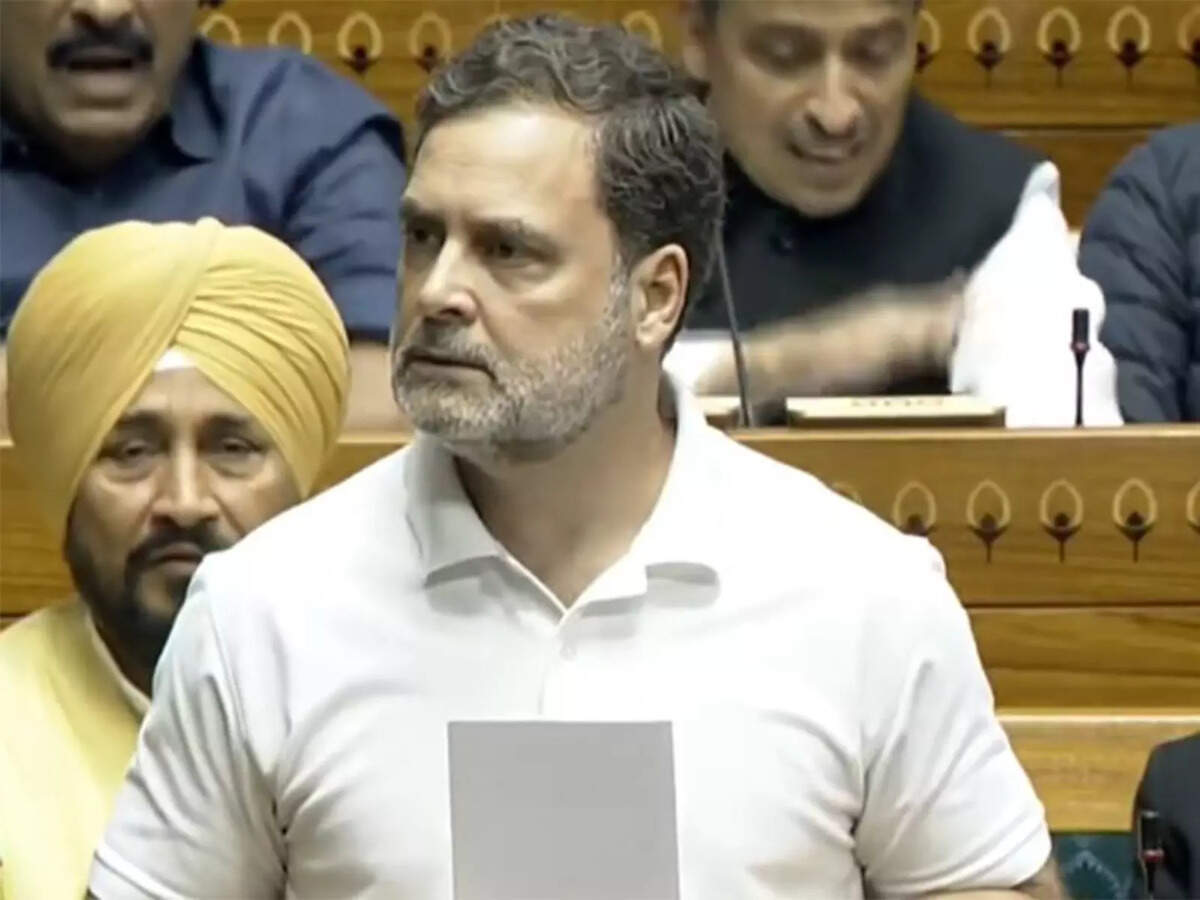
By K Raveendran The unfolding political narrative around the Indo-US trade treaty has done more than spark debate on tariffs, market access and diplomatic alignment: it has reshaped the contours of India’s domestic political landscape, particularly by elevating Rahul Gandhi’s stature as the principal opposition leader. The Modi government has positioned the trade agreement as […]

The article Indo-US Trade Deal Has A Most Unlikely Winner: Rahul Gandhi appeared first on Latest India news, analysis and reports on Newspack by India Press Agency).

New Delhi has approved a proposal worth about $39 billion to expand the country’s fleet of Rafale fighter aircraft, marking one of the largest defence procurement decisions in its history and signalling a further shift towards advanced Western platforms in its combat air strategy.

The clearance by the defence ministry paves the way for negotiations with France’s Dassault Aviation for additional Rafale jets, building on an earlier $8.7 billion contract for 36 aircraft for the Air Force, deliveries of which were completed in 2024. A separate agreement has also been signed for 26 Rafale-M naval variants intended for deployment aboard aircraft carriers, underscoring a broader push to strengthen maritime air power.

New Delhi pushes major Rafale fleet expansion as it seeks to address concerns over squadron strength and ageing aircraft. The Air Force’s sanctioned strength stands at 42 squadrons, yet operational numbers have hovered well below that benchmark for years, raising debate within strategic circles over preparedness along contested borders with China and Pakistan.

Officials familiar with the procurement process say the new proposal reflects both operational requirements and long-term modernisation goals. India’s fleet still includes a significant number of Soviet-era MiG-21s and other legacy platforms, many of which are due for phased retirement. The Rafale, a 4.5-generation multirole fighter equipped with advanced avionics, electronic warfare systems and long-range precision weapons, has been positioned as a key element in bridging capability gaps.

The initial induction of 36 Rafales was widely viewed as a stopgap measure after the earlier Medium Multi-Role Combat Aircraft tender was scrapped amid cost and contractual disputes. Since their deployment at Ambala and Hasimara air bases, the aircraft have been integrated with India-specific enhancements, including advanced radar and electronic countermeasures. Defence planners argue that expanding the Rafale fleet would provide logistical and training efficiencies compared with diversifying further across multiple foreign platforms.

The naval variant, Rafale-M, has been selected to operate from the INS Vikrant, the country’s first domestically built aircraft carrier, and potentially from INS Vikramaditya. Naval aviation officials have indicated that the twin-engine aircraft meets requirements for carrier-based operations, including ski-jump take-offs and arrested landings, following evaluation trials against competitors such as Boeing’s F/A-18 Super Hornet.

Strategic analysts view the combined air force and naval acquisitions as part of a wider recalibration of procurement policy. Over the past decade, New Delhi has sought to balance self-reliance initiatives with the need for timely capability upgrades. Programmes under the “Atmanirbhar Bharat” framework aim to boost domestic manufacturing, yet complex fighter development remains a long-term endeavour. The Light Combat Aircraft Tejas, produced by Hindustan Aeronautics Limited, has entered service and secured additional orders, but it is not seen as a direct substitute for heavier multirole platforms like the Rafale.

Financial implications are significant. A $39 billion outlay would rank among the largest defence capital expenditures, at a time when the government is managing competing demands from infrastructure, welfare and economic stimulus. Officials have indicated that staggered payments and potential technology transfers could form part of negotiations, with an emphasis on local industry participation.

Previous Rafale contracts were accompanied by offset obligations requiring Dassault and its partners to invest in the domestic aerospace ecosystem. Whether similar provisions will apply to the expanded deal remains a subject of scrutiny, particularly as policymakers seek to deepen supply-chain integration and reduce long-term import dependence.

Diplomatically, the move reinforces defence ties with France, which has emerged as a key security partner in the Indo-Pacific. Bilateral cooperation spans joint exercises, maritime surveillance and submarine technology. Paris has consistently supported India’s strategic autonomy, a factor often cited by policymakers as attractive compared with other major arms suppliers.

Political debate is likely to accompany the procurement, as the earlier Rafale deal became a focal point of parliamentary contestation over pricing and process transparency. Government representatives have maintained that all procedures were followed in accordance with defence acquisition rules, and that operational urgency justified the intergovernmental route adopted at the time.

Air power specialists argue that a larger Rafale fleet would enhance interoperability and deterrence. The aircraft’s ability to carry Meteor beyond-visual-range missiles and SCALP cruise missiles has been highlighted as a force multiplier. Integration with indigenous weapons and network-centric warfare systems is also under way, reflecting a hybrid approach that blends imported hardware with domestic innovation.

Beyond immediate operational considerations, the proposal signals continuity in defence planning that spans successive administrations. India remains among the world’s largest arms importers, yet officials have reiterated ambitions to transition towards greater domestic production capacity over the coming decade. Achieving that balance, while sustaining readiness across land, sea and air domains, presents both fiscal and industrial challenges.

Advertisements

By Nantoo Banerjee The excitement over the finalization of the first tranche of the Indo-US trade deal during last weekend after months of negotiations and uncertainties may be irrational, if not too early, as it remains unclear about the US attitude towards India’s multi-alignment global trade and economic strategy combining countries such as Russia and […]

The article Indo-US Trade Deal Promises To Be Contentious appeared first on Latest India news, analysis and reports on Newspack by India Press Agency).

By T N Ashok NEW YORK: For seven decades, American diplomats danced around Kashmir with the precision of tightrope walkers, carefully avoiding any gesture that might suggest the United States had chosen sides in South Asia’s most intractable territorial dispute. Maps were scrubbed of political meaning. Statements were lawyered into studied neutrality. From Truman to […]
The article India Have Reasons To Be Happy At Big U.S. Switch On The Status Of Kashmir appeared first on Latest India news, analysis and reports on Newspack by India Press Agency).

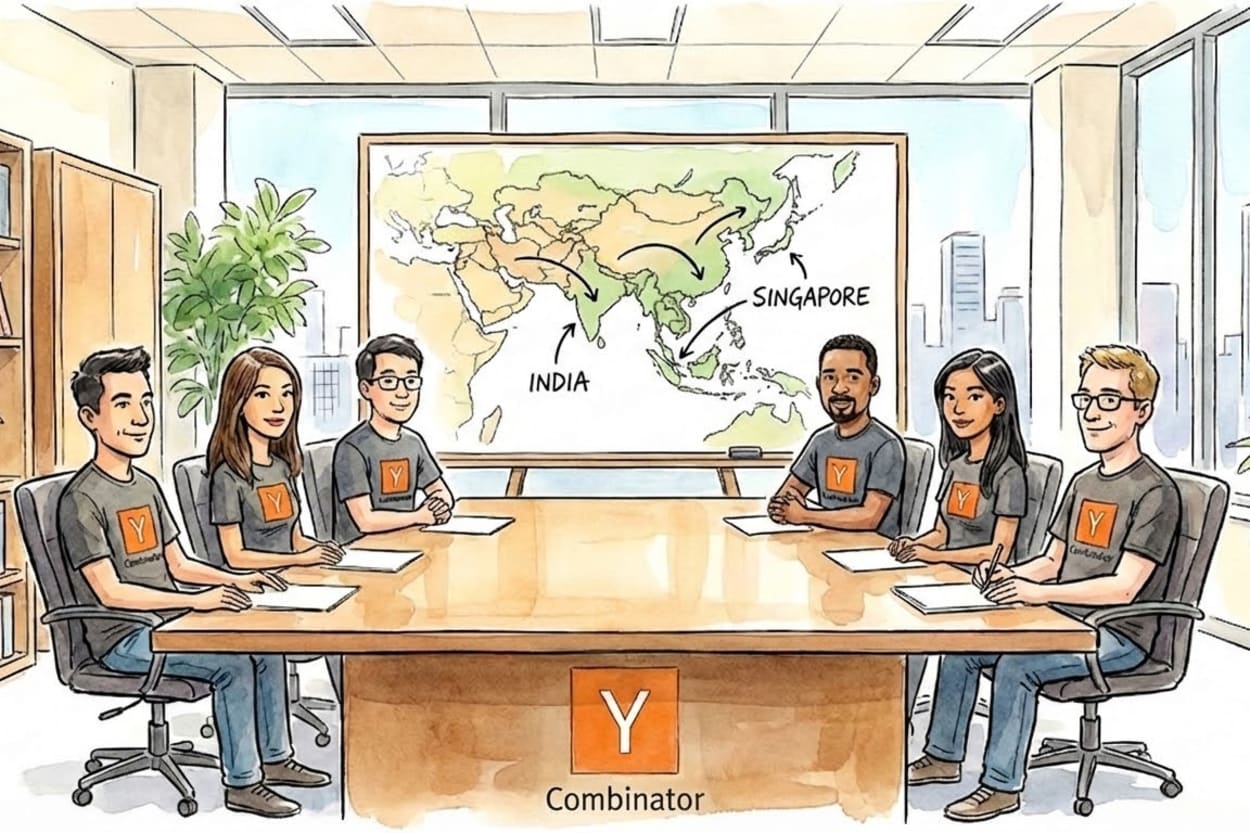
Y Combinator continues to generate outsized returns from companies with roots in India even as its broader influence across Asia shows signs of long-term retreat, reflecting a strategic shift by the world’s best-known startup accelerator amid changing regional dynamics. While founders from Bengaluru, Chennai and Delhi remain visible in its demo days and alumni rosters, the programme no longer shapes Asia’s startup narrative in the way it once did.

Founded in 2005 in Silicon Valley, Y Combinator built its reputation by backing early-stage companies that later became global giants, including Airbnb, Stripe and Dropbox. Its appeal in Asia peaked during the previous decade, when limited access to global capital and mentorship made association with a US-based accelerator especially valuable. India emerged as one of the biggest beneficiaries, with dozens of YC-backed startups securing follow-on funding, overseas market access and high-profile exits.

Companies such as Razorpay, Meesho and Groww, all of which passed through the YC ecosystem in earlier years, became reference points for founders seeking validation from global investors. India’s expanding pool of engineers, rising digital adoption and a large domestic market aligned well with YC’s software-first investment philosophy. These successes continue to deliver financial returns for the accelerator through equity stakes that have appreciated sharply as several firms reached unicorn valuations or prepared for public listings.

Yet the accelerator’s footprint across Asia has narrowed. YC formally closed its China-focused efforts earlier in the decade, citing regulatory complexity and difficulties operating within a tightening policy environment. Activity in Southeast Asia also slowed, with fewer batches featuring startups from Indonesia, Vietnam or Thailand compared with earlier years. The shift reflects not only YC’s internal priorities but also the maturation of Asia’s startup ecosystems, which now offer more local alternatives.

Across Asia, domestic accelerators, corporate venture arms and sovereign-backed funds have stepped in to fill gaps once dominated by Silicon Valley programmes. In India, initiatives backed by large conglomerates, universities and state governments provide capital, mentorship and market access without requiring relocation or deep integration into the US ecosystem. Southeast Asia has followed a similar path, with regional venture firms increasingly willing to lead early rounds.

YC itself has changed. The accelerator has leaned further into its core strengths, focusing on fewer geographies while doubling down on artificial intelligence, developer tools and enterprise software. Its decision to emphasise remote participation during and after the pandemic reduced the symbolic value of spending months in Silicon Valley, a factor that once set YC apart for Asian founders. While remote access broadened participation, it also diluted the sense of exclusivity that helped the programme stand out.

For Indian startups, the relationship with YC has become more transactional. Participation is still seen as a strong signal of quality, especially for companies targeting global markets or US-based customers. However, founders increasingly view YC as one of several possible launchpads rather than a defining milestone. Follow-on funding now depends less on accelerator pedigree and more on unit economics, regulatory clarity and the ability to scale within complex local markets.

Investors tracking Asia’s venture landscape note that YC’s reduced presence does not imply a loss of relevance everywhere. India remains an exception because of its scale, talent depth and ongoing pipeline of software-led startups with global ambitions. YC partners continue to engage with Indian founders, and each batch includes a steady, if smaller, number of companies from the country. Returns from earlier bets ensure that India remains financially meaningful to the accelerator.

At the same time, YC no longer sets the pace for Asia-wide innovation trends. Local accelerators and venture funds are shaping sectors such as fintech, climate technology and logistics, areas where regulatory nuance and on-the-ground execution matter as much as global networks. Governments across the region have also become more involved in startup promotion, offering grants, sandboxes and procurement opportunities that reduce reliance on foreign programmes.

By Nitya Chakraborty Bangladesh, Nepal and now Myanmar. Indian foreign policy makers are clueless in dealing with the developing situation. Myanmar’s three phase general elections organized by the military junta ended on January 25 and the results were released on January 29 and 30. As expected, the military aligned Union Solidarity and Development Party (USDP) […]

The article India Faces A Precarious Situation In Myanmar As China Supports Junta Led Rigged Elections appeared first on Latest India news, analysis and reports on Newspack by India Press Agency).

Energy cooperation between India and Bhutan has moved into a sharper operational phase, with both governments signalling alignment on stalled hydropower projects, new transmission corridors and a longer-term framework for electricity trade that underpins Bhutan’s public finances and supports India’s clean-energy transition.

Officials from the two sides held detailed consultations this week focused on accelerating work at the Punatsangchhu hydropower complex and reviving momentum on the long-discussed Sankosh project, while also reviewing cross-border transmission upgrades needed to evacuate power to the Indian grid. The talks came against the backdrop of rising electricity demand in eastern and northern India and Bhutan’s dependence on hydropower exports for fiscal stability.

The centrepiece remains the Punatsangchhu projects on the Punatsangchhu river, split into two plants. Punatsangchhu-I, designed for 1,200 MW, has faced prolonged delays following geological surprises that required major redesign of the dam structure and stabilisation of slopes. Officials familiar with the discussions said construction schedules are now being re-sequenced, with civil works and electro-mechanical installations aligned to a phased commissioning plan rather than a single completion date. Punatsangchhu-II, with a capacity of 1,020 MW, is at a more advanced stage, and planners are focusing on synchronising turbine commissioning with downstream transmission readiness.

Attention has also returned to the Sankosh Hydroelectric Project, a 2,560-MW venture long seen as a potential game-changer for Bhutan’s export capacity. Earlier hesitations over cost, resettlement and environmental impacts had pushed the project into limbo. The latest exchanges indicate a renewed willingness to revisit the detailed project report, reassess financing structures and examine whether a modular execution approach could reduce upfront risks. For Bhutan, Sankosh represents scale and revenue predictability; for India, it offers a large block of firm renewable power that complements solar and wind additions.

Beyond generation, transmission infrastructure featured prominently. Power evacuation from central and western Bhutan requires high-capacity lines linking to India’s eastern grid, where load centres are expanding. Officials reviewed progress on new substations and high-voltage corridors, with an emphasis on synchronising completion timelines to avoid stranded generation. Grid planners also discussed redundancy and resilience, reflecting lessons from weather-related disruptions and the need for stable cross-border flows during peak demand periods.

The partnership rests on an established model in which Indian public sector utilities assist with project execution and financing, while Bhutan retains ownership and earns export revenue. Hydropower accounts for a significant share of Bhutan’s gross domestic product and exports, making timely commissioning critical for debt servicing and social spending. Delays at Punatsangchhu have weighed on fiscal projections, prompting a stronger push for resolution.

For India, the engagement fits into a broader regional energy strategy. Hydropower imports from Bhutan provide dispatchable renewable electricity that balances variable solar output, particularly during evening peaks. Policymakers view this as complementary to domestic clean-energy targets and as a stabilising factor for grid operations. Electricity trade with Bhutan also aligns with New Delhi’s neighbourhood-first approach, where infrastructure and energy ties reinforce diplomatic relations.

Technical experts involved in the discussions highlighted the importance of geotechnical due diligence and adaptive engineering, especially in Himalayan terrain prone to landslides and seismic activity. Updated monitoring systems, revised dam designs and contingency buffers are being incorporated to mitigate risks that previously caused setbacks. Financing terms are also under review to manage cost escalations without overburdening Bhutan’s balance sheet.

Commercial arrangements formed another strand of the talks. Officials examined tariff structures, power purchase agreements and the scope for longer-tenure contracts that provide revenue certainty. There was also discussion on integrating future Bhutanese hydropower into emerging regional electricity markets, which could eventually allow surplus power to be traded beyond bilateral arrangements, subject to regulatory clearances.

By Nitya Chakraborty The announcement on India-US trade deal was expected, but the manner in which both President Donald Trump and Prime Minister Narendra Modi did the same in social media has led to big confusion. After a phone call with Narendra Modi, Trump claimed on Monday that the US had reached a trade arrangement […]

The article Total Confusion Over The Status Of India-US Trade Deal Prevailing appeared first on Latest India news, analysis and reports on Newspack by India Press Agency).

Arabian Post Staff -Dubai Major refiners based in New Delhi have signalled that transitioning away from Russian crude will require an orderly wind-down period before imports can be fully halted, even as leaders from the United States and India have proclaimed a landmark trade agreement that hinges on this shift. Refineries say they are bound by previously booked cargoes set to load and arrive over the coming […]

By K Raveendran The sharp note of disappointment sounded by Scott Bessent over the India–European Union free trade agreement says less about a single deal and more about a changing geometry of power in the global economy. At one level, Washington’s frustration reflects a familiar concern that sanctions and trade penalties are losing their bite […]

The article India-EU Free Trade Deal Redraws Balance Of Economic Power appeared first on Latest India news, analysis and reports on Newspack by India Press Agency).

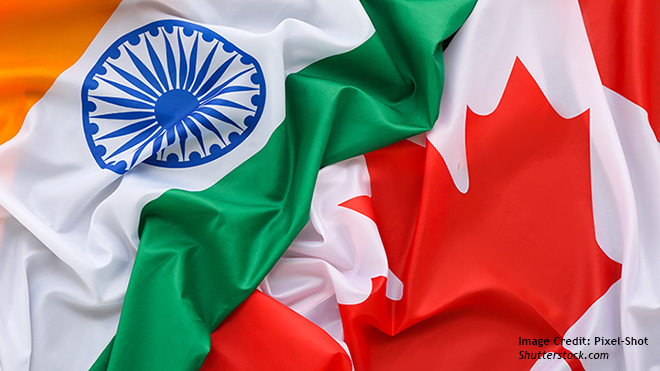
Ottawa and New Delhi are preparing for a high-level visit in March by Canadian Prime Minister Mark Carney, with negotiations entering an advanced stage on a cluster of agreements covering uranium supply, clean energy cooperation, critical minerals and artificial intelligence. Officials familiar with the talks say the visit is being positioned as a reset in economic engagement after a period of diplomatic strain, with both sides keen to lock in commercially binding deals that reflect shifting global supply chains and technology priorities.

The centrepiece of the expected package is an expansion of civil nuclear cooperation, anchored in long-term uranium supply contracts. Canada is among the world’s largest producers of uranium, while India has been seeking diversified and reliable fuel sources to support its nuclear power programme, which is projected to grow sharply over the next decade. Negotiators have been working to streamline regulatory clearances and pricing mechanisms to give utilities and suppliers greater certainty, while ensuring safeguards and compliance obligations are met.

Energy cooperation is set to extend beyond nuclear. Talks have included collaboration on clean hydrogen, carbon capture and storage, and grid-scale renewable integration. Canadian firms bring experience in cold-climate energy systems, advanced storage and emissions management, while India offers scale, manufacturing depth and ambitious deployment targets. Officials describe the approach as moving from memoranda of understanding towards projects with defined investment timelines and joint development structures.

Critical minerals form another pillar of the discussions. Canada’s reserves of lithium, nickel, cobalt and rare earths are increasingly viewed as strategic assets as governments seek alternatives to concentrated supply routes. India, pushing to build domestic battery and electronics manufacturing capacity, has been exploring offtake agreements, joint exploration and downstream processing partnerships. The proposed framework is designed to align mineral extraction with environmental and community standards, while enabling long-term supply security for manufacturers.

Artificial intelligence cooperation has emerged as a newer, fast-moving track. Policymakers on both sides have been weighing arrangements that combine Canada’s research ecosystem and talent pipeline with India’s large-scale data capabilities and application-driven innovation. Areas under discussion include healthcare diagnostics, climate modelling, financial services and public-sector digital infrastructure. Officials have emphasised the need for guardrails on data governance, intellectual property and ethical use, reflecting growing global scrutiny of AI deployment.

Trade officials say the March visit, if confirmed as planned, would also provide political momentum to broader commercial ties. Bilateral trade has grown steadily over the past decade but remains below potential, particularly in high-value manufacturing and services. Business groups in both countries have been urging clearer pathways for investment approvals, mobility of skilled professionals and dispute resolution mechanisms to reduce friction for companies operating across jurisdictions.

Negotiators from India and the European Union have moved into the final stretch of talks on a long-pending free trade agreement that both sides now describe as a strategic necessity, as uncertainty over United States trade policy reshapes global supply chains and export strategies. Officials involved in the discussions say most market-access chapters are broadly settled, with remaining work focused on sensitive tariff lines, regulatory safeguards and timelines for implementation.

The proposed pact, under negotiation for more than a decade with several pauses, has regained momentum over the past two years as Brussels and New Delhi seek to reduce exposure to external shocks. For the European Union, diversifying trade ties beyond the US and China has become an explicit policy goal. For India, securing preferential access to one of the world’s largest consumer markets offers a counterweight to potential tariff pressures elsewhere.

Trade specialists say the structure of the deal reflects this shared urgency. India is expected to secure phased tariff reductions on a wide range of labour-intensive exports, including textiles, apparel, leather goods, footwear, gems and jewellery, and certain engineering products. These sectors employ millions and are among the most exposed to changes in external demand. Ajay Srivastava, a former trade official, has said that improved access to the EU market would help exporters partly offset the impact of higher duties or restrictive measures imposed by the US on selected product categories.

European manufacturers, in turn, are seeking lower tariffs and clearer rules for automobiles, high-end machinery, wines and spirits, medical devices and chemicals. Current import duties on some of these products remain among the highest faced by EU exporters in major economies. Brussels has also pressed for stronger commitments on intellectual property protection, government procurement and regulatory transparency, areas that have historically slowed progress.

People familiar with the talks say negotiators have narrowed differences on goods tariffs by agreeing to longer transition periods for politically sensitive items, allowing domestic industries time to adjust. Agriculture remains a delicate chapter, with India resisting broad concessions on dairy and certain farm products, while offering limited quotas and safeguards to protect small producers. The EU has signalled flexibility, recognising the social and political weight of agriculture in India’s economy.

Beyond goods, services and investment provisions are central to the pact’s commercial value. India is pushing for easier movement of professionals in information technology, engineering and healthcare, alongside mutual recognition of qualifications. European counterparts are cautious, balancing labour-market concerns with industry demands for skilled talent. Investment protection rules are also under discussion, with both sides aiming to avoid disputes that have characterised earlier bilateral treaties.

Geopolitics has added another layer to the negotiations. Heightened trade frictions involving the US have reinforced the case for dependable partners and rules-based commerce. European policymakers increasingly view India as a key pillar in their Indo-Pacific strategy, while New Delhi sees the EU as a stable market that complements its manufacturing and export ambitions. The alignment is evident in parallel talks on a separate investment protection agreement and a framework for cooperation on sustainable development.

Environmental and labour standards have emerged as important, though contentious, elements. The EU has sought binding commitments linked to climate goals and workers’ rights, consistent with its newer trade agreements. India has pushed back against provisions it views as intrusive or misaligned with domestic development priorities, arguing for cooperation rather than enforcement-driven clauses. Compromise language is being explored to bridge these positions without derailing the broader deal.

Economists note that the scale of potential gains is significant, though uneven across sectors. The EU is already one of India’s largest trading partners, with bilateral goods trade running into tens of billions of euros annually. A comprehensive agreement could lift trade volumes further by lowering costs, improving predictability and encouraging investment flows. Export-oriented clusters in states with strong manufacturing bases are expected to be among the main beneficiaries.

Industry groups on both sides have stepped up engagement, urging negotiators to maintain momentum. Indian exporters highlight the risk of losing market share to competitors that already enjoy preferential access to the EU. European businesses argue that delayed agreement leaves them at a disadvantage in a fast-growing market with rising consumer demand and infrastructure spending.

By Asad Mirza In today’s fractured world, fissures caused mostly by the ongoing Trumpomania, every nation is working post haste to forge new alliances particularly focussed on trade. The best example of this is the India-EU partnership FTA, to be formalized on January 27.. The enhanced partnership is going to eliminate tariffs on more than […]

The article India-EU FTA Gives A Strong Political Message Of Europe To Trump appeared first on Latest India news, analysis and reports on Newspack by India Press Agency).

By Nantoo Banerjee India’s transport sector, combining road, rail, air and water, is ready for a significant job boom, with the logistics industry alone projected to grow at a 10.7 percent compound annual growth rate (CAGR) through the current year. The national budget for 2026-27, which is scheduled to be placed in Parliament on February […]

The article Union Budget Should Focus On Transport Sector As India’s Most Potential Growth Engine appeared first on Latest India news, analysis and reports on Newspack by India Press Agency).

Strong international validation for India’s ambitions in semiconductors and artificial intelligence has emerged during Union minister Ashwini Vaishnaw’s visit to Veldhoven, the Netherlands, where he held discussions centred on advanced manufacturing technologies and long-term collaboration. Vaishnaw described the engagement as a major opportunity to understand cutting-edge systems and align partnerships that could accelerate India’s high-technology ecosystem.

The visit to Veldhoven, home to the world’s most sophisticated chipmaking equipment capabilities, comes at a time when New Delhi is pushing to anchor itself more firmly in global semiconductor supply chains while building domestic capacity. Vaishnaw indicated that interlocutors acknowledged India’s policy direction and scale as compelling factors for deeper cooperation across semiconductors and artificial intelligence, two areas that are increasingly intertwined in next-generation computing and industrial automation.

Discussions during the trip focused on lithography technologies, supply-chain resilience and skills development, according to people familiar with the engagements. India’s pitch rests on a combination of policy incentives, a large engineering workforce and expanding demand from electronics, automotive and data-driven sectors. Officials accompanying the minister underlined that partners in Europe see India as a credible long-term manufacturing and innovation base rather than merely a consumption market.

The Netherlands occupies a critical position in the global chip industry because of its dominance in extreme ultraviolet lithography, a technology essential for producing advanced semiconductors. India’s engagement with Dutch stakeholders is therefore viewed as strategically important, particularly as countries and companies diversify supply chains amid geopolitical and commercial pressures. Vaishnaw’s meetings sought to map pathways for collaboration spanning equipment ecosystems, materials, precision engineering and research linkages.

Artificial intelligence featured prominently in the conversations, reflecting the convergence between advanced chips and AI workloads. Executives and policymakers discussed how specialised processors, high-performance computing and data infrastructure underpin AI deployment across sectors such as healthcare, mobility, energy management and public services. Indian officials emphasised the country’s growing base of AI startups, public digital platforms and applied research, arguing that closer alignment with global technology leaders would strengthen both sides.

The endorsement referenced by Vaishnaw also reflects broader international assessments of India’s semiconductor strategy, which combines fiscal incentives with infrastructure support and regulatory facilitation. Several fabrication and assembly projects have been announced across different states, while partnerships with global firms aim to address gaps in design, packaging and testing. Industry analysts note that execution risks remain, including timelines, talent depth in specialised manufacturing and integration into mature supply networks, yet acknowledge that momentum has improved.

From the Dutch perspective, collaboration with India offers access to a fast-growing market and diversification beyond traditional hubs. European technology firms have been recalibrating their engagement with Asia, balancing commercial interests with strategic considerations. India’s emphasis on trusted partnerships and standards-based cooperation resonates in this context, particularly in areas linked to critical technologies.

Vaishnaw’s visit also included interactions with research institutions and industry representatives to understand best practices in precision manufacturing and workforce training. Officials highlighted the importance of skilling programmes that align academic curricula with industry needs, a factor seen as decisive for sustaining semiconductor operations. India has been expanding such initiatives, including specialised training for chip design and manufacturing processes.

The talks in Veldhoven are part of a broader diplomatic and industrial outreach aimed at positioning India within high-value segments of global technology chains. Previous engagements with partners in East Asia and North America have similarly stressed co-development, supply assurance and innovation partnerships rather than transactional sourcing. The Netherlands visit adds a European dimension to that strategy.

By Nitya Chakraborty With the final list of eligible candidates announced on January 21 just three weeks before the crucial elections on February 12 in Bangladesh, the campaign has started in full swing. The trends so far give all the elements of a total polarization between the Bangladesh Nationalist Party and the Jamaat-e-Islami each heading […]

The article Jamaat-e-Islami Forges Ahead Bridging Gap With Dominant BNP Before Bangladesh Polls appeared first on Latest India news, analysis and reports on Newspack by India Press Agency).

UAE and India have elevated their strategic partnership with a sweeping set of agreements signed during the visit of Sheikh Mohamed bin Zayed Al Nahyan, signalling a calibrated push to broaden cooperation across defence, energy, space, trade, investment and food safety. The pacts, endorsed alongside Narendra Modi, reflect a shared intent to anchor bilateral ties in long-term economic and security interests while navigating a volatile global environment.

The visit culminated in the exchange of multiple memoranda of understanding that collectively aim to translate political goodwill into operational outcomes. Officials from both sides framed the agreements as an expansion of the Comprehensive Strategic Partnership, emphasising implementation timelines and institutional coordination rather than aspirational language. At the centre of the package is a defence cooperation framework that strengthens military-to-military engagement, joint exercises, training exchanges and defence industrial collaboration, an area that has gathered momentum as both countries diversify security partnerships.

Energy cooperation featured prominently, with accords spanning hydrocarbons, clean energy and grid resilience. State-linked firms and private players outlined pathways to scale joint investments in upstream oil and gas while accelerating collaboration in renewables, green hydrogen and energy storage. The emphasis on clean energy dovetails with the UAE’s net-zero ambitions and India’s drive to expand non-fossil capacity, positioning both as partners in technology transfer and project financing across third markets.

Space cooperation agreements mark another pillar of the evolving relationship. Space agencies from Abu Dhabi and New Delhi committed to deeper collaboration in satellite development, earth observation, data sharing and human spaceflight training. The arrangements are designed to support applications ranging from climate monitoring and disaster management to urban planning and agriculture, underscoring the commercial and societal dividends of space-based assets.

Trade and investment pacts seek to build on the momentum generated by the Comprehensive Economic Partnership Agreement, which has reshaped tariff structures and supply chains between the two economies. New understandings focus on easing customs procedures, aligning standards and expanding market access for small and medium-sized enterprises. Investment promotion agencies agreed to coordinate sectoral roadmaps in manufacturing, logistics, digital services and infrastructure, with sovereign investors and development funds expected to play a catalytic role.

Food safety and agricultural cooperation agreements address a strategic priority for both governments. Protocols on standards, certification and inspection aim to streamline the movement of agri-food products while safeguarding consumer interests. Joint research initiatives are set to target crop resilience, post-harvest technologies and cold-chain logistics, reflecting lessons from climate stress and supply disruptions that have sharpened the focus on food security.

Diplomatic engagements during the visit also underscored people-to-people ties, education and skills. Universities and research institutions announced partnerships in advanced materials, artificial intelligence and health sciences, while vocational training programmes were aligned to labour market needs in construction, healthcare and digital services. These measures are intended to deepen the talent pipeline that underpins commercial ties.

Officials were careful to situate the agreements within a broader regional and global context. With shipping lanes under strain and commodity markets exposed to geopolitical shocks, both sides highlighted coordination on maritime security and supply chain resilience. The defence and logistics components of the package are expected to reinforce cooperation in the Indian Ocean region, where the UAE’s ports and India’s maritime capabilities intersect.

Economists note that the breadth of the accords reduces concentration risk by spreading cooperation across multiple sectors, while governance mechanisms embedded in the agreements could improve execution. Joint working groups, periodic reviews and dispute-resolution channels were outlined to ensure progress is measurable. Business leaders welcomed the clarity on standards and compliance, arguing that predictability lowers the cost of capital and accelerates project timelines.

Critics caution that delivery will depend on regulatory alignment and the pace of domestic approvals, particularly in capital-intensive sectors such as energy and defence manufacturing. Past initiatives have sometimes faced delays linked to procurement processes and technology transfer rules. Both governments acknowledged these constraints and signalled intent to address bottlenecks through empowered committees.

UAE President Sheikh Mohamed bin Zayed Al Nahyan arrived in New Delhi on a working visit, marking another step in the steady expansion of political, economic and strategic ties between Abu Dhabi and New Delhi. He was received at the Palam Air Base by Prime Minister of India Narendra Modi, accompanied by senior members of the Union Cabinet and officials from the external affairs establishment, underscoring the importance both sides attach to the engagement.

The visit places renewed focus on deepening UAE–India partnership at a time when bilateral cooperation spans trade, energy security, technology, defence and people-to-people exchanges. Officials said discussions during the visit would review progress under existing agreements while identifying new areas for collaboration aligned with long-term economic and geopolitical priorities.

The UAE and India have built a close relationship over the past decade, anchored by high-level political engagement and sustained institutional cooperation. The elevation of ties to a Comprehensive Strategic Partnership has provided a framework for collaboration across sectors, with regular leader-level interactions helping to maintain momentum. Sheikh Mohamed and Prime Minister Modi have met frequently on the margins of multilateral forums and through bilateral visits, creating a rapport that has translated into concrete outcomes.

Trade and investment remain central to the agenda. Bilateral non-oil trade has expanded significantly following the implementation of the Comprehensive Economic Partnership Agreement, which reduced tariffs, simplified customs procedures and opened services markets. Officials on both sides view the agreement as a catalyst for further growth, particularly in manufacturing, logistics, food security and digital services. The UAE has also emerged as a major investor, with sovereign and private capital flowing into infrastructure, renewable energy, ports and technology ventures.

Energy cooperation continues to be a pillar of the relationship. The UAE is a key supplier of crude oil and liquefied natural gas, while joint investments in strategic petroleum reserves and downstream assets have added depth to the partnership. As both countries pursue energy transition goals, collaboration has widened to include renewables, green hydrogen and climate technology, reflecting shared commitments to sustainability and diversification.

Defence and security cooperation has gained prominence amid evolving regional and global challenges. Regular joint exercises, intelligence exchanges and defence industrial cooperation have strengthened interoperability and trust. Counter-terrorism, maritime security and cyber resilience are areas where officials see scope for closer coordination, particularly given the shared interest in stable sea lanes and secure digital infrastructure.

Technology and innovation feature prominently in the discussions. The UAE’s push to position itself as a hub for advanced technologies aligns with New Delhi’s focus on digital public infrastructure, fintech and start-up ecosystems. Partnerships between research institutions, technology firms and start-ups have expanded, supported by policy initiatives and investment platforms designed to facilitate cross-border collaboration.

The large expatriate community also shapes the relationship. Millions of people from India live and work in the UAE, contributing to its economy and cultural diversity, while remittances and professional exchanges strengthen social and economic links. During past engagements, leaders have highlighted the role of this community as a bridge between the two nations, with initiatives aimed at skills development, worker welfare and cultural exchange.

On the multilateral front, both countries coordinate positions on regional stability, economic governance and climate action. Cooperation within forums such as the G20, where the UAE has participated as a guest under New Delhi’s presidency, has reinforced alignment on development priorities, debt relief for vulnerable economies and sustainable growth.

Officials familiar with the visit said meetings would assess progress on commitments made during earlier engagements and set timelines for new initiatives. Agreements and memoranda of understanding under consideration span sectors including education, healthcare, space cooperation and financial services, reflecting the breadth of the partnership.

By Nitya Chakraborty The annual summit of World Economic Forum began in the Alpine hills of Davos in Switzerland on January 19 with the European leaders and the businessmen rattled over the confrontationist approach taken by the U.S. President Donald Trump on Greenland annexation. After imposing 10 per cent tariff on the EU countries taking […]

The article Davos 2026 Delegates Are Panicky As Trump Is Set To Explode His Policy Bomb On January 21 appeared first on Latest India news, analysis and reports on Newspack by India Press Agency).

VISHNU RAJA
RYO YAMADA
HITORI GOTOH
IKUYO KITA