News related to
Houthi

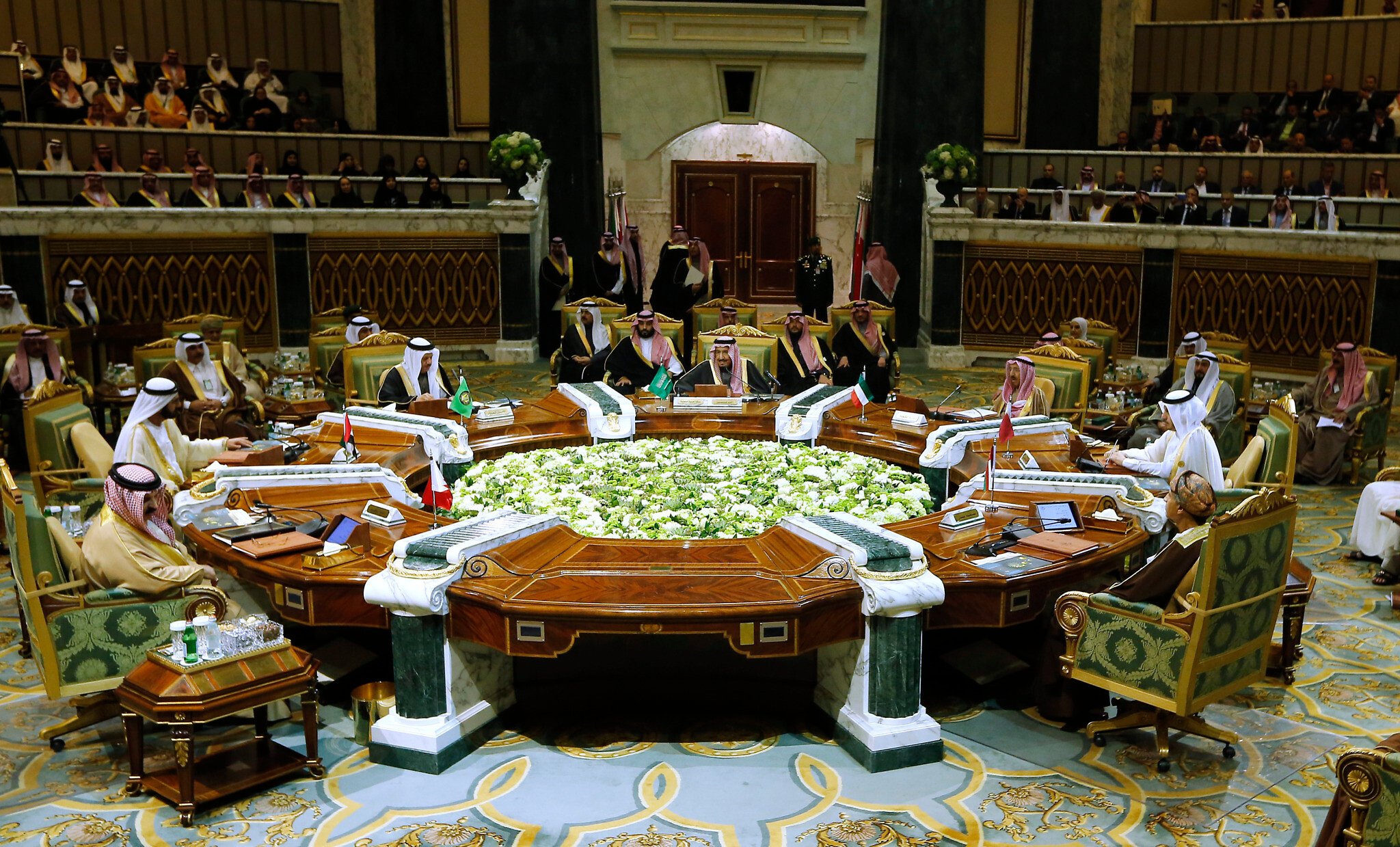
Gulf states have entered a heightened state of alert amid intensifying hostilities between Israel and Iran, as regional leaders warn the confrontation risks dragging the Gulf into a wider, destabilising war.

Leaders of the Gulf Cooperation Council convened an emergency ministers’ meeting chaired by Kuwaiti Foreign Minister Abdullah Al‑Yahya, with Secretary‑General Jassim Al‑Budaiwi declaring the situation had deteriorated into “extremely dangerous and unprecedented escalation,” and entering “full alert” mode to monitor environmental and radiological conditions across member states. He emphasised that continued military strikes, particularly near nuclear sites, would threaten regional infrastructure, health and economies.

Gulf diplomats have condemned the Israeli bombardment of Iranian territory and called on all parties to halt operations and return to dialogue. The council’s Emergency Management Centre is implementing precautionary measures across environmental and radiological sectors, reflecting concern over inbound radiological fallout.

Analysts from the Gulf warn that the strategic vulnerability of Gulf waterways such as the Strait of Hormuz and Bab al‑Mandab makes the region highly exposed to spill‑over from the Iran‑Israel clash. S&P Global Ratings has revised its assessment of regional sovereign risk higher, citing threats to oil exports, transport routes, tourism, capital flows and banking sector resilience in Gulf countries.

Commentators such as Abdulaziz Sager of the Gulf Research Center caution Gulf states are risking sovereignty, infrastructure and public trust unless the conflict is diplomatically defused. He urged activation of regional mediation channels to prevent Gulf countries from being drawn into military exchanges.

Gulf economists emphasise the economic ramifications: disruptions to global supply chains, escalated insurance costs, rising oil prices and capital flight could erode financial stability. While banks have adequate buffers, prolonged conflict could dent business confidence and growth across Gulf economies.

Diplomatic efforts are also underway within the Gulf. Oman and Qatar are spearheading ceasefire talks between Tehran and Washington as a pathway to stabilisation, with Iran open to rejoining nuclear discussions should Israeli strikes cease. Gulf leaders are leveraging their neutrality and communication channels with both Israel and Iran to broker a pause in hostilities.

Within Gulf societies, governments are working to reassure citizens. Public communications in Qatar confirm that radiation levels remain within safe thresholds, while Kuwait’s military affirms that missile trajectories affecting Iran and Israel pose no risk to its airspace.

The reaction within Iran’s sphere of influence appears measured. Unlike prior incidents, allied non‑state actors such as Hezbollah and Yemen’s Houthis have yet to launch retaliatory strikes, suggesting Iran is tempering its response amid Gulf diplomatic pressure.

US diplomacy remains a complex factor. Washington has escalated military readiness by dispatching aerial refuelling assets and an aircraft carrier strike group to the region, yet has stopped short of intervening directly. President Trump has verbalised support for diplomatic channels and warned against Iran acquiring nuclear arms, while signalling that Iran had expressed willingness to end hostilities.

Gulf monarchies are striving to balance neutrality and economic stability. They maintain diplomatic ties with both Iran and Israel while amplifying calls for restraint. Experts caution that escalatory miscalculations could shatter this delicate equilibrium, potentially sparking wider engagement and drawing Gulf states into direct confrontation.


Leaders at the 51st G7 summit convening in Kananaskis, Canada, are confronting an abrupt surge in hostilities between Israel and Iran, marked by intensified airstrikes, rising civilian casualties, and mounting diplomatic tensions. With missile barrages and pre‑emptive assaults already claiming hundreds of lives, the summit agenda has shifted dramatically, prioritising strategies to contain the conflict and avert a broader regional war.

Israeli forces launched “Operation Rising Lion” on 13 June, targeting Iran’s nuclear, ballistic missile, and military infrastructure—including key command centres and Iranian Revolutionary Guard facilities around Tehran—and killed high‑ranking officials and scientists. Iran retaliated with a wave of over 270 missiles, deploying new tactics that overwhelmed Israel’s air defences and struck densely populated urban areas such as Tel Aviv and Haifa. As of 16 June, at least five Israelis were killed and more than 100 injured in the latest overnight strikes. Iranian health authorities report a death toll of at least 224, predominantly civilians, and over 1,200 wounded.

The rapid escalation has introduced fresh complexity to international diplomacy. U.S. President Donald Trump vetoed an Israeli proposal to target Iran’s Supreme Leader Ayatollah Ali Khamenei, emphasising that such action would only inflame the situation. Trump has also signalled the possibility of brokering a deal, suggesting Iran “must make a deal before there is nothing left” and voicing optimism that peace negotiations could emerge from this crisis.

European leaders are urging urgent collective action. German Chancellor Friedrich Merz asserted at the summit that unity is essential to prevent Iran’s nuclear ambitions, uphold Israel’s right to self‑defence, curb escalation, and open diplomatic channels. He indicated that measures could include sanctions, and emphasised cooperation with regional actors such as Oman to reduce tensions with Iran and Yemen’s Houthi rebels. Meanwhile, Ursula von der Leyen and Emmanuel Macron deployed diplomats to press for negotiation, although Macron’s optimism about a swift resolution contrasts with ongoing military deployment in the region.

Britain has signalled readiness to support Israel with defensive and civil aid while advocating restraint. Prime Minister Keir Starmer has reinforced diplomatic engagement with Trump, Netanyahu, and Gulf leaders, and authorised RAF Typhoon jets as a contingency against potential Iranian threats to UK bases. Nonetheless, Iran has dismissed ceasefire calls while military operations continue.

Canada, hosting the summit, has abandoned the traditional joint communiqué, opting instead for chair’s summaries to manage discord—particularly over trade and Middle East policy—between the U.S. and other participants. Canadian Prime Minister Mark Carney emphasised the summit focus on peace, security, supply chains, and jobs—prioritising a co‑ordinated response to the Israel‑Iran crisis.

G7 officials are crafting a unified statement urging Iran to halt its nuclear programme and Israel to pause expansive military action, signalling tangible diplomatic pressure backed by clear consequences for non‑compliance. However, persistent disagreements across the bloc—over trade, relations with Russia, and climate policy—complicate efforts to forge a consensus.

Regional actors are mobilising diplomatic channels. Qatar and Oman are reportedly engaged in shuttle diplomacy to de‑escalate the conflict. Simultaneously, Iran‑backed groups, including militias in Iraq and Houthis in Yemen, are extending hostilities across front lines, prompting concern that the confrontation may metastasise into a wider regional war.

The humanitarian fallout is grave. Large‑scale displacement is underway as Iranians flee Tehran after warnings issued by Israeli forces to civilians near weapons facilities. Hospitals in northern provinces are stretched, while the Iranian Red Crescent has launched mobile clinics to address urgent needs. Energy markets have also reacted sharply: Brent crude prices spiked as Gulf insecurity intensified.

Analysts warn the conflict risks triggering retaliatory terror attacks in the West and disrupting global energy security. The G7 faces a pivotal test: coordinating military readiness, civilian protection, sanctions, nuclear non‑proliferation, and active diplomacy, all while preserving internal unity amid geopolitical divisions.

Iran’s multifaceted network of proxies and covert operatives is poised to broaden its campaign of retaliation against Israel by extending its operations into Europe. Having weakened regional assets such as Hezbollah, the Houthis and Hamas, Tehran is reportedly turning to clandestine cells and criminal syndicates across the continent as a new front in its “ring of fire”. Heightened security advisories for Jewish communities from London to Berlin […]

By Nantoo Banerjee Gaza’s Hamas militants face an unmitigated disaster as Israel is all set to take full control over Gaza strip after a gap of almost 20 years. Simultaneously, Israel seems to be gearing up to annex a substantial portion (Area C) of West Bank ignoring protests from France, the United Kingdom and Sweden […]

Allianz Safety and Shipping Review 2025: Trade conflict between the US and China and growing shadow fleet add to substantial challenges for the shipping industry. Despite geopolitical headwinds: only 27 large ships lost worldwide in 2024, down by more than 20%, the industry’s lowest-ever total. Progress made on traditional risks such as fires, collisions, and groundings, which are the main causes of losses, but potential for large […]

By Nantoo Banerjee Pakistan is back in the business of pushing Jihadists into India. It is the same old story. Last week, barely 12 days after the announcement of a ceasefire on 10 May, Pakistani terrorists in Jammu & Kashmir’s Kishtwar district killed an Indian soldier in an encounter with the security forces. When were […]
By Nantoo Banerjee Amazing are the ways of the Indian government and the country’s political satraps to deal with frequent Islamist terror attacks on India’s innocent citizens. In the last one month or so, the organized Islamist terror in West Bengal’s Muslim-majority Murshidabad district had led to massive destruction and displacement of over 150 Hindu […]
Advertisements

Iran has officially declined direct negotiations with the United States concerning its nuclear programme, marking a significant development in the ongoing diplomatic standoff between the two nations. President Masoud Pezeshkian announced that Tehran communicated its decision through Oman, rejecting the prospect of face-to-face discussions with the administration of President Donald Trump. This response follows a letter from President Trump to Iran’s Supreme Leader Ayatollah Ali Khamenei, proposing […]

By Nitya Chakraborty Europe, which has always been vocal about its past history and civilization as well its contribution to the making of the modern world, has never faced such humiliation in the hands of its transatlantic ally the USA in the last eighty years since the end of the Second World War in 1945.The […]


Matein Khalid If ever any investor needed a real time lesson in emerging markets risk, the timebombs in Ankara, Jakarta and Bogotá to provided it. President Erdogan ordered the arrest of his top rival Istanbul Mayor Ekrem İmamoğlu and triggered a 10% plunge in the lira against the US dollar, an exodus of offshore money from the local T-bill market and a horrific meltdown in Istanbul bank […]

Matein Khalid Starting in 2016, the US has morphed into the world’s largest LNG exporter, eclipsing Australia and Qatar. Trump is determined to achieve global energy dominance as he exploits the geopolitical leverage American LNG exports give him in his relations with Europe, Asia and the GCC. He has pledged to dramatically expand US natural gas production via his “drill baby drill” ethos, rescinded Biden’s environmental pause […]

A prominent investment fund has made a significant wager on Brent crude oil prices surging toward $100 per barrel, reflecting growing concerns over escalating geopolitical tensions in the Middle East. On Monday, options contracts equivalent to 20 million barrels were traded, poised to profit if Brent’s June futures approach the $100 mark. This substantial position underscores the fund’s anticipation of a potential price spike amid mounting regional […]

Dubai-based global ports and logistics operator DP World announced a record revenue of $20 billion for the fiscal year 2024, marking a 9.7% increase from the previous year. This surge is attributed to enhanced performance in its ports and terminals division, alongside contributions from new acquisitions and concessions. Despite the revenue growth, profit attributable to owners, after separately disclosed items, fell by 28.9% to $591 million from […]

Companies identify Business interruption as their top business concern for the year ahead (37% of overall responses) Cyber ranks #2 (31%), with data breaches identified as the cyber exposure companies fear most Natural catastrophes retain #3 rank (27%) in Asia, which is heating up faster than the global average SINGAPORE – Media OutReach Newswire – 15 January 2025 – Business interruption is the biggest worry for Asian […]

Matein Khalid There is no geopolitical risk premium in Brent crude even though history just went fast forward and literally ballistic in the Middle East as the IDF bombed Hamas into the Stone Age, decapitated Hezbollah’s command/communications networks, killed Nasrallah, forced Iran’s most valuable proxy militia to sue for a ceasefire in Lebanon, destroyed Iran’s Russian S300 anti-missile defense systems and escalated its air assault on the […]

Geopolitical tensions in the Middle East are intensifying, raising alarms about the stability of global oil supplies. Recent Israeli airstrikes targeting Yemen’s Houthi rebels have exacerbated fears of disruptions in the region’s critical oil flow. These developments have led to a surge in oil prices, with Brent crude reaching $75.98 per barrel and U.S. West Texas Intermediate climbing to $72.30.

The Middle East remains a pivotal hub for global oil production and exportation. Conflicts involving key players such as Israel, Iran, and Yemen have historically had significant implications for oil markets. The latest Israeli military actions against Houthi positions in Yemen have intensified concerns about the security of oil shipments through the Red Sea, a vital artery for global energy supplies.

Market analysts are closely monitoring these geopolitical developments. Bart Melek, a market strategist, emphasized the potential risks to oil shipments, noting that any escalation could lead to substantial disruptions in supply chains. Such disruptions can have cascading effects on global markets, influencing everything from fuel prices to broader economic indicators.

In response to the potential shortfall in oil supplies, particularly from Russia, Indian state refiners are exploring alternative sources. Companies like Indian Oil Corp, Bharat Petroleum Corp, and Hindustan Petroleum are considering purchasing spot crude from Middle Eastern suppliers to compensate for the deficit. This strategic move underscores the interconnectedness of global oil markets and how regional conflicts can prompt shifts in trade patterns.

The geopolitical landscape’s volatility has also prompted energy consultancies to reassess risk assessments. Rapidan Energy Group, for instance, has highlighted the increasing concerns that fresh tensions in the Middle East threaten to curtail vital energy resources. Such analyses are crucial for stakeholders aiming to navigate the complexities of the current energy market.

A U.S. federal probe is scrutinizing JPMorgan Chase & Co.’s dealings linked to a hedge fund with alleged connections to the Iranian oil trade, raising concerns over compliance with sanctions and anti-money laundering regulations. The investigation, spearheaded by the U.S. Department of Justice (DOJ), focuses on potential violations stemming from the bank’s financial transactions involving entities associated with Al-Qatirji Company, a Syrian conglomerate tied to Iranian oil revenue streams.

JPMorgan’s involvement reportedly includes providing banking services to a hedge fund accused of facilitating the transfer of Iranian oil proceeds. Authorities are examining whether the bank sufficiently adhered to due diligence protocols in flagging and addressing transactions potentially linked to the Al-Qatirji network. This Syrian entity has been implicated in financing Iran’s Islamic Revolutionary Guard Corps-Qods Force (IRGC-QF) and other regional proxies, including the Houthis in Yemen.

The hedge fund under investigation is alleged to have channeled millions of dollars from Iranian oil sales into international markets, circumventing sanctions designed to limit Iran’s access to global financial systems. U.S. officials assert that such networks allow the IRGC-QF to sustain operations and fund regional destabilization efforts. The Al-Qatirji network reportedly laundered proceeds through financial hubs such as Istanbul and Beirut, enabling the movement of significant sums to entities in Syria and East Asia, including the People’s Republic of China.

The DOJ’s inquiry underscores broader U.S. efforts to curtail illicit financial flows tied to sanctioned regimes. A Treasury Department action earlier this month targeted 26 individuals, companies, and vessels linked to Al-Qatirji’s operations. Acting Under Secretary for Terrorism and Financial Intelligence, Bradley T. Smith, highlighted the critical role of corporate networks in sustaining Iran’s regional agenda, stating that ongoing measures aim to dismantle these channels.

While JPMorgan has yet to face formal allegations, the investigation reflects growing regulatory scrutiny over banks’ roles in potentially facilitating sanctions evasion. Financial institutions worldwide are increasingly held accountable for ensuring robust compliance frameworks that prevent illicit activities, particularly involving entities on U.S. sanctions lists.

Experts note that global banks often grapple with challenges in identifying sophisticated evasion tactics employed by sanctioned entities. Advanced laundering schemes, such as utilizing shell companies and obfuscated trade routes, complicate detection efforts. In JPMorgan’s case, regulators are likely examining whether compliance lapses enabled the hedge fund’s activities.

The investigation also raises questions about corporate accountability and the effectiveness of sanctions in curbing malign activities. Analysts suggest that while sanctions can impose significant economic costs, their enforcement depends heavily on vigilance from financial institutions and governments. The JPMorgan case could set a precedent for how major banks address exposure to high-risk clients and transactions.

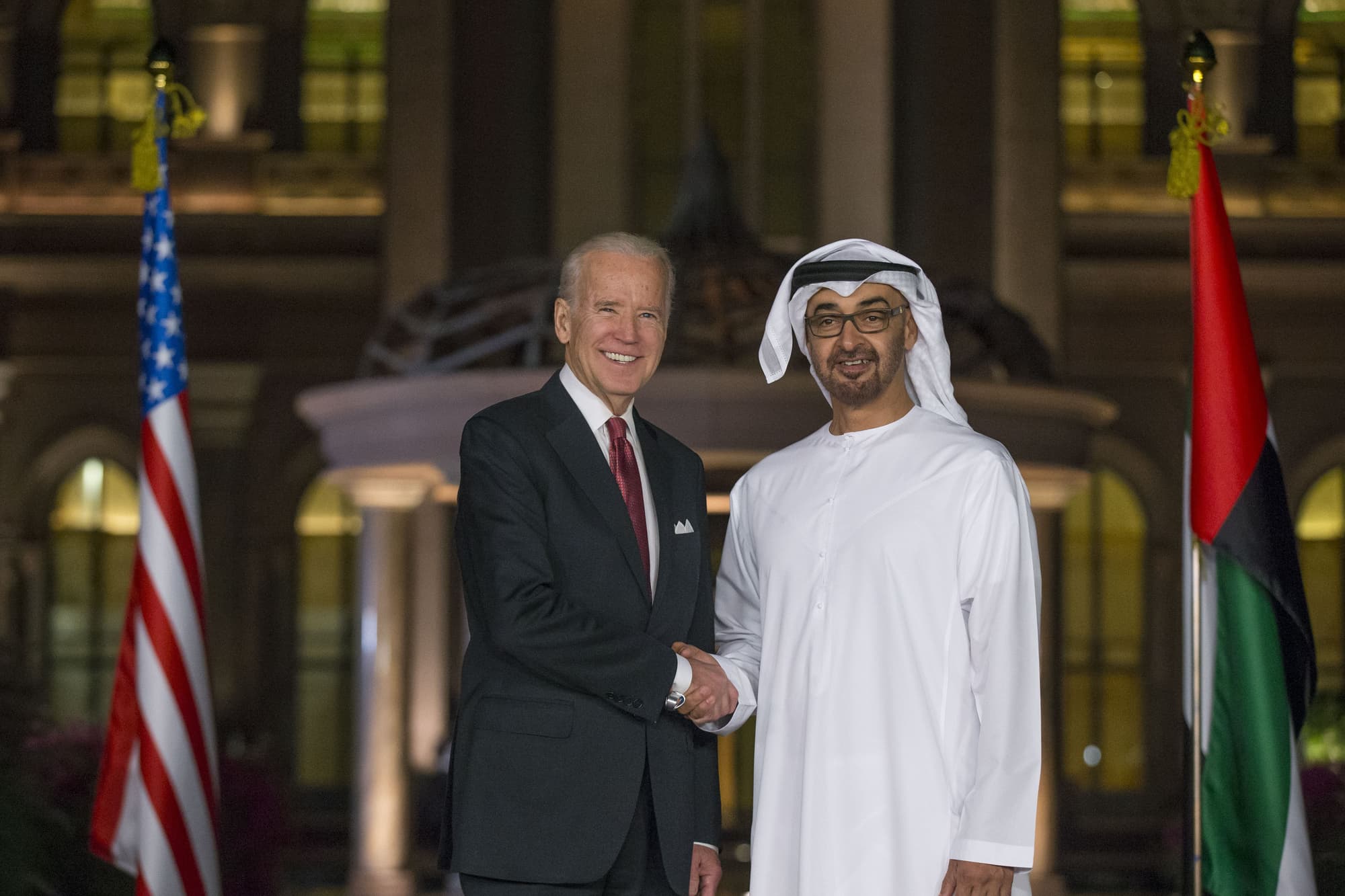
President Joe Biden has officially designated the United Arab Emirates as a major defense partner of the United States, solidifying the nation’s strategic role in the region. This move comes shortly after a similar designation was awarded to India, underscoring Washington’s efforts to build stronger alliances with Gulf and South Asian powers in the face of shifting global security dynamics. The announcement marks a significant step in US-UAE relations, enhancing defense cooperation and reaffirming the UAE’s importance in American military strategy.

The decision highlights the UAE’s evolving role as a critical player in regional security. With this designation, the UAE joins a select group of countries that enjoy preferential treatment when it comes to military cooperation with the United States. The relationship allows for greater access to advanced defense technology, streamlined military sales processes, and deeper intelligence collaboration. These developments come amid ongoing efforts by the US to recalibrate its security commitments in the Middle East, pivoting towards nations capable of contributing more significantly to their own defense.

Biden’s formal recognition of the UAE as a defense partner builds on decades of close military ties between the two nations. The UAE has long been a hub for US military operations in the region, hosting troops and serving as a staging ground for operations in neighboring conflict zones. The move is also seen as part of Washington’s broader strategy to reinforce its influence in the Gulf, where rising geopolitical tensions and the involvement of foreign powers like Russia and China continue to shape the security landscape.

For the UAE, this designation is not merely symbolic. It solidifies the nation’s status as a regional security leader and elevates its position on the global stage. It also provides the UAE with more direct access to sophisticated US defense systems, which will be critical in enhancing its defense capabilities amidst growing concerns over missile threats and other regional challenges. The UAE has long sought to upgrade its military arsenal, focusing on cutting-edge technology such as advanced fighter jets and missile defense systems. This new designation could accelerate these procurements, allowing for a faster, more seamless process.

The US government has been increasingly focused on forging deeper security ties with countries it sees as vital to countering both state and non-state actors. The UAE has been a crucial partner in US-led efforts to combat terrorism and ensure maritime security in the Gulf, particularly through its involvement in anti-piracy and anti-smuggling operations. The nation’s strategic location and military infrastructure have made it an indispensable ally in addressing threats posed by extremist groups and hostile states in the region.

Meanwhile, this development coincides with broader geopolitical shifts, as the US grapples with its role in a multipolar world. The Biden administration’s defense policy has focused on reducing its military footprint in some traditional hotspots while doubling down on partnerships that bolster regional security autonomously. The designation of both the UAE and India as major defense partners reflects a recalibrated approach to ensuring stability through cooperation, rather than direct military involvement.

The strategic importance of the UAE extends beyond the Middle East. Its influence in Africa, Central Asia, and the Indian Ocean region makes it a key player in a wider arc of geopolitical interests. With major global powers vying for influence in the Middle East, Washington’s decision to deepen its defense ties with Abu Dhabi also signals its intention to counter growing Russian and Chinese influence. China’s Belt and Road Initiative and increasing arms sales to Gulf countries, including the UAE, are clear indicators that the region is a key battleground for global influence.

The UAE’s defense relationship with the United States has grown in complexity in recent years. The two nations have regularly conducted joint military exercises, and the UAE has made substantial purchases of US-made defense equipment, including F-16 fighter jets, missile defense systems, and advanced drones. More recently, the UAE has expressed interest in acquiring next-generation US fighter jets, including the F-35, as part of its efforts to enhance its military edge. The partnership also extends to counterterrorism operations, where the two nations collaborate closely in intelligence sharing and tactical support to neutralize extremist threats.

The decision to elevate the UAE’s status comes against the backdrop of broader regional realignments. The Abraham Accords, which normalized diplomatic relations between the UAE and Israel, have reshaped the strategic landscape of the Middle East, offering new opportunities for cooperation between key US allies. This trilateral relationship between the US, UAE, and Israel is likely to deepen in the defense sphere, with potential collaborations in areas like missile defense and cybersecurity.

At the same time, the UAE faces growing security concerns closer to home. The conflict in Yemen, where the UAE has been heavily involved, continues to pose risks to regional stability. Iranian-backed Houthi rebels have launched missile and drone attacks against UAE infrastructure, raising the stakes for Abu Dhabi’s defense posture. The new designation from Washington could pave the way for more robust US support in addressing such threats, with the potential for more advanced defense systems aimed at countering missile and drone attacks.

US defense experts have praised the move, calling it a logical step in strengthening bilateral ties with a trusted partner in the Gulf. They argue that bolstering the UAE’s defense capabilities is not only in the interest of regional stability but also aligns with the US strategy of building self-reliant regional security partners. The UAE’s growing military spending and its focus on modernizing its armed forces further bolster the case for Washington’s decision.

The rising tensions in the Red Sea, particularly due to Houthi rebel threats against shipping vessels, have led to a sharp increase in insurance premiums for maritime companies operating in the region. The volatile security environment, combined with the risk of targeted attacks on vessels linked to countries like the UK, US, or those having called at Israeli ports, has left insurers increasingly cautious about providing war-risk cover for ships transiting the waters.

War-risk insurance premiums have skyrocketed to as much as 2% of a vessel’s value for a single transit through the Red Sea. This steep increase reflects heightened concerns following several incidents, most notably the August 21 strike on the oil tanker Sounion, which was carrying about one million barrels of crude oil at the time. Though the tanker was safely towed without spillage, the attack underscored the vulnerability of maritime assets in the region, adding pressure on insurers and shipping companies alike.

The market for insuring ships passing through this critical shipping route has narrowed as smaller insurers retreat from offering coverage. A limited number of firms, mostly high-risk underwriters, continue to offer protection, but at significantly elevated costs. Industry insiders have noted that some vessels, especially those perceived as high-value targets for potential attacks, are struggling to secure any coverage at all.

The risks have intensified with the Houthis’ declaration that ships with certain affiliations would face potential attacks. While traditionally, war-risk cover has been available, the situation is unprecedented with underwriters outright refusing coverage, citing the region’s escalating risks. For shipping operators, this poses not only financial but also operational challenges, as the necessity of traversing the Red Sea for global oil and goods trade remains critical despite the threats.

A consortium of insurance underwriters led by Brit provided the war-risk cover for the Sounion, alongside firms such as Antares, Iquw, Hamilton, and others. However, many of these insurers have been notably silent regarding the details of coverage, which underscores the sensitivity and complexities of offering insurance in such a volatile region. The consortium’s willingness to continue offering protection contrasts with smaller players who are increasingly unwilling to take on such risks.

The situation has compounded concerns for global shipping companies, especially with the strategic importance of the Red Sea in connecting Europe, the Middle East, and Asia. As attacks threaten to disrupt not just oil shipments but broader trade routes, the rising insurance costs may further exacerbate existing challenges for global supply chains.

Maritime experts are urging caution as geopolitical tensions in the region show little sign of abating, with insurers increasingly exercising selective underwriting processes to minimize exposure. Ships perceived as having higher exposure to attacks are now finding it exceedingly difficult to secure coverage at any price. This selective process not only reflects the complexities of the situation but also highlights the unpredictable nature of risk in conflict-prone areas like the Red Sea.

As shipping companies scramble to mitigate these rising costs, the long-term impact on global trade remains a looming concern. Many in the industry are questioning how long they can sustain operations under such financial pressure and whether alternative routes or additional security measures might provide a viable solution in the coming months.

Executives of Raydan Food Co, a prominent food services company in Saudi Arabia, have been sentenced to prison following a thorough investigation into market violations. This legal action marks a significant chapter in the kingdom’s ongoing efforts to enforce stricter compliance within its financial markets. The Saudi Capital Market Authority (CMA) announced that several board members of Raydan Food Co were found guilty of manipulating the company’s […]

Salalah Port, a key logistics hub in Oman, is bracing for a significant decline in container volumes as the Red Sea crisis continues to disrupt global maritime trade. The port is expected to see a 25% drop in container throughput for the remainder of 2024, driven by ongoing blockades and rerouting of shipping lanes. The crisis, now in its sixth month, stems from the Houthi movement’s blockade […]

Israeli airstrikes have targeted the Yemeni port city of Al Hudaydah in retaliation for a drone attack launched by Houthi rebels. The military response, which occurred on July 21, was confirmed by Israeli officials who cited the need to counter what they described as a significant threat to regional stability. The airstrikes were a direct response to the Houthi rebels’ drone assault, which had struck an Israeli-owned […]

Recent developments in the Middle East have escalated tensions between Israel and Houthi forces in Yemen. Following a drone strike by the Houthi rebels on an Israeli cargo ship in the Red Sea, Israel has responded with a significant military action targeting a key port city in Yemen. This latest exchange marks a sharp intensification in the region’s complex geopolitical landscape. The drone attack on the Israeli […]

Allianz Safety and Shipping Review 2024: 26 large ships lost worldwide in 2023, down by one third year-on-year, the industry’s lowest ever total South China, Indochina, Indonesia and the Philippines is the main loss hotspot globally, accounting for almost of third of all losses at sea in 2023 War and geopolitical conflicts shake up the shipping industry, with a number of major consequences Climate risks on the […]

VISHNU RAJA
RYO YAMADA
HITORI GOTOH
IKUYO KITA