News related to
Houthi

A Saudi-owned oil products tanker was struck in the Red Sea, triggering a fire at its bow and raising fresh concerns over the security of energy shipments along one of the world’s most important maritime corridors. All crew members aboard the Encelia were safe after the attack, the Transport General Authority said on Thursday. Emergency measures were taken to secure the vessel, contain the fire and prevent […]

Arabian Post Staff -Dubai US Secretary of State Marco Rubio said Washington remained willing to negotiate an end to the Iran conflict, but accused Tehran of showing no serious commitment to diplomacy as attacks and threats disrupted shipping through the Strait of Hormuz and Bab el-Mandeb. Speaking during a visit to Manila on Wednesday, Rubio said the United States was prepared to pursue a negotiated settlement if […]

Yemen’s Houthi movement has positioned missiles and drones near the Bab el-Mandeb strait and is prepared to resume attacks on commercial shipping, raising the risk of disruption across one of the world’s most important trade corridors. Maritime security monitors have raised their assessment of the threat after the group declared a blockade targeting vessels connected to Saudi Arabia. Ships calling at Saudi ports have been warned that […]

The United States and Iran have intensified their exchange of attacks, drawing Gulf states deeper into a conflict that has entered an eleventh consecutive night of American strikes and raised the risk of a wider regional war. US Central Command said its latest operation targeted Iran’s military infrastructure, including coastal surveillance systems, air defence installations, maritime assets and storage facilities for missiles and drones. The campaign is […]

Arabian Post Staff -Dubai Saudi Arabia’s crude oil exports fell for a third consecutive month in May, reaching the lowest level recorded in more than two decades as conflict-driven shipping disruption across the Gulf constrained the kingdom’s ability to move supplies to overseas buyers. Exports dropped to 3.434 million barrels per day from 3.986 million bpd in April, data submitted to the Joint Organisations Data Initiative showed. […]

Arabian Post Staff -Dubai Yemen’s Houthi movement has declared a maritime blockade against Saudi Arabia, adding another unofficial customs authority to one of the world’s busiest and most heavily armed stretches of water. Military spokesperson Yahya Saree announced on Monday that the measure would take effect immediately, apparently concluding that international shipping had enjoyed far too much clarity about which sea lane might be attacked next. The […]

Arabian Post Staff -Dubai Iran launched missile and drone attacks on US military facilities across the Gulf on Friday after American forces completed a sixth consecutive night of strikes on Iranian military infrastructure, deepening a cycle of retaliation that has disrupted regional shipping and unsettled energy markets. Tehran said its forces targeted US facilities in Bahrain and Kuwait during the early hours of Friday. Iran’s Revolutionary Guards […]

Advertisements

Matein Khalid As the world’s leading trading power, China’s vast export engine fuelled a $1.2 trillion current account surplus in 2025. At the same time, it is the largest importer of crude oil globally, with around 40 percent sourced from the Middle East. This exposure gives Beijing a clear stake in Gulf stability – prioritising secure maritime transit through energy chokepoints and uninterrupted access to the GCC’s trillion-dollar development […]

Arabian Post Staff -Dubai Oil prices eased in Asian trading on Tuesday after giving up earlier gains, as traders weighed a report that U. S. President Donald Trump had told aides he was willing to end the war with Iran even if the Strait of Hormuz remained largely closed for now, softening some of the market’s immediate fear of a broader supply shock. Brent crude for May […]

Anger over the war with Iran has widened the scope of the anti-Trump “No Kings” protests across the United States, turning what began as a broad movement against executive overreach into a sharper rebuke of the White House’s foreign and domestic agenda. Demonstrations on Saturday spread through more than 3,100 locations across all 50 states, with organisers and news reports describing one of the largest coordinated days […]

Arabian Post Staff -Dubai US Vice President JD Vance has sought to reassure voters and markets that Washington does not intend to become locked into a prolonged military commitment in Iran, arguing that higher fuel costs are a temporary consequence of a campaign the administration expects to wrap up rather than harden into another open-ended Middle East war. His remarks come as the Trump administration faces a […]

Two drones struck close to the United States Embassy compound in Riyadh, according to Saudi authorities and US officials, in an incident that heightens tensions across West Asia and draws Saudi Arabia more directly into a confrontation involving Tehran, Washington and Tel Aviv. No casualties were reported at the diplomatic mission, but the blasts prompted heightened security measures around foreign embassies in the Saudi capital and a […]

Security conditions across the United Arab Emirates remain stable, authorities have said, as regional tensions escalate following coordinated military strikes on Iran by Israel and the United States. The National Emergency, Crisis and Disaster Management Authority stated that the situation within the country is under control and that relevant entities are maintaining round-the-clock monitoring. The authority added that contingency plans are in place and that coordination with […]

Fears of a widening war gripped capitals across the Middle East after United States and Israeli forces carried out coordinated strikes on Iranian military infrastructure, prompting sharp warnings from Tehran and renewed anxiety over global security and energy markets. Confusion spread further after unverified claims circulated online about the fate of Iran’s Supreme Leader, Ayatollah Ali Khamenei. Authorities in Tehran moved to dismiss speculation about his death, […]

Arabian Post Staff -Dubai Crown Prince Mohammed bin Salman held a telephone conversation on Saturday with US President Donald Trump, as Washington condemned missile launches targeting the Kingdom that were intercepted by Saudi air defences. According to the Saudi Press Agency, Trump described the missile attacks as blatant and reaffirmed US support for Saudi Arabia’s security. He pledged backing for measures taken by Riyadh to counter what […]

Riyadh is moving to sideline Abu Dhabi’s influence in Yemen as strains deepen between the two Gulf neighbours, according to people familiar with the matter, marking a sharper turn in a rivalry that has simmered alongside years of cooperation. The push centres on bringing armed factions backed by the Emirates under Saudi control while reshaping the balance of power along vital shipping lanes stretching from the Red […]

United Arab Emirates authorities said they would withdraw remaining military personnel from Yemen, citing operational considerations and safety concerns, a move that underlines shifting dynamics within the Saudi-led coalition as the conflict enters another uncertain phase. The announcement followed a flare-up in tensions with Saudi Arabia over the conduct and coordination of military operations in the war-torn country, according to officials familiar with the matter. The UAE […]

By Girish Linganna The prisoner-hostage exchange between Israel and Hamas has been completed successfully, and many are calling it a major victory for peace. Twenty Israeli hostages returned home in exchange for about 2,000 Palestinian prisoners, aid started flowing back into Gaza, and guns fell silent after months of devastating conflict. But anyone familiar with […]

The article A House Built On Sand: The Fault Lines In Trump’s 20 Point Gaza Peace Plan appeared first on Latest India news, analysis and reports on Newspack by India Press Agency).

Undersea cables in the Red Sea were severed on September 6, 2025, causing significant internet disruptions across parts of Asia and the Middle East. The affected cables include the South East Asia–Middle East–Western Europe 4 and the India–Middle East–Western Europe, both vital for regional connectivity.

Microsoft reported increased latency for users in the Middle East, while NetBlocks, a digital rights group, confirmed that the outages impacted countries such as India and Pakistan. The disruptions have also affected cloud services, with Microsoft Azure experiencing service degradation due to rerouted traffic.

The cause of the cable cuts remains unclear. While there is concern that the Houthi rebels in Yemen may have targeted the cables as part of their campaign related to the Israel-Hamas conflict, the group has denied responsibility for such attacks. In early 2024, the Houthis had threatened to target undersea cables, but no direct evidence has been presented linking them to the current incident.

Oil traded in a narrow range as tariffs and sanctions threats unsettled global markets, weighing heavily on the outlook for energy demand. Brent hovered just above $70 a barrel, while West Texas Intermediate stayed above $68. Futures markets weakened as U. S. equity-index futures dropped following fresh trade tensions between Washington and key global partners.

U. S. President Donald Trump escalated tariff threats, targeting both the European Union and Mexico with 30 per cent duties and flagging potential levies against Brazil, the Philippines, Japan, South Korea and others. Markets interpreted this as a risk to economic momentum, especially in energy‑sensitive regions of Asia, denting crude demand expectations. At the same time, Asian buyers adopted a cautious stance, amplifying downward pressure on oil.

Against this backdrop, investors are eyeing a scheduled “major statement” from President Trump concerning Russia. Anticipation of new sanctions against the country, a major oil producer, lent modest support to prices that might otherwise have fallen further. Still, this support was checked by rising output from OPEC+ and a pause in geopolitical flare-ups in the Middle East.

Data from the International Energy Agency signals that global oil markets remain relatively tight. Summer driving seasons and increased refinery activity have buoyed demand, although analysts note that elevated output from Saudi Arabia—above its OPEC+ quota—puts a dent in any sustained rally. The kingdom disputes claims of non‑compliance, stating marketed crude remains within agreed limits.

Market watchers also flag OPEC+ plans to hike production by approximately 548,000 barrels per day in August, potentially followed by another boost in September. ING warns these moves could put the market into surplus in the final quarter of 2025. Additionally, the group revised its global demand forecasts downward for 2026–29, citing weakening growth in China.

Further clouding the outlook, heightened tariff uncertainty is exerting macroeconomic drag. The IEA forecasts a meaningful drop in global oil consumption growth for 2025, down a third from earlier projections, due in part to Trump’s tariff measures. Analysts stress that inflationary pressures and slower global trade would dampen energy demand.

From a logistical standpoint, renewed Houthi tensions in the Red Sea have introduced another variable, interrupting shipping and supporting prices marginally. Still, Middle East volatility has largely receded compared with levels seen earlier this year.

Looking ahead, market players are set to digest a blend of geopolitical and macroeconomic signals. Key Chinese trade figures due soon may reveal shifts in demand. OPEC+ decisions on output will be scrutinised closely, as will the next moves in Washington’s trade and sanctions policy. Meanwhile, U. S. gasoline consumption remains robust, with the Energy Information Administration reporting a 6 per cent increase to 9.2 million barrels per day—signalling that underlying demand has not yet faltered.

Oil markets are caught between supportive fundamentals—such as strong summer demand, supply constraints from Russia and geopolitical flare‑ups—and sobering headwinds from proposed tariffs, elevated output and macroeconomic uncertainty. Traders remain cautious, awaiting concrete policy developments from Washington, data releases from China, and steps by OPEC+ to navigate a market landscape that is anything but stable.

Senior officials from Saudi Arabia, the United Arab Emirates and Kuwait have defended the August production boost of 548,000 barrels per day, stating that global markets are absorbing the extra supply without piling up inventories. UAE Energy Minister Suhail al‑Mazrouei told delegates in Vienna that inventories have remained stable despite the accelerated output increases, reflecting genuine consumption growth. Kuwait Petroleum Corp. echoed this view, with its CEO Sheikh Nawaf Al‑Sabah noting strong demand from Asian customers and signalling a tighter market than widely perceived.

Oil markets displayed resilience as Brent crude climbed above $70 a barrel, recovering from an initial dip following the OPEC+ announcement. Analysts cite robust summer travel demand, Middle East geopolitical strains—such as intermittent Houthi attacks in the Red Sea—and tighter fuel product cracks as underpinning near‑term market firmness. The supply surge, although substantial, has not yet triggered signs of oversupply. OECD stock levels remain flat, while US Strategic Petroleum Reserve levels stay well below maximum, pointing to a balanced market setup and sustained product demand.

The OPEC+ decision marks an acceleration of a reversal programme that began in April with a modest 138,000 bpd increase, followed by three successive monthly hikes of 411,000 bpd. The latest announcement represents a strategic shift: rather than merely unwinding voluntary cuts, producers are intent on reclaiming market share and anchoring long-term stability. Saudi Arabia, which had shouldered most of the original production curbs, is now pushing ahead to restore output levels much faster than previously scheduled.

UAE officials emphasise fundamentals over headlines, asserting that additional barrels were essential to maintain equilibrium rather than depress prices. “We haven’t seen a major buildup in inventories, which means the market needed those barrels,” al‑Mazrouei said, stressing the need for steady investment in oil infrastructure. Kuwait’s Sheikh Nawaf further highlighted sustained demand growth—particularly in Asia—estimating additional global need of up to 1.3 million bpd over the year and pointing to record-high shipments from his country in June.

Supporting evidence emerges in price trend analysis. Despite the supply increase, Brent crude closed near $69–$70 per barrel, with West Texas Intermediate at approximately $68. Reuters reported a 1 per cent rise in oil prices shortly after the announcement, driven by stronger-than-expected demand signals and a dip in US production projections. Market commentary suggests that the anticipated supply surplus may not materialise until later in the year, allowing current price support to persist.

However, concern is building among forecasters regarding the risk of supply outpacing demand in the months ahead. Analysts at ING and Bloomberg caution that cumulative increases—including a potential similar rise in September—could tilt the market towards surplus by winter. Goldman Sachs predicts Brent could drop to an average of $59 in the fourth quarter if these trendlines hold. Such projections underscore the delicate balance between stabilising markets today and sowing the seeds of tomorrow’s oversupply.

Geopolitical factors continue to sway market sentiment. Renewed attacks by Houthi forces on shipping lanes in the Red Sea have boosted risk premiums and contributed to diverging regional price dynamics. In conjunction with potential US tariffs on trade partners, these developments inject layers of complexity into demand forecasts and shipping routes. Meanwhile, softer oil output projections from US shale producers, prompted by lower prices this year, have lent additional upward momentum to benchmarks.

Central to OPEC+ strategy is ensuring investment resilience in producing countries. UAE highlighted underinvestment concerns, warning that deferred spending could undermine long-term supply stability. The August lift, they argue, responds to both short-term demand and the need to signal commitment to investors. Kuwait pointed to customer outreach as evidence of healthy demand and stressed its competitive edge in terms of low-cost, lower-carbon intensity oil—a differentiator in markets such as China, Japan and South Korea.

Market analysts remain split on the outlook. Enverus Intelligence Research recently contended that prevailing data does not support a bearish narrative, noting flat stock levels in OECD countries, strong seasonal consumption, and resilient cracks. By contrast, energy consultancy FGE flagged the limitations of ramping up production, citing member compliance and infrastructure constraints that may prevent full implementation of quotas—particularly in Iraq and Kazakhstan.

Hackers claiming affiliation with Predatory Sparrow, possibly linked to Israel, have executed a cyber‑strike against Nobitex, Iran’s leading cryptocurrency exchange, erasing approximately $90 million worth of digital assets. The assault began in the early hours of 18 June 2025, when the group transferred diverse cryptocurrencies—including Bitcoin, Ethereum and Dogecoin—into vanishing crypto‑wallets designed without private keys, effectively “burning” the funds to send a deliberate political message.

Blockchain analytics firms, including Elliptic and TRM Labs, analysed the transactions and found the emptied addresses bore anti‑IRGC messages, confirming the operation was ideologically motivated rather than financially driven. Elliptic noted that the assets were moved into vanity addresses with embedded slogans denouncing the IRGC, and that the group leaking the funds would not retain the keys, ensuring permanent loss.

Noble objective remains politically charged

The group, using its Farsi‑named moniker Gonjeshke Darande—or “Predatory Sparrow”—publicly accused Nobitex of facilitating Iran’s sanctions evasion and funding militant groups, claiming the platform had enabled transactions for IRGC‑linked factions such as Hamas and Yemen’s Houthis. Elliptic has traced past ties between Nobitex and IRGC‑affiliated actors, including sanctioned individuals like Amir Hossein Niakeen Ravari and Ahmad Khatibi Aghada.

The hack comes amid heightened Israel‑Iran tensions. Reports indicate that Predatory Sparrow also targeted Iran’s state‑owned Bank Sepah on 17 June, triggering widespread service disruption, including to ATMs and fuel stations. Analysts interpret these cyber‑operations as extensions of conventional military retaliations between the two nations.

Nobitex disruptions raise alarm

Nobitex admitted to unauthorised access affecting both its app and website, temporarily shutting services while conducting assessments. Public updates from the exchange have been sparse, and customer inquiries have reportedly gone unanswered. Plans to recover or rebuild lost assets remain unclear, raising concerns among its claimed user base of over 7 million.

Despite accusations, Israel has not officially claimed responsibility. Media speculation within the country suggests government backing, but no formal confirmation has been issued. Predatory Sparrow, noted for previous impactful operations—from collapsing gas station networks in 2021 to prompting major fires at a steel mill in 2022—added this attack to its growing list of cyber engagements against Iranian infrastructure.

Impact and implications for crypto ecosystem

Cyber‑security analysts have labelled the hack “particularly significant given the comparatively modest size of Iran’s cryptocurrency market,” with Chainalysis intelligence chief Andrew Fierman underscoring the political overtones. The operation exemplifies how digital currencies and blockchain platforms are becoming tactical assets and vulnerabilities within geopolitical conflicts.

U.S. legislators, including Senators Elizabeth Warren and Angus King, previously raised concerns over Nobitex’s facilitation of sanctions avoidance, highlighting its role in enabling Iran’s IRGC and related proxies to move financial resources. This attack may intensify scrutiny on crypto exchanges suspected of abetting questionable transactions in sanctioned jurisdictions.

Decline of Iran’s crypto defences

Crypto adoption in Iran has long served as a hedge against economic instability, with citizens and state‑linked groups alike using digital currencies to escape inflationary pressures and circumvent banking restrictions. Nobitex, in particular, developed significant traction, drawing millions of users seeking alternative financial tools.

However, analysts warn this sabotage could erode investor trust, disrupt public confidence in digital assets, and invite heightened regulatory oversight. Exchanges in politically sensitive regions may now face new security standards and sanctions compliance demands.

A new frontier in cyber‑warfare

This development underlines a shift where cyber‑warfare transcends state boundaries, now targeting third‑party financial networks with tangible consequences. By obliterating rather than stealing funds, Predatory Sparrow signalled that its operation aimed to disrupt Iran’s crypto‑financing rather than profit from it.

Officials tracking these patterns warn that similar tactics may emerge as cyber‑tools of statecraft evolve, affecting financial systems across volatile regions. Experts suggest exchanges handling high‑risk jurisdictions should shore up defences and improve transparency around asset provenance and network resilience.

As Nobitex works to restore functionality, regulators, crypto stakeholders and intelligence services will closely examine the incident. The breach draws attention to the critical role of exchanges in global geopolitics, raising complex questions about neutrality, compliance and cybersecurity in an increasingly fraught digital economy.


By K Raveendran With the likelihood of a diplomatic solution appearing increasingly distant, West Asia is now clearly veering toward a longer and more intense confrontation, one that may significantly reshape economic, geopolitical, and energy dynamics not only in the Middle East but globally. What was initially perceived as a retaliatory exchange following months of […]
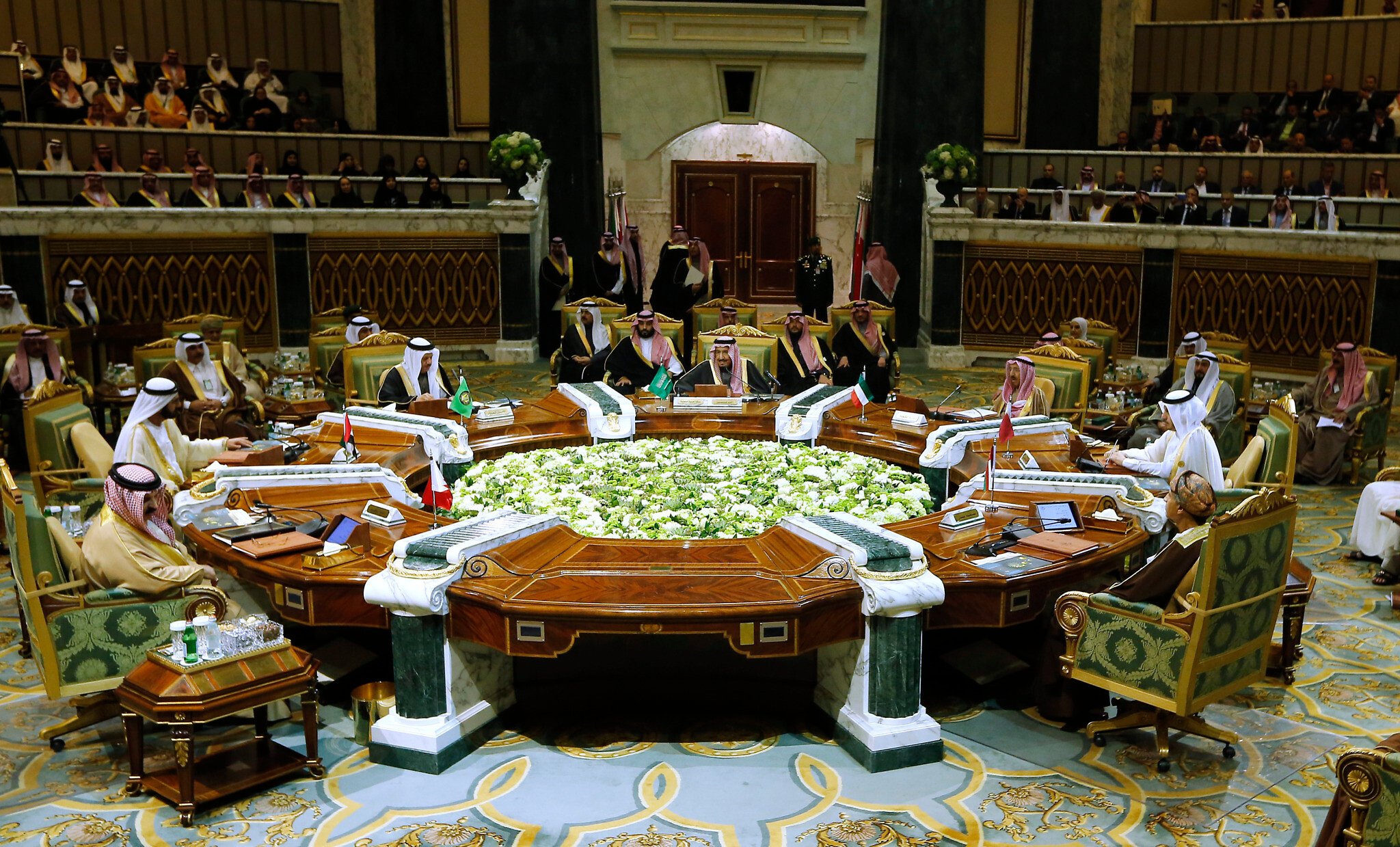

Gulf states have entered a heightened state of alert amid intensifying hostilities between Israel and Iran, as regional leaders warn the confrontation risks dragging the Gulf into a wider, destabilising war.

Leaders of the Gulf Cooperation Council convened an emergency ministers’ meeting chaired by Kuwaiti Foreign Minister Abdullah Al‑Yahya, with Secretary‑General Jassim Al‑Budaiwi declaring the situation had deteriorated into “extremely dangerous and unprecedented escalation,” and entering “full alert” mode to monitor environmental and radiological conditions across member states. He emphasised that continued military strikes, particularly near nuclear sites, would threaten regional infrastructure, health and economies.

Gulf diplomats have condemned the Israeli bombardment of Iranian territory and called on all parties to halt operations and return to dialogue. The council’s Emergency Management Centre is implementing precautionary measures across environmental and radiological sectors, reflecting concern over inbound radiological fallout.

Analysts from the Gulf warn that the strategic vulnerability of Gulf waterways such as the Strait of Hormuz and Bab al‑Mandab makes the region highly exposed to spill‑over from the Iran‑Israel clash. S&P Global Ratings has revised its assessment of regional sovereign risk higher, citing threats to oil exports, transport routes, tourism, capital flows and banking sector resilience in Gulf countries.

Commentators such as Abdulaziz Sager of the Gulf Research Center caution Gulf states are risking sovereignty, infrastructure and public trust unless the conflict is diplomatically defused. He urged activation of regional mediation channels to prevent Gulf countries from being drawn into military exchanges.

Gulf economists emphasise the economic ramifications: disruptions to global supply chains, escalated insurance costs, rising oil prices and capital flight could erode financial stability. While banks have adequate buffers, prolonged conflict could dent business confidence and growth across Gulf economies.

Diplomatic efforts are also underway within the Gulf. Oman and Qatar are spearheading ceasefire talks between Tehran and Washington as a pathway to stabilisation, with Iran open to rejoining nuclear discussions should Israeli strikes cease. Gulf leaders are leveraging their neutrality and communication channels with both Israel and Iran to broker a pause in hostilities.

Within Gulf societies, governments are working to reassure citizens. Public communications in Qatar confirm that radiation levels remain within safe thresholds, while Kuwait’s military affirms that missile trajectories affecting Iran and Israel pose no risk to its airspace.

The reaction within Iran’s sphere of influence appears measured. Unlike prior incidents, allied non‑state actors such as Hezbollah and Yemen’s Houthis have yet to launch retaliatory strikes, suggesting Iran is tempering its response amid Gulf diplomatic pressure.

US diplomacy remains a complex factor. Washington has escalated military readiness by dispatching aerial refuelling assets and an aircraft carrier strike group to the region, yet has stopped short of intervening directly. President Trump has verbalised support for diplomatic channels and warned against Iran acquiring nuclear arms, while signalling that Iran had expressed willingness to end hostilities.

Gulf monarchies are striving to balance neutrality and economic stability. They maintain diplomatic ties with both Iran and Israel while amplifying calls for restraint. Experts caution that escalatory miscalculations could shatter this delicate equilibrium, potentially sparking wider engagement and drawing Gulf states into direct confrontation.

VISHNU RAJA
RYO YAMADA
HITORI GOTOH
IKUYO KITA