News related to
Trump

Bitcoin, the world’s largest cryptocurrency by market value, experienced a significant decline on Friday, falling over 5% to a three-and-a-half-month low. The digital asset traded below $80,000 for the first time since November 11, reaching $79,666.

This downturn has erased approximately a quarter of Bitcoin’s market value since mid-December, when it peaked at $105,000. The recent decline is attributed to uncertainties surrounding U.S. President Donald Trump’s impending tariff plans and crypto policy, as well as diminished investor confidence following a substantial $1.5 billion hack involving rival cryptocurrency Ether.

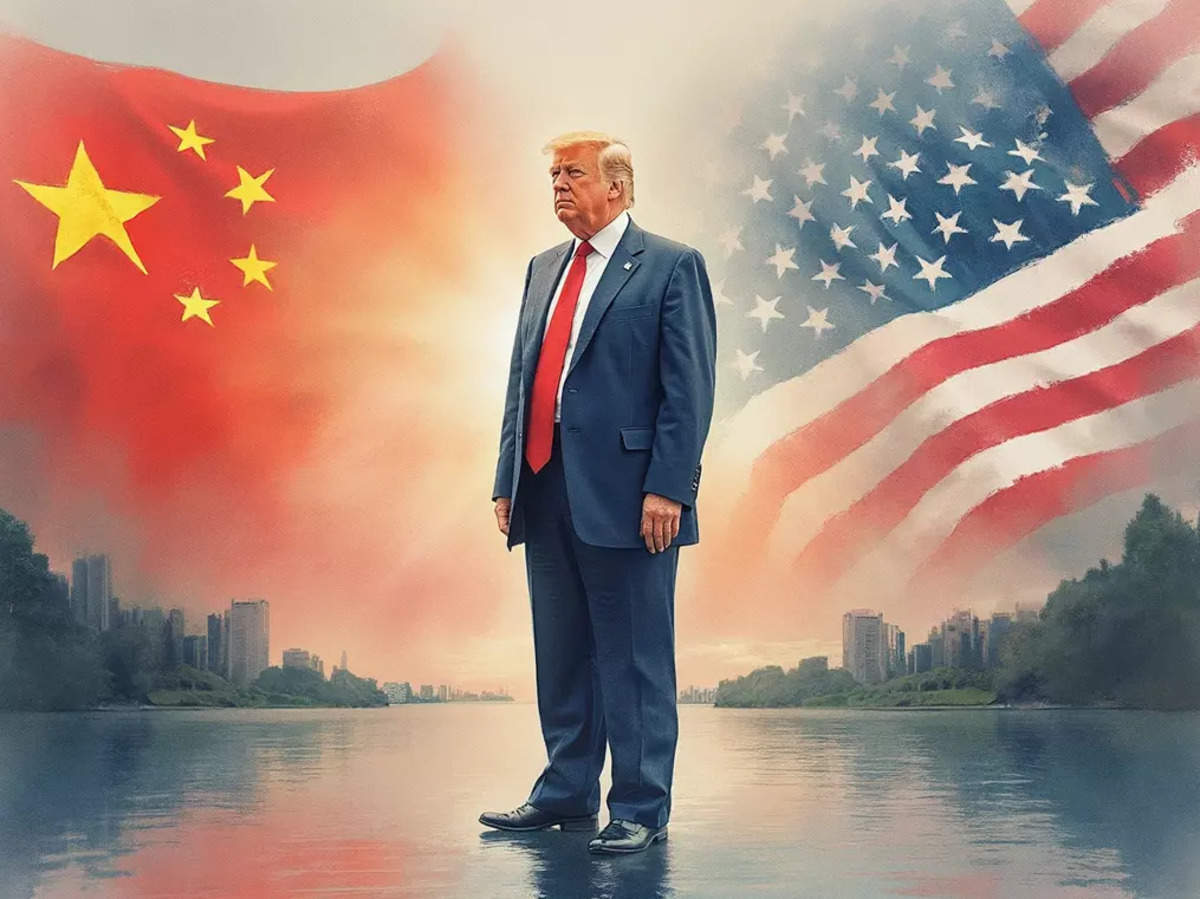
President Trump confirmed that a 25% tariff on Mexican and Canadian goods, along with an additional 10% on Chinese imports, will commence on March 4. This announcement has led to a sell-off in risk-sensitive assets, including cryptocurrencies. The broader tech sector has also been affected, with major indices like the Dow Jones, S&P 500, and Nasdaq experiencing considerable losses.

The recent $1.5 billion hack of Ether from the Bybit exchange has further exacerbated negative sentiment in the crypto market. This incident has raised concerns about the security of digital assets, leading to increased withdrawals from Bitcoin-backed exchange-traded funds.

Market analysts suggest that if key support levels, such as $82,000, do not hold, Bitcoin might face further losses. The decline is also influenced by a broader risk-off environment, significant outflows from spot Bitcoin ETFs, and macroeconomic uncertainties.

Matein Khalid I butcher the great Regency poet William Blake’s surreal ode to tigers and dark satanic mills “China, China burning bright/in the forest of the night/what immortal hand or eye/could frame thy fearful symmetry”. JD is up 8% overnight, Alibaba is up 72% since my $85 golden goose post 3-months ago and the KWEB is up 24% YTD. The PBOC is easing monetary policy. Fiscal stimulus […]

The United States Securities and Exchange Commission has concluded its investigation into cryptocurrency exchange Gemini, opting not to pursue any enforcement action. This decision, communicated to Gemini’s legal counsel, marks the end of a protracted inquiry that began in January 2023.

Gemini’s co-founder, Cameron Winklevoss, announced the closure of the investigation, expressing relief but also voicing strong criticism of the SEC’s approach. He stated that while the conclusion of the probe is a positive development, the extensive investigation inflicted significant financial and operational harm on the company. Winklevoss detailed that Gemini incurred tens of millions of dollars in legal expenses and suffered losses amounting to hundreds of millions due to diminished productivity, creativity, and innovation.

The SEC’s investigation into Gemini was primarily focused on the company’s “Earn” program, launched in partnership with Genesis Global Capital. This program allowed users to lend their cryptocurrency holdings in exchange for interest payments. In January 2023, the SEC charged both Gemini and Genesis with offering unregistered securities through this initiative. Despite the closure of the investigation, the SEC has indicated that this decision does not preclude the possibility of future action if new information emerges.

Winklevoss did not mince words in his critique of the SEC’s conduct, accusing the agency of engaging in tactics that he described as bullying, harassment, and unwarranted attacks on a legitimate industry. He argued that such regulatory actions have broader implications, stifling innovation and deterring economic growth within the cryptocurrency sector. Winklevoss emphasized that the damage extends beyond Gemini, suggesting that the SEC’s aggressive stance has led to substantial economic losses across the industry, including missed opportunities for growth and development.

The conclusion of the Gemini investigation is part of a broader pattern of the SEC reevaluating its approach to cryptocurrency regulation. In recent days, the agency has also closed investigations into other prominent crypto entities, including Coinbase, Uniswap Labs, and OpenSea, without pursuing enforcement actions. These developments suggest a potential shift in the SEC’s regulatory strategy under the new administration.

Former SEC Chair Gary Gensler, known for his stringent regulatory stance on cryptocurrencies, resigned on January 20, 2025, coinciding with the inauguration of President Donald Trump’s second term. Gensler’s tenure, which began in 2021, was marked by an aggressive approach toward the crypto industry, with the SEC initiating numerous enforcement actions against various crypto firms. His departure has been followed by a series of decisions indicating a possible softening of the SEC’s posture toward cryptocurrency regulation.

Winklevoss views the closure of the investigation as a significant milestone in what he terms the “war on crypto.” However, he cautioned that the damage inflicted by the SEC’s previous actions may have long-lasting effects, potentially deterring innovation and prompting talent to exit the industry. To prevent similar situations in the future, Winklevoss advocates for thoughtful legislation that provides clear guidelines for the cryptocurrency sector. He also suggests that there should be accountability measures for regulatory bodies, proposing that officials responsible for what he deems “sham investigations and baseless enforcement actions” face consequences, including termination and prohibition from future agency employment.

The SEC has not issued a public statement regarding the closure of the Gemini investigation. The agency’s recent actions, including the dismissal of cases against other cryptocurrency firms, may indicate a strategic reassessment of how to regulate the rapidly evolving digital asset landscape. Industry stakeholders are closely monitoring these developments, as they could signal a more collaborative and less adversarial regulatory environment moving forward.

As the cryptocurrency industry continues to mature, the relationship between regulatory bodies and crypto enterprises remains a critical factor in shaping the future of digital finance. The resolution of the Gemini case, along with similar recent decisions, may pave the way for a more balanced approach that fosters innovation while ensuring compliance and protecting investors.

In the wake of these developments, market participants are cautiously optimistic. The closure of high-profile investigations without enforcement actions could restore confidence and encourage renewed investment in the sector. However, the call for clear and fair regulatory frameworks persists, as the industry seeks to navigate the complexities of compliance in a landscape that has been, until now, marked by regulatory uncertainty.

Nvidia Corporation’s stock has experienced a notable decline, influenced by production delays of its Blackwell AI chips and potential new export restrictions from the Trump administration. The company’s shares fell by 2.7% to $126.73 ahead of its quarterly earnings report, as investors express concern over these developments. The Blackwell series, Nvidia’s next-generation AI chips, has encountered significant setbacks due to overheating issues when multiple units are interconnected […]

By Sushil Kutty External Affairs Minister S Jaishankar never seems to finish his thoughts. People might mistake him to be a hesitant hacker. But that isn’t the case. EAM Jaishankar is the second longest serving foreign minister after Jawaharlal Nehru, who kept the external affairs portfolio with him, for the entirety of his tenure as […]

Bitcoin’s value has experienced a significant decline, falling below the $90,000 threshold for the first time since November 2024. The cryptocurrency reached a low of $86,000, marking a substantial drop from its peak of $109,225 observed on January 20, 2025. This downturn has led to widespread market repercussions, including over $1.6 billion in liquidations within the past 24 hours.

The recent sell-off has been attributed to a confluence of factors, notably escalating geopolitical tensions and internal challenges within the cryptocurrency ecosystem. President Donald Trump’s administration has introduced new tariffs on Mexico and Canada, measures perceived as inflationary and potentially detrimental to economic growth. These policies have contributed to a broader risk-averse sentiment among investors, leading to a retreat from volatile assets such as cryptocurrencies.

In addition to geopolitical concerns, the security of cryptocurrency platforms has come under scrutiny. A significant breach occurred on February 21, 2025, when Bybit, a prominent Dubai-based crypto exchange, suffered a hack resulting in the loss of approximately $1.5 billion. This incident has exacerbated apprehensions regarding the safety of digital assets, prompting further sell-offs in the market.

The cascading effect of these events has led to substantial liquidations across the cryptocurrency market. Data indicates that over 362,000 traders have been affected, with total liquidations surpassing $1.3 billion in the past day. Bitcoin alone accounted for $523 million of these liquidations, underscoring the volatility and heightened risk associated with leveraged trading positions.

Market analysts are closely monitoring key support levels for Bitcoin. The breach of the $90,000 support has raised concerns about potential further declines. Technical analysis suggests that if Bitcoin fails to maintain support at $86,000, it could test lower thresholds, with significant support anticipated around the $80,400 and $74,000 levels. Conversely, resistance levels are identified at $98,500 and $106,000, which Bitcoin would need to surpass to signal a potential reversal of the current downward trend.

The broader cryptocurrency market has mirrored Bitcoin’s downturn. Major altcoins such as Ether and XRP have experienced notable declines, with Ether dropping 8.5% to $2,416 and XRP falling by 5% to $2.24. The overall market capitalization has contracted significantly, reflecting the pervasive uncertainty and risk aversion among investors.

Investor sentiment has been further dampened by unmet expectations regarding regulatory support for cryptocurrencies. The initial optimism surrounding a crypto-friendly stance from the current U.S. administration has not materialized into concrete policy changes. This lack of regulatory clarity, coupled with economic challenges, has contributed to the recent sell-off and the erosion of confidence in the market.

In response to the heightened volatility, traders are advised to exercise caution, particularly those engaged in leveraged positions. The current market environment underscores the importance of risk management and the need for a thorough understanding of the factors influencing cryptocurrency valuations.

A fraudulent account impersonating Sam Bankman-Fried, the incarcerated founder of FTX, has emerged on X , disseminating false information and promoting dubious meme coins. This development follows Bankman-Fried’s unexpected return to social media after a two-year hiatus, during which he commented on government layoffs and corporate management challenges.

The impersonating account falsely claimed that former President Donald Trump had pardoned Bankman-Fried and that he was joining the Department of Government Efficiency , a fictitious entity purportedly led by Elon Musk. The account further promoted the issuance of a meme coin, sharing a contract address and urging users to invest. These assertions are entirely baseless, as Bankman-Fried remains incarcerated, serving a 25-year sentence for fraud and conspiracy to launder money.

The fraudulent account managed to obtain a gray verification checkmark on X, typically reserved for government or multilateral organization accounts, suggesting a possible compromise of an official account. This misuse of verification has raised concerns about the platform’s security measures and the potential for such scams to mislead users.

In response to the scam, multiple users reported the account for suspicious activity, highlighting the dangers of identity theft and fraud in the digital space. The deceptive messages were swiftly removed, but not before causing confusion and potential financial harm to unsuspecting investors.

This incident underscores the importance of vigilance in the cryptocurrency community, where scammers frequently exploit high-profile figures and current events to perpetrate fraud. Users are advised to verify information through official channels and exercise caution when encountering unsolicited investment opportunities, especially those promising unrealistic returns.

The emergence of this fraudulent account coincided with Bankman-Fried’s genuine activity on X, where he broke his two-year silence to discuss issues related to government layoffs and corporate management. In his posts, he drew parallels between unemployment and his own experiences, stating, “I have a lot of sympathy for gov’t employees: I, too, have not checked my email for the past few days.” He further reflected on the challenges of layoffs, suggesting they often stem from management failures rather than employee performance.

Bankman-Fried’s unexpected return to social media has sparked discussions about his access to communication tools while incarcerated and the broader implications of his statements. However, the appearance of the fraudulent account has overshadowed these conversations, highlighting the persistent threat of scams in the cryptocurrency sector.

Advertisements
//www.census.gov/foreign-trade/balance/c5700.html//www.census.gov/foreign-trade/balance/c5700.htmlBy Dr. Nilanjan Banik The US-China trade war has been a focal point of economic discussions for a significant period, as the world’s two largest economies have imposed tariffs on each other’s goods. The Trump administration imposed 10% tariffs on Chinese imports, while China, in turn, levied 15% tariffs on US liquid natural gas (LNG) […]
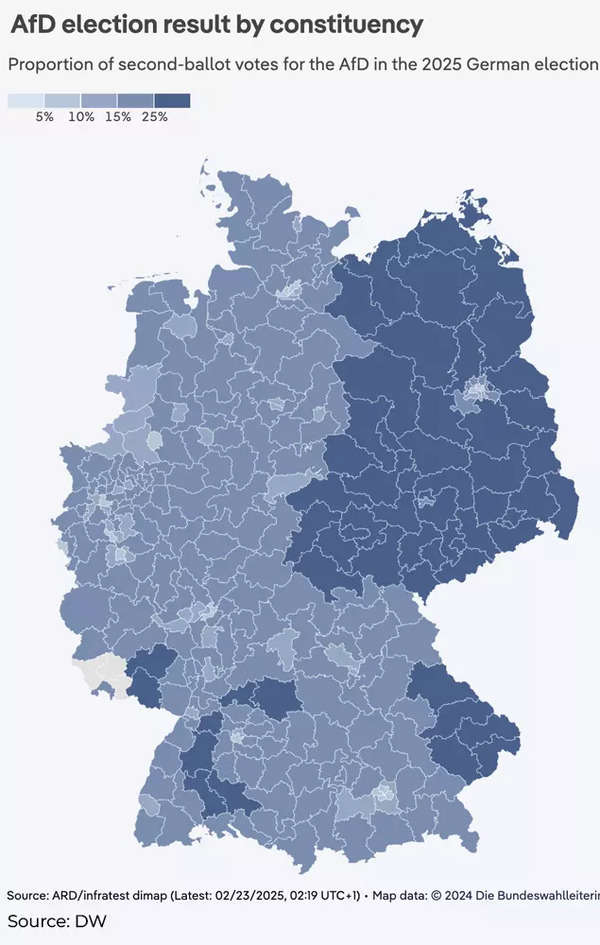
By Nitya Chakraborty The final results of Germany’s national elections held on February 23 are being debated intensively in the global media, especially in the European media about the upsurge of the far right party AFD which virtually doubled its voting percentage in the 2025 elections compared to the 2021 national elections. The ruling Social […]
South Dakota’s House Commerce and Energy Committee has effectively terminated a legislative proposal that would have permitted the state to allocate a portion of its public funds to Bitcoin investments. During a session on February 24, the committee voted to defer House Bill 1202 to the 41st day of the legislative session, a procedural move that, given the session’s 40-day limit, effectively kills the bill for this term.

Introduced by Representative Logan Manhart on January 30, HB 1202 sought to amend the state’s public funds investment strategy, allowing up to 10% of the portfolio to be invested in Bitcoin. Proponents argued that such a move could diversify the state’s investments and position South Dakota at the forefront of digital asset adoption among U.S. states.

However, the proposal faced significant opposition within the committee. Critics raised concerns about the volatility of Bitcoin, the lack of comprehensive federal regulation, and the potential risks associated with allocating public funds to a relatively nascent and fluctuating asset class. These apprehensions contributed to the decision to defer the bill, effectively halting its progress for the current legislative session.

Despite this setback, Representative Manhart has expressed his intention to reintroduce the legislation in 2026. In a statement on social media platform X, he acknowledged the challenges faced but remained optimistic about the future integration of digital assets into the state’s investment portfolio.

South Dakota’s move mirrors similar legislative efforts in other states. In North Dakota, a proposal to establish a Bitcoin reserve was narrowly defeated, with 57 representatives opposing and 32 in favor. Montana’s House Bill 429, which aimed to create a state revenue account for investments in precious metals and digital assets, also failed to pass, with 59 votes against and 41 in support. Wyoming saw its HB 0201 bill, authorizing the state treasurer to invest public funds in Bitcoin, rejected by seven out of nine representatives.

Conversely, some states continue to explore the potential of integrating digital assets into their financial strategies. Utah is on the verge of passing legislation that would permit up to 5% of major state funds to be invested in qualifying digital assets. Arizona’s Strategic Bitcoin Reserve Act, which proposes allocating up to 10% of state and public funds, including pension funds, to Bitcoin, recently advanced past the Senate Finance Committee with a five-to-two vote and awaits further debate in the Senate Rules Committee.

At the federal level, President Donald Trump has been a vocal advocate for the United States establishing a national cryptocurrency reserve. In an executive order dated January 23, he proposed the formation of a working group to explore the creation and maintenance of a U.S. crypto stockpile. However, many of his executive orders have encountered legal challenges, with opponents questioning their constitutionality.

The mixed outcomes of these legislative efforts reflect the broader national debate over the adoption and regulation of digital assets. Proponents argue that incorporating cryptocurrencies like Bitcoin into state investment portfolios can offer diversification benefits and hedge against traditional market fluctuations. Critics, however, point to the inherent volatility of digital currencies, the potential for regulatory upheaval, and the fiduciary responsibility to safeguard public funds from high-risk investments.

In South Dakota, the deferral of HB 1202 underscores the cautious approach many state legislatures are adopting toward cryptocurrency investments. While the current bill has been shelved, the conversation surrounding digital assets and their place in public investment strategies is far from over. As the regulatory environment evolves and more data becomes available, future legislative sessions may revisit the topic with renewed perspectives and insights.

Apple Inc. has unveiled an ambitious plan to invest over $500 billion in the United States within the next four years, a move poised to significantly bolster the nation’s technology infrastructure and employment landscape. Central to this initiative is the construction of a 250,000-square-foot manufacturing facility in Houston, Texas, dedicated to producing servers for Apple’s artificial intelligence operations. This facility is expected to commence operations in 2026, […]

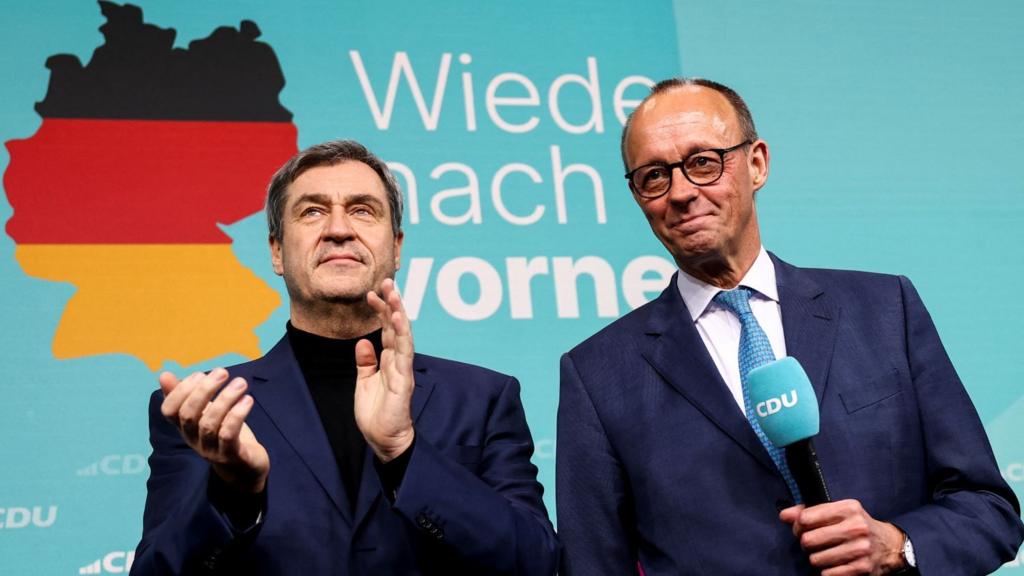
By Satyaki Chakraborty The polarization in German politics widened after national elections on Sunday, February 23 in which the conservative CDU/CSU with 28.5 per cent votes topped among the political parties followed by the far right AFD at 20.7 per cent and the centre-left SPD at 16.5 per cent. The remarkable feature was the resurgence […]

KUALA LUMPUR, MALAYSIA – Media OutReach Newswire – 25 February 2025 – Over the past few years, the strategic endorsements, enigmatic tweets, and business manoeuvres of Elon Musk have caused shock waves in the cryptocurrency market with wild price fluctuations. Today, he is creating a native cryptocurrency on the X platform under the temporary name, X Money. Source: Shutterstock When and if it happens, the project can […]

Citadel Securities, the prominent market-making firm led by Ken Griffin, is set to expand its operations into the cryptocurrency sector. The firm plans to provide liquidity on major digital asset exchanges, including Coinbase, Binance, and Crypto.com. This strategic move comes as President Donald Trump’s administration signals a more favorable regulatory environment for digital assets.

Historically, Citadel Securities has exercised caution regarding cryptocurrencies, primarily due to regulatory uncertainties in the United States. The recent political shift, however, has prompted the firm to reconsider its stance. By establishing market-making teams outside the U.S., Citadel aims to navigate potential domestic regulatory challenges while capitalizing on the burgeoning global crypto market.

As of October 1, 2024, Citadel manages approximately $64 billion in assets, reflecting significant growth from $43 billion at the end of 2023. This expansion into digital assets aligns with the firm’s broader strategy to diversify its trading portfolio and adapt to evolving market dynamics.

The decision to engage with platforms like Coinbase, Binance, and Crypto.com underscores Citadel’s commitment to integrating with established cryptocurrency ecosystems. These exchanges are among the largest in the industry, facilitating substantial daily trading volumes. By acting as a liquidity provider, Citadel aims to enhance trading efficiency and stability within these platforms.

Market-making involves quoting both buy and sell prices for assets, profiting from the spread between these prices. In the context of cryptocurrencies, effective market-making can reduce volatility and improve price discovery, benefiting both traders and the broader market. Citadel’s entry into this space is poised to bring increased liquidity and professionalism, potentially attracting more institutional investors to digital assets.

This move also reflects a broader trend of traditional financial institutions embracing cryptocurrencies. Firms such as Fidelity Digital Assets and Charles Schwab have made inroads into the crypto sector, indicating growing mainstream acceptance. Citadel’s participation is expected to further legitimize the market and encourage regulatory frameworks that support innovation while ensuring investor protection.

FBI Director Kash Patel has instructed bureau employees to disregard a recent mandate from Elon Musk, head of the Department of Government Efficiency , which required all federal workers to submit a summary of their weekly accomplishments or face termination. This directive, disseminated via the Office of Personnel Management , has sparked confusion and concern across various government agencies.

Musk’s email, sent to approximately 2.3 million federal employees, demanded a report detailing their achievements from the previous week, with a strict 48-hour deadline. The message stated that failure to comply would be interpreted as a resignation. This approach aligns with Musk’s aggressive strategy to streamline government operations and reduce the federal workforce, aiming to cut $1 trillion from the federal deficit.

In response, Director Patel advised FBI personnel to “pause any responses” to the OPM’s request. This move reflects broader apprehension within federal agencies regarding the legitimacy and implications of Musk’s directive. Similar guidance was issued by officials at the Pentagon and the State Department, instructing their employees to withhold responses until further clarification is provided.

The national health secretary, Robert F. Kennedy Jr., however, directed his staff to comply with the mandate, highlighting a divide in how different agencies are handling the situation. This inconsistency has led to widespread uncertainty among federal employees about the security of their positions and the future of their roles.

The American Federation of Government Employees , the largest federal workers’ union, has criticized Musk’s directive, describing it as “disrespectful and disruptive.” The union has advised its members to consult with their direct supervisors before responding, emphasizing the potential legal challenges that could arise from such a sweeping mandate.

This development comes on the heels of significant leadership changes within federal law enforcement agencies. Director Patel, who was confirmed as the FBI’s ninth director on February 20, 2025, has also been appointed as the acting head of the Bureau of Alcohol, Tobacco, Firearms and Explosives . This dual role has raised questions about the future direction of these agencies, especially in the context of the current administration’s efforts to overhaul federal operations.

Attorney General Pam Bondi recently dismissed the ATF’s top lawyer, further intensifying concerns about the stability and direction of federal law enforcement agencies. These actions are part of a broader initiative, led by Musk and endorsed by President Trump, to restructure the federal government by reducing its workforce and eliminating what they perceive as inefficiencies.

India’s economy could face a reduction of up to 0.6% in its Gross Domestic Product due to proposed tariff increases by the United States, according to a recent analysis by Goldman Sachs. The financial institution’s report highlights the potential economic repercussions for India if the US implements higher tariffs on imported goods.

The analysis outlines three potential scenarios under the US administration’s “Fair and Reciprocal Plan”: country-level reciprocity, product-level reciprocity, and inclusion of non-tariff barriers. In the country-level reciprocity scenario, the US would elevate tariffs on all imports from a specific nation to match the average tariff differential. For India, this could mean an increase of approximately 6.5 percentage points in effective US tariff rates on Indian imports. The product-level reciprocity approach would involve matching tariffs on individual products, potentially leading to an 11.5 percentage point rise in tariffs on Indian goods. The inclusion of non-tariff barriers, such as administrative hurdles and import licensing requirements, presents a more complex scenario, making precise impact assessments challenging.

Goldman Sachs’ report emphasizes that India’s export exposure to the US is relatively modest, with exports to the US accounting for about 2% of India’s GDP in 2023. However, when considering indirect exposure through exports to other countries reliant on US demand, India’s domestic activity exposure rises to approximately 4% of GDP. This broader exposure suggests that the potential impact on India’s GDP growth could range from 0.1 to 0.6 percentage points, depending on the specific tariff measures implemented.

The bilateral trade relationship between India and the US has seen significant growth over the past decade. India’s goods trade surplus with the US expanded from $17 billion in the fiscal year 2014 to $35 billion in fiscal year 2024. This increase is largely attributed to a surge in exports of electronic items, bolstered by initiatives like the Production-Linked Incentive scheme introduced in 2020.

Despite the potential challenges posed by increased US tariffs, India’s central bank governor, Shaktikanta Das, has expressed confidence in the country’s economic resilience. He highlighted India’s substantial foreign exchange reserves, amounting to $676 billion, and the robust growth trajectory of the economy as key factors that equip the nation to navigate global disruptions, including those arising from protectionist trade policies.

The US administration’s move towards implementing reciprocal tariffs is part of a broader strategy to address perceived trade imbalances. A memo signed by President Donald Trump directs the Commerce Department and the US Trade Representative to develop plans for adjusting tariff rates to mirror those imposed by trading partners. These measures are set to be introduced gradually over the coming weeks and months, with an initial focus on countries maintaining significant trade surpluses with the US or those engaged in practices deemed unfair.

While the intended goal of these tariffs is to protect domestic industries and reduce trade deficits, there are concerns about potential unintended consequences. Analysts warn that such measures could lead to increased costs for consumers and businesses, supply chain disruptions, and retaliatory actions from affected trading partners, potentially escalating into broader trade conflicts.

Prime Minister Justin Trudeau arrived in Kyiv today, joining a delegation of European leaders to commemorate the third anniversary of Russia’s invasion of Ukraine. This collective visit underscores international solidarity with Ukraine as concerns mount over the United States’ evolving policy under President Donald Trump. President Volodymyr Zelenskyy expressed profound pride in the “absolute heroism” displayed by Ukrainians throughout the ongoing conflict. In a national address, he […]

By Nantoo Banerjee India, the world’s second most preferred destination of illegal migrants, has a lot to learn from the United States about how the latter has been handling the situation in recent years. Although US President Donald Trump is lately hogging the limelight for forcing illegal immigrants out of the country, such deportations are […]

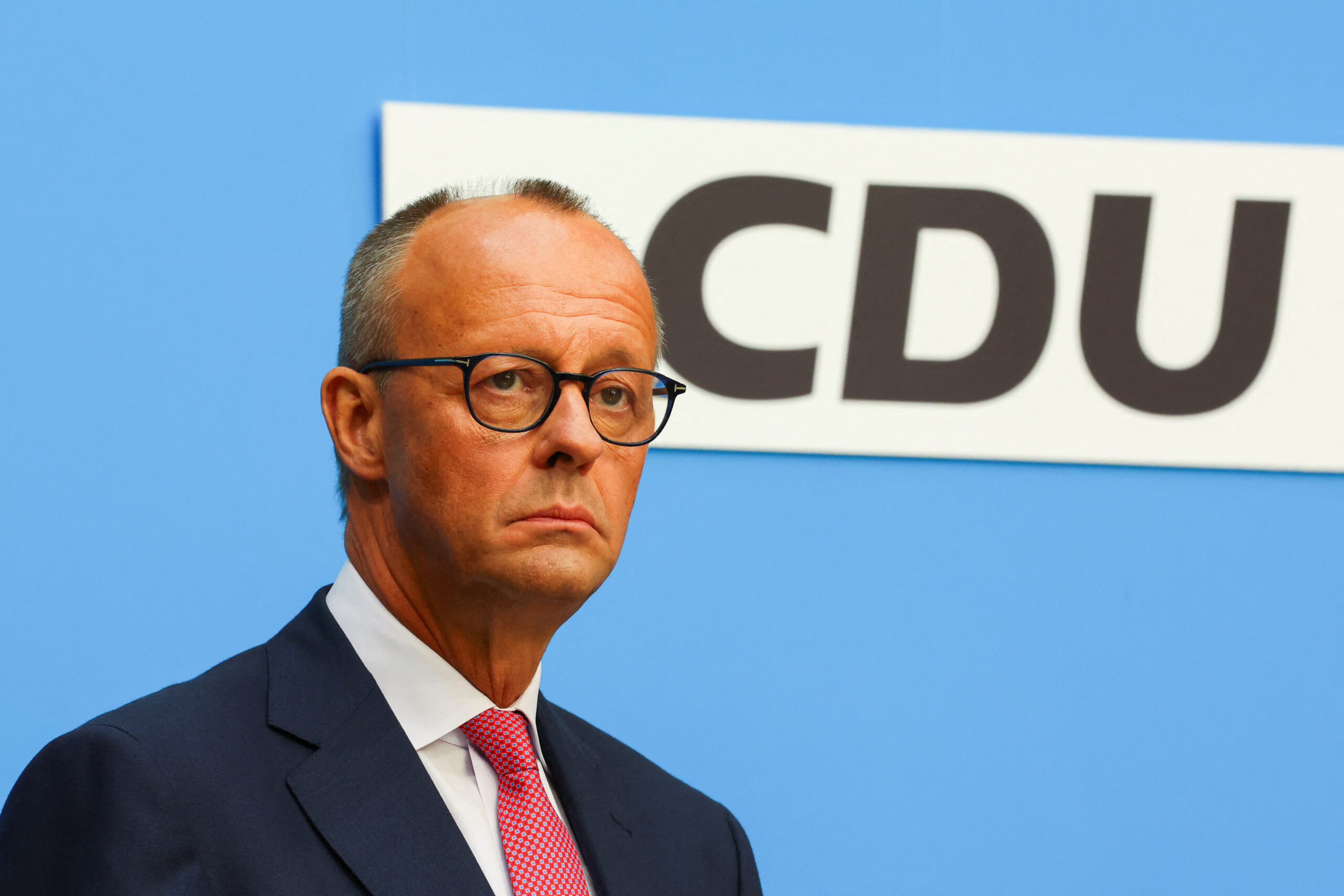
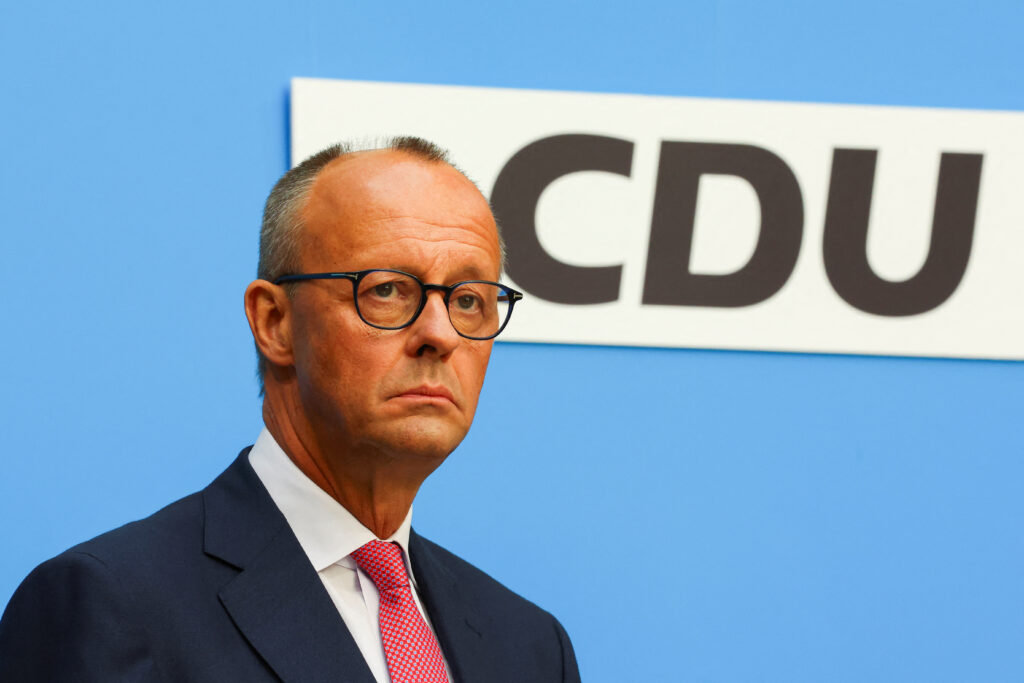
Germany’s conservative bloc, led by Friedrich Merz, has secured a narrow victory in the federal election, positioning Merz to potentially become the nation’s next chancellor. The Christian Democratic Union and its Bavarian sister party, the Christian Social Union , garnered approximately 28.5% of the vote, according to official results. This outcome, while a win, reflects the CDU/CSU’s second-worst performance in post-war history, underscoring the fragmented nature of […]

Ukrainian President Volodymyr Zelensky is poised to finalize a mineral rights agreement with the United States this week, granting the U.S. significant access to Ukraine’s vast mineral reserves. This development follows extensive negotiations and mounting pressure from the Trump administration, which has sought compensation for military aid provided during Ukraine’s ongoing conflict with Russia. The proposed deal stipulates that 50% of Ukraine’s revenue from natural resources—including critical […]

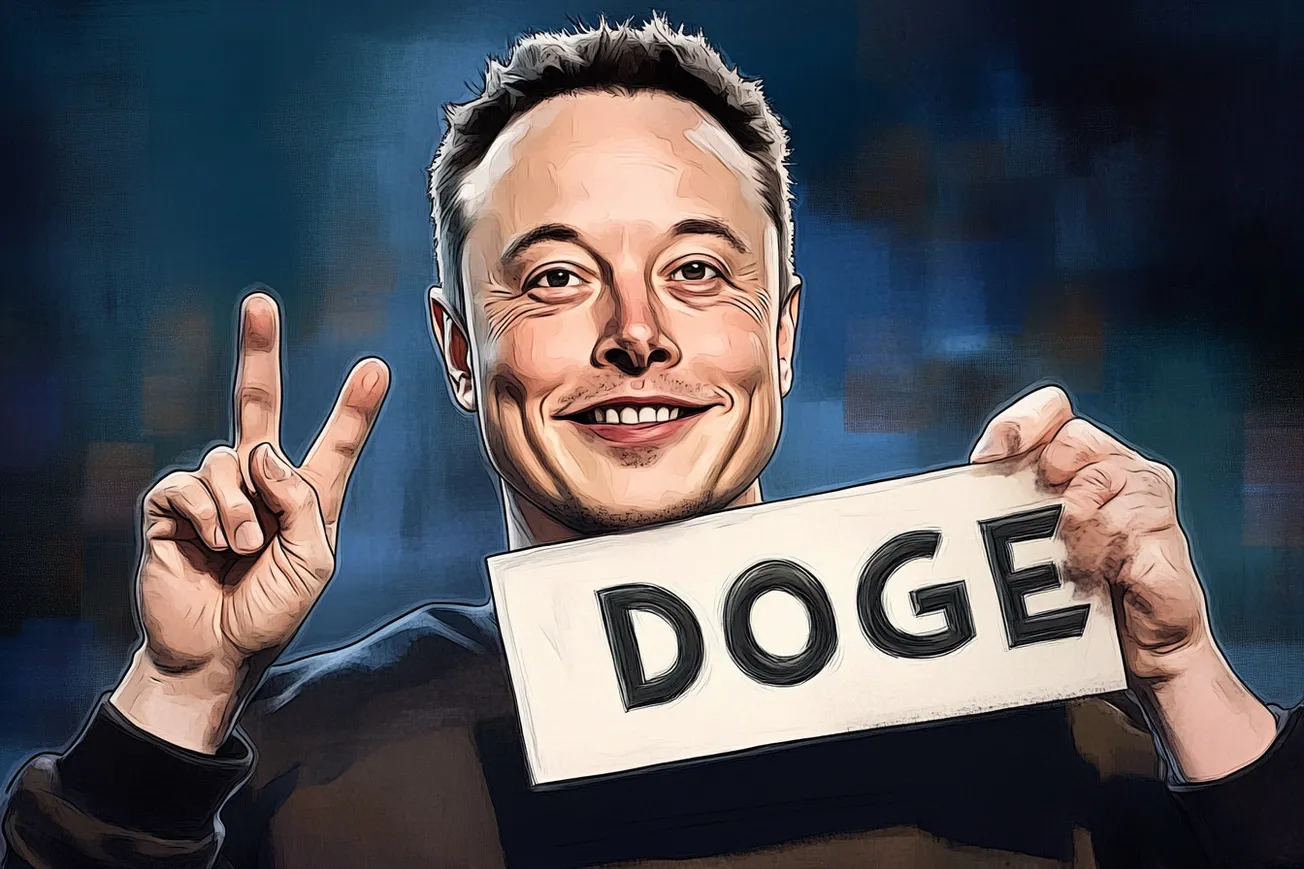
Elon Musk, at the helm of the Department of Government Efficiency , has initiated a series of aggressive reforms targeting federal agencies, igniting debates over the balance between technological innovation and governmental oversight. Appointed by President Donald Trump, Musk’s mandate is to streamline government operations, a mission he has approached with characteristic boldness.

In a striking display at the Conservative Political Action Conference, Musk brandished a chainsaw, symbolizing his intent to cut through bureaucratic inefficiencies. This theatrical gesture underscores his commitment to employing advanced technologies, particularly artificial intelligence, to overhaul traditional governmental processes. However, critics argue that such methods may lead to indiscriminate reductions, potentially undermining essential public services.

Central to Musk’s strategy is a directive requiring federal employees to substantiate their weekly contributions. An email circulated mandates that staff enumerate five specific achievements each week, with non-compliance interpreted as voluntary resignation. This policy aligns with President Trump’s broader agenda to downsize the federal workforce, including proposed cuts to the Defense Department and incentives for remote employees to accept buyouts. Proponents assert that these measures will enhance accountability and fiscal responsibility, while detractors view them as draconian and demoralizing.

The composition of DOGE’s leadership has also drawn attention. Notably, Edward Coristine, a 19-year-old with a background in cybersecurity, has emerged as a key figure within the department. His rapid ascent and the unconventional approaches of the team have raised questions about the experience and methods driving these significant governmental changes.

Musk’s influence extends to regulatory frameworks affecting his business interests. Following substantial campaign contributions from the tech sector, including a $300 million donation from Musk, the administration has rolled back several regulations and dismissed major lawsuits against companies like SpaceX and Coinbase. This deregulatory trend has sparked discussions about potential conflicts of interest and the ethical implications of intertwining public policy with private enterprise.

Despite these advancements, DOGE has encountered legal challenges. A federal judge recently denied a motion to restrict DOGE’s access to sensitive Treasury data, a decision that has intensified debates over data privacy and the extent of DOGE’s authority. The Department of Justice has since agreed to limit DOGE’s access to personal taxpayer information, reflecting ongoing concerns about the scope and oversight of Musk’s initiatives.

Matein Khalid My mystical vegan-pivot makes Christmas goose tab​oo for the rest of my life but my quest for those rare geese that lay golden eggs for me ​on the stock exchanges continues unabated. Alibaba (BABA) was despised/dissed by everyone I respected, from CNBC honcho Jim Cramer to my Indian luminati (but never Illuminati) friends in the DIFC and even hedgies in New York and London who […]

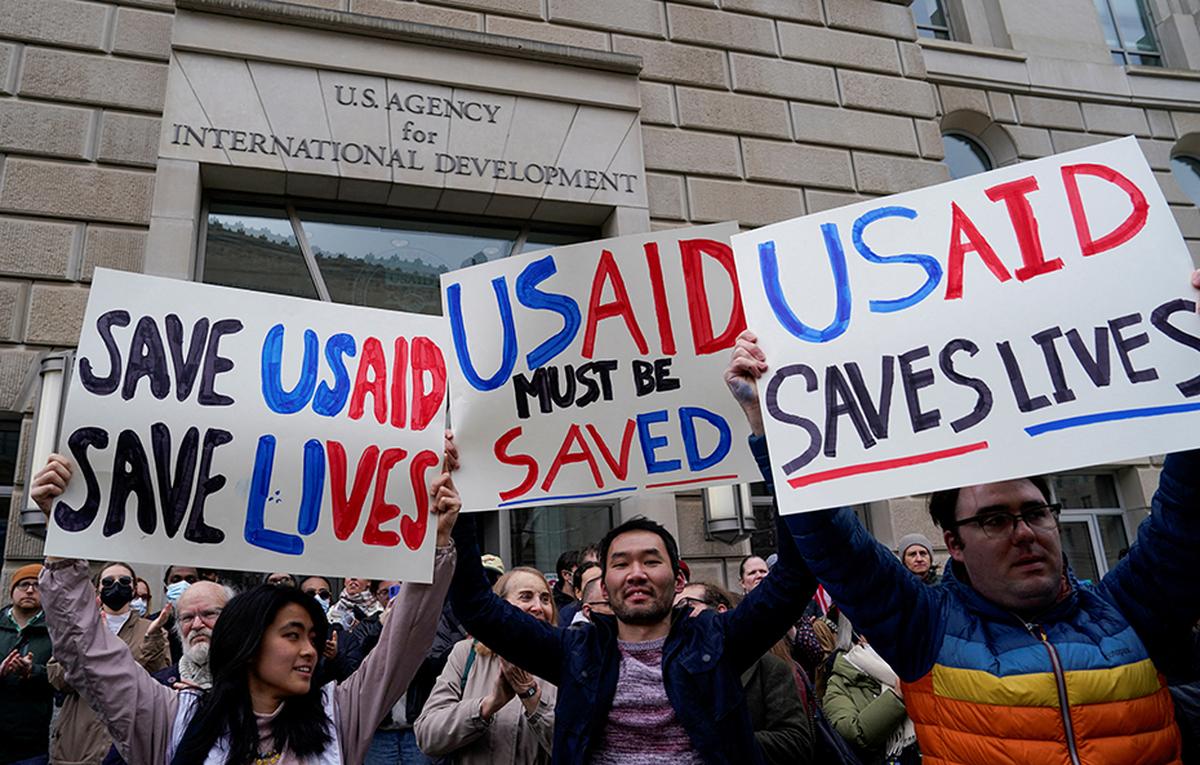
By Girish Linganna US President Donald Trump has raked up a hornets’ nest in New Delhi by claiming that $21 million in US aid to India—from the United States Agency for International Development (USAID), an independent US government agency responsible for administering civilian foreign aid and development assistance, approved earlier by Joe Biden, was used […]

The cryptocurrency landscape is witnessing the emergence of Pepeto, a meme coin that has garnered significant attention during its presale phase. Priced at a mere $0.000000112, Pepeto positions itself as a potential high-return investment, reminiscent of the early days of Shiba Inu .

Shiba Inu’s meteoric rise transformed modest investments into substantial fortunes. An individual who invested $1,000 in SHIB during its inception in August 2020 would see that investment balloon to approximately $12.67 million today. This surge underscores the lucrative potential inherent in early-stage meme coin investments.

Pepeto aims to capitalize on this trend by presenting itself as the “true Pepe,” seeking to rectify past missteps in the meme coin sector. Beyond its humorous branding, Pepeto introduces innovative features designed to enhance user experience and market appeal. Central to its ecosystem is PepetoSwap, a platform offering zero-fee trading, a significant departure from the often hefty fees associated with traditional exchanges. Additionally, the development of the Pepeto Exchange aims to bolster liquidity and minimize slippage, ensuring smoother transactions for users.

The total token supply for Pepeto mirrors that of the original PEPE coin, set at 420 trillion tokens. This deliberate choice reflects a strategic effort to draw parallels with successful predecessors while carving out its unique identity in the crypto space.

By Arun Srivastava Saffron ecosystem, especially the BJP leadership always strives to turn a Hindu festival into a political controversy. Every dispute adds to its membership and helps widen its support base. This time too they have succeeded in their move to politicize Maha Kumbh Mela. Notwithstanding stampede and death of large number of pilgrims […]
By Satyaki Chakraborty With just two days left for the national elections in Germany scheduled for next Sunday, February 23, all opinion polls suggest a near ten point lead by the conservative CDU/CSU combo as against the far right AFD which is threatening to take over power in European Union’s richest economy with the open […]

KUALA LUMPUR, MALAYSIA – Media OutReach Newswire – 21 February 2025 – The beginning of 2025 witnessed a complex geopolitical scenario in Europe, with the most prominent events expected to impact financial markets. The intersection of political instability, economic tensions, and global trade dynamics makes it crucial for traders to be vigilant and reactive. Understanding these events is essential to forming well-informed trading strategies. Kar Yong Ang, […]

The cryptocurrency landscape is experiencing notable fluctuations as political developments and new digital assets influence investor sentiment. Solana , a prominent blockchain platform, has seen its token price oscillate amid these dynamics. As of February 21, 2025, SOL is trading at $179.81, reflecting a 3.79% increase from the previous close. This movement comes in the wake of recent political events and the introduction of new meme coins like Panshibi , which are capturing market attention.

The re-election of President Donald Trump has introduced a wave of optimism among cryptocurrency enthusiasts, particularly due to his administration’s perceived crypto-friendly stance. This sentiment has been bolstered by the resignation of former SEC Chair Gary Gensler and the appointment of Paul Atkins, known for his favorable views on digital assets. These changes have led to a surge in applications for cryptocurrency exchange-traded funds , with asset managers seeking approval for funds focusing on altcoins such as Solana, XRP, and Dogecoin. Market analysts suggest that the approval of these ETFs could significantly impact the valuation and adoption of the associated cryptocurrencies.

However, the market’s response has been mixed. While the anticipation of regulatory support has driven some positive momentum, concerns over market volatility persist. Analysts have issued cautionary notes regarding Solana’s price trajectory. Some forecasts indicate the potential for a substantial correction, with prices possibly declining by up to 50% during the summer months of 2025, potentially reaching the $44 range. Factors contributing to this outlook include speculative trading and the proliferation of meme coins on the Solana network, which may undermine investor confidence.

The emergence of Panshibi exemplifies the growing interest in meme-based cryptocurrencies. Launched with a presale price of $0.004, Panshibi has rapidly garnered attention, raising over $700,000 in its initial phase. The project has undergone a security audit and implemented long-term liquidity locking, measures aimed at enhancing investor trust. Analysts have drawn parallels between Panshibi and earlier meme coins, noting the potential for significant returns. Projections suggest that Panshibi could experience a presale price increase of 1,200%, with post-launch surges reaching up to 145,000%. These figures, while speculative, highlight the high-risk, high-reward nature of meme coin investments.

The U.S. Senate has confirmed Kash Patel as the new Director of the Federal Bureau of Investigation with a narrow 51-49 vote. Patel, a long-time adviser to President Donald Trump, is set to lead the nation’s premier law enforcement agency, succeeding Christopher Wray, who resigned prior to the completion of his term.

Patel’s confirmation has been met with significant debate, primarily due to his close ties to President Trump and his previous criticisms of the FBI. Democratic senators have expressed concerns that his appointment could lead to the politicization of the bureau. Senator Dick Durbin highlighted Patel’s past statements and actions, suggesting they might compromise the FBI’s impartiality.

Adding to the controversy are Patel’s financial disclosures, which reveal substantial investments in the cryptocurrency sector. According to official filings, Patel holds up to $115,000 in Bitcoin and has invested between $50,001 and $100,000 in Core Scientific, a prominent Bitcoin mining company. These holdings have raised questions about potential conflicts of interest, especially given the FBI’s role in regulating and investigating cryptocurrency-related activities.

During his confirmation hearing, Patel addressed these concerns, stating that his investments are part of a diversified portfolio and asserting that they would not influence his duties as FBI Director. He emphasized his commitment to maintaining the bureau’s integrity and impartiality.

Republican senators have largely supported Patel’s appointment, viewing his leadership as an opportunity to reform the FBI and address perceived biases within the agency. Senator Chuck Grassley expressed confidence in Patel’s ability to restore public trust and ensure the bureau operates without political influence.

Patel’s professional background includes roles as a public defender, a trial attorney at the Department of Justice, and various positions during President Trump’s first term. His supporters cite this experience as evidence of his qualifications to lead the FBI.

However, critics remain skeptical. Concerns have been raised about Patel’s previous appearances on platforms known for promoting conspiracy theories and his past statements regarding internal FBI matters. Some former Justice Department officials have publicly opposed his nomination, suggesting that his leadership could undermine the bureau’s mission and integrity.

As Patel assumes his new role, he faces the immediate challenge of addressing internal morale within the FBI and external perceptions of the bureau’s impartiality. His approach to handling his cryptocurrency investments and potential conflicts of interest will be closely scrutinized by both lawmakers and the public.

The confirmation of Kash Patel marks a significant moment for the FBI, as the agency navigates complex political dynamics and emerging technological challenges. How Patel balances his personal investments with his professional responsibilities will play a crucial role in shaping the bureau’s future direction and public perception.

In the coming weeks, all eyes will be on Director Patel as he outlines his vision for the FBI and addresses the myriad issues facing the agency. His actions and decisions will be pivotal in determining the bureau’s trajectory during his tenure.

As the FBI embarks on this new chapter under Patel’s leadership, the interplay between personal interests and public duty will be a focal point of discussion and analysis among policymakers, law enforcement professionals, and the American public.

The Senate’s confirmation of Kash Patel as FBI Director underscores the deep divisions within the political landscape and highlights the ongoing debates surrounding the role of personal investments in public service. Patel’s tenure will undoubtedly be closely monitored as he steps into this critical position at a pivotal time for the nation.

As Director Patel begins his term, the balance between innovation in financial sectors and the ethical obligations of public office holders will remain a topic of significant importance and scrutiny.

The coming months will reveal how Patel navigates these challenges and whether his leadership will bring the reforms and renewed trust that his supporters anticipate. The outcomes of his decisions will have lasting implications for the FBI and its role in upholding justice and security in the United States.

Director Patel’s approach to his new role will be instrumental in shaping the future of the FBI and its relationship with both the government and the public it serves. His ability to address internal and external concerns will define his legacy and the bureau’s path forward.

As the nation watches, Director Patel’s actions will speak to his commitment to justice, integrity, and the principles that underpin the Federal Bureau of Investigation. The challenges ahead are significant, but so too are the opportunities for positive change under his leadership.

In this critical period, the direction set by Director Patel will influence not only the FBI’s operations but also the broader discourse on ethics, governance, and public trust in federal institutions. His tenure promises to be a defining chapter in the bureau’s storied history.

As Director Patel takes the helm, the interplay between his personal financial interests and his public responsibilities will be a key area of focus, with implications that extend beyond the FBI to the broader landscape of public service ethics.

The path Director Patel charts in addressing these complex issues will be closely observed, setting precedents for future leaders and shaping the narrative of accountability and transparency in government roles.

In navigating the responsibilities of his position, Director Patel’s decisions will resonate through the corridors of power, influencing policy, public perception, and the very fabric of the nation’s approach to law enforcement and justice.

As the FBI enters this new era under Director Patel, the balance he strikes between personal interests and public duty will serve as a barometer for the agency’s commitment to its foundational values and its adaptability in a rapidly evolving societal landscape.

The tenure of Director Patel is poised to be a transformative period for the FBI, with his leadership style and ethical considerations setting the tone for the agency’s future and its role in safeguarding the nation’s security and upholding the rule of law.


Argentine President Javier Milei has presented Elon Musk, advisor to U.S. President Donald Trump, with a chainsaw engraved with the phrase “Viva la libertad, carajo” . This gesture, made during the Conservative Political Action Conference in Maryland, underscores Milei’s commitment to reducing government bureaucracy and spending.

Milei, a libertarian economist, has become known for his dramatic use of a chainsaw during political rallies, symbolizing his intent to “cut” through excessive government expenditure. Since assuming office in December 2023, his administration has implemented stringent austerity measures, resulting in a 30% reduction in public spending and the dismissal of approximately 36,000 public sector employees. These actions have also led to the elimination of various subsidies, aiming to streamline Argentina’s economic framework.

Under Milei’s leadership, Argentina has witnessed a significant decline in its inflation rate. In January 2025, the country’s monthly inflation rate slowed to 2.2%, the lowest since mid-2020. The annual inflation rate also decreased to 84.5% in January, a substantial drop from 117.8% in December 2024. This downward trend is attributed to Milei’s orthodox economic policies, focusing on achieving fiscal and trade surpluses to combat the previously rampant triple-digit inflation.

Elon Musk, serving as the head of the newly established Department of Government Efficiency in President Trump’s administration, has been advocating for similar reductions in government spending in the United States. At the CPAC event, Musk brandished the gifted chainsaw, declaring it a tool to combat bureaucracy. His efforts have already led to significant budget cuts across various sectors, including the termination of 6,000 employees at the Internal Revenue Service.

Musk’s dramatic presentation at CPAC, where he appeared in a “Dark MAGA” outfit while wielding the chainsaw, was met with enthusiastic support from the conservative audience. He emphasized the necessity of eliminating wasteful government spending and streamlining operations, aligning with Milei’s approach in Argentina.

The collaboration between Milei and Musk highlights a growing trend among certain political leaders to adopt aggressive strategies in reducing government size and expenditure. While supporters argue that these measures are essential for economic stability and growth, critics express concern over potential negative impacts on public services and employment.

VISHNU RAJA
RYO YAMADA
HITORI GOTOH
IKUYO KITA