News related to
Trump

Saudi Aramco has unveiled 34 preliminary agreements with major American firms, collectively valued at up to $90 billion, marking one of its most substantial single-day commitments to deepening commercial ties with the United States. The signings, announced during the U.S.-Saudi Investment Forum in Riyadh, coincide with U.S. President Donald Trump’s Gulf tour and underscore Aramco’s strategic push to diversify its portfolio under Saudi Arabia’s Vision 2030 initiative.

The agreements span a broad spectrum of sectors, including energy, technology, and finance. In the energy domain, Aramco has entered into memoranda of understanding with U.S. liquefied natural gas producers NextDecade and Sempra, securing approximately 6.2 million tons of LNG supply. This move aligns with Aramco’s ambition to reach nearly 7.5 million tons of LNG capacity by 2030. Additionally, a $3.4 billion investment is earmarked for the expansion of the Motiva refinery in Texas, enhancing its refining capabilities.

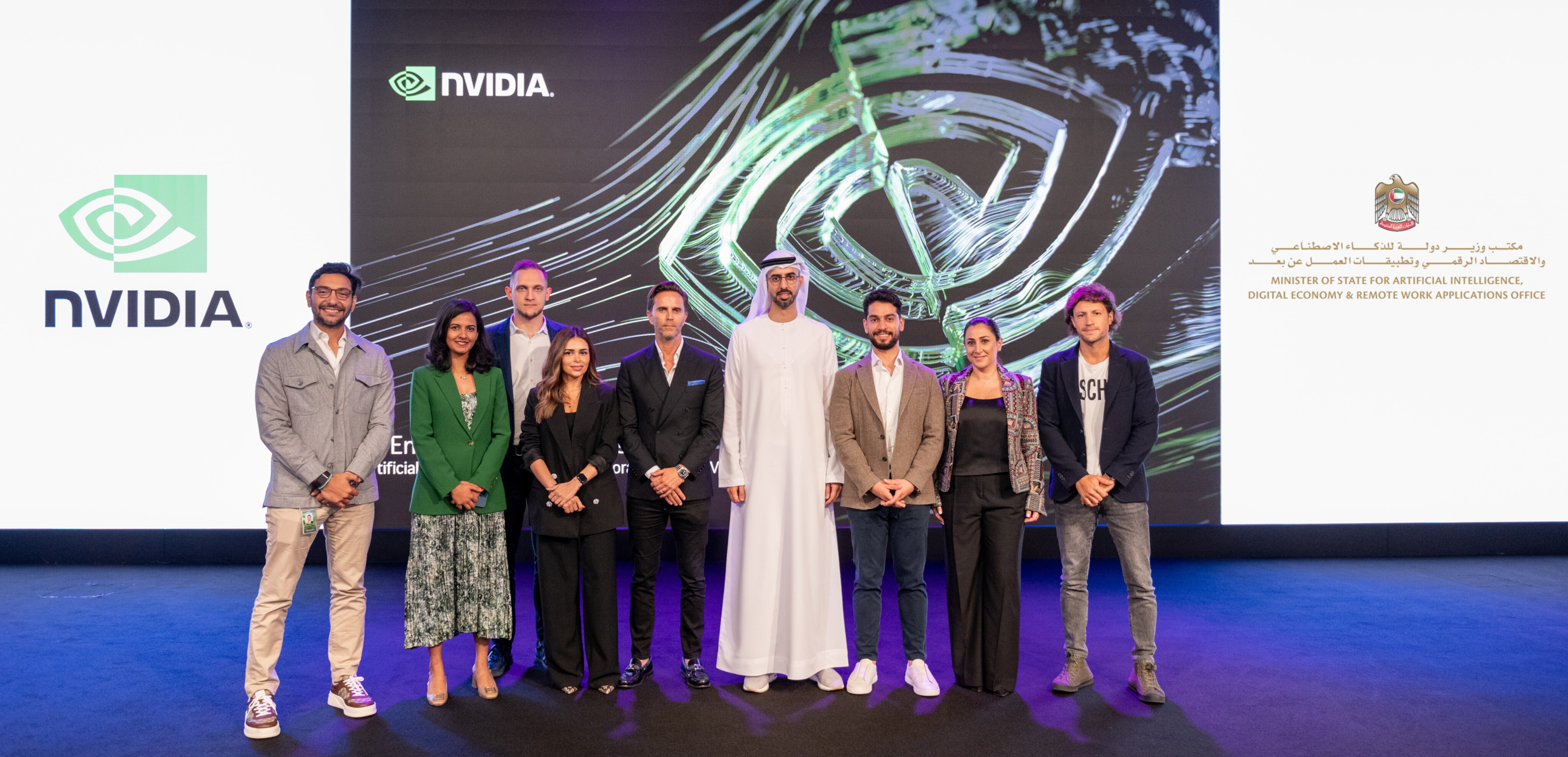
In the technology sector, Aramco has partnered with Nvidia to establish advanced industrial AI infrastructure, including an AI Hub and a robotics center. Collaborations with Amazon Web Services and Qualcomm aim to drive digital transformation and enhance industrial networks and AI capabilities. An agreement with ExxonMobil focuses on evaluating significant upgrades to their SAMREF refinery, with plans to expand it into an integrated petrochemical complex.

The financial services front sees Aramco forging agreements with asset management giants such as PIMCO, State Street Corporation, and Wellington. A notable initiative includes the establishment of a unified investment fund, named ‘Fund of One,’ in collaboration with BlackRock, Goldman Sachs, Morgan Stanley, and PIMCO, aimed at streamlining short-term cash investments.
U.S. President Donald Trump has announced plans to lift longstanding U.S. sanctions on Syria, in place since 1979 and intensified during the Syrian Civil War. During his Middle East tour, Trump revealed the decision at the U.S.-Saudi Investment Forum, describing the sanctions as historically significant yet now detrimental. The sanctions had frozen Syrian assets, banned petroleum imports, and isolated the country from the global economy. Critics highlight […]

Arabian Post Staff -Dubai Qatar Airways has finalised a monumental agreement to acquire up to 210 Boeing aircraft, marking the largest wide-body order in the company’s history. The deal, valued at $96 billion, was announced during U.S. President Donald Trump’s visit to Doha, underscoring a significant enhancement in U.S.-Qatar economic relations. The order encompasses 130 Boeing 787 Dreamliners, 30 777X jets, and options for an additional 50 […]

Mukesh Ambani, chairman of Reliance Industries and Asia’s wealthiest individual, is set to attend a high-profile state dinner in Doha on Wednesday evening alongside U.S. President Donald Trump and Qatar’s Emir Sheikh Tamim bin Hamad Al-Thani, according to individuals familiar with the matter. The gathering is part of President Trump’s Middle East tour, which has centred on investment and economic diplomacy.

While no formal business discussions are scheduled, Ambani’s presence underscores his growing influence in global business and diplomacy. His conglomerate, Reliance Industries, has longstanding ties with the Qatar Investment Authority , which has invested in various Reliance ventures over the years. Additionally, Ambani maintains strategic partnerships with U.S. technology giants such as Google and Meta.

The state dinner is being hosted at Lusail Palace, the official residence of the Qatari Emir. Another prominent business figure, based in London and known for close ties to both the Trump administration and Qatari leadership, is also expected to attend the event. Further details of Ambani’s itinerary have not been disclosed, and Reliance Industries has not responded to queries regarding his visit.

This meeting follows the Qatari Emir’s visit to India in February, during which Qatar committed to investing $10 billion across various Indian industries. The commitment reflects the strengthening economic ties between the two nations.

President Trump’s visit to Qatar is part of a broader Middle East tour focused on fostering investment opportunities. Following his engagements in Doha, Trump is scheduled to travel to the United Arab Emirates on Thursday.

By Nitya Chakraborty Soon after organizing a 90 day truce last week end at Geneva through three day intensive talks between top officials of the United States and China, President Donald Trump is on a three nation tour covering Saudi Arabia, Qatar and UAE to pursue his deal making focusing on both trade and security. […]

Nexchain, a United Kingdom-based blockchain startup, has raised $1.5 million in its ongoing presale, marking a significant milestone as it enters Stage 10 with its native token, $NEX, priced at $0.038. The project, which aims to integrate artificial intelligence into blockchain infrastructure, is attracting attention from investors seeking innovative opportunities in the cryptocurrency space.

Nexchain positions itself as the world’s first Layer-1 AI-powered blockchain, designed to enhance transaction speed, security, and scalability. The platform employs a hybrid consensus mechanism combining Proof-of-Stake with AI-driven algorithms, allowing for adaptive transaction validation and network management. This approach aims to process up to 400,000 transactions per second, significantly surpassing the capabilities of many existing blockchain networks.

The $NEX token serves multiple functions within the Nexchain ecosystem, including payment for transaction fees, staking rewards, and participation in governance decisions. Token holders are entitled to a share of the network’s revenue, with 10% distributed among those who stake their tokens in decentralized finance wallets. This model is designed to incentivize long-term holding and active participation in the platform’s development.

Nexchain’s roadmap outlines a series of developments aimed at enhancing the platform’s capabilities. The testnet launch is scheduled for the second quarter of 2025, featuring public testing of smart contracts and AI modules. The mainnet release is planned for the fourth quarter, introducing full AI blockchain implementation and support for decentralized AI applications across various industries, including finance, healthcare, and supply chain management.

The presale, which began on March 18, 2025, is set to continue until December 30, 2025, with a soft cap of $20 million and a hard cap of $50 million. The total token supply is capped at 2.15 billion $NEX, with allocations designated for marketing, rewards, treasury, ecosystem development, and team incentives.

Investor interest in Nexchain is bolstered by its plans for listings on major cryptocurrency exchanges, including Coinbase, Bybit, OKX, MEXC, Bitget, Gate, and KuCoin. The project accepts a diverse range of cryptocurrencies for contributions, such as BTC, ETH, BNB, TRC, TON, SOL, BASE, USDT, USDC, TRUMP, and DOGE, with a minimum investment threshold of $10.

Nexchain’s integration of AI into blockchain technology aims to address longstanding challenges in the industry, such as scalability and security. By leveraging AI for real-time data analysis and decision-making, the platform seeks to optimize operations and enhance user experience. Its AI-driven smart contracts are designed to self-optimize and respond intelligently to changing conditions, offering a dynamic approach to contract execution.

The platform’s emphasis on interoperability allows for seamless communication between different blockchain networks, facilitating the development of applications that can operate across multiple platforms. This feature is particularly relevant as the blockchain industry continues to evolve towards greater integration and collaboration among diverse ecosystems.

Security remains a focal point for Nexchain, which employs post-quantum cryptography and AI-driven security measures to safeguard the network against emerging threats. These protocols are designed to detect and respond to anomalies in real-time, enhancing the platform’s resilience and reliability.

Supermicro, a prominent American server technology company, has entered into a transformative partnership with Saudi data centre developer DataVolt. This landmark deal, valued at $20 billion, is set to accelerate the deployment of ultra-dense GPU platforms and rack-scale systems across DataVolt’s extensive infrastructure. The collaboration signals a robust technological alliance between the United States and Saudi Arabia, with both parties committing to ambitious infrastructure projects in the […]

Advertisements

Ticketmaster, the dominant force in global ticketing, has begun displaying the full cost of tickets upfront, including service and facility fees, in compliance with a new Federal Trade Commission rule banning hidden “junk fees.” This regulatory change, effective from 12 May 2025, mandates that companies across sectors such as live events, hospitality, and vacation rentals disclose all mandatory fees at the outset of the purchasing process. The […]

The United States is deliberating a significant agreement that would permit the United Arab Emirates to acquire over one million advanced Nvidia AI chips, a move that could reshape the technological landscape in the Gulf region. The proposed arrangement, still under negotiation, would allow the UAE to import 500,000 of Nvidia’s most sophisticated chips annually through 2027. Approximately 20% of these chips are earmarked for G42, an Abu Dhabi-based artificial intelligence firm, while the remainder would support U.S. companies establishing data centers within the UAE.

This potential deal marks a notable shift from the stringent export controls implemented during the Biden administration, which aimed to limit the proliferation of advanced AI technologies to certain regions. The Trump administration’s consideration of this agreement aligns with its broader strategy to bolster alliances and counterbalance China’s growing technological influence.

G42 has been at the forefront of the UAE’s AI ambitions, developing a bilingual Arabic-English large language model named Jais and collaborating with global tech giants to enhance its capabilities. The firm’s efforts to sever ties with Chinese entities and comply with U.S. regulations have been pivotal in facilitating this prospective deal.

The U.S. Department of Commerce’s introduction of the Validated End User program has further streamlined the export process for advanced technologies to trusted partners. Under this program, foreign data centers that meet rigorous security and compliance standards can receive AI chips without the need for individual export licenses. This initiative aims to safeguard national security while promoting international technological collaboration.

Nvidia’s advanced chips, particularly the H100 and the newer GB300 Blackwell models, are integral to the development of cutting-edge AI applications. The company’s collaboration with Saudi Arabia’s AI startup, Humain, to deliver 18,000 AI chips underscores the region’s commitment to becoming a global AI hub. These chips are set to power a 500-megawatt data center in Saudi Arabia, reflecting the Gulf’s substantial investments in AI infrastructure.

The UAE’s strategic partnerships extend beyond Nvidia. A notable collaboration between Microsoft and G42 has received U.S. approval, allowing the export of advanced AI chips to a Microsoft-operated facility in the UAE. This partnership is part of a broader U.S. effort to counter China’s Digital Silk Road initiative by strengthening technological ties with Gulf nations.

Despite these advancements, concerns persist regarding the potential for U.S. technologies to be accessed by adversarial nations. The U.S. government has imposed strict conditions on these deals, including prohibitions on the use of exported chips for model training by individuals from countries under U.S. arms embargoes, such as China. Regular audits and compliance checks are mandated to ensure adherence to these restrictions.

The UAE’s pursuit of AI sovereignty is evident in its initiatives to develop indigenous AI capabilities and infrastructure. Core42, a subsidiary of G42, has established a “regulated technology environment” to deploy Nvidia’s H100 Tensor chips securely within the country. This setup ensures that sensitive technologies are handled under strict guidelines, aligning with the UAE’s objectives to safeguard data and maintain control over its AI systems.

U.S. consumer prices climbed 2.3% year-on-year in April, marking the lowest inflation rate since February 2021 and falling short of the 2.4% forecast. On a monthly basis, the Consumer Price Index rose 0.2%, also below the anticipated 0.3%. This deceleration occurred despite the introduction of sweeping tariffs by the Trump administration earlier in the month. The inflation data, released by the Labor Department, suggests that the immediate […]

The US Federal Reserve has stopped sugar-coating it: stagflation is no longer a fringe fear. It’s a looming threat. Last week’s sharp warning from Chair Jerome Powell confirmed what many of us in the global financial community have anticipated for months. Slower growth, persistent inflation, and rising unemployment are converging in a way that should set off alarm bells for investors worldwide. Make no mistake—this isn’t an […]

By Sushil Kutty The western Press is egging United States President Donald Trump to press India for third-party mediation in the Kashmir imbroglio roiling India-Pakistan relations, while at the same time asserting that Trump has put India, led by Prime Minister Narendra Modi, in a “tight spot”. Prime Minister Modi wasn’t asked for his opinion […]

Hong Kong-based blockchain firm Animoca Brands is preparing for a public listing on a U.S. stock exchange, capitalising on what its leadership describes as a “unique moment” created by President Donald Trump’s more accommodating stance toward digital assets. The company, known for its investments in Web3 gaming and decentralised finance, is exploring various shareholding structures and aims to finalise its plans in the near future.

Executive Chairman Yat Siu indicated that the decision to pursue a U.S. listing marks a significant shift from the company’s previous position. Under the Biden administration, stricter regulatory measures had deterred Animoca from entering the American market. However, the current administration’s efforts to position the U.S. as a global hub for digital assets have altered the landscape. “It’s a unique moment in time,” Siu remarked, emphasising the strategic importance of accessing the world’s largest capital market.

Animoca Brands, which was valued at nearly $6 billion in 2022, reported unaudited revenues of $314 million for the year ending December 31, 2024. The company’s earnings before interest, taxes, depreciation, and amortisation stood at $97 million. Its financial reserves include approximately $293 million in cash and stablecoins, alongside $538 million in digital assets. These figures reflect a robust financial position as the company considers re-entering public markets after its delisting from the Australian Securities Exchange in 2020.

The potential listing aligns with a broader trend of crypto-focused companies seeking to establish a presence in the U.S. market. Notably, American Bitcoin, a cryptocurrency mining firm backed by Eric and Donald Trump Jr., announced plans to go public through a merger with Gryphon Digital Mining. This move underscores the growing influence of pro-crypto sentiments within the current administration and the opportunities they present for blockchain enterprises.

Animoca’s portfolio includes investments in over 540 companies, with stakes in prominent entities such as OpenSea, Kraken, and Consensys. The firm’s diverse holdings span various sectors within the digital asset ecosystem, reinforcing its position as a significant player in the industry. Siu highlighted the company’s unique approach, stating, “We think we’re the biggest non-financial services crypto firm,” and emphasised the importance of showcasing innovation beyond traditional financial services through a public listing.

The company’s Digital Asset Advisory business experienced substantial growth, generating $165 million in bookings for 2024, a 116% increase year-over-year. This segment provides services such as token advisory, marketing, and trading support, contributing significantly to Animoca’s revenue streams. Additionally, the firm reported $110 million in bookings from its Web3 operating businesses and $39 million from investment activities.

The United States has approved a $1.4 billion arms sale to the United Arab Emirates, encompassing six CH-47F Chinook helicopters and maintenance support for F-16 fighter jets. This development coincides with President Donald Trump’s diplomatic visit to the Middle East, highlighting the strengthening of US-UAE defense relations. The CH-47F Chinook helicopters, produced by Boeing, are renowned for their heavy-lift capabilities and versatility in various military operations. The […]

Arabian Post Staff -Dubai President Donald Trump’s ambitious pursuit of $1 trillion in investment pledges from Saudi Arabia is encountering a formidable challenge: the kingdom’s own sweeping economic transformation plans, which are projected to cost nearly twice that amount. As Trump embarks on his first Middle East tour of his second term, his administration is focusing on securing substantial trade and investment agreements with Gulf allies, including […]

Ripple Labs has reached a landmark settlement with the U.S. Securities and Exchange Commission , concluding a protracted legal battle that has significantly influenced the cryptocurrency sector. The agreement entails Ripple paying a reduced fine of $50 million, down from the initially imposed $125 million, without admitting any wrongdoing. This settlement, pending approval from the SEC and the presiding judge, marks a pivotal moment in the ongoing discourse surrounding digital asset regulation.

The SEC’s lawsuit, initiated in December 2020, accused Ripple of raising over $1.3 billion through unregistered securities offerings by selling its XRP token. A critical development occurred in July 2023 when U.S. District Judge Analisa Torres ruled that while XRP sales to institutional investors violated securities laws, XRP sales on public exchanges did not constitute securities transactions. This nuanced decision provided a partial victory for Ripple and set a precedent for how digital assets might be classified in the future.

The resolution of this case has had immediate market implications. XRP’s price surged by approximately 14%, reaching highs of $2.59, reflecting renewed investor confidence. The token’s market capitalization also saw a significant increase, positioning XRP as the third-largest cryptocurrency by market value. This market response underscores the broader industry’s anticipation for regulatory clarity and the potential for increased institutional adoption.

The settlement aligns with a broader shift in the SEC’s approach to cryptocurrency regulation under the current administration. The agency has recently dropped several high-profile cases against major crypto exchanges, signaling a move towards a more collaborative regulatory framework. President Donald Trump’s administration has expressed support for the crypto industry, with initiatives such as the establishment of a government crypto reserve that includes XRP and the nomination of Paul Atkins, known for his pro-crypto stance, to chair the SEC.

Ripple’s legal victory also opens the door for potential advancements in the cryptocurrency market infrastructure. Analysts suggest that the favorable outcome could pave the way for the approval of an XRP-based exchange-traded fund , further legitimizing the asset class and providing investors with more accessible investment vehicles. Additionally, the classification of XRP as a commodity rather than a security could lead to less stringent oversight and encourage broader adoption.

Matein Khalid The smoke signals from Geneva came even faster than the one in the Vatican that announced the arrival of Pope Leo XIV on the world stage. If the US-China trade marathon was a Bollywood movie, Scott Bessant would be​ ​dancing wet and wild with the Chinese Vice Premier Lifeng in their Jet d’Eau or kowt​owing on those little abraas that criss-cross the Rhône river​ since […]

Bitcoin’s trajectory has garnered heightened attention as prominent figures in the cryptocurrency realm project significant growth, underpinned by strategic initiatives and institutional endorsements.

Changpeng Zhao, known as CZ and the founder of Binance, has articulated a bullish stance, suggesting that Bitcoin’s value could escalate to between $500,000 and $1,000,000 within the current market cycle. He attributes this potential surge to increasing institutional adoption and the maturation of the crypto market, envisioning the total cryptocurrency market capitalization reaching $5 trillion by year’s end.

Investor Tim Draper has expressed an even more optimistic view, positing that Bitcoin could attain an “infinite” value in U.S. dollar terms. He characterizes Bitcoin as a new store of value, emphasizing its decentralized nature and finite supply, which he believes positions it as a superior alternative to traditional fiat currencies.

Eric Trump has also entered the discourse, forecasting exponential growth for Bitcoin. He has disclosed that the Trump family holds a substantial position in Bitcoin, reflecting their confidence in its long-term value. Eric Trump has further stated that his father, President Donald Trump, will vigorously support the cryptocurrency sector, aiming to establish the United States as a global leader in digital assets.

Geoffrey Kendrick of Standard Chartered has projected a significant appreciation for Binance Coin , anticipating a 360% increase to $2,775 by 2028. He cites the coin’s utility and scarcity as primary drivers of its expected growth.

Analyst Michaël van de Poppe has accurately predicted Ethereum’s breakout to $2,100, attributing the movement to favorable market conditions and increased investor interest. Similarly, Lark Davis has identified a bullish pattern in Solana’s price action, targeting a rise to $170 once it surpasses the $150–$160 range.

These forecasts coincide with strategic developments in the cryptocurrency space. President Trump’s administration has initiated the establishment of a Strategic Bitcoin Reserve, repurposing over $17 billion in forfeited bitcoins from legal cases to create a federal digital asset reserve. This move aims to position the U.S. as a leader in digital asset holdings, with the Treasury managing the reserve through strategies like dollar-cost averaging and prohibiting the sale of the assets to maintain long-term value.

The Trump family’s involvement in the cryptocurrency sector extends beyond holdings. Eric Trump and Donald Trump Jr. have invested in a bitcoin-mining venture named American Bitcoin, in partnership with Hut 8, a major crypto infrastructure company. This initiative seeks to make American Bitcoin the world’s largest and most efficient bitcoin miner, with plans to accumulate a substantial strategic bitcoin reserve.

By Nitya Chakraborty Prime Minister Narendra Modi has placed India in a very advantageous position vis a vis Pakistan in the limited war that lasted for four days beginning early hours of May 7. The ceasefire that took effect from 5 PM of May 10 was more engineered by desperate Pakistan which hoodwinked the US […]
The United States and China have agreed to a significant reduction in tariffs, marking a notable de-escalation in their ongoing trade conflict. Effective immediately, the US will lower tariffs on Chinese imports from 145% to 30%, while China will reduce its tariffs on US goods from 125% to 10%. This mutual agreement, set to last for 90 days, follows high-level negotiations held in Geneva. The trade dispute […]

Japan has firmly stated it will not agree to any preliminary trade agreement with the United States that excludes the removal of auto tariffs. Prime Minister Shigeru Ishiba emphasised this position during a parliamentary session, underscoring that Japan’s automotive sector is a cornerstone of its economy and must be protected in trade negotiations. The United States, under President Donald Trump, has imposed a 25% tariff on imported […]

Saudi Arabia’s Crown Prince Mohammed bin Salman continues to assert his influence in the global energy markets, a strategy that has far-reaching implications not only for the kingdom’s domestic policies but also for its relationship with the United States. Recent moves to reduce oil production as a means of boosting global oil prices have drawn international attention, as MBS looks to solidify his standing with key economic players, including former U.S. President Donald Trump. However, the evolving relationship between the two figures is far from straightforward, as both appear to have their own agendas in mind.

The Saudi decision to slash oil output in recent months comes on the back of increasing pressure to stabilise global oil prices, which had been fluctuating due to global economic instability and shifting energy demands. By reducing production, Saudi Arabia has not only asserted its dominance within OPEC but also sent a clear signal to the global market that it has the leverage to influence pricing dynamics.

This move directly impacts oil markets in the U.S., a key trading partner for Saudi Arabia. As a major importer of oil, the United States is highly sensitive to fluctuations in oil prices. For Trump, whose policies focused on energy independence and bolstering U.S. oil production, the actions of MBS represent a clear challenge to his broader economic goals. The former U.S. president’s embrace of the kingdom, characterised by lucrative arms deals and a focus on maintaining strong bilateral ties, suggests that any tension between the two figures could have significant geopolitical consequences.

For MBS, maintaining close relations with the U.S. remains a critical aspect of his strategy. He has worked tirelessly to secure arms deals and other investments from the U.S., ensuring that the kingdom remains a key player in global economic and political circles. However, the Crown Prince has also sought to diversify Saudi Arabia’s global alliances, looking toward China and Russia for alternatives in the wake of fluctuating U.S. domestic politics.

While Saudi Arabia’s actions in the oil market may be seen as a tactical move to assert its power within OPEC, there is also an undercurrent of economic diversification within the kingdom. MBS has long been an advocate for economic reform, including his ambitious Vision 2030 plan, which aims to reduce the country’s dependence on oil and foster other sectors like technology, entertainment, and tourism. These long-term goals often put him at odds with traditional partners like the U.S., who benefit from the current structure of the global oil market.

MBS’s strategy of reducing oil production comes at a time when the U.S. is attempting to navigate its own challenges within global energy markets. Biden’s administration has faced criticism for its handling of oil prices and its response to OPEC’s decision to cut production. There have been mounting calls for the U.S. to reassert its influence over global energy policy, especially as rising fuel prices continue to affect domestic inflation. Trump, during his tenure, positioned himself as a champion of American energy interests, and his critique of OPEC’s actions highlights the ongoing tension between the U.S. and Saudi Arabia over energy policy.

The dynamics of this relationship are further complicated by political realities within the U.S. The upcoming presidential election, with Trump seeking to regain power, could see a shift in how the U.S. engages with Saudi Arabia. Trump’s previous tenure saw him pursuing an “America First” policy that frequently placed him at odds with traditional allies, including Saudi Arabia. His emphasis on energy independence and a focus on domestic oil production often ran counter to Saudi interests, particularly as MBS sought to maintain control over global oil pricing.

Despite these tensions, there remains a mutual interest in maintaining a working relationship. Saudi Arabia’s desire to secure arms deals and investments from the U.S. continues to be a driving factor in their engagement with Trump and other American leaders. Meanwhile, Trump’s political aspirations likely hinge on securing economic benefits from Saudi Arabia, whether through increased oil production or strategic investments in U.S. infrastructure. These mutual interests, though at times misaligned, provide the foundation for ongoing negotiations between the two figures.

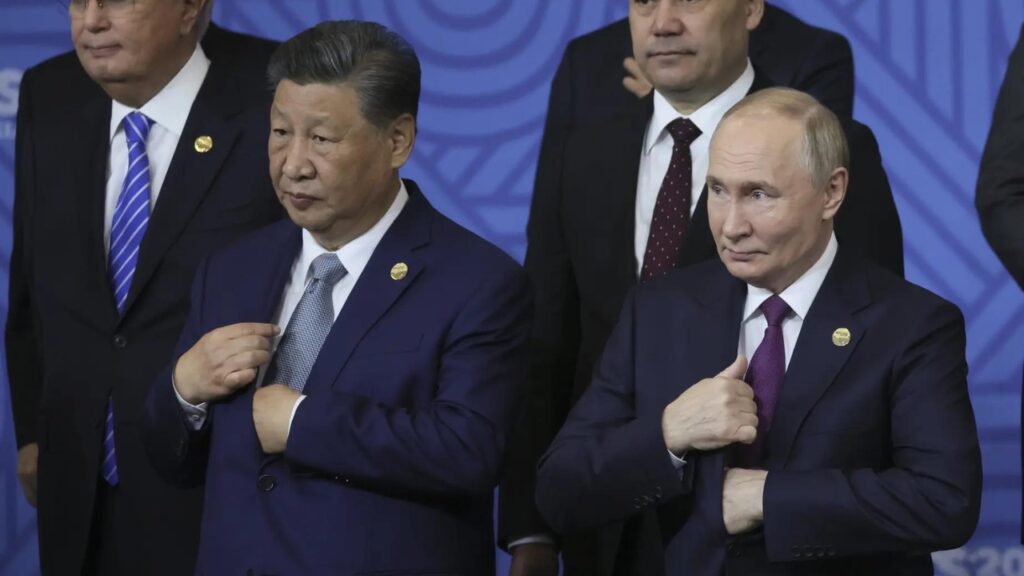
By Nitya Chakraborty The joint declaration issued by the Russian President Vladimir Putin and the Chinese President Xi Jinping on the eve of the Victory Day on May 9 upholding longstanding friendship to pursue mutual benefit and win-win outcomes in the new era carries major significance in the present period of global tariff war as […]


Bitcoin’s value soared above $100,000 on Thursday, marking its first return to six figures since February. The cryptocurrency climbed to $101,329.97 by midday, reflecting a 4.7% increase for the day. This resurgence is attributed to a combination of geopolitical developments and shifting regulatory landscapes. A significant catalyst for this uptick was the announcement of a comprehensive trade agreement between the United States and the United Kingdom. The […]

VISHNU RAJA
RYO YAMADA
HITORI GOTOH
IKUYO KITA