News related to
Trump

Green hydrogen, once heralded as a cornerstone of the global transition to clean energy, is encountering significant economic challenges due to its high production costs. This reality is prompting a reevaluation of its role in future energy strategies. A study from Harvard University, published in the journal *Joule*, reveals that the comprehensive costs associated with green hydrogen—including production, storage, and distribution—render it a prohibitively expensive method for […]

Arabian Post Staff -Dubai Jared Kushner’s investment firm, Affinity Partners, has secured an additional $1.5 billion in funding from the Qatar Investment Authority and Abu Dhabi-based asset manager Lunate. This significant capital infusion extends the investment period of Affinity’s debut fund to 2029, positioning the firm for sustained growth in the competitive private equity landscape. Kushner, founder of the Miami-based firm, disclosed these developments during an episode […]

Oil prices have declined, with Brent crude futures dropping 41 cents to $72.47 per barrel, and U.S. West Texas Intermediate crude futures falling 39 cents to $68.99 per barrel. China’s oil demand is projected to peak by 2027, with fuel consumption slowing. The U.S. dollar has reached its highest value since November 22, making commodities more expensive for holders of other currencies. OPEC+ has reduced its 2024 […]

As the new year approaches and the book on an eventful year in the energy world closes, 2025 looks set to bring more volatility, geopolitical tension and policy evolutions. Elections in almost all major global economies in 2024 have set the stage for a shifting policy landscape next year, most notably in the US, as President-elect Donald Trump outlines his priorities and plans for the incoming administration. […]

A new direction for digital asset regulation is taking shape as the Trump administration’s Digital Chamber’s Token Alliance discusses key priorities with pro-crypto SEC Commissioners Hester Peirce and Mark Uyeda. The priorities, set forth by the group, aim to dismantle or reconsider several regulations affecting the cryptocurrency and broader digital asset markets.

The alliance presented its day-one agenda, signaling an aggressive stance against existing regulatory frameworks that many in the crypto space consider overly broad or impractical. Central to their agenda is the overhaul of the 2019 framework for analyzing “investment contracts” in digital assets, which the alliance believes unnecessarily expanded the scope of what is considered an investment contract. Critics argue that this move left too much room for uncertainty, complicating the regulatory landscape for crypto assets.

One of the most significant shifts proposed is the reconsideration of amendments to Rule 3b-16, which had sought to expand the definition of “exchange” to include decentralized finance (DeFi) markets. The rule, if enforced, would have placed stricter regulatory requirements on decentralized exchanges, potentially curbing the growth of decentralized finance, a sector that has flourished despite regulatory challenges. The proposal to reconsider this rule reflects a growing consensus that current regulations might not adequately address the unique characteristics of decentralized platforms.

Further scrutiny will also be applied to ongoing legal actions and investigations concerning digital assets. The alliance has urged the SEC to immediately review all ongoing digital-asset-related investigations and Wells Notices. These notices, which are issued as part of enforcement actions, could lead to charges against companies or individuals violating securities laws. The call to halt and reassess these investigations is a direct challenge to the existing enforcement posture of the SEC, particularly under its previous leadership.

A critical aspect of the alliance’s agenda is the withdrawal of proposed Safeguarding Rules, which would have excluded state-chartered banks and trust companies from being considered qualified custodians for digital assets. These rules were seen by many in the industry as an unnecessary barrier, limiting the ability of traditional financial institutions to engage with digital assets. By advocating for the withdrawal of these rules, the alliance aims to ensure that more financial entities can participate in the digital asset ecosystem, helping to provide the infrastructure needed for growth.

The group seeks to rescind SAB 121, a standard that has caused significant friction within the digital asset community. The rule requires custodial entities to hold crypto assets on their balance sheets, creating potential accounting and financial reporting issues for companies holding client assets. The alliance argues that this requirement creates undue burdens on businesses, potentially discouraging them from offering custodial services for digital assets. The SEC’s rescinding of SAB 121 would be a major victory for crypto service providers, many of whom have cited it as a significant obstacle to growth.

The Trump administration’s proposed changes to these regulatory frameworks come at a time when digital assets are becoming an increasingly important part of the global financial landscape. As cryptocurrencies and blockchain technologies continue to gain mainstream acceptance, the need for clear and practical regulations has never been more pressing. However, the challenge remains for regulators to balance innovation with investor protection, ensuring that the digital asset market can thrive without opening the door to greater risks of fraud, manipulation, or financial instability.

Key figures in the industry are closely watching the evolving regulatory landscape. While the proposals to revisit the 2019 framework and rescind several key rules have been welcomed by many in the crypto space, the shift in regulatory policy is not without controversy. Some argue that loosening regulations too quickly could expose investors to greater risks. Others are concerned that too much regulation could stifle innovation and drive blockchain projects away from the U.S., especially as other countries such as the European Union are moving ahead with their own regulatory frameworks.

The debate surrounding the future of digital asset regulation highlights the growing importance of cryptocurrency in the global economy. Whether the Trump administration’s regulatory overhaul will have long-term positive effects on the industry remains to be seen, but it signals a willingness to reconsider outdated regulations that may not align with the evolving digital economy. What is clear is that the push for deregulation could reshape the way digital assets are viewed by both regulators and the broader public, offering new opportunities for growth and development in the sector.

As the regulatory environment continues to shift, stakeholders in the digital asset space are preparing for potential changes. Advocacy groups, blockchain companies, and financial institutions are aligning their strategies to take advantage of a regulatory landscape that may be more accommodating to innovation. However, this also brings a renewed focus on the need for clarity, as businesses seek to navigate the complex and often contradictory world of cryptocurrency regulation.

KUALA LUMPUR, MALAYSIA – Media OutReach Newswire – 19 December 2024 – With Bitcoin going through the roof in 2024 and the entire crypto market showing substantial growth, retail investors’ interest in this asset class also peaked. But how best to profit from the changes occurring in the crypto market and what avenues of investment to choose? The experts at Octa, a broker with globally recognised licences, […]

Crypto.com has withdrawn its lawsuit against the U.S. Securities and Exchange Commission (SEC) after CEO Kris Marszalek met with President-elect Donald Trump. The lawsuit, filed in October, challenged the SEC’s classification of certain digital assets as securities, alleging regulatory overreach. The voluntary dismissal, filed in the U.S. District Court for the Eastern District of Texas, coincided with Marszalek’s meeting with Trump at Mar-a-Lago on December 16.

During the meeting, Marszalek and Trump discussed the future of cryptocurrency regulation in the United States, including the President-elect’s proposal to establish a national Bitcoin reserve. This initiative aims to bolster the U.S. position in the global digital asset market. Marszalek shared a photo of the meeting on social media, expressing his honor at participating in the discussions.

The timing of the lawsuit’s withdrawal suggests a strategic alignment with the incoming administration’s pro-crypto stance. Trump’s campaign emphasized integrating cryptocurrencies into the financial system, and his victory has been met with optimism in the crypto community. Industry leaders anticipate a more favorable regulatory environment, potentially easing constraints imposed by the SEC under current leadership.

Trump’s proposal for a national Bitcoin reserve involves the U.S. government purchasing significant quantities of Bitcoin over several years, similar to strategic reserves of commodities like oil. This plan is intended to strengthen the U.S. dollar’s status as the world’s reserve currency and address national debt concerns. However, critics highlight the volatility of Bitcoin and potential risks to financial stability.

The President-elect’s engagement with crypto industry leaders, including Marszalek, signals a shift towards embracing digital assets at the federal level. Discussions have included potential appointments within the administration that could influence crypto policy, indicating a move towards regulatory clarity and support for the industry.

Advertisements

SoftBank Group has unveiled an ambitious $100 billion investment plan aimed at expanding artificial intelligence infrastructure in the United States. The announcement, led by CEO Masayoshi Son, positions the Japanese telecom and technology giant as a major player in shaping the future of AI development. The investment, which will span the next four years, underscores SoftBank’s commitment to leveraging AI technology for both economic and technological growth […]

Manish Rai Shoresh Ismail Abdulla is the Minister of Peshmerga affairs in the Kurdistan Regional Government (KRG). The Peshmerga are the military forces of the Kurdistan Regional Government (KRG) and one of the most capable forces in the region, which pushed back ISIS from its strongholds. Currently, Peshmerga is also playing a vital role in counter-terror operations against ISIS. In an interview, Abdulla speaks about the reemergence […]

Investors have funneled a record $600 billion into global bond funds in 2024, capitalizing on some of the highest yields in decades. This marks a significant reversal from 2022, when $250 billion exited fixed-income funds.

The ICE BofA global bond index now offers yields exceeding 4.5%, the highest since 2008. This surge is attributed to easing inflation and central banks reducing interest rates, enhancing the appeal of bonds. Developed and emerging market bond funds have collectively attracted $617 billion by mid-December.

Corporate bonds have been particularly attractive, offering higher yields than government debt. Investors have shown a preference for passive exchange-traded funds (ETFs), with industry leaders BlackRock and Vanguard leading inflows. This trend is supported by companies effectively managing rising borrowing costs, making corporate bonds a favorable option.

However, the momentum of these inflows may decelerate in 2025. Equity markets have experienced gains, spurred by President-elect Trump’s policies, leading to substantial inflows into U.S. stock funds. Additionally, there is skepticism regarding the potential for further improvements in corporate bond performance.

In the ETF sector, U.S.-listed funds have achieved inflows nearing $910 billion, positioning them for a record year, potentially surpassing $1 trillion. This growth is driven by increased investor interest in actively managed fixed-income ETFs, with record inflows expected to push the industry towards a historic milestone.

The inclusion of Indian sovereign bonds into JPMorgan’s emerging markets index has also contributed to the global bond market dynamics. This move is expected to bring billions of dollars in foreign inflows, further integrating India into global financial markets.

Similarly, South Korea’s anticipated inclusion in FTSE Russell’s World Government Bond Index is projected to attract substantial investment inflows, potentially amounting to 80 trillion won ($59.7 billion) over the coming years. This development is expected to support the nation’s bond market and strengthen the South Korean won.

Despite these positive trends, certain sectors have experienced outflows. For instance, global money market funds saw substantial inflows of $127.44 billion in the week leading up to November 6, due to investor caution around the U.S. presidential election and the Federal Reserve’s policy meeting. However, investors sold off $649 million in gold and other precious metal funds during the same period.

KUALA LUMPUR, MALAYSIA – Media OutReach Newswire – 18 December 2024 – 2024 has been a year of contradictory events, significant economic changes, and major political shifts. On a positive note, it was the year when global central banks finally managed to tackle inflation, partly induced by the negative and far-reaching effects of the COVID pandemic and partly by the more recent geopolitical events. After holding borrowing […]

The Trump Organization is set to expand its presence in the Gulf with the development of Trump Towers in both Abu Dhabi and Dubai. These luxury projects, slated for construction in partnership with Dar Global, are expected to bring unparalleled opulence to the region, with one of the towers located in Downtown Dubai. According to Eric Trump, son of the US president-elect, the Abu Dhabi development is […]

By Nitya Chakraborty Leftwing Democratic senator Bernie Sanders is a veteran self proclaimed socialist who has been consistently fighting for drastic cut in the budget of the U.S. military since his election as a young senator from Vermont decades ago. In the November elections, he won his seat for the fourth time for another six […]

Former President Donald Trump recently addressed the Blockchain Association’s Annual Policy Summit, where he expressed strong support for the growth of the blockchain industry in the United States. During the dinner event, Trump emphasized the importance of blockchain technology as a key driver for maintaining economic strength and preventing American businesses from moving overseas to countries like China. His remarks at the summit highlighted the need for clear regulatory frameworks that encourage innovation while safeguarding national interests.

Trump’s engagement with blockchain technology comes as part of a broader push to modernize the U.S. economy and ensure that cutting-edge technologies remain within the country’s borders. The former president has previously voiced concerns over the global shift of technology and business hubs toward nations with more favorable regulatory environments, particularly China, which has become a major player in sectors like cryptocurrency mining and blockchain-based services.

Speaking to the gathered policy experts, business leaders, and lawmakers, Trump urged for a balanced approach to regulation that allows for growth and innovation in the blockchain sector. “The U.S. must stay ahead in this field,” he said, warning that without action, American companies may seek more favorable environments abroad. His comments reflect his long-standing view on the need to maintain U.S. competitiveness, particularly in sectors that are expected to define the global economy in the coming decades.

The former president’s endorsement of blockchain technology is seen as an attempt to position the U.S. as a global leader in the emerging digital economy. Blockchain, which underpins cryptocurrencies like Bitcoin and Ethereum, has a broad range of applications, including in finance, supply chain management, and even healthcare. As industries around the world explore its potential, the U.S. government faces pressure to implement regulations that both foster innovation and protect investors and consumers.

Trump’s position on blockchain aligns with a growing consensus in Washington about the need to establish clearer guidelines for the technology. Several lawmakers have recently introduced bills aimed at improving the regulatory environment for blockchain and cryptocurrencies. These efforts aim to address the challenges of crypto-related fraud, money laundering, and tax evasion, while also encouraging the growth of legitimate businesses in the space.

The Blockchain Association, which represents a wide array of blockchain companies, has been at the forefront of advocating for such regulations. Their policy priorities include ensuring that the U.S. remains a favorable jurisdiction for blockchain entrepreneurs, particularly when compared to jurisdictions like China, where regulatory crackdowns have stifled domestic innovation. For Trump, promoting blockchain development is part of his broader economic vision that focuses on retaining technological leadership within U.S. borders.

Trump’s dinner remarks were met with mixed reactions. Supporters lauded his call for stronger blockchain policies, viewing it as a necessary step to ensure that the U.S. remains a technological powerhouse. However, critics cautioned that any regulatory push must balance innovation with security and consumer protection. They highlighted concerns that overly restrictive regulations could stifle growth in a sector that is still in its early stages.

The blockchain industry has been grappling with regulatory uncertainty for years. While blockchain technology itself is decentralized and largely unregulated, the use of cryptocurrencies and blockchain-based applications in finance has drawn significant attention from government agencies. The U.S. Securities and Exchange Commission (SEC) and other regulatory bodies have been working to develop frameworks that protect investors and ensure that the industry does not become a haven for illegal activities.

For the blockchain sector, Trump’s comments highlight the urgency of developing a regulatory structure that allows businesses to thrive while maintaining a clear legal framework. Blockchain companies have expressed concerns over the patchwork of regulations at the state and federal levels, which can create confusion and limit their ability to scale operations.

As global competition heats up, blockchain is increasingly seen as a critical area for investment. Countries around the world are making moves to attract blockchain startups and developers by offering tax incentives, regulatory clarity, and business-friendly environments. Trump’s statements signal that the U.S. government may need to do more to support the sector to remain competitive.

The future of blockchain technology in the U.S. may hinge on the development of a coherent regulatory strategy. Proponents argue that clear and consistent guidelines are essential for encouraging investment and innovation, while detractors warn that too much regulation could stifle the sector’s potential. Trump’s position reflects the growing recognition that the U.S. must act quickly to ensure it remains a global leader in blockchain, cryptocurrency, and other emerging technologies.

By Nantoo Banerjee China’s sudden change of mind to uphold peace and tranquility with India at the Line of Actual Control (LAC) and work for early resolution of outstanding issues should not be read beyond these words as framed at the joint declaration at the end of the 30th meeting of the Working Mechanism for […]
By Dr. Nilanjan Banik On November 30, Mr. Donald Trump posted a threat on his social media, warning that if BRICS countries abandon the US dollar, they would face a 100% tariff. This is not a new threat; similar warnings have also been directed at other regions, including nearshore friendly countries such as Mexico and […]

Matein Khalid sTrump 2.0 will be all the more potent in reshaping America’s economic destiny since the White House, the Senate and the House are all blood red. Tariffs/mass deportation can mean inflation shocks but deregulation, AI adoption and DOGE will have a disinflationary impact on the economy. Trump will apply punitive tariffs on a selective basis on specific countries (notably China) but his economic team is […]

Unveiling Next Year’s Theme – Education: A Shared Future for All HONG KONG SAR – Media OutReach Newswire – 13 December 2024 – The 14th Learning & Teaching Expo 2024 successfully concludes today. This year’s theme, Shaping Education for a World of Change, marks the largest edition in the event’s history. The Expo united government officials, education experts, industry leaders, exhibitors, and educators from across the globe, […]

Brian Quintenz, the head of crypto policy at Andreessen Horowitz, has emerged as a frontrunner for the position of chair at the Commodity Futures Trading Commission (CFTC). This potential appointment has generated considerable attention, particularly in the context of shaping the future of cryptocurrency regulation in the United States. Quintenz’s deep-rooted experience with the regulatory landscape, particularly his tenure at the CFTC under the Trump administration, positions him as a key figure in guiding the U.S. government’s approach to digital assets and derivatives markets.

During his tenure as a commissioner at the CFTC from 2017 to 2021, Quintenz made a significant impact in the world of financial regulation. He was one of the first regulators to recognize the growing importance of digital assets, including cryptocurrencies like Bitcoin and Ethereum, and the need to develop a regulatory framework that both fosters innovation and protects investors. Quintenz was known for his support of the crypto industry, advocating for clearer and more consistent rules governing digital asset markets. His work on derivatives, particularly around crypto futures contracts, laid the foundation for much of the regulatory framework in place today.

Quintenz’s appointment to the CFTC chair could signal a more crypto-friendly regulatory environment in the U.S., one that aligns with the priorities of industry advocates who have long argued for clearer rules to enable innovation without stifling growth. The CFTC, under Quintenz’s guidance, is expected to build upon his prior work, including his advocacy for creating a comprehensive regulatory framework that supports digital asset trading while ensuring financial stability.

Quintenz’s potential leadership is seen as crucial for addressing the growing demand for regulation in the cryptocurrency space, particularly as institutional interest in digital assets continues to rise. The U.S. has been grappling with questions around the appropriate regulatory body to oversee crypto markets, with the CFTC and the Securities and Exchange Commission (SEC) often at odds over jurisdictional issues. Quintenz, however, has long argued that the CFTC is best suited to oversee crypto derivatives and related markets due to its expertise in futures and commodities. If confirmed, Quintenz could play a pivotal role in resolving these jurisdictional disputes and advancing a clear, unified regulatory framework.

Under Quintenz’s leadership, the CFTC could also take a more proactive role in fostering innovation within the digital asset space. His track record at Andreessen Horowitz, one of Silicon Valley’s most influential venture capital firms, shows his keen understanding of the intersection between technology and regulation. At the firm, Quintenz has worked closely with emerging blockchain companies and crypto projects, providing guidance on navigating the complex regulatory landscape. This experience gives him a unique perspective on how to balance the need for regulation with the desire for innovation, making him a natural fit to lead the CFTC as it continues to evolve its approach to crypto.

The crypto industry, which has faced increasing scrutiny from lawmakers and regulators, would likely welcome a more consistent and favorable regulatory framework under Quintenz’s leadership. While some in the industry have expressed concerns about regulatory overreach, many are hopeful that Quintenz’s appointment could provide the clarity and stability needed to drive continued growth. The ongoing battle over cryptocurrency regulations has been marked by conflicting signals from different regulatory bodies, with the SEC taking a more aggressive stance on enforcement, particularly against centralized exchanges. In contrast, the CFTC has been more focused on ensuring that financial markets, including crypto derivatives, function within a legal framework that promotes transparency and market integrity.

One of the key challenges that Quintenz would face as CFTC chair is the evolving nature of the crypto market. With innovations like decentralized finance (DeFi) and non-fungible tokens (NFTs) continuing to gain popularity, the regulatory framework needs to be adaptable enough to keep pace with rapid changes in the industry. Quintenz’s previous work at the CFTC, where he helped craft rules for Bitcoin futures and other digital asset contracts, suggests he understands the importance of staying ahead of market developments and ensuring that regulation evolves in tandem with technological advancements.

Quintenz’s approach to digital asset regulation will likely focus on protecting consumers without stifling innovation. His stance during his time at the CFTC and his work at Andreessen Horowitz indicate that he views regulation as a tool to create a level playing field for all market participants while fostering innovation. This would be in stark contrast to some of the more stringent regulatory approaches favored by other factions within the U.S. government, which seek to impose more controls over the growing crypto market.

His potential appointment also comes at a time when the U.S. is facing mounting pressure to establish a clear and consistent regulatory framework for digital assets. Other countries, such as the European Union, have moved forward with comprehensive crypto regulation, and the U.S. risks falling behind in the global race to regulate emerging financial technologies. Quintenz’s appointment could help solidify the U.S.’s position as a leader in digital asset regulation, ensuring that the country remains competitive while safeguarding the financial system.

Coincheck, Japan’s largest cryptocurrency exchange, has marked a significant milestone by becoming the first crypto exchange from the country to be listed on Nasdaq. The Tokyo-based exchange is set to go public through a merger with Thunder Bridge Capital Partners IV, a special purpose acquisition company (SPAC). This development positions Coincheck as a key player in the global crypto landscape, particularly as Japan’s regulatory environment for cryptocurrencies continues to evolve.

The listing was approved by the U.S. Securities and Exchange Commission (SEC) in mid-November 2024, clearing the way for the exchange to begin trading on Nasdaq under the ticker symbol CNCK. This approval followed Coincheck’s filing of a Form F-4 registration and a successful shareholder vote held on December 5. The timing of the listing is crucial, as it coincides with a shift in the U.S. crypto regulatory scene, which could have broad implications for other exchanges and digital asset firms eyeing Nasdaq.

Coincheck’s entry onto Nasdaq reflects the growing acceptance of cryptocurrency as a legitimate financial asset class, even as regulatory scrutiny intensifies globally. The move could also inspire other Japanese exchanges, which have been cautious about entering foreign markets, to explore similar listings, particularly given the global appetite for digital asset investments.

The SPAC merger allows Coincheck to remain a subsidiary of its parent company, Monex Group, which has supported the exchange’s growth over the years. The listing is not only a triumph for Coincheck but also highlights the broader trends in the crypto industry, including the increasing involvement of traditional financial players in the digital asset sector. It also raises questions about the future of Japan’s crypto regulation, with potential changes in the U.S. under the incoming administration of President Donald Trump.

While Coincheck’s Nasdaq debut marks a significant achievement, it also points to a larger trend of global exchanges looking beyond domestic borders to secure listings on international bourses. As one of the first major crypto firms to take this step, Coincheck’s success may pave the way for others in Japan and beyond to follow suit. This trend is likely to continue as the digital asset space matures and as international regulatory standards become clearer.

Matein Khalid The dramatic events of last week in Syria have only boosted President Erdogan’s role as the preeminent regional powerbroker in the heart of the Arab Levant as Turkish armed/financed Sunni militias engineered their collapse of the 54-year-old Assad dynastic tyranny in Damascus. Syria is once again a de facto Turkish protectorate, as it was in the five centuries since Sultan Selim Yavuz vanquished its Mamluk […]

Several key figures from the Trump family and its network gathered at a high-profile cryptocurrency event in the Gulf region, where the convergence of digital currencies and the ever-growing market for crypto investments was on full display. The event, widely attended by industry leaders, investors, and political figures, provided a platform to discuss the emerging landscape of cryptocurrency, with a particular focus on Bitcoin, blockchain technology, and their future within global markets.

As the world navigates the evolving world of cryptocurrencies, the Gulf has become a hotspot for discussions around Bitcoin’s potential and the rising interest among both investors and political figures in the region. The event served as a reflection of broader global trends, where prominent political and business figures are increasingly aligning themselves with the digital currency space. For the Trump family and its allies, this marks an intensified involvement in the ever-growing crypto economy, a sector that has captured the attention of major global investors.

Donald Trump’s family members and political allies, including former White House officials and business partners, were seen attending various sessions during the gathering. These figures have been closely linked with the cryptocurrency movement for years, and their participation at the Gulf event highlights the increasing intersection between the digital currency world and high-profile political figures. Their presence not only signals a growing interest in the sector but also indicates how crypto has evolved from a niche technology to a mainstream financial asset.

The Trump family’s involvement in crypto aligns with broader Republican Party figures, some of whom have advocated for fewer regulations and a more lenient approach to crypto markets. Trump himself, while not overtly endorsing cryptocurrency in public statements, has repeatedly shown an interest in economic policies that benefit digital assets, often commenting on the need for more favorable conditions for businesses in the U.S. crypto space.

This growing alignment between the Trump family and cryptocurrency advocates has led to discussions regarding how the family’s network could further influence digital asset regulations. It is an environment that is ripe for policy lobbying and potential investment opportunities, making it a key area of focus for those gathered at the Gulf conference.

The Gulf region, particularly countries like the UAE and Saudi Arabia, has increasingly emerged as a global center for cryptocurrency innovation and regulation. These nations have been proactive in cultivating a crypto-friendly environment, with numerous free zones and financial hubs aimed at attracting digital asset companies and investors. Their push to position themselves as leaders in the digital finance sector is evident through initiatives aimed at creating regulatory frameworks that are conducive to cryptocurrency ventures.

For the Trump family and its allies, the event in the Gulf represents not just an opportunity to network, but also a deeper engagement with the region’s cryptocurrency potential. A number of Gulf-based investors have been vocal about their interest in Bitcoin, often citing its promise as a store of value amidst global economic instability. This is a view that aligns closely with statements made by key Trump allies, who see Bitcoin as a hedge against inflation and a safeguard for the future of financial systems.

While the Trump family’s direct involvement in crypto investments remains largely speculative, many members of their political network are increasingly vocal in advocating for the integration of cryptocurrency into mainstream financial markets. At the Gulf gathering, several key figures in the Trump camp discussed the potential for digital currencies to be integrated into broader financial systems, from asset management to cross-border payments, and even within the governance structures of central banks.

The event also highlighted the expanding role of cryptocurrency in global political and economic spheres. From the Trump family’s interactions with regional investors to the broader geopolitical implications of a burgeoning crypto economy, it is clear that the Gulf is positioning itself as a critical player in the digital finance space. For countries seeking to diversify their economies and establish dominance in future technologies, cryptocurrencies present an undeniable opportunity.

This expansion of crypto’s influence has not gone unnoticed among policy-makers. With growing calls for clearer regulations to protect both investors and the integrity of the financial system, the Gulf event also shed light on the regulatory challenges that come with rapid crypto adoption. Many industry leaders, alongside political figures, are discussing the importance of establishing global standards that could guide the industry in its growth while ensuring that digital currencies do not pose systemic risks to the financial ecosystem.

The Gulf event also served as a backdrop to discussions about the broader economic implications of cryptocurrencies, especially Bitcoin. As more global corporations and governments consider how to integrate digital assets into their financial systems, the Trump family’s growing involvement signals a broader shift in how political figures engage with the crypto industry. This is not just about investment but also about shaping the future of digital finance through favorable policies and regulatory measures.

As the cryptocurrency market continues to mature, it is clear that the involvement of key political figures, such as those from the Trump family, will play a crucial role in influencing both the regulatory landscape and the direction of investment in digital assets. The event in the Gulf was a clear demonstration of the growing interconnections between political figures, investors, and the rapidly evolving world of cryptocurrencies.

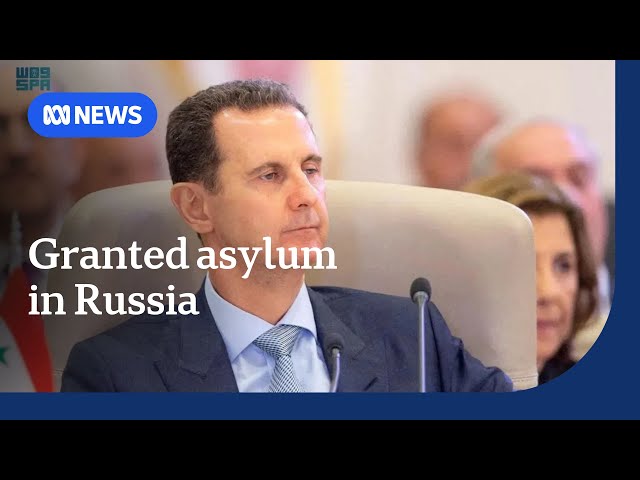
By Nitya Chakraborty The already war ravaged West Asian region has entered into a new phase of geo political turmoil with the ouster of the Syrian President Bashar-al Assad Government and the President fleeing from Damascus on Sunday to Moscow and granted asylum there by the Russian Government. The defeat of the Syrian Bath Party […]

Eric Trump, the son of former U.S. President Donald Trump, is set to deliver a keynote address at the Bitcoin MENA conference in Abu Dhabi, marking his debut at a major cryptocurrency event. The conference, one of the most anticipated gatherings of cryptocurrency enthusiasts and investors in the Middle East and North Africa (MENA) region, comes at a time when the global digital asset market is experiencing a surge in both interest and investment.

Bitcoin MENA, which is scheduled to take place in Abu Dhabi in the coming weeks, will bring together industry leaders, investors, regulators, and developers from around the world to discuss the future of digital currencies and blockchain technology. The event is expected to focus on the rapid developments in the cryptocurrency space, regulatory changes, and opportunities for growth, especially in emerging markets.

Eric Trump’s involvement is seen as significant given his family’s established prominence in the political and business arenas. As the executive vice president of the Trump Organization, Eric Trump has been involved in several business ventures, though this marks a rare public appearance in the cryptocurrency sector. His participation is seen as part of a broader trend where mainstream business figures are increasingly engaging with digital assets as part of their investment strategies.

The cryptocurrency market has seen explosive growth over the past few years, with Bitcoin and other digital currencies reaching all-time highs in value. The MENA region, in particular, has emerged as a key player in the global crypto space, with several countries, including the UAE, creating favorable environments for blockchain and cryptocurrency innovations. Abu Dhabi, with its burgeoning tech infrastructure and regulatory framework, has positioned itself as a hub for fintech and digital finance in the region.

The UAE, where Bitcoin MENA is taking place, has been proactive in adopting blockchain technology. The UAE government’s initiative to integrate blockchain into various sectors, including finance, real estate, and healthcare, has been a driving force in the rise of digital assets within the region. The UAE’s progressive stance on cryptocurrencies has attracted significant foreign investment and a growing number of startups focused on blockchain technology.

In particular, the Abu Dhabi Global Market (ADGM), a financial free zone, has been pivotal in shaping the regulatory landscape for cryptocurrencies in the region. ADGM has implemented clear regulations for cryptocurrency exchanges and trading, creating a safer and more attractive environment for investors and businesses. The UAE’s leadership has also signaled its intent to develop the nation into a leading global fintech center, with blockchain technology at the forefront of these ambitions.

The timing of the Bitcoin MENA conference is particularly notable given the broader context of the cryptocurrency market’s performance. Bitcoin, the largest cryptocurrency by market capitalization, recently surpassed $35,000, reaching new heights despite some ongoing concerns around regulatory scrutiny and market volatility. Analysts suggest that the market is entering a new phase, characterized by institutional adoption and growing acceptance of cryptocurrencies as a legitimate asset class.

Several factors have contributed to the rise of cryptocurrency, including the increasing institutional interest in digital assets, as well as the growing recognition of blockchain technology’s potential to revolutionize various industries. Investment firms, hedge funds, and even governments are increasingly looking at ways to incorporate digital currencies into their portfolios, with some countries exploring the creation of central bank digital currencies (CBDCs) as part of their financial strategies.

For Eric Trump, his appearance at the Bitcoin MENA conference aligns with his family’s broader interest in global business opportunities, including those in the tech and finance sectors. Though primarily known for his family’s real estate business, the Trump Organization has diversified its interests into various fields over the years. Eric Trump’s participation is also likely to draw attention from investors who are looking to connect the worlds of traditional business and cryptocurrency.

The UAE’s role as a key player in the digital economy is also attracting increasing interest from global investors, particularly those looking for opportunities in the cryptocurrency and blockchain sectors. The country’s focus on diversifying its economy away from oil dependence has led to a greater emphasis on tech-driven industries, including fintech, artificial intelligence, and digital assets. This approach aligns with the global trend toward digitization and offers promising prospects for growth in the cryptocurrency market.

As Bitcoin and other cryptocurrencies continue to gain traction across the globe, the role of events like Bitcoin MENA will be crucial in shaping the discourse around regulation, innovation, and market development. The conference will provide an opportunity for thought leaders and experts to engage in discussions on the future of digital currencies, including their impact on global financial systems and their potential to disrupt traditional industries.


VISHNU RAJA
RYO YAMADA
HITORI GOTOH
IKUYO KITA