News related to
Trump

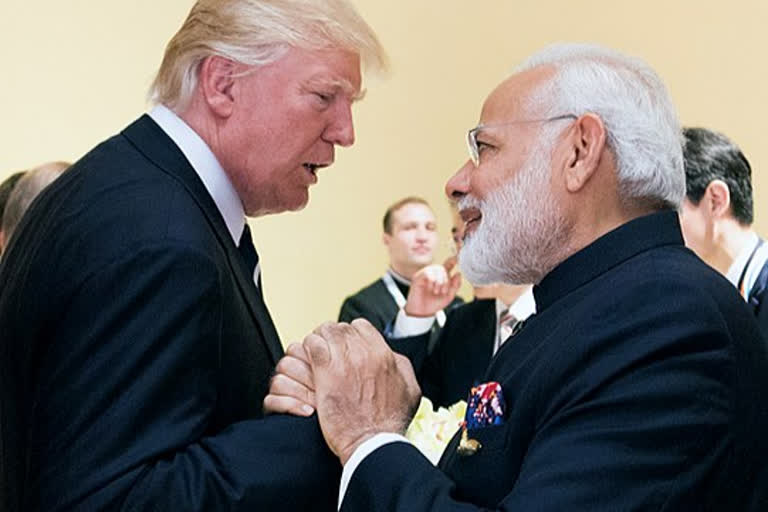
By Nitya Chakraborty Prime Minister Narendra Modi will be meeting the United States President Donald Trump in Washington on February 13. He is going straight to U.S. on a two-day visit after completing his engagement in France on Tuesday, including co-chairing the global AI summit along with the French President Emanuel Macron. For all practical […]
By Nantoo Banerjee With Indian Rupee (INR) dwindling almost daily against US Dollar (USD), it is good the Union Budget for 2025-26 has stopped repeating on making the Indian economy a $5-trillion GDP to become the world’s third largest by the end of this year or anytime too soon. The budget also provides no indication […]

Gold prices have surged to an all-time high, reflecting investor anxiety following President Donald Trump’s declaration of a 25% tariff on steel and aluminium imports. Spot gold advanced 1.1% to $2,939.80 per ounce, briefly touching $2,942.70, while U.S. gold futures climbed 1.1% to $2,966.00. This marks the eighth record high for gold this year, underscoring its role as a safe-haven asset amid escalating trade tensions and inflation […]

Canada’s ambassador to France, Stéphane Dion, has denounced U.S. President Donald Trump’s recent statements regarding potential territorial expansions, asserting that such threats contravene international law. Dion emphasized that “in order to respect international law, you don’t threaten your neighbours by invasion.” President Trump has indicated he would not dismiss the use of military force to acquire Greenland, an autonomous territory of Denmark. Additionally, he has proposed the […]

President Donald Trump is set to meet Jordan’s King Abdullah II at the White House today to deliberate on the U.S. administration’s contentious plan concerning the Gaza Strip. The proposal involves relocating Gaza’s Palestinian population to neighboring countries and redeveloping the territory under U.S. oversight—a strategy that has ignited widespread criticism across the Middle East.

Trump has advocated for the evacuation of Gaza’s 2.2 million residents, suggesting their resettlement in nations such as Jordan and Egypt. He envisions transforming the war-torn enclave into a prosperous area, referring to it as the potential “Riviera of the Middle East.” In a recent interview, Trump stated that Palestinians would not have the right to return to Gaza, proposing instead to provide them with better housing in neighboring countries.

This proposal has been met with firm opposition from key regional players. King Abdullah has unequivocally rejected the idea, emphasizing that Jordan will not accept any forced displacement of Palestinians from their homeland. He has labeled such proposals as a “red line,” underscoring the potential threat they pose to regional stability.

Egypt has also dismissed the plan, with officials reiterating their refusal to compromise on the Palestinian right to self-determination and return. The Egyptian government has emphasized that any attempts to annex land and displace Palestinians are unacceptable.

The Palestinian Authority and Hamas have condemned the proposal, viewing it as an attempt at ethnic cleansing. Hamas spokespersons have asserted that Gaza is not for sale and remains an integral part of Palestinian land.

Within the U.S., the plan has encountered skepticism from several Republican lawmakers. Critics argue that forcibly relocating an entire population could lead to further instability in the Middle East and damage America’s standing in the region.

Despite the backlash, Trump has indicated that he may leverage U.S. aid to encourage compliance with his plan. He has suggested the possibility of withholding financial assistance from countries that refuse to accept Palestinian refugees, a move that could significantly impact nations like Jordan and Egypt, which are among the largest recipients of U.S. aid in the region.

The meeting between Trump and King Abdullah comes at a critical juncture, as a fragile ceasefire between Israel and Hamas hangs in the balance. Trump has issued an ultimatum to Hamas, demanding the release of all hostages by midday Saturday, threatening to propose the cancellation of the ceasefire if his demands are not met. He has warned that failure to comply would result in severe consequences, stating that “all hell is going to break out” if the hostages are not freed.

Analysts suggest that King Abdullah’s visit to Washington is pivotal. As the first Arab leader to meet with Trump since his return to office, Abdullah is expected to present practical Arab perspectives on the Gaza situation. He aims to balance Jordan’s national security interests and domestic concerns while maintaining its crucial relationship with the United States.

If you thought currency markets were unpredictable before, welcome to the Trump era—a world where tariffs, policy tweets, and America First economics make for a wild ride. Forget the usual playbook. Trading currencies in this environment requires sharp instincts, a stomach for volatility, and a ruthless ability to read between the lines of Trump’s economic agenda through seeking financial advice. Tariffs are back in a big way, […]

During the Super Bowl LIX halftime performance at the Caesars Superdome in New Orleans, a protester brandishing a Palestinian flag disrupted Kendrick Lamar’s set. The individual, who was part of the 400-member field cast, ascended the stage and unfurled a flag that combined the Palestinian and Sudanese emblems, with the words “Gaza” and “Sudan” inscribed respectively. Security personnel swiftly intervened, apprehending the protester and escorting him off the field. The New Orleans Police Department is currently evaluating potential charges against the individual.

The National Football League confirmed that the protester had concealed the flag until the performance commenced, and that neither the production team nor the organizers were aware of his intentions. Roc Nation, the company responsible for producing the halftime show, stated that the act was neither planned nor part of the official production.

Kendrick Lamar continued his performance without interruption, delivering a set that included collaborations with artists such as SZA and Samuel L. Jackson. The halftime show was notable for Lamar’s position as the first solo hip-hop artist to headline the event.

The Super Bowl, attended by President Donald Trump, concluded with the Philadelphia Eagles defeating the Kansas City Chiefs 40-22. This victory served as redemption for the Eagles, who had previously lost to the Chiefs in an earlier Super Bowl matchup.

The incident occurred amidst a fragile ceasefire between Israel and Hamas, as well as ongoing civil unrest in Sudan since 2023. The protester’s actions have sparked discussions about the intersection of political expression and entertainment events, highlighting the challenges organizers face in maintaining security while respecting freedom of speech.

In the aftermath of the game, celebrations in Philadelphia escalated into chaos, with fans setting fires, climbing on police vehicles, and engaging in brawls. Law enforcement agencies are investigating the disturbances, aiming to identify and hold accountable those responsible for the disorderly conduct.

Advertisements

Matein Khalid The selloff in emerging markets FX before Trump granted a 30 days reprieve to Canada/Mexico on his 25% tariff threats created multiple trading opportunities. I would stay away from Mexican peso as it is easily the most liquid, most shortable currency in the EM FX constellation. The Sherlock Holmes dog that did not bark in this case was the measured ping pong on tariffs with […]

The Gulf Cooperation Council nations are confronting potential economic challenges following U.S. President Donald Trump’s imposition of tariffs on imports from Canada, Mexico, and China. These measures, which include a 25% tariff on steel and aluminum, have raised concerns about escalating inflation and the possibility of increased interest rates within the GCC region.

Global markets have already exhibited signs of distress in response to the tariffs. Asian shares displayed hesitation, and the U.S. dollar strengthened as investors anticipated the economic repercussions of the new trade barriers. Analysts suggest that the tariffs could lead to higher inflation in the United States, potentially limiting the Federal Reserve’s ability to implement rate cuts. This scenario may have a cascading effect on global markets, including those in the GCC.

In the Gulf region, stock markets have mirrored global trends, experiencing declines attributed to fears of a trade war. Saudi Arabia’s benchmark index, for instance, fell by 0.3%, influenced by drops in major companies such as ACWA Power Company and Saudi Awwal Bank. Similarly, the Qatari index decreased by 0.6%, primarily due to a significant profit drop in Industries Qatar.

Economists warn that the tariffs may disrupt global supply chains, leading to increased costs for imported goods. For the GCC countries, which rely heavily on imports for various sectors, this could translate into higher consumer prices, thereby fueling inflation. The potential rise in inflation may prompt central banks in the region to consider adjusting interest rates to maintain economic stability.

The automotive industry is one sector that could be significantly impacted. Vehicles imported from the affected countries may become more expensive, leading to higher costs for consumers in the GCC. Additionally, industries such as construction and manufacturing, which depend on imported raw materials, might face increased production costs, further contributing to inflationary pressures.

By Satyaki Chakraborty U.S. President Donald Trump has started breaking all conventions about abiding by international laws b h announcing the U.S. government’s sanctions against the International Criminal Court (ICC) taking the plea that the ICC is biased against the U.S. and Israel. Donald Trump launched sanctions against the global body, which is seen as […]

Abu Dhabi-based technology conglomerate G42 has introduced its Frontier AI Safety Framework, aiming to ensure the responsible development of advanced artificial intelligence models. This initiative establishes rigorous protocols for risk assessment, governance, and external oversight, aligning with global best practices to proactively identify and mitigate potential risks associated with AI. The framework’s release comes as international discussions intensify regarding the regulation of AI technologies. The European Union […]

Matein Khalid t is significant that President Trump, despite his bluff and brinkmanship with 25 percent tariff threats against Mexico and Canada, chose only to impose a 10 percent tariff on China. China is Washington’s only real peer competitor in great power realpolitik and its preeminent rival in Cold War 2.0. A 10 percent tariff is not a threat to global economic stability as would have been the 60 percent […]

By Nitya Chakraborty Exactly six months have passed since the installation of the interim government in Bangladesh on August 8, headed by Dr. Mohammad Yunus, three days after the ouster of the Awami League government led by former Prime Minister Sheikh Hasina. Hasina, daughter of the founder of the present Bangladesh, the late Sheikh Mujibur […]

Elon Musk’s Department of Government Efficiency has been granted “read-only” access to the U.S. Treasury Department’s federal payment system, a move that has sparked significant concern among lawmakers and the public. This system manages the disbursement of billions of dollars in federal funds, including Social Security payments and government salaries.

Jonathan Blum, a Treasury official, informed Congress that DOGE’s access is strictly limited to viewing information, ensuring that the team cannot alter or delay any payments. Despite these assurances, several legislators have expressed apprehension about the potential implications of this access. Senator Ron Wyden has been particularly vocal, arguing that Musk’s involvement poses a national security risk and lacks a clear legal foundation.

The situation escalated following the resignation of David Lebryk, the acting Deputy Secretary of the Treasury, who departed after reportedly resisting Musk’s requests related to the payment system. His departure has intensified debates about the appropriateness of granting external entities access to sensitive government operations.

Critics argue that even with “read-only” access, there is a risk of unauthorized use of sensitive taxpayer information. Concerns have been raised about the potential for data breaches or misuse of personal data. The Treasury Department has responded by emphasizing that career officials continue to oversee all payment processes, aiming to maintain the integrity and security of the system.

The establishment of DOGE by the Trump administration was intended to streamline federal operations and reduce inefficiencies. However, the recent developments have led to protests and legal challenges. Demonstrators have gathered outside the Treasury Department, voicing their opposition to Musk’s access to sensitive financial data. Additionally, several federal employee unions have filed lawsuits alleging that the access granted to DOGE violates legal protocols and compromises the security of federal payment systems.

Legal experts are divided on the issue. Some argue that granting DOGE access to federal payment data could potentially violate privacy and security regulations, including the Privacy Act and the Federal Information Security Management Act. Others contend that the move falls within the executive branch’s authority to manage federal operations.

Matein Khalid Trump’s vision of Gaza as a “riviera of the Middle East” at his press conference with Netanyahu, whose IDF warplanes, drones and tanks just butchered 45,000 Gazans is as deranged as it is surreal. Trump views Gaza as a New York real estate development opportunity as if he was gentrifying Spanish Harlem or the Bronx. I can imagine his zest at the idea of Trump […]

Markets flourish with predictability. Companies require consistency to strategize effectively. However, the current US administration’s erratic approach to trade is fostering the opposite environment. Donald Trump’s eleventh-hour decision to postpone sweeping tariffs on Mexico and Canada provides temporary relief but does not address the core issue: the United States is becoming an increasingly erratic economic ally. Investors are already experiencing the repercussions. This latest suspension is the […]

By K Raveendran OPEC+ is once again at the centre of a global energy crisis as it grapples with a new challenge posed by President Donald Trump’s tariffs on major crude oil suppliers. The tariffs, which include a 10 percent levy on Canadian oil and 25 percent on US imports into Canada in retaliation, threaten […]

Donald Trump’s administration is making significant strides towards shaping the future of cryptocurrency regulation in the United States, with new initiatives aimed at establishing the country as a leader in the global digital asset market. At the heart of this push is the creation of a National Bitcoin Reserve, a plan intended to secure Bitcoin’s position as a foundational pillar of the U.S. financial system. Alongside this, a comprehensive set of pro-crypto regulations is being crafted, promising to reshape how digital assets are treated under American law.

Trump’s crypto czar, David Sacks, has been vocal in driving this initiative, positioning the U.S. to be at the forefront of the digital revolution. Speaking to a gathering of industry leaders, Sacks emphasised the importance of a robust regulatory framework that would not only protect investors but also provide a clear roadmap for businesses and startups in the crypto space. His statements have echoed the administration’s intent to balance innovation with security, fostering a thriving digital economy.

The National Bitcoin Reserve, a key component of this strategy, aims to establish a large-scale reserve of Bitcoin, ensuring that the U.S. government holds a significant stake in the leading cryptocurrency. Proponents argue that this move would reinforce the dollar’s dominance in the global financial market, positioning Bitcoin as a safe and stabilising asset. The plan has already garnered attention from financial experts, some of whom see it as a potential game-changer, strengthening the U.S. dollar while also promoting the mainstream adoption of cryptocurrency.

Alongside this reserve, the Trump administration is working on a comprehensive package of regulations that would provide clarity and stability to the rapidly evolving crypto landscape. These regulations are set to address a range of concerns, from tax treatment to anti-money laundering measures, ensuring that cryptocurrency transactions are conducted in a secure and transparent manner. Sacks has stressed the need for a regulatory environment that encourages innovation while preventing misuse, striking a delicate balance between growth and security.

This shift in policy comes at a time when the global cryptocurrency market is experiencing rapid growth, with governments around the world racing to establish their regulatory frameworks. In Europe, regulators are moving towards stricter rules aimed at controlling the industry, while countries like China have adopted an outright ban on crypto mining and trading. Against this backdrop, Trump’s administration is aiming to position the U.S. as a haven for crypto businesses, creating an environment where innovation is encouraged, and regulatory certainty is assured.

The role of the U.S. government in this new crypto ecosystem has been a subject of much debate. Critics of the plan argue that such a large government stake in Bitcoin could lead to potential conflicts of interest, with the government holding too much influence over the digital asset market. Others have expressed concerns about the lack of international coordination on crypto regulations, fearing that differing approaches could create barriers to global crypto trade. However, Sacks remains confident that the National Bitcoin Reserve will not only benefit the U.S. economy but will also set a positive precedent for other nations looking to integrate digital currencies into their financial systems.

Key to this vision is the backing of the U.S. Senate and House, where bipartisan support for crypto regulation has been steadily growing. Lawmakers have recognised the economic potential of digital assets and the need to create a framework that fosters innovation while ensuring investor protection. This shift in legislative attitude has led to the formation of a joint committee, aimed at crafting a set of laws that will provide clarity and direction for the future of cryptocurrency in the U.S. The committee is expected to work closely with the Department of Treasury and other federal agencies, ensuring that all aspects of the crypto market are addressed in the new regulatory framework.

While the proposed regulations are still in the early stages, they are set to cover a wide range of issues. The focus will be on ensuring that cryptocurrency transactions are transparent, that businesses comply with tax requirements, and that anti-money laundering protocols are in place. Additionally, the regulations will seek to address the volatility of digital assets, with some proposing the creation of stablecoins as a more secure alternative for everyday transactions. Stablecoins, which are pegged to the value of traditional currencies like the U.S. dollar, have been gaining traction in the crypto space as a way to reduce volatility and encourage mainstream adoption.

Another key element of the plan is the proposed tax incentives for crypto businesses. The Trump administration is looking to create a favourable tax environment for companies in the digital asset space, including tax breaks for startups and incentives for blockchain-based innovations. This approach is designed to attract the best and brightest minds in the crypto world to the U.S., boosting the country’s competitiveness in the sector. With many countries struggling to balance regulatory control with business incentives, the U.S. is positioning itself as a global leader in crypto innovation.

As part of the broader strategy, Trump’s team has also been working to enhance collaboration with the private sector, bringing together industry leaders, financial institutions, and technology experts to create a cohesive and forward-thinking crypto ecosystem. Sacks has highlighted the importance of public-private partnerships in ensuring that the regulatory framework is both effective and practical, reflecting the needs of the rapidly changing digital asset landscape.

Israeli Prime Minister Benjamin Netanyahu met with U.S. President Donald Trump in Washington on Tuesday to discuss the fragile ceasefire between Israel and Hamas in the Gaza Strip. The leaders aimed to strategize on extending the truce and addressing broader Middle East concerns, including Iran’s regional influence and nuclear ambitions.

The ceasefire, brokered with U.S. involvement, has led to the release of several hostages and prisoners. However, President Trump cautioned that there are no guarantees the truce will hold, emphasizing the unpredictable nature of the situation. He also proposed the controversial idea of relocating Palestinians from Gaza to neighboring countries, a suggestion that has faced widespread rejection from Arab leaders.

Prime Minister Netanyahu faces internal political pressure, with right-wing coalition members urging a return to military action against Hamas unless all Israeli hostages are released. This internal divide complicates Israel’s position in the negotiations. Netanyahu announced plans to convene his security cabinet upon returning to Israel to deliberate on the next steps regarding the ceasefire.

In parallel, discussions have commenced on the second phase of the ceasefire agreement. A delegation from Israel is scheduled to travel to Doha to negotiate the release of additional hostages and address technical details of the truce. Hamas has indicated its willingness to engage in these talks, signaling a potential path forward.

Despite these diplomatic efforts, tensions remain high. Israeli military operations in the West Bank city of Jenin have resulted in significant casualties and displacement of residents, actions that have drawn international concern. The United Nations has expressed alarm over the escalating humanitarian crisis in the area.

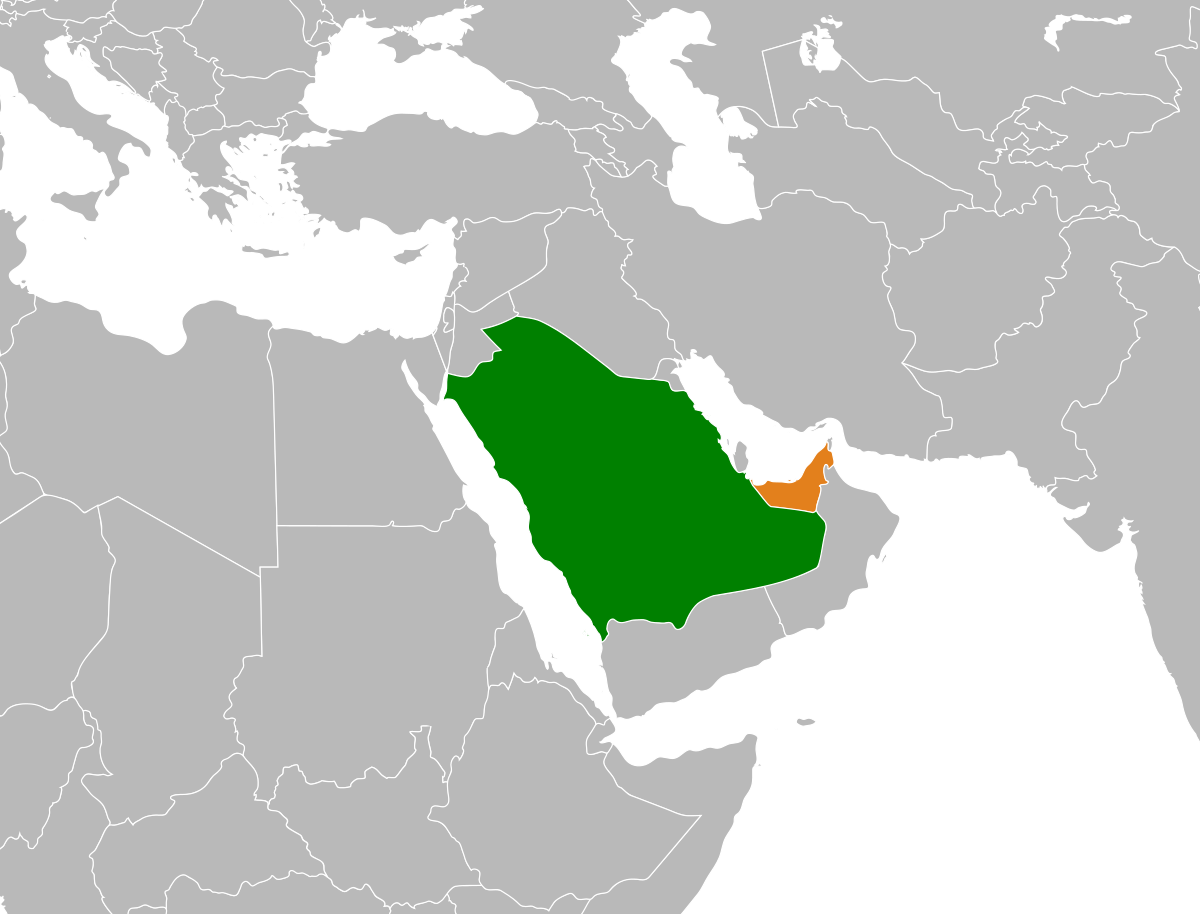
Discussions between Russian and US officials have surfaced regarding a potential summit between President Donald Trump and President Vladimir Putin, with Saudi Arabia and the United Arab Emirates being considered as the possible locations for the high-stakes meeting. According to two Russian sources familiar with the matter, both Middle Eastern nations have emerged as viable venues for the summit, a move that reflects the growing geopolitical engagement of these countries in the Russia-US relations.

Trump, who has long positioned himself as a proponent of international diplomacy, stated his intentions to end the war in Ukraine as swiftly as possible. He reiterated his readiness to engage with Putin, emphasizing the desire to address the ongoing conflict and other shared concerns. In return, President Putin congratulated Trump following his re-election and voiced his own readiness to meet and discuss critical issues, including the war in Ukraine and energy policies, which remain central to the broader global conversation on security and economic stability.

Despite these declarations, Russian officials have firmly denied any direct communications with the United States regarding plans for a phone call or a potential in-person meeting between the two leaders. These officials insist that any forthcoming discussions, if they occur, would be arranged at a later stage, with careful consideration of timing and venue.

The prospect of such a summit, especially in the context of Russia’s recent military actions in Ukraine, has sparked interest on the international stage. The geopolitical ramifications of such a meeting would likely be far-reaching, impacting global energy markets, NATO relations, and the future of the conflict in Eastern Europe. Although some observers view this as an opportunity for peacebuilding, others remain skeptical, given the contentious history of US-Russia relations.

Saudi Arabia and the UAE, with their growing influence on the global diplomatic stage, are being considered due to their neutral stance in the Ukraine conflict and their established relationships with both Russia and the United States. These nations have long been involved in energy markets, which would make them attractive hosts for a meeting focused on energy policies and economic security. Russia’s energy exports, including oil and natural gas, remain a critical factor in shaping international relations, particularly in light of sanctions imposed by the West in response to Russia’s actions in Ukraine.

Trump’s position on Ukraine has been a point of divergence from that of his political opponents, with some criticizing his favorable rhetoric toward Russia. However, his approach has consistently focused on resolving the conflict through direct negotiations, an approach he has applied to other global tensions during his presidency. The idea of a Trump-Putin summit reflects his broader foreign policy philosophy, which emphasizes personal diplomacy over multilateral frameworks.

Despite public statements from both leaders expressing interest in talks, the reality of organizing a summit remains complex. The diplomatic groundwork necessary to bring the two leaders to the same table would require careful coordination, especially with ongoing tensions over Ukraine. Moreover, the absence of direct communication between the US and Russia regarding the summit preparations has raised questions about the seriousness of the plans and the potential obstacles that may arise in the months ahead.

The role of intermediaries, such as Saudi Arabia and the UAE, in facilitating this meeting underscores the shifting dynamics of international diplomacy. Both nations have increasingly positioned themselves as key players in mediating between conflicting global powers. Saudi Arabia’s leadership within OPEC, combined with its strategic partnerships with both Russia and the United States, places it in a unique position to influence global discussions, particularly in the energy sector. Similarly, the UAE, with its expansive diplomatic network and strong ties to both Moscow and Washington, has become a focal point for international peace efforts and negotiations.

The consideration of Saudi Arabia and the UAE as potential hosts for the Trump-Putin summit aligns with their broader strategy of asserting themselves as mediators in global political disputes. The Middle East, long a region of contention, is now emerging as a diplomatic hub where major powers can engage in dialogue, far from the direct theater of conflict. This shift in geopolitical dynamics highlights the region’s growing importance as a neutral ground for major power negotiations, particularly in an era marked by heightened tensions and polarized global politics.

While a Trump-Putin summit would be a significant event on the world stage, it would also require both leaders to overcome a range of diplomatic and political challenges. The ongoing war in Ukraine remains a central issue, and any discussions between Trump and Putin would likely revolve around finding a peaceful resolution to the conflict, while balancing the interests of their respective countries. However, any breakthroughs or agreements arising from such a summit would be closely scrutinized by the international community, particularly given the historical tensions that have defined US-Russia relations.


Matein Khalid The ideologues of MAGA assured us that Tariff Man’s threats were pure bombast and Wall Street believed them, the reason equities and crypto went ballistic after the election of POTUS-47. Yet Trump’s tariff threats were all too real and the global markets must now pay a bitter price for history’s second worst economic own goal after Brexit. The 25% tariff on Mexico will immediately send […]

Israeli forces demolished nearly 20 buildings in Jenin, a city in the occupied West Bank, amid escalating tensions following the death of a 14-year-old boy. The bombing was part of a military operation that came a day after an Israeli drone strike in the area resulted in the boy’s death, further stoking tensions between Israel and Palestine. The attack on the buildings in Jenin has added to […]

Purpose Investments, a Toronto-based fund manager overseeing over $23 billion in assets, has filed with Canadian securities regulators to launch the Purpose Ripple ETF. CEO Som Seif emphasized the growing adoption and institutional interest in XRP, stating that an ETF would provide investors with a transparent and regulated avenue for exposure.

In the United States, asset management firms REX Advisers and Osprey Funds have jointly sought regulatory approval to introduce an ETF tied to various cryptocurrencies, including Ripple’s XRP. This move comes shortly after the launch of President Donald Trump’s new crypto token and aims to test the SEC’s evolving stance on digital assets.

The recent inauguration of President Trump, known for his pro-crypto stance, has further fueled optimism in the crypto community. Analysts predict that 2025 could see the approval of more crypto ETFs, bolstered by anticipated regulatory leniency under the new administration. SEC Chair Gary Gensler’s impending departure and the potential appointment of Paul Atkins, a crypto-friendly nominee, suggest a more accommodating environment for digital asset products.

Despite the legal challenges Ripple has faced with the SEC since 2020 over allegations of XRP being an unregistered security, the cryptocurrency has experienced significant growth. XRP recently surpassed Tether to become the third most valuable cryptocurrency, with a market capitalization approaching $150 billion. This surge is attributed to various factors, including political developments and rumors of upcoming XRP-related ETFs.

As tensions mount in Canada’s relationship with its southern neighbor, some analysts are raising an unconventional proposition: Could Canada one day join the European Union ? While this idea may seem far-fetched, it highlights the growing discontent surrounding the current dynamics between Canada and the United States, particularly in areas such as trade, environmental policies, and defense. A series of challenges in the relationship between the U.S. […]

VISHNU RAJA
RYO YAMADA
HITORI GOTOH
IKUYO KITA