Just in:
Vance attributes Republican midterm defeats to Iran conflict // APT29-linked campaign exploits outdated Apple and Android software // The “1st Greater Bay Area Health and Longevity Summit & Awards Ceremony” concludes successfully in Macao // Utilities pursue ₹1,992 cr in unpaid bills // Anthropic to prohibit persistent abuse of Claude chatbot // Fast Just Got Fastest: STING Energy Boost™ Celebrates Kimi Antonelli’s Formula 1® World Championship and the Fan Energy Behind It // Asia Left Behind: Ten international companies have yet to report delivering on their cage-free egg pledges across the region // Hong Kong mandates crypto transaction disclosures to tax authorities // Cyberport Venture & Capital Forum 2026 Grand Opening // Middle East governments assess Iran war after US vote // Cloudflare unveils Zero Wire vulnerability intelligence service // Pinarayi faults UDF over mounting road crashes // CR Longdation Aethereal Cybersecurity × Global Cybersecurity Alliance (GCSA) Join Hands to Establish the “AI and Cybersecurity Research Centre” // After Reaching 7 Million Users in the Philippines, Skyro Launches Transparent Cash Loans in Malaysia // Kochi police detain two actors over bid to honey trap doctor // Private varsities bill all set to face the axe // UK air traffic outage inflicted £33m financial losses // Meraas showcases five residential zones at Dubai Design Week // Ousted top Kochi cop gets IG post // Emirates Group records AED 4.1 billion half-year profit //

News related to
Trump

Beijing has announced the imposition of a 34% tariff on all imports from the United States, effective April 10, 2025, in direct response to the sweeping tariffs introduced by U.S. President Donald Trump. The Chinese Ministry of Finance stated that this measure aims to counteract what it perceives as unjust and protectionist policies from Washington.

This development follows President Trump’s declaration of “Liberation Day” on April 2, during which he unveiled a universal 10% tariff on all foreign imports, with higher rates for specific countries. China was notably targeted with an additional 34% tariff, bringing the total levy on Chinese goods to 54%. The U.S. administration justified these tariffs as necessary to rectify longstanding trade imbalances and to protect domestic industries.

In a statement, China’s Ministry of Finance condemned the U.S. actions, urging Washington to immediately withdraw the imposed tariffs to prevent further escalation. The ministry emphasized that China’s countermeasures are a legitimate response to safeguard its national interests and the multilateral trading system.

The U.S. tariffs have been met with criticism from various quarters. Economists have expressed concerns over the methodology used to calculate these tariffs, arguing that the approach is overly simplistic and could lead to unintended economic consequences. They warn that such measures might not effectively address trade deficits and could harm consumers through increased prices.

The business community is also bracing for the impact of these tariffs. In New York City, retailers are encouraging consumers to make purchases before the new tariffs lead to price increases. Products such as electronics, appliances, and automobiles are expected to see significant price hikes, prompting a surge in sales ahead of the tariff implementation.

China’s retaliatory tariffs are anticipated to affect a wide range of U.S. exports, including agricultural products, automobiles, and technology goods. This move is expected to have significant implications for American farmers and manufacturers who rely heavily on the Chinese market. Analysts predict that the escalating trade war could disrupt global supply chains and dampen economic growth in both countries.

Bitcoin’s network hashrate has achieved a new all-time high, reflecting a surge in mining activity and bolstered network security. As of March 24, 2025, the hashrate peaked at 1,088.76 exahashes per second , surpassing previous records and indicating significant growth in computational power dedicated to the network.

This milestone coincides with Bitcoin’s price surpassing the $100,000 threshold, reaching a peak of $103,259 before stabilizing around $102,648. The price surge has been partly attributed to political developments, including President-elect Donald Trump’s appointment of Paul Atkins, a pro-crypto figure, to lead the Securities and Exchange Commission .

The correlation between Bitcoin’s hashrate and its market price has been a topic of analysis among industry experts. Historically, an increase in hashrate has often preceded price appreciation, as miners’ confidence in the network’s profitability grows. Conversely, a rising price can incentivize more miners to join the network, further increasing the hashrate. This interplay suggests a symbiotic relationship where each factor can drive the other.

The recent surge in hashrate indicates a substantial increase in mining activity. This growth enhances the network’s security by making it more resilient to potential attacks. However, it also intensifies competition among miners, leading to higher operational costs and potential profit margin compression.

In response to these dynamics, some mining companies have adopted strategies to mitigate financial pressures. For instance, major U.S. miners have been stockpiling Bitcoin to navigate thinning profit margins amid escalating competition and operational costs. Companies like Mara Holdings, Riot Platforms, and CleanSpark have collectively raised over $3.7 billion since November 2024, leveraging the cryptocurrency’s price surge to bolster their reserves.

President Donald Trump’s declaration of “Liberation Day” introduced sweeping tariffs on imports, triggering significant upheaval in global energy markets. The administration announced a baseline tariff of 10% on all imported goods, with elevated rates for specific countries accused of nonreciprocal or discriminatory trading practices. These measures have prompted widespread market volatility and raised concerns about potential economic slowdowns. Oil prices experienced a sharp decline following the tariff […]

President Donald Trump’s administration has announced sweeping tariffs, including a baseline 10% levy on all imports into the United States, with higher rates for specific countries. This development has prompted companies across the Middle East to evaluate potential repercussions and strategize accordingly. The Gulf Cooperation Council nations—comprising Saudi Arabia, the United Arab Emirates , Qatar, Kuwait, Oman, and Bahrain—are subject to the 10% tariff. Given that many […]

The Organization of the Petroleum Exporting Countries and its allies, collectively known as OPEC+, have announced a significant policy shift by accelerating oil production increases. This decision, made during a virtual meeting on Thursday, involves eight member countries—Saudi Arabia, Russia, Iraq, the United Arab Emirates, Kuwait, Kazakhstan, Algeria, and Oman—agreeing to boost output by 411,000 barrels per day starting in May. This adjustment consolidates three months’ worth of planned increases into a single month, surpassing the initially scheduled 135,000 bpd increment.

This move aims to discipline member nations that have been exceeding their production quotas and to address concerns over market stability. The coalition emphasized that these adjustments could be paused or reversed depending on evolving market conditions, underscoring their commitment to maintaining equilibrium in the global oil market.

The announcement had an immediate impact on oil prices. Brent crude futures dropped by 7.1%, settling at $69.63 per barrel, while West Texas Intermediate declined by 7.8% to $66.15 per barrel. These declines represent the steepest single-day percentage drops since mid-2022, reflecting market apprehension about potential oversupply amid existing economic uncertainties.

Compounding these market jitters are newly announced tariffs by U.S. President Donald Trump. The administration has imposed a baseline tariff of 10% on imports from several global economies, raising fears of an escalating trade war that could dampen global economic growth and, consequently, reduce energy demand. Analysts have noted that these tariffs could lead to increased inflation and slower economic expansion, particularly affecting emerging markets in Asia, which are pivotal centers for oil demand growth.

The timing of OPEC+’s decision aligns with these geopolitical developments. By increasing supply, the alliance appears to be responding to external pressures, including calls from major consumers for more affordable energy prices. However, this strategy carries risks, as it may exacerbate price volatility and strain relations within the group, especially with members that have been advocating for more conservative production increases.

Market analysts are closely monitoring the situation, noting that the combination of heightened supply and potential demand contraction due to trade tensions could lead to a surplus in the oil market. This scenario may prompt OPEC+ to reassess its strategy in the coming months to prevent a prolonged downturn in prices.

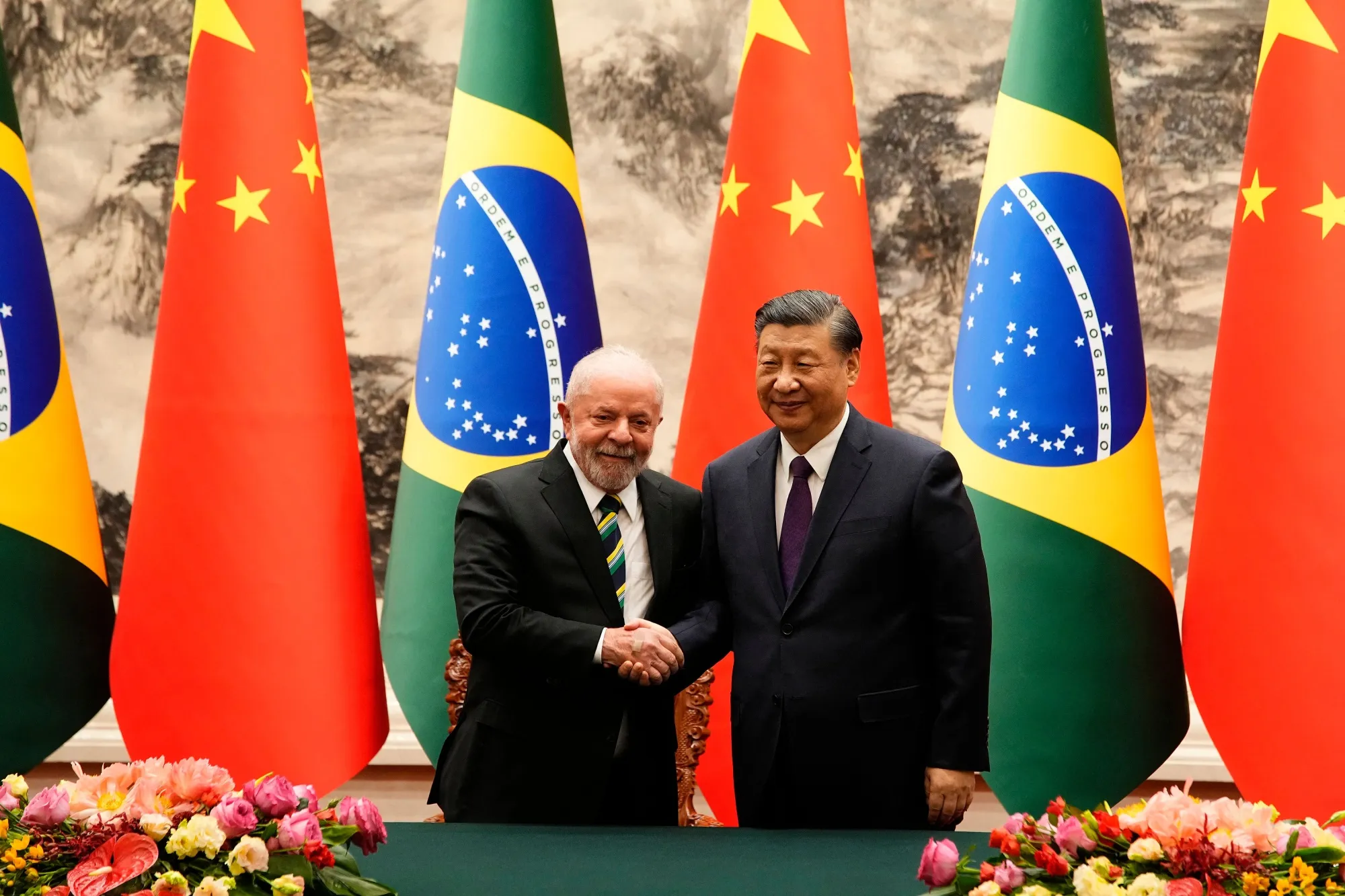
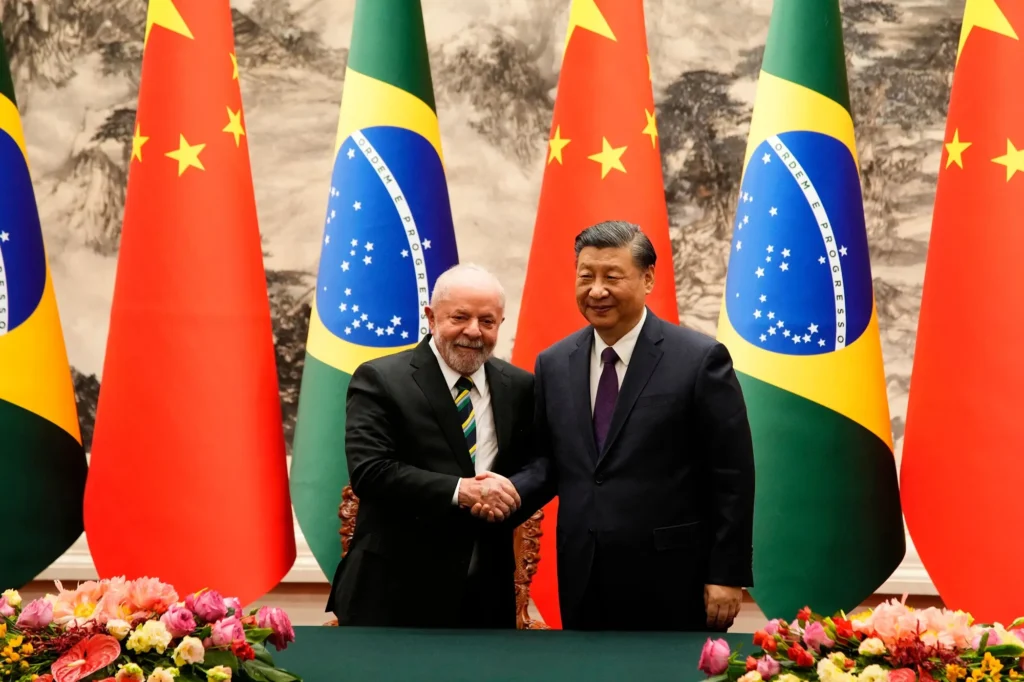
By Nitya Chakraborty Brazil’s President Luiz Inacio Lula da Silva, better known globally as Lula has launched a major initiative to meet the U.S. President Donald Trump’s unilateral tariff offensive by joining hands with Chinese President Xi Jinping and the Russian President Vladimir Putin, apart from taking assistance from South Africa and a few other […]

President Donald Trump’s administration has announced a sweeping tariff regime, imposing a baseline 10% duty on all imports into the United States, with significantly higher rates targeting specific countries. This move, described by Trump as a “Declaration of Economic Independence,” aims to rectify what he perceives as longstanding trade imbalances. However, the policy has elicited widespread concern, particularly regarding its impact on developing economies. Among the hardest […]

Advertisements

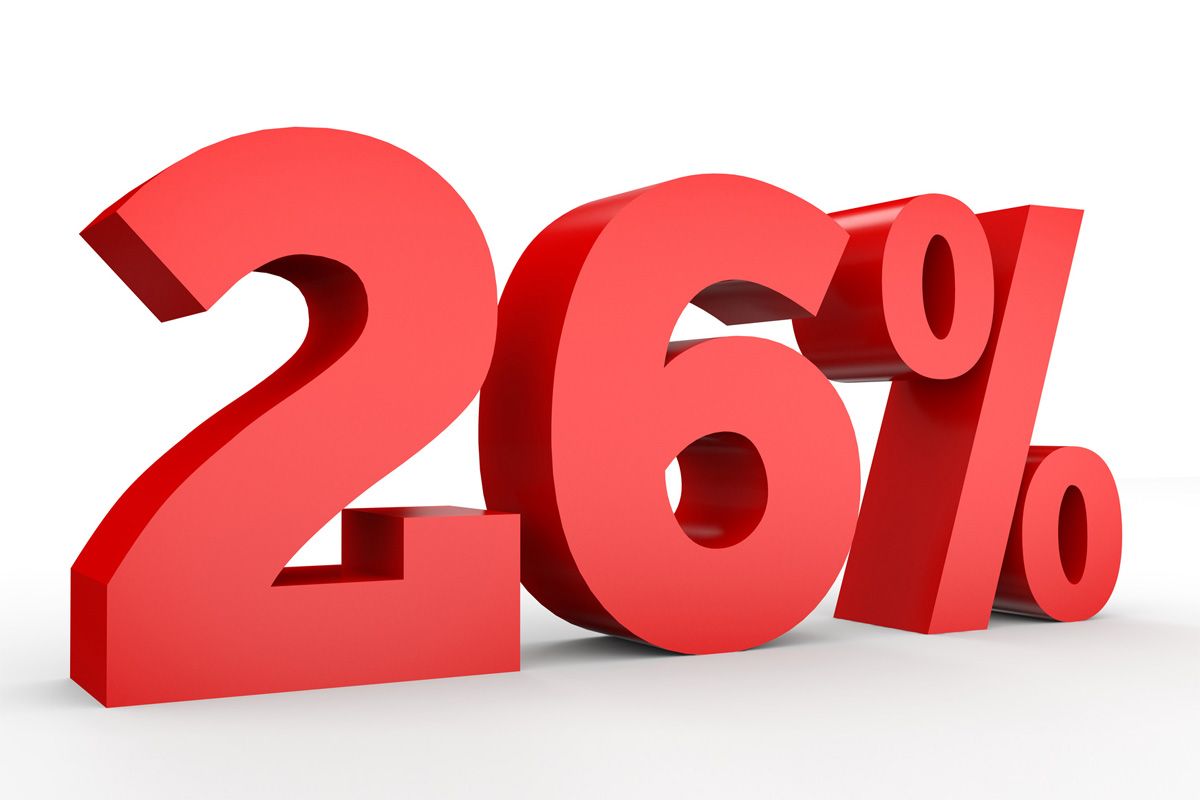
The United States has imposed a 26% tariff on Indian imports, intensifying trade tensions between the two nations. This measure, announced by President Donald Trump on April 2, 2025, is part of a broader strategy targeting countries with which the U.S. has significant trade deficits. The baseline 10% tariff will take effect on April 5, with the additional 16% following on April 9.

President Trump has consistently criticized India’s trade policies, labeling the nation as a “tariff king” and a “big abuser” of tariffs. The administration justifies the new tariffs by pointing to the disparity between the U.S.’s 2.5% tariff on passenger vehicle imports and India’s 70% tariff on similar American products.

Indian officials have expressed mixed reactions to the announcement. A senior government representative described the development as a “mixed bag,” emphasizing that it is not perceived as a significant setback. The commerce ministry is currently evaluating the potential impact of these tariffs on the Indian economy.

The sectors most vulnerable to the increased tariffs include pharmaceuticals, textiles, and automotive parts, which constitute a substantial portion of India’s exports to the U.S. Analysts predict that these industries may experience a decline in competitiveness within the American market, potentially leading to decreased export volumes and revenue losses.

In an effort to mitigate the impact of the tariffs and foster better trade relations, India has proposed reducing tariffs on certain U.S. agricultural products, such as almonds, cranberries, and bourbon whiskey. This initiative aims to facilitate a more favorable trade agreement between the two countries.

Despite these conciliatory efforts, the U.S. proceeded with the tariff imposition. The move has elicited concerns among Indian policymakers and industry leaders about the potential escalation of a trade war and its ramifications on the domestic economy. The Confederation of Indian Industry has urged the government to engage in diplomatic negotiations to resolve the dispute amicably.

The global community is closely monitoring the situation, as the U.S.’s tariff measures have affected multiple countries, including China, the European Union, and Japan. The European Commission has criticized the tariffs as a severe blow to the global economy, while other nations have signaled intentions to retaliate or seek negotiations.

India’s $32 billion gems and jewellery industry is facing a significant downturn following the United States’ imposition of a 26% reciprocal tariff on Indian imports. This development poses a substantial challenge to the sector, which relies heavily on the U.S. market, accounting for approximately 30% of its annual exports. The tariff, announced by President Donald Trump on April 2, 2025, is part of a broader strategy to […]

President Donald Trump has announced a comprehensive tariff strategy, imposing a baseline 10% duty on all imports into the United States, with significantly higher rates targeting approximately 60 countries. This move, declared during a White House event termed “Liberation Day,” aims to address trade imbalances and bolster domestic industries. Under the new policy, key trading partners will face steep tariffs: China is subjected to a 34% duty, […]

Eric Trump has announced a significant move into the cryptocurrency sector by partnering with Hut 8 Mining to establish American Bitcoin, a company aiming to become a leading force in Bitcoin mining. This decision follows the closure of multiple family bank accounts by major U.S. financial institutions.

In a recent interview, Eric Trump revealed that several prominent banks, including JPMorgan Chase, Bank of America, Capital One, TD Bank, and First Republic, terminated accounts associated with the Trump family. He described these actions as politically motivated and an attack on the family’s financial stability. Capital One has publicly denied these allegations, asserting that account closures are not influenced by political considerations.

The abrupt termination of these accounts prompted Eric Trump to explore decentralized financial systems, leading to his involvement in the cryptocurrency industry. He expressed that the experience underscored the vulnerabilities inherent in traditional banking and highlighted the potential of digital currencies to offer financial autonomy.

American Bitcoin emerges from a strategic partnership between the Trump-affiliated American Data Centers and Hut 8 Mining, a well-established player in the crypto-mining infrastructure sector. Under the terms of the agreement, Hut 8 holds an 80% stake in the new venture, while American Data Centers retains the remaining 20%. Eric Trump assumes the role of Chief Strategy Officer, with Matt Prusak appointed as Chief Executive Officer.

The company’s mission is to position itself as the world’s most efficient Bitcoin miner and to build a substantial strategic Bitcoin reserve. This initiative aligns with the broader objective of establishing the United States as a central hub for cryptocurrency innovation and operations. Donald Trump Jr. emphasized the family’s commitment to the value of Bitcoin, noting that mining offers opportunities beyond mere ownership of the digital asset.

The announcement of American Bitcoin has elicited varied reactions. Supporters view it as a forward-thinking move that leverages emerging technologies to circumvent traditional financial barriers. Critics, however, raise concerns about potential conflicts of interest, given the family’s political prominence, and the environmental implications associated with large-scale Bitcoin mining operations.

American Bitcoin, a US-based Bitcoin mining company, is poised to make a significant move in the market by exploring options for a public listing or introducing private equity to fuel its expansion. The company, jointly founded by Hut 8 and American Data Centers, has garnered attention due to its ambitious plans to scale its operations and leverage the ongoing surge in cryptocurrency demand. This move is being closely watched by industry experts, investors, and stakeholders as the company aims to position itself as a key player in the rapidly evolving world of cryptocurrency mining.

With the support of the Trump family, American Bitcoin’s market ambitions have taken a prominent position in the crypto sector. The backing from a high-profile family brings additional visibility and credibility to the company’s potential to disrupt the Bitcoin mining space. This strategic partnership is expected to provide American Bitcoin with not only financial resources but also valuable connections and a broader network within both the tech and investment communities.

The cryptocurrency market has experienced a marked increase in interest and investment over the past few years, particularly in Bitcoin mining. As the flagship cryptocurrency continues to dominate market discussions, mining operations that can scale efficiently are being highly sought after by both institutional investors and private equity firms. American Bitcoin’s strategy includes utilising state-of-the-art mining technology and securing access to renewable energy sources to ensure long-term sustainability and cost efficiency in its operations.

As of now, American Bitcoin is weighing whether to pursue an initial public offering or opt for private equity funding. An IPO would provide the company with the potential to raise capital from a wide array of investors, offering shares to the public and solidifying its position in the mainstream market. On the other hand, private equity could provide more flexibility in terms of growth strategy and operational control, as it would involve raising funds from select private investors.

The decision between the two paths is a critical one, as the company must balance the need for substantial capital with its desire to maintain a certain level of autonomy. Industry experts believe that both options could provide valuable opportunities for American Bitcoin to fuel its growth and meet the increasing demand for Bitcoin mining operations. However, the success of either approach will depend heavily on the company’s ability to convince investors of its long-term profitability and strategic vision.

The timing of this potential move also comes at a crucial moment for the cryptocurrency industry. Bitcoin’s market performance, while volatile, continues to demonstrate its resilience as an asset class. Furthermore, the broader acceptance of cryptocurrencies as a legitimate financial instrument by both governments and private institutions has created a favourable environment for companies like American Bitcoin to thrive.

Looking ahead, American Bitcoin’s plans to scale its operations are set against the backdrop of increasing competition in the cryptocurrency mining sector. The company will need to differentiate itself by offering innovative solutions, optimising its operations, and tapping into new market opportunities. The role of its backers, including the Trump family, could prove pivotal in shaping the company’s ability to secure its place in a crowded market.

The Bitcoin mining industry, known for its capital-intensive nature, requires substantial investments in hardware, energy, and infrastructure. As a result, companies within the sector are constantly exploring ways to improve efficiency and reduce costs while maintaining profitability. American Bitcoin’s strategic focus on renewable energy sources and cutting-edge mining technology positions it as a forward-thinking company in an industry that is often criticised for its environmental impact.

The company’s leadership is also keenly aware of the need to build a strong brand identity and attract investors who are aligned with its long-term vision. By positioning itself as an environmentally conscious and technologically advanced company, American Bitcoin hopes to set itself apart from competitors that may not be as focused on sustainability or innovation.

Beyond the financial considerations, American Bitcoin’s public offering or private equity introduction will have broader implications for the cryptocurrency mining industry. If successful, it could signal a new wave of institutional involvement in the sector, attracting both investors and talent eager to capitalise on the growing demand for Bitcoin and other cryptocurrencies. This, in turn, could lead to further advancements in mining technology and operational strategies, ultimately shaping the future of the industry.

The involvement of the Trump family in American Bitcoin’s journey adds a layer of intrigue to the company’s potential growth. With a history of significant influence in both business and political circles, their participation brings an element of prestige and recognition that could help the company navigate the complex regulatory landscape surrounding cryptocurrency mining.

Substack has unveiled a new vertical video feed within its app, positioning itself as a potential alternative to TikTok, which faces a looming U.S. ban unless its parent company, ByteDance, divests its American operations by April 5. The “Media” tab, recently added to Substack’s platform, offers a scrollable video feed featuring short-form videos under 10 minutes. This development aligns with Substack’s strategy to diversify content offerings and […]

President Donald Trump has indicated that his first international trip in his second term will likely include visits to key countries in the Middle East, namely Saudi Arabia, the United Arab Emirates , and Qatar. While speaking to the press in the Oval Office, Trump suggested the visit could occur next month, though he noted it might be slightly delayed depending on diplomatic and scheduling considerations.

This trip is expected to be a crucial moment in Trump’s foreign policy, as it will focus on reinforcing the United States’ strategic relationships in the region, particularly in the wake of his administration’s efforts to reshape the dynamics of the Middle East through initiatives such as the Abraham Accords and military partnerships. The planned visit underscores the ongoing importance of these Gulf nations as key players in both regional and global geopolitical matters, including security, energy, and economic cooperation.

The president’s statement reflects the evolving nature of U.S. foreign policy in the Middle East, where traditional alliances have been reinforced while new partnerships, especially with the UAE and Bahrain, have emerged over the past few years. The Abraham Accords, signed in 2020, have opened new avenues for diplomatic engagement in the region, with several Arab countries normalising ties with Israel, a move that has significantly altered the political landscape.

Saudi Arabia, as a longstanding ally of the United States, remains at the heart of the Middle East’s geopolitics, particularly in relation to energy markets and security concerns regarding Iran’s growing influence. Trump’s administration was marked by its staunch support for the kingdom, including a controversial stance on the murder of journalist Jamal Khashoggi and its military cooperation in the region. A visit to Riyadh would likely reaffirm these strategic ties, especially as the U.S. continues to grapple with Iran’s nuclear ambitions and its role in regional instability.

The UAE has also become an increasingly influential partner, not only in terms of energy and security but also in fostering technological innovation and investment. In addition to hosting Israeli diplomatic missions following the Abraham Accords, the UAE has positioned itself as a hub for economic development, hosting major events like Expo 2020 Dubai and advancing its space exploration programme. Trump’s engagement with the UAE signals an ongoing commitment to strengthen ties with nations that have emerged as leaders in the Middle East’s economic diversification efforts.

Qatar, a key player in regional diplomacy and a host to the massive U.S. military base at Al Udeid, will also play a central role in Trump’s plans. As a small but influential country, Qatar has positioned itself as a mediator in various regional conflicts, often serving as an intermediary between conflicting parties in the region. Trump’s relationship with Qatar has been critical, particularly in relation to military cooperation and counter-terrorism efforts, and his visit would likely reaffirm the importance of these ongoing collaborations.

While the specifics of the trip remain unclear, the White House has made it known that the president’s travels will reflect the continued prioritisation of U.S. interests in the Middle East. Following years of tension over issues such as the U.S. withdrawal from Afghanistan and its approach to Iran, the Middle East remains a focal point of U.S. foreign policy. This visit could signal a shift towards a more engaged and active approach, particularly as the region faces new challenges ranging from economic instability to security threats from non-state actors.

Experts suggest that Trump’s trip will also serve as a signal to other global powers, particularly China and Russia, of the U.S.’s commitment to maintaining its influence in the Middle East. The region’s role in global energy production, combined with its strategic location at the crossroads of Europe, Africa, and Asia, makes it a critical area for U.S. interests. Trump’s visit is expected to focus on advancing energy partnerships, countering the growing influence of China in the region, and ensuring that U.S. military presence continues to be a stabilising factor in the face of Iranian provocations and broader geopolitical shifts.

Trump’s visit comes at a time when the Middle East is witnessing significant shifts in its diplomatic and economic alignments. Saudi Arabia, for example, has begun to recalibrate its foreign policy, striking deals with China and Russia, and there are signs that the kingdom is exploring new relationships outside its traditional Western alliances. Trump’s visit could also serve to counter these new trends, reinforcing U.S. leadership in the region.

The trip could be particularly significant for the future of U.S. relations with Israel. Although Israel’s peace agreements with several Arab states have altered the region’s political landscape, U.S. support for Israel remains a cornerstone of its Middle East policy. Trump’s visit will likely address how the U.S. plans to build on these agreements while navigating the evolving dynamics between Israel and its Arab neighbours.

As Trump prepares for his visit, discussions will also revolve around the broader implications of his foreign policy agenda. The Middle East is not only a region of military importance but also a key player in the global fight against terrorism, as well as in shaping energy markets and technological innovations. Trump’s emphasis on strengthening partnerships with countries like Saudi Arabia, the UAE, and Qatar will be crucial in setting the tone for the next phase of U.S. involvement in the region.


I’m often asked where I invest my own money—by clients, advisers, even industry peers. And in a year like this one, when the world is being reshaped by the policies of President Trump, market volatility, and fast-moving tech cycles, the question feels more urgent than ever. We’ve seen a 10% drop in markets this year. Historically, that’s not unusual—since 1950, there have been over 30 such corrections. […]

Thousands of demonstrators filled the streets of downtown Dallas on Sunday, voicing opposition to President Donald Trump’s immigration policies and calling for the release of detained students. The protest, known as the “Mega March 2025,” began at the Cathedral of Our Lady of Guadalupe and proceeded through key city thoroughfares, culminating at Dallas City Hall. Participants carried American flags, symbolizing unity and patriotism. The march was organized […]

Iran has officially declined direct negotiations with the United States concerning its nuclear programme, marking a significant development in the ongoing diplomatic standoff between the two nations. President Masoud Pezeshkian announced that Tehran communicated its decision through Oman, rejecting the prospect of face-to-face discussions with the administration of President Donald Trump. This response follows a letter from President Trump to Iran’s Supreme Leader Ayatollah Ali Khamenei, proposing […]

By Nitya Chakraborty The inevitable has happened. Narendra Modi government’s myopic policy on handling the interim government of Bangladesh headed by Dr. Muhammad Yunus has led this important neighbour of India into Chinese lap. The Xi Jinping-Yunus meeting held in Beijing on March 28 gave its final seal of approval to the economic strategy of […]

Dr Imran Khalid The winds of uncertainty are sweeping through Europe as the continent grapples with the stark reality of a diminished U.S. commitment to its security. The handling of the Ukraine crisis by the Trump administration has rightly sent shockwaves through European capitals, unearthing a reality that policymakers have long feared but often failed to address head-on: the United States, under its current leadership, is no […]

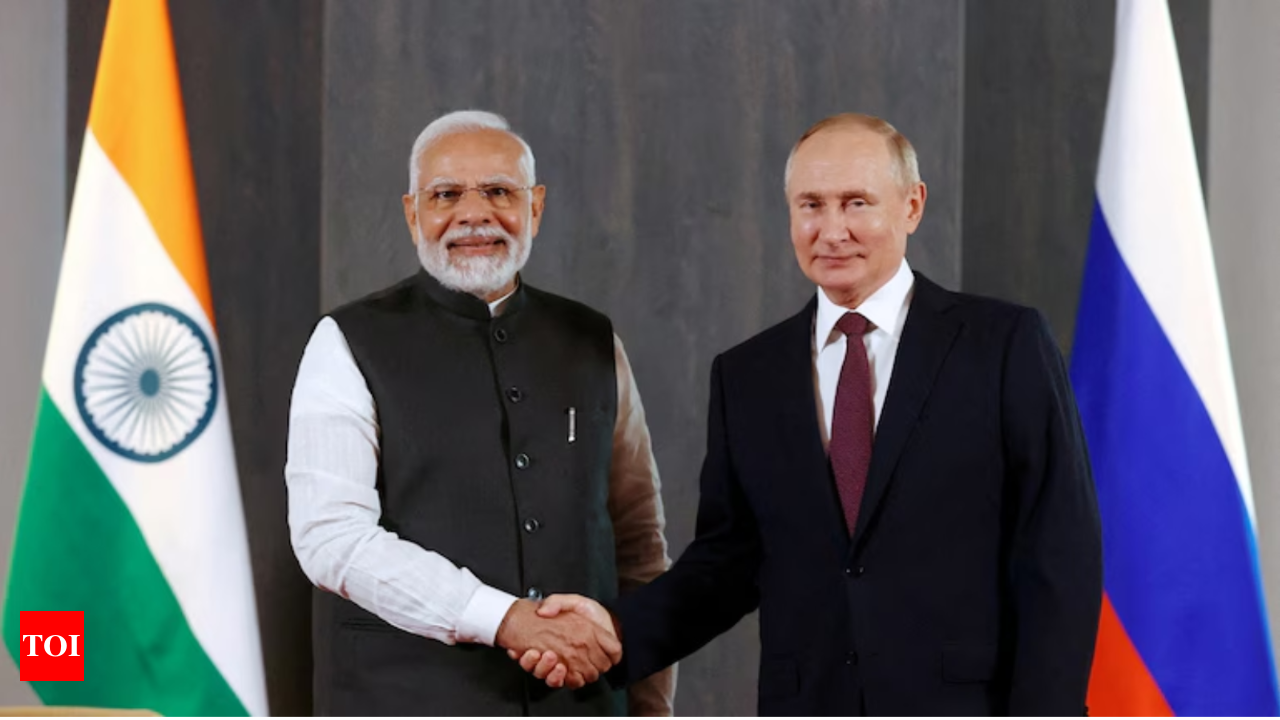
By Nitya Chakraborty Russian President’s pending visit to India has turned into a big diplomatic mystery as in the last five months since the Kazan summit on October 22 last year when Putin officially confirmed his visit to India in the presence of the Indian Prime Minister Narendra Modi amidst full media and TV glare, […]
Gold prices have surged to a historic high, reaching $3,077 per ounce on March 28, 2025, marking a significant milestone in the precious metal’s valuation. This ascent comes just two weeks after gold surpassed the $3,000 threshold on March 14, 2025, reflecting a 15.76% increase year-to-date.

The imposition of a 25% tariff on auto imports by U.S. President Donald Trump has intensified fears of a global trade war, prompting investors to seek refuge in safe-haven assets like gold. The tariffs have particularly impacted the auto industries in Japan and South Korea, leading to notable declines in their stock markets. Japan’s Nikkei index dropped over 2%, while South Korea’s benchmark index fell to a two-week low. In contrast, Hong Kong’s Hang Seng index remained relatively stable, rising by 0.6%. The auto sector, vital to both South Korea and Japan, faces significant challenges, with some manufacturers considering production relocations or price adjustments.

The escalating trade tensions have heightened investor anxiety, leading to increased demand for gold as a safe-haven asset. Analysts attribute the surge in gold prices to factors such as U.S. trade and fiscal policies, slowing economic growth, and geopolitical conflicts. Financial analyst Kyle Rodda emphasized that these elements collectively bolster gold’s appeal. Additionally, gold tends to benefit in low-interest-rate environments and during periods of political and economic uncertainty.

In response to the rising gold prices, Goldman Sachs has revised its year-end forecast for the metal from $3,100 to $3,300 per ounce. Analysts Lina Thomas and Daan Struyven cited higher-than-expected inflows into gold exchange-traded funds and robust central bank demand, particularly from large Asian central banks, as key drivers for the upward revision. They anticipate that these central banks will continue aggressive gold purchases over the next three to six years. The analysts also suggested potential entry points for investors, including a resolution to the Russia-Ukraine conflict or a significant equity market downturn.

The surge in gold prices has led to a notable increase in the sale of old jewelry and coins in major markets across Asia and the Middle East. Consumers in countries like India, China, and the United Arab Emirates are capitalizing on the high prices to liquidate their gold holdings, potentially reducing imports and tempering the gold rally. In India, domestic gold prices have risen more than 32%, prompting many to sell rather than purchase new jewelry. Similar trends are observed in Dubai and China, where high prices have led consumers to sell or hold onto their gold assets.

Matein Khalid It took Trump 2.0 to finally dethrone King Dollar. The US Dollar Index has fallen from 110 to 104 as Planet Forex has finally concluded that aggressive tariffs on Canada, Mexico, China and the EU, coupled with stagflation risk in the US and Powell’s dovish take on a potential dual mandate pivot to easy money at a time when Germany ramps up defense spending by […]

By Nitya Chakraborty Prime Minister Narendra Modi is known as the super salesman of jumlas. Beginning from Jan Dhan account of Rs. 15 lakh for everyone to generating two crore jobs for youth every year, all the hyped up propaganda of the BJP led government since 2014 have turned into a big flop. Even in […]

President Donald Trump has announced the imposition of a 25% tariff on all imported automobiles and specific auto parts, a move set to take effect on April 3. The administration asserts that this measure aims to bolster domestic manufacturing and is projected to generate approximately $100 billion in annual tax revenue.

The tariffs will apply to passenger vehicles, including sedans, SUVs, crossovers, minivans, and light trucks, as well as key components such as engines, transmissions, powertrain parts, and electrical systems. Vehicles imported under the United States-Mexico-Canada Agreement may receive exemptions based on their U.S. content, with a certification process to determine the value of non-U.S. content subject to tariffs.

The automotive industry has expressed significant concern over the potential repercussions of these tariffs. Industry group Autos Drive America has criticized the move, warning that it could lead to higher prices for consumers and a reduction in manufacturing jobs. Cox Automotive estimates that the tariffs could add $3,000 to the cost of U.S.-made vehicles and $6,000 to those produced in Canada or Mexico, potentially causing substantial disruptions to production.

Automakers with operations in North America are bracing for the impact. General Motors, Ford Motor, and Stellantis, which have manufacturing facilities in Canada and Mexico, may face increased costs due to their reliance on imported components. Shares of these companies, along with those of Asian manufacturers like Toyota, Honda, and Hyundai, experienced declines following the announcement. Tesla, despite manufacturing vehicles domestically but utilizing some imported parts, also saw its stock value decrease.

The United Auto Workers union has expressed support for the tariffs, anticipating a resurgence in domestic auto manufacturing jobs. Conversely, Canadian Prime Minister Mark Carney has condemned the tariffs as a “direct attack” on Canadian autoworkers and has pledged to defend their interests.

Economists and industry analysts are divided on the potential outcomes of the tariffs. While the administration emphasizes the goal of strengthening the U.S. automotive sector, critics argue that the increased costs could be passed on to consumers, potentially dampening demand in an already high-priced market. The average cost of a new vehicle in the U.S. stands at approximately $49,000, and additional tariffs may exacerbate affordability concerns for middle and working-class buyers.

The tariffs are also expected to disrupt the highly integrated North American supply chain. Decades of free trade agreements have resulted in a manufacturing ecosystem where components often cross borders multiple times during production. The new tariffs could necessitate a significant restructuring of these supply chains, with potential production impacts estimated at up to 20,000 units per day within a week of implementation.

In response to concerns about affordability, President Trump has proposed allowing a tax deduction for interest on auto loans for American-made vehicles. This initiative aims to offset some of the increased costs resulting from the tariffs and encourage consumers to purchase domestically produced cars.

The international community has reacted with apprehension to the announcement. Foreign leaders have voiced concerns about the potential for a broader trade war, with significant resistance from Canada and the European Union. The tariffs have the potential to strain diplomatic relations and may prompt retaliatory measures from affected countries.

VISHNU RAJA
RYO YAMADA
HITORI GOTOH
IKUYO KITA
Just in:
The “1st Greater Bay Area Health and Longevity Summit & Awards Ceremony” concludes successfully in Macao // Fast Just Got Fastest: STING Energy Boost™ Celebrates Kimi Antonelli’s Formula 1® World Championship and the Fan Energy Behind It // CR Longdation Aethereal Cybersecurity × Global Cybersecurity Alliance (GCSA) Join Hands to Establish the “AI and Cybersecurity Research Centre” // Dubai boat show confirms international shipyard line-up for November // Kochi police detain two actors over bid to honey trap doctor // After Reaching 7 Million Users in the Philippines, Skyro Launches Transparent Cash Loans in Malaysia // Vance attributes Republican midterm defeats to Iran conflict // Meraas showcases five residential zones at Dubai Design Week // Cloudflare unveils Zero Wire vulnerability intelligence service // e-Crime Bureau Signs Cybersecurity Partnership With Smart Africa, Reinforcing Its Global Expansion // ADIA and partners establish $1.4 billion aviation venture // Ta’ziz finalises $1.39bn funding for Ruwais industrial facilities // Pinarayi faults UDF over mounting road crashes // Cyberport Venture & Capital Forum 2026 Grand Opening // UK air traffic outage inflicted £33m financial losses // Emirates Group records AED 4.1 billion half-year profit // Anthropic to prohibit persistent abuse of Claude chatbot // TVM –Mangaluru Vande Bharat claims top spot // Utilities pursue ₹1,992 cr in unpaid bills // APT29-linked campaign exploits outdated Apple and Android software //