News related to
Trump

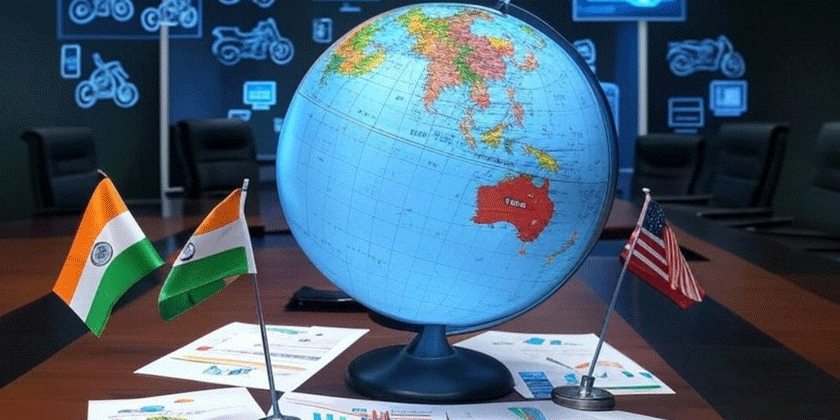
By Satyaki Chakraborty Vietnam has shown how a well calibrated trade diplomacy can be conducted in the year 2025 amidst the ongoing tariff war between the two biggest economic and military powers of the world USA and China. Both countries are having best trade relations with this South East Asian nation which is a sort […]

President Donald Trump is set to host an exclusive dinner on May 22 at the Trump National Golf Club in Washington, D.C., inviting the top 220 holders of his $TRUMP memecoin. This announcement has led to a significant surge in the coin’s value, with prices climbing over 60% to reach $16.17, marking its highest level since early March.

The event, organized by Fight Fight Fight LLC, stipulates that eligibility is determined by average holdings between April 23 and May 12. Attendees must pass a background check and cannot be from countries on Know Your Customer watchlists. The top 25 holders will receive additional perks, including a VIP reception and a special tour with the president. However, the event terms note that Trump may not attend, in which case winners would receive a limited edition Trump NFT instead.

Launched on January 17, 2025, just days before Trump’s inauguration, the $TRUMP coin is hosted on the Solana blockchain. Initially, 200 million tokens were released, with plans to expand the total supply to 1 billion over three years. Approximately 80% of the tokens are held by CIC Digital LLC and Fight Fight Fight LLC, entities linked to the Trump Organization. The coin’s market capitalization has reached approximately $2.6 billion, ranking it as the 37th-largest cryptocurrency.

By Nitya Chakraborty Chinese President Xi Jinping has won the first round in the protracted battle against Donald Trump over his declaration of tariff war against China. After waiting for long three weeks for a personal call from XI Jinping offering talks to discuss the proposed tariff hikes, Trump partially retreated on Tuesday when he […]

Matein Khalid Gold’s spectacular bull market since its mid-2022 bottom at 1600, amid the most brutal monetary tightening by the Fed since the Volcker era under JayPo (now branded as a “loco” and a “major loser” by President Trump) has climbed seminal macro walls of worry. A surge in the US Dollar Index to 110 in Jan’25 did not kill gold’s bull run nor did tough love […]

The International Monetary Fund has sharply downgraded its global economic outlook for 2025, attributing the slowdown to U.S. President Donald Trump’s expansive tariff regime and the resulting policy uncertainty. In its latest World Economic Outlook, the IMF projects global growth at 2.8% for 2025, down from 3.3% forecasted in January, marking the slowest pace since 2020 and the second weakest since the 2009 financial crisis. The U.S. […]

A militant assault in the Baisaran meadow near Pahalgam, Jammu and Kashmir, resulted in the deaths of 28 tourists and injuries to over 20 others on Tuesday afternoon, marking the deadliest civilian attack in the region since 2019.

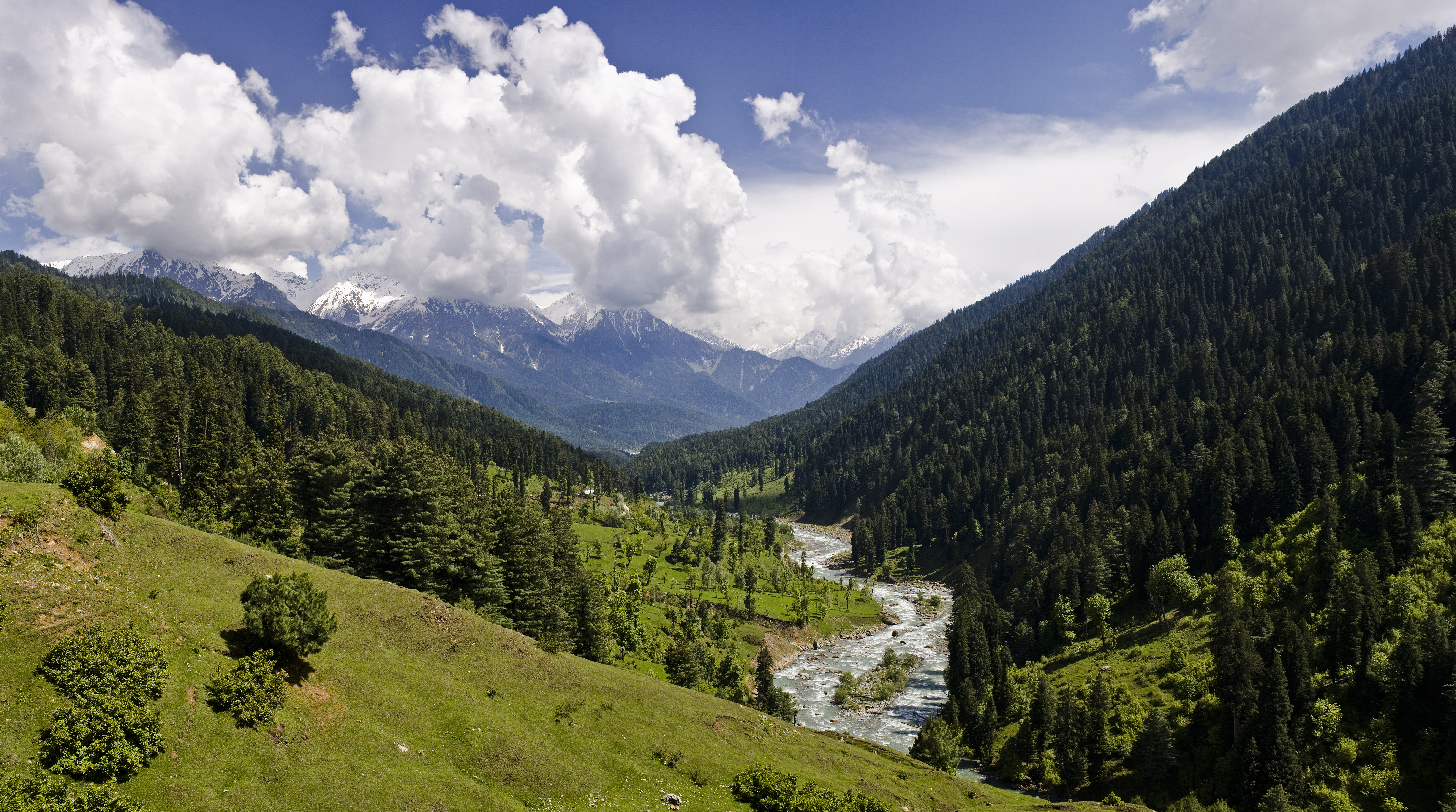
The attack occurred around 2:50 PM when four to six assailants, dressed in military-style uniforms, emerged from the surrounding deodar forests and opened fire on tourists enjoying the popular meadow, often referred to as “Mini Switzerland” for its scenic beauty. Eyewitnesses reported that the attackers initially posed as security personnel, asking for identification and religious affiliations before selectively targeting non-Muslim men. Survivors recounted being asked to recite Islamic declarations and undergoing physical checks; those who failed were shot at close range.

The Resistance Front , an offshoot of the Pakistan-based Lashkar-e-Taiba, claimed responsibility for the massacre. In a statement, the group cited opposition to the settlement of over 85,000 non-locals in the Kashmir Valley, alleging it as a demographic alteration. This incident underscores the ongoing tensions following the revocation of Jammu and Kashmir’s special status in 2019, which allowed greater settlement of outsiders in the region.

Among the deceased were 24 tourists from various Indian states, including Karnataka, Kerala, Maharashtra, Odisha, Gujarat, Haryana, West Bengal, and Uttar Pradesh. Two locals from Jammu and Kashmir and two foreign nationals from Nepal and the United Arab Emirates were also killed. The injured, numbering over 20, were airlifted to military hospitals in Srinagar for treatment.

Prime Minister Narendra Modi, cutting short his visit to Saudi Arabia, condemned the attack as a “dastardly and inhuman act” and vowed to bring the perpetrators to justice. Union Home Minister Amit Shah traveled to Srinagar to assess the situation and coordinate the security response. Security forces launched a massive manhunt, deploying helicopters and imposing a temporary lockdown in parts of Pahalgam to apprehend the attackers.

The international community reacted swiftly. U.S. President Donald Trump expressed support for India, while U.N. Secretary-General António Guterres and leaders from Germany, Israel, and the European Union condemned the attack and offered condolences to the victims’ families.

The assault occurred during a period of increased tourism in Kashmir, with projections estimating around two crore visitors to the Union Territory this year. Pahalgam, a gateway to the Amarnath Yatra, had seen a surge in tourist footfall, signaling a return to normalcy after decades of insurgency. This attack threatens to derail these developments, casting a shadow over the region’s stability and economic recovery.

Opposition leaders criticized the government’s narrative of restored normalcy in Kashmir. Congress MP Priyanka Gandhi labeled the attack a “crime against humanity,” while Leader of Opposition Rahul Gandhi described it as “horrific,” emphasizing the need for a reassessment of the region’s security situation.

Eyewitness accounts painted a grim picture of the attack’s aftermath. Videos from the scene showed bloodied individuals lying on the ground, with others pleading for help. One woman was seen screaming for assistance for her husband, while others were seen lying motionless in the meadow. Survivors described the attackers’ methodical approach, with one assailant allegedly telling a woman that she was being spared so she could “narrate the horrors” to Prime Minister Modi.

The attack’s timing, coinciding with U.S. Vice President JD Vance’s visit to India, raised concerns about its potential geopolitical implications. While no direct link has been established, the incident echoes prior high-profile attacks timed with foreign dignitary visits, suggesting a possible strategy to garner international attention.


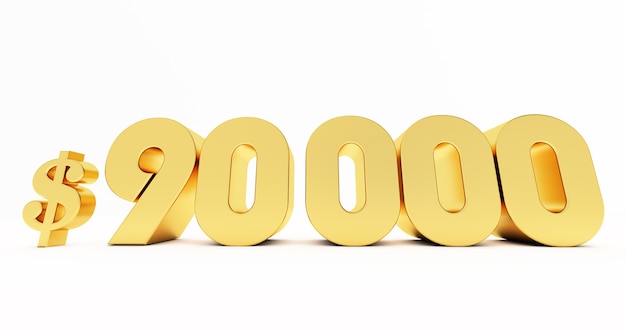
Bitcoin has surged past the $90,000 threshold, reaching $90,468 across major exchanges. This marks a significant rebound, occurring 46 days after the cryptocurrency last touched this level on March 7, 2025.

The rally is attributed to a combination of factors, including renewed institutional interest and favourable policy signals. The inauguration of President Donald Trump has introduced a more crypto-friendly regulatory environment. Notably, the administration’s proposal to establish a strategic Bitcoin reserve has been perceived as a bullish indicator by market participants.

Analysts have observed that the approval of multiple spot Bitcoin exchange-traded funds earlier this year has played a pivotal role in attracting substantial capital inflows. These ETFs have provided traditional investors with a regulated avenue to gain exposure to Bitcoin, thereby enhancing its legitimacy and appeal.

Market sentiment has also been influenced by macroeconomic indicators. The Consumer Price Index data released this month aligned with market expectations, suggesting a stabilising inflationary environment. This has bolstered investor confidence in risk assets, including cryptocurrencies.

Despite the upward trajectory, some caution remains. Betting markets indicate a 61% probability of Bitcoin reaching $110,000 within the year, with diminishing confidence in higher targets. Conversely, there is a notable expectation of potential pullbacks, with some forecasts suggesting a dip to around $70,000.

Technical analysts are closely monitoring key support and resistance levels. The $90,000–$91,000 range is identified as a critical support zone, while resistance is anticipated near the $95,000 mark. Momentum indicators, such as the Relative Strength Index , currently reflect a neutral stance, indicating a balanced market sentiment.

Advertisements
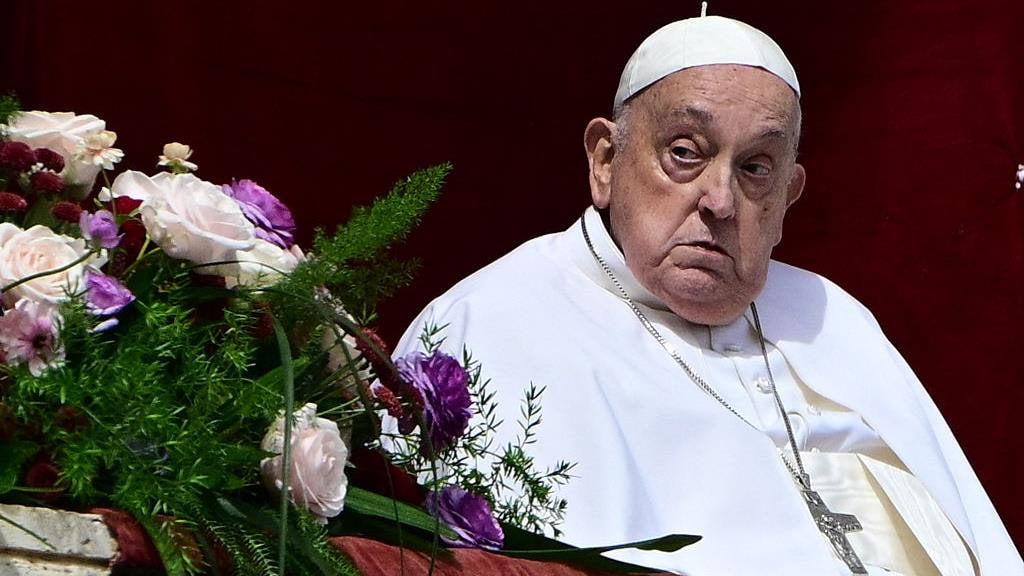
By Pablo Castaño ROME: There may come a time when we look back on the last decade as an anomaly in the modern history of the Catholic Church. Pope Francis — the figurehead of these years, and a radical by the standards of the Catholic hierarchy — is gone, and we are now likely to […]

Oil prices experienced a significant decline of over 2% on Monday, with Brent crude falling to $66.81 per barrel and West Texas Intermediate dropping to $63.58. This downturn is attributed to progress in US-Iran nuclear negotiations and escalating concerns over the impact of US tariff policies on global demand. The potential easing of sanctions on Iran could reintroduce over a million barrels per day of crude into the market, intensifying supply pressures.

The decline in oil prices poses a substantial challenge to Gulf economies, particularly those heavily reliant on hydrocarbon revenues. S&P Global Market Intelligence has indicated that Oman, Bahrain, and Iraq are at heightened risk of financing pressures if the current price trends persist. These nations, already contending with fiscal deficits and limited sovereign reserves, may face increased borrowing costs and potential credit downgrades.

Conversely, the United Arab Emirates and Qatar are better positioned to withstand prolonged periods of lower oil prices. Their diversified economies and substantial sovereign wealth funds provide a buffer against market volatility. However, even these nations are not immune to the broader economic implications of sustained low oil prices.

The broader financial markets have also reacted to these developments. Major Gulf stock indices experienced declines, with Saudi Arabia’s TASI index falling by 0.7% and Qatar’s index decreasing by 0.3%. These market movements reflect investor apprehension regarding the stability of oil-dependent economies in the face of fluctuating energy prices.

Adding to the complexity is the political climate in the United States. President Donald Trump’s renewed criticism of Federal Reserve Chair Jerome Powell has raised concerns about the central bank’s independence. This political interference is contributing to market uncertainty and could have implications for global economic stability.

The potential for a US recession further exacerbates concerns. Analysts warn that the combination of tariff policies and political instability could dampen economic growth, leading to decreased demand for oil. This scenario would place additional strain on oil-exporting nations, particularly those with less diversified economies.

Harvard University has initiated legal proceedings against the Trump administration following the suspension of over $2.2 billion in federal research funding. This action comes after the university’s refusal to comply with federal directives demanding significant changes to its governance, admissions policies, and campus activities. The administration’s directives included overhauling leadership structures, modifying admissions criteria, auditing campus diversity initiatives, and discontinuing recognition of certain student organizations. These demands […]

Matein Kalid Only the poetic genius of an Irishman can do justice to the epic Big Boy sumo wrestling match in history – between Shogun Trump and Sensei Powell-san as panic spreads at the speed of light across the digital arteries of the global banking village. W.B. Yeats’s immortal versus echo in my brain – things fall apart, the center can​not hold, mere anar​chy is loosed upon […]

KUALA LUMPUR, MALAYSIA – Media OutReach Newswire – 18 April 2025 – Central Bank Digital Currencies (CBDCs) have moved from being merely theoretical concepts to a stage when dozens of countries throughout the world are actively testing them in various pilot schemes. Designed as a government-backed digital version of fiat money, CBDCs combine the trust of centralised monetary systems with the flexibility of digital payments. Unlike cryptocurrencies, […]

By Nitya Chakraborty Bangladesh’s Chief Adviser to the interim government Dr. Muhammad Yunus is presently in the midst of his diplomatic triumph by successfully outreaching to the major countries of the world including the two super powers. After having a major success in getting all the support from the Chinese President Xi Jinping during his […]

Matein Khalid Thank God my macro instinct flashed a “get out” SOS in late February and I dumped King Dollar for Bonnie King Charlie’s British pound before New Year late last year and thus averted fate worse than death/Matty miskeen. My macro guardian angel now whispers a few subliminal ideas. One, Chinese factories shed 20 million workers last week and hiring is down 30%. So the youth […]

Fifteen publicly listed Bitcoin mining firms collectively sold more than 40% of their mined BTC in March, marking the most significant monthly liquidation since October 2024. This trend underscores the mounting financial pressures faced by miners due to escalating operational costs and evolving market dynamics.

Marathon Digital, one of the largest Bitcoin mining companies, reported selling over 60% of its mined Bitcoin in May, amounting to 390 BTC out of 616 BTC produced. This move reflects a broader strategy among miners to liquidate assets in response to reduced profitability following the Bitcoin halving event in April, which cut mining rewards from 6.25 BTC to 3.125 BTC per block.

Other major players, such as Riot Platforms and CleanSpark, have adopted varied approaches. Riot Platforms disclosed no BTC sales in May despite producing 215 BTC, while CleanSpark sold only a small portion of its 417 BTC production. These decisions highlight the diverse strategies miners are employing to navigate the post-halving landscape.

The sell-off trend is not isolated to a few companies. In February, the combined market capitalization of 15 major Bitcoin mining stocks dropped by $13 billion, reflecting broader market volatility and the challenges miners face in maintaining profitability. Companies like Bitdeer and Hut 8 experienced significant declines in their stock prices, with Bitdeer leading the downturn with a 55% loss.

To mitigate these challenges, miners are exploring various strategies. Marathon Digital is expanding its operations overseas, partnering with the Ministry of Energy and Petroleum of the Republic of Kenya to optimize renewable energy projects. The company also initiated a pilot project in Paraguay to enhance its energy structure, aiming to have 50% of revenues coming from overseas by 2028.

Hut 8, in collaboration with Eric Trump, launched a new Bitcoin mining company named American Bitcoin. This venture focuses on building a significant Bitcoin reserve and plans to go public in the future to enhance capital access. Hut 8 will serve as American Bitcoin’s exclusive infrastructure and operating partner, indicating a strategic shift towards energy and digital infrastructure.

Gold prices in Dubai have surged to unprecedented levels, with 24-karat gold breaching the Dh400 per gram mark for the first time, while 22-karat gold has climbed to Dh372.5 per gram. This significant uptick reflects a broader global trend, driven by escalating geopolitical tensions, central bank acquisitions, and concerns over U.S. fiscal policies.

The global spot price of gold has experienced a notable increase, currently trading around $3,024 per ounce. This marks a gain of over 15% since the beginning of the year, propelled by economic and geopolitical uncertainties. Bank of America has adjusted its gold price forecasts accordingly, now projecting an average of $3,063 per ounce for 2025 and $3,350 for 2026, up from previous estimates of $2,750 and $2,625 respectively. The bank also suggests that increased investment demand could push prices to $3,500 within two years.

In the United Arab Emirates, the surge in gold prices has been particularly pronounced. The Dubai Jewellery Group reported that 24K gold reached Dh400 per gram, while 22K gold rose to Dh372.5 per gram. This trend is consistent with the global market, where gold has been rallying due to its status as a safe-haven asset amidst economic instability.

Analysts attribute the surge to several factors. The ongoing trade policies of the U.S., particularly under President Donald Trump’s administration, have introduced significant uncertainty into global markets. The imposition of tariffs and the potential for reciprocal measures have heightened investor anxiety, leading to increased demand for gold.

Central banks have also played a pivotal role in the gold market’s dynamics. Currently, they hold about 10% of their reserves in gold, but there is potential for this figure to rise beyond 30%, offering additional support to prices. The anticipation of increased central bank purchases is contributing to bullish sentiment in the market.

In the Middle East, geopolitical tensions have further fueled the demand for gold. The region’s instability has historically led investors to seek refuge in precious metals, and the current climate is no exception. The combination of regional conflicts and global economic concerns has created a perfect storm for gold prices to soar.

Retailers in Dubai are witnessing the impact of these price movements firsthand. The surge in gold prices has led to a shift in consumer behavior, with many opting for lighter jewelry pieces or alternative investments. Despite the higher costs, demand remains robust, underscoring gold’s enduring appeal as a store of value.

Facing impending tariffs on imported semiconductors, NVIDIA and AMD are intensifying their commitment to domestic production, leveraging Taiwan Semiconductor Manufacturing Company’s expanding facilities in Arizona. This strategic shift aims to mitigate the financial impact of proposed duties ranging from 25% to 100% on foreign-made chips, as announced by President Donald Trump. NVIDIA has unveiled plans to invest approximately $500 billion over the next four years to bolster […]

Global capital turned its back on ESG last year. But that shift, we believe, is temporary and mistaken. ESG investing should and will return to favour, not just because it’s aligned with the challenges and priorities of our time, but because it remains one of the most rational long-term strategies for investors and economies alike. The numbers from 2024 were stark. Global sustainable fund inflows halved. In […]

By Nitya Chakraborty Though there is a 90 day pause in Trump’s latest unilateral imposition of reciprocal tariffs on most of the countries, the trade war between the USA and China, the two largest economies of the world is in full steam imparting tremors in global trade and economy. Close advisers of Trump were expecting […]
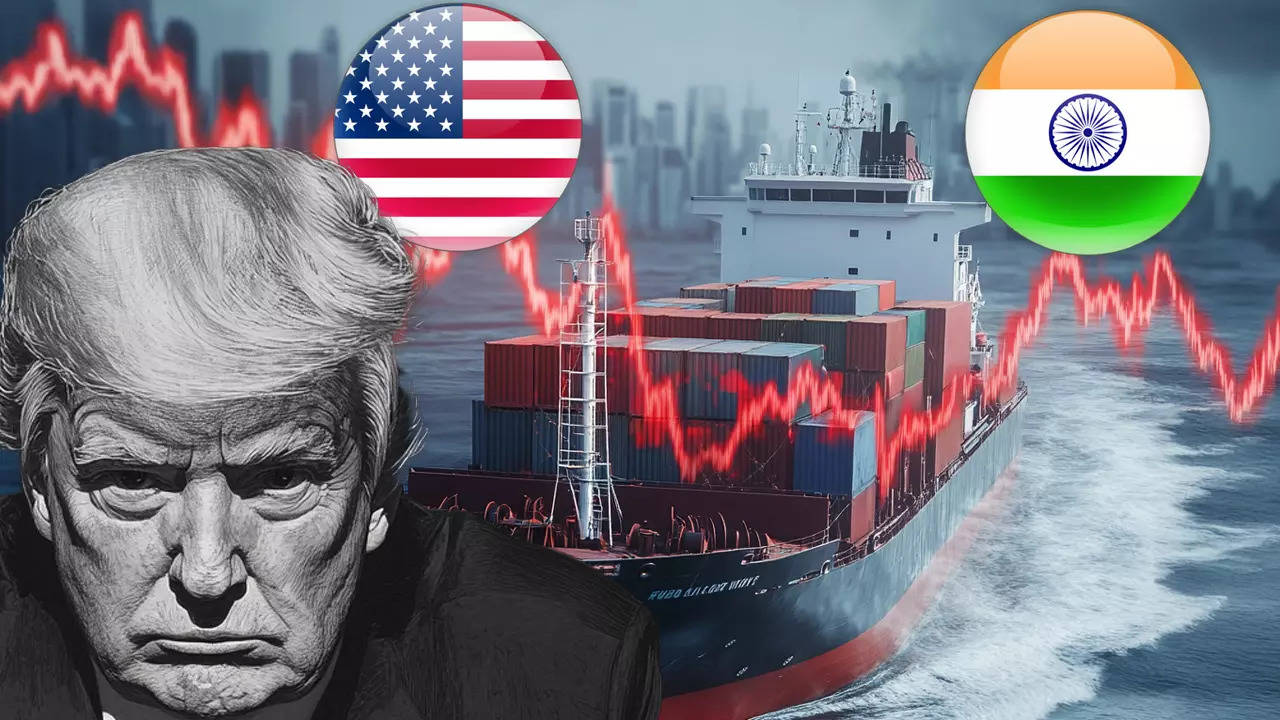
President Donald Trump has affirmed that Chinese-made electronics, including smartphones and laptops, will not be exempt from U.S. tariffs, signaling a continuation of his administration’s protectionist trade policies. Despite a temporary 90-day pause on certain tariffs, Trump clarified that these products remain subject to existing levies and may face additional duties under national security considerations. Commerce Secretary Howard Lutnick announced that electronics will be reclassified under semiconductor […]

By Nantoo Banerjee It is good to know that the government is already cautious about the possible increase in Chinese export trade and investment to India to exploit both the local market as well as to push exports to the USA taking advantage of the massive US import tariff difference between India and China. India […]
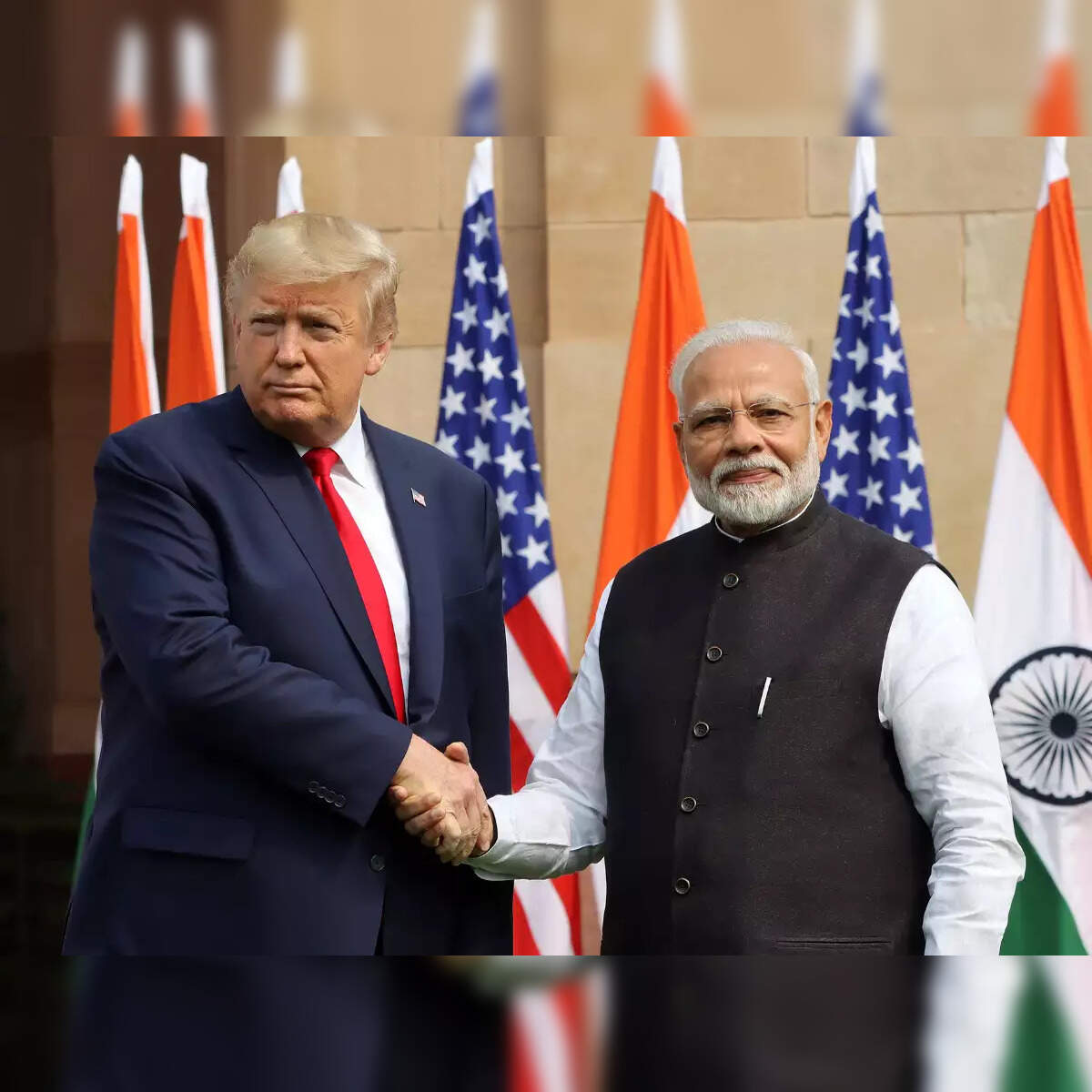
By K Raveendran In both foolhardiness in decision making and shameless flip-flop in dealing with disastrous aftermaths, Narendra Modi and Donald Trump have exhibited a total lack of honesty in admitting their mistakes. The similarity is too striking to be missed. Thanks to recklessness and impulsiveness in decision making—Narendra Modi with demonetization and Donald Trump […]


U.S. shale oil producers are confronting a challenging landscape as falling crude prices, escalating tariffs, and global market shifts undermine the sector’s profitability and growth prospects. Despite technological advancements that have bolstered production efficiency, the convergence of economic and policy pressures is prompting a reassessment of the industry’s trajectory.

Crude oil prices have declined to approximately $55 per barrel, a level below the $65 threshold that many U.S. shale companies require to maintain profitable operations. This price drop is attributed to a combination of increased output from the Organization of the Petroleum Exporting Countries and the impact of tariffs on imported equipment, which have raised operational costs for domestic producers. The U.S. Energy Information Administration has adjusted its 2025 crude price forecast downward from $70.68 to $63.88 per barrel, reflecting these market dynamics.

The rig count, a key indicator of drilling activity, has experienced a significant decline. According to Baker Hughes, the number of active oil rigs in the U.S. fell by nine in the past week, marking the largest single-week drop since June 2023. The Permian Basin, the nation’s most prolific shale region, saw its rig count decrease by five to 289, the lowest level since December 2021. This trend suggests a cautious approach among producers in response to the current economic environment.

President Donald Trump’s administration has advocated for increased domestic energy production as part of its “America First” agenda. However, the imposition of tariffs, particularly on steel and other imported equipment essential for drilling operations, has inadvertently strained the sector. Industry analysts warn that these policies may counteract efforts to achieve energy dominance by making U.S. oil less competitive on the global stage.

Efforts to expand U.S. energy exports have also encountered obstacles. The administration’s proposal for the European Union to purchase $350 billion worth of American energy products to address trade imbalances has been met with skepticism. European officials cite logistical challenges, existing long-term contracts with other suppliers, and a strategic emphasis on energy diversification as barriers to such a substantial shift in procurement.

Despite these challenges, U.S. shale production is projected to reach new heights. BloombergNEF forecasts a 4.5% increase in output, bringing production to a record 13.9 million barrels per day in 2025. This growth is attributed to improved drilling techniques and efficiencies that allow for greater output with fewer rigs. However, the sustainability of this growth is uncertain amid the current economic pressures.

The industry’s focus has shifted toward capital discipline and shareholder returns, moving away from aggressive expansion strategies. This shift, combined with the financial strain of tariffs and low oil prices, has led to a more conservative approach to drilling and investment. Some companies are exploring mergers and acquisitions as a means to consolidate resources and reduce operational costs.

Technological advancements continue to play a role in enhancing production efficiency. Innovations such as longer lateral wells and simultaneous fracturing of multiple wells have improved output per rig. However, the benefits of these technologies may be offset by the increased costs associated with tariffs and the need for significant upfront investment.

Matein Khalid “We went eyeball to eyeball and the other guy blinked” – JFK said about Nikita Peasantovich Shoe Bangarov after Stalin’s henchman in the Red Terror back down in the Cuban missile crisis. Trump has gone eyeball to eyeball with the bond market and Xi Jinping but only the Dragon Empire’s Emperor for Life has blinked while the bond vigilantes have gone berserk in the netherworld […]

VISHNU RAJA
RYO YAMADA
HITORI GOTOH
IKUYO KITA