Just in:
Saudi defences destroy three Houthi missiles targeting Riyadh // Sharjah clears Kalba free zone plan for 400MW complex // Thailand’s Most Iconic New Year’s Celebration Returns: ICONSIAM Unveils “Amazing Thailand Countdown 2027” // Travel Insurance Was Built for the Few Who Claim. Ancileo’s Felt Coverage™ is for Everyone Else // Dar Global unveils $700m Trump development in Qatar // Promoting Common Human Development Through Exchanges and Mutual Learning Among Civilizations // Padmini follows Padmaja for ‘ghar vapsi’ // Workday targets Honeydew purchase to unify AI metrics // Russia permits retail cryptocurrency purchases under regulated framework // Toward a Shared Future for Humanity: Rethinking Civilizational Exchange // Dalilk Academy reaches 27 million, targets 100 million by 2030 // Saudi Arabia schedules multinational top-up tax for 2027 // ED searches five districts in probe against hawala // Coinbase targets 2027 launch amid state gambling lawsuits // PayerMax and ShopeePay Strengthen Strategic Partnership to Advance Digital Payment Collaboration in Southeast Asia // Yeebo Announces Interim Results for FY26/27 Revenue Increases by 45.5% to HK$806.7 Million Profit Attributable to Owners Surges 87.6% to HK$2,284.7 Million // Crypto market loses $150 billion amid broad sell-off // Jaiedco and Golden Bridge Announce Strategic Collaboration for a New Dubai Islands Development // Diabetes Malaysia And Alpro Pharmacy Set National Record With 11,007 Most Blood Glucose Screenings Conducted Across Malaysia In Just 48 Hours // Phancy Announces Business Performance for the Nine Months Ended September 30, 2026 //

News related to
crude

Efforts by OPEC+ to stabilize the global oil market have gained renewed focus, as UAE’s Minister of Energy and Infrastructure, Suhail Mohamed Faris Al Mazrouei, highlighted the group’s commitment to maintaining a balance between supply and demand. During recent discussions, Al Mazrouei referred to OPEC+’s actions as a “noble job,” underscoring the coalition’s strategic moves to support oil prices amid fluctuating global economic conditions.

In a critical period for oil markets, OPEC+ has implemented a series of production cuts aimed at addressing falling crude prices, which have been driven down by oversupply and persistent inflation concerns in key consumer nations. The group, which includes 23 countries, has extended its voluntary cuts to stabilize prices, with a particular emphasis on recovering inventory levels while carefully managing market dynamics.

OPEC+, led by major producers such as Saudi Arabia and Russia, has made significant adjustments to its output. These changes include extending cuts of around 2.2 million barrels per day (b/d) through September 2024, with a gradual rollback scheduled thereafter . Analysts noted that while the extension was anticipated, it could create conditions for price recovery as seasonal demand increases.

The coalition’s actions come as a response to market pressures resulting from increased production by rival nations, including the United States, Brazil, and Guyana. Despite ongoing challenges, Al Mazrouei expressed confidence in the collective efforts of OPEC+ to navigate the complexities of the global oil landscape. The minister emphasized the importance of maintaining a collaborative approach to ensure sustainable supply and demand balance .

Abu Dhabi National Oil Company (Adnoc) has successfully concluded a significant acquisition, purchasing Covestro, the prominent German chemicals manufacturer, for an estimated €12 billion. This landmark deal marks a critical strategic move for Adnoc, bolstering its position in the global chemicals market while also enhancing its diversification efforts beyond oil and gas.

Adnoc’s acquisition of Covestro is seen as a vital component of its long-term strategy to expand its portfolio into high-value chemicals, driven by the increasing demand for sustainable and innovative products. The deal not only aligns with the UAE’s broader economic diversification goals but also underscores Adnoc’s commitment to investing in advanced technologies and sustainable practices within the chemical sector.

Covestro, recognized for its production of polycarbonate and other high-performance materials, has a robust market presence across various industries, including automotive, electronics, and construction. The acquisition is anticipated to provide Adnoc with enhanced access to advanced materials and innovative chemical solutions, positioning the company to meet the evolving demands of global markets. Furthermore, it is expected to facilitate significant synergies and operational efficiencies, capitalizing on Adnoc’s existing capabilities and Covestro’s innovative technologies.

Analysts have noted that the deal reflects a broader trend among oil and gas companies seeking to pivot towards chemical production as a means of revenue diversification. This shift is driven by the global transition to a low-carbon economy, prompting traditional energy firms to explore opportunities in more sustainable sectors. By investing in Covestro, Adnoc is not only expanding its product offerings but is also positioning itself to lead in the production of environmentally friendly materials.

The transaction is poised to enhance Covestro’s growth trajectory, allowing it to leverage Adnoc’s extensive resources and market expertise. It is expected to strengthen Covestro’s operational framework, particularly in research and development, facilitating the innovation of new products tailored to meet the needs of a changing marketplace.

Industry experts have expressed optimism regarding the deal’s potential impact on the chemical sector in the Middle East. Adnoc’s acquisition of Covestro is likely to attract further investments into the region, stimulating growth and encouraging collaboration between traditional energy companies and chemical manufacturers. The integration of Covestro’s advanced technologies with Adnoc’s operational excellence could lead to groundbreaking developments in sustainable chemical production.

The acquisition process has garnered attention not only for its financial magnitude but also for its implications on the geopolitical landscape of the energy sector. As companies like Adnoc expand their chemical production capabilities, it signifies a shift in focus from crude oil dependence towards the production of value-added products. This strategic pivot aligns with the UAE’s ambitions to emerge as a leader in sustainable development and innovation.

Following the announcement of the deal, both companies have reiterated their commitment to maintaining high operational standards and ensuring that the transition is seamless for employees and stakeholders. Adnoc has pledged to uphold Covestro’s legacy of innovation and sustainability, ensuring that the integration aligns with its own values and objectives.

Market reactions to the acquisition have been largely positive, reflecting investor confidence in Adnoc’s strategic direction. The company’s decision to invest heavily in chemicals has been viewed as a proactive approach to securing its future in an industry facing significant transformation. Analysts anticipate that this acquisition will not only enhance Adnoc’s profitability but also solidify its reputation as a forward-thinking leader in the energy sector.

The deal also highlights the growing significance of partnerships in the global chemical market. By acquiring Covestro, Adnoc is tapping into a wealth of expertise and established market relationships that could further its reach into new markets. This collaborative approach is indicative of the evolving dynamics within the chemical industry, where innovation and sustainability are becoming paramount.

As the global demand for sustainable materials continues to rise, Adnoc’s investment in Covestro positions it strategically to capitalize on this trend. The transition towards environmentally friendly alternatives is reshaping the chemical landscape, and companies that adapt to these changes are likely to thrive in the coming years.

Crude oil prices have experienced a significant downturn, dropping approximately 17% in the third quarter of this year. This decline, marked by market volatility and geopolitical tensions, highlights a complex interplay between Middle Eastern conflicts and diminishing global demand.

As of late September, West Texas Intermediate (WTI) crude settled at around $89 per barrel, down from its highs earlier in the quarter. Brent crude, the global benchmark, followed suit, trading at roughly $92 per barrel. The reduction in prices comes after a series of events that initially fueled price increases due to fears of supply disruptions in the Middle East. However, weakening demand signals from major economies have overshadowed these concerns.

Ongoing hostilities in the Middle East, particularly the conflict in Gaza, have raised alarms about potential disruptions to oil supplies. Israel’s military actions have been met with retaliatory strikes from Hamas, leading to fears that regional tensions could escalate and affect oil-producing nations. However, despite these fears, oil production in the region has remained largely unaffected, allowing for a gradual decline in prices as the immediate risks did not materialize as significantly as anticipated.

Simultaneously, global economic indicators have pointed to a slowdown in demand for oil. The International Energy Agency (IEA) recently projected a weaker demand growth outlook for 2024, influenced by slower economic growth in key markets such as China and Europe. China’s oil demand growth has been particularly disappointing, with recent data indicating a sharp decline in refinery throughput amid struggling manufacturing and economic challenges. This downturn has led to concerns that the world’s largest oil importer may not recover as quickly as previously hoped.

The economic landscape has also been affected by rising interest rates, particularly in the United States, where the Federal Reserve’s aggressive monetary policy has contributed to slowing growth. High borrowing costs have prompted businesses and consumers to cut back on spending, leading to reduced fuel consumption. This trend is reflected in decreasing gasoline prices, which have fallen by approximately 20% since their peak earlier in the year.

Analysts are now closely monitoring the impact of the U.S. Federal Reserve’s interest rate policies on the energy market. As inflation remains a concern, higher rates are expected to temper economic activity further, which could result in continued softness in oil demand. Meanwhile, the market is also reacting to potential supply adjustments from the Organization of the Petroleum Exporting Countries (OPEC) and its allies, collectively known as OPEC+. The group has faced pressure to cut production to stabilize prices but has been hesitant to take drastic measures amid the ongoing global economic uncertainties.

OPEC’s recent meeting has been characterized by discussions surrounding production levels and output targets. While some member countries advocate for cuts to prevent a further slump in prices, others, particularly those reliant on oil revenues, express reluctance to decrease output. This tension reflects broader geopolitical dynamics, as different countries prioritize their economic needs amidst fluctuating global demand.

In addition to OPEC’s considerations, there are also rising concerns about the impact of new renewable energy projects on long-term oil demand. Governments worldwide are increasingly committing to net-zero emissions targets, and investment in clean energy sources continues to grow. This shift poses a long-term challenge to the oil industry as electric vehicle adoption rises and cleaner energy alternatives become more mainstream.

Market participants are also keeping a close eye on potential developments in the Ukraine conflict, which has significantly affected European energy markets. While the ongoing war has prompted Europe to diversify its energy sources away from Russian oil and gas, disruptions in supply chains can reverberate across global markets, leading to unexpected fluctuations in oil prices.

Analysts emphasize that while current prices reflect immediate market dynamics, underlying structural changes in energy consumption and production will play a crucial role in shaping the future of the oil market. As countries adjust their energy strategies and seek more sustainable options, traditional oil producers may need to adapt to a changing landscape characterized by increasing competition from alternative energy sources.

Climate policies and international agreements aimed at reducing carbon emissions will likely further pressure the oil sector. Countries that rely heavily on fossil fuel exports may face economic repercussions as the world shifts toward cleaner energy, necessitating a reevaluation of their long-term economic strategies.

Oil markets have experienced an unusual shift, with algorithmic trading exerting increasing influence on prices. What has been seen as a continuous slide in crude oil prices appears to be linked more to advanced trading programs than traditional market fundamentals. This shift highlights the growing dominance of algorithm-driven strategies, leaving oil increasingly vulnerable to swings driven by computer models rather than supply and demand factors alone. The […]

A strategic pivot is unfolding in Saudi Arabia’s oil policy, as the kingdom plans to move away from its unofficial target of $100 per barrel. This decision comes as the nation gears up to increase its oil production in an effort to regain market share, even if it results in lower prices for crude oil. The new approach signals a significant shift in the dynamics of the global oil market, as Saudi Arabia navigates a complex landscape influenced by geopolitical tensions and fluctuating demand.

The Organization of the Petroleum Exporting Countries (OPEC), under Saudi Arabia’s leadership, has been actively involved in adjusting oil production levels to stabilize prices. Alongside allies, including Russia, the group—collectively referred to as OPEC+—has implemented production cuts to support oil prices amid a volatile market. However, as the world economy continues to recover from the impacts of the COVID-19 pandemic, demand for oil has risen, prompting Saudi Arabia to reconsider its pricing strategy.

Market analysts suggest that Saudi Arabia’s decision to increase output could be driven by a desire to regain dominance in the oil market. The kingdom has faced stiff competition from countries like the United States, which has ramped up shale oil production in recent years. Additionally, OPEC’s recent efforts to control supply have not completely offset the impacts of rising production elsewhere, leading to a complex interplay of market forces that has prompted Saudi leaders to reassess their tactics.

As part of this shift, Saudi Arabia may be looking to reclaim its traditional role as a price setter in the global oil market. By increasing production, the kingdom aims to attract buyers who may have turned to other suppliers during periods of elevated prices. This move could potentially drive prices lower in the short term, but analysts argue that such a strategy might be necessary to secure long-term market share.

The ramifications of this decision extend beyond Saudi Arabia, impacting global oil prices and economies that heavily rely on oil revenues. Lower oil prices could benefit consumers and industries that depend on energy, potentially spurring economic activity. However, for oil-dependent economies, particularly those within the Gulf Cooperation Council (GCC), decreased prices could pose budgetary challenges and necessitate adjustments in fiscal policies.

Experts emphasize that this approach reflects a pragmatic response to shifting market conditions. While Saudi Arabia has historically maintained a price target to ensure stable revenues, the current global landscape necessitates a more flexible strategy. The kingdom’s readiness to accept lower prices signals an acknowledgment of the realities of modern oil markets, where rapid changes in supply and demand dynamics can lead to volatility.

Saudi Arabia’s internal dynamics also play a crucial role in this strategic recalibration. The kingdom has been investing heavily in diversifying its economy away from oil dependence, as outlined in its Vision 2030 plan. This initiative seeks to develop sectors beyond hydrocarbons, such as tourism and technology, aiming to create a more resilient economy. By adjusting its oil production strategy, Saudi Arabia may be positioning itself to better support these broader economic ambitions, ensuring that its energy sector remains robust while diversifying revenue sources.

This shift in Saudi Arabia’s oil policy is likely to influence OPEC’s future meetings and decisions. The organization has historically aimed to balance production to maintain price stability, but this new direction may necessitate a reevaluation of OPEC’s collective strategy. The responses from other member countries will be closely watched, as any discord within the group could have profound implications for global oil markets.

As Saudi Arabia prepares for this transition, market observers will be keenly analyzing its impacts on both regional and global levels. The kingdom’s ability to effectively navigate this shift will be critical in determining its position in the evolving energy landscape. Furthermore, the response from major consumers, including China and the United States, will also shape the trajectory of oil prices and production levels.

India’s foreign exchange reserves have surged to an unprecedented level of $689.458 billion, marking a crucial milestone for the country’s economic positioning in global markets. The reserves, which reflect the country’s ability to meet external obligations and provide a buffer against financial instability, increased by $223 million in the week ending September 13. This rise has further cemented India’s status as one of the largest holders of foreign currency reserves worldwide, positioning it as a key player in the global financial arena.

Despite this substantial increase in the overall reserves, the composition of these reserves presented a more nuanced picture. Foreign currency assets (FCA), which form the largest component of the reserves, witnessed a reduction of $515 million. These assets, held in different currencies such as the U.S. dollar, euro, pound sterling, and Japanese yen, are a critical indicator of India’s foreign currency holdings and are often affected by currency fluctuations and interest rates in international markets. The decline in FCA was offset by other components of the reserves, particularly the significant increase in gold reserves.

Gold reserves saw a sharp rise of $899 million during the same period, underscoring the metal’s continued relevance as a safe haven asset. This increase suggests that India’s central bank may be looking to diversify its holdings in response to broader global uncertainties. Gold, traditionally regarded as a hedge against inflation and economic instability, has been gaining renewed attention among global central banks. As countries face the challenges of rising geopolitical tensions and economic fluctuations, gold’s role as a stabilizing force has once again come into focus.

While the rise in gold reserves was notable, other components of India’s foreign exchange holdings, such as Special Drawing Rights (SDRs) and the reserve position with the International Monetary Fund (IMF), experienced marginal declines. SDRs, which represent a basket of international currencies and serve as a supplementary reserve asset allocated by the IMF, dropped by $50 million. Similarly, the country’s reserve position in the IMF, which allows access to international liquidity and contributes to global financial stability, recorded a decrease of $111 million.

The overall uptick in reserves comes at a time when India’s economic outlook remains relatively resilient compared to other emerging markets. The reserves serve not only as a tool for defending the rupee in times of volatility but also as an indicator of investor confidence in India’s macroeconomic stability. A stronger reserve position allows India to better manage external shocks, such as oil price fluctuations, trade imbalances, and global financial turbulence.

India’s reserves are now among the highest globally, trailing only China, Japan, and Switzerland. This latest achievement reflects the country’s efforts to build a robust foreign exchange buffer since the economic reforms of the 1990s. Since then, successive governments have prioritized strengthening the reserves to safeguard the country from external vulnerabilities. The rise in reserves has also been fueled by sustained foreign investment inflows and a healthy current account balance in previous quarters, driven in part by a recovery in global demand for goods and services after pandemic-induced disruptions.

Analysts have pointed out that India’s reserve accumulation strategy is likely to be shaped by several factors in the coming months. Global interest rate trends, particularly in the United States, will have a significant impact on foreign currency assets, while commodity prices, especially crude oil, will influence the country’s import bill. Moreover, ongoing geopolitical tensions, trade uncertainties, and inflationary pressures in major economies will also affect the Reserve Bank of India’s (RBI) approach to managing these reserves.

The central bank has maintained a cautious approach toward managing the reserves, intervening in the forex market to curb excessive volatility in the rupee’s value. A stable and sufficient level of reserves allows the RBI greater flexibility in implementing monetary policy and defending the currency against external shocks. With inflationary pressures rising globally and the U.S. Federal Reserve tightening its monetary policy, India’s reserve position will play a critical role in maintaining domestic economic stability.

In the past, India has faced challenges related to its foreign exchange reserves, particularly during the 1991 balance of payments crisis, when reserves had dwindled to just a few weeks’ worth of imports. The crisis marked a turning point in India’s economic policy, leading to structural reforms that opened the economy to greater foreign investment and trade. Since then, India has steadily accumulated reserves, reaching new highs over the years. The importance of a strong forex reserve was highlighted again during the global financial crisis of 2008 and the economic shocks caused by the COVID-19 pandemic, where countries with stronger reserves were better able to weather financial market disruptions.

As of the latest data, India’s forex reserves provide an import cover of approximately 10 months, which is well above the internationally recommended threshold. This gives India a comfortable cushion to meet its external payment obligations and insulate the economy from global shocks. The reserves also provide a buffer to support the rupee, which has faced depreciation pressures amid fluctuating oil prices and changes in global investor sentiment.

Going forward, experts suggest that India’s focus should remain on maintaining a balanced reserve composition. While the accumulation of foreign currency assets is crucial, ensuring diversification through gold and other assets will provide added protection against global market volatility. Moreover, with India being a major importer of crude oil, fluctuations in energy prices will continue to play a significant role in determining the country’s forex reserve levels.


The rising tensions in the Red Sea, particularly due to Houthi rebel threats against shipping vessels, have led to a sharp increase in insurance premiums for maritime companies operating in the region. The volatile security environment, combined with the risk of targeted attacks on vessels linked to countries like the UK, US, or those having called at Israeli ports, has left insurers increasingly cautious about providing war-risk cover for ships transiting the waters.

War-risk insurance premiums have skyrocketed to as much as 2% of a vessel’s value for a single transit through the Red Sea. This steep increase reflects heightened concerns following several incidents, most notably the August 21 strike on the oil tanker Sounion, which was carrying about one million barrels of crude oil at the time. Though the tanker was safely towed without spillage, the attack underscored the vulnerability of maritime assets in the region, adding pressure on insurers and shipping companies alike.

The market for insuring ships passing through this critical shipping route has narrowed as smaller insurers retreat from offering coverage. A limited number of firms, mostly high-risk underwriters, continue to offer protection, but at significantly elevated costs. Industry insiders have noted that some vessels, especially those perceived as high-value targets for potential attacks, are struggling to secure any coverage at all.

The risks have intensified with the Houthis’ declaration that ships with certain affiliations would face potential attacks. While traditionally, war-risk cover has been available, the situation is unprecedented with underwriters outright refusing coverage, citing the region’s escalating risks. For shipping operators, this poses not only financial but also operational challenges, as the necessity of traversing the Red Sea for global oil and goods trade remains critical despite the threats.

A consortium of insurance underwriters led by Brit provided the war-risk cover for the Sounion, alongside firms such as Antares, Iquw, Hamilton, and others. However, many of these insurers have been notably silent regarding the details of coverage, which underscores the sensitivity and complexities of offering insurance in such a volatile region. The consortium’s willingness to continue offering protection contrasts with smaller players who are increasingly unwilling to take on such risks.

The situation has compounded concerns for global shipping companies, especially with the strategic importance of the Red Sea in connecting Europe, the Middle East, and Asia. As attacks threaten to disrupt not just oil shipments but broader trade routes, the rising insurance costs may further exacerbate existing challenges for global supply chains.

Maritime experts are urging caution as geopolitical tensions in the region show little sign of abating, with insurers increasingly exercising selective underwriting processes to minimize exposure. Ships perceived as having higher exposure to attacks are now finding it exceedingly difficult to secure coverage at any price. This selective process not only reflects the complexities of the situation but also highlights the unpredictable nature of risk in conflict-prone areas like the Red Sea.

As shipping companies scramble to mitigate these rising costs, the long-term impact on global trade remains a looming concern. Many in the industry are questioning how long they can sustain operations under such financial pressure and whether alternative routes or additional security measures might provide a viable solution in the coming months.

Advertisements

Saudi Aramco has solidified its footprint in Asia with a new agreement involving China’s Rongsheng Petrochemical Co. Ltd. and Hengli Group. This strategic partnership is set to bolster Aramco’s position in the global petrochemical market while deepening ties with significant Chinese industrial players. The agreement includes a comprehensive framework for cooperation in the refining and petrochemical sectors. It encompasses both upstream and downstream activities, reinforcing Aramco’s strategy […]

A sharp decline in oil prices has bolstered prospects for a more stable global economic landscape. Falling into the $60s per barrel range, the price of crude oil is offering economies around the world some breathing room amid a complex economic environment marked by geopolitical tensions and inflationary pressures. As oil prices retreat from their earlier highs, this shift provides a critical cushion for economies grappling with […]

By Nantoo Banerjee The oil price decontrol — at first, the retail prices of petrol by the Manmohan Singh-led government in 2010 and, thereafter, diesel prices by the Narendra Modi-led government in 2015 – to link the local retail market prices with global price trends seems to be meant more to mislead the general public […]
OPEC+ has opted to prolong its production restraint by two months to prevent a looming oil surplus this year. This decision comes as economic indicators show slowing growth in China and increasing supply from the United States, driving crude oil prices to their lowest level in 14 months. The coalition, spearheaded by Saudi Arabia and Russia, announced the extension on Thursday after assessing the current global market […]

By K Raveendran The drop in crude oil prices below the $75 per barrel threshold has raised significant concerns within the oil market, particularly for the OPEC+ cartel, which has been striving to maintain prices near the desired $100 mark. The decline, influenced by a potential resolution of the Libyan political crisis and underlying economic […]
Uniswap Labs, the entity behind the popular decentralized cryptocurrency exchange Uniswap, has been fined $175,000 by the U.S. Commodity Futures Trading Commission (CFTC) for offering illegal leveraged and margined digital asset transactions. The fine stems from violations of the Commodity Exchange Act (CEA), a federal law that regulates the trading of commodity futures in the United States. The CFTC’s action marks a significant development in the ongoing […]

Gulf Cooperation Council (GCC) stock markets experienced limited gains amid a significant decline in oil prices and heightened geopolitical risks. The region’s financial markets, which have historically been sensitive to fluctuations in crude oil prices due to their oil-dependent economies, are grappling with the dual impact of falling oil values and regional instability. Oil prices have seen a notable drop, with Brent crude trading below $85 per […]

OPEC’s crude oil production in August plummeted to its lowest level since January, primarily driven by a significant drop in output from Libya. According to a recent survey, Libya’s ongoing conflict and operational disruptions have sharply curtailed its oil production, contributing to the overall decrease in the organization’s output.

The survey, conducted by an industry analysis firm, reveals that OPEC’s total crude oil production averaged approximately 28.3 million barrels per day (bpd) in August. This marks a notable decline from the 29.1 million bpd recorded in July. Libya, a member of OPEC, saw its production fall by about 300,000 bpd to just over 800,000 bpd due to severe disruptions in its oil infrastructure. These disruptions are attributed to ongoing internal conflicts and blockades affecting key oil fields and export terminals.

The decrease in Libya’s output has had a ripple effect on OPEC’s overall production levels. The survey highlights that other OPEC members have maintained relatively stable production levels or have experienced only minor fluctuations. For instance, Saudi Arabia, the organization’s largest producer, and Iraq, the second-largest, have continued their production commitments in line with previous agreements. Saudi Arabia’s output remains close to 10.5 million bpd, while Iraq produces around 4.4 million bpd.

The impact of Libya’s reduced output is compounded by broader market dynamics. Global oil prices have shown volatility, influenced by fluctuating demand and geopolitical uncertainties. The drop in OPEC’s production underscores the challenges facing the organization as it navigates a complex global oil market characterized by varying national interests and economic pressures.

Analysts suggest that the production decline could influence global oil prices, potentially pushing them higher in response to the reduced supply. However, the extent of this impact will depend on several factors, including the pace at which Libya can restore its oil output and the response of other major oil producers outside OPEC.

The situation in Libya has been a critical factor in the organization’s production dynamics. Ongoing conflict and political instability have disrupted the country’s oil industry, which has historically been a significant contributor to OPEC’s total output. Efforts to stabilize the region and restore production are ongoing, but progress remains slow.

Additionally, the survey highlights that non-OPEC countries, including major producers like the United States and Russia, continue to influence global oil supply and demand trends. The production strategies of these countries play a crucial role in shaping the broader oil market, often counterbalancing the fluctuations within OPEC.

The August production data reflects the complexities of managing a global oil supply amid geopolitical uncertainties and market fluctuations. As OPEC seeks to address the challenges posed by Libya’s output and other external factors, the organization will likely continue to adapt its strategies in response to evolving global conditions.

The future outlook for OPEC’s production levels and global oil prices will depend on several factors, including geopolitical developments, market demand, and the effectiveness of stabilization efforts in Libya and other key regions. The ongoing monitoring of these dynamics will be essential for understanding the broader implications for the global oil market and the energy sector as a whole.

Oil prices declined on Monday as market participants adjusted their strategies in light of anticipated increases in OPEC+ production starting in October. The price of Brent crude fell to $86.20 per barrel, while West Texas Intermediate (WTI) dropped to $83.10 per barrel, reflecting the market’s response to new supply forecasts and ongoing concerns about global demand. The Organization of the Petroleum Exporting Countries and its allies (OPEC+) […]

OPEC+ is on track to implement its scheduled oil output increase in October, even as global energy markets experience fluctuations due to disruptions in Libya and uncertain demand growth, particularly in China. The coalition, led by Saudi Arabia and Russia, plans to raise production by 180,000 barrels per day as part of an effort to gradually reverse the significant production cuts made earlier in the year.

This decision comes as the group navigates a complex landscape marked by lower-than-expected demand growth and ongoing supply issues. Libya, a key member of OPEC, has faced significant production setbacks due to internal conflicts, putting additional pressure on global oil supplies. Despite these challenges, OPEC+ aims to proceed with the output hike to maintain stability in the market.

Market analysts have expressed mixed reactions to the planned increase, citing concerns over the potential for oversupply in a market already grappling with sluggish demand. The slowdown in China, the world’s largest oil importer, has particularly raised alarms, as it could dampen the impact of any production hikes. Nevertheless, OPEC+ remains committed to its strategy, with the group’s leaders emphasizing the importance of a measured approach to balancing supply and demand.

Brent crude prices, a key benchmark for global oil, have shown volatility in response to these developments, recently hovering around $79 per barrel. The upcoming U.S. Federal Reserve decisions on interest rates are also being closely watched, as they could influence economic growth and, consequently, oil demand in the coming months.

OPEC+ will continue to monitor the situation closely, adjusting its strategy as necessary to respond to the evolving market conditions. This ongoing recalibration highlights the delicate balance the group must strike between supporting prices and ensuring sufficient supply to meet global needs.

Oil prices held steady after a period of volatility driven by escalating tensions in the Middle East and disruptions in Libyan production. Brent crude futures hovered around $78.25 per barrel, while U.S. West Texas Intermediate (WTI) maintained a price near $75.25. The market had reacted sharply to a significant drop in U.S. crude inventories, coupled with geopolitical concerns following the killing of key militant leaders and a […]

Wall Street’s outlook on crude oil for the coming year is growing increasingly cautious, as two major financial institutions, Goldman Sachs Group Inc. and Morgan Stanley, have downgraded their price forecasts. Both banks are now predicting lower average prices for Brent crude, reflecting concerns about rising global supplies, including potential increases from the OPEC+ alliance. Goldman Sachs has adjusted its forecast for Brent crude, predicting it will […]

    By Sushil Kutty   So India is a “big country” with a “big influence” on the Russian economy and Ukrainian President Volodymyr Zelenskiy wants India and Indians to “change their attitude” towards Russia. For then, there will be peace as Russian President Vladimir Putin will then end the war. Apparently, Zelenskiy doesn’t like Modi’s […]
OPEC+ faces a critical decision in the coming weeks as it evaluates whether to move forward with its planned oil production increases scheduled to begin in October. The decision is fraught with complexity, driven by a mix of economic, political, and market factors that could significantly influence global oil prices and economic stability. The planned increases stem from a decision made in June 2024, where OPEC+ members […]

Nigeria is banking on the operational launch of the Dangote Petroleum Refinery to address ongoing fuel shortages and alleviate the burden of lengthy queues at petrol stations. As the country grapples with an energy crisis exacerbated by its reliance on imported refined petroleum, the new refinery promises to be a game-changer in the nation’s energy landscape. This refinery, situated in the Lekki Free Zone near Lagos, is […]

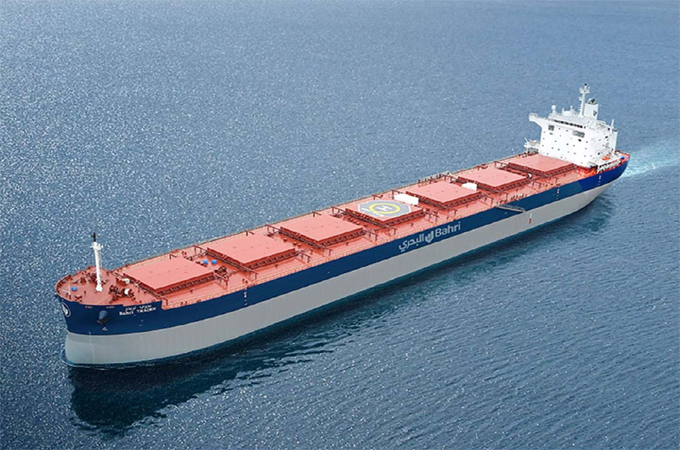
Saudi Arabian shipping giant Bahri has significantly bolstered its fleet by acquiring nine new crude oil carriers in a landmark transaction valued at approximately $1 billion. This strategic move underscores Bahri’s commitment to enhancing its global shipping capacity and operational efficiency in the oil transport sector.

The acquisition deal, finalized with a prominent shipbuilder, marks one of the largest expansions in the crude carrier segment this year. Each vessel is designed to meet the latest environmental and technological standards, reflecting Bahri’s focus on modernizing its fleet and adhering to global maritime regulations.

This fleet expansion is strategically timed to capitalize on the expected increase in global oil demand and the corresponding need for more efficient transportation solutions. The new carriers are expected to enhance Bahri’s ability to serve major oil-producing and consuming regions, thereby strengthening its position in the global shipping market.

Industry experts anticipate that the addition of these vessels will enable Bahri to optimize its operational capabilities and improve its service offerings. This move aligns with the broader trends in the shipping industry, where major players are investing in newer, more efficient ships to reduce operational costs and meet stricter environmental standards.

Bahri’s decision to invest heavily in its fleet is seen as a proactive response to the evolving dynamics of the global oil market and shipping industry. By integrating these advanced carriers into its operations, Bahri aims to reinforce its role as a leading player in the maritime logistics sector.

The acquisition also highlights Bahri’s ongoing efforts to adapt to the changing landscape of global trade and transportation. As international trade continues to evolve, Bahri’s investment in its fleet is expected to enhance its competitive edge and operational resilience.

With this substantial investment, Bahri not only strengthens its fleet but also positions itself to better navigate the complexities of the global oil supply chain. The company’s strategic vision includes expanding its reach and capabilities, ensuring that it remains at the forefront of the industry amid shifting market conditions.

Overall, Bahri’s $1 billion investment in new crude carriers represents a significant milestone in its growth trajectory and reflects its commitment to maintaining a modern and efficient fleet. As the company continues to expand its operations, it will play a crucial role in shaping the future of global maritime transport and oil logistics.

Oman’s trade relations with the Americas have seen significant growth, with bilateral trade reaching $1.9 billion in May, a 6.6% increase compared to the same period last year. This rise is largely attributed to a surge in exports of Omani goods to countries in North and South America, driven by heightened demand for Omani oil, minerals, and agricultural products. The United States remains Oman’s largest trading partner […]

VISHNU RAJA
RYO YAMADA
HITORI GOTOH
IKUYO KITA