News related to
crude

Oil prices rose as investors reacted to the prospect of a resolution to the US government shutdown, bolstered by optimism that a deal could bring an end to the ongoing stalemate. The increase in oil prices follows two consecutive weeks of declines, as market participants await key data that could provide more clarity on global supply and demand dynamics. Brent crude surpassed $64 per barrel, while West […]

Abu Dhabi National Oil Company is poised to significantly ramp up its global trading operations, with plans to increase the volume it handles by two-thirds over the next few years. This expansion is part of a broader strategy to strengthen ADNOC’s position on the global stage and tap into new revenue streams. The move signals the growing ambition of the UAE’s state-owned oil giant to enhance its commercial footprint beyond traditional oil and gas production.

Since the establishment of its trading arm in 2018, ADNOC has been gradually building its global network, positioning itself as a major player in international energy markets. The company has already set up trading offices in key financial hubs such as Singapore and Geneva, with the United States next on its list. This expansion is seen as a strategic initiative aimed at consolidating ADNOC’s presence in both the fuel trading and energy markets, where it competes with some of the world’s largest oil companies.

Ahmed Bin Thalith, CEO of ADNOC Global Trading, outlined the company’s goals during a recent interview. He explained that ADNOC’s trading operations are central to its broader strategy of extracting greater value from the fuel produced not only in the UAE but from global markets. Thalith emphasized that the expansion of the trading unit is integral to ADNOC’s vision of becoming a more diversified energy enterprise, moving beyond its traditional role as a major oil producer.

The UAE, known for its vast reserves of oil and natural gas, is under pressure to diversify its economy, which is heavily dependent on hydrocarbons. By expanding its trading operations, ADNOC seeks to secure additional revenue streams from the global sale of fuel products, a vital step as the world moves towards a more sustainable energy future. The move aligns with the UAE’s broader vision of positioning itself as a global energy hub, diversifying into renewable energy and other industries, such as technology and manufacturing.

ADNOC’s global trading expansion follows a series of similar moves by other Gulf oil companies seeking to broaden their operations beyond the traditional export of crude oil. Companies like Saudi Aramco have been pursuing similar strategies to increase their influence in the global energy trading market. However, ADNOC’s strategy to build a robust trading platform since 2018 gives it a more established presence in the field. The company is now looking to leverage its growing infrastructure to manage an even greater volume of trades, both within the Middle East and globally.

In addition to expanding its physical presence in strategic locations, ADNOC Global Trading is also exploring new technologies to improve its operations. This includes the use of data analytics and advanced digital tools to monitor and predict market trends, a crucial aspect for maintaining competitiveness in the volatile global energy market. By integrating cutting-edge technology into its trading practices, ADNOC aims to stay ahead of the curve and better position itself in a market where agility and adaptability are paramount.

The decision to enter the U. S. market is one of the more ambitious elements of ADNOC’s expansion plans. The company aims to tap into the largest energy market in the world, which has seen significant changes in recent years due to the shale revolution and growing interest in alternative energy sources. By establishing a presence in the U. S., ADNOC hopes to gain access to new trading opportunities, as well as foster relationships with key players in the global energy sector.

The expansion also reflects ADNOC’s long-term vision of becoming a more diversified energy company that is not solely reliant on crude oil exports. The UAE has been increasingly investing in renewable energy, and ADNOC’s trading division is seen as a key pillar in achieving this transition. As part of its sustainability strategy, ADNOC has set ambitious targets for reducing its carbon footprint and increasing its investment in cleaner energy technologies, including solar power and hydrogen.

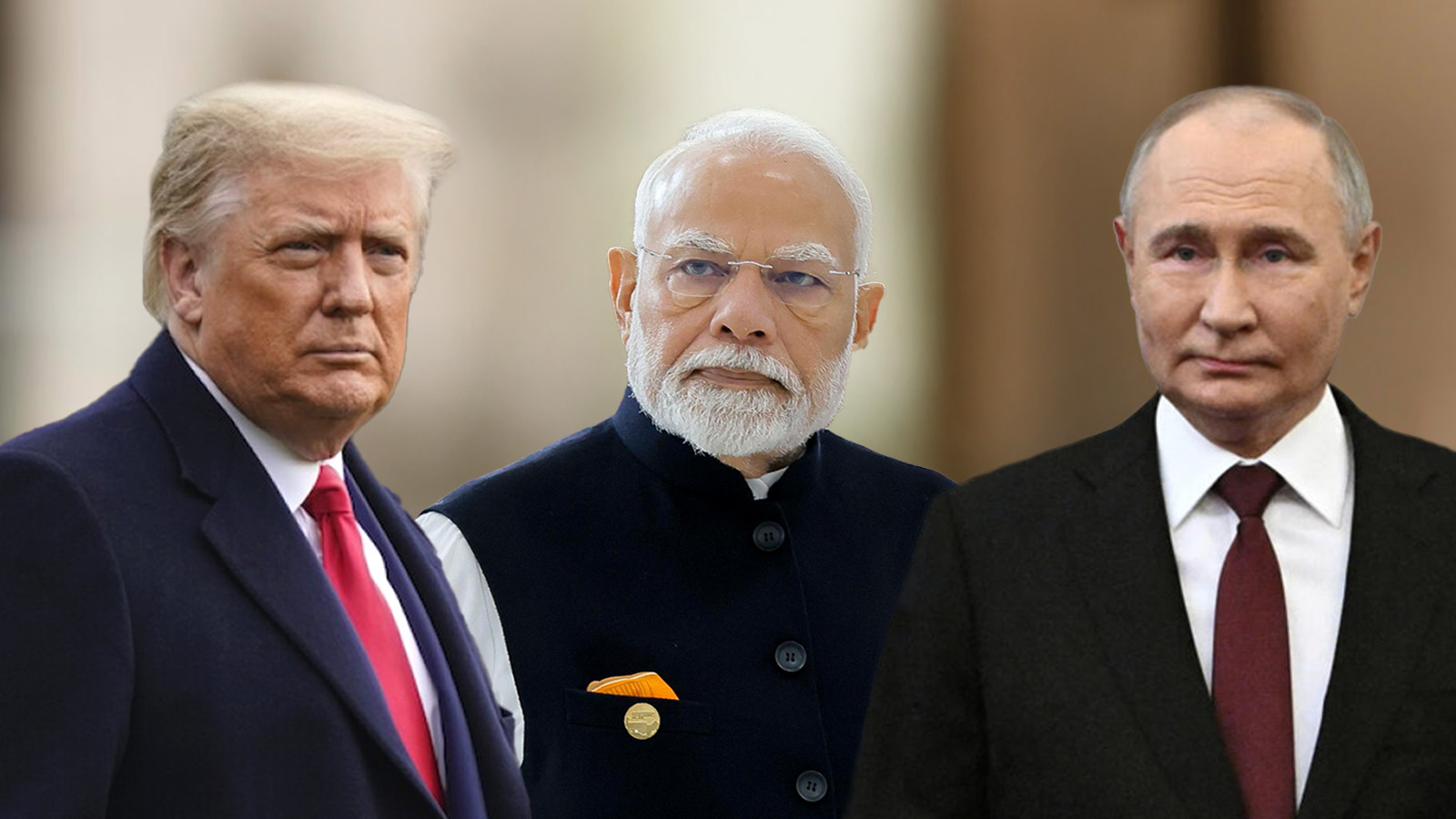
By Nitya Chakraborty US President Donald Trump’s favourite grouping Quadrilateral Security Dialogue (QUAD) is in deep crisis due to the strain in India-US relations in 2025 covering both trade and political issues and also a dip in personal ties between Trump and the Indian Prime Minister Narendra Modi over the role of the US President […]

The article Future Of Trump’s Favourite Grouping QUAD Is At Stake Due To India-US Schism appeared first on Latest India news, analysis and reports on Newspack by India Press Agency).

The production-alliance led by OPEC+ has agreed to raise crude oil output by 137 000 barrels per day for December, but will refrain from further increases during the first quarter of 2026. The decision reflects mounting concerns about global oil supply exceeding demand and comes amid sanctions on Russia and anticipated seasonal weakness in demand. The eight-member subgroup comprising Saudi Arabia, Russia, the United Arab Emirates, Iraq, […]

Producers grouped under OPEC+ are preparing to approve a modest rise in oil‐production targets for December, in an effort to balance market share ambitions against signals of oversupply and constrained output growth. Three delegates familiar with the discussions indicated the increase is expected to amount to roughly 137,000 barrels per day, mirroring the size of the hikes seen in both October and November.

The key players in the alliance include Saudi Arabia, Russia, the United Arab Emirates, Iraq, Kuwait, Oman, Kazakhstan and Algeria. The group’s online meeting scheduled for Sunday is expected to formalise the decision.

The incremental increase is part of a broader strategy underway since April, in which OPEC+ has raised output targets by more than 2.7 million barrels per day, amounting to about 2.5 per cent of global supply. However, the pace has been deliberately slowed from earlier months as signs emerge of an excess in global supply pools, including a forecasted surplus of over 3 million barrels per day in the current quarter.

Market analysts, including those at RBC and Rystad, anticipate the 137,000 bpd figure to represent the baseline scenario. Some delegates are also said to be weighing a pause on further hikes if supply conditions deteriorate.

Russia faces particular hurdles in supporting the quota rise, as Western sanctions limit the capacity of the Russian oil sector to boost output rapidly. That constraint is factoring into OPEC+ calculations as it debates whether to add more barrels to the market. Meanwhile, the UAE has been granted a higher production quota through to September 2026, enabling a phased increase of up to 300,000 bpd in its case.

Oil‐price behaviour reflects the tension between supply ambitions and demand concerns. Brent crude dropped to around US$60 a barrel in late October amid oversupply fears and sluggish demand from Asia, but has since climbed back toward the mid‐US$60s on the back of sanctions on Russia and trade optimism.

OPEC+’s cautious approach is informed by concerns about a supply‐demand mismatch next year. The International Energy Agency has flagged that world supplies could outstrip demand by over 3 million bpd in the current quarter, with an even larger gap potentially forming in 2026.

One industry commentator noted that unless there is clear evidence of a disruption to supply, the group is unlikely to commit to a large output hike. That view underscores the balancing act between protecting market share and avoiding a price collapse driven by oversupply.

Compliance remains another pressure point for the alliance. Some OPEC+ members have struggled to lift production to their quotas due to infrastructure, regulatory or investment constraints, diluting the impact of nominal target rises. This has helped temper the immediate effect of output increases even as quotas climb.

A further consideration is the shale oil sector in the United States, where producers are ready to capitalise on any loosening of supply discipline. OPEC+ therefore faces a strategic dilemma: raise output and risk reigniting competition, or hold back and cede ground to non-OPEC supply growth.

For December the decision appears modest, signalling a move to restore barrels cautiously rather than aggressively. The virtual meeting on Sunday will thus act as a critical test of the alliance’s ability to calibrate policy around shifting global demand patterns and geopolitical risk.

OPEC+ has defied expectations, continuing its strategy of increasing oil output despite a weaker global oil market and growing concerns that prices could slide further. The cartel’s resolve to raise production reflects its broader strategic priorities, which remain largely unchanged even in the face of declining prices. Oil prices, which are hovering in the mid-$60s per barrel, are still far from triggering a shift in OPEC+ policy. […]

By K Raveendran New Delhi appears to be recalibrating its crude-oil sourcing strategy under mounting pressure from Washington, signalling what may be a strategic shift away from Moscow in favour of deeper ties with the United States. Over the past few months, Indian refiners, including the major private player Reliance Industries, have ceased or paused […]

The article India’s Energy Pivot Under Donald Trump’s Tariff Pressure appeared first on Latest India news, analysis and reports on Newspack by India Press Agency).

Advertisements

By Nantoo Banerjee If global oil giant BP plc’s ‘Energy Outlook 2025’ proves to be true, India will be a global leader in energy consumption, outpacing all other countries by 2050. The country will account for 12 percent of the global demand, up from seven percent from 2023, according to BP’s chief economist Spencer Dale. […]

The article India Is At The Heart Of Driving The Global Energy Process appeared first on Latest India news, analysis and reports on Newspack by India Press Agency).

Matein Khalid The supply glut in crude oil, the fragile geopolitics of the Levant, the Gaza wars, the thinnest sovereign credit spreads since the summer of 2006 have not ended the scramble to pick up MENA credit when the issuer is not a serial borrower/distressed credit and the bonds issue reflects improving political/economic fundamentals. The year ago, Oman and Bahrain provided some amazing opportunities for capital gains […]

   By K Raveendran   The market seems to have already done its arithmetic on the new US sanctions on two major Russian oil companies, Rosneft PJSC and Lukoil, gauging the immediate and medium-term consequences for energy supply lines stretching from Moscow to Mumbai. In a matter of hours, crude prices spiked, reflecting not just […]

The article Latest Trump Sanction On Russian Oil Companies Gives Escape Route To India appeared first on Latest India news, analysis and reports on Newspack by India Press Agency).

Global oil prices climbed sharply following new sanctions targeting Russia’s major producers, underscoring how geopolitical risk is once again reshaping the energy sector. The United States moved to impose measures against Rosneft and Lukoil, companies that together account for roughly half of Russia’s oil production. The measures froze U. S. assets of the companies, barred American business dealings and threatened secondary penalties for third-party entities dealing with them.

The immediate market reaction was decisive. Brent crude rose by about 5.7 per cent after the announcement, while U. S. futures recorded their most significant one-day jump in over four months. Supply concerns and uncertainty around the disruption of Russian flows have added a new premium to oil prices. Some analysts describe this as the return of the “geopolitical risk premium” that had subsided earlier this year.

Key dynamics are emerging in the global energy landscape. One of them is the pressure on refineries in China and India that have heavily relied on Russian crude. With sanctions threatening secondary penalties, buyers are reconsidering their linkages. The ramifications extend beyond immediate flows: Russia’s ability to route crude via its so-called ‘shadow fleet’ of tankers and opaque trading chains may be challenged further, complicating its export capacity.

From the Russian side, President Vladimir Putin described the U. S. move as “unfriendly” and warned it could backfire by pushing up global oil costs. However, Moscow also signalled that production would continue, and previous sanctions have not immediately led to a collapse in output, suggesting resilience and adaptation persist in the Russian energy sector.

For the buyer nations, the calculus is shifting. Indian and Chinese refineries, which have depended on discounted Russian grades, now face the risk of being cut off from Western-dollar financing, insurance and shipping links if they flout U. S. rules. The potential loss of Russian supply at discount could create a scramble for alternative sources. Meanwhile, Russia may turn more aggressively towards friendly states or deepen barter trade, but such shifts would likely come with higher costs and logistical complexity. Analysts argue that the global spare capacity outside OPEC is already thin, so any reduction in Russian supply could tighten the market further.

In financial markets the impact is tangible. Energy stocks in Europe rose alongside oil prices, while Russian stock indices registered losses on the back of sanction pressure. Firms in the Asia-Pacific region with exposure to Russian crude may face heightened risk premiums or supply disruptions. The confluence of sanctions and market reactions underscores how inter-linked energy flows, geopolitics and financial exposure have become.

On the structural front, situation highlights the ongoing challenge of sanction enforcement. The U. S. Treasury and allied agencies are increasingly focusing not just on Russia’s producers but the broader ecosystem: shipping, insurance, finance. The effectiveness of these measures depends upon the willingness of non-U. S. players to comply and the ability of Russia to create work-arounds through alternative trade routes. The efficiency of existing infrastructure, the cost of shipping to farther markets, and the reliability of insurance all factor into how quickly Russian production or exports may come under strain.

Oil prices shot up by around 3% Thursday, driven by fresh US sanctions on Russia’s top oil producers and signs that major buyers are rethinking their purchases. Brent crude futures rose to approximately $64.53 per barrel, while US West Texas Intermediate climbed to about $60.39.

The sanctions, targeting Rosneft and Lukoil, mark a marked escalation by the US in response to Russia’s war-time exports. The measures were accompanied by a US warning that further action could follow unless Moscow commits to a cease-fire.

A key knock-on effect: Indian refiners, including state-owned entities, have begun reviewing trade documents to ensure they are not sourcing crude directly from the sanctioned suppliers. With India having become one of the largest importers of discounted Russian oil following Western withdrawals, the scale of this review is significant.

The sanctions underscore a new risk premium in the oil market. Unlike previous rounds of sanctions—which largely constrained financing, insurance and shipping without substantially affecting physical oil flows—this move seeks to directly curtail output from Russia’s two largest producers. Rosneft and Lukoil collectively account for a large share of Russian crude exports and fuel the Kremlin’s budget.

Analysts caution, however, that while the immediate reaction has been sharp, structural supply disruption is not guaranteed. Russia retains significant production capacity and a sophisticated network of intermediaries and a “shadow fleet” of tankers that have helped maintain exports despite earlier sanctions. Nevertheless, the combination of curtailed Russian supply and potential reductions in purchases by major refiners sets the scene for tighter market conditions.

In India, refiners such as Indian Oil Corporation, Bharat Petroleum Corporation and Hindustan Petroleum Corporation are scrutinising bills of lading and cargo origins to ensure compliance. India imported roughly 1.7 million barrels per day of Russian crude in the first nine months of the year, predominantly via intermediaries rather than directly from Rosneft or Lukoil. The new sanctions give insurers, banks and traders until 21 November to wind down transactions involving the sanctioned firms.

The US move also dovetails with other sanctions developments: the EU approved a 19th package targeting Russia’s energy exports, including a ban on Russian liquefied natural gas imports and restrictions on shadow-fleet tankers. The combined effect is to intensify pressure on Russia’s energy supply chains.

From a market-demand vantage point, the worry is whether alternative sources can swiftly fill any gap. OPEC+ producers have some spare capacity but not enough to instantly offset a major Russian shortfall. Meanwhile, the US inventory situation added fuel to the rally: US crude stockpiles declined unexpectedly, reinforcing supply-tightness perceptions.

Energy-market specialists say the key factors to watch include India’s crude-import strategy, China’s stock-building trends and how aggressive Russia’s response will be—whether via production cuts or leveraging its ties with China and others. One observer noted the sanctions could be “a knee-jerk reaction” rather than a structural pivot, given Russia’s past ability to maintain volumes despite sanctions.

Purchasers of Russian crude face a growing compliance burden. Firms must navigate insurance exclusions, shifting shipping patterns and potential secondary sanctions from the US. Some refiners may opt to ramp up purchases from the US Gulf and other non-Russian sources, which could reorient trade flows and raise Atlantic-coast pricing.

Oil markets have turned once again into a supply-heavy arena as investors take note of swelling global production and a lagging demand backdrop. Prices for Brent crude slipped below $61 a barrel, while U. S. West Texas Intermediate hovered near $57, on signals that stockpiles and tanker-held quantities are climbing. Data from analytics firm Vortexa show that crude and condensate in transit rose to 1.24 billion barrels […]

Merchandise exports rose to USD 220.12 billion in the six-month period ending September, an uptick of 3.02 per cent compared with the equivalent span of the prior year, while imports climbed by 4.53 per cent to USD 375.11 billion, resulting in a trade deficit of USD 154.99 billion.

A key facet of this performance is that exports to 24 nations recorded growth, underscoring a push by Indian exporters to diversify markets beyond traditional strongholds. These countries span regions from the Middle East and Southeast Asia to Africa and Latin America, and collectively accounted for USD 129.3 billion, or 59 per cent of the country’s total exports in the period.

Despite this diversification, exports to the United States — one of the largest destination markets — slipped in September as tariffs imposed by Washington weighed on certain sectors. For the month, shipments to the US declined by 11.93 per cent to USD 5.46 billion.

Those opposing movements such as exporters point to the 50 per cent tariff introduced by the US on Indian goods from late August. The exports community says that while growth is evident in alternative geographies including Africa, Latin America and the Middle East, the US tariff climate remains a drag.

Within the group of 24 countries that posted export growth are the UAE, Germany, Vietnam, Mexico, Russia, Kenya, Nigeria, Canada, Poland, Sri Lanka, Oman, Thailand, Bangladesh, Brazil, Belgium, Italy and Tanzania, among others.

At the same time, exports to 16 other countries recorded negative growth, representing roughly USD 60.3 billion or about 27 per cent of total exports in the period. This reveals that while diversification is under way, certain destination markets continue to deliver weak outcomes.

Industry observers suggest that the strategic reorientation of markets has been accelerated by external pressures such as protectionist measures in key markets and supply-chain disruptions across sectors. One exporter noted: “The trend will continue in the coming months as well.”

Meanwhile, the Government of India is engaging on multiple fronts to sustain export momentum. Officials from the commerce ministry signalled that structural steps will be needed to strengthen manufacturing competitiveness and integrate India more deeply into global value chains. They pointed to raw‐material bottlenecks and high logistics costs among the constraints.

In parallel, trade discussions with the US are underway, aimed at reducing friction caused by duties and exploring possibilities for energy-and-goods cooperation. For instance, US officials have raised concerns over Indian imports of Russian oil and bilateral trade.

Another trend shaping export performance is the push into manufacturing sectors aligned with global demand shifts. The electronics and mobile-phone export segment, for example, has delivered strong growth: exports in certain months surged by as much as 39-60 per cent in year-on-year terms, signalling India’s growing role as a manufacturing hub for global brands.

On the import side, the widening of the trade deficit is partly explained by rising inbound shipments of gold, silver and crude oil, ahead of domestic demand spikes and festival season pickup. These pressure points reflect larger global cost dynamics rather than domestic export weakness per se.

Export diversification is also being viewed as a risk-mitigation strategy. The weakening of certain traditional markets combined with tariff exposure in the US has underscored the importance of broadening the destination base. Africa, Latin America and Southeast Asia are emerging as focal regions.

Manufacturers and trade bodies emphasise that sustaining this diversification will require improving logistics efficiency, deepening downstream processing, upgrading product quality and securing better access via trade agreements and export-promotion schemes.

For exporters that achieved growth in the 24-country set, end-markets include consumer goods, engineering exports, pharmaceuticals, agro-products and electronics. Their performance demonstrates the incremental success of strategic investment and policy alignment.

Still, the fact that over a quarter of export value was derived from countries with declining shipments signals a dual challenge. Growth pockets exist, but structural weaknesses and external dependencies remain persistent obstacles.


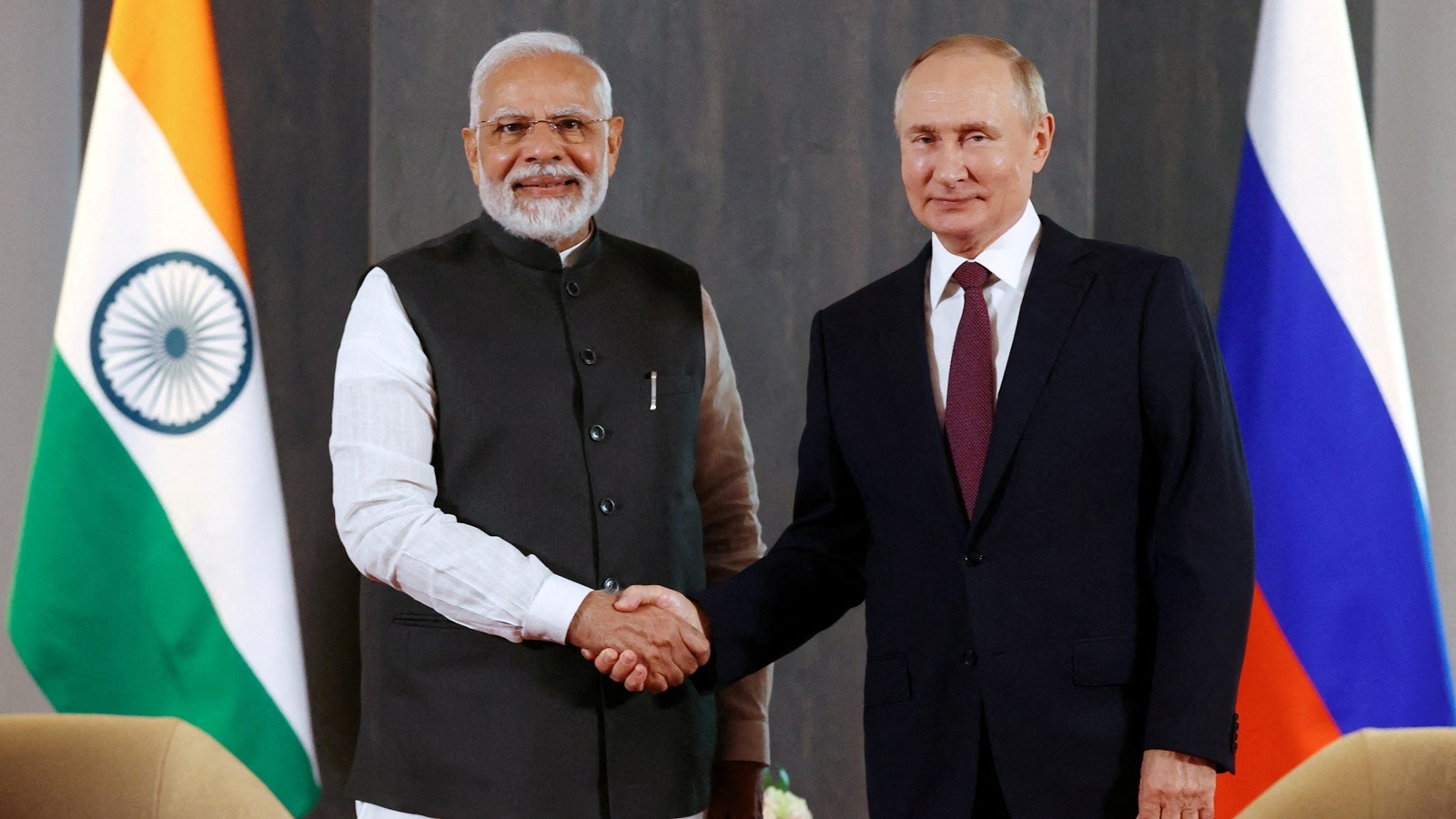
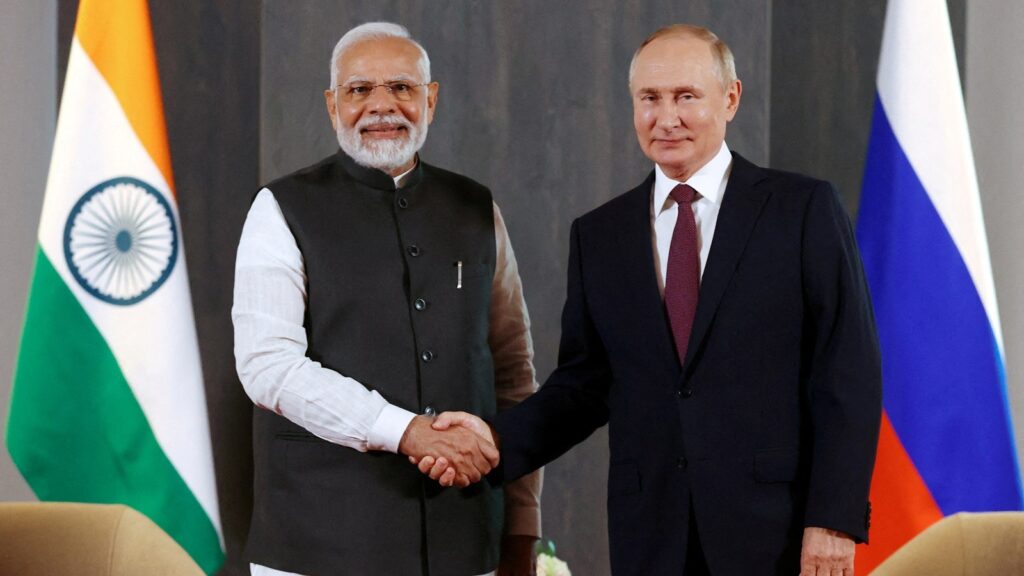
By Nitya Chakraborty Prime Minister Narendra Modi’s diplomatic woes are mounting as Russian President Vladimir Putin’s proposed visit to India on December 5 and 6 is approaching. US President Donald Trump is determined to ensure substantial reduction in Indian imports of Russian oil by November and this has been linked with the progress of the […]


The article Narendra Modi’s Mounting Dilemma Over President Putin’s Visit To India In December appeared first on Latest India news, analysis and reports on Newspack by India Press Agency).

Hyderabad-based Megha Engineering & Infrastructures Ltd has clinched a $225.5 million contract from Kuwait Oil Company to build, operate and maintain a gas sweetening and sulphur recovery facility in Kuwait’s oilfields. The deal spans engineering, procurement and construction, followed by a five-year operations and maintenance phase, with an option for KOC to buy back the facility. Under the agreement, MEIL must complete construction within 790 days, after […]

U. S. President Donald Trump declared that Indian Prime Minister Narendra Modi has pledged to halt India’s purchases of Russian crude oil, a shift that would significantly upend global energy flows if implemented. Trump told reporters that Modi made the commitment during their conversation, stating that phasing out Russian imports would not happen overnight but would take place “within a short period of time.” The Indian embassy […]

By K Raveendran Oil prices fell to their lowest level in five months on Tuesday, continuing a slide that has gathered pace over the past several weeks. The benchmark Brent and West Texas Intermediate crude futures have both dipped significantly, erasing much of the year’s earlier gains. In stark contrast, gold has soared to an […]

The article Gold Feeds On Oil’s Misfortune; One Hits The Roof, The Other Down In The Dumps appeared first on Latest India news, analysis and reports on Newspack by India Press Agency).

Crude futures are signaling a shift towards contango as market participants brace for an oversupply wave in 2026, driven by aggressive production from OPEC+ and non-OPEC players and uncertain demand growth. U. S. oil futures are showing the narrowest backwardation since early 2024, with the November 2025 WTI contract trading at a slim premium over May 2026—a structure ill-suited to limits on physical demand. This flattening of […]

Amin H. Nasser, President & CEO of Aramco, told delegates at the Energy Intelligence Forum in London that the company will pursue “energy addition” to cope with intensifying global demand, underlining its steadfast ambition to maintain dominance in oil. He argued that conventional energy sources will remain critical even as the energy transition narrative evolves.

Nasser projected that global oil demand will grow by 1.1–1.3 million barrels per day this year and by 1.2–1.4 million bpd in 2026. He added that Aramco, having kept extraction costs at about $2 per barrel of oil equivalent for oil and $1 for gas, is well-positioned to meet the incremental demand. Speaking to a gathering of energy executives, he said the company can sustain maximum crude output of 12 million bpd for a full year without incurring extra cost.

He stressed that while many promises of the energy transition have fallen short, three shifts are now underway. First, he said the market is conceding that underinvestment in supply has risks. Second, cost pressures on alternative technologies are forcing a reevaluation of pace. Third, energy security is reclaiming a central role in policy-making. “Much of the promised progress has not been delivered, with many unintended consequences. Thankfully, it is finally shifting the narrative in three key ways,” Nasser said.

Behind the rhetoric lies a more cautious reality: Aramco has pared back its previous ambition to reach 13 million bpd, reverting instead to a 12 million bpd sustainable ceiling. That policy shift reportedly followed directives from Saudi energy authorities in early 2024.

In his remarks, Nasser also affirmed Aramco’s push into downstream and petrochemicals. He cited the company’s recent majority acquisition of Petro Rabigh, a 10 percent stake in China’s Rongsheng Petrochemical, and a joint $11 billion ethylene complex with TotalEnergies that is slated to come online by 2027. These moves, he said, diversify revenue streams beyond crude.

His stance echoes his commentary at earlier industry events. At CERAWeek in Houston, Nasser had cast doubt on the viability of green hydrogen and questioned the assumption that renewables alone can displace fossil fuels. He then quipped that there was “more chance of Elvis speaking” than seeing the current transition plans succeed.

Analysts say that Aramco’s optimism hinges on its low-carbon upstream intensity and vast reserves, which give it flexibility against higher-cost producers. The International Energy Agency’s estimates place Saudi spare capacity at about 2.43 million bpd, part of OPEC+’s total idle capacity of around 4.05 million bpd.

Still, external pressures persist. Governments worldwide face competing goals of emissions reduction, energy access, and geopolitical security. In many markets, renewables and storage technologies remain maturing, requiring heavy capital and regulatory support before they can scale. Critics argue that overreliance on fossil fuels could lock in carbon-intensive infrastructure and slow the path to net zero.

At the London forum, however, Nasser signalled that Aramco sees its role as not merely supplying more oil but shaping the discourse. “We are determined to remain dominant in oil thanks to a massive resource base, low costs, and one of the lowest upstream carbon intensities across the industry,” he said. He urged policymakers and financiers to support broad energy investment rather than prematurely dismiss conventional sources.

Matein Khalid Private equity and money center banks on Wall Street are in free fall even as the private credit market is in classic contagion mode, without a lender of the last resort for overleveraged shadow banks/hedge funds whose illiquid assets now disappear into Wall Street’s structured vehicles blackholes. Peekaboo Finance 101! When Citigroup and Brent crude both fall 8% in a synchronized bearish death dive, I […]

Matein Khalid Gold is in its most spectacular bull run since 1976-1980, when prices rocketed from $91 to over $800 an ounce. The current cycle found its floor near $1,800 in late 2022, as the Powell Fed’s rate-hike campaign peaked and Washington froze $300 billion in Russian reserves in response to the invasion of Ukraine. “Dr Auric” now trades at just over $4,000 an ounce – a perfect vindication of […]

Oil markets climbed modestly on Wednesday as traders digested OPEC+’s decision to raise production by only 137,000 barrels per day from November — a figure widely viewed as cautious and aimed at managing oversupply pressures. Brent crude gained about 0.7 per cent to $65.93 a barrel, while US West Texas Intermediate added 0.8 per cent, reaching $62.24.

The measured increase is part of an ongoing tug-of-war between easing supply fears and softening demand estimates. Analysts argue that the restrained hike helped calm immediate market jitters about a flood of new barrels entering global markets. At the same time, the surge in output from non-OPEC producers—especially the United States—is tipping the scale toward a heavier supply environment.

The U. S. Energy Information Administration raised its 2025 forecast for domestic oil production to a record 13.53 million barrels per day, up from earlier projections. That upward revision intensifies concerns that global inventories could swell, placing downward pressure on prices. The EIA warns that crude inventories may build further, potentially squeezing prices in the coming months.

OPEC+ has signalled a cautious approach. The bloc’s members, including Saudi Arabia and Russia alongside six others, opted for incremental supply additions rather than aggressive increases. The decision underscores a balancing act: securing market share without triggering a disruptive oversupply.

Some market watchers believe the group is constrained by internal capability limits and the risk of destabilising the market. Only about 75 per cent of the targeted 2.7 million bpd raise since April has actually materialised, as certain member states struggle to meet output goals. Meanwhile, signs of macro slowdown and tepid fuel demand, especially in Asia and Europe, loom as headwinds.

Large oil majors are already adjusting strategies to navigate the tighter margins. Chevron, ExxonMobil, BP, Shell, and TotalEnergies are implementing cost cuts, trimming share buybacks, and streamlining operations to preserve balance sheets. Oil prices under $65 are straining profitability across the sector, particularly for producers with high breaking-even costs. Shell, for instance, has taken a $600 million impairment hit tied to biofuel and remediation operations in Europe.

In Argentina, falling oil revenues threaten the government’s ambitious economic plans centred on energy exports. Output at the country’s Vaca Muerta formation peaked in August but has shown signs of deceleration due to weaker global pricing and elevated costs. Local industry sources warn that strapped fiscal conditions and foreign-exchange restrictions are discouraging further investment.

Futures markets also reflect a state of tension. The structure remains sensitive to signals that either reassure or alarm about supply and demand balances. Traders are closely watching upcoming US inventory data, geopolitical developments affecting Russian shipments, and demand dynamics from China. Some analysts regard the cautious output hike as a temporary reprieve, with the risk that a sharper fall may take prices into the $50–$60 range if oversupply intensifies.

The International Energy Agency projects a potential surplus of 3.3 million barrels per day in 2026, even if current output levels persist — a scenario that would further test OPEC+’s capacity to contain downside. In contrast, OPEC’s internal modeling suggests a smaller deficit under the same conditions, reflecting wide divergences in forecasting assumptions. Investors and policymakers now wait for signs of demand resilience or fresh supply shocks, both of which could dictate whether oil stabilises in the $60s or slips further.

OPEC+ delegates are weighing two divergent paths for November oil quotas: a modest lift mirroring October’s 137,000 barrels per day increase or a more aggressive jump, possibly two to three times larger. Diplomatic and market pressures appear to be pulling members in different directions.

Ahead of Sunday’s formal meeting, one source familiar with the deliberations described 137,000 bpd as the “base case,” replicating this month’s incremental pace. A second source, speaking on condition of anonymity, indicated that under more aggressive assumptions the group may opt for increases of 280,000 bpd or even 400,000 bpd. Those in favour of larger hikes argue that strengthening demand and constrained Russian output justify a bolder step.

Analysts are aligning with the moderate view. Goldman Sachs, for instance, projects a November quota increase of around 140,000 bpd, citing tight inventory levels in Asia and Europe and declining U. S. crude stockpiles. Pressure for a more substantial increase, however, is mounting given elevated oil prices and a desire among key producers to reclaim or expand market share.

During a meeting of the Joint Ministerial Monitoring Committee this week, OPEC+ emphasised full compliance with output agreements, urging shirking members to compensate for previous breaches. While the JMMC lacks decision-making power on quotas, it retains the ability to summon full OPEC+ sessions if necessary. This move underscores growing unease about cohesion ahead of the upcoming vote.

Market reaction has already shown sensitivity. Oil prices—which had climbed amid tight supply forecasts—slid more than 3 per cent early this week as traders factored in the possibility of an oversupplied market if OPEC+ moves decisively upward. Further pressure arrived as Iraq’s Kurdistan region resumed exports to Turkey, adding to short-term supply. Expectations of a November increase of at least 137,000 bpd have also fed concerns about potential gluts.

Saudi Arabia is anticipated to respond to this industrial backdrop by raising its official selling prices for November crude to Asia. Refining sources suggest increases of 20–40 cents per barrel for Arab Light, and larger bumps for heavier grades—moves intended to optimise returns amid the shifted supply landscape. Observers note, however, that these pricing adjustments may be constrained by growing global volumes and rising freight costs.

Within OPEC+ circles, some major players favour the status quo increment. They caution that a more aggressive hike could undermine prices and strain discipline among reluctant members. Others view a bold move as an opportunity to reshape global oil dynamics—forcing non-allied producers to respond and reasserting the cohesion and influence of the alliance.

Russia is under particular scrutiny. Its output has been running below forecasts, and further declines—coupled with Western sanctions and infrastructure disruptions—are cited by several sources as a justification for a larger quota increase across the group. Still, Moscow’s appetite for more substantial volume gains remains unclear, balancing revenue interests with geopolitical strategy.

VISHNU RAJA
RYO YAMADA
HITORI GOTOH
IKUYO KITA
Just in:
Diabetes Malaysia And Alpro Pharmacy Set National Record With 11,007 Most Blood Glucose Screenings Conducted Across Malaysia In Just 48 Hours // Promoting Common Human Development Through Exchanges and Mutual Learning Among Civilizations // Balagopal challenges CM over tax revenue // Jaiedco and Golden Bridge Announce Strategic Collaboration for a New Dubai Islands Development // Yeebo Announces Interim Results for FY26/27 Revenue Increases by 45.5% to HK$806.7 Million Profit Attributable to Owners Surges 87.6% to HK$2,284.7 Million // Coinbase targets 2027 launch amid state gambling lawsuits // Dar Global unveils $700m Trump development in Qatar // Sabarimala booking discrepancies prompt sabotage angle probe // Travel Insurance Was Built for the Few Who Claim. Ancileo’s Felt Coverage™ is for Everyone Else // Saudi Arabia schedules multinational top-up tax for 2027 // Anthropic shares finish above offer price after Nasdaq debut // PayerMax and ShopeePay Strengthen Strategic Partnership to Advance Digital Payment Collaboration in Southeast Asia // Crypto market loses $150 billion amid broad sell-off // LittleLives, Little Lab and SEGi College Sign MOU to Explore Early Childhood Education Collaboration Across ASEAN // 2026 Tropical Rainforest Ecosystem Partners Conference Kicks off in Hainan // Workday targets Honeydew purchase to unify AI metrics // Toward a Shared Future for Humanity: Rethinking Civilizational Exchange // Dalilk Academy reaches 27 million, targets 100 million by 2030 // European Commission takes systems offline after AI cyberattack // Dubai Introduces SHARH, an AI-Powered Platform Helping Entrepreneurs Buy, Sell and Manage Businesses in the UAE //