News related to
extending

By Saifur Rahman Government of Iraq is undertaking a number of reforms including extending sovereign guarantees to boost foreign investment and trade to re-build its economy badly affected from the Gulf War, sectarian strife, terrorism and COVID-19, a top official told delegates at a conference in Dubai. “We have unified the tax system in Iraq and are currently in the process of empowering the private sector to […]

The United Arab Emirates (UAE) is accelerating its renewable energy initiatives, positioning itself as a leader in solar power development. The nation has unveiled several significant projects aimed at enhancing its clean energy capacity and reducing reliance on fossil fuels.

In January 2025, the UAE’s state-owned renewable energy company, Masdar, inaugurated a $6 billion facility designed to generate 1 gigawatt of uninterrupted clean power. Located in the Abu Dhabi desert, the facility spans 90 square kilometers and is set to commence operations by 2027. This project is a pivotal step in making renewable energy a reliable baseload power source, as emphasized by Sultan Al Jaber, Chairman of Masdar and CEO of Abu Dhabi National Oil Co (ADNOC). Energy Minister Suhail al-Mazrouei highlighted that this initiative marks the beginning of unlocking solar energy’s full potential in the region.

In addition to domestic projects, the UAE is extending its renewable energy expertise internationally. On January 15, 2025, Italy, Albania, and the UAE signed a clean energy cooperation agreement. This agreement aims to utilize the UAE’s experience to produce solar, wind, and other renewable energy sources in Albania, with a portion of the energy transmitted to Italy via an undersea cable. The project, valued at approximately €1 billion, is expected to assist Italy in meeting its electricity needs and fulfilling sustainable energy commitments made at United Nations climate conferences. Sultan al-Jaber noted that the agreement contributes to tripling renewable energy, aligning with the UAE’s goal of achieving carbon neutrality by 2050.

Domestically, the UAE continues to expand its solar energy infrastructure. The Mohammed bin Rashid Al Maktoum Solar Park in Dubai, the world’s largest single-site solar park, is projected to reach a production capacity of 5,000 MW by 2030. This initiative is expected to reduce annual carbon emissions by over 6.5 million tons upon completion. Owned by Dubai Electricity and Water Authority (DEWA), the sixth phase of the park will provide clean energy to 540,000 residences in Dubai.

The UAE has approved four renewable energy projects totaling 4.6 GW. These include three photovoltaic plants in Al Faya, Al Khazna, and Al Zarraf, and a 140-megawatt wind farm in Sila. These developments are part of the UAE’s broader efforts to reduce reliance on fossil fuels and promote an ambitious energy transition.

The limited-edition pre-order will begin today, marking the addition of new DHL fashion items to the sought-after DHL collection among fashionistas In collaboration with the local NGO Redress, a charity sale of the fashion pieces will be held, with all profits to be donated in support of next generation of designers to address fashion’s environmental challenges HONG KONG SAR – Media OutReach Newswire – 8 January 2025 […]

Dubai’s real estate market, renowned for its rapid expansion and high returns, is encountering signs of strain as it grapples with unprecedented growth and emerging challenges. The city has experienced a significant surge in property prices, with forecasts indicating an 8% increase in 2025, driven by a shortage of housing supply.

In the third quarter of 2024, Dubai recorded 47,269 property transactions, the highest quarterly figure on record, marking a 41.8% increase compared to the same period in 2023. This surge has led to a 19.9% rise in property prices year-over-year.

Despite the robust demand, the market is facing a significant supply shortage. Knight Frank estimates that approximately 300,000 homes are expected to be built in Dubai between now and the end of 2029, with apartments accounting for 80.1% of the supply and villas making up 17.4%. However, only 8,900 new villas are anticipated by the end of 2024, and an additional 19,700 by the end of 2025, indicating a persistent villa shortage.

This supply-demand imbalance is contributing to rising property prices. Faisal Durrani, Partner and Head of Research for MENA at Knight Frank, noted that house prices in Dubai continue to be fueled by relentless demand, with prices in the mainstream market climbing by 4.3% in the third quarter, taking city-wide prices up by 19.9% compared to the same time last year.

The luxury segment is also experiencing significant growth. Properties valued over $1 million now account for 18.1% of all sales, up from 6.3% in 2020. This trend underscores Dubai’s appeal to high-net-worth individuals seeking premium real estate options.

Looking ahead, industry experts anticipate a moderation in price increases. Farooq Syed, CEO of Springfield Properties, forecasts residential prices to rise between 5% and 10% in 2025, driven by robust demand for off-plan properties. He emphasized that Dubai’s ability to balance rapid expansion with policies prioritizing market stability and long-term value creation will continue to position it as a leader in global real estate.

However, the market’s rapid growth has also led to concerns about affordability and sustainability. The limited availability of sites across key locations is contributing to rising prices for off-plan homes, while stock in the secondary market is experiencing significant price growth, especially where older homes have been refurbished.

The influx of international buyers is influencing the market dynamics. The opening of international schools in Dubai has accompanied significant house-price inflation, as developers create housing projects aimed at affluent families seeking quality education for their children. This trend has notably increased property prices in areas with international schools, as seen in regions such as Brittany, Marbella, Portugal, the south of France, and Switzerland.

In response to the growing demand for luxury properties, developers are undertaking significant projects. For instance, the Trump Organization, in partnership with Saudi real estate company Dar Global, is set to develop Trump-branded properties in Dubai. These ventures include a $4 billion project in Oman and a Trump Tower in Dubai, featuring a hotel and residential units, set to launch next year.


The luxury market is also attracting high-profile individuals. Soccer star Neymar recently purchased a $54.45 million penthouse in Dubai’s Bugatti Residences, underscoring the city’s appeal to affluent buyers.

Despite the challenges, Dubai’s real estate market remains resilient, supported by strategic government reforms, robust foreign investment, and a diversified economic landscape extending beyond oil. The city’s strong infrastructure and investor-friendly policies continue to attract both residents and high-net-worth individuals, positioning Dubai as a preferred destination for long-term investment.

However, the market’s rapid growth has also led to concerns about affordability and sustainability. The limited availability of sites across key locations is contributing to rising prices for off-plan homes, while stock in the secondary market is experiencing significant price growth, especially where older homes have been refurbished.

The influx of international buyers is influencing the market dynamics. The opening of international schools in Dubai has accompanied significant house-price inflation, as developers create housing projects aimed at affluent families seeking quality education for their children. This trend has notably increased property prices in areas with international schools, as seen in regions such as Brittany, Marbella, Portugal, the south of France, and Switzerland.

In response to the growing demand for luxury properties, developers are undertaking significant projects. For instance, the Trump Organization, in partnership with Saudi real estate company Dar Global, is set to develop Trump-branded properties in Dubai. These ventures include a $4 billion project in Oman and a Trump Tower in Dubai, featuring a hotel and residential units, set to launch next year.
BANGKOK, THAILAND – Media OutReach Newswire – 8 January 2025 – This Chinese New Year, global visitors to Bangkok can look forward to an unforgettable celebration as the city’s most iconic destinations come alive with grand festivities under the theme “A Prosperous Chinese New Year 2025.” From January 28 to February 2, 2025, travelers from around the world are invited to immerse themselves in a unique multicultural […]

New Shariah-compliant investment-linked product addresses the needs of customers looking for values-based insurance solutions; further strengthening the Group’s Islamic Wealth Management offerings SINGAPORE – Media OutReach Newswire – 6 January 2025 – Maybank’s insurance arm, Etiqa Insurance Singapore (Etiqa), today jointly announced the launch of Invest future, Singapore’s first Takaful offering in over a decade, with Maybank Singapore (Maybank) as its exclusive distributor. Etiqa Insurance Singapore launches […]

Liva Group, a prominent multi-line insurer in the Gulf Cooperation Council (GCC), has been granted Participating Insurer (PI) status by the Dubai Health Authority (DHA). This designation authorizes Liva to provide health insurance coverage to workers earning AED 4,000 or less per month in Dubai.

The DHA’s PI status is reserved for insurers that meet stringent criteria, ensuring they can offer cost-effective health insurance solutions to the emirate’s low-income workforce. This initiative aligns with Dubai’s health insurance law, which mandates that all residents possess health insurance meeting or exceeding the minimum benefits stipulated by the DHA.

Liva Group, formerly known as National Life & General Insurance Company (NLGIC) and RSA Middle East, rebranded in 2023 to unify its operations across the GCC. The name ‘Liva’ signifies ‘protection’ and ‘life,’ reflecting the company’s commitment to safeguarding its customers’ well-being.

With over 80 years of collective experience in the Middle East, Liva offers a comprehensive suite of digitally enabled, customizable solutions across all lines of insurance. The company operates in key GCC markets, including the Sultanate of Oman, Kingdom of Saudi Arabia, United Arab Emirates, State of Kuwait, and Kingdom of Bahrain, with plans to expand into the State of Qatar.

The DHA’s Essential Benefits Plan (EBP) is designed to provide a basic level of health insurance coverage for low-income workers in Dubai. Insurers granted PI status are authorized to offer the EBP, ensuring that this segment of the population has access to necessary healthcare services. The DHA maintains a list of Participating Insurers, which is reviewed annually to ensure compliance with regulatory standards.

Liva’s inclusion as a Participating Insurer enables the company to contribute significantly to Dubai’s healthcare landscape by extending coverage to a broader segment of the population. This development is expected to enhance access to healthcare services for low-income workers, aligning with the emirate’s goal of ensuring comprehensive health coverage for all residents.

The process of obtaining PI status involves a thorough evaluation by the DHA to ensure that insurers can provide the Essential Benefits Plan on a cost-effective basis while maintaining high levels of customer service and operational efficiency. Insurers must demonstrate their ability to handle large volumes of business and comply with the DHA’s regulatory requirements.

Liva’s achievement of PI status reflects its commitment to meeting these rigorous standards and its readiness to support Dubai’s health insurance mandate. The company’s extensive experience in the region and its comprehensive range of insurance solutions position it well to serve the needs of low-income workers in the emirate.

As Dubai continues to enforce its health insurance law, the role of Participating Insurers like Liva becomes increasingly vital in ensuring that all residents have access to essential healthcare services. Employers in the emirate are required to provide health insurance coverage for their employees, and the availability of cost-effective options through PIs facilitates compliance with this mandate.

Liva’s authorization to offer the Essential Benefits Plan is a significant milestone in its operations within the UAE. The company is now positioned to expand its customer base by providing affordable health insurance solutions to a critical segment of the workforce, thereby contributing to the overall well-being of the community.

In addition to health insurance, Liva offers a broad range of insurance products, including life, medical, and general insurance solutions. The company’s rebranding and expansion efforts underscore its ambition to become the region’s leading multi-line insurance provider, delivering superior value to customers while generating sustainable and profitable earnings for shareholders.

The DHA’s approval of Liva as a Participating Insurer is a testament to the company’s operational capabilities and its commitment to supporting Dubai’s healthcare objectives. As the emirate advances towards comprehensive health coverage for all residents, the participation of insurers like Liva is crucial in achieving this goal.

Liva’s entry into the market for low-income worker health insurance is expected to enhance competition among insurers, potentially leading to more innovative and cost-effective solutions for policyholders. This development aligns with the broader objectives of the DHA to improve healthcare access and affordability for all residents of Dubai.

Advertisements

The United Arab Emirates has undertaken a series of ambitious infrastructure projects throughout 2024, aiming to enhance economic growth and improve the quality of life for its residents. These initiatives span various sectors, including transportation, water management, and urban development. In the transportation sector, the Dubai Roads and Transport Authority (RTA) awarded a contract valued at 20.5 billion dirhams (approximately $5.6 billion) for the construction of the […]

The United Arab Emirates (UAE) has made significant strides in its infrastructure sector throughout 2024, launching a series of transformative projects aimed at bolstering economic growth and fostering development across various industries. A cornerstone of these advancements is the Barakah Nuclear Energy Plant, which has achieved full operational status with the commencement of commercial operations for Unit 4. This milestone enables the plant to generate 40 terawatt-hours (TWh) of electricity annually, supplying up to 25% of the nation’s electricity needs with clean, carbon-free energy.

The Barakah Plant’s full operational capacity represents the largest decarbonization effort in the UAE and the region, positioning the country ahead of its 2030 climate commitments. The 22.4 million tonnes of annual carbon emissions prevented by the plant are equivalent to removing 4.6 million cars from the roads each year, contributing significantly to the nation’s environmental goals.

In addition to advancements in nuclear energy, the UAE has embarked on several ambitious infrastructure projects set to transform its urban landscape and enhance its global standing. One such project is the expansion of Al Maktoum International Airport in Dubai. Approved in April 2024, the expansion includes the construction of a new passenger terminal, with plans to make it the largest airport in the world, capable of handling up to 260 million passengers upon completion. This development underscores Dubai’s commitment to becoming a leading global hub for travel and commerce.

Another transformative initiative is “The Spine,” a 40-mile-long futuristic motorway in Dubai designed to incorporate robo-trams, shopping malls, and one million trees to support sustainable transportation. This project aims to replace the busy Sheikh Mohammed Bin Zayed Road, fostering smoother commutes and greener energy use as part of Dubai’s 2040 Urban Master Plan.

The UAE’s commitment to enhancing its infrastructure is further evidenced by the approval of significant investments in various sectors. Abu Dhabi, for instance, has approved infrastructure projects worth $18 billion in the first quarter of 2024, focusing on housing, education, and tourism. These investments are crucial for supporting the UAE’s long-term economic strategy and enhancing public services.

In the realm of transportation, the Dubai Roads and Transport Authority (RTA) has awarded a contract worth 20.5 billion dirhams ($5.6 billion) for the construction of the Dubai Metro Blue Line. This project includes a metro line extending 30 kilometers with 14 stations, further enhancing the city’s public transportation network and reducing traffic congestion.

The UAE’s construction industry is poised for substantial growth, with forecasts indicating a 5.6% expansion in real terms in 2024. This growth is supported by improving economic conditions and public and private sector investments in major projects across transportation, energy, and housing sectors. The commercial construction sector is expected to expand by 6.6% in real terms, driven by a recovery in tourism activities and investments in the hospitality sector.

These infrastructure developments are complemented by the UAE’s focus on sustainability and environmental conservation. Projects such as the Jebel Ali Beach development in Dubai, set to become the longest public open beach in the country, emphasize environmental conservation and recreational facilities, including turtle rehabilitation centers and mangrove ecosystems.

Abu Dhabi has announced plans to build the world’s second Sphere entertainment complex, modeled after the first Sphere in Las Vegas. This project aims to enhance Abu Dhabi’s distinction as a tourist destination, contributing to the diversification of the UAE’s economy.

100% Volunteer Participation Demonstrates Corporate Commitment HONG KONG SAR – Media OutReach Newswire – 30 December 2024 – Generali Hong Kong continues to make meaningful impact in the community by supporting more than 500 underprivileged families and young children through The Human Safety Net, a global initiative powered by the Generali Group. Recently, Generali Hong Kong organized a Family Hiking Day for families living in Sham Shui […]

Tropical cyclones, long known for their devastating flooding, are now expected to bring even greater risks as climate change accelerates. Recent studies examining past hurricanes suggest that under a warmer climate, the extent and intensity of flooding will grow significantly, especially when compound flooding from multiple weather drivers such as storm surge and precipitation interact. A recent study led by researchers from several institutions, including L.E. Grimley […]

AD Ports Group has refinanced and increased its revolving credit facility (RCF) from $1 billion to $2.125 billion, aiming to optimize financing costs by improving interest margins and extending the facility’s maturity from 2026 to 2028, with an option to extend further until 2030. The new facility has garnered significant interest from local, regional, European, Asian, and international banks, leading to an oversubscription of over 2.5 times […]

Samsung Electronics has introduced a revolutionary lineup of home appliances featuring its new “AI Home” technology at CES 2025, signaling a significant leap in how smart devices interact with users. The company unveiled a series of advanced screens integrated with AI features, designed to transform the home environment into a more intuitive and responsive space. These new appliances promise to redefine user interaction by offering personalized and […]

Kazakhstan is proceeding with its plan to boost oil production in 2025, despite the Organization of the Petroleum Exporting Countries Plus (OPEC+) extending output cuts to stabilize global oil markets. Prime Minister Olzhas Bektenov directed the Energy Ministry to “intensify efforts to increase natural gas and oil output,” emphasizing the government’s commitment to achieving the planned production levels. In August, Kazakhstan announced a target of producing 97.2 […]

The United Arab Emirates has unveiled a comprehensive health insurance initiative targeting private sector employees and domestic workers lacking coverage. Set to commence on January 1, 2025, this program aims to ensure universal health insurance across all emirates, extending mandatory coverage beyond Abu Dhabi and Dubai to include Sharjah, Ajman, Umm Al Quwain, Ras Al Khaimah, and Fujairah.

The Ministry of Human Resources and Emiratisation (MoHRE), in collaboration with the Federal Authority for Identity, Citizenship, Customs, and Port Security, and the Ministry of Health and Prevention, spearheads this initiative. Employers are now obligated to secure the new health insurance policy as a prerequisite for issuing or renewing residency permits. Notably, this mandate excludes employees with work permits issued before January 1, 2024, until their residency permits are due for renewal.

His Excellency Khalil Al Khoori, Undersecretary of Labour Market and Emiratisation Operations at MoHRE, emphasized the program’s significance, stating it reflects the UAE’s commitment to extending comprehensive protection to all workers, ensuring access to high-quality healthcare services.

The basic health insurance package is competitively priced at AED 320 per year, covering individuals aged 1 to 64. It offers both inpatient and outpatient treatments with minimal co-payments, thereby reducing the financial burden on employers compared to potential treatment expenses for uninsured workers.

This initiative is part of a broader strategy to enhance the UAE’s labor market competitiveness by improving quality of life, protecting rights, and ensuring social and healthcare security. It complements existing programs such as the Worker Protection Programme, Unemployment Insurance Scheme, and the voluntary alternative end-of-service benefits system known as the ‘Savings Scheme’.

MILAN, ITALY – Media OutReach Newswire – 16 December 2024 – The 2024/25 UEFA Champions League season is in full swing, with every team fiercely competing for a high ranking in the League phase. As the action heats up, fans worldwide are once again treated to mesmerizing moments on the pitch. Extending its partnership with the UEFA Champions League for another three seasons, OPPO is delivering unprecedented […]

BANGKOK, THAILAND – Media OutReach Newswire – 12 December 2024 – The ACES Awards 2024, organized by MORS Group, brought together an impressive constellation of Asian companies and leaders who are reshaping the regional business landscape with inspiring vision, sustainable strategies, and community-driven values. Representing 682 nominations across 41 industries and 17 countries, the honourees collectively demonstrate how strategic foresight, responsible growth, and inclusive engagement can forge […]

By Dr. Gyan Pathak India’s flagship Employment Linked Incentive (ELI) scheme announced in the Union Budget 2024-25 for decent job creation in the country did not take off even in mid-December 2024. Union Ministry of Finance is busy in making next Union Budget 2025-26, which will be tabled on February 1, 2025. India Inc is […]
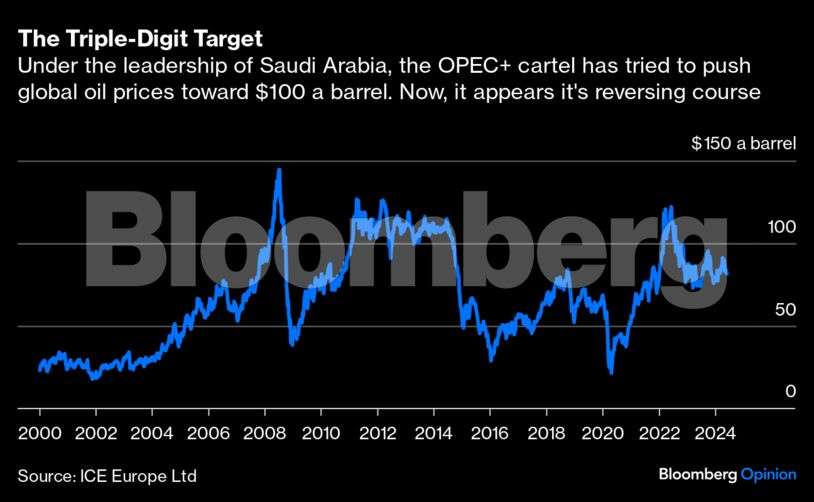
By K Raveendran OPEC+ has recalibrated its production strategy, extending voluntary output adjustments to stabilize oil markets in the face of uncertain global demand and geopolitical pressures. The alliance’s decision to prolong cuts until the first quarter of 2025 aims to counterbalance potential oversupply and demand fluctuations, particularly linked to Donald Trump’s policies and China’s […]

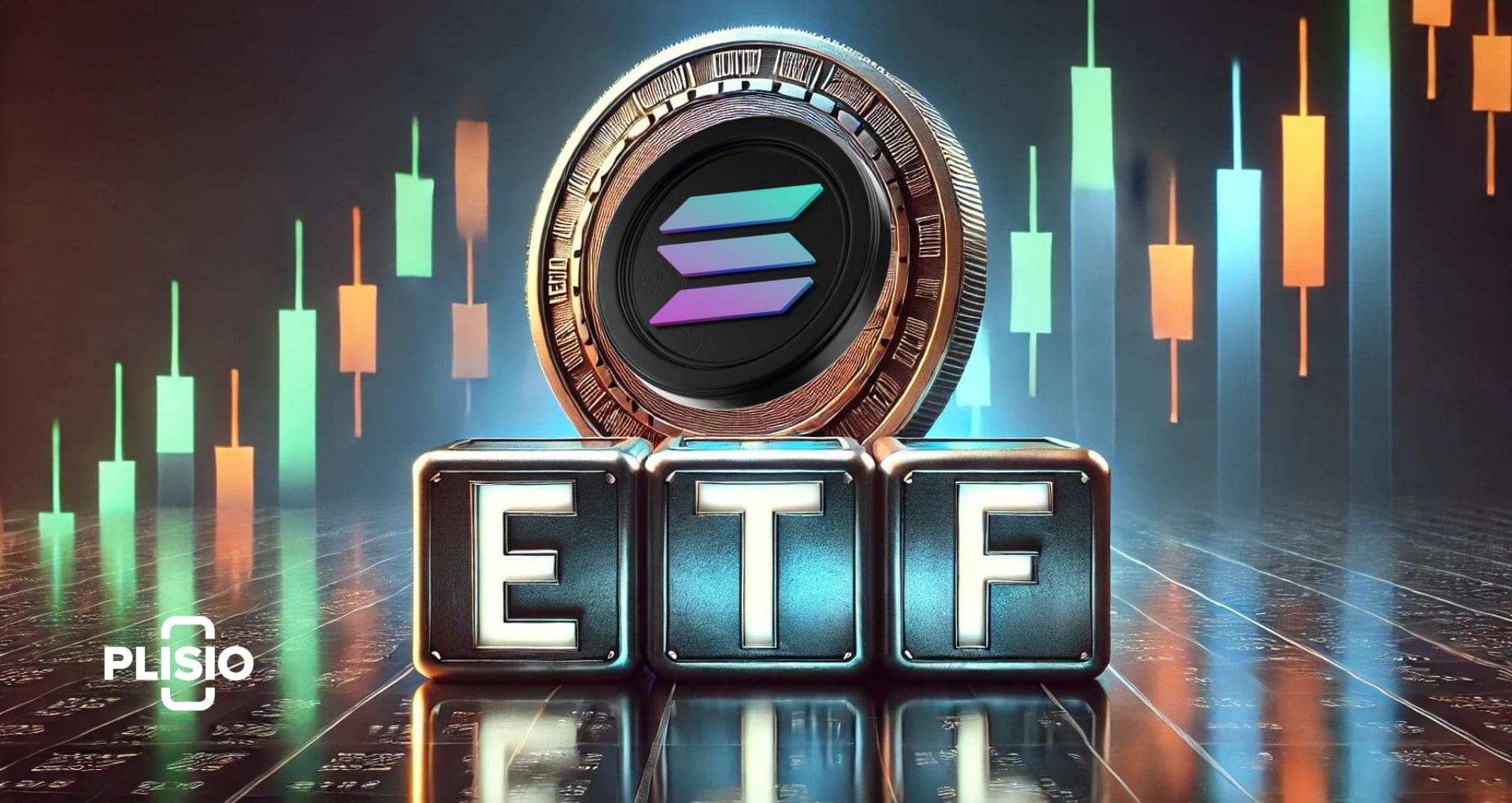
The U.S. Securities and Exchange Commission (SEC) has taken steps to halt progress on Solana exchange-traded fund (ETF) applications submitted by multiple issuers. These ETFs, designed to offer investors direct exposure to Solana (SOL), have encountered significant regulatory resistance. This marks a substantial setback for proponents of cryptocurrency-based ETFs within the United States.

At least two of the five firms seeking SEC approval for Solana ETFs, including prominent asset managers like VanEck and 21Shares, were informed their applications under the 19b-4 rule would not proceed. These filings, which represent a request to amend exchange listing rules to accommodate new financial products, are a critical step toward launching ETFs. However, the SEC’s decision to reject these applications indicates the regulatory body’s ongoing unease with the cryptocurrency market. Reports suggest the agency is particularly concerned about the classification of Solana as an unregistered security and its implications for the broader financial system.

The SEC’s scrutiny comes amid heightened attention on cryptocurrencies, with regulators debating whether certain digital assets, including Solana, function as securities or commodities. Solana’s rapid adoption and integration into decentralized finance (DeFi) ecosystems have spurred investor interest, but the ambiguity surrounding its regulatory status has made institutional adoption in the U.S. challenging.

The rejected filings were submitted through the Chicago Board Options Exchange (Cboe) earlier this year. While some issuers remain optimistic that changes in the regulatory environment could reopen discussions, others view the SEC’s stance as a signal that cryptocurrency ETFs, especially those based on altcoins like Solana, will face significant hurdles under the current administration.

International markets, however, have taken a different approach. In Brazil, a Solana-based ETF recently gained approval from local regulators, highlighting the divergence in regulatory attitudes between jurisdictions. This development has provided a glimmer of hope for cryptocurrency advocates, who argue that the U.S. risks falling behind in fostering innovation in digital assets.

The SEC’s position reflects broader challenges faced by cryptocurrency ETFs, with regulatory concerns extending beyond Solana to include issues such as market manipulation, investor protection, and systemic risk. The rejection of Solana ETF filings echoes the agency’s previous denials of spot Bitcoin ETFs, which similarly struggled to address regulatory apprehensions.

Edgnex Data Centers, a leading player in the global data center market, has entered into a joint venture (JV) with a prominent Greek investment group, marking a significant move into Europe. The new venture will focus on building data center infrastructure in Greece, with an initial investment commitment of $157 million. This collaboration, spearheaded by Dubai billionaire Hussain Sajwani’s company, is expected to accelerate the digital transformation […]

Abu Dhabi’s National Marine Dredging Company (NMDC) has expanded its reach into new sectors with the establishment of a dedicated logistics unit. This strategic move aims to enhance the company’s service offerings and leverage its operational expertise to capitalize on the growing demand for integrated logistics services. The new division will focus on providing logistics solutions for a wide range of industries, marking a significant shift in NMDC’s business trajectory.

The expansion comes at a time when the global logistics market is experiencing rapid growth, driven by advancements in technology and an increase in trade activities. NMDC’s decision to establish a logistics unit underscores its ambitions to diversify beyond its traditional dredging and marine operations. The move also positions the company to tap into a sector that is becoming increasingly vital to the supply chain, particularly in the Middle East, where infrastructure development continues to surge.

The logistics unit will provide end-to-end services, including transportation, storage, and distribution, aimed at industries such as construction, oil and gas, and infrastructure development. By venturing into this space, NMDC is poised to offer a broader suite of solutions to its existing client base while also attracting new customers from sectors that require sophisticated logistical support. The company’s extensive experience in project management and large-scale operations positions it well to integrate these new services into its existing portfolio.

According to industry experts, NMDC’s entry into the logistics market is a timely response to the increasing need for efficient supply chain solutions. The UAE, and particularly Abu Dhabi, is seeing a rise in demand for specialized logistics services driven by its growing infrastructure and energy sectors. With a well-established reputation for executing large-scale maritime and dredging projects, NMDC’s expansion into logistics is seen as a natural progression.

The establishment of the logistics division is expected to improve operational efficiency by streamlining the movement of goods, materials, and equipment across different sectors. Furthermore, the move aligns with broader economic trends in the UAE, where non-oil sectors are becoming a focal point of the country’s long-term economic diversification strategy. The UAE government has made significant investments in infrastructure, including airports, seaports, and transport systems, which have spurred demand for robust logistics capabilities.

One of the key advantages of NMDC’s new unit is its potential to integrate its marine expertise with logistics operations. Given the company’s vast experience in marine dredging, port construction, and offshore services, it is well-positioned to offer seamless transportation solutions for industries dependent on sea-based logistics. This expertise could offer a significant competitive edge, particularly in the context of the UAE’s strategic location as a hub for global trade. The integration of marine logistics with land-based services is expected to create a more efficient supply chain, allowing NMDC to offer cost-effective and timely solutions.

NMDC’s logistics expansion also reflects broader trends within the UAE’s corporate sector, where companies are diversifying to stay competitive amid evolving market conditions. The logistics sector, in particular, has attracted substantial investments from both public and private entities due to its role in supporting economic growth. As a result, many firms are increasingly seeking ways to enhance their capabilities to meet the demands of industries such as e-commerce, retail, and manufacturing.

The logistics unit will also have a significant impact on job creation within the region. As the company scales up its operations, it is expected to generate a range of employment opportunities, particularly for skilled workers in fields like supply chain management, transportation, and warehousing. The initiative also aligns with the UAE’s ongoing efforts to cultivate a competitive workforce and reduce dependency on foreign labor by providing more opportunities for local talent.

NMDC’s growth strategy involves not only expanding its reach in logistics but also enhancing its overall service capabilities to support the UAE’s broader economic objectives. The logistics division is expected to bolster the company’s presence in key regional markets, particularly as demand for efficient transportation services increases across the GCC and North Africa. By extending its services, NMDC aims to position itself as a leading player in the logistics sector, much like it has in the marine and dredging industries.

The logistics market in the UAE has witnessed significant growth in recent years, with an increasing number of companies entering the field to cater to the rising demand for transport, warehousing, and distribution services. NMDC’s move to enter this competitive market, however, comes with its own set of challenges. The logistics sector is highly competitive, with established players already commanding significant market share. However, industry analysts believe that NMDC’s reputation for successful large-scale project execution and its ability to integrate advanced technology into operations could give it a competitive advantage in the long term.

Technological innovation is expected to be a key focus for the logistics unit, with NMDC likely to implement smart logistics systems and automation to streamline processes. Technologies such as artificial intelligence, Internet of Things (IoT), and blockchain are increasingly becoming integral to the logistics sector, enabling companies to improve efficiency and transparency. By integrating such technologies, NMDC can not only optimize its logistics operations but also offer value-added services to customers who are increasingly seeking more digitized and automated solutions.

ENUGU, NIGERIA – Media OutReach Newswire – 3 December 2024 – 1win, a licensed global iGaming brand, launches a charitable healthcare screening initiative in collaboration with the Helpers Social Development Foundation (HSDF). The project aims to improve access to vital health services for vulnerable groups in Enugu and Anambra States and support early diagnosis of diabetes and cardiovascular conditions in Nigeria. Free Healthcare Screenings by 1win and […]

Koc Holding, one of Turkey’s leading conglomerates, has firmly denied reports suggesting it is in discussions regarding the sale of its stake in Yapi Kredi Bank to Qatar National Bank (QNB). The Turkish holding company, which controls a significant share of Yapi Kredi, clarified that no such negotiations have taken place, responding to growing speculation about a potential deal with the Qatari financial institution.

The rumors surfaced amid QNB’s broader strategy of expanding its presence in Turkey, a key market for the Middle Eastern bank. QNB has been actively pursuing acquisitions in Turkey in recent years, strengthening its position within the country’s financial sector. However, despite these ambitions, Koc Holding has stated unequivocally that there are no ongoing talks regarding the sale of its shares in Yapi Kredi to QNB, dispelling widespread assumptions about an impending transaction.

This development comes at a time when Turkey’s banking sector is navigating a complex economic environment. High inflation, currency volatility, and shifting geopolitical dynamics have placed considerable strain on the country’s financial markets, which may have prompted some analysts to speculate about possible mergers or acquisitions in the banking industry. Additionally, QNB’s interest in Turkish assets has been well-documented, with the bank seeking to capitalize on Turkey’s sizable market and relatively high returns in the financial sector.

While Koc Holding’s denial temporarily quells the rumors surrounding a potential Yapi Kredi transaction, it is clear that the Turkish banking landscape remains a focal point for foreign investors, especially those from the Gulf region. Qatar-based QNB, which has been expanding its footprint in Turkey, already holds a stake in other Turkish financial institutions. The bank’s ambitions to consolidate its holdings in the country align with broader regional strategies by Gulf-based investors to diversify their portfolios beyond the Gulf Cooperation Council (GCC) region.

For Koc Holding, Yapi Kredi remains a valuable asset in its diversified portfolio, and its involvement in the banking sector is integral to its broader business strategy. The holding company has been a major player in Turkey’s financial industry for decades, with its involvement in banking extending back to the late 1980s when it first acquired a stake in Yapi Kredi. The bank has since grown to become one of Turkey’s largest and most influential financial institutions.

While Koc Holding has dispelled the claims of a sale to QNB, analysts continue to watch the Turkish financial sector closely for signs of potential mergers and acquisitions. The region’s banks have been under pressure as they navigate the economic challenges posed by inflation and the depreciation of the Turkish lira. Despite these hurdles, Turkish financial institutions remain attractive to foreign investors due to their relatively high returns and the significant untapped potential of the Turkish market.

QNB, as one of the largest banks in the Middle East and North Africa (MENA) region, has made strategic acquisitions across the region over the years. With operations in 31 countries, including a significant presence in the GCC and North Africa, the bank has been keen to expand its holdings in Turkey, a nation that has become an increasingly vital market for financial services. The speculation around Yapi Kredi was fueled by reports that QNB had expressed interest in increasing its stake in the Turkish banking sector, but Koc Holding’s statement puts those rumors to rest—at least for the time being.

Although the QNB and Yapi Kredi discussions appear to be off the table, the dynamic between foreign banks and Turkish financial institutions will continue to evolve. The relationship between Qatar and Turkey has grown stronger in recent years, with both nations bolstering their economic ties. These diplomatic and financial linkages have facilitated greater cross-border investments, including in the Turkish banking sector, where Gulf investors are particularly active.

Turkey’s financial market is viewed by many as being ripe for consolidation and foreign investment. With inflation levels above 50% and the currency’s depreciation impacting many domestic financial institutions, the market offers substantial growth opportunities for foreign banks with the capacity to weather short-term volatility. International investors like QNB have been increasingly involved in Turkey’s economic recovery, using strategic acquisitions as a way to capitalize on the long-term prospects of the country’s banking system.

Despite the challenges posed by the country’s economic instability, Turkish banks are showing resilience. Several of the country’s largest banks, including Yapi Kredi, have managed to maintain strong balance sheets, thanks in part to their robust risk management strategies. This stability, combined with the potential for future growth, continues to attract interest from regional players looking to expand their presence in one of the largest emerging markets in Europe and Asia.

VISHNU RAJA
RYO YAMADA
HITORI GOTOH
IKUYO KITA