News related to
kills

Abu Dhabi-based technology group G42 has signed a $1bn framework cooperation agreement with a Vietnamese consortium led by FPT Corporation and Viet Thai Group, marking one of the largest cross-border technology collaborations aimed at building sovereign artificial intelligence and cloud infrastructure in Southeast Asia. The agreement sets out a multi-year plan to deploy large-scale cloud capacity across three data centre locations in Vietnam, alongside the development of […]

Quantum computing is emerging as a strategic lever for India’s ambition to secure a leading role in the global technology order, with Andhra Pradesh Chief Minister N. Chandrababu Naidu arguing that early investments and coordinated policy could reshape the country’s IT and industrial landscape. Speaking in Amaravati, Naidu said quantum technologies had the potential to redefine computing power, cybersecurity, materials science and drug discovery, placing India at a critical juncture as global competition accelerates.

Naidu’s remarks came as Andhra Pradesh positions itself as a focal point for quantum research and commercialisation through its Quantum Valley initiative, which aims to bring together academic institutions, global technology firms and startups on a single platform. The programme is designed to move beyond theoretical research and translate quantum science into deployable applications, an area where many countries are racing to gain first-mover advantage.

Quantum computing differs fundamentally from classical computing by using quantum bits, or qubits, that can exist in multiple states simultaneously. This allows certain calculations to be performed exponentially faster, opening pathways in optimisation problems, climate modelling, financial risk analysis and cryptography that are currently beyond reach. Governments in the United States, China and the European Union have committed billions of dollars to quantum research, viewing it as both an economic and national security priority.

Naidu said India’s strength lay in its deep pool of engineering talent and its established position in information technology services, but warned that relying solely on legacy software models would leave the country vulnerable as the technology cycle shifts. He argued that quantum computing, when combined with artificial intelligence and advanced semiconductors, could create a new technology stack in which India could compete at the highest level rather than remain a downstream adopter.

The Andhra Pradesh government has pitched Quantum Valley as a long-term ecosystem rather than a single project. Plans include dedicated research facilities, incentives for private investment, and partnerships with universities and multinational technology companies working on quantum hardware, algorithms and error correction. Officials involved in the programme say the aim is to create an environment similar to established innovation clusters, where research, talent and capital reinforce one another.

India’s broader policy environment has also begun to align with these ambitions. The national quantum mission, approved by the Union government, outlines funding for quantum computing, communications and sensing over the coming years, with a focus on building indigenous capabilities. Research groups at institutions such as the Indian Institute of Science and several Indian Institutes of Technology are already active in quantum algorithms and materials research, while startups are exploring niche applications in logistics, finance and healthcare.

Industry analysts note that quantum computing remains at an early stage globally, with practical, large-scale systems still years away. Current machines are limited by qubit stability and error rates, and most commercial use cases are experimental. However, the pace of progress has intensified, with steady advances in hardware architectures and hybrid models that combine classical and quantum computing. Countries that invest early in skills and research infrastructure are expected to gain disproportionate benefits once the technology matures.

Naidu acknowledged these challenges, stressing that quantum computing should be approached as a marathon rather than a sprint. He said sustained investment, patient capital and close collaboration between government, academia and industry would be essential to avoid fragmented efforts. He also emphasised the importance of education and workforce development, arguing that quantum science should be integrated into advanced engineering curricula to build a pipeline of specialised talent.

Abu Dhabi is preparing to introduce electric seaglider services across the emirate by 2028, positioning the technology as a new pillar in its transport and tourism strategy after a multi-agency agreement signed on Friday set the framework for development, regulation and investment. The accord brings together the Department of Culture and Tourism – Abu Dhabi, the Abu Dhabi Investment Office, the Integrated Transport Centre operating as Abu […]

Ushering in a new chapter featuring a four-hand gastronomic symphony by Chefs from Culinary Class Wars Season 2

HONG KONG SAR – Media OutReach Newswire – 6 February 2026 – DBS Bank (Hong Kong) Limited (“DBS Hong Kong”) is thrilled to announce the second season of DBS ARTable, an exclusive event meticulously curated for our esteemed clientele. Coinciding with the city’s most vibrant art season in March, DBS ARTable 2026 will offer an elevated prelude to this annual celebration of artistic mastery and gastronomy.

Jun Lee, Executive Chef of Seoul’s two-Michelin-starred restaurant Soigné (left) and Yun Na-ra, Owner & Chef of Yunjudang Brewmaster (right)

Building on the strong momentum of its inaugural year, the upcoming edition promises an even more refined and harmonious dialogue of visual and gastronomic arts. The culinary journey at DBS ARTable 2026 will ascend to new heights with an extraordinary 4-hand dining experience curated by two acclaimed chefs from “Culinary Class Wars Season 2” – Jun Lee, Executive Chef of Seoul’s two-Michelin-starred restaurant Soigné and Yun Na-ra, Owner & Chef of Yunjudang Brewmaster.

DBS ARTable, presented by Tatler, is a flagship initiative under the bank’s “DBS Culinary Delights”, catering to the aspirational preferences of its wealth clients. DBS remains dedicated to offering unparalleled experiences that blend sophisticated advisory with personal touches.

Hashtag: #DBS

The issuer is solely responsible for the content of this announcement.

About DBS

DBS is a leading financial services group in Asia with a presence in 19 markets. Headquartered and listed in Singapore, DBS is in the three key Asian axes of growth: Greater China, Southeast Asia and South Asia. The bank’s “AA-” and “Aa1” credit ratings are among the highest in the world.

Recognised for its global leadership, DBS has been named “” by Global Finance, “” by Euromoney and “” by The Banker. The bank is at the forefront of leveraging digital technology to shape the future of banking, having been named “” by Euromoney and the world’s “” by The Banker. In addition, DBS has been accorded the “” award by Global Finance for 17 consecutive years from 2009 to 2025.

DBS provides a full range of services in consumer, SME and corporate banking. As a bank born and bred in Asia, DBS understands the intricacies of doing business in the region’s most dynamic markets.
DBS is committed to building lasting relationships with customers, as it banks the Asian way. Through the DBS Foundation, the bank creates impact beyond banking by uplifting lives and livelihoods of those in need. It provides essential needs to the underprivileged, and fosters inclusion by equipping the underserved with financial and digital literacy skills. It also nurtures innovative social enterprises that create positive impact.

With its extensive network of operations in Asia and emphasis on engaging and empowering its staff, DBS presents exciting career opportunities. For more information, please visit .

Arabian Post Staff -Dubai Jordan-based education technology company Alefredo has acquired United Kingdom tutoring firm Tutor House, marking its formal entry into the UK market and accelerating its push to build a hybrid learning platform spanning Europe, the Middle East and Africa. The deal brings Alefredo a network of more than 30,000 vetted tutors across multiple subjects and age groups, significantly expanding its reach beyond its home […]

Arabian Post Staff -Dubai National Bank of Kuwait used the Kuwait Oil & Gas Show and Conference 2026 to underline its role as a leading financier to the energy value chain, engaging with policymakers, producers, service companies and investors as Kuwait accelerates long-term plans to modernise hydrocarbons infrastructure while managing the transition to lower-carbon operations. Held over three days in Kuwait City, the biennial industry gathering drew […]

HONG KONG SAR – Media OutReach Newswire – 5 February 2026 – The national “15th Five-Year Plan” recommendation has clearly identified the “AI+” initiative as a core strategic deployment. The Ministry of Industry and Information Technology (MIIT) has also positioned artificial intelligence (AI) as a key development direction for new productive forces. The HKSAR Government is actively aligning with national policies, and the 2025 Policy Address emphasises AI as a core industry for Hong Kong’s future development.

To expand AI application scenarios and enhance enterprises’ competitiveness, the Hong Kong Productivity Council (HKPC) is hosting the inaugural “AI with HKPC” Smart Solutions Showcase Series, which officially opens today. Professor SUN Dong, Secretary for Innovation, Technology and Industry, HKSAR Government, and the Hon Sunny TAN, Chairman, Hong Kong Productivity Council, officiated at the opening ceremony, underscoring the Government’s and the industry’s shared determination to drive the broader adoption of AI applications. Registration for the event has been enthusiastic, with over 3,000 representatives from the Government, industry, academia and research communities expected to attend, reflecting the “AI for all” trend and strong market demand for digital solutions.

The three-day event focuses on three major themes, including empowering SMEs, digitalised education, and smart property, showcasing nearly 100 ready-to-deploy AI solutions covering diverse scenarios such as operations management, customer interaction, school administration and teaching, and building maintenance. It marks AI’s shift from concept demonstrations to real-world deployment, injecting practical momentum into Hong Kong’s new industrialisation and smart city development.

Professor SUN Dong, Secretary for Innovation, Technology and Industry, HKSAR Government, said: “AI is transforming the world at an unprecedented pace. Hong Kong, with its unique strengths in research foundation, international talent pool and open market environment, provides the ideal soil for advancing the industrialisation of AI. The HKSAR Government has been promoting the development of AI in a comprehensive manner across research, computing power, data, talent and funding. HKPC also actively assists enterprises in mastering AI technologies and enhancing AI governance, not only laying a solid foundation for application by businesses, but also nurturing digitally skilled talent with a vision for the future and driving the continuous upgrading of industries. HKPC has long supported and worked closely with the HKSAR Government in advancing innovation and technology development. Let us continue to work hand in hand and seize opportunities, and jointly propel Hong Kong to become a leading pioneer of smart transformation in Asia”.

The Hon Sunny TAN, Chairman of Hong Kong Productivity Council, said: “HKPC actively responds to the national ’15th Five-Year Plan’ recommendation and fully supports the HKSAR Government’s direction of promoting the deep integration and application innovation of AI across various industries. This showcase aims to build a transformation bridge from ‘seeing’ to ‘doing’, not only demonstrating the broad potential of AI technologies, but also providing actionable and scalable pathways to help enterprises extend pilot projects into full-scale deployment, thereby realising AI-driven industry transformation.” He further noted, “As AI adoption accelerates, robust cyber security protection is the foundation for responsible AI use. According to the latest report from the Hong Kong Computer Emergency Response Team Coordination Centre, local cyber security incidents in 2025 rose by 27% year-on-year, reaching a record high. HKPC will continue supporting enterprises in building a secure and trustworthy AI application environment, so the industry can innovate with confidence and transform with assurance.”

The “AI with HKPC” Smart Solutions Showcase Series focuses on four common pain points enterprises face during AI transformation, which is “integration challenges, insufficient funding, security concerns, and talent shortage”. Guided by the philosophy of “technology as a bridge, industry as the foundation,” HKPC promotes the popularisation and industrialisation of AI applications. Through the showcase, local SMEs can gain deeper understanding of practical AI use cases across business operations, while also accessing a series of technical solutions and services. HKPC’s self-developed multipurpose AI platform “HKPC Picasso,” aims to respond to the “integration challenges” commonly faced by most enterprises in AI transformation, with “ease of use” as the core concept, providing an end-to-end and executable AI transformation support system for the common needs of different industries. It currently offers six large language model (LLM) modules, over 30 commonly used functional modules, and around 40 applications, supporting rapid development and deployment of smart solutions. This significantly lowers development costs and technical barriers, enabling enterprises to deploy and launch customised AI systems within several weeks. The platform makes AI more accessible, empowering SMEs to kick-start smartification transformation with ease.

HKPC also provides AI Governance and Testing Services to help enterprises address “security concerns”. The services cover AI governance framework design, ethics and compliance review, data privacy assessment, AI content and model security testing, as well as enhancements to model transparency, supporting enterprises in optimising AI systems to meet international standards and establishing a sustainable and responsible AI application framework. In addition, to tackle the “talent shortage” pain point, HKPC offers supporting AI-related training courses to strengthen enterprises’ understanding and practical capabilities in AI application. This helps build a solid foundation for AI transformation while ensuring safety, compliance and public trust throughout technological development.

“AI with HKPC” Nearly 100 Hands-on, Ready-to-Deploy AI Use Cases Across Three Themes

1) Empowering SMEs for the AI Era​ Solution Day (5–6 February)

Aligned with the 2025 Policy Address direction of supporting SMEs in digitalisation and smartification transformation, the showcase features five exhibition zones, presenting “ready-to-use, fast-impact, low-barrier” AI solutions such as AI-powered accounting, process automation, intelligent customer service, and collaboration tools. These solutions cover operations, infrastructure, security, marketing and talent management. The showcase also introduces AI applications incubated through the “HKPC Picasso” platform and HKPC’s AI governance services, helping SMEs explore transformation pathways based on their needs.

All solutions are sourced from HKPC’s free platform Digital DIY, which integrates trusted AI solutions from Hong Kong and the Chinese Mainland. Addressing SMEs’ pain points of “limited channels and difficulty in choosing,” the platform provides efficient matching and clear adoption guidance—accelerating transformation and enhancing competitiveness.

2) AI in Education Forum Series & Showcase (5–6 February)

To support the HKSAR Government’s push for digital education and the Education Bureau’s AI for Empowering Learning and Teaching Funding Programme, HKPC co-organises the AI in Education Forum Series & Showcasewith the Education Bureau and Hong Kong Education City, helping schools grasp policy directions, technology solutions and AI teaching planning.

The event features over 60 AI education solutions, including language learning, SEN support and smart assessment, and for the first time centrally showcases 22 projects under the Quality Education Fund (QEF) e-Learning Ancillary Facilities Programme (eLAFP) developed by universities and institutions. The seminar series includes a principals’ forum themed “Achieve More with Less: AI Integration Strategies for Hong Kong Schools,” where primary and secondary school principals share hands-on experience. HKPC Academy will also introduce how schools can leverage Government funding to effectively integrate AI into school-based teaching, learning and administration to improve efficiency.

3) AI Driven Solutions for Smarter Property Sharing Session (9 February)

The AI-Powered Smarter Property Management Sharing Sessionon 9 February will align with the smart building development blueprint under Smart City Blueprint 2.0, as well as the HKSAR Government’s advocacy for deeper AI integration across industries. It aims to help the industry understand emerging AI applications in property management.

The session will feature multiple AI technologies developed by HKPC, including Water Tank Cleaning Robot successfully piloted with Jones Lang LaSalle, Pureland Drone Facade Cleaningwith advantages for high-altitude work safety, Recycling Bin Transporter utilising automation, AI, and sensor technologies, and anAutonomous Wheelchair suitable for elderly and persons with disabilities, demonstrating how innovation can enhance building management efficiency, improve resident experience, and advance sustainable urban development.

Click here to download the high-resolution photos

Photo caption:

1. The Hon Sunny TAN, Chairman of the Hong Kong Productivity Council, delivers a speech at the opening ceremony, encouraging SMEs to adopt AI to enhance competitiveness and operational efficiency.

2. Professor SUN Dong, Secretary for Innovation, Technology and Industry, HKSAR Government, attends the opening ceremony of the “AI with HKPC” Smart Solutions Showcase Series, supporting the popularisation and practical deployment of AI.

3. Mr Edmond LAI, Chief Digital Officer of HKPC, delivers a keynote speech explaining the core value of HKPC’s self-developed multipurpose AI platform “HKPC Picasso” and how it addresses enterprises’ transformation pain points.

4. The officiating move guests and industry representatives take a group photo to witness the grand opening of the three-day “AI with HKPC” Smart Solutions Showcase Series, marking AI’s toward broader adoption and industrialisation.

5. The showcase features multiple AI application solutions tailored for SMEs, covering smart operations, data analytics and customer experience, attracting many industry visitors for exchanges.

Hashtag: #HKPC

The issuer is solely responsible for the content of this announcement.

About the Hong Kong Productivity Council

The Hong Kong Productivity Council (HKPC) is a statutory body established in 1967, dedicated to enhancing the productivity and competitiveness of Hong Kong enterprises through world-class applied R&D, innovative technology services, and integrated manufacturing solutions. As a market-oriented, international R&D organisation, HKPC leverages its deep expertise and extensive industry experience in key areas such as AI, advanced manufacturing, life and health technology, green technology and new energy to drive new industrialisation and support the growth of emerging and future industries.

HKPC focuses on addressing businesses challenges and industrial technology needs, promoting the full integration between technological and industrial innovation. Through technology transfer, product innovation, intellectual property protection and commercialisation of R&D outcomes, the Council fosters collaboration with the local business community as well as top global R&D institutions, delivering added value to industries and advancing the development of new productive forces. HKPC’s world-class R&D achievements have been widely recognised over the years, winning an array of local and overseas accolades, reinforcing Hong Kong’s role as an international innovation and technology centre and a smart city.

To help enterprises capitalise on Hong Kong’s strengths in international connectivity to expand into global markets, HKPC offers comprehensive overseas expansion services tailored to critical areas including product development, technology, manufacturing, and management, enabling businesses to successfully go global from Hong Kong.

HKPC is also committed to providing timely and practical support to SMEs and startups with timely and practical, assisting them in accessing Government funding programmes. Through its FutureSkills training initiatives, HKPC helps both industry and academia stay ahead in latest digital and STEM technologies, nurturing a future-ready talent pool for Hong Kong.

For more information, please visit HKPC’s website: .

Advertisements
HONG KONG SAR – Media OutReach Newswire – 4 February 2026 – The Hong Kong Productivity Council (HKPC) today successfully launched its annual flagship event, “ForeSight 2026”, at the HKPC Building, with the Office for Attracting Strategic Enterprises (OASES) as the strategic partner of the event. With the theme of “Empowering Hong Kong’s Innovation Ecosystem, Bridging Opportunities with the 15th Five-Year Plan”, the event brought together, both in online and offline, more than 500 government, business, industry leaders and approximately 16,000 viewers in Chinese Mainland to discuss how Hong Kong can proactively connect with the national “15th Five-Year Plan” and jointly promote innovation and industrial integration, helping enterprises achieve high-quality development and enhance international competitiveness.

The Honourable Paul CHAN Mo-po, GBM, GBS, MH, JP, Financial Secretary of the Government of the Hong Kong Special Administrative Region, officiated at the forum and expressed, “The country has consistently given strong support to Hong Kong’s development of innovation and technology. Whether in the ’14th Five‑Year Plan’ or in the recommendations for the ’15th Five‑Year Plan’, there is clear support for Hong Kong to develop into an international innovation and technology hub”. He added, “Looking ahead, we will continue to proactively align with national development strategies, promote the deep integration of technological innovation and industrial innovation, and further strengthen the linkage between technology and industry. We will encourage enterprises to devote more effort in research and development, expand the scope of technology applications, and nurture innovative enterprises with an international outlook and forward-looking vision, driving the economy toward a high value-added and more diversified future”.

The Honourable Sunny TAN, Chairman of Hong Kong Productivity Council, said in the closing remarks, “The ’15th Five-Year Plan’ brings significant and far-reaching development opportunities to Hong Kong. At the Political Bureau of the Communist Party of China Central Committee’s recent group study session, President Xi Jinping urged adopting a strategy whereby industry poses questions and science and technology provide the answers. HKPC will continue to play an active role in promoting innovation and industrial upgrading, closely echoing the overall development strategies of the national and HKSAR Government, and making good use of innovative technologies to address business challenges, providing comprehensive support to enterprises to accelerate their upgrading and transformation, enhance their competitiveness, and seize new opportunities”.

Unlocking Hong Kong’s Connectivity Advantages and Gathering Leadership Wisdom

The “ForeSight Visionary Leaders Panel” was held at the day, moderated by Mr Vincent WONG, Columnist and Media Veteran, and invited industry leaders including Ms ZHI Tao, Founder of Beijing Yunji Technology Ltd., Mr WANG Yong Chao, Founder and Chairman of Henan Oriental Materials Company Ltd., Mr Jonathan CHIU, President of Schneider Electric Hong Kong, Mr Peter YAN, JP, Director-General, Office for Attracting Strategic Enterprises of the Government of the Hong Kong Special Administrative Region, and Mr Mohamed D. BUTT, MH, Executive Director of Hong Kong Productivity Council, to share their insights. The topic features three key areas of enterprise going global, technological empowerment and talent development, and delved into the practical experience of how enterprises can achieve innovation-driven and high-quality development under the national “15th Five-Year Plan” through Hong Kong’s role as a “bridgehead”, Chinese brands going international through Hong Kong, Hong Kong’s advantages in technical support and innovative talent gathering, and how it can provide the Chinese Mainland enterprises with a one-stop platform for upgrading and going globally.

Realising the Full Empowerment of Enterprises to “Go Global”

HKPC echoes the national and HKSAR Government’s development strategies to address business challenges and industrial technology needs. Over the years, HKPC has successfully assisted many Chinese Mainland and local enterprises in expanding overseas markets, with many of these expansions implemented in Southeast Asia, Europe, ASEAN and the Middle East, etc., achieving upgrades and internationalisation. In recent years, HKPC and OASES have jointly established an “introduction-application-growth-go global” service model to help enterprises go global, with success cases include Westwell, Yunji Technology, UNISEE, etc. HKPC will continue to work with OASES to leverage the advantages of “Made in Hong Kong” to help enterprises connecting the world through Hong Kong.

Mr Peter YAN, JP, Director-General, Office for Attracting Strategic Enterprises of the Government of the Hong Kong Special Administrative Region, said, “Hong Kong possesses a robust financial system, deep talent pool, and an international environment that integrates with international regulations, standards and operation practices. Coupled with the government’s relevant industry policies and long-established overseas networks, Hong Kong provides unique support for Chinese Mainland enterprises to use Hong Kong as a base to go global, as well as for overseas enterprises to development in the GBA. OASES is dedicated to attracting global strategic enterprises from five strategic I&T sectors, actively aligning with the national 15th Five-Year Plan. We provide comprehensive landing support services and assist enterprises in establishing their ‘first project’ in Hong Kong, fully leveraging Hong Kong’s role as a ‘Super Connector’ and ‘Super Value-Added'”.

At the same time, HKPC, as a member of the GoGlobal Task Force of the HKSAR Government, will continue to focus on providing “Six Tactics to Go Global” for enterprises through “The Cradle Go Global Service Centre” (The Cradle), including smart production, Technology research and development and evaluation, international standards and testing, professional services, training and on-site visits, and funding schemes, to support Hong Kong to leverage its unique advantages and empower enterprises to expand overseas with high quality.

Since its establishment in April, The Cradle has attracted more than 350 companies that have expressed interest in using its services. Among these, over 100 cases have entered a concrete follow‑up stage. Together with overseas expansion projects supported prior to its establishment, the cumulative total exceeds 450 cases.

For more details, please watch the video “Six Tactics to Go Global“.

Bringing the strengths of Government, Industry, Academia, Research and Investment to Build an Innovative Industrial Ecosystem

HKPC has been working closely with the government, industry, academia, research and investment sectors to promote new industrialisation and enhance the new quality productive forces of industries, including:

  • The major project led by Harbin Institute of Technology on key technologies and equipment for circular economy: Provide dynamic identification and big data resource pool construction solutions for multi-source solid waste in megaurban agglomerations
  • The project led by Jiangsu University on wheat green smart processing and key technology integration and industrialisation demonstration: Provide core technical support such as AI and the Internet of Things
  • Tsinghua University: Jointly established a technology centre to focus on the industrial transformation of intelligent manufacturing and AI technology
  • Zuquan Research Institute of Fudan University: Signed a cooperation agreement to promote collaboration and transformation of scientific and technological outcomes between Shanghai and Hong Kong

HKPC will continue to promote cross-sectoral dialogue between government, industry, academia, research and investment, focusing on the implementation of future industries and technology applications, and helping to build Hong Kong into a key node in the global I&T value chain.

Click here to download the high-resolution photos

Photo caption:

  1. HKPC’s annual flagship event, “ForeSight 2026”, themed “Empowering the Innovation Ecosystem and Bridging Hong Kong with New Opportunities under the 15th Five‑Year Plan,” brought together numerous government and business leaders.
  2. The Honourable Paul CHAN Mo-po, GBM, GBS, MH, JP, Financial Secretary of the Government of the Hong Kong Special Administrative Region, delivered a speech as the guest of honour at the “ForeSight 2026”, pointing out that going forward, efforts will continue to proactively align with national development strategies and promote the deep integration of technological innovation and industrial innovation.
  3. The Honourable Sunny TAN, Chairman of the Hong Kong Productivity Council and Legislative Council Member, said in his closing remarks that the Productivity Council will leverage innovation and technology to address enterprises’ real pain points, provide all‑round support to help enterprises accelerate their upgrading and transformation, enhance competitiveness, and seize new opportunities.
  4. The Honourable Paul CHAN Mo‑po, Financial Secretary of the Government of the Hong Kong Special Administrative Region, GBM, GBS, MH, JP (centre); The Honourable Sunny Tan, Chairman of the Hong Kong Productivity Council and Legislative Council Member (second from right); Mr Peter YAN, JP, Director-General, Office for Attracting Strategic Enterprises (second from left); Mr Emil YU, BBS, JP, Deputy Chairman of the Hong Kong Productivity Council (far right); and Mr Mohamed D. BUTT, MH, Executive Director of the Hong Kong Productivity Council (far left), attended HKPC’s annual flagship event, “ForeSight 2026”.
  5. Moderated by veteran media professional Dr. Vincent WONG, industry leaders shared their insights at the “ForeSight Visionary Leaders Panel”.
  6. (From right to left) Mr Peter YAN, JP, Director-General, Office for Attracting Strategic Enterprises; Mr Jonathan CHIU, President, Hong Kong, Schneider Electric Hong Kong; Mr WANG Yong Chao, Founder & Chairman of Henan Oriental Materials Company Limited; Ms ZHI Tao, Founder of Beijing Yunji Technology Ltd.; and Mr Mohamed D. BUTT, MH, Executive Director of the Hong Kong Productivity Council.

Hashtag: #HKPC #Foresight2026

The issuer is solely responsible for the content of this announcement.

About Hong Kong Productivity Council

The Hong Kong Productivity Council (HKPC) is a statutory body established in 1967, dedicated to enhancing the productivity and competitiveness of Hong Kong enterprises through world-class applied R&D, innovative technology services, and integrated manufacturing solutions. As a market-oriented, international R&D organisation, HKPC leverages its deep expertise and extensive industry experience in key areas such as AI, advanced manufacturing, life and health technology, green technology and new energy to drive new industrialisation and support the growth of emerging and future industries.

HKPC focuses on addressing business challenges and industrial technology needs, promoting the full integration between technological and industrial innovation. Through technology transfer, product innovation, intellectual property protection and commercialisation of R&D outcomes, the Council fosters collaboration with the local business community as well as top global R&D institutions, delivering added value to industries and advancing the development of new productive forces. HKPC’s world-class R&D achievements have been widely recognised over the years, winning an array of local and overseas accolades, reinforcing Hong Kong’s role as an international innovation and technology centre and a smart city.

To help enterprises capitalise on Hong Kong’s strengths in international connectivity to expand into global markets, HKPC offers comprehensive overseas expansion services tailored to critical areas including product development, technology, manufacturing, and management, enabling businesses to successfully go global from Hong Kong.

HKPC is also committed to providing timely and practical support to SMEs and startups with timely and practical, assisting them in accessing Government funding programmes. Through its FutureSkills training initiatives, HKPC helps both industry and academia stay ahead in latest digital and STEM technologies, nurturing a future-ready talent pool for Hong Kong.

For more information, please visit HKPC’s website: .

India has set out a strategic roadmap to accelerate domestic capabilities in robotics and physical artificial intelligence, signalling a push to reduce dependence on imported hardware and proprietary software while positioning the country as a competitive global supplier of intelligent machines. The plan, prepared by the Technology Advisory Group for Emerging Technologies, places indigenisation, software sovereignty and sector-focused deployment at the centre of the national approach, with healthcare, manufacturing, logistics, agriculture and media production identified as priority domains.

The roadmap comes as governments worldwide race to translate advances in artificial intelligence into physical systems that can operate autonomously in real-world environments. While software-led AI has seen rapid adoption, policymakers argue that long-term economic and strategic gains will hinge on control over robotics hardware, operating systems and embedded intelligence. India’s proposal reflects concerns that reliance on imported robots and closed platforms could expose critical sectors to supply-chain risks and limit domestic innovation.

At its core, the strategy seeks to build a full-stack robotics ecosystem, spanning sensors, actuators, edge computing, operating software, cloud integration and safety certification. Officials involved in drafting the document have stressed that the objective is not isolation but resilience, with domestic alternatives developed alongside international collaboration. The roadmap calls for common standards and open architectures to prevent vendor lock-in and to allow startups and research institutions to build interoperable systems.

Healthcare has emerged as an early focus area, driven by workforce shortages and rising demand for precision care. The roadmap highlights surgical assistance, rehabilitation devices, hospital logistics robots and elder-care support systems as near-term opportunities. Policymakers note that such applications demand high reliability and ethical safeguards, reinforcing the need for locally controlled software stacks and transparent algorithms. Parallel efforts are proposed to strengthen clinical validation pathways and align regulatory approvals with global benchmarks.

Manufacturing and logistics form another pillar, with the document pointing to collaborative robots, autonomous guided vehicles and smart warehousing as tools to raise productivity and improve workplace safety. India’s manufacturing sector, dominated by small and medium-sized enterprises, has historically lagged in robot adoption due to cost and skills barriers. The roadmap recommends targeted incentives, shared testing facilities and modular designs to lower entry thresholds, alongside large-scale skilling programmes to train technicians, operators and system integrators.

Agriculture features prominently, reflecting policy priorities around food security and rural incomes. The plan outlines the use of robotics for precision spraying, harvesting, soil analysis and post-harvest handling. Developers are encouraged to design systems suited to fragmented landholdings and diverse crops, rather than importing models built for large, mechanised farms elsewhere. Officials argue that domestically developed agricultural robots could also find markets across Asia and Africa, where similar conditions prevail.

An unusual inclusion is the media and creative sector, where robotics and physical AI are seen as enablers of immersive production, automated camera systems and smart broadcasting infrastructure. The roadmap suggests that integrating robotics with virtual production and generative tools could lower costs for newsrooms and studios while enhancing safety in hazardous reporting environments.

Beyond sectoral applications, the strategy places strong emphasis on software sovereignty. It calls for homegrown robotics operating systems, simulation platforms and AI frameworks that can be audited and customised. While global open-source projects are acknowledged as valuable foundations, the document urges sustained public funding to ensure domestic stewardship and long-term maintenance. Data governance and cybersecurity are flagged as critical, particularly for robots deployed in sensitive locations.

Financing and procurement reforms form another strand. The roadmap proposes dedicated funding windows for deep-tech robotics ventures, longer grant cycles to reflect extended development timelines and clearer pathways from research labs to commercial deployment. Public procurement is positioned as a market-shaping tool, with government agencies encouraged to pilot domestically developed robots in hospitals, warehouses and public infrastructure.

The roadmap also addresses ethical and social dimensions, including job displacement concerns and safety standards. Rather than framing robotics as a threat to employment, the document argues that productivity gains can create new roles in design, maintenance and supervision, provided reskilling keeps pace. It recommends national guidelines for human–robot interaction, liability frameworks and continuous monitoring of societal impact.

South Africa’s flagship reform programme is moving into a broader and more complex phase as Operation Vulindlela expands beyond its initial focus on energy, logistics and telecommunications, signalling a renewed push to lift growth and attract investment at a time of fragile confidence. Launched in 2020 within the Presidency, Operation Vulindlela was designed to unblock structural constraints that had long weighed on the economy. Its early emphasis […]

  • First-of-its-kind multi-region study on the perceptions of ageing and ageing well officially launched at the Intercontinental Alliance for Integrated Care (IAIC) gala dinner.
  • The study featured insights from five member regions to advance support for ageing.
  • The Alliance welcomed seven new members, strengthened its local chapters and handed over 2026 hosting duties to the United Kingdom.

SINGAPORE – Media OutReach Newswire – 21 November 2025 – The Intercontinental Alliance for Integrated Care (IAIC), hosted by the Singapore University of Social Sciences (SUSS), today launched its first-ever multi-region study on the perceptions of ageing and ageing well. Now in its second edition, the Alliance’s annual flagship event IAIC 2025 brought together partners from across Asia, Europe, and North America, including new members from Estonia, India, Japan, Malaysia, South Korea, and Chinese Taipei, to advance new knowledge, partnerships and innovations shaping the future of ageing and integrated care.

Launch of the IAIC Multi-Region Study Report

Led by SUSS and co-developed with IAIC members, the multi-region study – A Study on Perceptions of Ageing and Ageing Well: Exploring Older Adults’ Experiences and Coping Strategies Across Regions – draws insights from five regions: Singapore, Canada, Mainland China, Hong Kong SAR and the United Kingdom. It examines how older adults across different societies understand ageing, navigate later-life transitions and define what it means to age well.

Guest-of-Honour, Mdm Halimah Yacob, Chancellor, SUSS, at the official launch of the IAIC Multi-Region study.

Placing the lived experiences of older adults at its core, the study offers a clearer picture of what ageing well means to them and underscores the role of families, communities and care systems in shaping those experiences. It provides a cross-cultural view of older adults’ aspirations and coping strategies, revealing how social, economic and policy contexts influence their day-to-day realities. Insights from Brunei and Thailand will be incorporated in the next phase and shared progressively.

Across regions, the findings highlight a common theme: ageing is shaped not only by biological changes, but also by social and cultural contexts. A recurring paradox emerges – despite physical decline, many older adults continue to experience purpose, connection and well-being.

Singapore Chapter: Local Insights into Ageing Well

Within this broader landscape, the Singapore chapter adds depth to how these themes manifest locally, drawing on responses from about 1,000 survey respondents and 15 in-depth interviews. Several key insights emerged on how older Singaporeans understand and experience ageing. For instance:

  • Women aged 75–84 placed higher value on family and close relationships than men of the same age bracket, underscoring the central role of social bonds. Staying socially connected helps them remain emotionally engaged and supported by strong community ties. Men, by contrast, are more vulnerable to isolation after retirement, particularly when their identities were closely tied to work.
  • The study also highlighted “mastery” – the belief that one can still influence the course of one’s life – as a strong predictor of successful ageing. Older adults with a strong sense of mastery tend to stay socially connected, feel more satisfied, and continue pursuing activities that bring purpose and joy. They remain active not simply because they are physically stronger, but because they believe their actions continue to matter.

For the full report, please visit https://suss.to/iaic2025-report.

Associate Professor Justina Tan, Vice President of Strategic Partnership and Engagement at SUSS and Principal Investigator for the study, shared “As Singapore becomes ‘super-aged’ next year, the multi-region study aims to provide us with invaluable insights to guide more targeted policies and interventions. By understanding the unique needs and aspirations of our older adults, we can design programmes that not only preserve autonomy and foster meaningful conversations but also ensure that support is tailored to help every senior thrive in their own way.”

Following today’s launch, the IAIC partners will move into the implementation phase, where each country will adapt insights into on-the-ground pilot initiatives within their local care systems.

IAIC 2025: Beyond Borders, Beyond Age

Themed “Beyond Borders, Beyond Age: Shaping Tomorrow’s Tapestry of Integrated Care”, IAIC 2025 convened like-minded partners such as academic institutions, care providers, policymakers, and innovators across regions to shape care systems that transcend geographical, generational, and institutional boundaries.

Across the two-day programme, delegates took part in discussions, learning journeys and collaborative sessions focused on integrated care and healthy ageing. A key highlight was a visit to TOUCHpoint@AMK 433 this morning, where participants learned about Singapore’s community-based approaches to ageing well and supporting seniors to age in place.

The event culminated in a gala dinner at Conrad Singapore Marina Bay, where Guest-of-Honour, Mdm Halimah Yacob, Chancellor, SUSS, witnessed the official launch of the multi-region study together with IAIC representatives from Singapore, Canada, Mainland China and the United Kingdom.

In her address, Mdm Halimah said “Ageing is not a burden to be managed. It is a season of life to be respected, supported, and reimagined, where every person, regardless of age, continues to have value, voice, and belonging.” She added, “As we look to the future, the challenge of ageing will test every society’s capacity for compassion, creativity, and courage. It also offers a profound opportunity to redefine what it means to live and age well, and to reaffirm our shared humanity.”

Alliance Expansion and New Local Chapters

IAIC 2025 also marked a significant milestone for the Alliance with the addition of seven new member institutions, welcomed through a symbolic handprint ceremony. Led by SUSS, the IAIC is supported by 12 founding members across Asia, Europe and North America, each contributing expertise in ageing and integrated care.

This year, the Alliance expanded its network with the following new members:

  • Jeonbuk National University (South Korea)
  • Center for Sports Science and Healthy Aging, National Cheng Kung University (Chinese Taipei)
  • National Mental Health and Welfare Commission (South Korea)
  • Public Health Foundation India (India)
  • Tallinn University (Estonia)
  • Teikyo University (Japan)
  • Universiti Pendidikan Sultan Idris (Malaysia)

SUSS also formalised two new Local Chapter Memoranda of Understanding (MOUs) with Presbyterian Community Social Services Limited and Singapore Hospice Council. These partnerships seek to strengthen community-based initiatives, pilot projects and workforce development in integrated care, while advancing applied research and fostering innovation to better serve community needs.

Intergenerational Fashion Runway Featuring Seniors and Young Designers

A highlight of the gala dinner was a vibrant intergenerational fashion showcase co-created by seniors from Lions Befrienders and student-designers from the Nanyang Academy of Fine Arts (NAFA), University of the Arts Singapore (UAS), in partnership with SUSS.

Themed “Tapestry of Style: Weaving Generations Together through Fashion,” the showcase brought together lived experience, creativity and technical skill as seniors and students co-designed each ensemble. It celebrated seniors as active creators, spotlighting their stories, perspectives and style while demonstrating the value of intergenerational collaboration.

Passing the Baton

IAIC 2025 drew to a meaningful close with a symbolic handover ceremony, where SUSS formally passed hosting duties to Royal Holloway, University of London, which will host IAIC 2026. After two years of stewardship in Singapore, the Alliance now continues its journey of learning and collaboration beyond Singapore’s shores.

The handover highlighted IAIC’s rotating stewardship model and its commitment to continuity, shared leadership and cross-border knowledge exchange. It reaffirmed the Alliance’s vision of a global community working together to advance integrated care through partnership, research and collective progress.

Professor Tan Tai Yong, President, SUSS, said “The Intercontinental Alliance for Integrated Care reinforces a collective commitment across regions to rethinking how societies can better support ageing populations. SUSS is proud to take the lead in convening this year’s Alliance and in spearheading the multi-region study with our partners. The intergenerational elements woven into this year’s edition – from the study’s findings to the collaborative fashion showcase with Lions Befrienders and the Nanyang Academy of Fine Arts – remind us that strengthening care systems requires the voices, creativity and participation of all ages.”
Hashtag: #IAIC2025 #SUSS #HealthyAgeing #IntegratedCare #ActiveAgeing #SeniorsWellbeing #PublicHealth #SocialCare #Gerontology #AgeFriendlySociety


The issuer is solely responsible for the content of this announcement.

About Singapore University of Social Sciences

At SUSS, we have a singular vision to be a university that inspires learning for life and impacts lives, regardless of age, background or life path. Our university is a vibrant tapestry of ages and experiences. From recent JC and polytechnic graduates to seasoned professionals, parents seeking new horizons and individuals redefining their careers in their golden years—our diverse community comes together for one common goal: to empower themselves with an education that impacts lives and society.

We offer more than 110 undergraduate and graduate programmes, available in full- and part-time study modes which are flexible, modular and interdisciplinary, catering to both fresh school leavers and adult learners. SUSS also offers a broad range of continuing education and training modular courses for the professional skills upgrading of Singapore’s workforce.

Our programmes and courses are offered by our six schools:

  • S R Nathan School of Human Development
  • School of Business
  • School of Humanities & Behavioural Sciences
  • School of Law
  • School of Science & Technology
  • School of Social Work & Social Development

Since becoming an Autonomous University in 2017, over 25,000 graduates have experienced our unique brand of education. More than 19,000 students are currently pursuing their full- and part-time studies with us.

The Institute for Adult Learning (IAL), as part of SUSS, leads in the field of research on adult and workplace learning and training of adult educators to build capabilities of the training and adult education sector in Singapore and beyond.

For more information about SUSS, please visit .

Dubai has unveiled plans to construct what officials describe as the world’s first villa assembled entirely by robots, marking a sharp acceleration in the city’s push to industrialise construction and reduce reliance on manual labour. The pilot project, scheduled to rise at Expo City Dubai, will test whether fully automated systems can deliver a complete residential unit from foundation to finish without on-site human builders. Authorities say […]

Crypto firms expanded hiring through 2025, with job openings rising 6% to 1,801, as companies pivoted towards compliance, business development and operations roles, signalling a maturation of the sector beyond its engineering-heavy origins. The increase came despite volatile digital asset prices and tighter oversight across major markets, underscoring how crypto businesses are adapting to regulatory scrutiny and a broader push for institutional credibility. While software engineers and […]

Miral has confirmed plans to develop a Topgolf venue on Yas Island, adding another global leisure brand to Abu Dhabi’s flagship entertainment destination and reinforcing the emirate’s strategy of broadening year-round tourism beyond theme parks and seasonal events. The venue, to be known as Topgolf Yas Island, will be developed and operated by Miral under a licensing agreement with Topgolf International. It is expected to feature technology-enabled […]

HONG KONG SAR – Media OutReach Newswire – 2 February 2026 – CPA Australia has today submitted a set of forward-looking recommendations for consideration in the Hong Kong SAR Government’s 2026-27 Budget. With an estimated HK$0.9 billion fiscal deficit for 2025–26 and solid fiscal reserves of HK$653 billion, CPA Australia propose a series of policy measures under the theme of “Power Hong Kong’s Growth” focusing on four pillars:

  • Connecting China and global markets to power growth
  • Strengthening Hong Kong as a global trade and wealth hub
  • Diversifying the economy and boosting workforce competitiveness
  • Raising living standards for a healthier and liveable city

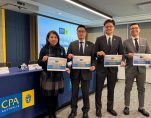
(from left to right) Ms Karina Wong, Divisional Councillor and Deputy Chair of Taxation Committee of CPA Australia Greater China; Mr Janssen Chan, Co-Chair of Taxation Committee; Mr Anthony Lau, Co-Chair of Taxation Committee of CPA Australia Greater China; Mr Adam Chiu, Member of Taxation Committee of CPA Australia Greater China

Connecting China with global markets and powering Hong Kong’s future economic engine

CPA Australia emphasises that Hong Kong must reinforce its position as the premier gateway connecting China with global markets. As China’s 15th Five Year Plan places greater focus on high-quality opening up, Hong Kong is uniquely positioned to help Chinese enterprises expand overseas while attracting foreign direct investment into the Mainland through Hong Kong. Strengthening this gateway function will be critical to driving the city’s next phase of economic growth.

Mr Anthony Lau, Co-Chair of CPA Australia’s Greater China Taxation Committee stated,

“Developing a unified and coherent tax incentive framework for Corporate Treasury Centres (CTC) and regional headquarters (RHQ) would further strengthen Hong Kong’s appeal as a base for multinational operations. In addition, the effectiveness of re-domiciliation has attracted many overseas companies to move their legal domicile to Hong Kong. As there is no clear guidance on whether re-domiciliation will trigger Mainland tax liabilities and tax reporting obligations, we recommend the Hong Kong Government engages with the Mainland tax authorities to clarify that no actual transfer of assets occurs during the process, and therefore no Mainland tax should arise.”

“We also recommend advancing market connectivity measures such as allowing a tax deduction specifically for IPO-related expenses for companies that list on the Main Board of the HKEX, and continuing to enhance existing cross boundary financial mechanisms such as introducing an IPO Connect scheme.”

A streamlined approach would reduce complexity, improve tax certainty and encourage overseas and Mainland enterprises to centralise management, financing and strategic functions in Hong Kong.

CPA Australia also highlights the importance of positioning the Northern Metropolis as a flagship cross‑border innovation zone that will drive Hong Kong’s future growth. Mr Lau said, “To support the infrastructure development, we suggest the Government adopts forward‑looking financing tools that ease pressure on public finances. These may include issuing bonds targeted at with an estimate amount for example USD2 billion at different maturity to international investors, and providing a tax exemption for bond holders on interest income and trading profits derived from bonds issued for Northern Metropolis infrastructure projects, whether issued by the government or the private sector.

“To attract leading innovation and technology enterprises to the zone, we further recommend broadening the scope of qualifying R&D expenditures to include activities outsourced to related parties based and operating in other cities within Greater Bay Area. This reflects the increasingly integrated nature of cross boundary innovation and supply chains.”

Strengthening Hong Kong as a global trade centre and a hub for wealth retention

Hong Kong’s long‑standing role as a free, open and trusted trading and financial gateway remains central to its international relevance.

Ms Karina Wong, Deputy Chair of the Greater China Taxation Committee said, “Hong Kong should build on its unique status as a global trading centre by strengthening the free trade port regime and expanding support for high-value commodity trading, which would help diversify the city’s economic base and enhance market depth. Qualifying commodity items such as silver and rare-earth materials remain outside the current scope, the qualifying list needs to be reviewed regularly, with sufficient legislative flexibility, to ensure timely updates in response to market developments. The Government could also consider whether the scope should extend beyond physical trades and incidental income to cover derivative driven transactions, which form a significant part of global commodities activity.”

A stronger family office ecosystem is central to reinforcing Hong Kong’s role as Asia’s preferred hub for wealth management and succession planning. “We recommend introducing a preferential 8.25 per cent profits tax rate for Single Family Office, Multi Family Offices (MFOs) and fund managers to enhance Hong Kong’s competitiveness relative to other regional wealth management centres.

“Aligning the permissible investment asset classes under the family office tax concession regime with those under the Capital Investment Entrant Scheme (CIES) would also streamline operations, provide greater investment flexibility and further strengthen Hong Kong’s appeal among global wealth owners managing long term capital,” added Ms Wong.

Modernising Hong Kong’s philanthropy framework would encourage a more caring and compassionate community and strengthen the city’s appeal to long-term capital. “The generous donations supporting residents and the reconstruction of Wang Fuk Court show that Hong Kong is a caring city. To encourage greater philanthropic participation, we suggestremoving the current 35 per cent cap on cash donation deductions and allowing a full 100 per cent deduction, while introducing a 300 per cent enhanced deduction for contributions to designated funds, such as the Community Care Fund and Disaster Relief Fund. This would direct more resources toward areas of social need.

“These reforms will strengthen Hong Kong’s ecosystem for trade, wealth management and philanthropy, helping the city attract and retain long term capital and strengthen Hong Kong’s competitive edge,” Ms Wong said.

Diversifying the economy and enhancing workforce competitiveness

As advanced economies accelerate digital transformation and adopt emerging technologies, Hong Kong’s long-term competitiveness will depend on the city’s ability to scale innovation, raise productivity and strengthen the capacity of its workforce and enterprises.

“We propose to relaunch a revamped Technology Voucher Programme to help businesses, in particular SMEs, accelerate digitalisation and adopt artificial intelligence (AI) solutions that enhance efficiency and competitiveness.

“Strengthening R&D related tax incentives is equally important in driving innovation, therefore we propose increasing the cap for the highest rate of the R&D super tax deduction by raising the threshold for the 300 per cent deduction on qualifying R&D expenditure from HK$2 million to HK$4 million.” said Mr Janssen Chan, Co‑Chairperson of CPA Australia’s Greater China Taxation Committee.

SMEs remain the backbone of Hong Kong’s economy, yet many continue to face cost pressures and increasing competition.

“We recommend raising the cap under the two-tier profits tax regime for concessional 8.25 per cent half-rate from HK$2 million to HK$4 million of assessable profits. Extending the SME Financing Guarantee Scheme beyond March 2026 is another move that would ease operating pressures for smaller businesses and encourage reinvestment,” added Mr Chan.

By raising the two-tier profits tax cap, extending financing support and retooling tech programmes for AI adoption, the Government can give SMEs the room to grow and strengthen their long-term resilience.

Raising living standards and building a healthier and more liveable city

Mr Adam Chiu, member of the Greater China Taxation Committee, said the Budget should introduce targeted tax and subsidy measures that deliver practical support to households while encouraging healthier and more productive lifestyles.

“To provide direct relief to taxpayers, we recommend maintaining the 100 per cent salaries tax rebate on the 2025/26 final salaries tax, capped at HK$6,000. This would help offset rising living costs and support disposable income, particularly for middle‑income earners. We also propose introducing a tax deduction of up to HK$60,000 for working families who employ domestic helpers specifically to care for children, elderly family members or persons with special care needs. This would help ease caregiving pressures, support labour‑force participation.” Mr Chiu said.

He added that lifelong learning and skills upgrading are increasingly important in a rapidly evolving economy. “To enable individuals to undertake more advanced or specialised training, including in emerging areas such as AI, we recommend increasing the subsidy ceiling under the Continuing Education Fund to HK$30,000 per eligible applicant, and increasing the cap on the self-education tax deduction to HK$150,000 per year. To promote physical wellbeing, we also propose a tax deduction of up to HK$2,000 for sports‑related expenses.”

“By supporting working families, encouraging lifelong learning and promoting healthier lifestyles, these measures can collectively enhance quality of life and help build a more resilient and inclusive Hong Kong,” Mr Chiu said.

CPA Australia believes these recommendations will strengthen Hong Kong’s ability to engage more effectively with global markets, enhance its competitiveness as an international financial and business hub, and improve quality of life for residents. Taken together, these measures will help ensure Hong Kong is well positioned for a more sustainable, innovation driven and inclusive future.

Hashtag: #CPAAustralia

The issuer is solely responsible for the content of this announcement.

About CPA Australia

CPA Australia is one of the largest professional accounting bodies in the world, with more than 176,000 members in over 100 countries and regions, including more than 22,500 members in Greater China. Our core services include education, training, technical support and advocacy. CPA Australia provides thought leadership on issues affecting the accounting profession and the public interest. We engage with governments, regulators and industries to advocate policies that stimulate sustainable economic growth and have positive business and public outcomes. Find out more at

Women in Games has unveiled a new manifesto urging game studios, publishers and platform holders to confront entrenched gender imbalance and workplace inequities, arguing that the long-term health of the global video games sector depends on structural change rather than symbolic gestures. The document sets out a framework aimed at reshaping hiring practices, leadership pathways and creative decision-making across an industry that employs millions but continues to […]

UAE and India have moved to deepen cooperation in civil aviation as senior officials reviewed capacity, connectivity and regulatory coordination, underlining the scale and strategic importance of one of the world’s busiest air travel corridors. The discussions highlighted sustained growth in passenger flows and the need to align policy, infrastructure and airline strategies to keep pace with demand.

Speaking during the engagement, Abdulla bin Touq Al Marri, Minister of Economy of the United Arab Emirates, said air traffic between the UAE and India continues to show strong momentum, with around 1,231 direct flights operating each week between cities in both countries. Those services are spread across multiple carriers and hubs, reflecting the depth of commercial, tourism and people-to-people ties that underpin the aviation relationship.

The scale of connectivity has few parallels globally. The UAE serves as a critical transit and destination market for travellers from India, while Indian cities form the largest single source of international passengers for UAE airports. Industry data indicates that traffic has surpassed pre-pandemic benchmarks on several routes, driven by a rebound in business travel, a sustained flow of expatriate workers, and rising leisure demand in both directions.

Officials discussed measures to ensure that bilateral air services arrangements remain responsive to market realities. Capacity management, slot allocation at congested airports, and coordination on safety and security standards featured prominently. There was also a focus on ensuring that regulatory processes keep pace with airline expansion plans, particularly as carriers introduce new wide-body aircraft and add frequencies to secondary cities.

Bin Touq noted that aviation cooperation has spillover benefits for wider economic engagement, supporting tourism, trade in services and cargo connectivity. Air freight was identified as a growing pillar, with belly-hold capacity on passenger aircraft playing an increasing role in moving high-value and time-sensitive goods, including pharmaceuticals, electronics and perishables.

From the Indian side, officials emphasised the importance of predictable access to UAE hubs for carriers as they scale up international operations. India’s airport expansion programme, which has added new terminals and greenfield airports across several states, is expected to unlock further growth in outbound travel. That expansion has altered traffic patterns, enabling more direct international services from tier-two and tier-three cities, many of which already have links to the UAE.

Airlines operating on the corridor include network carriers and low-cost operators, creating a competitive landscape that has helped keep fares in check while expanding choice. The presence of multiple hubs in the UAE has also diversified routing options, strengthening resilience during peak travel periods and operational disruptions.

Beyond capacity, the talks addressed cooperation on sustainability and workforce development. Both sides acknowledged mounting pressure on the aviation sector to curb emissions and improve fuel efficiency. While sustainable aviation fuel remains limited in supply and expensive, officials discussed the importance of policy alignment, pilot projects and knowledge sharing to accelerate adoption over time.

Training and skills were another area of interest, as airlines and airports face shortages of pilots, engineers and air traffic management professionals. Partnerships between training institutions and recognition of certifications were flagged as practical steps to ease bottlenecks without compromising safety standards.

Technology and digitalisation also featured, with attention on passenger processing, biometric systems and data sharing to improve the travel experience. As passenger volumes rise, authorities are seeking to reduce congestion through smarter border controls and interoperable systems that can be scaled across airports.

The civil aviation dialogue sits within a broader economic partnership that has deepened over the past two years, including trade and investment initiatives across manufacturing, energy and digital services. Aviation remains a visible barometer of that relationship, given its sensitivity to economic cycles and consumer confidence.

Project: Gorgon has made a significant milestone in its development with the launch of its 1.0 version, marking its transition out of Early Access and broadening its world with a substantial new map, expanded progression systems and deeper endgame mechanics. The update introduces Statehelm, a sprawling capital city designed as the largest and most intricate area the indie fantasy MMO has ever seen, featuring over 200 quests […]

Civil aviation stands at the centre of economic expansion, tourism development and global connectivity as governments and industry leaders recalibrate policies to meet rising passenger demand and shifting trade patterns, Abdulla bin Touq Al Marri said while addressing a high-level ministerial gathering in Hyderabad. Speaking at the “Wings of India 2026” conference, the Minister of Economy and Tourism and Chairman of the Board of Directors of the […]

The Group was also ranked third in Thailand under the international “Best Place to Work in Thailand 2025” certification, reinforcing ONYX’s commitment to sustainable people management and a strong corporate culture.

BANGKOK, THAILAND – Media OuReach Newswire – 30 January 2026 – ONYX Hospitality Group has been recognised as the seventh Best Place to Work in the Asia-Pacific region for 2025, awarded by Best Places to Work, an internationally recognised organisation specialising in workplace assessment and employee experience benchmarking. The recognition reflects the Group’s people-centric workplace practices and a culture that places equal emphasis on employee development and service excellence, and is further reinforced by ONYX’s third-place ranking in Thailand under the “Best Place to Work in Thailand 2025” certification, highlighting the Group’s long-standing focus on sustainable people management and a strong, values-driven corporate culture.

ONYX Hospitality Group named Seventh Best Place to Work in Asia-Pacific for 2025

With a diverse portfolio spanning hotels, resorts, serviced apartments, and luxury residences under well-established brands including Amari, OZO, Shama, and Oriental Residence, ONYX Hospitality Group continues to strengthen its position across key strategic markets in the region. As the Group approaches its 60th anniversary in 2026, these accolades further highlight ONYX’s long-standing commitment to building a resilient organisation powered by engaged and capable people.

The “Best Places to Work” certification is an internationally recognised programme that benchmarks organisational excellence in human resource practices and employee engagement. Certification is awarded through a comprehensive evaluation covering employee engagement, employee experience, and the effectiveness of HR policies and practices. In this year’s assessment, ONYX Hospitality Group demonstrated strong performance across multiple dimensions, including a supportive work environment, an open and inclusive corporate culture, and a people development strategy closely aligned with the Group’s regional business direction.

One of the key pillars supporting ONYX’s evolution as a trusted workplace is ONYX Academy, the Group’s comprehensive learning and development institute. ONYX Academy delivers structured programmes spanning foundational skills training, advanced role-specific competency development, and clearly defined career pathways for employees at all levels. By prioritising both future-ready capabilities and practical, applicable skills, the Academy equips team members for sustainable personal and professional growth.

The effectiveness of ONYX Academy has also been recognised at an industry level through multiple honours at the EXA: Employee Experience Awards 2025, including awards for the General Manager Development Programme (GM Track), the NextYou Initiative, the HR Leadership Enhancement Programme, and the Group’s ESG initiatives. These accolades further underscore ONYX Hospitality Group’s long-term and focused commitment to meaningful employee development.

Alongside capability building, ONYX Hospitality Group continues to foster a corporate culture rooted in openness and dynamism, encouraging employees to think creatively, experiment, and contribute new ideas. The Group actively supports agility and adaptability by creating space for diverse voices across the organisation. Employee well-being is also prioritised through the ONYX Cares programme, which holistically supports physical and mental health, relationships, and team engagement—contributing to a work environment that nurtures both individual fulfilment and organisational growth.

Saranya Watanasirisuk, Senior Vice President, Corporate Human Resources, commented: “At ONYX Hospitality Group, we believes that our people are the foundation for delivering exceptional experiences and service. Our success in human resource management is driven by strong leadership support at every level, enabling employees to grow across all dimensions. This commitment spans from recruitment and holistic learning systems to cultivating an environment that encourages creativity, experimentation, and the full expression of individual potential. These efforts have positioned ONYX not only as an employer of choice, but also as an organisation trusted by partners and guests alike.”

Receiving the “Best Place to Work” Certification at both national and regional levels marks another significant milestone for ONYX Hospitality Group. The achievement reinforces its commitment not only to being a regional leader in hospitality management, but also to being an organisation that genuinely values its people.

Looking ahead, ONYX remains dedicated to continuously enhancing the workplace environment and delivering meaningful employee experiences that support long-term growth and sustained competitiveness.

For more information about ONYX Hospitality Group, please visit www.onyx-hospitality.com.

Hashtag: #ONYXHospitalityGroup


The issuer is solely responsible for the content of this announcement.

About ONYX Hospitality Group:

ONYX Hospitality Group, a reputable force in Southeast Asia’s hospitality industry, operates a collection of comprehensive yet complementary brands – Amari, OZO, Shama and Oriental Residence – catering to the distinctive needs of discerning business and leisure travellers in Southeast Asia where their expertise lies. In addition to its brand portfolio, ONYX Hospitality Group also operates additional hospitality services across spa and food and beverage. With over five decades of management experience, the company extends its innovative solutions throughout the region, upholding internationally recognised standards and ensuring optimal operational manoeuvrability. By fostering enduring relationships with like-minded business partners, ONYX Hospitality Group delivers unparalleled experiences in a dynamic and competitive market, meeting the ever-evolving demands of travellers.

More information:

Champions Youth Football Development across Hong Kong and the Chinese Mainland

HONG KONG SAR – Media OutReach Newswire – 29 January 2026 – CTF Life announced today the extension of its exclusive collaboration with PSG Academy (GBA, China) to continue bringing Paris Saint-Germain Academy football training programmes and related sports initiatives to Hong Kong and all cities across the Chinese Mainland. The strengthened three-year collaboration with one of the world’s leading football academies marks a significant milestone in CTF Life’s ongoing commitment to cultivating the holistic development of young football talent through structured, high-quality training programmes, empowering them to pursue their ambitions and realise their dreams.

The programme will potentially reach around 10 million students from schools, corporations, residential complex, etc. across Hong Kong, Macau and the Chinese Mainland, helping them strengthen their football skills and amplify their enthusiasm for the sport. In addition to regular training, the collaboration will also offer young participants a range of exclusive international experiences, including participation in the annual PSG Academy World Cup tournaments held in Paris, visits to Paris Saint-Germain’s home stadium in Paris and meet-and-greet sessions with global football stars.

Man Kit Ip, Executive Director and Chief Executive Officer of CTF Life, said, “CTF Life’s extended collaboration with PSG Academy (GBA, China) underscores our longstanding dedication to youth development through sport. By deepening this exclusive collaboration, we are opening meaningful pathways for the next generation of football talents across Hong Kong and the Chinese Mainland – combining on-the-ground training with one-of-a-kind experiences that inspire ambition, broaden horizons and build confidence, resilience and teamwork – exemplifying our commitment to creating value beyond dreams, an aspiration that stems from our brand promise to create value beyond insurance.”

Yannick Ngassa, Chief Executive Officer of PSG Academy (GBA, China), said, “Partnering with a forward-thinking insurer like CTF Life allows us to do more than just teach football; it allows us to build a solid foundation for the next generation. We share a common vision of empowering young people to pursue their ambitions with confidence. By expanding our academy across Hong Kong, Macau and Mainland China, we are collectively investing in the health, resilience, and future success of millions of students.”

Through sustained investment in meaningful and impactful youth initiatives, CTF Life continues to play an active role in advancing community wellbeing and long-term talent development – shaping a stronger, more inclusive future for young people and nurturing tomorrow’s champions.

Hashtag: #ChowTaiFookLife #ParisSaintGermainAcademy #YouthDevelopment #SportsEducation

The issuer is solely responsible for the content of this announcement.

About CTF Life

Chow Tai Fook Life Insurance Company Limited (“CTF Life”) is proud of its rich, 40-year legacy in Hong Kong. CTF Life is a wholly-owned subsidiary of CTF Services Limited (“CTFS”) (Hong Kong Stock Code: 659) and one of the most well-established life insurance companies in Hong Kong. As a member of Chow Tai Fook Enterprises Limited, CTF Life consistently strengthens its collaboration with the Chow Tai Fook Group ecosystem to support customers and their loved ones in navigating life’s journey with personalised planning solutions, lifelong protection and diverse lifestyle experiences. By leveraging the Group’s robust financial strength and strategic investments across the globe, CTF Life aspires to become a leading insurance company in Asia while continuously creating value beyond insurance.

About PSG Academy (GBA, China)

Dedicated to bringing the world-renowned Paris Saint-Germain training methodology to the region, PSG Academy (GBA, China) provides comprehensive football training for youth across Hong Kong , Macau and the Chinese Mainland. Led by Paris Saint-Germain Academy and UEFA-certified coaches, the programmes emphasize technical development, teamwork, and sportsmanship in a fun and educational environment, offering young players a unique pathway to international football experiences. www.psgacademyguangdong.com www.psgacademyhongkong.com

Chow Tai Fook Life Insurance Company Limited (Incorporated in Bermuda with limited liabil

Shares of cloud security firm Netskope moved higher after Telefónica Tech UK & Ireland unveiled a fully managed Security Edge service built on the Netskope One platform, signalling a deeper alignment between a global telecoms group and a fast-growing specialist in cloud and data protection. The service positions Telefónica’s UK and Ireland technology arm as a one-stop provider of secure access for enterprises grappling with hybrid work, […]

A humanoid robot with a deliberately unsettling face has shown a new way machines can learn the mechanics of speech, using a mirror and online video rather than human instruction. The system, known as EMO, learned to move its silicone lips with greater accuracy by observing its own facial movements and then analysing how people speak in video clips. Developed by researchers at Columbia University’s engineering school, […]

AI-related Attacks and Supply Chain Risks Emerge as Top Concerns Nearly 30% of Enterprises Lack Dedicated Cybersecurity Personnel

HONG KONG SAR – Media OutReach Newswire – 28 January 2026 – The Hong Kong Computer Emergency Response Team Coordination Centre (HKCERT), under the Hong Kong Productivity Council (HKPC), today hosted a media briefing to officially release the annual “Hong Kong Cybersecurity Outlook 2026”. The report reveals that cyberattacks have become more automated, targeted, and destructive with the rapid proliferation of Artificial Intelligence (AI) technologies, posing significant threats to business operations and information security. A record high 15,877 cybersecurity incidents were recorded in Hong Kong in 2025, marking a 27% year-on-year increase. The report also highlights five key cybersecurity risks expected to emerge in 2026, mainly under AI-related threats and supply chain vulnerabilities.

HKCERT also released the findings of the “Hong Kong Enterprise Cybersecurity Landscape”, which analyses the current state of local enterprises’ cybersecurity defences and resource allocation in the face of cyber risks. The study covered 622 enterprises (including 544 SMEs and 78 large enterprises) and interviewed 50 cybersecurity service providers to assess the key factors businesses consider when selecting cybersecurity services. The findings reveal that nearly 70% of enterprises have dedicated cybersecurity personnel, showing the increasing importance local businesses place on cybersecurity. Many SMEs have also begun strengthening their security measures, demonstrating a proactive awareness of cyber threats. However, they were behind large enterprises in terms of technology deployment and resource allocation. Moreover, around 35% of businesses using AI would enter corporate data into AI tools, suggesting that there is still room for improvement in local overall defence capabilities and AI governance awareness.

Mr Edmond LAI, Chief Digital Officer of HKPC, stated, “The proliferation of AI can drive innovation, but it can also become a powerful tool for hackers, making cyber threats stealthier and more scalable. Our report indicates a lack of governance in corporate use of AI tools. In particular, the limited resources and knowledge of SMEs may limit their full understanding of the potential risks involved. Moreover, supply chain attacks have become the weakest link in enterprise security, where a single vendor’s vulnerability can trigger a chain reaction of crises, even if the enterprises have robust protective measures. To address these challenges, enterprises must shift from passive response to proactive deployment, starting with establishing clear AI usage guidelines and audit mechanisms, and deeply integrating them into the overall cybersecurity strategy”.

Overview of Cybersecurity Incidents in 2025:

Phishing Accounts for Nearly 60% – Record-High Number of Cases

According to the latest statistics from HKCERT, a total of 15,877 cybersecurity incidents were reported in 2025, marking a new record high. Among them, phishing attacks remained the most prominent threat, accounting for nearly 60% (57%) of total cases. The rise of generative AI has made phishing messages increasingly realistic and harder to detect, further amplifying the associated risks. Attack delivery methods have expanded beyond traditional email to social media or instant messaging platforms (such as WhatsApp) (34%) and cryptocurrency platforms (18%).

In parallel, cases involving vulnerable systems also saw a sharp increase, with 2,328 incidents (15%), representing a more than 3.5-fold rise compared to the previous year. This suggests that attackers are actively exploiting misconfigurations and unpatched system vulnerabilities. Meanwhile, botnet-related incidents remained steady at 18%. While stable in number, botnets are notoriously difficult to eradicate completely, representing a long-term latent threat.

Top 5 Cybersecurity Risks in 2026

Based on industry expert analysis and HKPC’s ongoing research into the local business environment, and considering industry trends and technological developments, HKCERT predicts that the following five cybersecurity risks will pose significant challenges to businesses in 2026:

  1. AI-Driven Attacks and Agentic AI Risks
  2. Weak AI Governance of Enterprises Increases Data Leakage Risks
  3. Supply Chain Vulnerabilities and Third-Party Security Gaps
  4. Over-Reliance on Cloud Infrastructure Creates Single Points of Failure
  5. Emerging Threats from AI-Enabled Devices

30% of Enterprises Lack Dedicated Cybersecurity Staff, SMEs Lag in Defense and Investment

“The Hong Kong Enterprise Cybersecurity Landscape” reveals nearly 70% of enterprises have dedicated cybersecurity personnel, showing the increasing importance place on cybersecurity. By company size, 67% of SMEs have personnel responsible for cybersecurity, and 95% of large enterprises do. Among them, 26% of SMEs have dedicated cybersecurity personnel, which is lower than the 59% of large enterprises, reflecting different challenges in resource allocation and professional support for companies of different sizes.

Many SMEs have already implemented basic protective measures, such as 48% of SMEs have adopted email security, but there is still room for improvement when compared to the 79% of large enterprises. For Privileged Access Management (PAM), 29% of SMEs are employed, which is still lower than 60% of large enterprises. The figure on using Advanced cybersecurity practices, such as Remote Access Security Measures (SMEs 31% vs 67%), also reflects that SMEs still need support in promoting technological upgrades, especially when data security is increasingly important today, the protection of SMEs of all sizes cannot be ignored.

Regarding investment and resource allocation, SMEs are generally cautious in their investment, but some companies have gradually increased their investment in cybersecurity and training. In the past year 13% of SMEs increased cybersecurity-related resources (including staff and tools), and 12% invested more resources in cybersecurity training. In comparison, the proportions for large enterprises were 41% and 50%, respectively. Looking ahead to the next 12 months, SMEs are relatively conservative in their plans for increasing resources — no matter in recruitment of cybersecurity personnel (SMEs 5% vs 15%), training (SMEs 13% vs 38%) and budget (SMEs 13% vs 36%). However, as cyber threats evolve, it is believed that enterprises will gradually increase their related investments to strengthen their overall defense capabilities.

HKCERT’s Five Key Recommendations: Helping Enterprises Build Effective Cyber Defenses

HKCERT has outlined five key recommendations to help enterprises strengthen their cybersecurity posture:

  1. Assigning Personnel for Cybersecurity: Enterprises should assign employees with basic cybersecurity knowledge to be responsible for daily monitoring and response work, with clear division of responsibilities to ensure timely response to emergencies.
  2. Promoting AI Governance and Regulation: As the application of AI tools and third-party platforms becomes increasingly widespread, enterprises should formulate relevant policies and operational guidelines, clearly specifying the available tools and scope of data input, as well as procedures for responding to third-party incidents, to minimise operational and reputational risks.
  3. Collaborative Efforts of All Staff to Prevent Phishing Attacks: Enterprises should adopt both technical measures (such as email filtering and multi‑factor authentication) and an organisation‑wide security culture to jointly defend against phishing attacks. This helps enhance each employee’s ability to identify suspicious emails and links, thereby reducing the risk of data leakage.
  4. Enhance Cybersecurity Awareness and Training across all Staff: Cybersecurity is a shared responsibility across the entire organisation. Enterprises should regularly provide targeted security training for different departments—especially for roles that handle sensitive data—and strengthen incident response capabilities through simulation exercises and case‑based learning to reduce human error.
  5. Strengthen Technical Protection Measures: Enterprises should implement essential cybersecurity technologies, including:
    • Email security and access‑rights control
    • Data protection measures (such as encryption and backup)
    • Remote access security measures mechanisms (such as VPNs and identity authentication)
    • Proactive security solutions (such as intrusion detection and firewall monitoring)

As cyber threats grow increasingly complex and attack techniques become more advanced, enabling SMEs to effectively deploy cybersecurity defences has become a shared responsibility across society. In addition to operating a 24-hour incident reporting and supporting hotline, HKCERT continuously monitors local online activities. When cyberattacks targeting Hong Kong are detected, it proactively traces and disrupts the source and issues timely public alerts. In recent years, HKCERT has also leveraged self‑developed AI systems to take down phishing websites in advance, preventing incidents before they occur. To strengthen preventive measures and promote education among SMEs, HKCERT has published multiple security guidelines addressing emerging technology risks, helping technical personnel understand and adopt appropriate protection strategies. At the same time, HKCERT actively promotes cybersecurity awareness through a dedicated webpage on in‑depth analysis of major phishing and ransomware attacks, as well as by organising large‑scale public events and participating in over 30 seminars annually.

Since last year, HKCERT further acted as a bridge between SMEs and cybersecurity service providers to launch the Cybersecurity Service Providers Connect Programme with Digital Policy Office. The Programme offers a one-stop platform that brings together 21 vetted cybersecurity service providers, covering four key areas, including Internet Security Solutions, Cybersecurity Assessment Services, Managed Security and Incident Response Services, and Cybersecurity Training Services. It helps SMEs quickly identify suitable solutions and strengthen their cyber defence capabilities. The Programme will continue to enhance its services, promote resource sharing, and collaborate with the industry to build a safer digital business environment.

Hashtag: #HKCERT

The issuer is solely responsible for the content of this announcement.

About Hong Kong Computer Emergency Response Team Coordination Centre

Managed by the Hong Kong Productivity Council (HKPC), Hong Kong Computer Emergency Response Team Coordination Centre (HKCERT) is the centre for coordination of computer security incident response for local enterprises and Internet Users. Its missions are to facilitate information disseminating, provide advices on preventive measures against security threats and to promote information security awareness.

HKCERT collaborates with local bodies to collect and disseminate information, and coordinate response actions. HKCERT is also a member of the Forum of Incident Response and Security Teams (FIRST) and the Asia Pacific Computer Emergency Response Team (APCERT). We exchange information with other CERTs and act as a point of contact on cross-border security incidents.

About the Hong Kong Productivity Council
The Hong Kong Productivity Council (HKPC) is a statutory body established in 1967, dedicated to enhancing the productivity and competitiveness of Hong Kong enterprises through world-class applied R&D, innovative technology services, and integrated manufacturing solutions. As a market-oriented, international R&D organisation, HKPC leverages its deep expertise and extensive industry experience in key areas such as AI, advanced manufacturing, life and health technology, green technology and new energy to drive new industrialisation and support the growth of emerging and future industries.

HKPC focuses on addressing businesses challenges and industrial technology needs, promoting the full integration between technological and industrial innovation. Through technology transfer, product innovation, intellectual property protection and commercialisation of R&D outcomes, the Council fosters collaboration with the local business community as well as top global R&D institutions, delivering added value to industries and advancing the development of new productive forces. HKPC’s world-class R&D achievements have been widely recognised over the years, winning an array of local and overseas accolades, reinforcing Hong Kong’s role as an international innovation and technology centre and a smart city.

To help enterprises capitalise on Hong Kong’s strengths in international connectivity to expand into global markets, HKPC offers comprehensive overseas expansion services tailored to critical areas including product development, technology, manufacturing, and management, enabling businesses to successfully go global from Hong Kong.

HKPC is also committed to providing timely and practical support to SMEs and startups with timely and practical , assisting them in accessing Government funding programmes. Through its FutureSkills training initiatives, HKPC helps both industry and academia stay ahead in latest digital and STEM technologies, nurturing a future-ready talent pool for Hong Kong.

For more information, please visit HKPC’s website:

VISHNU RAJA
RYO YAMADA
HITORI GOTOH
IKUYO KITA