News related to
kills

AI-related Attacks and Supply Chain Risks Emerge as Top Concerns Nearly 30% of Enterprises Lack Dedicated Cybersecurity Personnel

HONG KONG SAR – Media OutReach Newswire – 28 January 2026 – The Hong Kong Computer Emergency Response Team Coordination Centre (HKCERT), under the Hong Kong Productivity Council (HKPC), today hosted a media briefing to officially release the annual “Hong Kong Cybersecurity Outlook 2026”. The report reveals that cyberattacks have become more automated, targeted, and destructive with the rapid proliferation of Artificial Intelligence (AI) technologies, posing significant threats to business operations and information security. A record high 15,877 cybersecurity incidents were recorded in Hong Kong in 2025, marking a 27% year-on-year increase. The report also highlights five key cybersecurity risks expected to emerge in 2026, mainly under AI-related threats and supply chain vulnerabilities.

HKCERT also released the findings of the “Hong Kong Enterprise Cybersecurity Landscape”, which analyses the current state of local enterprises’ cybersecurity defences and resource allocation in the face of cyber risks. The study covered 622 enterprises (including 544 SMEs and 78 large enterprises) and interviewed 50 cybersecurity service providers to assess the key factors businesses consider when selecting cybersecurity services. The findings reveal that nearly 70% of enterprises have dedicated cybersecurity personnel, showing the increasing importance local businesses place on cybersecurity. Many SMEs have also begun strengthening their security measures, demonstrating a proactive awareness of cyber threats. However, they were behind large enterprises in terms of technology deployment and resource allocation. Moreover, around 35% of businesses using AI would enter corporate data into AI tools, suggesting that there is still room for improvement in local overall defence capabilities and AI governance awareness.

Mr Edmond LAI, Chief Digital Officer of HKPC, stated, “The proliferation of AI can drive innovation, but it can also become a powerful tool for hackers, making cyber threats stealthier and more scalable. Our report indicates a lack of governance in corporate use of AI tools. In particular, the limited resources and knowledge of SMEs may limit their full understanding of the potential risks involved. Moreover, supply chain attacks have become the weakest link in enterprise security, where a single vendor’s vulnerability can trigger a chain reaction of crises, even if the enterprises have robust protective measures. To address these challenges, enterprises must shift from passive response to proactive deployment, starting with establishing clear AI usage guidelines and audit mechanisms, and deeply integrating them into the overall cybersecurity strategy”.

Overview of Cybersecurity Incidents in 2025:

Phishing Accounts for Nearly 60% – Record-High Number of Cases

According to the latest statistics from HKCERT, a total of 15,877 cybersecurity incidents were reported in 2025, marking a new record high. Among them, phishing attacks remained the most prominent threat, accounting for nearly 60% (57%) of total cases. The rise of generative AI has made phishing messages increasingly realistic and harder to detect, further amplifying the associated risks. Attack delivery methods have expanded beyond traditional email to social media or instant messaging platforms (such as WhatsApp) (34%) and cryptocurrency platforms (18%).

In parallel, cases involving vulnerable systems also saw a sharp increase, with 2,328 incidents (15%), representing a more than 3.5-fold rise compared to the previous year. This suggests that attackers are actively exploiting misconfigurations and unpatched system vulnerabilities. Meanwhile, botnet-related incidents remained steady at 18%. While stable in number, botnets are notoriously difficult to eradicate completely, representing a long-term latent threat.

Top 5 Cybersecurity Risks in 2026

Based on industry expert analysis and HKPC’s ongoing research into the local business environment, and considering industry trends and technological developments, HKCERT predicts that the following five cybersecurity risks will pose significant challenges to businesses in 2026:

  1. AI-Driven Attacks and Agentic AI Risks
  2. Weak AI Governance of Enterprises Increases Data Leakage Risks
  3. Supply Chain Vulnerabilities and Third-Party Security Gaps
  4. Over-Reliance on Cloud Infrastructure Creates Single Points of Failure
  5. Emerging Threats from AI-Enabled Devices

30% of Enterprises Lack Dedicated Cybersecurity Staff, SMEs Lag in Defense and Investment

“The Hong Kong Enterprise Cybersecurity Landscape” reveals nearly 70% of enterprises have dedicated cybersecurity personnel, showing the increasing importance place on cybersecurity. By company size, 67% of SMEs have personnel responsible for cybersecurity, and 95% of large enterprises do. Among them, 26% of SMEs have dedicated cybersecurity personnel, which is lower than the 59% of large enterprises, reflecting different challenges in resource allocation and professional support for companies of different sizes.

Many SMEs have already implemented basic protective measures, such as 48% of SMEs have adopted email security, but there is still room for improvement when compared to the 79% of large enterprises. For Privileged Access Management (PAM), 29% of SMEs are employed, which is still lower than 60% of large enterprises. The figure on using Advanced cybersecurity practices, such as Remote Access Security Measures (SMEs 31% vs 67%), also reflects that SMEs still need support in promoting technological upgrades, especially when data security is increasingly important today, the protection of SMEs of all sizes cannot be ignored.

Regarding investment and resource allocation, SMEs are generally cautious in their investment, but some companies have gradually increased their investment in cybersecurity and training. In the past year 13% of SMEs increased cybersecurity-related resources (including staff and tools), and 12% invested more resources in cybersecurity training. In comparison, the proportions for large enterprises were 41% and 50%, respectively. Looking ahead to the next 12 months, SMEs are relatively conservative in their plans for increasing resources — no matter in recruitment of cybersecurity personnel (SMEs 5% vs 15%), training (SMEs 13% vs 38%) and budget (SMEs 13% vs 36%). However, as cyber threats evolve, it is believed that enterprises will gradually increase their related investments to strengthen their overall defense capabilities.

HKCERT’s Five Key Recommendations: Helping Enterprises Build Effective Cyber Defenses

HKCERT has outlined five key recommendations to help enterprises strengthen their cybersecurity posture:

  1. Assigning Personnel for Cybersecurity: Enterprises should assign employees with basic cybersecurity knowledge to be responsible for daily monitoring and response work, with clear division of responsibilities to ensure timely response to emergencies.
  2. Promoting AI Governance and Regulation: As the application of AI tools and third-party platforms becomes increasingly widespread, enterprises should formulate relevant policies and operational guidelines, clearly specifying the available tools and scope of data input, as well as procedures for responding to third-party incidents, to minimise operational and reputational risks.
  3. Collaborative Efforts of All Staff to Prevent Phishing Attacks: Enterprises should adopt both technical measures (such as email filtering and multi‑factor authentication) and an organisation‑wide security culture to jointly defend against phishing attacks. This helps enhance each employee’s ability to identify suspicious emails and links, thereby reducing the risk of data leakage.
  4. Enhance Cybersecurity Awareness and Training across all Staff: Cybersecurity is a shared responsibility across the entire organisation. Enterprises should regularly provide targeted security training for different departments—especially for roles that handle sensitive data—and strengthen incident response capabilities through simulation exercises and case‑based learning to reduce human error.
  5. Strengthen Technical Protection Measures: Enterprises should implement essential cybersecurity technologies, including:
    • Email security and access‑rights control
    • Data protection measures (such as encryption and backup)
    • Remote access security measures mechanisms (such as VPNs and identity authentication)
    • Proactive security solutions (such as intrusion detection and firewall monitoring)

As cyber threats grow increasingly complex and attack techniques become more advanced, enabling SMEs to effectively deploy cybersecurity defences has become a shared responsibility across society. In addition to operating a 24-hour incident reporting and supporting hotline, HKCERT continuously monitors local online activities. When cyberattacks targeting Hong Kong are detected, it proactively traces and disrupts the source and issues timely public alerts. In recent years, HKCERT has also leveraged self‑developed AI systems to take down phishing websites in advance, preventing incidents before they occur. To strengthen preventive measures and promote education among SMEs, HKCERT has published multiple security guidelines addressing emerging technology risks, helping technical personnel understand and adopt appropriate protection strategies. At the same time, HKCERT actively promotes cybersecurity awareness through a dedicated webpage on in‑depth analysis of major phishing and ransomware attacks, as well as by organising large‑scale public events and participating in over 30 seminars annually.

Since last year, HKCERT further acted as a bridge between SMEs and cybersecurity service providers to launch the Cybersecurity Service Providers Connect Programme with Digital Policy Office. The Programme offers a one-stop platform that brings together 21 vetted cybersecurity service providers, covering four key areas, including Internet Security Solutions, Cybersecurity Assessment Services, Managed Security and Incident Response Services, and Cybersecurity Training Services. It helps SMEs quickly identify suitable solutions and strengthen their cyber defence capabilities. The Programme will continue to enhance its services, promote resource sharing, and collaborate with the industry to build a safer digital business environment.

Hashtag: #HKCERT

The issuer is solely responsible for the content of this announcement.

About Hong Kong Computer Emergency Response Team Coordination Centre

Managed by the Hong Kong Productivity Council (HKPC), Hong Kong Computer Emergency Response Team Coordination Centre (HKCERT) is the centre for coordination of computer security incident response for local enterprises and Internet Users. Its missions are to facilitate information disseminating, provide advices on preventive measures against security threats and to promote information security awareness.

HKCERT collaborates with local bodies to collect and disseminate information, and coordinate response actions. HKCERT is also a member of the Forum of Incident Response and Security Teams (FIRST) and the Asia Pacific Computer Emergency Response Team (APCERT). We exchange information with other CERTs and act as a point of contact on cross-border security incidents.

About the Hong Kong Productivity Council
The Hong Kong Productivity Council (HKPC) is a statutory body established in 1967, dedicated to enhancing the productivity and competitiveness of Hong Kong enterprises through world-class applied R&D, innovative technology services, and integrated manufacturing solutions. As a market-oriented, international R&D organisation, HKPC leverages its deep expertise and extensive industry experience in key areas such as AI, advanced manufacturing, life and health technology, green technology and new energy to drive new industrialisation and support the growth of emerging and future industries.

HKPC focuses on addressing businesses challenges and industrial technology needs, promoting the full integration between technological and industrial innovation. Through technology transfer, product innovation, intellectual property protection and commercialisation of R&D outcomes, the Council fosters collaboration with the local business community as well as top global R&D institutions, delivering added value to industries and advancing the development of new productive forces. HKPC’s world-class R&D achievements have been widely recognised over the years, winning an array of local and overseas accolades, reinforcing Hong Kong’s role as an international innovation and technology centre and a smart city.

To help enterprises capitalise on Hong Kong’s strengths in international connectivity to expand into global markets, HKPC offers comprehensive overseas expansion services tailored to critical areas including product development, technology, manufacturing, and management, enabling businesses to successfully go global from Hong Kong.

HKPC is also committed to providing timely and practical support to SMEs and startups with timely and practical , assisting them in accessing Government funding programmes. Through its FutureSkills training initiatives, HKPC helps both industry and academia stay ahead in latest digital and STEM technologies, nurturing a future-ready talent pool for Hong Kong.

For more information, please visit HKPC’s website:

Arabian Post Staff -Dubai Mubadala Capital, the alternative asset management arm of Abu Dhabi’s sovereign investor Mubadala Investment Company, has unveiled a new co-investment vehicle aimed at scaling its exposure to private markets, with the fund closing at $554 million after being increased beyond its initial target. The Abu Dhabi-based firm said the Mubadala Capital Co-Investment Fund I was upsized from a $500 million hard cap following […]

AfricAI has secured exclusive continental rights from Micropolis Robotics to commercialise and deploy advanced autonomous robotics platforms across Africa, under a multi-year agreement that industry analysts describe as a pivotal development for robotics infrastructure on the continent. The deal prohibits Micropolis from direct sales or appointing alternative distributors in the territory, establishing AfricAI as the central execution, localisation and go-to-market partner for Micropolis’s robotics systems across industrial, […]

Advancing R&D, talent development and the region’s energy transition

SINGAPORE – Media OutReach Newswire – 26 January 2026 – ST Telemedia Global Data Centres (STT GDC), one of the world’s fastest growing data centre colocation providers headquartered in Singapore, today announced two significant initiatives that strengthen Singapore’s position in the global digital and energy transition: the launch of the FutureGrid Accelerator, Southeast Asia’s first live High Voltage Direct Current (HVDC)-powered AI infrastructure testbed; and a suite of strategic Memoranda of Understanding (MOUs) with four Institutes of Higher Learning (IHLs) to advance skills development and expand internship and early career pathways for Singaporeans entering the workforce. These initiatives align with national efforts to support talent graduating into a challenging job market, while building the specialised capabilities required for next generation power and digital infrastructure.

Celebrating the official launch of the FutureGrid Accelerator; a new benchmark for HVDC-powered AI infrastructure in the region. [Pictured from left to right] Lim Kian Tiong, Chief Financial Officer, LITEON; Bruno Lopez, President & Group Chief Executive Officer, ST Telemedia Global Data Centres; Minister Gan Siow Huang, Minister of State, Ministry of Foreign Affairs & Ministry of Trade and Industry; Professor Lam Khin Yong, Vice President (Industry), Nanyang Technology University Singapore; Brian Dow, Chief Executive Officer, Amperesand.
Celebrating the official launch of the FutureGrid Accelerator; a new benchmark for HVDC-powered AI infrastructure in the region.

[Pictured from left to right] Lim Kian Tiong, Chief Financial Officer, LITEON; Bruno Lopez, President & Group Chief Executive Officer, ST Telemedia Global Data Centres; Minister Gan Siow Huang, Minister of State, Ministry of Foreign Affairs & Ministry of Trade and Industry; Professor Lam Khin Yong, Vice President (Industry), Nanyang Technology University Singapore; Brian Dow, Chief Executive Officer, Amperesand.

Officiated by Ms Gan Siow Huang, Minister of State for Foreign Affairs and Trade & Industry, the announcement underscores a national push to build capabilities not only for AI-ready data centres, but also for the wider energy ecosystem, as Singapore and the region pursue net-zero ambitions.

FutureGrid Accelerator: HVDC innovation for AI and the wider energy transition
Located at the Nanyang Technological University, Singapore (NTU Singapore) Electrification and Power Grids Centre (EPGC) on Jurong Island, the FutureGrid Accelerator is a pioneering initiative jointly developed by STT GDC and LITEON, supported by the Energy Research Institute @ NTU (ERI@N) and NTU deep-tech spinoff Amperesand. It is the region’s first live testbed demonstrating HVDC integration with real AI workloads, addressing the high-density and high-resiliency requirements of next-generation AI computing.

While central to the future of AI data centre architecture, HVDC represents a broader opportunity: it is a foundational technology that supports more efficient, resilient and integrated power systems. This is critical for Singapore’s long-term energy strategy, its transition to low-carbon energy grids and the region’s increasing need for sustainable power delivery.

Why HVDC Matters: A scalable platform beyond the data centre
As AI and high-performance computing workloads scale, traditional alternating current (AC) power systems face inherent limitations. HVDC overcomes these constraints and delivers several transformative benefits:

  • Up to 30% overall energy savings compared to conventional AC systems
  • A reduction of up to 400 tonnes of CO2 equivalent (CO2e) per megawatt per year
  • 45% lower copper consumption and a 30–40% smaller power-infrastructure footprint
  • The ability to support ultra-high-density racks exceeding 1,000kW, with higher reliability and lower cost
  • Native compatibility with renewable power sources able to feed directly to the direct-current system, avoiding inefficient power conversions

“The FutureGrid Accelerator is a strategic investment in Singapore’s long-term digital leadership,” said Bruno Lopez, President and Group Chief Executive Officer, ST Telemedia Global Data Centres. “By bringing together global industry leaders like LITEON with local deep-tech talent such as Amperesand, we are building infrastructure that is ready for future AI workloads while pioneering sustainable practices and setting new benchmarks for energy efficiency and carbon-conscious innovation. This initiative reflects our commitment to future-ready technologies and reinforces Singapore’s position as a global Centre of Excellence for advanced sustainable digital infrastructure. It is a bold step forward in shaping the future of data centres and accelerating energy transition across the region.”

Ms Gan Siow Huang, Minister of State for Foreign Affairs & Trade and Industry, said: “The FutureGrid Accelerator demonstrates how industry and academia can work together to drive innovation and strengthen Singapore’s global leadership in cutting-edge technologies. I also welcome STT GDC’s partnerships with ITE and SP, which will add to the suite of training options for the rapidly growing areas of AI and energy-efficient systems.”

The FutureGrid Accelerator will validate HVDC system performance at power loads of at least 325kW, incorporating the latest AI servers. The environment incorporates LITEON’s data centre reference architecture with Amperesand’s Solid State Transformer (SST) technology—an enabling innovation for next-generation HVDC deployment. STT GDC plans to deploy this technology in future data centres in Singapore and progressively scale adoption across its global operations.

“LITEON is committed to advancing the frontier of power management efficiency, and our collaboration with STT GDC and Amperesand is key to establishing the next standard for sustainable AI infrastructure in Asia,” said Jason Tsao, Head of Direct Current Microgrid at LITEON. “By deploying an end-to-end data centre reference architecture and integrated power management system in a live environment with STT GDC and partners, we are validating a high-density, energy-saving solution ready to meet the extreme demands of global technology leaders.”

“The FutureGrid Accelerator underscores NTU’s role as a strategic partner in shaping the future of sustainable AI infrastructure”, said Prof Lam Khin Yong, NTU’s Vice President (Industry). “By integrating cutting-edge HVDC technologies with our research capabilities and the entrepreneurial drive of NTU spin-offs like Amperesand, we are advancing impactful solutions that can significantly enhance energy efficiency and grid resilience. This collaboration showcases how universities can drive transformative innovations at the intersection of energy, digitalisation and sustainability.”

“Amperesand is obsessed with revolutionising Medium Voltage to critical load power delivery for next-generation AI data centres, defence, and other essential electrified assets. We focus on first principles to achieve market leading power density, efficiency, and reliability,” said Brian Dow, CEO and Co-Founder of Amperesand. “In this era of AI data centre and other critical power systems becoming economic and national security interests for many countries, Amperesand’s MV SST Platform enables in-country cyber-secure controls and data, regionally available supply chains, and low CAPEX intensity local manufacturing. Our solution is an intelligent, universal Medium Voltage power source that works on-and-off grid to improve critical infrastructure resilience as new large electrical loads come online.”

Developing Energy-Ready Skills: Partnerships with ITE, SP, NTU and NUS
STT GDC signed MOUs with the Institute of Technical Education (ITE), Singapore Polytechnic (SP), NTU Singapore and National University of Singapore (NUS). These partnerships will benefit more than 8,000 Singaporeans over five years through industry-aligned training in AI infrastructure and sustainable energy systems. This ensures the scaling of HVDC—and the broader energy transition—is matched by the transformation and availability of skills, jobs and talent development pathways.

Mr Lopez added, “Talent is the decisive enabler as we advance AI and sustainability infrastructure. These partnerships build a skilled workforce needed to strengthen Singapore as a global hub for advanced digital and energy systems.”

Key initiatives and impact:

  • Building a talent pipeline: STT GDC will provide internship placements across ITE, SP, NTU and NUS over the next five years, with support from Enterprise Singapore. The programme offers immersive, hands-on experience in data centre operations and corporate functions such as IT, sustainability, finance and marketing, supported by mentoring from industry professionals. In addition, STT GDC will offer 100 sponsorships for Data Centre Foundation Certificate (DCFC®) offered by EPI, a global certification body for data centre facilities, data centre operations and industry professionals, accelerating entry into the sector.
  • Developing industry-ready talent with ITE: The collaboration with ITE will benefit approximately 800 students annually — totalling 2,400 students over three years — from ITE’s engineering and information and communications technology (ICT)-related Higher Nitec and Work-Study Diploma courses. Key initiatives include co-developing industry-relevant curricula for full-time and Continuing Education & Training (CET) courses in data centre operations and sustainability; deploying a data centre virtual reality system at the ITE Extended Reality Centre for immersive training; supporting lecturer attachments and student internships; and enabling students to pursue the sponsored DCFC® course.
  • Sustainability leadership with SP: The partnership with SP develops expertise in environmental sustainability and green data centre solutions. Initiatives include joint exploration of green technologies and practices; industry seminars and events to promote sustainable solutions; and targeted programmes for training, mentorship, applied projects and internships.
  • Innovation and research leadership with NTU: The partnership with NTU combines cutting-edge joint R&D of solutions for AI data centres powered by direct current sources; training, curriculum and talent development for the AI data centre sector; industry and career talks; and internship opportunities across STT GDC’s group of companies.
  • Graduate pathways with NUS: STT GDC’s collaboration with NUS supports accessible entry points for graduates through internships, training opportunities and ongoing career and industry engagement to raise awareness of digital infrastructure pathways.

Hashtag: #STTelemedia

The issuer is solely responsible for the content of this announcement.

About ST Telemedia Global Data Centres

ST Telemedia Global Data Centres (STT GDC) is one of the fastest-growing data centre providers with a global platform serving as a cornerstone of the digital ecosystem that helps the world to connect. Powering a sustainable digital future, STT GDC operates across Singapore, the UK, Germany, Italy, India, Thailand, South Korea, Indonesia, Japan, the Philippines, Malaysia and Vietnam, providing businesses an exceptional foundation that is built for their growth anywhere. For more information, visit

Appendix: Partner Quotes

Mr Peter Lam, Chief Executive Officer, Institute of Technical Education (ITE): “At ITE, our focus is on equipping our students with future-ready skills for Singapore’s evolving economy. Through the partnership with STT GDC, our students gain valuable real-world training and exposure to advanced tools in data centre operations. This strengthens our efforts to prepare career-ready students and develop talent for Singapore’s growing digital infrastructure sector.”

Mr Soh Wai Wah, Principal and CEO of SP: “Singapore Polytechnic is committed to developing a future-ready workforce that can support Singapore’s growing demand for sustainable and resilient data centre operations. This partnership with STT GDC brings together our strengths in training, applied learning and industry collaboration to nurture talent in environmental sustainability and green solutions for data centres. Through co-developed programmes, mentorship, student projects and internships, we will build deeper capabilities and broaden pathways for learners to contribute to this important sector. SP looks forward to advancing this effort with STT GDC to support Singapore’s long-term industry and sustainability goals.”

Professor Lam Khin Yong, Vice President (Industry), Nanyang Technological University: “STT GDC is a partner that shares our commitment to advancing impactful research and developing future-ready talent. Leveraging NTU’s strengths in artificial intelligence, energy-efficient systems and translational innovation, this partnership will accelerate the co-development of next-generation AI data centre technologies while providing our students and researchers with valuable real-world experience. Together, we are helping to build a robust pipeline of skilled professionals who will support Singapore’s ambitions in sustainable and AI-driven digital infrastructure.”

Ms Joan Tay, Senior Director, NUS Centre for Future-ready Graduates: “NUS’ partnership with STT GDC is timely, as demand grows for skilled professionals to manage complex, high-density AI infrastructure. Through internships, training, industry engagement and access to recognised certification, we bridge education and industry to equip students with the skills and experience needed to thrive in today’s fast-evolving digital infrastructure space.”

Digital Twin Consortium has published a set of interoperable digital twin frameworks aimed at reshaping how multimodal transport networks are planned, operated and scaled, marking a shift away from fragmented pilots toward coordinated system-wide deployment. The guidance, released as part of the consortium’s evolving technical reference architecture, sets out common models, interfaces and data-sharing principles designed to allow digital twins across roads, rail, ports and aviation to […]

India’s largest information technology services firms together reported a net reduction of close to 3,000 employees in the third quarter of the 2025–26 financial year, underscoring a structural shift in hiring as companies rebalance workforces around artificial intelligence, cloud platforms and higher-value digital engineering.

Quarterly disclosures showed that headcount at several bellwether firms edged lower despite stable deal pipelines. The combined net decline, modest by historical standards, contrasted sharply with the aggressive campus hiring and broad-based workforce expansion that defined the sector for more than a decade. Executives and analysts pointed to a “barbell” pattern in demand, with strong hiring at the high end for niche digital and AI skills and limited intake, or attrition-led pruning, in legacy application maintenance and commoditised services.

At Tata Consultancy Services, the country’s largest IT services exporter by revenue, total employee strength slipped during the quarter as voluntary attrition stayed elevated in certain service lines and fresh hiring remained selective. Infosys also reported a marginal fall in headcount, reflecting a focus on utilisation, internal redeployment and productivity improvements rather than large-scale lateral recruitment. Wipro and HCLTech posted similar trends, with management teams emphasising skill transformation over volume growth.

The net reduction came even as revenue growth stabilised sequentially for most firms, helped by cost optimisation deals, vendor consolidation and demand for cloud migration. Industry executives said the hiring slowdown was not a signal of weakening fundamentals but a recalibration after years of overcapacity built during the post-pandemic surge in digital spending.

What is different this cycle, analysts argue, is the depth of the technology shift reshaping delivery models. Generative AI tools, low-code platforms and automation frameworks are beginning to decouple revenue growth from headcount expansion. Routine coding, testing and support tasks are increasingly automated, reducing the need for large teams, while boosting productivity per employee.

This dynamic has produced the barbell model now widely discussed in boardrooms. On one end, firms are competing fiercely for specialists in data engineering, AI model deployment, cybersecurity, semiconductor design services and advanced cloud architecture. On the other, demand for entry-level roles tied to traditional application development and infrastructure support has softened, leading to fewer campus offers and limited backfilling of exits.

Management commentary during earnings calls reinforced this shift. Several chief executives highlighted large internal reskilling programmes, with tens of thousands of employees undergoing training in AI, machine learning and cloud-native technologies. The emphasis has moved from hiring for scale to building depth in targeted capabilities that command higher billing rates and longer-term client commitments.

Client behaviour has also played a role. Enterprises in North America and Europe, which account for the bulk of export revenues, continue to scrutinise technology budgets amid macroeconomic uncertainty. Discretionary projects have faced delays, while spending has been redirected toward efficiency-led initiatives where automation is central. This has compressed demand for traditional staff-augmentation models that once absorbed large numbers of engineers.

Despite the headline job losses, the sector remains a major employer, with total headcount across the top firms still running into the millions. Analysts caution against interpreting the quarterly decline as a broad-based contraction. Instead, they see a transition phase in which workforce pyramids are being reshaped to align with evolving client needs and delivery economics.

Wage dynamics reflect the same adjustment. Salary hikes have been measured, variable pay has been linked more closely to utilisation and skill relevance, and onsite deployments have been rationalised. At the same time, niche talent continues to command premiums, widening pay dispersion within firms.

Vertiv has unveiled an artificial intelligence-based predictive maintenance service designed to help data centre operators manage the growing operational strain created by high-density computing and AI-driven workloads. The service, branded Vertiv Next Predict, is positioned as a response to the rising complexity of power and cooling infrastructure as operators race to support advanced computing environments. The company said the new platform uses machine learning models, real-time sensor […]

Advertisements

Arabian Post Staff -Dubai Dubai has approved a Dh12.8bn expansion of Dubai Silicon Oasis, signalling a renewed push to scale the emirate’s knowledge economy and deepen its appeal to global technology, research and advanced manufacturing firms. The programme was launched by Sheikh Mohammed bin Rashid Al Maktoum, Vice President and Prime Minister of the UAE and Ruler of Dubai, and positions the zone for a new phase […]

Strong international validation for India’s ambitions in semiconductors and artificial intelligence has emerged during Union minister Ashwini Vaishnaw’s visit to Veldhoven, the Netherlands, where he held discussions centred on advanced manufacturing technologies and long-term collaboration. Vaishnaw described the engagement as a major opportunity to understand cutting-edge systems and align partnerships that could accelerate India’s high-technology ecosystem.

The visit to Veldhoven, home to the world’s most sophisticated chipmaking equipment capabilities, comes at a time when New Delhi is pushing to anchor itself more firmly in global semiconductor supply chains while building domestic capacity. Vaishnaw indicated that interlocutors acknowledged India’s policy direction and scale as compelling factors for deeper cooperation across semiconductors and artificial intelligence, two areas that are increasingly intertwined in next-generation computing and industrial automation.

Discussions during the trip focused on lithography technologies, supply-chain resilience and skills development, according to people familiar with the engagements. India’s pitch rests on a combination of policy incentives, a large engineering workforce and expanding demand from electronics, automotive and data-driven sectors. Officials accompanying the minister underlined that partners in Europe see India as a credible long-term manufacturing and innovation base rather than merely a consumption market.

The Netherlands occupies a critical position in the global chip industry because of its dominance in extreme ultraviolet lithography, a technology essential for producing advanced semiconductors. India’s engagement with Dutch stakeholders is therefore viewed as strategically important, particularly as countries and companies diversify supply chains amid geopolitical and commercial pressures. Vaishnaw’s meetings sought to map pathways for collaboration spanning equipment ecosystems, materials, precision engineering and research linkages.

Artificial intelligence featured prominently in the conversations, reflecting the convergence between advanced chips and AI workloads. Executives and policymakers discussed how specialised processors, high-performance computing and data infrastructure underpin AI deployment across sectors such as healthcare, mobility, energy management and public services. Indian officials emphasised the country’s growing base of AI startups, public digital platforms and applied research, arguing that closer alignment with global technology leaders would strengthen both sides.

The endorsement referenced by Vaishnaw also reflects broader international assessments of India’s semiconductor strategy, which combines fiscal incentives with infrastructure support and regulatory facilitation. Several fabrication and assembly projects have been announced across different states, while partnerships with global firms aim to address gaps in design, packaging and testing. Industry analysts note that execution risks remain, including timelines, talent depth in specialised manufacturing and integration into mature supply networks, yet acknowledge that momentum has improved.

From the Dutch perspective, collaboration with India offers access to a fast-growing market and diversification beyond traditional hubs. European technology firms have been recalibrating their engagement with Asia, balancing commercial interests with strategic considerations. India’s emphasis on trusted partnerships and standards-based cooperation resonates in this context, particularly in areas linked to critical technologies.

Vaishnaw’s visit also included interactions with research institutions and industry representatives to understand best practices in precision manufacturing and workforce training. Officials highlighted the importance of skilling programmes that align academic curricula with industry needs, a factor seen as decisive for sustaining semiconductor operations. India has been expanding such initiatives, including specialised training for chip design and manufacturing processes.

The talks in Veldhoven are part of a broader diplomatic and industrial outreach aimed at positioning India within high-value segments of global technology chains. Previous engagements with partners in East Asia and North America have similarly stressed co-development, supply assurance and innovation partnerships rather than transactional sourcing. The Netherlands visit adds a European dimension to that strategy.

Arabian Post Staff -Dubai NMK Electronics has unveiled NMK Beyond, a 21,500 sq ft immersive technology hub positioned in Dubai’s urban core, marking a significant expansion of the company’s footprint in professional audio-visual and integrated solutions. The facility is designed to function as a live, hands-on environment where enterprise clients, systems integrators, consultants, educators and content creators can experience end-to-end technology workflows rather than static product displays. […]

A shift in global technology talent flows is becoming clearer as companies and professionals reassess the United States’ immigration environment, with India emerging as a leading beneficiary. Tightened visa scrutiny, policy uncertainty and prolonged processing timelines linked to Trump-era approaches to skilled migration have altered career calculations for engineers, researchers and founders who once saw the US as the default destination. Technology firms across Silicon Valley and […]

  Mistral AI, the French artificial intelligence company behind a fast-growing portfolio of large language models, is in discussions to establish a Global Capability Centre in Bengaluru, a move that would place advanced engineering and research operations in one of Asia’s most competitive technology hubs. People familiar with the matter say the plan, still under evaluation, reflects the company’s need to scale product development while drawing on […]

Arabian Post Staff -Dubai Saudi Arabia has moved to formalise real-world asset tokenisation with the launch of the Kingdom’s first dedicated Centre of Excellence, as Open World announced an in-Kingdom operating entity designed to support compliant digital-asset innovation aligned with Vision 2030 goals. The initiative positions Saudi Arabia to accelerate the tokenisation of physical and financial assets such as real estate, commodities, infrastructure receivables and private credit […]

UAE and India have elevated their strategic partnership with a sweeping set of agreements signed during the visit of Sheikh Mohamed bin Zayed Al Nahyan, signalling a calibrated push to broaden cooperation across defence, energy, space, trade, investment and food safety. The pacts, endorsed alongside Narendra Modi, reflect a shared intent to anchor bilateral ties in long-term economic and security interests while navigating a volatile global environment.

The visit culminated in the exchange of multiple memoranda of understanding that collectively aim to translate political goodwill into operational outcomes. Officials from both sides framed the agreements as an expansion of the Comprehensive Strategic Partnership, emphasising implementation timelines and institutional coordination rather than aspirational language. At the centre of the package is a defence cooperation framework that strengthens military-to-military engagement, joint exercises, training exchanges and defence industrial collaboration, an area that has gathered momentum as both countries diversify security partnerships.

Energy cooperation featured prominently, with accords spanning hydrocarbons, clean energy and grid resilience. State-linked firms and private players outlined pathways to scale joint investments in upstream oil and gas while accelerating collaboration in renewables, green hydrogen and energy storage. The emphasis on clean energy dovetails with the UAE’s net-zero ambitions and India’s drive to expand non-fossil capacity, positioning both as partners in technology transfer and project financing across third markets.

Space cooperation agreements mark another pillar of the evolving relationship. Space agencies from Abu Dhabi and New Delhi committed to deeper collaboration in satellite development, earth observation, data sharing and human spaceflight training. The arrangements are designed to support applications ranging from climate monitoring and disaster management to urban planning and agriculture, underscoring the commercial and societal dividends of space-based assets.

Trade and investment pacts seek to build on the momentum generated by the Comprehensive Economic Partnership Agreement, which has reshaped tariff structures and supply chains between the two economies. New understandings focus on easing customs procedures, aligning standards and expanding market access for small and medium-sized enterprises. Investment promotion agencies agreed to coordinate sectoral roadmaps in manufacturing, logistics, digital services and infrastructure, with sovereign investors and development funds expected to play a catalytic role.

Food safety and agricultural cooperation agreements address a strategic priority for both governments. Protocols on standards, certification and inspection aim to streamline the movement of agri-food products while safeguarding consumer interests. Joint research initiatives are set to target crop resilience, post-harvest technologies and cold-chain logistics, reflecting lessons from climate stress and supply disruptions that have sharpened the focus on food security.

Diplomatic engagements during the visit also underscored people-to-people ties, education and skills. Universities and research institutions announced partnerships in advanced materials, artificial intelligence and health sciences, while vocational training programmes were aligned to labour market needs in construction, healthcare and digital services. These measures are intended to deepen the talent pipeline that underpins commercial ties.

Officials were careful to situate the agreements within a broader regional and global context. With shipping lanes under strain and commodity markets exposed to geopolitical shocks, both sides highlighted coordination on maritime security and supply chain resilience. The defence and logistics components of the package are expected to reinforce cooperation in the Indian Ocean region, where the UAE’s ports and India’s maritime capabilities intersect.

Economists note that the breadth of the accords reduces concentration risk by spreading cooperation across multiple sectors, while governance mechanisms embedded in the agreements could improve execution. Joint working groups, periodic reviews and dispute-resolution channels were outlined to ensure progress is measurable. Business leaders welcomed the clarity on standards and compliance, arguing that predictability lowers the cost of capital and accelerates project timelines.

Critics caution that delivery will depend on regulatory alignment and the pace of domestic approvals, particularly in capital-intensive sectors such as energy and defence manufacturing. Past initiatives have sometimes faced delays linked to procurement processes and technology transfer rules. Both governments acknowledged these constraints and signalled intent to address bottlenecks through empowered committees.

Africa’s fashion sector gathered fresh momentum in Nairobi as Core Fashion Kenya, working with the United Nations Economic Commission for Africa, convened designers, manufacturers, policymakers and investors during the Hub of Africa Fashion Week to map pathways for scaling an industry valued at about $31 billion. The discussions centred on moving beyond fragmented national markets to build continent-wide supply chains, strengthen manufacturing depth and unlock export growth […]

Arabian Post Staff -Dubai Saudi Arabia recorded a landmark year for tourism in 2025, welcoming more than 122 million domestic and international visitors and generating close to $80 billion in total spending, according to official estimates and sector-wide assessments. The figures underline the scale and pace of change in a country long associated with pilgrimage travel but now positioning itself as a diversified global tourism destination. Data […]

Tourists flock to open factories offering facility tours and hands-on craft experiences

NIIGATA PREFECTURE, JAPAN – Media OutReach Newswire – 21 January 2026 – Located close to the heart of Niigata Prefecture, the Tsubame-Sanjo area is a traditional Japanese mecca of craftsmanship with a 600-year history dating back to the Muromachi period, when metal casting first flourished here. It is about two hours from Tokyo by bullet train. Many products beloved both in Japan and around the world are born here, from kitchen knives and Western-style cutlery to tools and outdoor gear. To preserve the techniques behind these diverse products, the central region situated around Tsubame-Sanjo has established initiatives that include certifying highly skilled artisans as Niigata Ken-O Meisters.

Tsubame-Sanjo, Niigata: A World-Renowned Mecca of Craftsmanship

But Tsubame-Sanjo’s appeal extends far beyond technical excellence. Here, a distinctly Japanese philosophy thrives among craftspeople who finish each product with the end user in mind, infusing their work with warmth and care. Take the knives from Hinoura Hamono Koubou, for example. This blacksmith workshop uses proprietary methods grounded in scientific research, achieving both exceptional edge retention and ease of use. Blades that fuse over a century of forging expertise with innovative thinking have earned acclaim both at home and abroad. Meanwhile, Gyokusendo, a copperware house with over 200 years of history, continues to practice tsuiki doki, the traditional art of hand-hammering copper plates into elegant vessels. These pieces, which marry the beauty of handcraft with functional design, have won admirers from around the world.

From Nails to Knives: The History and Evolution of Craftsmanship
Tsubame-Sanjo’s metalworking tradition traces its origins to Japanese nail-making some 400 years ago. Frequent flooding from the Shinano and Igarashi rivers created strong demand for nails to rebuild structures in this region. These nails found use not only in homes, but also in shrines, temples, and ships. As they circulated widely, nail-making became one of the foundations of local metalworking. Over time, production expanded to farming implements such as hoes and shears, then to kitchen knives, Western-style tableware, and other everyday tools, the industry evolving with each era’s needs. After the Meiji period, stainless steel cutlery and tool manufacturing took off. Today, the region boasts such a diverse concentration of metalworking expertise that locals say there’s nothing that cannot be made. Tsubame City and Sanjo City are home to thousands of small- and medium-sized enterprises, each bringing its own distinctive techniques and designs to global markets. In these communities, a guiding philosophy endures: don’t simply inherit tradition; move forward by improving it. While honoring time-tested techniques, local manufacturers embrace new materials and contemporary design, ensuring constant evolution.

Where to Experience Factory Tours and Hands-On Craftsmanship
Tsubame-Sanjo has seen a growing number of open factories, manufacturing facilities that welcome the public for tours, hands-on experiences, and product sales. Small workshops once overlooked as tourism assets are now celebrated as experiential destinations, serving as venues where artisans pass their skills and philosophy on to the next generation. Here are some of the most popular spots and events.

Tsubame-Sanjo KOUBA no SAITEN
This major annual event takes place every autumn. Factories normally closed to the public open their doors, with craftspeople personally guiding visitors through production floors. Beyond factory tours, the festival features workshops and product sales, creating a region-wide celebration of open manufacturing.

The 13th festival was held October 2–5, 2025: https://kouba-fes.jp/en

Tsubame Industrial Museum
A facility offering hands-on experiences with Tsubame’s diverse crafts. The museum houses a workshop where visitors can try oxidation coloring on spoons, crafting tin sake cups, and hammering decorative patterns into pure copper thermoses.

Official website: https://tim.securesite.jp/top_en.html

Tsubamesanjo Regional Industries Promotion Center
A hub for regional industry information and tourism services. The center features meeting rooms, a restaurant, and a large hall. Its retail shop, Bussankan, displays and sells approximately 10,000 items from local manufacturers. Designated as a roadside station (Roadside Station Tsubamesanjo Regional Products Center), the facility also offers tax-free shopping for international visitors.

Official website: https://www.tsjiba.or.jp/en/

Gyokusendo Co., Ltd.
Founded in 1816. Renowned for its tsuiki doki (hand-hammered copperware) workshop. Visitors can watch up close as artisans hammer copper plates into finely crafted vessels. The workshop welcomes 7,000 visitors annually, roughly one-quarter of whom come from overseas.

Official website: https://www.gyokusendo.com/en/openfactory

Hinoura Hamono Koubou
A blacksmith workshop with a century of history in Sanjo City, Niigata Prefecture. Master craftspeople work with fire and steel, upholding tradition while pursuing new challenges. Visitors who book in advance can receive a guided tour from Tsukasa Hinoura, named a Contemporary Master Craftsman this year.

Official website: https://hinoura.com/en/

FACTORY FRONT
A curated shop in the factory district of Tsubame-Sanjo, Niigata, where visitors can see, touch, and experience local craftsmanship firsthand.

Official website: https://factoryfront.com/(available only in Japanese)

*For information on other open factories:
https://www.city.sanjo.niigata.jp/sanjonavi/see_do/craftmanship/openfactory.html
(available only in Japanese)
Hashtag: #NiigataPrefecture

The issuer is solely responsible for the content of this announcement.

Vercel has unveiled a new product called Skills, positioning it as a shared marketplace of reusable capabilities for AI coding assistants and framing it internally as an “npm for AI agents”. The launch reflects growing pressure on developers and platform companies to bring consistency, security and best practices to the rapidly expanding use of autonomous and semi-autonomous coding tools across production environments. According to the company, Skills […]

UAE President Sheikh Mohamed bin Zayed Al Nahyan arrived in New Delhi on a working visit, marking another step in the steady expansion of political, economic and strategic ties between Abu Dhabi and New Delhi. He was received at the Palam Air Base by Prime Minister of India Narendra Modi, accompanied by senior members of the Union Cabinet and officials from the external affairs establishment, underscoring the importance both sides attach to the engagement.

The visit places renewed focus on deepening UAE–India partnership at a time when bilateral cooperation spans trade, energy security, technology, defence and people-to-people exchanges. Officials said discussions during the visit would review progress under existing agreements while identifying new areas for collaboration aligned with long-term economic and geopolitical priorities.

The UAE and India have built a close relationship over the past decade, anchored by high-level political engagement and sustained institutional cooperation. The elevation of ties to a Comprehensive Strategic Partnership has provided a framework for collaboration across sectors, with regular leader-level interactions helping to maintain momentum. Sheikh Mohamed and Prime Minister Modi have met frequently on the margins of multilateral forums and through bilateral visits, creating a rapport that has translated into concrete outcomes.

Trade and investment remain central to the agenda. Bilateral non-oil trade has expanded significantly following the implementation of the Comprehensive Economic Partnership Agreement, which reduced tariffs, simplified customs procedures and opened services markets. Officials on both sides view the agreement as a catalyst for further growth, particularly in manufacturing, logistics, food security and digital services. The UAE has also emerged as a major investor, with sovereign and private capital flowing into infrastructure, renewable energy, ports and technology ventures.

Energy cooperation continues to be a pillar of the relationship. The UAE is a key supplier of crude oil and liquefied natural gas, while joint investments in strategic petroleum reserves and downstream assets have added depth to the partnership. As both countries pursue energy transition goals, collaboration has widened to include renewables, green hydrogen and climate technology, reflecting shared commitments to sustainability and diversification.

Defence and security cooperation has gained prominence amid evolving regional and global challenges. Regular joint exercises, intelligence exchanges and defence industrial cooperation have strengthened interoperability and trust. Counter-terrorism, maritime security and cyber resilience are areas where officials see scope for closer coordination, particularly given the shared interest in stable sea lanes and secure digital infrastructure.

Technology and innovation feature prominently in the discussions. The UAE’s push to position itself as a hub for advanced technologies aligns with New Delhi’s focus on digital public infrastructure, fintech and start-up ecosystems. Partnerships between research institutions, technology firms and start-ups have expanded, supported by policy initiatives and investment platforms designed to facilitate cross-border collaboration.

The large expatriate community also shapes the relationship. Millions of people from India live and work in the UAE, contributing to its economy and cultural diversity, while remittances and professional exchanges strengthen social and economic links. During past engagements, leaders have highlighted the role of this community as a bridge between the two nations, with initiatives aimed at skills development, worker welfare and cultural exchange.

On the multilateral front, both countries coordinate positions on regional stability, economic governance and climate action. Cooperation within forums such as the G20, where the UAE has participated as a guest under New Delhi’s presidency, has reinforced alignment on development priorities, debt relief for vulnerable economies and sustainable growth.

Officials familiar with the visit said meetings would assess progress on commitments made during earlier engagements and set timelines for new initiatives. Agreements and memoranda of understanding under consideration span sectors including education, healthcare, space cooperation and financial services, reflecting the breadth of the partnership.

China’s annual number of births has fallen to its lowest level since the founding of the People’s Republic in 1949, deepening demographic pressures on the world’s second-largest economy and intensifying debate over the limits of policy intervention to reverse long-term population decline. Official demographic data show that just over nine million babies were born nationwide during the last full calendar year reported, extending a downward trend that […]

Text prompts that turn into working mobile software are no longer confined to research labs. Replit’s move to bring what it calls “vibe coding” into mainstream iOS app development has placed artificial intelligence at the centre of how mobile products are conceived, built and shipped, with the company positioning its 2026 Mobile Apps feature as a decisive break from traditional coding workflows. The San Francisco-based platform, Replit, […]

Greenlogue/AP A consortium led by Abu Dhabi Future Energy Company Masdar has achieved financial close for Oman’s first utility-scale solar power project integrated with battery energy storage, marking a significant step in the Sultanate’s clean energy transition and long-term decarbonisation strategy. The project, located in the Wilayat of Manah in the Ad Dakhiliyah Governorate, is designed to supply enough electricity to power about 33,000 homes while avoiding […]

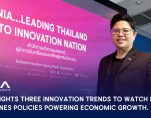
BANGKOK , THAILAND – Media OutReach Newswire – 16 January 2026 – The National Innovation Agency (Public Organization), or NIA, under the Ministry of Higher Education, Science, Research and Innovation (MHESI), is encouraging Thai entrepreneurs to keep a close eye on three key innovation trends for 2026: technology trends, market trends, and consumer trends. NIA also unveiled four major innovation policy directions: promoting investment in innovative businesses, strengthening innovation linkages across sectors, advancing regional innovation development, and enhancing national innovation competencies. These policies aim to accelerate the growth, capability development, and diffusion of innovative businesses, positioning them as key drivers of Thailand’s sustainable economic and social development.

Dr. Krithpaka Boonfueng, Executive Director of NIA

Dr. Krithpaka Boonfueng, Executive Director of NIA, said that rapid advances in artificial intelligence, escalating geopolitical tensions across multiple regions, trade decoupling and reciprocal tariff measures that create uncertainty in the global economy and value chains, as well as environmental issues and natural disasters, were major forces shaping change in 2025. ‘Innovation’ remains a critical tool for coping with these disruptions and uncertainties.

Looking ahead to 2026, Thai entrepreneurs will need to continue closely monitoring and adapting to change. Key innovation trends present both opportunities and challenges, starting with technology trends that help reduce costs and build long-term competitiveness. Notable technologies include Agentic AI, which can autonomously perform tasks such as customer chat responses, sales closure, order management, queue booking, price comparison, and automated purchasing; Hyper-Automation, which integrates bots and systems to reduce repetitive tasks, improve efficiency and accuracy, and enable real-time data-driven decision-making; and Carbon Accounting, which is becoming essential for SMEs involved in exports or global supply chains. Businesses are increasingly required to measure carbon footprints across energy use, production, logistics, and waste, in response to stricter global regulations such as the EU’s CBAM and Thailand’s forthcoming Climate Change Act.

Business trends highlight growth opportunities across several sectors. These include Health and Wellness, covering not only treatment but also prevention and therapy, particularly for working-age populations facing stress, office syndrome, and sleep disorders. Opportunities span physical therapy clinics, aromatherapy and sleep-aid products, herbal supplements, wellness tourism, yoga, and meditation. Another fast-growing area is the Pet Economy, as the Thai pet market continues to expand despite economic headwinds. This sector now includes holistic and organic pet food, fresh pet meals, fashion apparel, multifunctional pet furniture, and premium services such as pet spas, hotels, and condominiums. Additionally, Green and Circular Businesses are gaining traction, with upcycling and recycling ventures transforming waste and local materials into higher-value products. Although costs may be higher, sustainability-driven products can command premium prices, creating opportunities for community-based SMEs through innovative design aligned with environmental and fashion trends.

Consumer trends reveal a shift toward value-for-money and self-care. Hyper-Personalization is increasingly important, as consumers seek products tailored to individual needs, supported by advanced data analytics—such as supplements based on blood test results or skincare customized to personal skin conditions. Silver Solutions address the needs of Thailand’s aging society, with services focused on convenience, safety, and quality of life, including home modifications, slow-life travel programs, and assisted healthcare services. Meanwhile, Muketing or the Magic Economy reflects the enduring role of belief, spirituality, and cultural traditions in Thai society, creating economic value through religious tourism, spiritually inspired products, and design-driven items that blend art with faith.

Dr. Krithpaka added that NIA’s long-term mission is to transform Thailand into an innovation-driven economy, with startups and innovation-based entrepreneurs at its core. This requires the creation of new industries to drive growth and position Thailand as an “Innovation Nation” through three key objectives: developing innovations based on advanced and deep technologies that are difficult to replicate; creating high-value products and services rooted in creativity and cultural capital; and preparing a highly skilled workforce capable of keeping pace with rapid technological change and evolving demographic and labor market structures. NIA works closely with domestic and international partners in its role as a Focal Conductor of Innovation, supporting innovative businesses through the 4G framework: Groom (incubation and capability building), Grant (funding support), Growth (market expansion and access to capital), and Global (international market entry). In 2026, NIA will drive Thailand’s economy and society through four key innovation policy pillars.

The first focuses on promoting investment in innovative businesses, offering a range of financial mechanisms including grants for early-stage ventures and co-investment schemes for growth-stage firms, such as corporate co-funding, public venture mechanisms (NIA Venture), global investment link programs, and capital gains tax exemptions to support startup fundraising. The second pillar emphasizes innovation linkages, strengthening collaboration between academia and industry to translate research into real-world applications through acceleration programs, innovation hubs, ecosystem platforms, tax incentives, and future mechanisms such as intellectual property financing. The third pillar supports regional innovation development, enhancing local economies and quality of life through Social Innovation Driving units (SID), Open Innovation programs, City and Community Challenge, Social Innovation Villages, and Ninmungkornth The Reality, which inspires new or small entrepreneurs to become local economic champions. The final pillar aims to enhance national innovation competencies, cultivating innovation mindsets, technological and business skills, entrepreneurial thinking, and global readiness across youth, startups, SMEs, and organizations. Key initiatives include STEAM4INNOVATOR, Startup Thailand League, NIA Academy training programs, and productivity-focused projects such as INNOProductivity for SMEs, aligned with international innovation management standards like ISO 56001.

Through these integrated efforts, NIA seeks to strengthen Thailand’s innovation ecosystem and ensure that innovative businesses can grow resiliently and compete on the global stage.

Hashtag: #NIA #NationalInnovationAgency

The issuer is solely responsible for the content of this announcement.

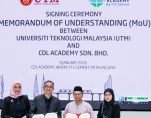
PETALING JAYA, MALAYSIA – Media OutReach Newswire – 15 January 2026 – CDL Academy Sdn. Bhd. (CDL Academy), the learning and development arm of YTL Cement Group, and Universiti Teknologi Malaysia (UTM) have signed a Memorandum of Understanding (MoU) on 9 January 2026 to strengthen collaboration in talent development, applied learning, and sustainable construction practices for Malaysia’s engineering sector.

(from left to right): Datuk Aziyah Mohamed, Co-chairman of CDL Academy Sdn. Bhd., Dato’ Sr. Mohd Zaid Zakaria, Chairman of CDL Academy Sdn. Bhd., Prof. Dr. Mohd Shafry Bin Mohd Rahim, Vice-Chancellor of Universiti Teknologi Malaysia, and Associate Professor Ir. Dr. Noor Nabilah Sarbini, Director, Forensic Engineering Centre of Universiti Teknologi Malaysia during the Memorandum of Understanding signing ceremony between CDL Academy Sdn. Bhd. and Universiti Teknologi Malaysia.

The MoU was signed by UTM Vice Chancellor Prof. Dr. Mohd Shafry Mohd Rahim and CDL Academy Chairman Dato’ Sr. Mohd Zaid Zakaria. It formalises the ongoing partnership between the two organisations and aims to provide students with industry exposure and practical experience, preparing them for careers in the construction sector.

Under the agreement, UTM and CDL Academy will pursue initiatives including professional training programmes, student internships, academic exchanges, workshops, seminars, and innovation projects in green building materials, advanced construction technologies, and cost management solutions.

Universiti Teknologi Malaysia (UTM) is Malaysia’s premier university for engineering, science, and technology, committed to building partnerships that enrich research output and provide students with real-world learning opportunities. The collaboration with CDL Academy exemplifies UTM’s efforts to equip graduates with the skills and experience needed to contribute effectively to the nation’s development.

Since its inception in 2019, CDL Academy has delivered over 100 seminars and learning engagements, benefiting more than 10,000 participants across the construction and engineering ecosystem. The collaboration with UTM expands these efforts, supporting the development of industry-ready graduates and addressing emerging needs in sustainable construction and advanced building technologies.

The MoU will be in effect for three years, with opportunities for renewal. Coordinators from both parties will oversee programme development to ensure measurable outcomes for students, researchers, and the construction industry.
Hashtag: #YTLCement, #CDLAcademy, #UTM, #ESG, #Sustainability, #Construction, #SustainableConstruction


The issuer is solely responsible for the content of this announcement.

CDL Academy Sdn Bhd

CDL Academy Sdn. Bhd. is the professional learning and development platform of the YTL Cement Group, established to support training and talent development within the construction industry. CDL Academy focuses on developing well-trained, industry-ready professionals through structured training and practical knowledge-sharing.

Beyond technical disciplines, CDL Academy serves as a hub for knowledge exchange, innovation and collaboration. It brings together practitioners, academics and universities, as well as industry leaders, industry associations and governing bodies through training programmes, seminars, workshops and strategic partnerships.

Through its commitment to quality education and best-practice sharing, CDL Academy aims to contribute to strengthening industry talent pipelines, supporting university–industry collaboration, and supporting the long-term advancement and sustainability of the construction ecosystem.

Universiti Teknologi Malaysia (UTM)

Universiti Teknologi Malaysia (UTM) is a premier public research university in Malaysia, specialising in engineering, science and technology. Located in Johor Bahru and with a campus in Kuala Lumpur, UTM is committed to producing globally competitive graduates and advancing cutting-edge research that addresses national and global challenges.

VISHNU RAJA
RYO YAMADA
HITORI GOTOH
IKUYO KITA
Just in:
NASA tests supersonic Mars rotors for heavier payloads // LANDMARK’s ‘Destination CENTRAL’ Opens an Inspiring New Chapter for the Festive Season in Hong Kong // International Business Leaders Say Xi’s Speech Boosts Confidence in Asia-Pacific Cooperation // Malappuram hartal over Western Ghats // Dubai Introduces SHARH, an AI-Powered Platform Helping Entrepreneurs Buy, Sell and Manage Businesses in the UAE // Workday targets Honeydew purchase to unify AI metrics // Coinbase targets 2027 launch amid state gambling lawsuits // AXS and PayerMax Advance Omnichannel Payment Acceptance for Merchants // Hackers exploit public notes to distribute NodeLinkRAT malware // F5 patches five critical NGINX server security flaws // Trump administration rejects coordinated attack behind US outages // Jaiedco and Golden Bridge Announce Strategic Collaboration for a New Dubai Islands Development // Thailand’s Most Iconic New Year’s Celebration Returns: ICONSIAM Unveils “Amazing Thailand Countdown 2027” // HC nullifies assets FIR against minister // Anthropic shares finish above offer price after Nasdaq debut // LittleLives, Little Lab and SEGi College Sign MOU to Explore Early Childhood Education Collaboration Across ASEAN // Anthropic’s debut is lifting markets, but someone is still paying for it // Russia permits retail cryptocurrency purchases under regulated framework // Travel Insurance Was Built for the Few Who Claim. Ancileo’s Felt Coverage™ is for Everyone Else // Rise In Disguised Unemployment Is A Major Feature Of Indian Economy //