News related to
kills

Over five years, nearly 9,000 teachers and students have participated in the Fair to drive youth engagement in innovation and technology

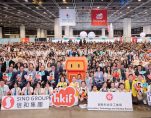
HONG KONG SAR – Media OutReach Newswire – 4 June 2026 – Organised by the Hong Kong Innovation Foundation (‘HKIF’), the Fifth Hong Kong Science Fair (‘Science Fair’) will take place from 27 to 28 June 2026 at the Hong Kong Convention and Exhibition Centre. The event will showcase around 120 shortlisted teams from primary and secondary schools across Hong Kong, presenting creative inventions that integrate artificial intelligence with a diverse range of technology applications. With Sino Group as Principal Patron, the Innovation, Technology and Industry Bureau of the HKSAR Government (ITIB) as the Supporting Bureau, and the Hong Kong Council for Testing and Certification (HKCTC) as Strategic Partner, HKIF is also honoured to have, for the first time, invited the Foundation for the Development of Science and Technology in China as an Advisory Organisation. Representatives from the Foundation will attend the award ceremony to witness the announcement of this year’s winning teams. Consistently a major draw for the community, the Science Fair is now open for online registration with free admission, and the public is warmly invited to attend in person.

Since its launch in 2021, the Science Fair has attracted participation from over 400 local schools, engaging nearly 9,000 students and teachers from Primary 4 to Secondary 6. To date, more than 2,200 creative invention submissions have been received, and the event has established itself as a key platform for youth I&T exchange.

Following Hong Kong’s first astronaut, Dr Lai Ka-ying, into space, the local innovation and technology ecosystem has attracted even greater attention. This year’s Science Fair has specially incorporated aerospace engineering elements, enabling the public to learn about the daily work and challenges of payload specialists, gain insight into the reality of aerospace research and development, and spark greater interest among young people in space exploration. Dr Lai launched aboard the Shenzhou-23 manned spacecraft and is expected to remain in space for approximately six months to conduct space science experiments and maintenance tasks. Visitors can express their support and encouragement by creating message cards for her. In addition, UBTECH Robotics, a globally leading enterprise in embodied AI robotics, will participate in the exhibition, showcasing multiple humanoid robots and offering visitors the opportunity to experience the appeal of embodied intelligence up close.

Professor Sun Dong, JP, Secretary for Innovation, Technology and Industry of the HKSAR Government, stated: ‘The Hong Kong SAR Government is fully committed to developing Hong Kong into an international innovation and technology (I&T) centre, with talent being a key driver of this growth. Now in its fifth edition, the Hong Kong Science Fair – organised by the Hong Kong Innovation Foundation – has become an annual flagship I&T education event. It offers students a valuable platform to turn their innovative ideas into practice, deepen their interest and confidence in I&T, and help bring I&T into schools and the wider community, thereby fostering a more innovation-friendly atmosphere. I look forward to seeing more young people unleash their potential through this platform, pursue careers in I&T, and contribute to the high-quality development of Hong Kong and our nation.’

Mr Daryl Ng, SBS, JP, Chairman of the Hong Kong Innovation Foundation and Chairman of Sino Group, said ‘Innovation and technology are key to Hong Kong’s long-term sustainable development and are integral to the country’s 15th Five-Year Plan. It is vital for Hong Kong to strengthen its I&T capabilities and actively contribute to national development, as underscored by the historic moment when Dr Lai Ka-ying became Hong Kong’s first astronaut. We are encouraged to see growing recognition of I&T opening up new opportunities for young people aspiring to pursue scientific research. As the Hong Kong Science Fair enters its fifth edition, its growth has been made possible by the support of the HKSAR Government, industry partners, tertiary institutions, research organisations, and our panels of judges. This year, we are grateful for the guidance and support of the Foundation for the Development of Science and Technology in China. Moving forward, the Science Fair will remain committed to nurturing talent from an early age, bringing together all sectors to promote I&T and inspire more young people to pursue careers in science and technology.’

Professor Anderson Shum, MH, Chairman of Judging Panel, Hong Kong Science Fair, President of The Hong Kong Young Academy of Sciences, said, ‘The Science Fair adopts the format of “integrating competition with exhibition,” enabling students to translate their learning into tangible and verifiable outcomes. This plays an important role in nurturing Hong Kong’s youth I&T ecosystem. I am delighted to have served as a judge for this major event over the years, witnessing students progressively enhance their presentation skills, build confidence, and broaden their horizons through exchanges with experts, participation in workshops and showcasing their work to the public. The standard of participating projects continues to improve each year, with increasing integration of artificial intelligence and diverse technological applications across different fields. Scientific research is a journey that demands passion and perseverance, and the growth of young scientists often begins with curiosity during their primary and secondary school years. Through these exchanges, we hope to leverage the role-model influence of young scientists, inspiring more students to pursue I&T as their lifelong career. I look forward to seeing our younger generation continue to grow and excel in scientific research and innovation, and officially join the community of scientists in the near future to jointly drive Hong Kong’s I&T development.’

Mr Michael Tam, Chief Brand Officer of UBTECH, said, ‘Humanoid robots are among the most promising real-world embodiments of artificial intelligence, reflecting a future in which intelligent systems are deeply integrated with the physical world. As a global pioneer in humanoid robotics, UBTECH has remained at the forefront of innovation for more than 14 years, with a long-standing commitment to I&T education. The company is dedicated to translating advanced technologies into practical, accessible educational resources. Through collaboration with like-minded partners such as the Hong Kong Innovation Foundation, we aim to inspire greater interest and engagement among both teachers and students in humanoid robotics and artificial intelligence. We are committed to supporting the development of Hong Kong’s I&T education ecosystem, helping to nurture future-ready talent and build a strong, sustainable foundation for long-term growth.’

Since its launch in 2021, the Science Fair has attracted participation from over 400 local schools, engaging nearly 9,000 Primary 4 to Secondary 6 students and their teachers. To date, more than 2,200 creative invention submissions have been received and total attendance has exceeded 120,000 visitors. The Science Fair has gradually established itself as a key platform for youth innovation and technology (‘I&T’) exchange and one of Hong Kong’s most representative I&T education initiatives. This year’s response has been enthusiastic, with over 500 project submissions received. Following preliminary judging, around 120 shortlisted teams took part in a series of workshops and mentorship sessions, and will present their projects at the exhibition in late June to compete for top awards. Gold award-winning teams from each category will have the opportunity to participate in the International Exhibition of Inventions Geneva in Switzerland, fostering idea exchange with global I&T talents.

The Hong Kong Science Fair draws tens of thousands of visitors each year. During the exhibition period, the venue will be transformed into a catalyst for city-wide I&T inspiration. In addition to student showcases, five interactive zones will offer hands-on experiences, including DIY bubble bath bomb workshops, freezer-free slushie making, themed games celebrating the Science Fair’s fifth anniversary, and modified remote-controlled cars made from upcycled household appliances, allowing visitors of all ages to explore science and innovation through engaging and enjoyable activities.

  • Bulu Bulu Bubble Factory: Blending science with sensory experiences, visitors can mix and mould from scratch to create a delightful ‘bathroom blind box’.
  • Shake Shake Ice Factory: Applying the principle of freezing point depression, participants will see how temperature can be rapidly lowered using only salt, ice and water to create personalised slushies — all without a freezer.
  • Scan2Play: Scan the QR Code on your phone to join the themed game celebrating the Hong Kong Science Fair’s Fifth Anniversary.
  • Racing Homey Kart 2.0: Showcasing the spirit of upcycling and upgrades, visitors can transform old, small household appliances into remote-controlled racing cars and compete on a dedicated track.
  • UBTECH Robotics Base: Featuring a wide range of robots, this zone provides a comprehensive showcase of the integration of artificial intelligence with mechanical engineering.

To celebrate the Science Fair’s fifth edition, various special experiences will be introduced. The venue will feature a hidden Science Fair character treasure hunt and check-in activity, through which visitors can redeem curated gifts upon completion. Limited-edition souvenirs, including the ‘HKSF-5 Metal Standee Collection’ and the ‘Special Edition Robo K’ blind boxes, will also be available in limited quantities. All proceeds from the HKSF Bazaar, with no deduction, will go directly to charity to support local community technology initiatives.

The Fifth Hong Kong Science Fair Details:

  • Date: 27 to 28 June 2026 (Saturday and Sunday)
  • Time: 10:00 am to 6:00 pm
  • Venue: Hong Kong Convention and Exhibition Centre, Hall 3FG
  • Admission: Free of Charge (Pre-registration online is required)
  • Registration Website: https://reghksciencefair.org.hk/public

Photos download: https://shorturl.at/mgawb

Hashtag: #HKIF #ScienceFair

The issuer is solely responsible for the content of this announcement.

Malicious agent-skill uploads have slipped past detection tools used by ClawHub, Cisco and Vercel-linked scanning services, raising fresh concern over the security of fast-growing marketplaces that distribute third-party capabilities for AI agents. The findings point to a widening supply-chain problem around “skills”, the modular instruction-and-file packages that allow AI agents to perform tasks such as editing documents, running scripts, managing workflows or connecting with external services. Unlike […]

Arabian Post Staff -Dubai UiPath has secured certification from the Dubai Electronic Security Center for its Automation Cloud Commercial UAE region, clearing a key compliance hurdle for wider deployment of its automation and artificial intelligence services across Dubai’s government, semi-government and regulated enterprise sectors. The certification places UiPath’s UAE cloud operations under the DESC Cloud Service Provider Security Standard, a framework required for cloud providers serving Dubai […]

Bull and Hon Hai Technology Group, better known as Foxconn, will manufacture artificial intelligence and cloud infrastructure in Europe under a strategic partnership designed to strengthen the region’s computing supply chain and reduce dependence on external technology providers. The project will use Foxconn’s manufacturing base in Pardubice in the Czech Republic and Bull’s factory in Angers, France, to produce AI systems and related components for European AI […]

Johannesburg has become the opening stage for a European Union push to turn a pledged €12 billion investment package for South Africa into bankable projects, with about 200 companies joining the bloc’s first investment roadshow in the country as competition intensifies over critical minerals. The event, hosted at the Johannesburg Stock Exchange on Monday, marked the first major effort to mobilise private capital under the EU-South Africa […]

Arabian Post Staff -Dubai Gartner has warned that enterprises risk a sharp retreat from autonomous AI agents by 2027 as weak governance, poor access controls and unclear accountability expose companies to operational, security and compliance failures. The technology research firm expects 40% of enterprises to demote or decommission autonomous AI agents by 2027 after governance gaps are discovered only through production incidents. The warning marks a tougher […]

header

BUDAPEST, HUNGARY – Media OutReach Newswire – 31 May 2026 – The 2025/26 UEFA Champions League Final has drawn to a spectacular close in Budapest, with Paris Saint-Germain emerging victorious to lift the legendary trophy. As an official partner of the UEFA Champions League for four consecutive years, global technology brand OPPO joined the celebrations to mark the end of another action-packed season supporting football development and football culture worldwide with technology. With its advanced camera technology and Make Your Moment philosophy, OPPO has enabled millions of football fans worldwide to capture highlights and record life-defining moments both inside and outside the stadium this season, inspiring everyone to Take Your Shot with OPPO.

Legendary moments on the pitch shot on OPPO

Telephoto Camera & AI Take Match Viewing to a New League

At the event in Budapest, OPPO showcased its latest telephoto camera technology and AI innovations in an immersive exhibition featuring the latest flagship Find X series—including the newly launched OPPO Find X9 Ultra—alongside the Find N foldable series and the Reno series. Equipped with a Hasselblad-powered 10x optical telephoto zoom, the OPPO Find X9 Ultra enables fans to capture detailed stadium moments with remarkable clarity, even from the upper tiers, while 8K ultra-clear video recording and advanced AI imaging capabilities make it easier than ever to capture decisive match moments, including game-winning shots, as if standing on the sidelines. Through the comprehensive end-to-end image ecosystem, OPPO Find X9 Ultra users can also share footages at near to original image quality across social platforms instantly. From high-resolution capture, smart editing, to lossless sharing, OPPO makes it effortless to Take Your Shot and Make Your Moment with exciting match moments preserved in vivid detail.

OPPO's activities in Budapest
OPPO’s activities in Budapest

Empowering Global Football Development and Igniting Passion Worldwide

Beyond the pitch, OPPO continues to support football development through innovation and partnership programs, using its advanced smartphone imaging capabilities to help fans around the world capture iconic match moments and share the passion and emotion of the game. In collaboration with Discovery, OPPO has produced a UEFA Champions League short film that showcases the emotional power of football told through real fan stories, using OPPO imaging technology to bring the spirit of the game to audiences globally.

Over the past year, OPPO has also launched a range of football partnerships and community initiatives around the world. In Indonesia, OPPO became the official smartphone partner of the BRI Super League for the 2025–2027 season, supporting the continued development of football in the country. Meanwhile in Mexico, as the official sponsor of football club Gambeta FC, OPPO supported the club’s youth academy through equipment donations, scholarship programs, tournament organization, talent development initiatives, and professional coaching resources. Through these efforts, OPPO is helping players of different ages to develop their talent and chase their dreams of becoming professional football players while continuing to support and inspire a shared passion for football across communities worldwide.

In May 2026, OPPO Colombia announced football star Luis Díaz as its official brand ambassador. As part of the partnership, OPPO teamed up with the Luis Díaz Foundation to launch the “Lucho por Colombia (Fight for Colombia)” social responsibility initiative. The program provides smart connected devices and support for digital skills training centers across Colombia’s La Guajira region, helping expand access to digital education in local communities. Through collaborations with the football star, alongside other public welfare initiatives and continued product innovation, OPPO continues to strengthen its connection with local communities and further expands its presence across Latin America under its long-term commitment to the market.

Beyond these social and community welfare initiatives, OPPO has also launched a number of football-themed events that bring the brand and football fans closer together worldwide through a shared passion for football. On the eve of the UEFA Champions League final, OPPO invited football legends Theo Walcott and Claude Makélélé to join a 5v5 friendly match in Budapest, where the legends shared skills, career experiences, and discussed their perspectives on the game with fans. Key moments throughout the match were captured using OPPO’s latest flagship smartphone, the OPPO Find X9 Ultra, with every pass, shot, and interaction recorded in vivid detail through the device’s advanced imaging capabilities.

Theo Walcott and Claude Makélélé joined fans for a friendly 5v5 game

Inspiring Young Creators and Championing Football Culture

Ahead of the final, OPPO partnered with Discovery Channel to launch the Filmmaker Accelerator Program. With mentorship from Discovery, the initiative encourages aspiring creators to capture diverse stories using OPPO imaging technology, helping to support young creators globally. With football culture as one of the program’s core themes, OPPO is not only empowering the next generation of creators with a platform for expression but also enriching stories around football culture through these diverse perspectives, taking the spirit of football beyond borders to connect with broader audiences worldwide. As part of the program, a special documentary video exploring football culture is set to premiere worldwide at the end of June 2026.

As another sensational UEFA Champions League season comes to an end, OPPO looks forward to continuing to use its world-leading innovation to bring football fans around the world more powerful and user-friendly technology that enables everyone to Make Your Moment by capturing football highlights both on and off the pitch. In the meantime, OPPO will continue to deepen its long-term partnerships with global football institutions, promoting new ways of expressing and sharing football culture as it takes the game to the next level worldwide.

Hashtag: #OPPO

The issuer is solely responsible for the content of this announcement.

Advertisements

Russia-linked cyber operators tracked as GREYVIBE have used generative artificial intelligence tools including ChatGPT and Google Gemini to widen cyber-espionage operations against Ukraine-linked targets, signalling a shift in how lower-skilled threat groups can build lures, malware and infrastructure at speed. The activity, active since at least August 2025, has targeted military, government, civilian and business-related organisations through phishing emails, fake verification pages, fraudulent websites and custom malware. […]

Portugal’s economy expanded 2.3 per cent year on year in the first quarter, accelerating from 1.9 per cent at the end of last year as domestic demand offset pressure from trade and weather-related disruption. The first-quarter reading confirmed that the economy entered 2026 with firmer underlying demand than much of the euro area, even though output was flat compared with the previous quarter. The annual pace matched […]

Over 80% Optimistic About Overseas Trade, Yet Tariffs and Costs Pose Key Hurdles

HONG KONG SAR – Media OutReach Newswire – 29 May 2026 – To support small and medium-sized enterprises (SMEs) in expanding into international markets, the Hong Kong Productivity Council (HKPC) and DHL Express Hong Kong (DHL) will co-host the “Blueprint for Global Expansion: Market Entry, Logistics & Risk Management” Forum on 12 June.

Amid an increasingly complex and rapidly evolving global supply chain landscape, the forum will delve into market strategies, logistics optimization, and risk management —equipping local businesses with the insights needed to navigate challenges and capture opportunities in global trade. As the first SME-focused forum jointly launched by HKPC and DHL, the initiative marks the beginning of a series of collaborative efforts to share practical expertise and support businesses in strengthening their international presence.

From Data to Strategy: Addressing the Three Key Barriers for SMEs Going Global
According to the latest quarterly “DHL Hong Kong Air Trade Leading Index (DTI)” survey, commissioned by DHL and conducted by HKPC, the primary challenges faced by enterprises expanding overseas are: “Complex tariff and customs clearance procedures” (23%), “High logistics and delivery costs” (20%) and “lack of local sales channels/ business partners” (12%). Despite these hurdles, over 85% of air traders remain neutral or positive about overseas trade prospects. In terms of readiness, 68% of respondents reported moderate confidence, while a further 18% showed high confidence, indicating a pragmatic and risk-aware approach among businesses pursuing global expansion.

In light of these findings, the forum will address the three critical dimensions of market, logistics, and risk management, offering professional guidance and targeted resources to help SMEs formulate immediate and actionable go-global strategies.

Andy Chiang, Senior Vice President and Managing Director, DHL Express Hong Kong and Macau, said, “DHL has long been committed to supporting SMEs in navigating the complexities of international trade. Through our GoTrade programme, we provide practical tools and expertise to help businesses manage cross-border logistics and customs processes more effectively. Our collaboration with HKPC focuses on equipping SMEs with actionable insights and strengthening their operational capabilities for global expansion. We look forward to continuing our partnership to deliver knowledge-sharing and networking opportunities that empower businesses to grow internationally with confidence.”

Three Thematic Sessions: A Comprehensive Global Expansion Blueprint for SMEs
The forum is specifically designed to address the pain points identified in the survey, featuring three expert speakers offering targeted insights:

○ Professor Roy Liang TAN, Practitioner Professor of Management and Business Strategy at the HKU Business School will provide an in-depth analysis of how to assess target market maturity, avoid common pitfalls, and leverage government funding schemes to optimise financial planning — transforming the go-global vision into a concrete action plan.

○ Ms Julian Tsoi, Director, Marketing Communications and Direct Sales, DHL Express Hong Kong, will share insights on how businesses can leverage global logistics networks and technology to enhance customs clearance efficiency and improve operational performance, while navigating the complexities of cross-border logistics and addressing common challenges in international expansion.

○ Mr Kenneth POON, Assistant General Manager – Business Division at the Hong Kong Export Credit Insurance Corporation, will analyse export trade risks across different stages in emerging markets and guide enterprises on using credit insurance tools to guard against bad debts and strengthen financing capabilities.

Beyond expert presentations, the forum will feature interactive networking and Q&A sessions, allowing participants to exchange practical experiences directly with speakers and fellow SMEs, and explore business growth opportunities together.

Registration is now open. Seats are limited, first come first served!

“Blueprint for Global Expansion: Market Entry, Logistics & Risk Management” Forum

Date: 12 June 2026 (Friday)
Time:
3:00 PM – 5:00 PM
Venue: LG1, Future Manufacturing Hall, HKPC Building, 78 Tat Chee Avenue, Kowloon
Language: Cantonese and Putonghua
Registration Link: https://campaigns.hkpc.org/zh-hk/rsvp-blueprint-for-global-expansion

Hashtag: #HKPC

The issuer is solely responsible for the content of this announcement.

About Hong Kong Productivity Council

The Hong Kong Productivity Council (HKPC) is a statutory body established in 1967, dedicated to enhancing the productivity and competitiveness of Hong Kong enterprises through world-class applied R&D, innovative technology services, and integrated manufacturing solutions. As a market-oriented, international R&D organisation, HKPC leverages its deep expertise and extensive industry experience in key areas such as AI, advanced manufacturing, life and health technology, green technology and new energy to drive new industrialisation and support the growth of emerging and future industries.

HKPC focuses on addressing businesses challenges and industrial technology needs, promoting the full integration between technological and industrial innovation. Through technology transfer, product innovation, intellectual property protection and commercialisation of R&D outcomes, the Council fosters collaboration with the local business community as well as top global R&D institutions, delivering added value to industries and advancing the development of new productive forces. HKPC’s world-class R&D achievements have been widely recognised over the years, winning an array of local and overseas accolades, reinforcing Hong Kong’s role as an international innovation and technology centre and a smart city.

To help enterprises capitalise on Hong Kong’s strengths in international connectivity to expand into global markets, HKPC offers comprehensive overseas expansion services tailored to critical areas including product development, technology, manufacturing, and management, enabling businesses to successfully go global from Hong Kong.

HKPC is also committed to providing timely and practical support to SMEs and startups with timely and practical , assisting them in accessing Government funding programmes. Through its FutureSkills training initiatives, HKPC helps both industry and academia stay ahead in latest digital and STEM technologies, nurturing a future-ready talent pool for Hong Kong.

For more information, please visit HKPC’s website: .

DHL – The logistics company for the world

DHL is the leading global brand in the logistics industry. Our DHL divisions offer an unrivalled portfolio of logistics services ranging from national and international parcel delivery, e-commerce shipping and fulfillment solutions, international express, road, air and ocean transport to industrial supply chain management. With approximately 389,000 employees in more than 220 countries and territories worldwide, DHL connects people and businesses securely and reliably, enabling global sustainable trade flows. With specialized solutions for growth markets and industries including technology, life sciences and healthcare, engineering, manufacturing & energy, auto-mobility and retail, DHL is decisively positioned as “The logistics company for the world”.

DHL is part of DHL Group. The Group generated revenues of approximately 82.9 billion euros in 2025. With sustainable business practices and a commitment to society and the environment, the Group makes a positive contribution to the world. DHL Group aims to achieve net-zero emissions logistics by 2050.

The logistics company for the world.

Robert Walters Taiwan’s 15th anniversary report Reveals Structural Shift in the Local Talent Market

  • Taiwan’s talent market has officially shifted from an employer-driven to a candidate-driven market, with critical skills increasingly replacing tenure and job titles as the core measure of talent value.
  • AI adoption and global supply chain restructuring are accelerating salary polarisation. Professionals in semiconductors and high-tech industries are seeing salary increases of 15–20% when changing jobs, while those with AI, HPC and cross-border supply chain expertise can command increases of up to 30%.
  • Career priorities are evolving beyond compensation. 54% of professionals cite learning and development opportunities as a key reason for staying with their current employer.
  • By 2030, Gen Z is expected to account for 30–33% of Taiwan’s workforce, making flexibility, work-life balance and transparent workplace culture critical factors in talent attraction and retention.

TAIPEI, TAIWAN – Media OutReach Newswire – 29 May 2026 – Taiwan’s talent market has gradually shifted from an employer-driven to a candidate-driven market through globalisation, digital transformation and pandemic-driven disruption. Meanwhile, the rapid advancement of technology and AI is not only accelerating demand for critical skills, but also reshaping industry structures and redefining the rules of talent competition.

Robert Walters, the world’s most trusted talent solutions business, said in its latest 15th anniversary report, Taiwan’s Talent Market: The New Rules of Competition, that “critical skills” are increasingly replacing tenure and job titles as the primary indicators of talent value and compensation. Particularly as Taiwan’s semiconductor industry strengthens its strategic position within the global technology supply chain, professionals with in-demand capabilities are seeing salary growth significantly outpace the broader market, making salary polarisation an increasingly structural feature of Taiwan’s labour market.

As competition for high-skilled talent intensifies, candidates are placing greater emphasis not only on compensation, but also on Career Value Proposition (CVP), including career development, workplace flexibility and management culture. The report also highlights the rise of a candidate-driven market, where professionals are becoming increasingly selective about what they expect from employers.

In today’s market, growing uncertainty and increasing business complexity are shifting competition away from workforce scale towards the ability to secure critical capabilities and high-value talent. John Winter, Country Manager of Robert Walters Taiwan, noted: “Since entering the Taiwan market in 2011, we have seen talent strategy evolve into a core business strategy. Organisations that can identify critical capabilities early, integrate talent effectively and continuously strengthen organisational resilience will be best positioned for long-term success.”

Global Supply Chain Restructuring Accelerates the Shift Towards a Skills-Based Talent Market and Salary Polarisation

Amid geopolitical uncertainty and ongoing global supply chain restructuring, organisations are increasingly reshaping their structures and global workforce strategies to strengthen resilience and competitiveness. As a result, hiring priorities are shifting away from narrow technical expertise towards cross-functional integration, strategic thinking and problem-solving capabilities. At the same time, talent assessment is moving beyond tenure and job titles, with greater emphasis placed on practical capability, skill scarcity and immediate business impact.

Rapid AI adoption is further accelerating demand for critical skills, driving increasingly concentrated salary growth across the market.

In semiconductor and high-tech industries, professionals changing jobs may see salary increases of 15–20%, while talent with expertise in AI, High-Performance Computing (HPC), Edge Computing and cross-border supply chain management may achieve salary growth of up to 30% reinforcing the growing shift towards a labour market increasingly defined by “skills value”. In contrast, salary growth among execution-focused roles has remained relatively moderate. According to Taiwan’s Directorate-General of Budget, Accounting and Statistics (DGBAS), nearly 70% of employees in 2025 earned below the average salary level — the highest proportion on record — highlighting widening salary polarisation across the labour market.

Candidate-Driven Market Takes Shape:

Career Value Proposition Emerges Alongside Salary as a Key Driver of Employer Attractiveness

The rise of in-demand skills is accelerating Taiwan’s shift towards a candidate-driven labour market, with professionals becoming increasingly selective about what they expect from employers. According to Robert Walters Taiwan’s 15th Anniversary Report, candidates are moving beyond a compensation-led mindset and placing greater emphasis on Career Value Proposition (CVP), including career growth, workplace flexibility and management culture.

As AI adoption and industry transformation continue to reshape the workforce, professionals are placing greater importance on long-term career development and employability. Robert Walters Taiwan’s research found that 54% of professionals view continuous learning and development opportunities as a key reason for staying with their current employer.

Expectations around workplace culture and working models are also evolving. The report shows that beyond salary and benefits (75%), professionals increasingly prioritise flexible working arrangements (36%) and an open, effective management culture (32%) when evaluating employers. Meanwhile, Taiwan’s National Development Council projects that Gen Z will account for approximately 30–33% of the labour force by 2030. As the influence of this generation continues to grow, priorities such as work-life balance, workplace flexibility and transparent organisational culture are becoming defining factors in employer attractiveness.

Reflecting on the findings, John Winter noted: “The rise of a candidate-driven market reflects a broader shift in how professionals evaluate employers. Beyond compensation, talent is increasingly prioritising long-term growth, flexibility and organisational culture. Companies that can provide meaningful career development and adaptability will be better positioned to attract and retain top talent.”

Five Strategies Reshaping Talent Competition:

Building Organisational Resilience Through Critical Capabilities and Skills Value

As geopolitical uncertainty, global supply chain restructuring and rapid AI adoption continue to reshape business environments, organisations are increasingly competing on critical capabilities and organisational resilience rather than scale alone. In this context, talent strategy is no longer a back-office HR function, but a core driver of transformation, competitiveness and long-term business sustainability.

Robert Walters Taiwan’s report identifies five key strategies organisations should focus on to remain competitive in a rapidly evolving market:

1. Shift from workforce expansion to critical capability planning
Hiring success will increasingly depend on the ability to identify and secure high-value talent with in-demand, business-critical skills.

2. Build compensation strategies around skills value

As skills replace tenure as the key measure of talent value, organisations must redesign salary structures and talent evaluation frameworks to remain competitive.

3. Strengthen long-term learning and capability development

AI-driven transformation will require organisations to proactively build reskilling and upskilling cultures to reduce future capability gaps.

4. Redesign workplaces around flexibility and employee experience

Beyond compensation, organisations must strengthen career development, flexibility and workplace culture to attract and retain high-performing talent.

5. Elevate talent strategy to a core business priority

Future talent competition will increasingly shape organisational agility, transformation capability and long-term competitiveness.

Reflecting on the evolving talent landscape, John Winter said: “In the past, talent strategies were largely designed to address immediate hiring needs. Today, the nature of talent strategy has fundamentally changed. Organisations must shift from asking ‘Who do we need now?’ to ‘What capabilities will we need in the future?’ The businesses that can continuously build adaptable talent and resilient organisations will be the ones best positioned for long-term success.”

-END-

About Taiwan’s Talent Market: The New Rules of Competition

Published as Robert Walters Taiwan’s 15th anniversary report, Taiwan’s Talent Market: The New Rules of Competition explores how globalisation, digital transformation, the pandemic, AI adoption and geopolitical uncertainty have structurally reshaped Taiwan’s labour market over the past 15 years.

The report combines Robert Walters Taiwan’s long-term market observations, talent insights and findings from the Salary Survey 2026, covering key sectors including semiconductors, high technology, manufacturing, digital transformation and cross-border operations. It also examines the major workforce trends redefining talent competition, salary structures and employer attractiveness in Taiwan’s evolving labour market.

To access the full report, please visit: https://reurl.cc/9W97bn

Hashtag: #RobertWalters

The issuer is solely responsible for the content of this announcement.

About Robert Walters

Robert Walters is the world’s most trusted talent solutions business. Across the globe, we deliver recruitment, recruitment process outsourcing and advisory services for businesses of all shapes and sizes, opening doors for people with diverse skills, ambitions, and backgrounds. We help organisations find the skills and solutions to reach their goals and assist talented professionals to power their unique potential.

The Taipei office specialises in placing candidates in the following specialities: accounting & finance, electronics & industrial, healthcare, human resources, IT & digital transformation, marketing, manufacturing, sales, semiconductors, software, supply chain, logistics & procurement.

Liberia’s push to link women’s livelihoods with protection from violence has moved into a new phase after UN Women Liberia and its partners convened an inception meeting in Monrovia for the Spotlight Initiative 2.0 Women’s Economic Empowerment component. The meeting, held at the One UN House, brought together government representatives, civil society organisations, private sector actors and development partners to align implementation plans for a programme designed […]

Arabian Post Staff -Dubai Deloitte has expanded its alliance with Netskope to deliver managed Secure Access Service Edge services across Europe, the Middle East and Africa, targeting large enterprises reshaping networks for cloud workloads, hybrid work and AI adoption. The offering brings together Deloitte’s cyber operations, advisory and managed security capabilities with Netskope’s cloud security platform, giving clients a single service model for network transformation, access control, […]

48% of job seekers now expect upfront salary disclosure before applying

HONG KONG SAR – Media OutReach Newswire – 27 May 2026 – As the European Union prepares to transpose the EU Pay Transparency Directive into law by June 2026, employers will soon be required not only to disclose pay scales but to provide unprecedented clarity on how pay decisions are made.

This movement is not confined to Europe. Across the US, UK, Canada, Brazil, Australia, and Japan, a combination of strict regulation and rising employee expectations is pushing organisations toward a new standard of openness.

According to the latest Pay Transparency E-guide from the world’s most trusted talent solutions company Robert Walters, 48% of job seekers say they only apply for roles where salary ranges are disclosed upfront, which reflects salary transparency is no longer a ‘nice-to-have’ but prerequisite for even engaging in the hiring process.

In Hong Kong, where salary disclosure has traditionally remained limited and highly individualised, these global developments are beginning to prompt new conversations around how pay is determined and benchmarked in the hiring process.

Growing public debate over current hiring practice to benchmark offers in Hong Kong

The common practice of requesting candidates’ current or previous salary is beginning to attract more discussion in Hong Kong. While employers have traditionally used this information to benchmark offers, some professionals question whether it places too much emphasis on past earnings rather than the value of the role or prevailing market rates.

“Candidates are increasingly asking how compensation is determined, not just what is being offered,” said John Mullally, managing director at Robert Walters Hong Kong. “Where decisions appear to be anchored to previous salary rather than the scope of the role, it can shape perceptions of fairness during the hiring process.”

At the same time, candidates are also paying closer attention to the amount of personal information requested during recruitment, reflecting broader expectations for transparency and consistency.

Wage secrecy culture under reassessment as Gen Z shows greater openness toward salary disclosure

Traditionally, salary has been a deeply private matter in Hong Kong, often viewed as a “confined personal message” that is rarely shared even with family members, which can make it difficult for employees to understand how pay decisions are made or how they compare with peers in similar roles.

However, data from the Robert Walters Salary Survey suggests that Gen Z is beginning to dismantle these long-standing cultural roots.

While only 5.5% of Hong Kong professionals overall are comfortable discussing their compensation with colleagues, that openness jumps to 24% among Gen Z. This stands in stark contrast to the 4% of Millennials and 2% of Gen X who are willing to share such information. This shift indicates that as the younger workforce grows, the cultural resistance to pay transparency is starting to fade.

“For Gen Z, transparency is a marker of fairness, equity, and social responsibility,” says John Mullally. “Candidates today have more access to market information and are making more informed decisions. Greater transparency can help build trust earlier in the process and support more constructive conversations around expectations.”

Global standards, local implications

With stricter requirements emerging in regions such as Europe, practices in one location are increasingly shaping expectations in others. Companies that operate across borders may find that consistency in how compensation is communicated becomes more important in attracting and retaining talent.

“For multinationals, this is more than just a compliance task. Operating transparently in one market while remaining opaque in another creates an ‘information asymmetry’ that erodes internal trust. We are seeing forward-thinking firms ‘level up’ by adopting a consistent, global standard of transparency, even before local legislation mandates it.” comments John Mullally.

While standardisation is difficult in industries like sales or professional services, where pay is often tied to commissions and individual portfolios, companies may need to balance flexibility with clearer communication. As expectations evolve, greater openness may become an important factor in securing and retaining talent.

Navigating complexity: how organisations can prepare

To prepare for this shift, Robert Walters advises Hong Kong organisations to move beyond simple disclosure toward building a robust job architecture. This framework must clearly explain the logic behind pay decisions, ensuring that transparency provides clarity rather than confusion when employees compare compensation.

Businesses should also prioritise internal equity audits to resolve any unjustified pay gaps before they lead to friction. Ultimately, the success of this transition depends on communication; managers must be trained to lead data-driven, honest conversations about pay to ensure transparency becomes a foundation for trust and a stronger employer brand.

“While full transparency on pay is still some way off in Hong Kong, expectations are clearly evolving,” Mullally said. “Organisations do not need to replicate other markets overnight but taking steps towards clearer and more consistent communication around pay will become increasingly important in staying competitive.”
Hashtag: #RobertWaltersHongKong #HongKongHiringMarket #HiringTrends #Benefits #Salary #Hiring #2026 #PayTransparency


The issuer is solely responsible for the content of this announcement.

Robert Walters Hong Kong

About – Robert Walters is the world’s most trusted talent solutions business. Across the globe, we deliver recruitment, recruitment process outsourcing and advisory services for businesses of all shapes and sizes, opening doors for people with diverse skills, ambitions, and backgrounds. We help organisations find the skills and solutions to reach their goals and assist talented professionals to power their unique potential.

The Hong Kong office specialises in placing high-calibre professionals on a permanent or contract basis in the following specialities: accounting & finance, construction, property & engineering, financial services, HR & business support, legal & compliance, sales & marketing, supply chain, logistics & procurement, and tech & transformation.

About the Robert Walters Pay Transparency E-guide

With landmark legislation going live in Europe this June and conversations around salary openness gaining momentum worldwide, the era of “confidential” compensation is rapidly coming to an end. In its place is a new corporate landscape defined by transparency, clarity, and open dialogue around pay. This comprehensive e-guide explores the practical realities of this global shift, defining what pay transparency actually looks like in practice and examining why open compensation structures matter now more than ever in the modern workplace.

The guide also provides deep insights into how employee and job applicant expectations are shifting on a global scale, highlighting the direct link between pay transparency and a company’s Employee Value Proposition (EVP). Ultimately, it offers actionable, strategic advice for businesses and hiring managers on how to successfully navigate the cultural and structural transitions within their own organisations.

To download the full Robert Walters Pay Transparency E-guide, please contact us or visit: https://www.robertwalters.com.hk/insights/hiring-advice/e-guide/global-pay-transparency.html

Dubai has opened the Dubai Esports & Games Festival 2026 with a stronger emphasis on gaming as a career pathway, placing digital skills, education and competitive play at the centre of a citywide programme running from May 22 to June 7. Organised by Dubai Festivals and Retail Establishment, part of the Dubai Department of Economy and Tourism, the festival is being positioned as more than an entertainment […]

Hong Kong’s artificial intelligence market gained a locally built workplace automation product on Tuesday as Sentimento Technologies launched MonoClaw, a Mac-based AI secretary aimed at professionals and small and medium-sized businesses seeking tighter control over data, costs and daily administrative work.

The product, built around a personal AI assistant called Mona, is being positioned as a “local-first” alternative to cloud-based generative AI tools. Rather than routing most tasks through remote servers, MonoClaw runs large language models on a user’s own Apple hardware, with the company saying the approach is designed to keep sensitive memory, session history and credentials under the user’s direct control.

Sentimento Technologies Limited, the Hong Kong engineering studio behind the product, describes MonoClaw as the city’s first managed local AI runtime environment for professional users. Its launch comes as businesses move from experimental chatbot use towards agentic AI systems that can monitor workflows, draft responses, prepare reminders and act on user-approved instructions across multiple workplace channels.

Mona is designed to work as a digital secretary across email, WhatsApp, Telegram and calendar-linked tasks. The system can identify action items in messages, prepare reply drafts, generate morning briefings, track pending approvals, surface relevant documents before meetings and flag deadlines. The company says the product ships with 160 pre-bundled professional skills, covering both business administration and personal task management.

Billy Zuo, co-founder and chief executive of Sentimento Technologies, said the shift from manual software operation to autonomous AI execution marked a wider change in workplace computing. He said many businesses adopting cloud AI still face concerns over data leakage and unpredictable subscription costs, arguing that a local-first model gives companies greater control over sensitive information and spending.

MonoClaw’s pricing reflects that positioning. The permanent software licence is priced at HK$28,888, with an early-bird offer of HK$25,888. Users must also provide compatible Apple hardware, such as a Mac mini M4 or iMac M4, with the Mac mini starting at about HK$6,099. The company handles installation, workflow configuration and validation, with payment structured through a 40 per cent deposit and 60 per cent balance after final delivery and verification.

That model differs from many AI software products that rely on monthly subscriptions, metered token use or cloud-service plans. Sentimento is pitching MonoClaw as a capital investment rather than an operating expense, a message likely to appeal to smaller firms that want clearer budgeting and lower recurring software exposure. The trade-off is a higher upfront cost and a hardware dependency that may limit adoption among users who prefer device-neutral or fully cloud-hosted systems.

Privacy and auditability are central to the product’s commercial pitch. MonoClaw uses local contextual memory, local runtime profiles, secret redaction and explicit approval gates for higher-risk actions. Mona is designed to request confirmation through messaging channels before executing sensitive commands, data changes or external actions. That “human-in-the-loop” structure reflects a broader concern in the AI sector: agents that are powerful enough to automate work also need firm boundaries, logs and user control.

Hong Kong’s technology ecosystem has been moving in the same direction. AI agents, local foundation models and governed automation have become more prominent in policy, research and enterprise discussions, with public and academic initiatives focusing on authorisation, traceability and risk controls. MonoClaw enters this environment as a commercial product for office users rather than a research platform, but its design mirrors the same debate over whether AI agents can be useful without creating new privacy and operational risks.

The launch also underscores a changing competitive field for productivity software. Major global platforms are embedding AI assistants into office suites, browsers, customer-service tools and enterprise resource systems. MonoClaw’s advantage, if it gains traction, will lie in its local deployment, Hong Kong-specific setup and promise of cost predictability. Its challenge will be proving that a local Mac-based assistant can match the reliability, integrations and performance of cloud-backed rivals while remaining simple enough for non-technical users.

Energy and infrastructure concerns add another layer to the product’s appeal. Cloud AI workloads have intensified scrutiny of data-centre electricity demand, cooling requirements and network dependence. MonoClaw argues that routine tasks such as inbox triage, drafting, reminders and meeting preparation can be handled on Apple Silicon at desk level, reducing reliance on remote inference for every interaction. The system can still use filtered cloud subprocesses for selected workloads, meaning its privacy and cost benefits will depend on how users configure and supervise each workflow.

THIMPHU, BHUTAN – Media OutReach Newswire – 26 May 2026 – In a landmark collaboration between the Ministry of Education and Skills Development (MoESD) of Bhutan and the EtonHouse International Education Group, EtonHouse Bhutan International School will open its doors as the nation’s first international K–12 school in Academic Year 26/27, marking a milestone that underscores Bhutan’s commitment to building human capital for a rapidly evolving global economy.

Mr Ng Yi-Xian, Group CEO, EtonHouse International Education Group and Mr Tshewang Chophel Dorji, Secretary, Ministry of Education and Skills Development

Founded in Singapore over 30 years ago, EtonHouse today operates over 100 schools across eight countries, and is widely recognised for its inquiry-led approach to international education.

The partnership positions EtonHouse as a long-term education partner to Bhutan, focused on listening, learning, and co-creating a school experience that honours Bhutanese culture and strengthens capability within the region. Professional development and education conferences will support collaboration among educators across Bhutan, enabling professional exchange and high-quality practice, contributing to a strong, future-ready pedagogical landscape.

A shared vision for Bhutan’s future education landscape

EtonHouse Bhutan aligns with the Royal Government’s vision to nurture world-class talent through greater access to high-quality international education. The school is designed to develop globally competent learners rooted in Bhutan’s cultural heritage and the principles of Gross National Happiness. This partnership reflects Singapore’s enduring contribution to international education, sharing a model that harmonises academic rigour with Asian values, creativity and innovation, advancing Bhutan’s long-term educational aspirations.

The school will offer a seamless K–12 pathway for over 500 students. In the Early Years, children will experience the EtonHouse Inquire. Think. Learn curriculum inspired by the Reggio Emilia approach. Primary students will engage in the International Primary Curriculum alongside Singapore Mathematics and UK-aligned core subjects, progressing to the Cambridge Lower Secondary, IGCSE and International A Level qualifications from Cambridge. Bhutanese History and Dzongkha remain integral, complemented by a multilingual language programme offering English, Dzongkha and Mandarin, alongside a strong emphasis on STEM, sustainability and holistic wellbeing.

“The Ministry of Education and Skills Development has entered into a landmark partnership with EtonHouse International Education Group to establish an international school in Bhutan, a significant milestone in the nation’s ongoing education reform, guided by His Majesty’s vision for a future-ready and globally competitive education landscape.

The initiative will provide Bhutanese students with access to internationally benchmarked learning opportunities while ensuring the deep integration of local knowledge, culture, and values into the curriculum. It seeks to create a dynamic platform for young Bhutanese to experience world-class education within the country, reducing the need to pursue such opportunities abroad and thereby strengthening Bhutan’s human capital for the future.

Beyond enhancing access to quality education, the partnership aims to strengthen national education capacity and bolster Bhutan’s attractiveness to skilled professionals and international institutions, positioning the Kingdom as an emerging hub for world-class learning,” said Mr Tshewang C. Dorji, Secretary of the Ministry of Education & Skills Development.

“Establishing Bhutan’s first international school marks a defining moment for education in the Kingdom. As a global education group, we bring internationally recognised standards and access to a worldwide learning network that connects students and educators across countries. Through the EtonHouse Global Classroom, students engage with peers across our international network, gaining global perspectives through shared learning and cultural understanding. Our ambition is to build a globally engaged school in Bhutan that expands opportunities and contributes to long-term national development.” said Mr Ng Yi-Xian, Group CEO of the EtonHouse International Education Group.

Creating Opportunities for Students and Advancing Educator Excellence

A dedicated scholarship scheme will provide full tuition sponsorship to up to ten outstanding Bhutanese students, reinforcing the school’s commitment to accessibility and national talent development.

EtonHouse will leverage its membership in the Reggio Children International Network to provide preschool educators in Bhutan with access to internationally recognised Reggio Children expertise, professional learning and regional educator exchange, strengthening teaching practice across the region.

A campus that celebrates Bhutanese identity and global perspective

“The design and curriculum of EtonHouse Bhutan pay homage to Bhutan’s cultural roots while opening doors to the world. Every space has been conceived to inspire curiosity, reflection, and innovation, echoing the nation’s aspiration to educate its youth for both local contribution and global engagement.” said Evelyn Tay, CEO of EtonHouse International Education Group, Singapore and EtonHouse Bhutan International School.

The purpose-built campus reflects a thoughtful fusion of traditional Bhutanese craftsmanship and contemporary collegiate design. Learning environments are designed in calm, neutral tones, reflecting the EtonHouse approach to inquiry-led, child-centered learning.

Students will have access to facilities including:

  • Research and Innovation Centre, integrating the Library, STEAM and ICT to support inquiry, experimentation and interdisciplinary learning
  • Dedicated Science Laboratories, designed for hands-on learning across Biology, Chemistry and Physics
  • Cultural Learning Spaces, honouring Bhutanese History and Dzongkha as integral parts of the curriculum
  • Multipurpose Sports Hall, supporting physical development, teamwork and wellbeing
  • Dedicated Performing Arts Studio, enabling expression through music, drama and movement
  • Reggio-inspired Ateliers, where children explore ideas through the hundred languages of expression, including light, sound, clay, mark-making and natural materials

Next steps

With enrolments opening for Nursery 1 to Year 5 (from 3 to 10 years) and plans to expand progressively to serve students aged up to 18 years, families interested in discovering more about EtonHouse Bhutan International School are warmly invited to attend our Experience Day on 30 May. This special event offers an opportunity to find out more and experience what defines the EtonHouse approach.

For more information, please visit etonhouse.edu.sg/bhutan.


The issuer is solely responsible for the content of this announcement.

About EtonHouse International Education Group

Founded in 1995 in Singapore, EtonHouse has grown into a global education group with more than 100 schools across eight countries. The Group offers a highly recognised international education pathway from infant care to high school, including the International Baccalaureate, Cambridge, and the Reggio Emilia-inspired approach, all designed to nurture inquiry, creativity, and intercultural understanding. Beyond schools, EtonHouse is deeply committed to community impact through teacher training, philanthropy, and purpose-driven educational initiatives.

  • At the launch, KPMG also unveiled its Trusted AI Assurance offering that is aligned with relevant international standards and frameworks to mitigate risk and build trust in AI deployment. This gives businesses a clear, credible pathway to scale AI confidently as Singapore reinforces its position as a trusted node in the global community.

SINGAPORE – Media OutReach Newswire – 25 May 2026 – As Singapore deepens its commitment to becoming a world-leading AI hub, the question of how organisations build AI that is trusted — by customers, regulators and international partners — has become as consequential as how fast they build it. Today, KPMG took a significant step in answering that question with the launch of its Trusted Artificial Intelligence Centre of Excellence (AI CoE). Supported by the Singapore Economic Development Board (EDB), the AI CoE is a dedicated capability hub designed to help organisations move beyond AI experimentation and embed AI as a trusted, enterprise-ready asset.

At the same event, KPMG also unveiled its Trusted AI Assurance — a structured, business-focused, evidence-based approach that gives Singapore businesses a rigorous multi-faceted assessment of their AI deployment and a clear pathway to scale confidently. Today’s launch — bringing together government, enterprise and the professional services sector — signals a pivotal shift in the national AI conversation: from speed to scale of adoption where trust is the foundational bedrock of deploying AI.

The Trusted AI CoE was officially launched by Ms Jasmin Lau, Minister of State, Ministry of Digital Development and Information & Ministry of Education, alongside Mr Jermaine Loy, Managing Director of the Singapore Economic Development Board (EDB), and Ms Lee Sze Yeng, Managing Partner of KPMG in Singapore.

KPMG’s 2025 Global CEO Outlook shows that more than seven in ten CEOs now rank AI as a top investment priority — yet for many, the gap between ambition and sustained enterprise impact remains wide. Governance, data readiness and workforce capability are the defining constraints of this next phase of adoption. Singapore-based businesses face a further dimension: as they expand regionally and globally, they need their AI systems to be trusted not just at home but across multiple jurisdictions — each with its own regulatory expectations and stakeholder standards.

Lee Sze Yeng, Managing Partner at KPMG in Singapore, said: “Across every sector, we are seeing the same pattern: organisations that moved fast on AI are now asking harder questions — where is the real value, are our people genuinely ready to work alongside AI, and can we stand behind the decisions our systems make? These are not technical questions. They are leadership questions. And for Singapore businesses with ambitions beyond our shores, there is an added dimension: the trust that matters to customers and regulators in the markets you are entering may be defined differently from what is required here. Through the KPMG Singapore Trusted AI Centre of Excellence, we are partnering with businesses to rigorously assess where they stand, close the gaps that matter, and build AI that is trusted not just locally but in the markets most critical to their growth. Trusted AI is not a constraint on ambition. Done well, it is the foundation for it.”

Jermaine Loy, Managing Director, EDB, said: “KPMG’s Trusted AI Centre of Excellence here in Singapore will enable businesses across diverse sectors – including financial services, healthcare, logistics and manufacturing – to scale use of AI with confidence, supported by robust governance frameworks and assurance capabilities. At the same time, this strengthens Singapore’s growing AI ecosystem by building enterprise capabilities and workforce readiness for AI adoption. We welcome KPMG Singapore’s efforts to work with EDB and the relevant agencies in advancing Singapore’s position as a globally trusted hub for AI deployment and innovation.”

Trusted AI Assurance — Giving Singapore Businesses a Foundation to Scale AI

For Singapore businesses, the ambition to scale AI is rarely the obstacle. What is harder — and more consequential — is the question of whether the AI they are building and deploying can genuinely be stood behind: by their boards, by their customers, employees and by the regulators and partners they will encounter as they grow beyond Singapore’s shores.

KPMG’s Trusted AI Assurance offering (the “Trusted AI Assurance”) was developed in response to the need to address the trust deficit with AI in the business community to boost adoption. It is not a certification exercise or a compliance checklist. It is a rigorous, evidence-based independent assessment that gives leadership teams an honest picture of where they stand — and a clear, practical path to where they need to be.

What makes it meaningful is its specificity. The Trusted AI Assurance is calibrated to each organisation’s sector, operating context and growth ambitions — because a financial institution navigating cross-border data regulation faces a fundamentally different set of questions from a manufacturer embedding AI into operational workflows, or a healthcare provider deploying AI-assisted diagnostics. Generic benchmarks serve neither well.

The assessment examines two things that are often conflated but must be considered separately: whether an organisation has the governance, culture and leadership practices to deploy AI responsibly; and whether the AI solutions it has built or acquired are themselves trustworthy — documented, risk-assessed, well-integrated and performing as intended. An organisation can have the right intentions and still be running AI that falls short of what its stakeholders — or another country’s regulators — would accept.

Across four domains, the Trusted AI Assurance examines what genuinely matters:

AI Governance — Whether the frameworks, operating models, policies and procedures that govern AI are real and embedded, not aspirational documents that sit untouched between audits.

AI Systems — The AI systems themselves: how they are documented, how risks are inventoried, how models are integrated into business workflows, and whether the data foundations — including Retrieval-Augmented Generation, pipelines and datasets — are robust enough to be relied upon.

AI Regulatory Compliance — How prepared an organisation is for the regulatory environments it currently operates in, and those it intends to enter. For Singapore businesses with expansion ambitions, this is often where the most important gaps surface: the Trusted AI Assurance can identify whether a specific AI system meets the requirements for deployment in a given market — such as the European Union — or what adjustments would make it so.

AI Security — The strategies and processes in place to protect AI systems, manage privacy, and ensure the organisation can detect, respond to and recover from threats as they evolve.

The stakes are sharpest for businesses in highly regulated sectors. Financial institutions, healthcare providers and infrastructure operators have long been accustomed to navigating complex compliance environments — and Singapore’s AI governance frameworks are among the most developed in the region. But as the EU AI Act moves into full enforcement, a new and specific set of expectations is taking effect for any organisation deploying AI within European markets, or handling the data of European citizens. What satisfies regulators here does not automatically satisfy regulators there.

The reality is one of regulatory diversity: different jurisdictions are building their AI governance regimes at different speeds, with different emphases, and with different evidentiary requirements. A Singapore company that has passed relevant local standards may still find that its AI systems require different documentation, greater explainability, or additional human oversight controls to operate with compliance and trust in a European context. Discovering that gap in the middle of a market entry, a cross-border partnership or a regulatory review is a risk that can be avoided.

The Trusted AI Assurance maps these jurisdictional differences, giving organisations a clear read of where they stand against the specific requirements of markets they are entering — before those requirements become obstacles. It is aligned with globally recognised standards including the EU AI Act, the NIST AI Risk Management Framework, ISO 42001 and Singapore’s Model AI Governance Framework, ensuring that what organisations build here is credible and defensible everywhere.

The Trusted AI Assurance is coupled with consultancy guidance — from KPMG or partnered stakeholders — ensuring every assessment leads to a practical path forward. The intent is to give Singapore businesses the clarity and confidence to grow their AI ambitions without having to rebuild trust from scratch in new markets they enter into regionally or globally.

A Framework for Singapore’s AI Ambition: The Four Doors

Beyond the Trusted AI Assurance, organisations can leverage the AI CoE to assess their broader AI strategies through KPMG’s Four Doors framework — four strategic pillars that help Singapore businesses move from isolated pilots to trusted, sustained AI at scale. Together, they address what it takes for Singapore to be not just an AI-capable nation, but a globally trusted one: where the AI solutions developed and deployed here meet the expectations of regulators, partners and customers worldwide.

Value — From Activity to Impact: Establishing the clear metrics and sector-specific solutions needed to distinguish AI activity from measurable business value, across Financial Services, Government, Healthcare, Real Estate, Infrastructure and Manufacturing.

Trust — Trusted-by-Design AI: Built on a human-centric foundation encompassing ten ethical pillars — including Fairness, Transparency, Accountability, Privacy and Sustainability — the Trust pillar puts responsible governance at the centre of AI strategy, rather than treating it as a compliance afterthought.

People — Genuine AI Fluency: Covering sustainable AI workforce strategy, job redesign, leadership development and change management — from executive ignition sessions that build board-level commitment to the behavioural shifts needed to embed AI into everyday working practices.

Data and Technology — Scalable Foundations: Establishing the trusted data and technology infrastructure that enterprise AI requires, supported by KPMG’s proprietary platforms and a market-ready suite of AI tools, with rigorous attention to data quality, system integration, product development and enterprise-wide AI deployment.

For Singapore’s business community, the Four Doors offer a structured path to becoming AI-trusted — not just AI-active. As global regulatory standards tighten and international partners raise governance expectations, that distinction will increasingly determine which Singapore enterprises are positioned to lead in the markets they enter.

Building AI Capability in Singapore

The Trusted AI CoE (the “CoE”) is designed to function as a capability hub to support Singapore’s position as a trusted node in the global community — co-creating knowledge, accelerating innovation and strengthening Singapore’s AI ecosystem across the business community, academia and the public sector.

At its core is a dedicated innovation team of AI/Software Engineers, Solution Architects, Data Analysts, Product Managers, Tech Business Analysts and Designers — 100 per cent Singapore-based and locally hired. This specialist nucleus is complemented by KPMG’s 3,600-strong Singapore workforce and over 275,000 professionals globally, giving the CoE both deep technical capability and multi-disciplinary reach across Audit, Advisory and Tax.

Solutions co-developed through the CoE are pressure-tested with KPMG as default “Client Zero” where appropriate — rigorously iterated across the firm’s own operations before being brought to clients. Initial focus sectors include Financial Services, Infrastructure and Logistics, Manufacturing, Government, Healthcare and Real Estate, alongside functional domains such as Finance, Governance Risk and Compliance, Customer Services and Operations. Strategic partnerships with technology companies, academic institutions and government agencies further support Singapore’s ambition to serve as a trusted and well-governed regional AI hub.

KPMG’s Commitment to Singapore

KPMG is the world’s first professional services firm to attain ISO/IEC 42001 certification for AI Management Systems — the globally recognised standard for responsible AI governance. This underpins every element of today’s launch, reflecting KPMG’s commitment to practising what it advocates: embedding the disciplines of trusted AI governance into its own operations before bringing them to clients.

KPMG continues to invest in Singapore’s AI talent pipeline through international mobility programmes, internal rotations and capability development across data, digital and leadership disciplines — directly aligned with Singapore’s national goal of growing the skilled workforce its AI ambitions require.

ANNEX: Bringing the KPMG Singapore Trusted AI Centre of Excellence to Life

To bring the KPMG Trusted AI Centre of Excellence (AI CoE) to life, guests at the launch were invited to explore four interactive stops (“windows”) showcasing how trusted AI can move from strategy into real-world enterprise and national impact.

Spanning areas including governance, workforce readiness, ecosystem collaboration and SME enablement, the windows offered a practical look at how organisations can scale AI responsibly while building trust, resilience and long-term capability.

FIRST WINDOW – AI Philosophy

The first window introduced guests to KPMG’s Four Doors framework and Trusted AI Assurance – an evidence-based approach designed to help organisations move from AI experimentation to AI that is genuinely trusted by their boards, their customers, and the regulators and partners they encounter as they grow beyond our shores.

Through an interactive scenario set in the financial services sector, the demonstration illustrated how organisations are assessed across four strategic pillars: Value, Trust, People, and Data and Technology. The walkthrough explored whether businesses have the governance structures, workforce readiness, data foundations and operational oversight needed to support trusted, scalable AI deployment.

  1. Value — Whether the organisation has clearly defined what its AI investments are meant to deliver, and whether it has the metrics to distinguish genuine business impact from mere AI activity
  2. Trust — Whether the organisation’s AI is built on a responsible, human-centric foundation — covering governance frameworks, ethical guardrails, risk management, security and accountability for AI-driven decisions
  3. People — Whether the workforce, from board to frontline, has the genuine AI fluency needed to work alongside AI systems, including the leadership commitment, job redesign and capability development required for adoption to take hold
  4. Data and Technology — Whether the data assets, infrastructure and system integration practices are robust enough to support trusted, scalable AI deployment

The experience also demonstrated how AI systems themselves are assessed – including areas such as system documentation, risk inventories, model integration and data platform robustness – highlighting the importance of building AI that is genuinely trusted.

  1. System Card — Whether each AI solution is properly documented, including how it performs and how it is used in practice
  2. Risk Inventory — Whether AI systems across the enterprise have been identified and their risks catalogued
  3. Model Integration — Whether adequate processes and controls govern how AI models are integrated into business workflows
  4. Data Platform — Whether the data foundations underpinning AI outputs — including Retrieval-Augmented Generation (RAG) pipelines and datasets — are fit for purpose

A second stage of the scenario then explored the reality of regulatory diversity across jurisdictions. While an organisation may be assessed as “trusted” in Singapore, areas that require attention may emerge when expanding into international markets such as Europe under the EU AI Act.

The demonstration underscored the growing importance of regulatory readiness for Singapore businesses with international ambitions, and how the AI CoE is designed to help organisations expand with confidence through trusted AI governance.

SECOND WINDOW – AI Journey

The second window focused on KPMG’s “Client Zero” approach, where suitable AI solutions are developed and applied within its own operations under real-world conditions, and in some cases co-developed with clients depending on their specific needs. This model reflects a simple philosophy: credibility in guiding responsible AI adoption must be earned by applying the same discipline internally. This approach is particularly relevant in Singapore’s context, where trust and reliability are central to how AI is being adopted across sectors.

KPMG’s “Client Zero” approach provides a structured pathway for scaling AI responsibly. Solutions are first embedded into live workflows – allowing organisations to address practical considerations such as human oversight, explainability, data handling and accountability – before broader deployment. This mirrors the journey many enterprises in Singapore are now facing, as they transition from pilots to AI that can be relied on consistently in regulated, cross-border environments. This shift is important, as trust at scale is built not through experimentation alone, but through systems that are reliable, auditable, and able to operate consistently across different contexts.

At this window, MOS will see this pathway brought to life with AI applied across real business workflows, through three solutions: KPMG’s Digital Gateway (DG) GenAI, KPMG Clara Intelligence and Kiara. These solutions are already implemented in real-time across KPMG’s various functions.

The first demonstration illustrates how the audit and tax professions are beginning to deploy AI agents within their workflows to enhance how work is performed. Rather than treating AI as standalone tools, these capabilities are being embedded into business processes to support analysis, decision-making and execution in a controlled and accountable manner. DG GenAI, KPMG’s Generative AI capability embedded within our Digital Gateway platform, will be used as a demonstration of how this is operationalised in practice — showing how AI capabilities can be integrated into everyday workflows, with appropriate governance, data security and user controls in place.

The second demonstration presents KPMG Clara Intelligence, an intelligent AI-powered platform which acts as a centralised platform. KPMG Clara Intelligence showcases the future of audit, where AI is used to support data-driven risk assessment, better insights and analysis and decision-making on a single platform. This reduces reliance on manual processes and enables auditors to focus on higher-value judgement, improving both efficiency and audit quality. MOS will see how this reflects a broader shift in the profession — towards AI-assisted workflows that require new skills and deeper analytical capabilities.

This window also highlighted how AI is reshaping the accountancy and professional services sector. As AI becomes embedded into core workflows, roles within the profession are evolving — routine, manual tasks are increasingly automated, allowing professionals to focus on higher‑value judgement, analysis and advisory work. At the same time, this shift requires a broader base of AI fluency across the workforce, not just among specialists, as professionals will need to work alongside AI systems in their day‑to‑day roles.

These changes are driving a wider rethinking of skills development across the sector, including how institutions and employers prepare current and future talent. Efforts are underway to align training and education pathways with these evolving needs, ensuring that individuals entering the profession — and those already in it — are equipped to operate effectively in an AI‑enabled environment. This reflects a broader transition towards a workforce that combines strong domain expertise with AI capabilities, in line with Singapore’s ambition to develop an AI‑bilingual workforce.

The third solution, Kiara, is KPMG’s GenAI recruitment assistant, illustrating how AI can enhance the candidate engagement and streamline scheduling of interviews. This highlights how AI is not only transforming business processes, but also how people work and interact with technology.

Overall, the window demonstrated how these solutions reflect the same principles KPMG advises its clients to adopt: strong data foundations, embedded governance, and human oversight at key decision points – illustrating the practical steps organisations take to deploy AI responsibly at scale, underpinning the rigour required for Singapore to continue its progress as a trusted hub for AI.

THIRD WINDOW – AI Vision

The third window focused on how AI does not merely change the tools organisations use, but changes the nature of work itself – which roles exist, how decisions are made, and what it means to be genuinely capable in a professional environment.

As organisations navigate AI-driven workforce transformation, the showcase highlighted the same set of questions organisations consistently grapple with: which roles are genuinely enhanced by AI, and which risk being hollowed out? Where should organisations invest in reskilling, and on what timeline? How are accountability and professional standards maintained when AI is embedded into decisions that used to rest entirely with a person?

The insight that emerges across sectors is consistent: organisations that treat AI workforce transformation as a technology deployment tend to underinvest in the human dimensions – and that is where adoption stalls, quality erodes or trust breaks down. The organisations that get it right treat it as a leadership and organisational design challenge first, with technology as the enabler.

The window also demonstrated how KPMG Mystro™, an AI-enabled workforce intelligence platform, is used to map how work is done today at the task and decision level, and model where AI can responsibly augment human roles across functions such as finance, audit and operations.

Drawing on examples from finance, audit and operations, the showcase illustrated professionals working alongside AI in ways that redirect their expertise toward work requiring human judgement. More broadly, it reinforced the importance of approaching AI transformation not simply as a technology deployment exercise, but as a broader leadership and organisational design challenge.

Singapore’s commitment to building an AI-bilingual workforce – professionals who are not merely aware of AI but genuinely capable of working alongside it, questioning its outputs and being accountable for the decisions it informs – rests on organisations taking the human dimension of transformation as seriously as the technology itself. The insights at this window speak directly to that agenda: what it takes to build not just AI capability, but the kind of AI-confident workforce that sustains Singapore’s competitiveness over the long term.

FOURTH WINDOW – AI Ecosystem

The fourth window focused on how trusted AI adoption cannot be the preserve of large enterprises alone. Singapore’s economic resilience depends on its SME community — the businesses that form the backbone of the economy and that stand to gain enormously from AI, but that often lack the resources, expertise or confidence to navigate adoption responsibly.

Referencing the DBS Spark GenAI programme and DBS SME AI Playbook – developed through a collaboration between DBS and KPMG, and supported by SkillsFuture Singapore – the showcase highlighted practical pathways designed to help SMEs build awareness and accelerate their AI adoption through tailored pathways depending on their AI maturity.

  1. Start — For businesses at the beginning of their AI journey: practical orientation on what AI can realistically deliver, where to begin, and what foundational steps to take before committing to more significant investment
  2. Accelerate — For businesses that have taken initial steps and are ready to move further: guidance on identifying higher-value use cases, building internal capability and managing the operational changes that come with deeper AI adoption
  3. Scale — For businesses ready to embed AI more systematically: the governance, integration and workforce considerations that responsible scaling requires

The window also highlighted the broader support ecosystem available to SMEs, including a broader ecosystem of over 16,000 solution providers globally via IMDA’s Open Innovation Platform, alongside the SME AI Playbook which offers practical use cases, success stories from real businesses, FAQs and an AI readiness diagnostic tool.

Economy-wide AI adoption – the kind that drives meaningful productivity gains across the full breadth of Singapore’s business community – only happens if SMEs are part of the story. The DBS SME AI Playbook is a direct response to that reality: a practical, accessible entry point into AI adoption calibrated to the real constraints and real ambitions of smaller businesses.

The collaboration between DBS and KPMG reflects how Singapore’s AI ecosystem works at its best: financial institutions, professional services firms, government platforms and businesses working together to make trusted AI adoption accessible to every part of the economy, not just its largest players.

Hashtag: #KPMG

The issuer is solely responsible for the content of this announcement.

About KPMG in Singapore

KPMG in Singapore is part of a global organization of independent professional services firms providing Audit, Tax and Advisory services. We operate in 138 countries and territories with more than 276,000 partners and employees working in member firms around the world. Each KPMG firm is a legally distinct and separate entity and describes itself as such. KPMG International Limited is a private English company limited by guarantee. KPMG International Limited and its related entities do not provide services to clients.

For more details about our structure, please visit .
For more information, visit
LinkedIn:

Arabian Post Staff -Dubai Islamabad has moved to contain a political storm over deportations of Pakistani nationals from the United Arab Emirates, after opposition lawmakers accused the government of failing to protect workers who they said had been detained, expelled and denied access to savings and belongings. Parliamentary Affairs Minister Tariq Fazal Chaudhry told the Senate that 3,494 Pakistani citizens had been deported from the UAE between […]

India’s rapid AI adoption is exposing weak points in software supply chain security, with enterprises expanding automated development faster than their ability to detect compromised packages, unsafe containers and unverified AI components.

A 2026 software supply chain security assessment shows that about 65 per cent of organisations in India cannot detect malicious packages, while 71 per cent do not use container security tools. The findings underline a widening gap between the speed of AI-led software development and the controls needed to secure code, dependencies, models and deployment pipelines before they reach production systems.

Security teams are facing a more complex threat environment as AI coding assistants, model registries, agent frameworks and machine-learning libraries become embedded in day-to-day software engineering. AI is no longer confined to application features or analytics layers. It is becoming part of the software supply chain itself, influencing how code is written, tested, packaged and deployed.

Enterprises in India have been quick to adopt AI tools to improve developer productivity, reduce repetitive work and accelerate product releases. Yet the same shift has increased reliance on open-source packages, pre-trained models, plug-ins and automated build systems. Each of these components can introduce hidden risks if provenance, integrity and behaviour are not continuously verified.

Global software repositories are now attracting sustained attacks because they provide a direct route into enterprise development environments. Malicious npm packages rose by 451 per cent during 2025, while more than 48,000 new Common Vulnerabilities and Exposures were disclosed worldwide, a rise of about 20 per cent from the previous year.

The pressure on security teams is being amplified by the volume of AI-generated code. Developers in India are spending about 51 per cent of their time reviewing, validating and hardening code produced by AI tools. About 53 per cent treat such output only as a starting point and review every line before use, while 11 per cent rewrite AI-generated fixes from scratch.

This shift has altered the economics of software engineering. AI may reduce the time needed to draft code, but it can also transfer effort to verification, testing and security review. Weaknesses such as cross-site scripting, SQL injection and missing authorisation checks can still be reproduced by automated tools, particularly when developers rely on generated code without adequate scrutiny.

Governance is emerging as another area of concern. Nearly 97 per cent of organisations surveyed said they had certified AI model governance programmes, but only 59 per cent claimed full provenance visibility across production environments. About 48 per cent still needed a week or longer to produce audit-ready compliance evidence.

That gap points to a difference between policy and enforceable control. Many enterprises have AI governance frameworks on paper, but fewer can prove where every model, library, container image and software artefact came from, how it changed, who approved it and whether it complies with internal policy.

CERT-In has also warned that software supply chain compromises are increasingly targeting developer tools and trusted repositories. Its April 2026 activity note referred to attacks affecting npm, PyPI, GitHub Actions and container registries, including incidents involving Checkmarx, Trivy, LiteLLM, Axios, Telnyx and npm packages linked to the CanisterWorm campaign. The payloads observed in these attacks included credential harvesting, data exfiltration, remote execution and persistence within developer systems.

Model registries have added another layer to the risk. Around 1.4 million new AI artefacts were published on Hugging Face during 2025, representing 58 per cent of all new software packages tracked in one assessment. Researchers identified 495 malicious AI models in public repositories with active payloads capable of credential theft, command execution and reverse-shell activity, along with 969 malicious AI-agent skills designed to exploit developer environments and automation workflows.

For enterprises in India, the challenge is sharpened by the country’s role as a major software engineering and global capability centre hub. Bengaluru, Hyderabad, Pune, Chennai and Gurugram host large engineering teams serving banking, retail, telecoms, manufacturing and cloud services. These centres are increasingly responsible not only for maintenance work but also for product development, AI integration and security-sensitive digital platforms.

Regulatory and customer expectations are also tightening. Buyers are asking for software bills of materials, vulnerability disclosure processes, provenance records and proof that build pipelines are protected. CERT-In’s technical guidance on SBOM, QBOM, CBOM, AIBOM and HBOM has emphasised regular updates, vulnerability exploitability exchange documents and staff training around software supply chain visibility.

Security leaders are therefore moving towards stronger controls across development pipelines. These include automated malicious package detection, container image scanning, secrets detection, signed artefacts, dependency pinning, model provenance checks, policy enforcement in CI/CD systems and continuous monitoring of developer environments.

The investment case is becoming harder to ignore. Software supply chain attacks can bypass perimeter defences because they enter through trusted development channels. Once inside, malicious packages can steal credentials, alter builds, move into cloud environments or compromise downstream customers. AI raises the stakes because it can accelerate both legitimate development and attacker experimentation.

Arabian Post Staff -Dubai Abu Dhabi has moved to expand its pool of UAE National educators through a first-of-its-kind partnership between the Abu Dhabi Department of Education and Knowledge and Aldar, setting a formal public-private route for Emiratisation across private school teaching and leadership roles. The agreement, signed on 20 May 2026, establishes a structured talent development roadmap designed to increase UAE National representation ninefold across key […]

Morocco is moving to turn video gaming into a high-growth industry, offering financial backing, incubation and training to local startups as it seeks to create skilled jobs, widen export revenue and produce the country’s first billion-dollar technology companies. The push has gained fresh momentum around the Morocco Gaming Expo 2026 in Rabat, held from May 20 to 24, where officials, developers, investors and international technology firms are […]

Meta Platforms has told employees it does not expect further company-wide layoffs this year after cutting about 8,000 jobs and shifting thousands more workers into artificial intelligence projects. Chief Executive Mark Zuckerberg delivered the assurance in an internal memo on Wednesday, the same day the Facebook, Instagram and WhatsApp owner carried out one of its largest reorganisations since the post-pandemic technology downturn. The cuts affect about 10 […]

JAKARTA, INDONESIA – Media OutReach Newswire – 20 May 2026 – Green SM, Indonesia’s first all-electric ride-hailing service, has partnered with the Traffic Corps of the Indonesian National Police (Korlantas Polri) to launch a large-scale driver safety and professional standards training program in Indonesia. The initiative begins with more than 300 driver partners and is expected to expand to approximately 7,000 participants nationwide this year.

Deny Tjia, Managing Director of Green SM Indonesia, with Dirkamsel Korlantas Polri Brigadier General Pol. Prianto, following the signing of a MoU at the opening of Green SM's driver safety training program at ISDC Serpong, May 18, 2026.
Deny Tjia, Managing Director of Green SM Indonesia, with Dirkamsel Korlantas Polri Brigadier General Pol. Prianto, following the signing of a MoU at the opening of Green SM’s driver safety training program at ISDC Serpong, May 18, 2026.

Held at the Indonesia Safety Driving Center (ISDC) in Serpong on May 18, 2026, the program provided participants with practical instruction in defensive driving, emergency response, professional driving ethics, and Indonesian traffic regulations. The initiative combines classroom learning with hands-on exercises conducted in a controlled training environment at one of Indonesia’s leading driving safety facilities. The program reflects Green SM’s long-term commitment to building a professional driver network while promoting safer mobility experiences and higher service standards for Indonesian communities.

Since its launch in Indonesia in December 2024, Green SM had already implemented regular internal training programs for driver partners, focusing on safe driving practices, real-world situation handling, customer service standards, and traffic law compliance. Through this partnership, Green SM aims to further strengthen and standardize its training initiatives while also contributing to broader road safety awareness across Indonesia.

As of April 2026, Green SM vehicles have traveled more than 109 million kilometers across Indonesia, contributing to the reduction of approximately 20.9 thousand tons of CO2 emisssions, equivalent to the annual carbon absorption capacity of more than 964 thousand trees. As the company continues to expand, Green SM remains focused on supporting driver capability development and service quality initiatives to support safer and more reliable mobility experiences. Safety remains one of Green SM’s core operational priorities, spanning driver training, service standards, and the overall customer journey across every ride.

Korlantas Polri, the national authority responsible for traffic management, law enforcement, and road safety education across Indonesia, is supporting the initiative as part of broader efforts to encourage safer and more disciplined driving practices nationwide.

This program marks an important first step in the collaboration between Green SM and Korlantas Polri. Both parties expect to explore additional initiatives in the future to promote responsible driving practices and contribute positively to Indonesia’s evolving transportation ecosystem.

Mr. Deny Tjia, Managing Director of Green SM Indonesia, shared: “Our driver partners represent Green SM in every journey they complete. Through this program, we aim to strengthen their practical driving skills, road safety awareness, and service professionalism, while continuing to elevate the overall customer experience across Indonesia. At Green SM, safety is not only an operational standard, but also a long-term commitment embedded in how we develop and deliver our services in Indonesia. We are honored to work with Korlantas Polri and hope this collaboration can create meaningful benefits for both our drivers and the wider community.”

Head of the Traffic Corps (Kakorlantas) of the Indonesian National Police, Inspector General Agus Suryonugroho, stated, “The training is part of an effort to promote road safety, security, order, and smooth traffic flow. This collaboration in enhancing driver capabilities is important as part of efforts to improve driver professionalism, as the driver aspect plays a crucial role. We hope this initiative can serve as a benchmark.”

Through this initiative, Green SM and Korlantas Polri aim to promote higher standards of responsibility and professionalism that benefit drivers, passengers, pedestrians, and the broader transportation ecosystem across Indonesia.

Hashtag: #GreenSM

The issuer is solely responsible for the content of this announcement.

About GSM & Green SM

GSM (Green and Smart Mobility) is a pioneering company in electric mobility, founded by Phạm Nhật Vượng. The company is building an integrated mobility ecosystem powered by VinFast electric vehicles, intelligent technology, and a professional operating network.

The GSM ecosystem currently consists of four core companies:

  • Green SM – GSM’s all-electric ride-hailing brand.
  • VinDT – the professional driver training and testing company.
  • VinBus – the electric bus operating company.
  • Green Future – the company providing electric vehicle rental solutions.

Green SM is GSM’s global all-electric ride-hailing brand, offering high-quality transportation services using a 100% electric fleet of cars and motorbikes. Combining smart technology with a professional driver network, Green SM delivers a mobility experience that is safe, reliable, and environmentally responsible.

Green SM currently operates in Vietnam, Laos, Indonesia, and the Philippines, advancing GSM’s mission to provide safe and dependable green journeys for everyone while helping shape a more sustainable future for urban transportation worldwide.

VISHNU RAJA
RYO YAMADA
HITORI GOTOH
IKUYO KITA