Just in:
Toward a Shared Future for Humanity: Rethinking Civilizational Exchange // PayerMax and ShopeePay Strengthen Strategic Partnership to Advance Digital Payment Collaboration in Southeast Asia // Singapore regulator cautions against AI access to bank logins // Phancy Announces Business Performance for the Nine Months Ended September 30, 2026 // Dalilk Academy reaches 27 million, targets 100 million by 2030 // Saudi Arabia schedules multinational top-up tax for 2027 // Yeebo Announces Interim Results for FY26/27 Revenue Increases by 45.5% to HK$806.7 Million Profit Attributable to Owners Surges 87.6% to HK$2,284.7 Million // Promoting Common Human Development Through Exchanges and Mutual Learning Among Civilizations // Fungal toxins detected across 212 UK plant-based products // Saudi defences destroy three Houthi missiles targeting Riyadh // Ex-minister named accused in Messi visit fraud case //
Centre grants aircraft cabin access for Sabarimala pilgrims’ irumudi
// Padmini follows Padmaja for ‘ghar vapsi’ // Sui activates Hashi Bitcoin lending across partner network // Dubai Introduces SHARH, an AI-Powered Platform Helping Entrepreneurs Buy, Sell and Manage Businesses in the UAE // US military rebuts Iran’s Gulf F-16 strike allegation // Bail refused to 17-year old in Abhiram murder // Diabetes Malaysia And Alpro Pharmacy Set National Record With 11,007 Most Blood Glucose Screenings Conducted Across Malaysia In Just 48 Hours // Balagopal challenges CM over tax revenue // Technology at Work, Heritage for All: The “Chinese Approach” to Safeguarding the Leshan Giant Buddha //

News related to
price

Matein Khalid There are two gems in global finance that I believe can make serious money if purchased at the right price this autumn. Their high beta means a 16% hit if the S&P has the 10% index correction that Morgan Stanley projects. The best thing at TPG for me is CEO Jon Winkelried, who I first met in Goldman Sachs’ cathedral of money at Peterborough Court […]

The cost of purchasing homes in Abu Dhabi has surged, driven by a growing influx of high-net-worth individuals and a steady demand for prime residential properties. According to the latest data, residential real estate prices have soared by 17.3% in the second quarter of the year, marking a 31.3% increase since Q1 2020. This price hike has pushed the average price per square foot to AED 1,230, […]

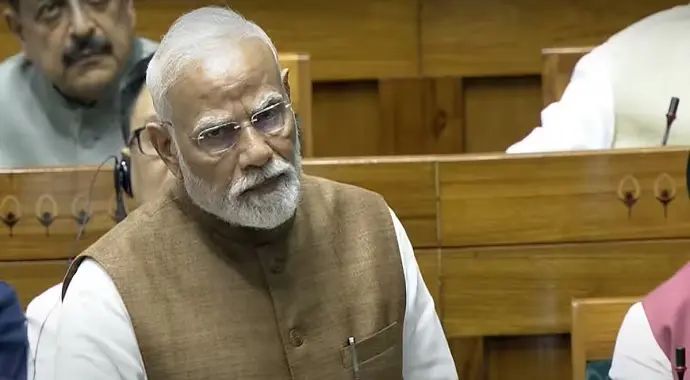
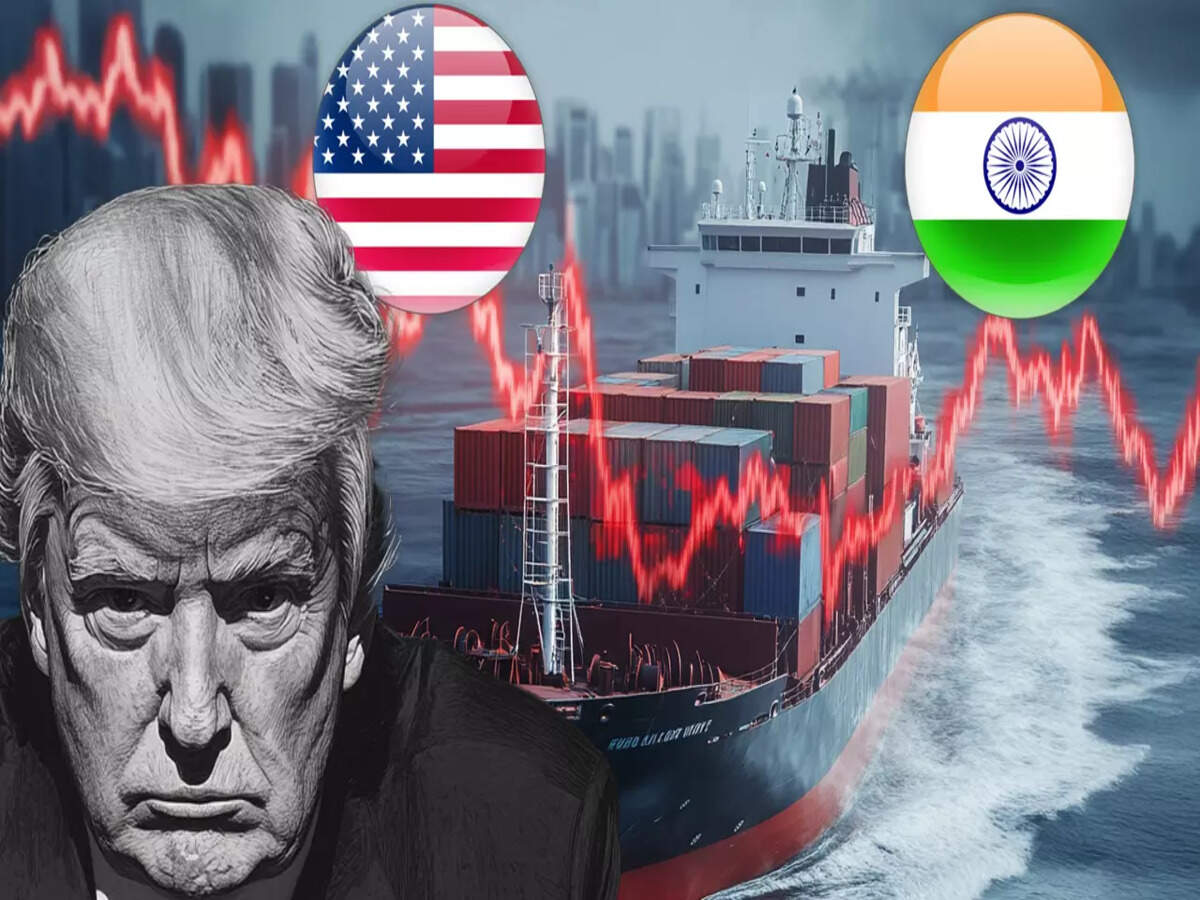
US President Donald Trump has announced plans to significantly raise tariffs on exports from India, citing the country’s oil purchases from Russia as the primary reason for the move. The statement marks an escalation in tensions between the two countries, with both sides having clashed over trade policies and geopolitical issues in recent years.

Trump’s remarks, made on social media, have ignited a strong response from New Delhi, which views the threat as unjustified and damaging to its economic interests. The US President criticized India’s ongoing imports of Russian crude oil, calling the move a betrayal, as the West intensifies efforts to isolate Moscow over its invasion of Ukraine. He pointed out that India’s purchases were then being resold on the international market for profits, further compounding the situation.

The US government has consistently condemned the sale of Russian oil to countries that are still buying from Moscow amid global sanctions designed to cripple the Russian economy. These sanctions, which were imposed by the US and its allies in response to Russia’s aggressive actions in Ukraine, have led to a complex diplomatic web, with several nations, including India, caught in the middle.

While the US and European Union have significantly reduced their oil imports from Russia, countries like India and China have stepped in to fill the gap, buying discounted crude oil from Moscow. India, in particular, has ramped up its purchases of Russian energy, a decision that is seen by many as a strategic move to secure energy resources at lower costs. These purchases have helped India maintain its economic growth amidst the energy price crisis exacerbated by the war in Ukraine.

The announcement by Trump that tariffs on Indian goods would be substantially raised could have serious repercussions for trade between the two nations. India is one of the United States’ largest trading partners, and any significant tariffs would undoubtedly affect a range of industries, from agriculture to technology. In 2022, the bilateral trade between the two countries surpassed $150 billion, with India exporting a wide array of goods to the US, including textiles, chemicals, and pharmaceuticals.

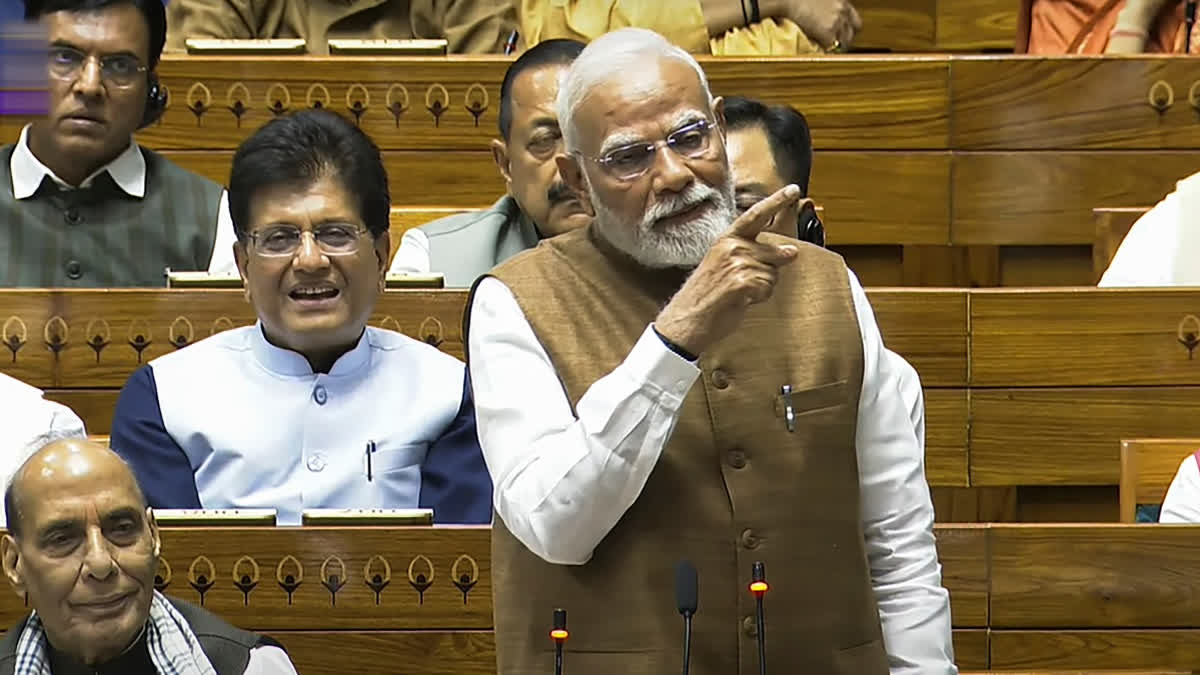
The Indian government, however, has rejected Trump’s claims, arguing that its oil purchases from Russia are in line with its energy security needs and do not violate any international laws. New Delhi has maintained a neutral stance on the war in Ukraine, calling for dialogue and diplomacy to resolve the crisis rather than escalating sanctions and pressure on Russia.

India’s position reflects a broader strategy of balancing its foreign relations with both the West and Russia. While it maintains strong ties with the US and Europe, it also values its long-standing relationship with Russia, particularly in defense and energy sectors. Over the years, Russia has been a reliable supplier of defense equipment to India, a factor that continues to shape India’s foreign policy decisions.

The economic impact of higher tariffs could have a ripple effect on both countries’ economies. India could face higher costs for its exports to the US, which might lead to inflationary pressures within certain sectors. For the US, such tariffs could result in higher prices for American consumers on imported goods, potentially exacerbating inflation at a time when the country is already grappling with economic challenges.

The political fallout from Trump’s threat to raise tariffs could further complicate efforts to resolve trade disputes between the US and India. Both nations have been working on strengthening their strategic and economic ties, but issues like tariffs and energy trade could undermine this progress. Negotiations over trade deals, such as the proposed free trade agreement, may now face significant hurdles as both sides dig in their heels.

The decision to increase tariffs on India could also have wider implications for the global economy. It might set a precedent for other nations to retaliate against countries purchasing Russian oil, particularly those in the Global South who have not been willing to fully sever their economic ties with Moscow. This could potentially fragment the global energy market even further, making it harder for countries to secure stable and affordable energy supplies.

This development highlights the growing division between the US-led West and countries that have opted to remain neutral or continue engaging with Russia. As the war in Ukraine shows no sign of abating, the economic and diplomatic repercussions of these decisions are likely to continue shaping global relations for the foreseeable future.

Oil prices fell sharply after OPEC+ announced plans to raise its production output by 547,000 barrels per day, effective from September. The decision, which came in line with market expectations, has raised fresh concerns about the potential for a global oversupply, especially as fears mount over the long-term impact of economic challenges driven by the US-led trade war.

Brent crude dipped toward $69 per barrel, while West Texas Intermediate hovered near $67, reflecting a sharp pullback following the announcement. The decision to increase output marks a shift in OPEC+ strategy, after several months of production cuts aimed at stabilising oil prices during periods of uncertain demand. However, with global economic headwinds, particularly from trade tensions and slowing growth in major economies, questions are now being raised about whether this increase in supply could overwhelm demand.

Analysts have pointed out that the ongoing US-China trade conflict may be having a profound effect on global energy consumption. The trade war, which has led to tariffs and retaliatory measures between the two largest economies, continues to disrupt global supply chains and dampen business activity. Slower growth in industrial production and manufacturing in key markets has prompted concerns that energy demand could continue to weaken in the face of broader economic struggles.

The increase in production from OPEC+ countries, particularly from the likes of Saudi Arabia, Russia, and Iraq, comes at a critical juncture for global oil markets. While the move was made to ease rising prices and provide some breathing room for oil-dependent economies, the effect of this policy shift is complex. Economists argue that by adding more barrels to an already fragile market, OPEC+ could inadvertently drive down prices further, straining the economic recovery in various parts of the world.

For the time being, the immediate impact of the decision has been reflected in market reactions, with investors showing caution. Oil futures have displayed heightened volatility in response to these developments, as traders remain uncertain about how the oil market will balance the twin pressures of increased supply and potential demand weakness.

The decision was met with mixed reactions from within OPEC+ itself, with some members pushing for a more aggressive increase in output, while others expressed concerns about the potential for exacerbating the supply glut. The divergence of views within the coalition underscores the challenges facing the organisation as it attempts to navigate global economic headwinds. Some member states with economies heavily reliant on oil exports may welcome the production increase as a means to inject more revenue into their national coffers. However, the overall effect on oil prices may ultimately prove counterproductive, especially as the US energy sector continues to grow and exert pressure on global markets.

The decision by OPEC+ to increase output by this amount is also raising questions about the future of production cuts and supply management. The group has made strides to curtail output in recent years in a bid to boost prices, but with uncertainty surrounding demand forecasts, it remains to be seen whether these additional barrels will be absorbed by the market or contribute to further price erosion.

Some market watchers have speculated that the OPEC+ move could be an attempt to pre-emptively counterbalance a potential slowdown in demand as a result of ongoing geopolitical tensions. The trade war, for instance, has prompted governments to enact policies aimed at reducing energy consumption and shifting toward greener, more sustainable energy sources, all of which could place long-term downward pressure on fossil fuel consumption.

Amid these shifting dynamics, some experts are also questioning whether OPEC+ will be able to continue its production increase strategy without facing backlash from consumers and governments alike. With many nations already feeling the strain of high fuel prices, there is a growing sentiment that increasing output may not be the best course of action, particularly in light of concerns about the broader economic slowdown.

A statue honouring Satoshi Nakamoto, the elusive figure behind Bitcoin, has been stolen from its site in Lugano, Switzerland. The monument, unveiled in late 2024, had become an iconic representation of the enigmatic creator of the cryptocurrency, whose true identity remains one of the tech world’s greatest mysteries.

The statue, a large sculpture depicting the name “Satoshi Nakamoto” etched into a series of metallic layers, had captivated visitors and crypto enthusiasts alike since its installation. Situated in the heart of Lugano, it symbolised the city’s growing embrace of blockchain technology and cryptocurrency. For many, the statue was more than just art; it was a tribute to the digital revolution that Bitcoin sparked more than a decade ago.

Authorities were alerted to the theft in the early hours of the morning, when a security guard noticed the conspicuous absence of the monument, which had previously stood proudly at the centre of a public park. The area, which had been carefully monitored by surveillance cameras, now bears only the faint traces of the statue’s former presence, leaving behind a curious and eerie emptiness.

Lugano, a city with strong ties to the cryptocurrency world, had seen significant developments in recent years to become a leading hub for blockchain-based businesses. The city’s proactive approach in fostering crypto-related innovation was epitomised by the statue’s unveiling in 2024, making the theft a significant blow to the region’s reputation.

Local police have launched an investigation into the incident, with officials suggesting that the thieves may have targeted the statue for its material value, given its considerable worth as a work of art. The theft of public art is not uncommon, but the involvement of a high-profile piece linked to one of the most famous figures in tech history has drawn international attention.

Security experts have raised concerns over the vulnerability of public art installations, particularly those linked to high-profile and controversial figures. While the statue’s theft may have been opportunistic, some speculate that it could have been taken as a statement against the pervasive influence of cryptocurrency in traditional finance sectors. Others argue that the absence of the statue only reinforces the mystery of Nakamoto’s identity, highlighting the growing divide between Bitcoin’s revolutionary vision and the material world it inhabits.

A spokesperson for the city’s municipal government expressed their regret over the theft and assured the public that they would work closely with law enforcement to identify the perpetrators. “We are committed to preserving our city’s artistic and technological heritage, and we will take all necessary steps to ensure that such an incident does not occur again,” they said in a statement.

The statue’s disappearance has ignited conversations within the cryptocurrency community, with many speculating on the reasons behind its removal. Some see it as an attempt to erase the legacy of Nakamoto, who has long remained an enigma. Others argue that the theft could be a commentary on the volatile and unpredictable nature of cryptocurrency itself.

Lugano had embraced Bitcoin and blockchain technology with open arms, with the city offering various incentives to crypto companies and developers. It became one of the first cities in the world to allow its citizens to pay for public services with Bitcoin. With this deep connection to the digital currency, the theft of Nakamoto’s statue could be seen as a blow to the city’s ambitions to be at the forefront of the global cryptocurrency movement.

While authorities have not yet identified any suspects, there has been no shortage of theories circulating within the tech community. Some believe that the statue could resurface on the black market, where it might fetch a significant price. Others suggest that the theft could be part of a larger movement aimed at discrediting or disrupting the cryptocurrency space.

OPEC+ members are poised to approve a significant increase in oil output at a crucial meeting scheduled for Sunday. Sources indicate that the group will likely raise production, though discussions are still ongoing over the exact size of the hike for September. The decision follows rising concerns about global oil supplies and the potential for further disruptions from Russia. This move comes as the international community grapples […]

Despite mounting international tensions and growing calls for sanctions, India has confirmed its commitment to continuing oil purchases from Russia. The decision, which has drawn both support and criticism, comes in the face of strong opposition from Western powers, particularly the United States.

India’s robust relationship with Russia, especially in energy sectors, remains central to its strategy to ensure energy security amid global market volatility. While the United States has intensified its warnings against increasing trade with Russia, citing geopolitical risks and the ongoing war in Ukraine, Indian officials assert that the decision aligns with the country’s broader economic interests and long-term energy goals.

The timing of the announcement comes as global oil prices continue to fluctuate, driven by factors ranging from OPEC+ production cuts to the ripple effects of the Russia-Ukraine conflict. With Russia now facing significant sanctions from the West, including oil price caps and restrictions on exports, India has emerged as one of the largest buyers of Russian crude oil, navigating complex international pressures while keeping its energy needs in focus.

India’s oil imports from Russia soared in the wake of the war in Ukraine, particularly after Western nations moved to isolate Moscow from the global market. The country, which historically sourced much of its oil from the Middle East, found Russian oil a lucrative alternative as Western sanctions created discounts, allowing India to tap into a relatively cheap energy supply.

Russia, in turn, welcomed the partnership, as it opened new markets and ensured continued demand for its oil. According to official sources, Russia’s increased sales to India, and other non-Western nations, helped offset some of the lost revenue due to sanctions.

India’s government, however, has been careful to position its stance within a framework of neutrality. Public statements highlight that the nation’s energy decisions are based on its own national interest, focusing primarily on economic stability and the welfare of its people. Officials have also pointed out that India is among the world’s most energy-hungry nations and needs to secure a steady and affordable supply of oil to support its growing population and economic expansion.

Internationally, this trade has sparked debates over the moral and strategic implications of engaging with Russia. Critics argue that by maintaining ties with Russia, India risks undermining global efforts to isolate Moscow, particularly as Western governments seek to enforce stricter sanctions. They point out the tensions between India’s non-alignment policy and its deepening economic relationship with a nation under international scrutiny.

On the other hand, some argue that India’s approach reflects a pragmatic understanding of its own strategic priorities, particularly the need to balance international relationships with domestic requirements. With rising fuel costs and inflation becoming pressing issues for many nations, securing affordable energy resources has become a matter of national security.

India’s oil trade with Russia, however, is not without its challenges. Western nations have long pressured India to reduce its dependence on Russian energy. The Biden administration, particularly, has warned that India’s continued imports could strain relations, especially as the US seeks to maintain solidarity with its European allies in pressuring Russia. Washington’s position on the matter is clear: nations that continue to do business with Russia will face consequences, with potential impacts on trade and geopolitical ties.

Yet, India’s economic and geopolitical imperatives make it unlikely to back down. As part of the BRICS group, which also includes Brazil, Russia, China, and South Africa, India has voiced its commitment to a multipolar world order where nations can pursue their own economic paths, free from external coercion. India has also consistently argued for the need for dialogue and peaceful resolution in the Russia-Ukraine conflict, advocating for diplomacy over military escalation.

The ongoing conflict has undeniably reshaped global energy dynamics, forcing countries to reassess their energy strategies and alignments. While India’s stance has garnered significant attention, its broader approach is seen as part of an evolving foreign policy that seeks to advance national interests without being swayed by external pressures.


Advertisements
By Nitya Chakraborty It is not a cliché to say that our powerful Prime Minister Narendra Modi’s moment truth has arrived after 11 years of ruling the country as the unchallenged leader. The 25 per cent tariff hike on Indian exports announced by the United States President Donald Trump on Wednesday and taking effect from […]

e& has reported an impressive net profit of AED 3.5 billion for the second quarter of 2025, up 9.7 per cent year‑on‑year, driven by a substantial rise in its global subscriber base. The company’s performance outstripped the average analyst forecast of AED 2.84 billion, underlining robust execution in a competitive market. Consolidated revenue for Q2 rose 28.1 per cent to AED 18.0 billion, while earnings before interest, tax, depreciation and amortisation increased by approximately 22.2 per […]

By Dr. Nilanjan Banik Before the August 1 deadline, the U.S. President Donald Trump decided to impose a 25% tariff on Indian exports. He also talked about an additional penalty on Indian exports, which could go up to100% as a surcharge, targeting countries that continue trading oil with Russia. Trump seems to care less about […]

Zambia’s government is pushing for a 12-month extension to its current loan arrangement with the International Monetary Fund, according to an official cabinet statement released on Wednesday. The proposal, if approved, would see the existing agreement, set to expire at the end of October, continue until October 2024. This decision follows a series of critical economic challenges faced by the southern African nation, which is heavily reliant […]

Concerns over the soaring costs of accommodations for the COP30 climate summit have led the United Nations to call for urgent talks. Held in Brazil later this year, the event’s sky-high prices threaten to exclude delegates from poorer nations, raising alarms within the international community about equity and accessibility at the high-profile climate negotiations. The meeting, convened by the UN’s climate office, was prompted by reports from […]

Union Properties reported a sharp decline in second-quarter net profit, registering AED 8.74 million, a 52% fall from AED 18.3 million for the same quarter last year. The Dubai-listed developer attributed the downturn to heavier upfront investments channelled into development activities and upgrades to infrastructure across its portfolio.

For the first half of 2025, profit stood at AED 14.56 million, significantly lower than the AED 34.77 million reported during the same period in 2024. Despite this decline in bottom-line earnings, the company recorded a notable improvement in revenue. Total income for the six-month period rose to AED 316 million, a 19% year-on-year increase compared to AED 266 million during the first half of 2024.

The company’s performance reflects a strategic pivot toward long-term asset enhancement, which has led to a temporary squeeze on margins. According to statements from company officials, this phase of intensified capital expenditure is aligned with efforts to revitalise core assets and push forward master-planned projects aimed at bolstering future recurring revenue.

Union Properties has been seeking to reposition itself in the competitive Dubai real estate landscape, where both private and publicly traded developers are ramping up efforts to respond to shifting demand patterns in residential, commercial, and mixed-use spaces. The firm’s latest investment push includes modernisation of infrastructure, land parcel optimisation, and enhancements across its flagship MotorCity community, as well as new project launches in high-growth corridors of Dubai.

Market analysts indicate that the firm’s choice to front-load development expenses may place temporary pressure on quarterly earnings but positions the company for stronger medium-term growth, particularly as Dubai’s property sector remains buoyant. Real estate transaction volumes in the emirate have continued to show strength, driven by both domestic end-user demand and international investor interest.

Union Properties has also been undertaking restructuring initiatives since 2022 in a bid to reverse a prolonged downturn marked by legal disputes, operational setbacks, and financial mismanagement. The group’s current leadership has focused on stabilising the balance sheet, improving transparency, and advancing stalled developments. The company’s equity structure has undergone changes, with efforts to attract new institutional investors and offload non-core assets.

During the latest reporting period, the developer recorded a surge in project execution costs, which contributed to the narrowing of margins. Construction and infrastructure spending increased significantly, while administrative expenses remained relatively stable. The higher costs are partly reflective of an accelerated build-out of key developments and a recalibration of timelines to align with updated delivery schedules.

The developer’s revenue boost was attributed largely to stronger unit sales and improved rental income from existing properties. However, the impact of increased capital expenditure overshadowed these gains, resulting in lower profitability. The company’s cash flow remains positive, supported by pre-sales and project advances, although liquidity management remains a focus area amid the ongoing investment cycle.

Union Properties’ board has reiterated its confidence in the current trajectory, describing the strategic investments as necessary for sustainable growth. Internal forecasts suggest that revenue streams will continue to expand into the second half of the year as multiple projects reach key development milestones. Delivery schedules have been tightened and operational efficiencies have been integrated to mitigate further cost overruns.

The wider Dubai property market has shown continued resilience, with price growth moderating but staying positive. Analysts suggest that Union Properties’ recent performance must be viewed in the context of its turnaround efforts and sector-wide transformation. Large-scale developers have increasingly shifted focus towards quality, lifestyle-oriented developments, a segment Union Properties is now actively targeting through its redevelopment strategy.

The Securities and Exchange Board of India has escalated its investigation into the trading activities of Jane Street, a global proprietary trading firm, as part of a broader probe into alleged market manipulation. The regulatory body has now requested trading data from several Indian stock exchanges, further deepening its scrutiny of the firm’s involvement in the country’s financial markets.

SEBI’s action stems from claims that Jane Street engaged in manipulation of stock indices through derivative positions. This move follows a regulatory ban imposed on the firm in early July, which temporarily barred it from conducting any trading activities in Indian markets. The ban was issued after SEBI’s preliminary findings suggested that Jane Street had used complex strategies to artificially influence the performance of key stock indices.

As part of the ongoing investigation, SEBI is focusing on obtaining detailed trading records from exchanges including the Bombay Stock Exchange and the National Stock Exchange of India. The goal is to determine whether the firm’s activities, particularly its use of derivatives, involved any illegal practices that could have distorted market prices or harmed retail investors.

Industry experts suggest that the regulator’s heightened interest in Jane Street reflects a broader concern about the role of large institutional traders in shaping market dynamics. Derivative positions, often leveraged and high-risk, can be used to exert significant influence on the underlying stocks, especially in a market as liquid as India’s. By examining data from exchanges, SEBI aims to clarify the extent of Jane Street’s trading strategies and assess whether they align with Indian securities laws.

The investigation is seen as a key test of SEBI’s ability to enforce its regulations on foreign firms operating in India’s rapidly growing financial markets. Despite the firm’s global operations, Jane Street has a significant presence in India, with its trading strategies often tied to the country’s major stock indices. The firm’s complex use of derivatives, particularly index futures, has drawn scrutiny from both regulators and market participants, who have raised concerns about potential market distortion.

Jane Street, which is based in the United States, has yet to publicly comment on SEBI’s request for trading data or the investigation itself. The firm has previously maintained that its activities are compliant with global market regulations, including those in India. However, the SEBI inquiry underscores growing concerns among global regulators about the tactics employed by large-scale traders in emerging markets.

The investigation into Jane Street is part of a broader initiative by SEBI to strengthen its oversight of foreign investment in India. Over the past few years, SEBI has been increasingly focused on improving market transparency and curbing potential manipulative practices, particularly in high-frequency trading and derivative markets. While foreign firms play an essential role in providing liquidity to Indian markets, their influence has raised alarms about potential market imbalances.

Market analysts point out that the use of derivatives and other sophisticated financial instruments by international trading firms has brought India into closer alignment with global financial markets. However, the rise of algorithmic and high-frequency trading has led to concerns over market stability, especially in volatile times. In response, SEBI has ramped up its efforts to ensure that such trading does not compromise the fairness or integrity of the market.

In the wake of SEBI’s actions, some market participants have called for more stringent regulations governing the use of derivatives in India. While derivatives are legal and widely used, their impact on the underlying markets can sometimes be opaque, especially when large institutional players use them in tandem with other strategies to influence stock movements. Calls for greater transparency and stricter enforcement mechanisms are expected to intensify as the investigation continues.

The timing of SEBI’s investigation is significant, as it comes at a time of heightened global scrutiny on market manipulation and the role of high-frequency traders. In the wake of high-profile cases involving market abuses in other jurisdictions, regulators are under pressure to ensure that trading practices do not undermine investor confidence or market integrity.

Matein Khalid While Marjan Island day trips with Amore mio Donna Farah hardly makes me nostalgic for my singleton era visits to Vegas and college boy trips to the odious Trump Plaza/Taj Mahal casinos in Atlantic City, I have no problem taking a flutter on Wynn when it traded at 12X earnings since the free cash flow yield is a more reliable proxy for a money making […]

Major Ethereum holders, often referred to as “whales,” have amassed more than 200,000 ETH in the past 48 hours, pushing their total accumulation to nearly 2 million ETH since the start of July, according to on-chain data firm Santiment. This sharp uptick in activity has caught the attention of market analysts, suggesting that large investors are showing increasing confidence in Ethereum’s long-term price trajectory.

The surge in whale accumulation comes as Ethereum has experienced notable price fluctuations. Following a period of volatility, Ethereum’s price appears to be stabilising, with these strategic accumulations indicating that whales foresee potential price growth. Data from Santiment reveals that these large holders, who hold a significant portion of the total ETH supply, have been acquiring tokens at a rapid pace. Their actions are seen as a signal of confidence in Ethereum’s future, particularly as the network continues to develop and mature.

Ethereum’s ongoing network upgrades, such as the transition to Ethereum 2.0, are likely a contributing factor to this growing bullish sentiment. The shift towards a Proof-of-Stake consensus mechanism has been a long-awaited move, expected to improve scalability, reduce energy consumption, and enhance security. The successful deployment of key upgrades has sparked renewed optimism in the community, particularly among institutional investors who are looking to gain exposure to Ethereum while aligning with broader trends in sustainability.

The shift in sentiment is also reflected in Ethereum’s growing adoption across various sectors. From decentralized finance to non-fungible tokens, Ethereum’s ecosystem continues to expand, driving demand for ETH. As the Ethereum network becomes increasingly entrenched in the broader financial landscape, it is likely that whales view this as a strong indicator of the asset’s potential for long-term appreciation.

The broader cryptocurrency market has been seeing a general trend of institutional involvement, with large-scale investors increasingly allocating capital towards digital assets. Ethereum, as the second-largest cryptocurrency by market capitalisation, stands as a prime target for these investors. The accumulation by whales, many of whom are institutional investors or wealthy individuals, underscores Ethereum’s growing position within the digital asset class.

Despite the positive sentiment surrounding Ethereum, the market remains volatile, with regulatory concerns and global economic factors continuing to influence price movements. However, the heavy accumulation by whales suggests that these investors are more focused on the long-term value proposition of Ethereum rather than short-term price swings. Many believe that as Ethereum’s use cases expand, its value will grow, potentially leading to greater market stability and increasing institutional adoption.

The increasing concentration of ETH in the hands of a few large holders has also raised questions about decentralisation and the potential risks of market manipulation. Critics argue that such accumulation could lead to a situation where a small group of investors has disproportionate control over Ethereum’s price. However, proponents of Ethereum argue that the network’s decentralisation mechanisms and the broader community’s engagement provide a counterbalance to this concentration of power.

The Ethereum Foundation and other key stakeholders have been working diligently to foster an environment that encourages decentralised participation. Community governance, a hallmark of Ethereum’s design, continues to evolve, with decisions about protocol upgrades being made through a collaborative process. As a result, the growing dominance of whales, while notable, is not seen as a fundamental threat to Ethereum’s decentralised nature.

With major upgrades and developments on the horizon, including the anticipated roll-out of sharding to further scale the network, Ethereum’s prospects remain positive. These technological advancements are expected to bolster Ethereum’s position as a leader in the blockchain space, potentially increasing demand for ETH from both institutional and retail investors.

By Nitya Chakraborty Prime Minister Narendra Modi in his long reply to the discussion in Lok Sabha on Operation Sindoor on Tuesday night skillfully avoided the issue of any mediation by the U.S. President Donald Trump by stating that no world leader told India to stop Operation Sindoor. His refrain was that Pakistan DGMO came […]

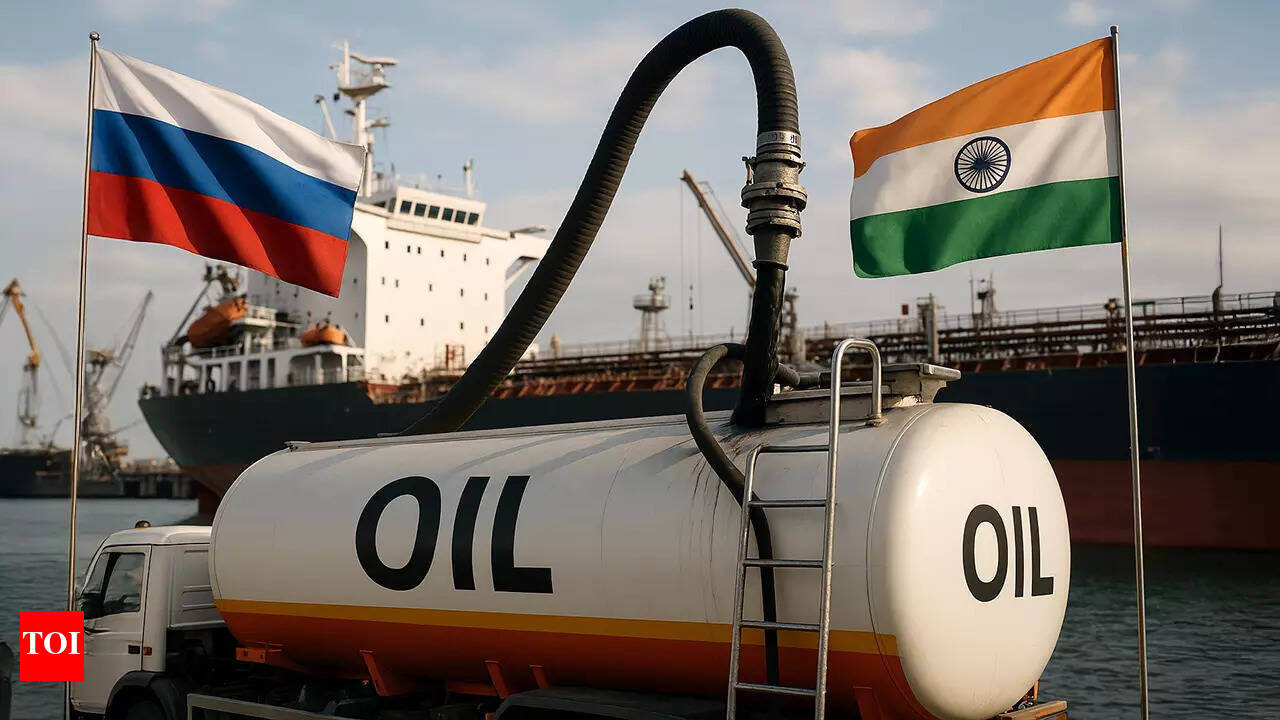
President Trump has sharply shortened his own deadline for punishing buyers of Russian oil, catching markets off guard and forcing investors to price in a risk that had previously been dismissed.  On Monday, standing beside UK Prime Minister Keir Starmer in Scotland, Trump announced that Moscow now has only 10 to 12 days to secure a peace deal over Ukraine.   If it doesn’t, he says he will […]

Gartner’s stock price plunge and G2’s diminishing traffic are indicative of a major transformation in the B2B research industry. The traditional systems—built on gated reports, pay-to-play models, and vendor-biased reviews—are rapidly being upended. This shift is primarily driven by AI technologies, with large language models at the forefront, reshaping how businesses engage with research. Buyers and sellers alike are recalibrating their strategies in response to a new landscape where access to data is instantaneous, personalised, and driven by real-time insights.

For decades, legacy firms like Gartner and Forrester dominated the research space, offering in-depth, but often slow-moving insights in exchange for high costs. Their traditional grid-based analyses, though respected, were perceived as rigid and sometimes outdated, providing a one-size-fits-all perspective. Meanwhile, review sites like G2 and TrustRadius aimed to offer faster insights but often faced criticism for shallow or vendor-incentivised content. While these platforms catered to buyers looking for swift answers, the reviews were often generic and lacked personalisation. Both models, while serving their purpose, have come to feel increasingly inadequate as the industry evolves.

Buyers today demand more from their research tools. The rise of AI-driven platforms reflects a shift in expectations: information must be fast, tailored, and integrated with peer reviews, all without the heavy influence of vendors. Traditional sales calls and vendor presentations are no longer desirable during the early stages of the buying process. A major change is evident: buyers prefer to gather 80% of their information before engaging with a seller. This has resulted in a steep rise in the demand for decision engines that empower buyers to do their own research in real-time, unencumbered by the noise of outdated models.

AI-powered platforms are addressing these pain points. By delivering instant, personalised answers and creating tailored recommendations, these technologies are challenging the dominance of traditional research firms. Large language models are particularly transformative, enabling AI systems to scan vast amounts of data quickly, providing up-to-the-minute insights and playbooks without the bottleneck of human oversight. The result is faster, more relevant research, cutting through the noise of traditional, vendor-centric approaches.

For sellers, this transformation represents both a challenge and an opportunity. Customer acquisition costs continue to rise, and potential buyers are increasingly resistant to early sales calls. With buyers now equipped with AI-powered research tools, sellers must adapt by providing value at earlier stages in the buying process. Simply put, the only path forward for sales teams is to help buyers conduct better research and make more informed decisions. Sellers need to move beyond generic content like SEO-optimised eBooks and instead offer real buyer enablement resources such as detailed playbooks, personalised vendor comparisons, and tools that foster collaboration with potential buyers.

Platforms like Zeer AI are already integrating these shifts into their go-to-market strategies. Through their Buyer-Led Agentic platform, Zeer is revolutionising B2B research by creating daily pulses that allow buyers to share their most pressing concerns directly with AI agents. These agents then provide instant, tailored insights, including vendor leaderboards and one-click access to personalised RFPs. The AI agents continually scan fresh content, ensuring that the insights buyers receive are always up-to-date and relevant. This constant stream of personalised data positions Zeer’s platform as a valuable tool in the decision-making process, offering buyers the resources they need to make better-informed decisions.

Zeer’s platform incorporates human-curated research through its network of experts, agencies, and consultants. This network aids in the identification of ‘soft intent’—when a buyer is interested in a solution but not yet ready to engage. Once a buyer interacts with a solution that resonates with them, the system seamlessly transitions from soft to hard intent, prompting a meeting with the vendor. This soft intent to hard intent progression streamlines the sales funnel, making the buying process more efficient and collaborative.

CoinShares has introduced an exchange-traded product designed to offer investors exposure to the SEI token, with a unique value proposition: zero management fees and staking rewards. The ETP, set to launch across multiple European markets, aims to attract both retail and institutional investors who are keen to participate in the burgeoning sector of digital assets.

The SEI ETP is being heralded as a groundbreaking development within the cryptocurrency investment space, as it lowers the barriers to entry for investors looking to capitalise on the SEI token. By eliminating management fees, CoinShares has created a highly competitive product that promises higher returns for investors. Moreover, the staking rewards component adds a unique dimension to the offering, allowing investors to earn additional yield from their SEI holdings, further enhancing the attractiveness of the ETP.

This launch comes at a time when cryptocurrency investment products are experiencing increasing demand across Europe. With growing interest from institutional investors, particularly in the wake of global market fluctuations and economic uncertainty, innovative financial products like the SEI ETP are gaining significant traction. The move by CoinShares is a response to this rising demand, reflecting the company’s commitment to making digital asset investments more accessible and cost-effective.

CoinShares has long been a prominent player in the digital asset investment space. Known for its strong track record in launching exchange-traded products, the company has consistently pushed the boundaries of what is possible in terms of product innovation. The SEI ETP is part of the firm’s broader strategy to expand its range of offerings, catering to a diverse array of investors, including those who are new to the world of digital assets.

The SEI token, the underlying asset of the new ETP, is a relatively new entrant to the cryptocurrency market. However, it has been gaining momentum due to its strong fundamentals and the innovative approach behind its creation. The staking rewards aspect is particularly appealing, as it provides investors with an additional income stream beyond the typical price appreciation of the token.

Europe’s regulatory environment for cryptocurrencies has played a pivotal role in enabling the successful launch of such products. With the European Union’s comprehensive framework for digital assets gaining momentum, including the MiCA regulation, investors have greater confidence in the safety and legitimacy of cryptocurrency investment products. CoinShares, leveraging its expertise and reputation, is well-positioned to navigate this complex regulatory landscape, providing assurance to investors.

The ETP will be listed on major European exchanges, making it easily accessible to a broad spectrum of investors. The zero-fee structure makes it highly appealing to those looking to reduce the cost of investment, while the staking rewards make it an attractive option for those seeking passive income opportunities in the digital asset space. Furthermore, the ETP is designed to cater to both institutional and retail investors, broadening its potential market reach.

While the SEI ETP promises to be an attractive product for a wide range of investors, some industry experts caution that investors should remain mindful of the volatility that typically accompanies cryptocurrency markets. Although the SEI token has shown promising growth potential, like all digital assets, it is subject to significant price fluctuations. Staking rewards, while appealing, also come with their own set of risks, particularly if the underlying asset’s value decreases.

Despite these risks, the growing demand for innovative, low-cost cryptocurrency products remains a driving force in the market. CoinShares’ zero-fee SEI ETP is expected to capture a significant share of the market, particularly as investors look for new ways to participate in the digital asset space without incurring high management fees. By offering a product that aligns with investor desires for yield and low-cost access, CoinShares has further cemented its position as a leader in the digital asset investment space.

By Nantoo Banerjee The European Union seems to have arrogated itself with extrajudicial power to prevent outside nations from purchasing Russian oil. It has no locus standi to impose its will on countries which are not members of EU. Thus, the latest expansion of the EU sanctions targeting Russian energy exports can legally cover only […]

KUALA LUMPUR, MALAYSIA – Media OutReach Newswire – 28 July 2025 – Forex traders are bracing for what could be one of the most pivotal trading weeks of the year. The calendar is packed with high-impact releases that could send shockwaves through the markets, potentially even temporarily halting trading altogether as global economies digest a barrage of critical data. From central bank decisions to blockbuster economic reports, […]

Ethereum’s price may reach as high as $13,000 by the end of 2024, according to a prominent cryptocurrency analyst on social media platform X. The expert, widely followed in crypto circles, has outlined two potential scenarios for ETH’s price trajectory, citing a range between $8,000 and $13,000. This forecast has sparked significant interest, particularly as market dynamics shift and institutional involvement continues to rise.

The analyst’s prediction is rooted in the growing institutional interest in Ethereum and its increasing use cases in decentralized finance, gaming, and non-fungible tokens. Ethereum’s network upgrade, Ethereum 2.0, is expected to play a key role in stabilizing the cryptocurrency’s value, with faster transaction speeds and more efficient energy consumption. Additionally, the increasing institutional capital in the crypto ecosystem is expected to contribute to upward price momentum, especially for Ethereum, which is widely considered to have a more versatile infrastructure compared to other cryptocurrencies.

One key development that could push Ethereum’s price upwards is its ongoing integration into traditional finance. Large-scale investments and Ethereum-backed projects have begun gaining traction, particularly in sectors like real estate and finance, which are increasingly experimenting with blockchain technologies. Moreover, some analysts suggest that Ethereum’s role in the expanding NFT market, alongside its functionality in DeFi applications, might drive the token’s adoption further.

Meanwhile, the latest news about SharpLink Gaming highlights another potential bullish catalyst for Ethereum. SharpLink, a company focused on sports gaming and technology, has reportedly added approximately $295 million worth of Ether to its corporate treasury. This acquisition signals a significant move by a traditional company embracing the blockchain revolution. The firm’s decision to hold such a large sum of Ether reflects the growing confidence in the long-term viability of Ethereum, particularly as its use cases expand.

The addition of $295 million worth of Ether to SharpLink Gaming’s treasury is noteworthy for several reasons. For one, it represents a shift from traditional finance to a more decentralized digital asset base. Companies like SharpLink, operating within the gaming and tech sectors, are recognizing the potential for blockchain technologies to enhance security, transparency, and efficiency in their operations. Ethereum’s smart contract capabilities are especially attractive to businesses seeking decentralized solutions for contract execution and asset management.

SharpLink’s investment comes at a time when Ethereum is experiencing heightened market attention. The gaming industry, a major force in cryptocurrency adoption, is one of the key areas where Ethereum has carved out a significant niche. Ethereum’s blockchain supports various gaming protocols and platforms, allowing for the creation and trade of in-game assets, which has positioned it as a leader in the play-to-earn sector.

SharpLink’s commitment to Ethereum also aligns with the broader trend of corporate adoption of cryptocurrency. As more companies diversify their investment portfolios to include digital assets, Ethereum stands out as a long-term option for blockchain infrastructure. Its network upgrade to Ethereum 2.0 is expected to make the network more scalable, making it an attractive option for enterprises looking to leverage blockchain technology.

The analyst’s prediction of Ethereum hitting $8,000 to $13,000 also comes at a time when other factors are shaping market dynamics. As inflationary pressures persist, alternative assets like cryptocurrencies are being increasingly considered as a hedge against traditional market volatility. In particular, Ethereum’s deflationary mechanisms introduced by Ethereum 2.0, such as EIP-1559, which burns a portion of transaction fees, further contribute to its appeal as a store of value.

However, not all market participants are convinced that Ethereum will reach these ambitious price targets in the near future. Critics point to potential regulatory hurdles and competition from other blockchain networks, including Binance Smart Chain and Solana, which have gained traction for offering faster and cheaper transactions than Ethereum. Additionally, Ethereum’s scalability remains a key concern for some users, despite the anticipated improvements with Ethereum 2.0.

Malaysia’s central bank has revised its economic growth forecast for 2025, citing increased volatility stemming from ongoing global trade tensions, notably those related to US tariffs. The Bank Negara Malaysia reduced its expected GDP growth to a range of 4% to 5%, down from an earlier projection of 5% to 5.5%. The adjustment comes as a response to the shifting dynamics of global trade, which have been exacerbated by the imposition of tariffs by the United States under the administration of President Donald Trump.

While Malaysia has been largely insulated from direct tariff measures, the broader implications of the US-China trade war and related tariffs have left a significant mark on its export-driven economy. Malaysia’s position as a key player in global supply chains has made it vulnerable to shifts in the global trade environment. The US tariffs, particularly on Chinese goods, have reverberated through Southeast Asia’s manufacturing sector, affecting Malaysia’s export performance and business sentiment.

BNM’s decision to cut the forecast reflects the broader concerns surrounding economic stability in the region. The central bank noted that the uncertainty surrounding US trade policy, particularly regarding its tariffs on various Chinese products, is likely to persist throughout 2025. Furthermore, the report highlighted the continued risks posed by rising protectionism and trade barriers globally, which have disrupted supply chains and added to market volatility.

In addition to the impact of tariffs, Malaysia’s central bank has also pointed to domestic factors influencing growth. These include higher inflationary pressures, mainly due to increased global commodity prices, which have had a knock-on effect on consumer spending. Malaysia’s key exports, such as palm oil, rubber, and electronic components, have all seen price fluctuations driven by external factors such as US tariffs and China’s economic slowdown.

The reduction in growth expectations comes at a time when Malaysia is also grappling with challenges in maintaining fiscal discipline. The government has pledged to reduce its budget deficit but has struggled to meet its revenue targets, further complicating the nation’s economic outlook. Malaysia’s reliance on exports, especially to major economies like the United States and China, has made it particularly sensitive to trade tensions. These developments have placed additional strain on the country’s fiscal policy, forcing the government to reconsider its growth strategies.

The central bank’s move is likely to have significant implications for Malaysia’s monetary policy. With inflation on the rise and external risks mounting, BNM may opt to adopt a more cautious stance in terms of interest rate adjustments. While the central bank has refrained from any immediate changes, economists expect that it will closely monitor both domestic and international developments, particularly as trade tensions show no sign of easing.

The challenges facing Malaysia’s economy are also compounded by global economic slowdowns, which have affected demand for Malaysian goods and services. As countries like the United States and China grapple with their own internal economic issues, Malaysia’s export markets have softened, leading to a reduced demand for its products. In particular, Malaysia’s electronics and semiconductor industries, which account for a significant portion of its exports, have faced headwinds as the US-China trade war has diverted global supply chains elsewhere.

Despite these challenges, the government remains optimistic about Malaysia’s long-term prospects. The country has made significant strides in diversifying its economy over the past few years, with a growing emphasis on technology, innovation, and sustainable development. Malaysia’s efforts to strengthen its digital infrastructure and promote industries such as e-commerce and renewable energy are seen as key to sustaining growth, even amid global trade disruptions.

VISHNU RAJA
RYO YAMADA
HITORI GOTOH
IKUYO KITA
Just in:
Dalilk Academy reaches 27 million, targets 100 million by 2030 // PayerMax and ShopeePay Strengthen Strategic Partnership to Advance Digital Payment Collaboration in Southeast Asia // Fungal toxins detected across 212 UK plant-based products // Padmini follows Padmaja for ‘ghar vapsi’ // Russia permits retail cryptocurrency purchases under regulated framework // US military rebuts Iran’s Gulf F-16 strike allegation //
Centre grants aircraft cabin access for Sabarimala pilgrims’ irumudi
// Dubai Introduces SHARH, an AI-Powered Platform Helping Entrepreneurs Buy, Sell and Manage Businesses in the UAE // Saudi defences destroy three Houthi missiles targeting Riyadh // Ex-minister named accused in Messi visit fraud case // 2026 Tropical Rainforest Ecosystem Partners Conference Kicks off in Hainan // Bail refused to 17-year old in Abhiram murder // ED searches five districts in probe against hawala // Jaiedco and Golden Bridge Announce Strategic Collaboration for a New Dubai Islands Development // Technology at Work, Heritage for All: The “Chinese Approach” to Safeguarding the Leshan Giant Buddha // Diabetes Malaysia And Alpro Pharmacy Set National Record With 11,007 Most Blood Glucose Screenings Conducted Across Malaysia In Just 48 Hours // Saudi Arabia schedules multinational top-up tax for 2027 // Sabarimala booking discrepancies prompt sabotage angle probe // Crypto market loses $150 billion amid broad sell-off // Yeebo Announces Interim Results for FY26/27 Revenue Increases by 45.5% to HK$806.7 Million Profit Attributable to Owners Surges 87.6% to HK$2,284.7 Million //