

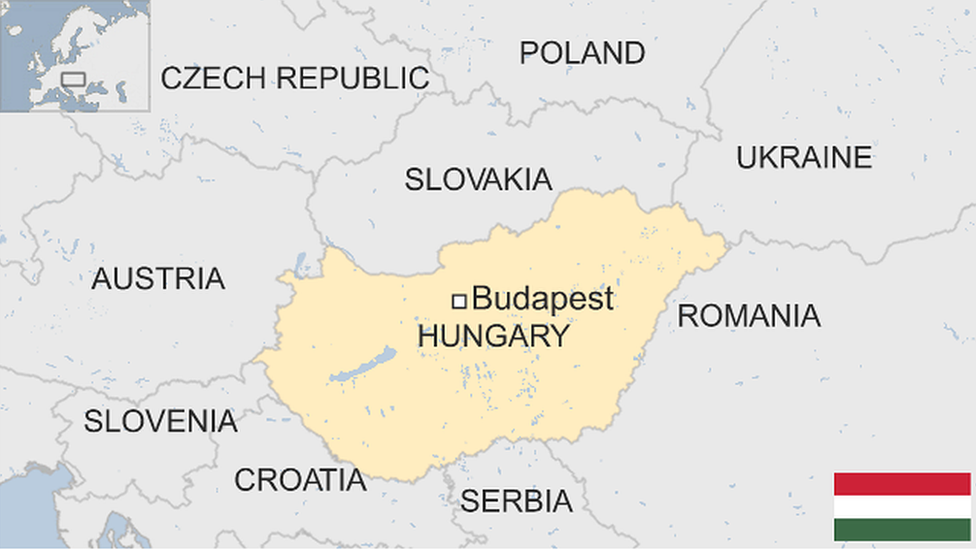
Hungary has threatened to block the European Union’s 20th package of sanctions against Russia, escalating tensions within the bloc as Budapest links its support to the resumption of Russian oil deliveries. The warning underscores deep divisions in Brussels over how far to push punitive measures against Moscow while safeguarding member states’ energy security.
Prime Minister Viktor Orbán’s government has indicated it could withhold approval for fresh restrictions unless oil flows via the Druzhba pipeline are restored. Hungary relies heavily on Russian crude delivered through the southern branch of the Soviet-era network, and any prolonged disruption risks economic and political fallout at home. EU sanctions require unanimity among the 27 member states, giving Budapest leverage in negotiations at a critical juncture in Europe’s response to the war in Ukraine.
Officials in Budapest argue that halting oil shipments would undermine Hungary’s energy stability and breach earlier understandings reached when the EU first imposed an embargo on most Russian seaborne crude. At the time, landlocked countries including Hungary secured exemptions to continue pipeline imports, citing limited alternatives and infrastructure constraints. Government figures have framed the current dispute as a matter of national interest, maintaining that sanctions should not disproportionately harm individual member states.
The European Commission has been preparing what diplomats describe as a 20th sanctions package aimed at tightening enforcement, targeting circumvention networks and expanding restrictions on technology transfers and financial flows linked to Russia’s war effort. Previous rounds have progressively restricted Russian banks’ access to the international financial system, banned exports of dual-use goods and introduced price caps on Russian oil transported by sea. Enforcement has grown more complex as Moscow adapts by rerouting trade through third countries and employing shadow fleets to bypass restrictions.
Hungary’s position adds strain to EU unity, which has been a cornerstone of the bloc’s strategy since Russia launched its full-scale invasion of Ukraine in February 2022. Orbán has repeatedly criticised aspects of the sanctions regime, arguing that it has contributed to inflation and economic pressure across Europe. While most member states maintain that the measures are necessary to constrain Moscow’s capacity to finance its military operations, Budapest has called for what it terms a reassessment of the policy’s effectiveness.
Energy security remains a central concern. Hungary’s refineries are configured primarily to process Russian Urals crude, and adapting them to alternative blends requires time and investment. Although Hungary has taken steps to diversify supplies, including increasing deliveries via the Adriatic pipeline from Croatia, Russian oil has continued to account for a significant share of its imports. Industry analysts note that while Europe as a whole has sharply reduced dependence on Russian energy since 2022, some central European countries remain structurally tied to pipeline flows.
Brussels has sought to balance solidarity with flexibility. The EU’s sixth sanctions package in 2022 carved out temporary exemptions for pipeline imports to address concerns from landlocked states. However, tensions have resurfaced periodically, particularly when disruptions or technical issues have interrupted deliveries. Disputes over transit routes through Ukraine have further complicated matters, as Kyiv has periodically reassessed agreements affecting the passage of Russian energy supplies across its territory.
Ukraine, which relies heavily on EU political and financial backing, has pressed for sustained and expanded sanctions, arguing that revenue from energy exports remains a critical lifeline for Moscow. European leaders have reiterated commitments to support Kyiv through financial assistance, military aid and long-term reconstruction planning. Any delay or dilution of sanctions could be interpreted as a weakening of resolve at a time when the conflict remains active and negotiations show little progress.
Within the EU, several governments have expressed frustration with Hungary’s stance but have stopped short of publicly confronting Budapest in detail. Diplomats say efforts are under way to find technical or legal solutions that would address Hungary’s concerns without derailing the broader sanctions framework. Options could include clarifying transit arrangements, reinforcing exemptions or providing assurances regarding alternative supply routes.
Follow Arabian Post
Select Arabian Post as your preferred source on Google and MSN News for trusted business news and Arab politics and updates.



