US Treasury Secretary Scott Bessent is expected to outline the measures on Monday, with the Trump administration signalling that the campaign will seek to isolate Tehran from international trade and financial networks. The measures are expected to extend pressure beyond Iranian companies and institutions by targeting foreign businesses, banks and intermediaries that continue significant commercial dealings with the country.
The approach could place China at the centre of the confrontation. China remains the largest buyer of Iranian oil, taking more than 80 per cent of Tehran’s seaborne crude exports, and has rejected Washington’s argument that heavier sanctions will help resolve the conflict. Beijing has maintained that political negotiations rather than economic coercion offer the more viable route towards settlement.
Bessent has described the forthcoming measures as potentially the toughest sanctions imposed on Iran, while President Donald Trump has threatened economic consequences for countries helping Tehran maintain its external trade. Washington is seeking coordinated action from allies and partners, potentially expanding the financial risks for companies involved in Iranian oil purchases, shipping, banking and other transactions.
Pezeshkian acknowledged the pressure on households during a televised address on Sunday, saying his government was struggling with inflation, employment and living standards while confronting external pressure. His comments marked one of the clearest acknowledgements by Iran’s leadership of the economic costs generated by years of sanctions and months of warfare.
Foreign Minister Abbas Araqchi nevertheless dismissed Washington’s threatened economic offensive as an act of desperation and said further sanctions would fail. Tehran has repeatedly argued that decades of US restrictions have encouraged it to develop alternative financial channels, deepen commercial ties with Asian economies and reduce dependence on transactions conducted through the dollar.
The challenge for Iran has intensified as several of those alternative routes come under pressure. US authorities have stepped up action against networks accused of moving hundreds of millions of dollars through intermediaries, exchange houses and companies across several countries. Washington is increasingly focusing on the mechanisms Tehran uses to obtain foreign currency and move revenues outside conventional banking channels.
Iranian leaders are also warning neighbouring governments against joining the American campaign. Mohsen Rezaei, the secretary of the Supreme National Security Council, has said states participating in what Tehran describes as an economic war would be treated as hostile. His position has heightened concern that financial confrontation could spill into security relations across the Gulf.
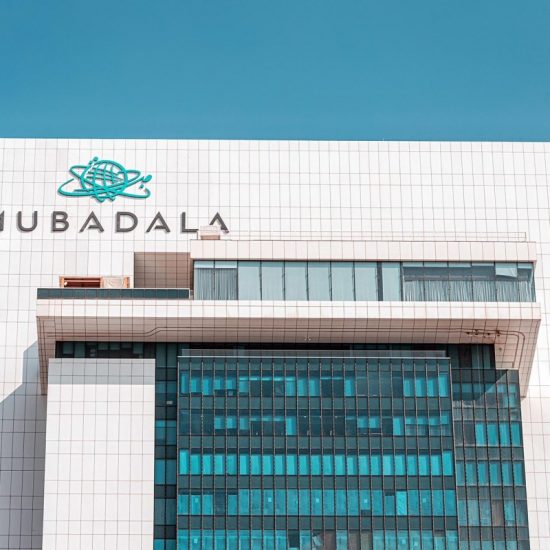
The regional trading environment has already deteriorated. The UAE has suspended commercial and financial dealings with Iran amid heightened tensions, removing one of Tehran’s most important gateways for commerce. The UAE has historically ranked among Iran’s largest trading partners and served as a hub through which Iranian businesses maintained links with wider international markets.
Oil remains the most consequential pressure point. Washington wants to reduce the revenue Tehran receives from crude exports while restricting its ability to use informal shipping, payment and currency networks. Any broad secondary-sanctions programme would force governments and companies to weigh access to the US financial system against continued business with Iran.
The economic confrontation is unfolding alongside an unresolved military and diplomatic crisis. Iran and the US reached a memorandum of understanding in June following mediation involving Pakistan and Qatar, establishing a negotiating period intended to move the conflict towards a settlement. Those discussions have stalled over the Strait of Hormuz, sanctions relief and wider security arrangements.
Pezeshkian has continued to defend negotiations as a possible route out of the confrontation, even as harder-line figures advocate resistance. Parliamentary Speaker Mohammad Bagher Ghalibaf has also linked economic stability to national security and called for stronger commercial links with neighbouring states, including greater use of national currencies to reduce exposure to the dollar-based financial system.
Follow Arabian Post
Select Arabian Post as your preferred source on Google and MSN News for trusted business news and Arab politics and updates.